
Reviewed · POON HILL TREKS
3 Days 2 Nights Poon Hill Trekking
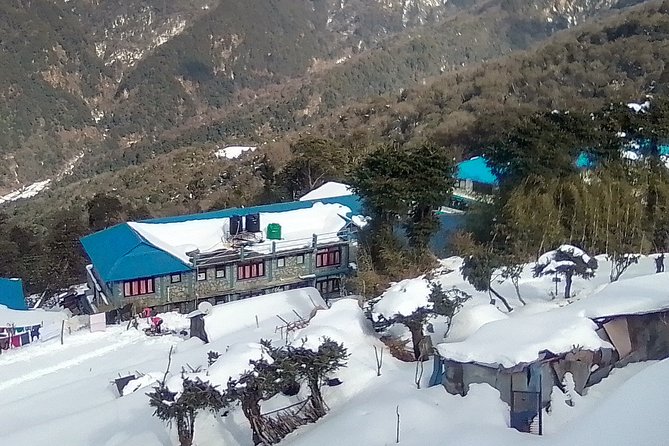
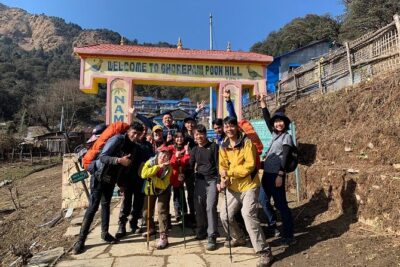
Poon Hill gives you one of Nepal’s most rewarding mountain mornings without requiring a long expedition. You leave Pokhara, walk through lower Himalayan forest, sleep in tea houses, and reach the viewpoint before sunrise for broad views of snow-covered peaks. The sunrise is the main event, and the route also brings you to traditional Ghandruk.
I like the tidy three-day plan and the fact that transport, permits, a licensed mountain guide, and lodging are bundled into the price. I also like the human touch reported by past customers, especially the helpful coordination associated with Madhu Sudan Dahal and guide Ravi Gyawali. The catch is simple: this is still a real trek, with a moderate fitness requirement, uphill walking, and food costs left out of the $228.47 price.
Key points at a glance
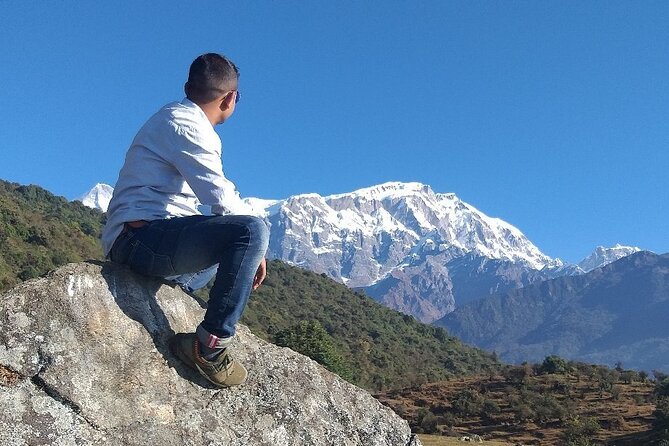
- Sunrise at Poon Hill: The early walk leads to the trip’s most memorable mountain view.
- Ghorepani and Ghandruk: You pass through two well-known Himalayan settlements, each with a different feel.
- Forest walking: Much of the route runs through dense lower Himalayan evergreen forest.
- Private format: Only your group takes part, with private transportation and a licensed mountain guide.
- Tea-house nights: Accommodation is included, but meals and drinks must be purchased separately.
- Good short-trek value: Permits, entry fees, guide expenses, transport, and lodging are covered for $228.47 per person.
Why Poon Hill works so well in three days
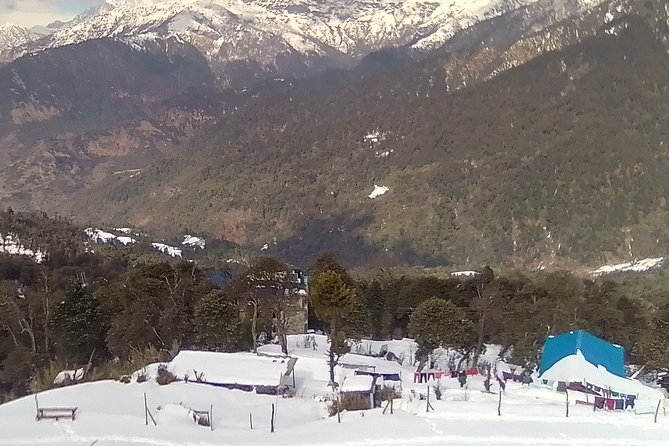
Poon Hill is a smart choice when you want a close look at the Annapurna region but cannot spare a week or more. This trip compresses the experience into three days and two nights, using road transport at the beginning and end to save walking time.
That short format does not make the trek effortless. You still need to walk on mountain trails and handle a moderate level of exertion. But compared with a much longer Himalayan route, this plan keeps the commitment manageable. You get forest, villages, mountain views, and tea-house lodging in a compact package.
I especially like the balance between scenery and culture. The route is not only about looking at distant peaks. You also pass through traditional settlements and get a guide who can explain the local people, customs, and terrain. That added context makes the walk feel like more than a scenic workout.
The published score of 4.9 from 17 ratings, along with a 100 percent recommendation rate, points to a strong record. The most consistent praise centers on the sunrise, friendly service, helpful guides, and the sense that the trip is well handled from start to finish.
More Poon Hill and Ghorepani treks:
- Poon hill Trek 3 days
★ 5.0 · 176 reviews - Pokhara: 4-Day Ghorepani, Poonhill & Ghandruk Mountain Trek
★ 5.0 · 132 reviews - Ghorepani – Poon Hill Trek 3N-4D
★ 5.0 · 125 reviews
Day one: from Pokhara to Uleri and Ghorepani
The first day begins with a drive from Pokhara toward Uleri. From there, you start walking toward Ghorepani, one of the key overnight points on the route.
This arrangement matters. Private transportation carries you beyond the lower part of the approach, leaving more time for the actual mountain walk. You avoid spending the whole first day on foot, but you should still expect a demanding start as you gain height on the trail.
The route moves through lower Himalayan evergreen forest. That means the first day is not simply a march toward a viewpoint. You get shaded walking, changing terrain, and a gradual shift from the Pokhara area into the Annapurna foothills.
Ghorepani serves as the first night’s base. Your tea-house accommodation is included, which removes one large planning task. Tea houses are practical mountain lodging rather than luxury hotels, so you should approach this part of the package for warmth, location, and convenience, not polished resort comfort.
Food and drinks are not included. You can buy them along the trek, but you should budget for those purchases before setting out. The advertised price is attractive partly because the package covers the major logistical pieces while leaving daily eating costs to you.
Day two: the early climb to Poon Hill
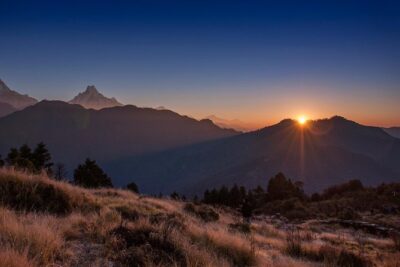
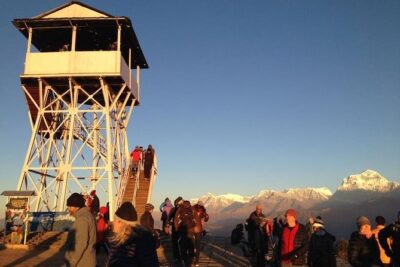
Day two is built around an early morning walk to Poon Hill for sunrise. This is the emotional high point of the trip, and the timing is not optional if you want the full experience. You leave before daylight so you can reach the viewpoint in time for the first light over the Himalayan ranges.
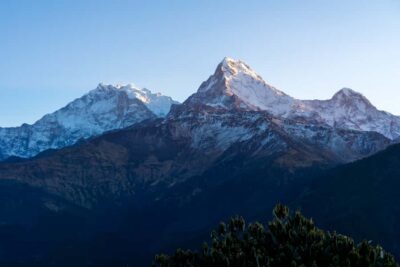
The payoff is the changing color on the snow-covered peaks as the sun comes up. Exact visibility depends on weather, of course, but this is the part of the route designed for the wide mountain panorama. Several strong comments about the trip focus on this sunrise, and that makes sense: it gives you a clear reason to accept the early start and the climb.
After Poon Hill, you walk back and continue toward Ghandruk. This makes day two the most ambitious day in the schedule. You are combining a pre-dawn uphill walk with a longer transfer on foot, so pacing matters. Stay aware of your energy rather than treating the first climb as the whole day’s work.
Ghandruk is one of the most appealing stops on the route. It is described as a traditional village in the Himalayan foothills, and it adds a cultural dimension that you would miss on a viewpoint-only trip. The village gives you a chance to slow down and notice homes, local life, and the relationship between settlement and mountain terrain.
The overnight stay in or around Ghandruk also breaks up the route sensibly. Instead of returning immediately to Pokhara after the sunrise, you continue through the hills and spend another night in a tea house. That keeps the trip from feeling like a rushed day excursion.
Day three: Ghandruk to Nayapul
The final walking section runs from Ghandruk to Nayapul. This is the route back toward the transport connection and the end of the trekking portion.
After the early start and longer second day, the third day gives you a final chance to enjoy the foothills at a more relaxed pace. The exact feel of the walk will depend on your group’s speed and condition, but the schedule is designed to finish the trek within the three-day plan.
Private transportation is included, which is useful at the end of a physically active trip. You do not have to arrange every transfer yourself, and the guide can help keep the return movement organized.
The itinerary description identifies the Annapurna Region as the main stop, but the actual experience is more varied than that single label suggests. You have a road transfer, forest trails, Ghorepani, Poon Hill, Ghandruk, and Nayapul. The route is short, yet it contains several distinct stages.
A few more Annapurna Region days to weigh up
- From Pokhara: 3-Day Ghorepani Poon Hill Trek with Guide
★ 4.9 · 68 reviews - Pokhara: 3-Day Ghorephani and Poon Hill Private Trek
★ 5.0 · 58 reviews - 3-Day Poon Hill Trek from Pokhara.
★ 5.0 · 45 reviews - Pokhara: 2 & 3 Days Ghorepani Poon Hill Private Guided Trek
★ 4.9 · 27 reviews
What the guide and private format add
This is a private activity, so only your group participates. That is a useful advantage if you want to walk at your own pace, ask questions freely, or avoid being tied to a large group’s rhythm.
A licensed mountain guide is included, along with guide expenses, permits, entry fees, and taxes. Those details matter in Nepal, where a short trek still involves route planning and local formalities. You are paying for more than a path through the hills. You are also paying for someone to help manage the practical side of the outing.
The guide is expected to explain the culture, people, and terrain. That is especially valuable around Ghandruk, where the village setting gives the walk a stronger local character. Ask questions as you go. A guide’s explanation can turn a simple stop into a better understanding of how people live in the foothills.
Ravi Gyawali is named in connection with the trip’s coordination, while Madhu Sudan Dahal is associated with the company’s personal service and customer communication. The available information does not guarantee which individual will lead every departure, so it is best to confirm your guide’s name when booking.
What $228.47 really covers
At $228.47 per person, this is a reasonable package for a private three-day mountain trip, particularly because several costs are already grouped together. Included items are:
- Private transportation
- A licensed mountain guide
- Guide expenses
- Permits
- Entry fees
- Taxes
- Tea-house accommodation during the trek
The value is strongest for someone who wants a ready-made plan rather than a do-it-yourself arrangement. You do not need to separately organize permits, route support, overnight lodging, and the main transfers.
The price is not all-inclusive. Food and drinks are extra, and emergency rescue costs are not covered. Gratitude, or tipping, is optional. You should keep these exclusions in mind when comparing this trip with other packages. A lower headline price can look less appealing once meals and unexpected emergency arrangements are added, but this package still covers many of the expensive and important basics.
Rescue-cost exclusion deserves special attention. It does not mean an emergency will happen, but mountain activities always carry some risk. Consider your own travel insurance before you go. The supplied information only says that rescue is excluded, so you should confirm your insurance needs and any local arrangements directly with the operator.
The real comfort level on the trail
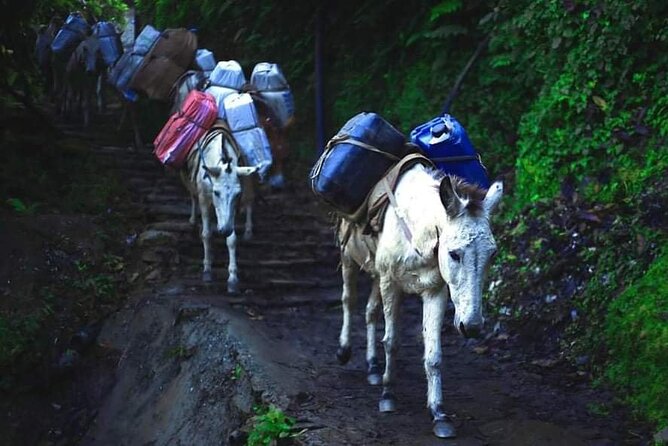
This is not a sightseeing bus tour with a short walk at the end. The tour requires a moderate level of physical fitness, and the sunrise schedule adds another challenge. You should be comfortable walking on mountain trails for several days and handling an early morning start.
The exact walking times, elevation changes, and trail conditions are not provided, so I would ask for those details before booking. That is especially important if you have knee problems, limited walking experience, or a tight schedule.
Tea-house accommodation is practical and part of the appeal of the route. It places you close to the trail and keeps the trip rooted in local mountain travel. It also means you should not expect hotel-style facilities or a broad range of included comforts.
The private setup can help families and friends manage the pace. One published account describes an enjoyable trip with older in-laws, with hospitality and comfort viewed positively. That does not remove the fitness requirement, but it suggests the service can work well for groups that value support and a slower, carefully managed approach.
The parts I like most
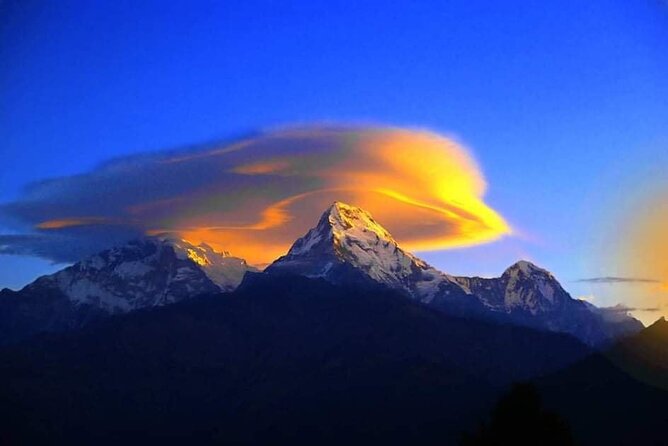
The sunrise is the clear highlight. Poon Hill gives the itinerary a strong purpose, and the early start makes the morning feel earned. If you are choosing among short treks near Pokhara, this is the feature that should guide your decision.
I also like the mix of natural and cultural stops. Dense evergreen forest provides the setting, while Ghandruk gives you a traditional village experience. You are not simply walking uphill, taking a photograph, and returning to town.
The hospitality receives repeated praise, including comments about friendly guides, good hotel service, and helpful coordination. I would treat that as a promising sign rather than a guarantee, since service can vary by guide and departure. Still, the company’s repeated personal responses and the positive comments about staff suggest that communication is one of its strengths.
The package also appears affordable for a private trip. The combination of private transport, permits, guide support, and tea-house lodging makes the cost easy to understand. You are buying convenience without moving into a luxury price range.
Things you should weigh before booking
The biggest concern is the pace. Three days is efficient, but it leaves little room for a slow morning, a weather delay, or an unscheduled rest day. The early Poon Hill walk is followed by continued trekking toward Ghandruk, so day two may feel long.
The food exclusion is another practical issue. You will need to pay for meals and drinks as you go. This is normal for tea-house trekking, but it means the advertised price is not the final amount you will spend.
Weather can also affect the main reward. The package promises the route and the viewpoint, not a guaranteed clear sunrise. Poon Hill can be beautiful even under changing conditions, but you should not book it with an absolute expectation of perfect mountain visibility.
Finally, the itinerary information is brief. It names the Annapurna Region and lists the main route, but it does not provide walking distances, elevations, departure times, or a packing list. Ask the operator for those details before you commit. That small step will tell you whether the three-day schedule fits your ability and plans.
Who should book this trek?
I would recommend this trip to someone staying in Pokhara who wants a short Himalayan route with real walking, mountain villages, and a strong sunrise viewpoint. It also suits a private group that prefers its own guide and transport rather than joining a large departure.
It is a good match for people who value convenience and cultural context. The guide handles the permits and route support, while the itinerary includes Ghandruk rather than focusing only on mountain photographs.
I would be more cautious if you need a highly flexible schedule, hotel-level accommodation, or detailed information before booking. Ask about walking times, trail conditions, food arrangements, and the assigned guide. If the answers work for you, the package offers a tidy and appealing introduction to the Annapurna foothills.
Cancellation is free up to 24 hours before the experience begins. Cancel within 24 hours, or request changes during that period, and the payment is not refunded. The cut-off follows local time.
Should you book the Poon Hill trek?
Book it if you want a short private Himalayan trek and the idea of a pre-dawn climb to Poon Hill excites you. The route combines sunrise, forest, Ghorepani, Ghandruk, tea-house lodging, and guide support at a fair package price.
Think twice if moderate trekking is beyond your comfort level or if you want meals and emergency cover included. For the right person, this is a practical three-day introduction to Nepal’s mountain country, with enough local character to make it feel like a journey rather than a quick photo stop.
FAQ
How long is the Poon Hill trekking experience?
The experience lasts approximately three days and includes two nights of tea-house accommodation.
What is the price per person?
The listed price is $228.47 per person.
Is transportation included?
Yes. Private transportation is included in the package.
Is a guide included?
Yes. The package includes a licensed mountain guide and guide expenses.
Are permits and entry fees included?
Yes. Permits, entry fees, and all listed taxes are included.
Are food and drinks included?
No. Food and drinks are available for purchase but are not included in the tour price.
What happens if I cancel?
You receive a full refund if you cancel at least 24 hours before the experience start time. Cancellations or changes made within 24 hours are not refunded or accepted.
Just added around Annapurna Region
- 4 Day Mardi Himal Base Camp Trek from Pokhara★ 5.0 · 18 reviews
- 7-Day Trek to Annapurna Base Camp from Pokhara★ 5.0 · 12 reviews
- Private 4 Day Poon Hill Trek from Pokhara★ 5.0 · 16 reviews
- Annapurna Base Camp Trek from Pokhara and Kathmandu★ 5.0 · 7 reviews
- 6 days Annapurna Basecamp Trek★ 5.0 · 16 reviews
- “Exclusive Round-Trip Transfer: Pokhara to Jomsom & Muktinath”★ 5.0 · 11 reviews
- Poon Hill Ghandruk Circuit Trek from Pokhara 4 Days★ 5.0 · 10 reviews
- Pokhara: Poon Hill Ghorepani Short Trek★ 5.0 · 6 reviews
Poon Hill Treks, compared.
4-Day Ghorepani, Poonhill & Ghandruk Mountain Trek
Read our review →
Browse the lists this tour appears in