
Reviewed · POON HILL TREKS
Pokhara 3 Days Ghorepani and Poon Hill Private Trek via Ghandruk
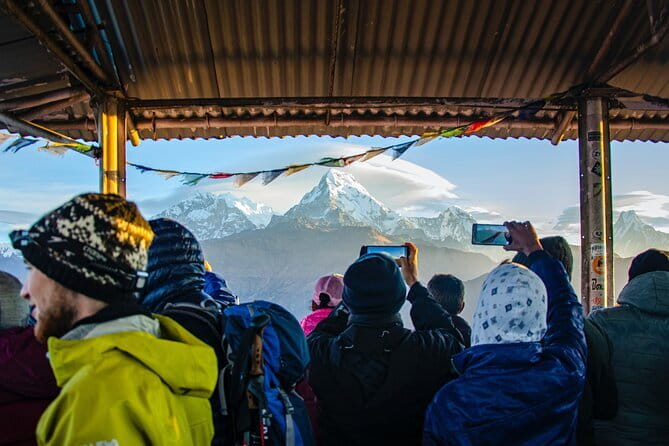
Poon Hill gives you the big Himalayan moment on a short schedule: an early climb to 3,210 meters for views of Dhaulagiri and the Annapurna range, followed by a descent through rhododendron forest to Ghandruk. It is a private three-day trek, so your guide can adjust the pace instead of herding you along with a large group.
I like the sensible mix of mountain scenery and village life, especially the overnight stop in Ghorepani and the Gurung culture of Ghandruk. I also like that the $218 price includes private transport, permits, a licensed English-speaking guide, two tea-house nights, and all listed meals. The main caution is simple: this is a short, stair-heavy trek with an early morning climb, so moderate fitness is not just marketing language.
Key points before you book
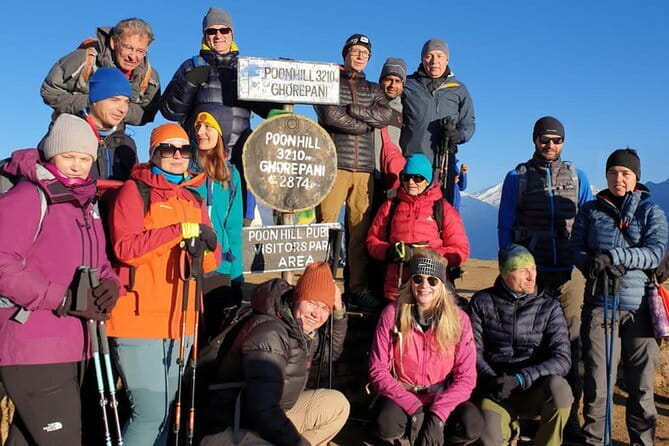
- Poon Hill reaches 3,210 meters: The sunrise viewpoint is the trip’s main prize, with views toward Dhaulagiri and the Annapurna range.
- Day one is a long travel-and-hiking day: Expect about three hours by jeep and five hours on foot before sleeping in Ghorepani.
- Ghandruk adds local culture: The Gurung village gives the trek more substance than a mountain viewpoint alone.
- Private guiding matters: Guides such as Kaji, Dipesh Aryal, Santos, and Jit Bahadur have been praised for patience, pacing, and practical help.
- The package covers the basics: Transport, permits, accommodation, breakfast, lunch, and dinner are included.
- Bring money for extras: Drinks, boiled water, battery charging, laundry, phone calls, bar bills, tips, insurance, and personal costs are separate.
Why this three-day route works from Pokhara
The Ghorepani and Poon Hill route is one of the better short treks for you if you want real Himalayan walking without committing to a week or more in the mountains. It packs several different experiences into three days: a rough mountain road, stone stairways, forest trails, a high viewpoint, and time in a Gurung settlement.
The route begins in Pokhara and uses a four-wheel-drive jeep toward Nayapul and Tikhedhunga. That private vehicle is useful because it removes some of the transport fuss and lets your small group start the walking section in the hills. You are not simply driven to a viewpoint, though. The walking begins with a serious uphill push.
The itinerary lists about ten hours for the first day, including the drive and trek. That is a full day, especially once you add the climb from Tikhedhunga through Ulleri to Ghorepani. You should think of this as an active mountain trip, not a relaxed sightseeing tour with a few steps added.
More Poon Hill and Ghorepani treks:
- Poon hill Trek 3 days
★ 5.0 · 176 reviews - Pokhara: 4-Day Ghorepani, Poonhill & Ghandruk Mountain Trek
★ 5.0 · 132 reviews - Ghorepani – Poon Hill Trek 3N-4D
★ 5.0 · 125 reviews
Day one: the long climb to Ghorepani
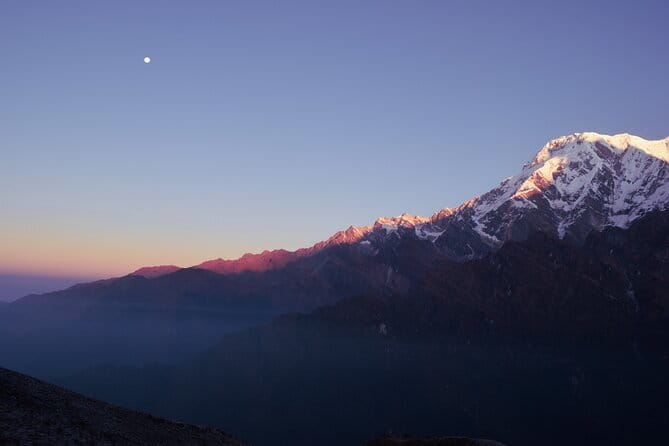
The first section takes you from Pokhara through Nayapul and Tikhedhunga, with the road journey lasting about three hours. From Tikhedhunga, you walk toward Ulleri at roughly 2,000 meters, then continue to Ghorepani at about 2,840 meters.
The route is known for its stairs and steady uphill work. A review describing the trip as stairs and skies gets the point across: the hard parts are real, but the reward comes from the views, clear weather, food, and sense of progress. You will want shoes with a firm grip and enough room for your feet to swell a little during a long day.
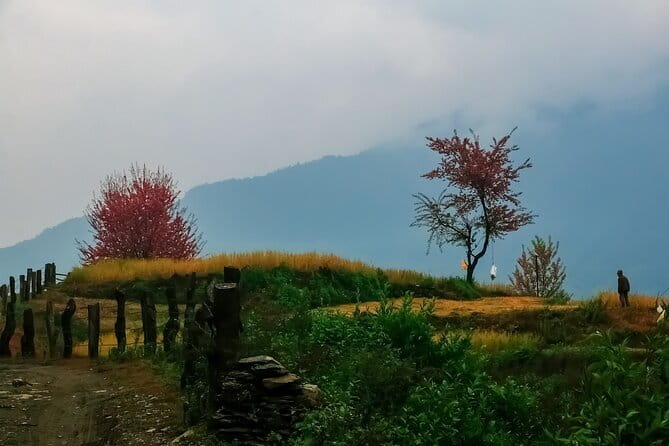
The forest scenery becomes one of the pleasures of the route. The tour description highlights rhododendron forest, which gives the walk a softer feel than an exposed high mountain trail. The trees also make the route feel more like a journey through Nepal rather than a straight march toward a single lookout.
Ghorepani is the important overnight stop. At around 2,840 meters, it places you close enough to Poon Hill for the next morning’s climb. Your accommodation is a private room in a tea house or guest house, with dinner included.
Tea-house lodging is practical rather than fancy. The value is in having a bed, a meal, and a base near the trail. Personal expenses such as drinks, boiled water, battery charging, laundry, and phone calls are not included, so carry some extra cash for those items.
Day two: Poon Hill sunrise and the descent to Ghandruk
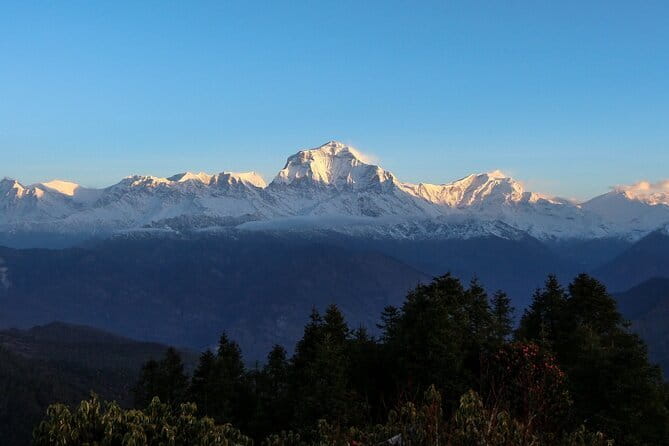
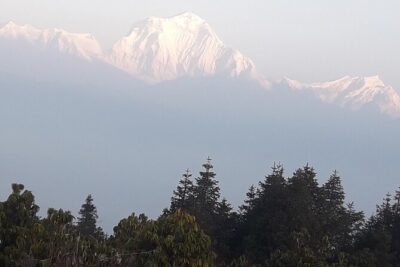
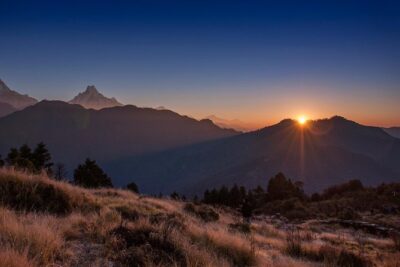
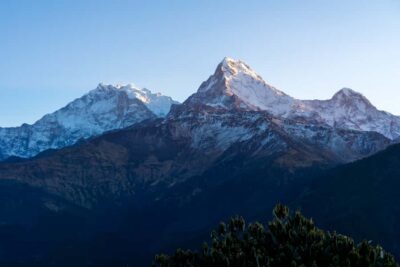
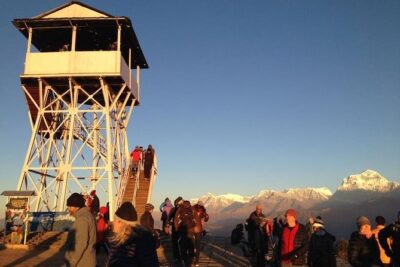
Day two starts with the trek’s signature moment: the climb from Ghorepani to Poon Hill. The viewpoint reaches 3,210 meters, or 10,531 feet, and the goal is to see the morning light spread across Dhaulagiri and the Annapurna range.
Sunrise timing depends on the season and local conditions, but the route clearly requires an early start. You should expect darkness, cold air, and a steep climb at the beginning of the day. Pack a warm layer where you can reach it quickly, rather than burying it at the bottom of your bag.
Poon Hill is not a high-altitude expedition, but it is high enough for the climb to feel demanding. The air is thinner than in Pokhara, and the trail includes stairs. The private format helps here. Guides named in the feedback include Kaji, Dipesh Aryal, Pokrash, Changra, Santos, and Jit Bahadur. The strongest recurring quality is patience, particularly for people walking slowly or making their first trek in Nepal.
After the viewpoint, you descend toward Ghandruk, at about 2,000 meters. The full walking day is listed at roughly six hours. Descending is easier on your lungs than climbing, but it can be harder on knees and thighs, especially after the early ascent. Trekking poles may be useful, though they are not listed as included.
Ghandruk gives the trip a cultural side. It is a Gurung village known for its hospitality and traditions, and the itinerary allows time to explore it. The village stop matters because it breaks up the mountain scenery with a closer look at local community life. You are not only checking off a viewpoint and returning to Pokhara.
The second night is again in private tea-house or guest-house accommodation, with dinner included. If you are tired by this point, that is normal. The three-day schedule is efficient, but not leisurely.
Day three: Ghandruk, village time, and the road back
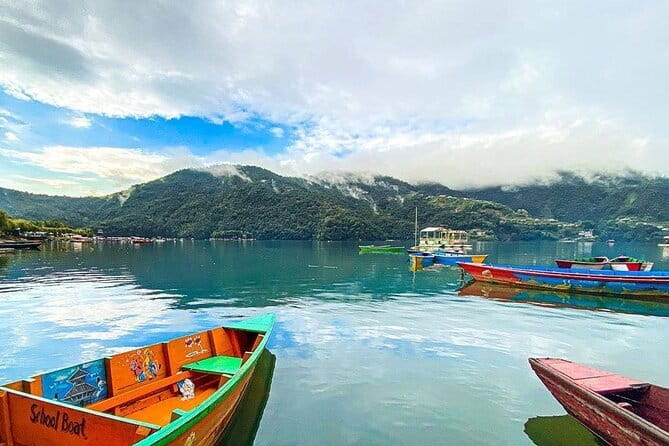
The final day begins in Ghandruk, with time to walk around the village and see the sunrise over the Himalayas from a viewpoint or hotel terrace. This is a gentler way to start than another major climb, although you still have about four hours of trekking before reaching the vehicle.
You then continue to Nayapul and take the private vehicle back to Pokhara, with about two hours of driving listed. The destination is Pokhara Lakeside, which makes the finish convenient if you are staying near the lake.
The route back gives you a useful contrast with the first day. You have already seen the mountain road and the forest trails, but the final section feels like a return from the high country to the city. Keep some energy in reserve. Four hours of walking followed by a drive is still a substantial final day.
Breakfast and lunch are included on day three. Dinner is not listed for the final evening, which makes sense because you return to Pokhara.
More short treks to Ghandruk and Dhampus:
- Pokhara: 4 Days Poon Hill and Ghandruk Trek
★ 5.0 · 23 reviews - Pokhara: 4-Day Beautiful Ghorepani Poon Hill & Ghandruk Trek
★ 4.8 · 21 reviews - Pokhara: 4-Day Poon Hill and Ghandruk Guided Trek
★ 5.0 · 14 reviews - Poon Hill Ghandruk Circuit Trek from Pokhara 4 Days
★ 5.0 · 10 reviews
What the $218 price really covers
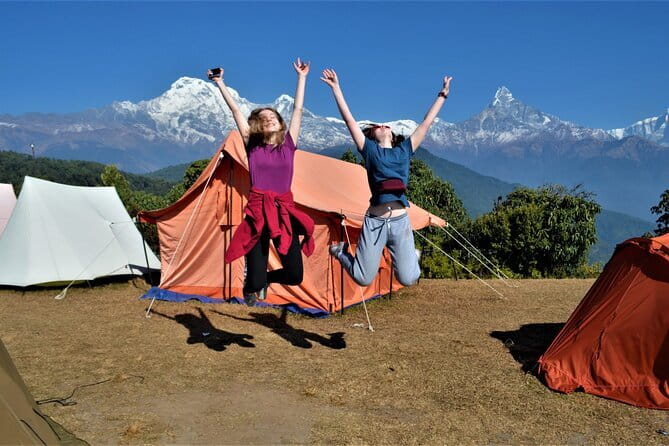
At $218, this trip is best judged as a bundled private service rather than a simple walking ticket. The price includes private transportation, all stated fees and taxes, a licensed English-speaking local guide, the conservation area entry fee, trekking permit fee, two nights of private accommodation, and six listed meals: two breakfasts, three lunches, and two dinners.
That list removes several costs that can quickly complicate a Nepal trek. You do not need to arrange the permit separately, negotiate transport from Pokhara, or find tea-house rooms on your own. The private format also gives you a direct point of contact throughout the route.
The price does not include travel or rescue insurance. The provider says it can assist with rescue if needed, but that is not a substitute for insurance. You should arrange appropriate cover before setting out.
Drinks and personal expenses are also separate. Budget for soft drinks, hard drinks, boiled water, charging, phone calls, laundry, and bar bills if you use them. Tips for the guide are not included either.
For two people sharing the private arrangement, the cost can feel reasonable because transport, guiding, permits, accommodation, and food are all grouped together. For a solo trekker, the same price may feel less inexpensive, but the private vehicle and private guide still provide useful convenience.
The value of a private guide
The biggest practical advantage here is flexibility. A fixed group can make a slow walker feel rushed, while a private guide can help set a more comfortable pace. That matters on the uphill section to Ghorepani and during the early climb to Poon Hill.
The guide also acts as your link to the route and the villages. You receive an English-speaking licensed local guide, not just a driver who points toward the trail. The guides connected with this experience include Ramesh, Ram, Prakes, Kaji, Dipesh Aryal, Pokrash, Changra, Santos, and Jit Bahadur.
The feedback points to specific forms of help that matter in practice. One guide carried a female trekker’s bag for two days. Another helped a first-time trekker and adjusted the pace for slow walkers. Ramesh also helped one customer arrange shipment of a lost wallet after the trek. These details suggest a service style built around practical assistance, although the exact guide assigned to you is not guaranteed.
Some groups also used a porter. Porter service is not clearly listed as included, so you should confirm this before booking if carrying a heavy bag is a concern.
Fitness, stairs, and altitude
You should have a moderate level of physical fitness for this trek. That means being ready for several hours of walking, repeated stairs, early starts, and a route that rises to 3,210 meters.
The first day is likely the hardest in terms of sustained uphill effort. The second day combines an early climb to Poon Hill with a long descent to Ghandruk. Even fit people may feel tired because the schedule compresses a lot into a short period.
This is not described as a technical climb, and no climbing skills are listed. Still, it is not a casual walk. The word beginner can be misleading here. The route can suit first-time Nepal trekkers, especially with a patient guide, but you still need to accept the physical work.
Good preparation is simple. Build up to long walks, practice on stairs, and use footwear you already trust. Since there is no promise of charging or boiled water being included, keep your phone and water arrangements in mind. Personal insurance is essential.
When the mountain views are most promising
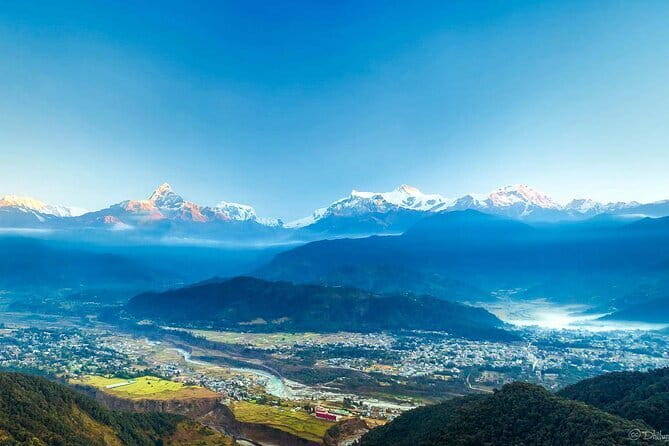
October is described as a particularly good month for this route, with clear skies and favorable weather. Clear mornings are important because Poon Hill is about long mountain views, not just reaching a high point.
Conditions can change, and no sunrise can be guaranteed. That is part of mountain travel. Still, choosing a clear-season departure gives you a better chance of seeing Dhaulagiri, Annapurna, and the morning light that makes Poon Hill special.
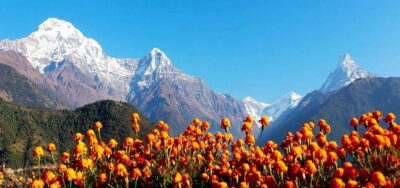
The rhododendron forest adds interest even when distant peaks are partly hidden. If clouds move in, the walk still has forest, villages, and local scenery. If the sky opens, the payoff is much bigger.
Who should book this trek
I would recommend this experience to you if you have three days available from Pokhara and want a compact introduction to Nepal trekking. It suits first-time trekkers who want support, couples or friends who prefer a private schedule, and people who value village time as much as mountain views.
It is also a good choice if you dislike arranging each piece yourself. The provider handles the vehicle, permits, guide, meals, and accommodation, while you concentrate on walking.
I would be cautious if you dislike stairs, struggle with long uphill days, or want a slow, restful holiday. The itinerary is short because it is efficient, not because it is effortless. Anyone with medical concerns about altitude, exertion, or rescue arrangements should seek suitable advice and carry insurance.
The trip also suits people who want more than a photo at Poon Hill. Ghandruk is an important part of the route, giving you time with Gurung culture and a village setting before returning to Pokhara.
Booking details and cancellation
Confirmation is provided at booking, and pickup is offered. The activity is private, meaning only your own group participates, and group discounts may be available.
Free cancellation is offered if you cancel at least 24 hours before the local start time. Cancellations or changes made less than 24 hours before the start are not accepted for a refund. Check the exact pickup details and assigned guide before departure, especially if you want porter help or have dietary and pacing concerns.
Should you book the Ghorepani and Poon Hill trek?
Book it if you want a well-supported, three-day mountain route with a strong sunrise viewpoint and a genuine village stop. The best reasons are the private guide, the included permits and transport, the mix of forest and Himalayan views, and the chance to walk at your group’s own pace.
Think twice if you want an easy break from city life. The stairs are substantial, day one is long, and Poon Hill requires an early climb. At $218, the package offers solid value when you use the included guide, vehicle, permits, rooms, and meals, but you should add insurance, tips, drinks, and personal costs to your real budget.
For a first Nepal trek from Pokhara, this is a practical choice. Prepare for the effort, pack for a cold sunrise, and treat Ghandruk as more than a place to sleep. That combination gives the route its lasting appeal.
FAQ
How long is the Ghorepani and Poon Hill trek?
The experience lasts approximately three days.
Where does the trek begin?
It begins in Pokhara, with transport toward Nayapul and Tikhedhunga on the first day.
How high is Poon Hill?
Poon Hill reaches 3,210 meters, or 10,531 feet, above sea level.
How long is the first day?
The first day is listed at about ten hours, including approximately three hours of driving and five hours of trekking.
Where do I sleep during the trek?
You stay two nights in private accommodation at tea houses or guest houses.
Is transportation included?
Yes. Private transportation is included, including the transfer from Pokhara toward the trail and the return to Pokhara.
Are permits included?
Yes. The conservation area entry fee and trekking permit fee are included.
Are meals included?
Breakfast for two days, lunch for three days, and dinner for two nights are included.
Is this a private activity?
Yes. Only your own group participates.
What is not included in the price?
Hard and soft drinks, personal expenses, phone calls, laundry, bar bills, battery charging, boiled water, tips for the guide, and travel or rescue insurance are not included.
More 3-Day Experiences in Annapurna Region
- From Pokhara: 3-Day Ghorepani Poon Hill Trek with Guide
★ 4.9 · 68 reviews - Pokhara: 3-Day Ghorephani and Poon Hill Private Trek
★ 5.0 · 58 reviews - 3-Day Poon Hill Trek from Pokhara.
★ 5.0 · 45 reviews - Pokhara: 2 & 3 Days Ghorepani Poon Hill Private Guided Trek
★ 4.9 · 27 reviews
Just added around Annapurna Region
- 4 Day Mardi Himal Base Camp Trek from Pokhara★ 5.0 · 18 reviews
- 7-Day Trek to Annapurna Base Camp from Pokhara★ 5.0 · 12 reviews
- Private 4 Day Poon Hill Trek from Pokhara★ 5.0 · 16 reviews
- Annapurna Base Camp Trek from Pokhara and Kathmandu★ 5.0 · 7 reviews
- 6 days Annapurna Basecamp Trek★ 5.0 · 16 reviews
- “Exclusive Round-Trip Transfer: Pokhara to Jomsom & Muktinath”★ 5.0 · 11 reviews
- Poon Hill Ghandruk Circuit Trek from Pokhara 4 Days★ 5.0 · 10 reviews
- Pokhara: Poon Hill Ghorepani Short Trek★ 5.0 · 6 reviews
Poon Hill Treks, compared.
4-Day Ghorepani, Poonhill & Ghandruk Mountain Trek
Read our review →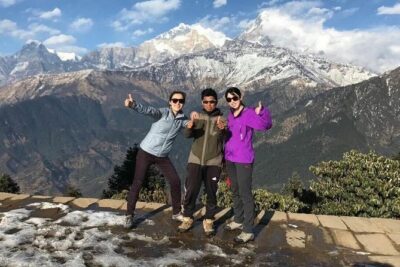
Browse the lists this tour appears in