
Reviewed · POON HILL TREKS
4 Day Poon Hill Trek from Pokhara
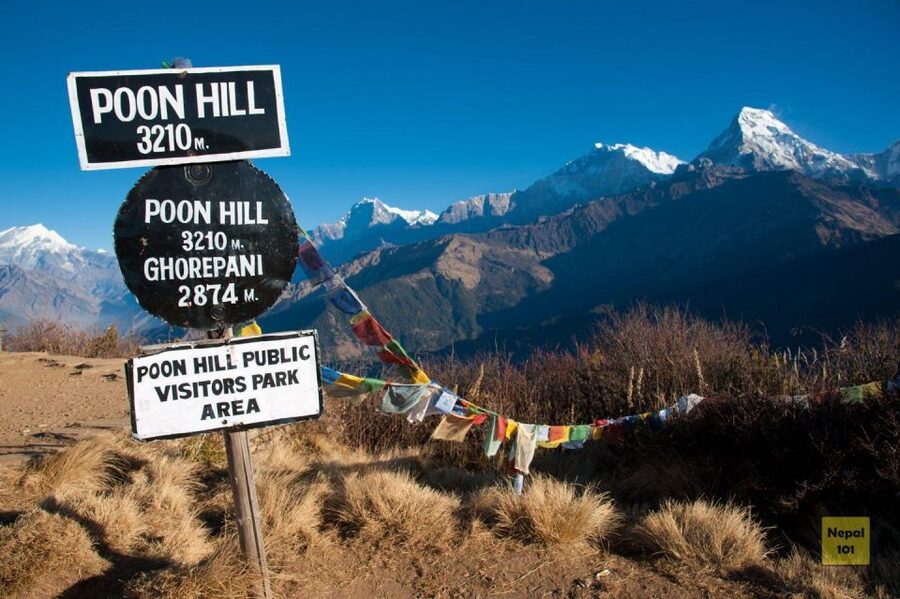
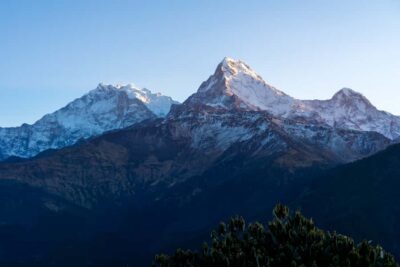
The best part of this trek is the sunrise walk to Poon Hill at 3,210 meters, where Annapurna and Dhaulagiri fill the horizon. I like the mix of mountain scenery and village life, especially the Gurung community at Ghandruk. I also like that the route is private or small-group, with a guide, permits, transfers, and guesthouse stays included.
The main catch is the climb itself. You will tackle thousands of stone steps, especially on the way from Tikhedhunga to Ulleri, and the early-morning Poon Hill hike is not a gentle stroll. The itinerary is listed as two to four days, but the supplied plan is a four-day route, so confirm your exact schedule before paying.
Key points to know before booking
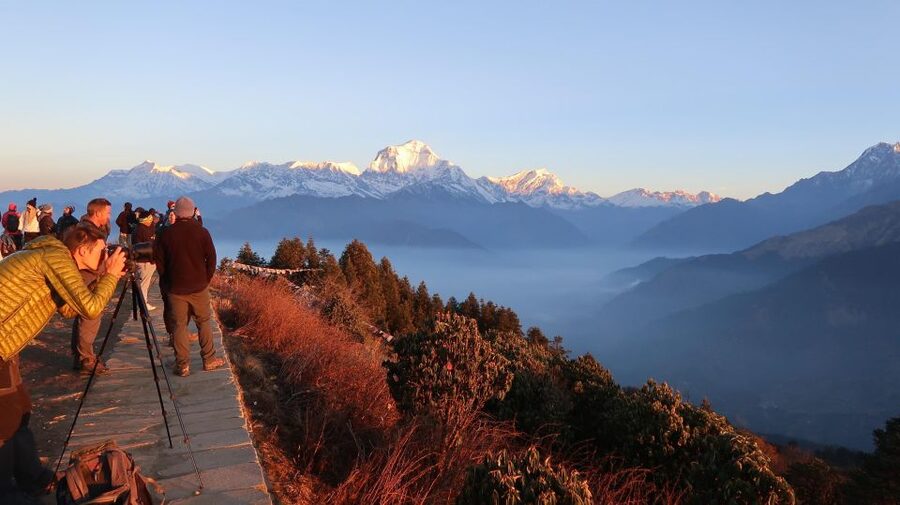
- Poon Hill sunrise: Start early for views across the Annapurna and Dhaulagiri ranges.
- Ulleri’s stone staircase: Day two contains the hardest sustained climb of the trek.
- Ghandruk village: Finish among Gurung homes, mountain views, and local culture.
- Guide Nir: The guide is praised for being attentive and keeping the trip well organized.
- Private transport: A private car covers the Pokhara to Nayapul and Ghandruk to Pokhara sections.
- Meals cost extra: Food is available for purchase, with an estimated cost of about 3,500 Nepalese rupees per person per day.
Why this short Nepal trek works so well
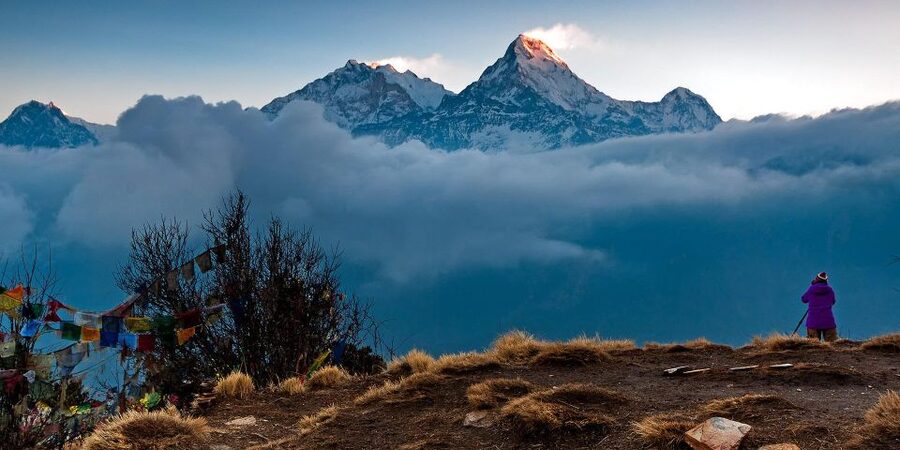
The Poon Hill route gives you a taste of Himalayan trekking without committing to a long expedition. In four days, you walk beside the Bhurungdi River, climb through oak and rhododendron forest, sleep in mountain villages, and reach a famous sunrise viewpoint.
That compact format is the main reason I would consider it. You can add the trek to a wider Nepal trip based in Pokhara, then return to the lakeside city without spending weeks on the trail. You still need decent fitness, though. Short does not mean easy here.
The route moves through several elevations, from Nayapul to Ghorepani at 2,750 meters, then up to Poon Hill at 3,210 meters before dropping toward Tadapani and Ghandruk. The changing altitude gives the walk variety, but it also means you should pace yourself and listen to your guide.
The experience is arranged as a private trip or small group. That matters on a route with steep steps, early starts, and changing energy levels. A private format can make it easier to stop, adjust your pace, and enjoy the villages rather than racing to the next overnight stop.
More Poon Hill and Ghorepani treks:
- Poon hill Trek 3 days
★ 5.0 · 176 reviews - Pokhara: 4-Day Ghorepani, Poonhill & Ghandruk Mountain Trek
★ 5.0 · 132 reviews - Ghorepani – Poon Hill Trek 3N-4D
★ 5.0 · 125 reviews
Day one: Pokhara to Nayapul and Tikhedhunga
Your day begins with pickup in Pokhara and a private-car drive to Nayapul. The trip takes about one and a half to two hours, depending on conditions. From Nayapul, you start walking through Birethanti, a large village with a lively local feel.
The trail then follows the Bhurungdi River toward Tikhedhunga. This first section introduces the rhythm of the trek without immediately throwing you into the biggest climb. You get a sense of the river valley, rural settlement, and changing terrain before reaching the overnight stop at 1,540 meters.
Tikhedhunga is a practical first night rather than the grand visual high point of the trek. Its value is in breaking up the journey and putting you in position for the demanding ascent on day two.
Your accommodation is in a guesthouse. The package includes the room, but meals are not covered, so budget separately for breakfast, lunch, dinner, and drinks. The stated estimate is about 3,500 Nepalese rupees per person per day for food.
Day two: Ulleri stairs and the forests to Ghorepani
Day two is the route’s physical test. From Tikhedhunga, you climb the long stone staircase to Ulleri. The description warns that you will climb thousands of steps to reach Poon Hill, and this is where that warning starts to feel real.
I would treat this day as a steady uphill effort, not a race. Keep your pace comfortable, take short breaks, and carry only what you need for the trail. Large bags are not allowed as part of the activity guidance, so a small day bag is the sensible choice.
After Ulleri, the trail continues through rhododendron and oak forests. The forest section is one of the route’s pleasures because it changes the feel of the walk after the exposed stone steps. In rhododendron season, the trees can add strong color to the path, though the exact conditions depend on the time of year.
The day ends at Ghorepani, at 2,750 meters. This is one of the trek’s key overnight stops because it places you close to Poon Hill for the next morning. Ghorepani is also known for wide mountain views, giving you a rewarding arrival after the climb.
The drawback is simple: this is a demanding day for anyone unused to long stair climbs. The trek is not suitable for wheelchair users, and it is not recommended for pregnant women. Even fit walkers should expect tired legs by the time they reach the guesthouse.
Day three: Poon Hill sunrise and the trail to Tadapani
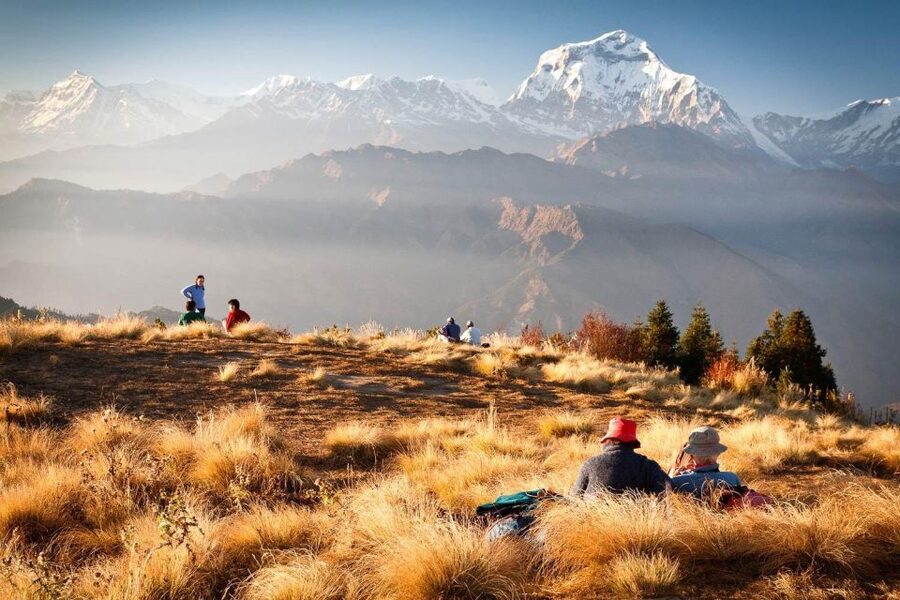
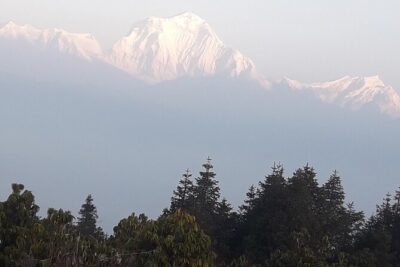
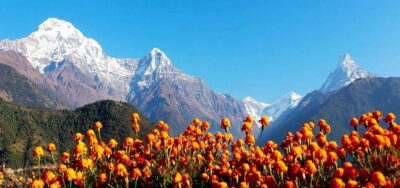
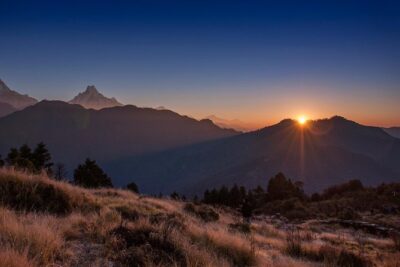
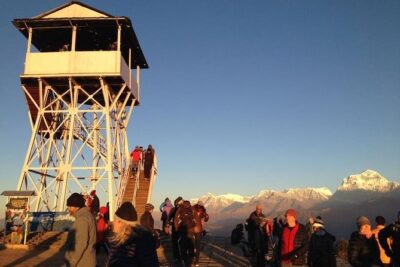
The day begins before sunrise with the walk up to Poon Hill. The viewpoint reaches 3,210 meters, and the goal is to arrive in time for morning light over the Annapurna and Dhaulagiri ranges.
This early start is the emotional center of the trek. You are walking in the dark or low light, then waiting for the mountains to appear as the sky brightens. It is worth bringing warm, comfortable clothing, since the morning viewpoint can feel much colder than the lower villages.
After returning to Ghorepani, you have breakfast before continuing toward Tadapani. This sequence makes for a full day: an early uphill walk, a descent for breakfast, then another trek through rhododendron forest.
Tadapani sits at 2,630 meters. The trail offers more mountain views and forest scenery, but your attention may be divided between enjoying the surroundings and recovering from the morning. This is another reason a private or small-group trip can help. You have more room to keep a sensible pace.
The itinerary assigns the night to a guesthouse in Tadapani. Again, accommodation is included, while meals are purchased separately. Ask your guide about the day’s meal timing, particularly if you prefer to eat before the early morning hike.
A few more Annapurna Region days to weigh up
- 4 Days Poon Hill Trek
★ 5.0 · 94 reviews - 4-day Poon Hill Trek
★ 5.0 · 74 reviews - Pokhara: 4-Day Mardi Himal Trek
★ 4.9 · 59 reviews - 4-Day Private Poon Hill Trekking Tour
★ 5.0 · 58 reviews
Day four: Tadapani, Ghandruk, and the return to Pokhara
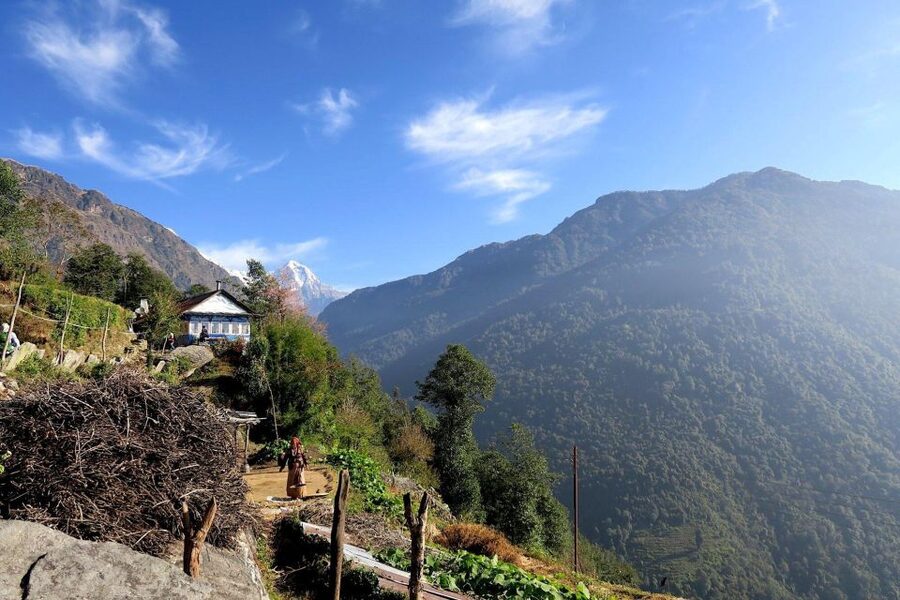
The final walking section descends from Tadapani through forest to Ghandruk, a Gurung village at 1,940 meters. After the previous day’s high point, the lower elevation and downhill direction provide a welcome change.
Ghandruk is more than a place to catch the car. The plan allows time to explore the village and experience local culture. This is one of the strongest parts of the route for people who want more than a mountain photograph. The walk connects you with settled communities, not just viewpoints and trail markers.
In the afternoon, you drive back to Pokhara in a private car. That transfer closes the loop without requiring another night on the trail. You arrive back in Pokhara at the end of the fourth day.
The final drive is practical, but it can also make the day feel long after the descent from Tadapani. If you want to spend more time in Ghandruk, confirm the timing with your guide before setting out.
What the $272 price covers
At $272 per person, the price is easiest to judge as a package rather than as a simple walking fee. It includes pickup and drop-off, private round-trip transport, an English-speaking trekking guide, trekking permits, the TIMS card, guesthouse accommodation, and a private trip format.
That is useful because permits and transport can be awkward details to arrange separately. Having a guide also matters on a route with several villages, steep stair sections, and an early morning viewpoint walk.
The package does not include meals. The stated estimate is about 3,500 Nepalese rupees per person per day, so add that cost to your budget. Gratitude for the guide is optional and is not included.
You should also clarify the exact duration. The experience information gives a duration of two to four days, while the detailed program describes four days. The four-day schedule is the one to use when planning hotels, flights, and time in Pokhara.
The guide and group format
The guide is one of the strongest reasons to choose an organized version of this trek. The listed languages are English and Hindi, and guide Nir is specifically praised for being attentive and keeping the trip well organized. That is important when a trek involves an early start, mountain guesthouses, permits, and two private vehicle transfers.
You can book a private trip or a small group. Private travel costs more in some settings, but here the format is part of the stated offering. It suits you if you want a flexible walking pace or prefer not to manage the practical details yourself.
The guide also provides local context as you pass through Birethanti, Ulleri, Ghorepani, Tadapani, and Ghandruk. The value is not only route finding. It is having someone to help the day run smoothly when you are tired, climbing stairs, or preparing for the Poon Hill start.
What to pack for four days
The activity guidance asks you to bring a passport or ID card, comfortable shoes, comfortable clothes, and a passport-sized photo. The photo is relevant to the permit process, so do not leave it out of your preparation.
Since large luggage is not allowed, bring a small trail bag rather than a full suitcase. You will want practical walking clothes and footwear that can handle uneven paths and long stair sections.
Drones are not allowed. Keep your packing simple and useful. A comfortable pair of shoes matters more here than bringing a large range of equipment.
The early morning hike to Poon Hill deserves special thought. Pack clothing that lets you stay warm before sunrise, then adjust as the day becomes more active. The provided information does not specify equipment rental or luggage storage, so ask the provider how your main bags will be handled while you trek.
Who should book this Poon Hill route
I would recommend this trek to you if you want a short Himalayan walking experience from Pokhara, enjoy village-to-village routes, and can manage steep stairs. It is also a good match if you want a guide and transport arranged rather than sorting out permits and transfers yourself.
The route suits people who value a mix of scenery and culture. The sunrise at Poon Hill is the headline, but the river walk, forest sections, Gurung village, and guesthouse nights give the trip its shape.
I would think twice if you dislike early starts, struggle with long climbs, or want a relaxed sightseeing holiday. The thousands of steps are not a minor detail. Pregnant women and wheelchair users should not book this activity based on the stated restrictions.
The trip has a top rating of five from the supplied booking information, with particular praise for the attentive guide and organization. Those points fit the structure of the tour: you get a clear route, private transport, permits, accommodation, and a guide who can keep an eye on the details.
Final call: is it worth booking?
Book this Poon Hill trek if you want the classic sunrise viewpoint in a compact four-day plan and you appreciate having the logistics handled. The $272 price offers solid value because it covers transport, permits, guiding, accommodation, and a private or small-group setup.
Before booking, confirm three things: your exact number of days, how meals will be arranged, and how your larger luggage will be handled. If you are ready for the Ulleri staircase and the pre-dawn climb, this is a practical way to see the Annapurna region without taking on a much longer trek.
FAQ
How long is the Poon Hill trek?
The detailed route takes four days. The activity information gives a general duration of two to four days, so confirm the exact schedule before booking.
What places does the trek visit?
The route runs from Pokhara to Nayapul, then continues to Tikhedhunga, Ulleri, Ghorepani, Poon Hill, Tadapani, and Ghandruk before returning to Pokhara.
How high is Poon Hill?
Poon Hill reaches 3,210 meters. Ghorepani is at 2,750 meters, Tadapani is at 2,630 meters, and Ghandruk is at 1,940 meters.
Is the sunrise hike to Poon Hill included?
Yes. The third day includes an early morning hike to Poon Hill for sunrise views of the Annapurna and Dhaulagiri ranges.
Are meals included in the price?
No. Meals are available for purchase and are estimated at about 3,500 Nepalese rupees per person per day.
What does the price include?
The $272 price includes hotel pickup and drop-off, an English-speaking trekking guide, trekking permits, the TIMS card, private round-trip transport, guesthouse accommodation, and a private trip.
What languages are available for the guide?
Guiding is available in English and Hindi.
What should I bring?
Bring a passport or ID card, comfortable shoes, comfortable clothes, and a passport-sized photo. Large bags and drones are not allowed.
Just added around Annapurna Region
- 7-Day Trek to Annapurna Base Camp from Pokhara★ 5.0 · 12 reviews
- Private 4 Day Poon Hill Trek from Pokhara★ 5.0 · 16 reviews
- 4 Day Mardi Himal Base Camp Trek from Pokhara★ 5.0 · 18 reviews
- Annapurna Base Camp Trek from Pokhara and Kathmandu★ 5.0 · 7 reviews
- 6 days Annapurna Basecamp Trek★ 5.0 · 16 reviews
- “Exclusive Round-Trip Transfer: Pokhara to Jomsom & Muktinath”★ 5.0 · 11 reviews
- Poon Hill Ghandruk Circuit Trek from Pokhara 4 Days★ 5.0 · 10 reviews
- Pokhara: Poon Hill Ghorepani Short Trek★ 5.0 · 6 reviews
Poon Hill Treks, compared.
4-Day Ghorepani, Poonhill & Ghandruk Mountain Trek
Read our review →
Browse the lists this tour appears in