
Reviewed · MARDI HIMAL TREKS
Pokhara: 4-Day Mardi Himal Trek
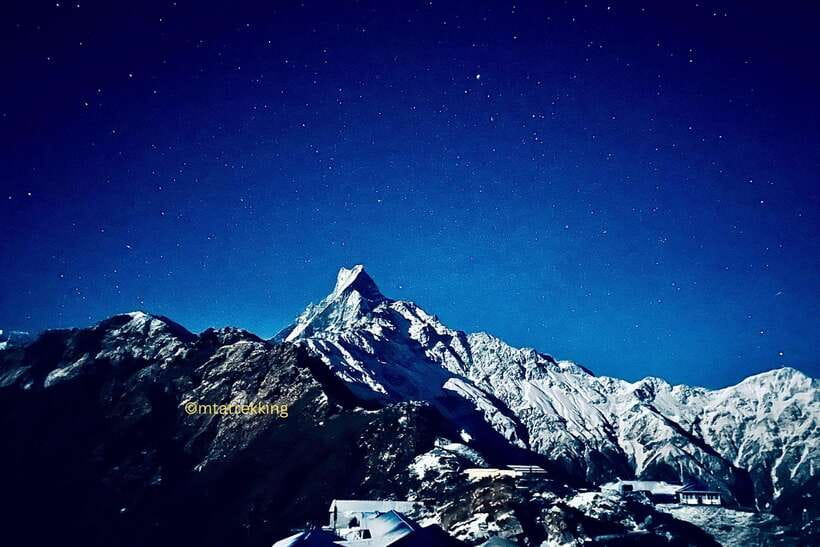
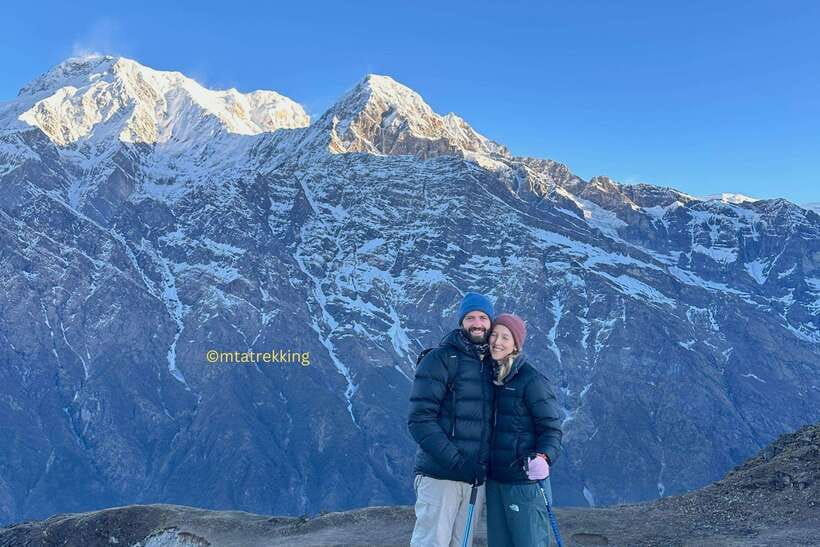
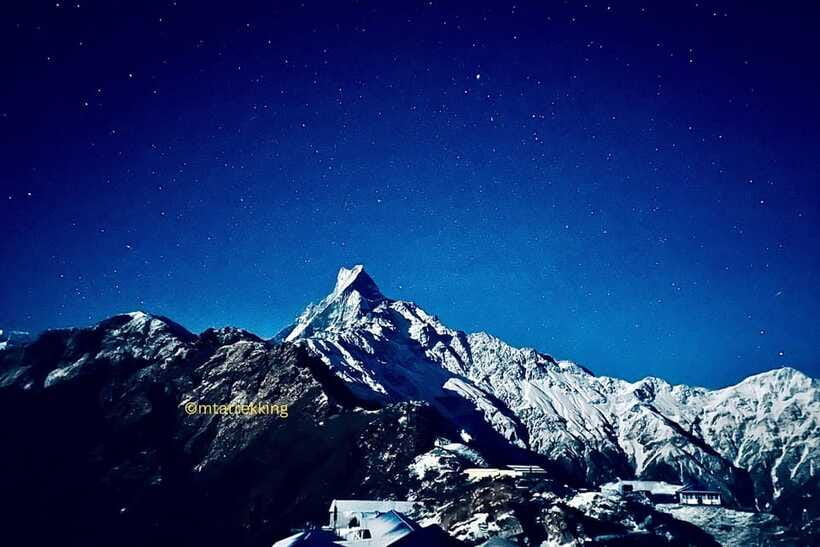
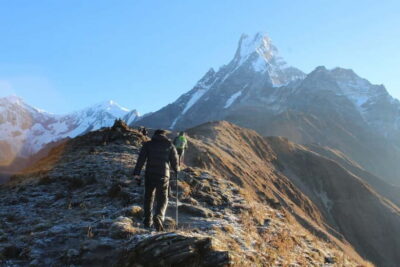
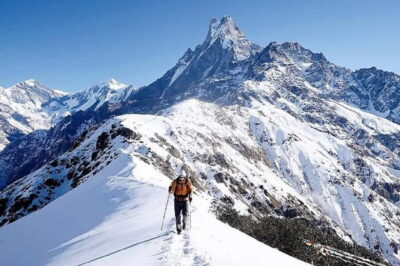
Mardi Himal’s big reward comes before breakfast: a pre-dawn climb to about 4,200 meters, followed by sunrise over Machhapuchhre, the sharp peak better known as Fishtail, and the Annapurna range. On a clear morning, this is a serious mountain view earned one stone step at a time.
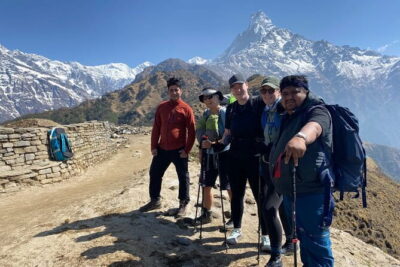
I like the route’s changing scenery, from terraced fields and Gurung and Magar villages to rhododendron forest and open high meadows. I also like the personal setup: a private group, Pokhara pickup, and guides such as Kaji, Ramit, Prabit, Lalit, and Shishir who are praised for pacing, food advice, photographs, and close attention to altitude symptoms.
The catch is the compressed schedule. Four days takes you high very quickly, with long climbs and many steps. It can suit a fit beginner, but it is not a gentle walk, and poor weather may block the views or make the Base Camp section unsafe.
Key points at a glance
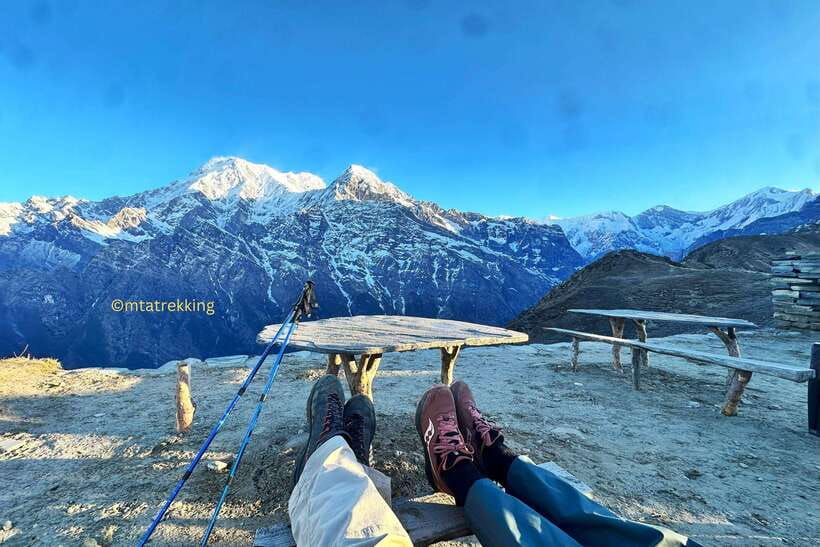
- Sunrise at 4,200 to 4,300 meters: Leave High Camp around 4:00 am for the best chance of seeing Fishtail and Annapurna in early light.
- A fast four-day route: The schedule includes roughly five-hour trekking days and a rapid gain in altitude, so basic fitness matters.
- Forest to alpine meadow: You move through dense woodland, terraced fields, small villages, waterfalls, bridges, and open mountain country.
- Base Camp is weather dependent: The optional section reaches about 4,500 meters and may be closed by snow, ice, or slippery trail.
- Good logistical coverage: Pokhara transfers, permits, TIMS fees, accommodation, a licensed guide, staff costs, and trekking gear are included.
- Check the package carefully: Meals are included only with the Full Package. Porter service costs an extra $20 per day.
Why the 4,200-meter sunrise is the main event
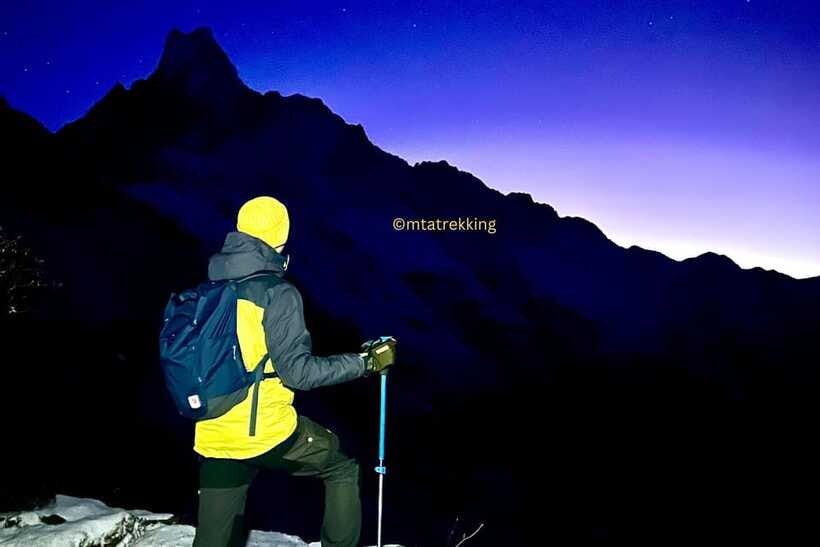
The Mardi Himal Viewpoint is the reason to choose this trek. You climb in darkness from High Camp, usually leaving around 4:00 am, for roughly 1.5 to 2 hours. At the top, first light reaches Machhapuchhre and the Annapurna peaks, while the valleys below remain dark.
That timing is tough, but it protects the best part of the day. Mountain clouds often build later, so the early start gives you a better shot at clear views. Bring a flashlight, warm layers, a hat, sunglasses, and water. The cold at the viewpoint can be sharp, even after a warm walk uphill.
The stated elevation figures vary slightly by schedule, with the viewpoint given as about 4,200 or 4,300 meters. Base Camp is listed at about 4,500 meters. Treat these as approximate figures, but take the altitude seriously. The route is non-technical, yet the thin air makes ordinary stairs feel much harder.
The optional Base Camp extension is not a guaranteed part of the day. Snow can make the upper trail steep and slippery, especially in January and February. Crampons and extra caution are advised in winter, and the guide will decide whether conditions are safe. A sensible guide should never treat Base Camp as more important than getting back safely.
More Mardi Himal treks:
- Private Mardi Himal Trek
★ 5.0 · 42 reviews - Mardi Himal Trek
★ 5.0 · 41 reviews - From Pokhara: 4-Day Mardi Himal Base Camp Trek
★ 4.9 · 31 reviews
Day 1: Pokhara to Kande, then five hours to Forest Camp
Pickup is available around Pokhara, including Baidam, Lakeside, Pame, and Lakeside Road. The drive to Kande takes about 1.5 hours and passes fields, forest, the Seti River, and mountain views. A stop at a tea house breaks up the ride before the walking begins.
From Kande, you hike for about five hours to Forest Camp. The first day introduces the route well: hillside paths, woodland, and changing views rather than one long stretch of exposed trail. The forest is especially appealing in spring, when rhododendrons add color, although cloud and rain can limit what you see.
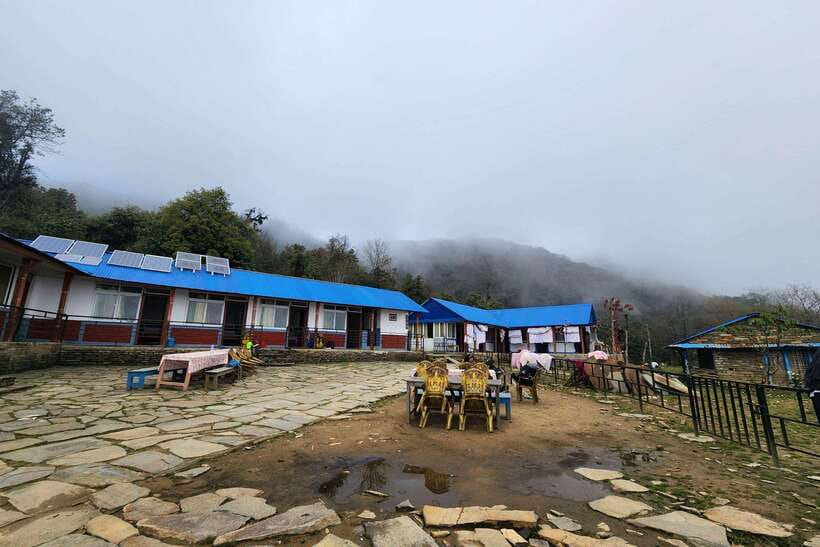
Forest Camp sits at about 2,600 meters. Accommodation is in a tea house, with basic rooms and shared mountain facilities. You should expect comfort rather than polish. Some high-country tea houses may have limited hot water, weak network service, or less-than-perfect bedding, so the supplied sleeping bag is useful.
The first day can feel longer than the schedule suggests if you are not used to uphill walking. Start with a steady pace. Your guide should set rest and meal stops around your condition, not simply push you to reach camp at a fixed time.
Day 2: Forest Camp to High Camp through changing forest
Day two climbs from Forest Camp toward High Camp. The published trekking time is about five hours, though the exact duration depends on pace, trail conditions, and the selected accommodation. This is where the forest begins to thin and the mountain views become more open.
You may spot birds, butterflies, and Himalayan thar along the route. The natural appeal is in the gradual change: damp woodland gives way to more open ground, with Fishtail appearing as a steady reference point. On clear days, the views improve as you gain height. In cloud, the trees and shifting mist become the main attraction.
High Camp is listed at about 3,550 meters in one part of the plan and around 4,000 meters in another. Ask your operator to confirm the exact sleeping altitude before departure. This matters because the next morning starts before dawn, and your body has little time to adjust.
The tea houses at High Camp are basic but welcoming. Names associated with stays on this route include Namaste Hotel, and food is generally available at the lodge. At altitude, simple fresh meals are the sensible choice. One guide, Kaji, advised avoiding frozen or junk food higher up and choosing fresh vegetables and rice instead. That is practical advice when your appetite and digestion may already be under strain.
Some people feel fine at High Camp. Others develop headaches, nausea, unusual tiredness, or dizziness. Tell your guide early. Do not hide symptoms just because you want to reach the viewpoint.
Day 3: Sunrise viewpoint, optional Base Camp, and the return
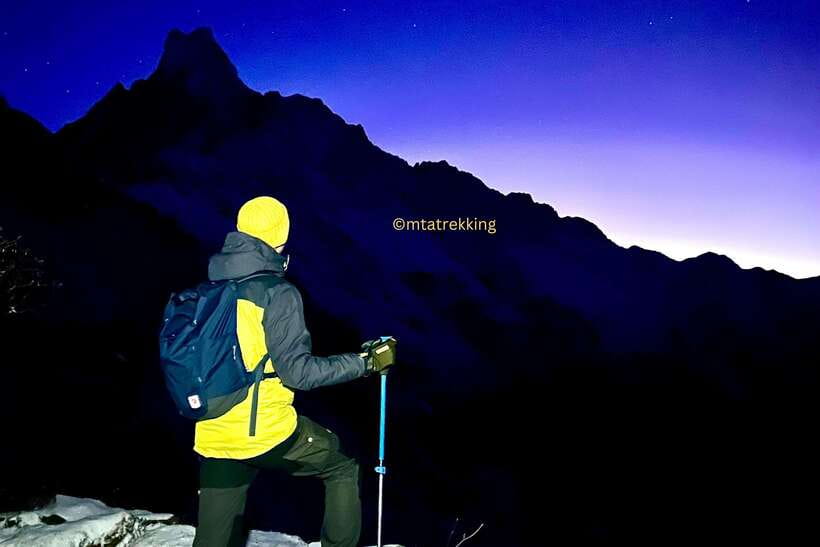
The third day carries the biggest physical demand. You leave around 4:00 am and hike 1.5 to 2 hours to the sunrise viewpoint. The climb is short on paper but steep in places, with many steps. By this point, you have already gained substantial altitude in only two days.
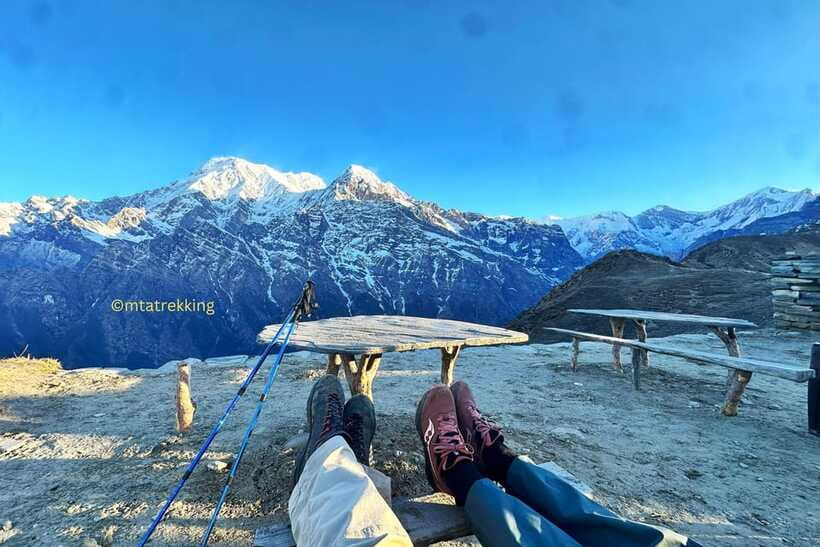
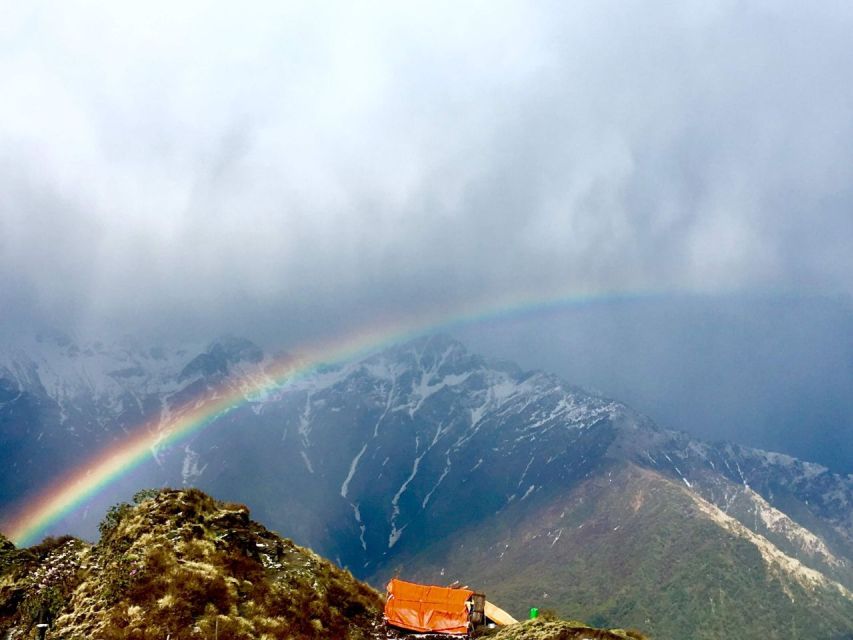
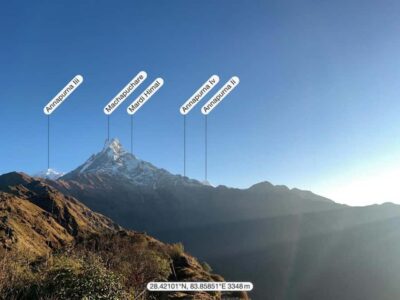
At the viewpoint, you may see Machhapuchhre, Annapurna South, Mardi Himal, and neighboring peaks. The exact display depends on weather. A cloudy morning can hide the summits, and monsoon conditions are especially unreliable. Do not book this trek expecting a guaranteed postcard view.
After sunrise, you can continue toward Base Camp if the guide judges the trail safe and you feel strong. The extra climb reaches about 4,500 meters. Winter snow, monsoon mud, and poor visibility can make it a bad choice. The safe decision may be to enjoy the viewpoint and return.
After breakfast, the route drops back toward Forest Camp. This descent is welcome for your lungs but demanding on knees, particularly after the early climb. Trekking poles help, and the provided equipment may include poles and a sleeping bag. Confirm what will be handed over and when.
The schedule information also mentions Low Camp, with an overnight stop there in the broader route plan. This creates some variation in how the day is organized. One version returns to Forest Camp, while another lists Low Camp before the descent to Lumle. Confirm the final day-by-day plan with MTA Trekking before you set out.
A few more Annapurna Region days to weigh up
- Pokhara: 4-Day Ghorepani, Poonhill & Ghandruk Mountain Trek
★ 5.0 · 132 reviews - 4 Days Poon Hill Trek
★ 5.0 · 94 reviews - 4-day Poon Hill Trek
★ 5.0 · 74 reviews - 4-Day Private Poon Hill Trekking Tour
★ 5.0 · 58 reviews
Day 4: Forest Camp or Low Camp to Kalimati and Pokhara
The last walking section descends through forest toward Kalimati, around 1,650 to 1,800 meters depending on the stated stop. The trail includes small waterfalls, bridges, birdsong, and thick woodland. After the high mountain day, this quieter section gives you time to enjoy the forest without racing toward a summit.
Machhapuchhre may remain visible during the descent, appearing above the trees and ridges. That repeated view is one of the route’s pleasures. You first see Fishtail from lower paths, then from the high trail, and finally as a familiar companion on the way down.
From Kalimati, a jeep or SUV takes you back to Pokhara in roughly 1.5 to 2 hours. The route information also names Lumle as a trekking stop, so your exact departure point may vary. Drop-off is available in Pokhara, Baidam, or Lakeside.
After several days of walking, the road ride can feel rough. Still, private transport is valuable here because it avoids the hassle of arranging a separate return. Ask whether the vehicle will collect you directly from your final trail point and allow time for delays on the mountain road.
What the $139 price really covers
At $139 per person, the package is attractive if you want the main logistics handled. The price includes Pokhara pickup and drop-off, a licensed English-speaking guide, permits, TIMS fees, government taxes, trekking transport, accommodation in the Standard Package, trekking equipment such as poles and sleeping bags, and staff costs.
That last part matters. Staff expenses include food, accommodation, salary, equipment, insurance, and transport for the trekking team. You are not expected to arrange each piece separately.
The main price trap is the difference between the Standard and Full packages. Meals are included only in the Full Package. In the Standard Package, breakfast, lunch, and dinner are not included, even though the tea house accommodation is. Ask for the exact package price before booking and plan to carry cash for food, drinks, showers, laundry, phone use, boiled water, and other personal costs.
Porter service is also extra at $20 per day. Luggage storage in Pokhara is complimentary if you need it. Solo trekkers may have to share a room during busy periods because tea houses have limited rooms, despite the private group format.
Some high-altitude costs can be easy to underestimate. Tea, bottled or boiled water, snacks, charging, and hot showers add up. Carry small Nepalese notes and do not assume card payments will work in the mountains.
Guide care is one of the strongest reasons to book
The guide can make or break a short high-altitude trek. Four days leaves little room for a poor pace or sloppy planning. The strongest part of this operation is the repeated attention to food, comfort, transport, and altitude.
Kaji is described as cheerful and protective, with practical food advice and a talent for keeping the group relaxed. Ramit is noted for checking comfort, sharing local stories, taking photographs, and adjusting progress. Prabit is praised for calm organization and regular health checks. Lalit is known for planning rest and lunch stops around a group’s pace, including helping when a partner felt altitude symptoms.
Other named guides include Gobinda, Ricky as a porter, Shishir, Santosh, Binod, Jeevan, and Jiban. You cannot assume you will receive a particular guide unless MTA Trekking confirms it, but the operating style described for the team is personal rather than anonymous.
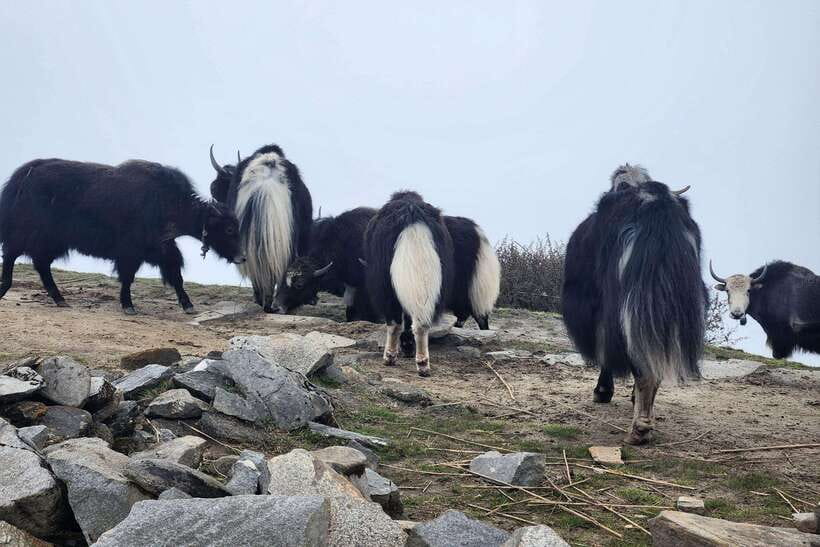
The cultural side is modest but real. You pass communities connected with Gurung and Magar traditions, stop at local tea houses, and may hear about mountain life from your guide. One itinerary included a visit connected with a yak farmer and local milk, while another guide helped guests try wild honey. These moments are more meaningful than simply checking off a viewpoint.
Fitness, weather, and the practical limits
This trek is often called moderate, and it has no technical climbing. That does not mean easy. You should be comfortable walking uphill for around five hours, handling repeated stairs, and descending for several hours on tired legs.
The four-day version gains altitude quickly. A longer five- or six-day plan would normally give you more time, but this product is designed for people with limited time in Pokhara. I would choose it if you already walk regularly and can train on stairs or hills. If you are new to mountain walking, build up your fitness before arrival.
Spring, from March to May, and autumn, from September to November, are the best periods for stable weather and clear mountain views. April can begin with rain and still clear beautifully later. September may remain cloudy, and monsoon conditions can reduce visibility and make trails slippery.
Winter brings cold and possible snow. January and February are the key months for extra caution above the viewpoint. Rainy months bring leeches and mosquitoes in lower forest sections, so long socks, repellent, and a small first-aid kit are sensible additions.
This trek is not suitable for pregnant women, people with altitude sickness, or people over 70. The age restriction is blunt, but the altitude concern is the important one. Travel and rescue insurance is not included, and it should cover trekking at the elevations you plan to reach.
Who should book this Mardi Himal trek?
Book it if you want a short Annapurna-area trek with a private group, strong mountain views, and most transport and permit work arranged for you. It is particularly useful if you have only four days in Pokhara but still want forests, villages, tea houses, and a high viewpoint.
Think twice if you want relaxed walking, guaranteed sunshine, private rooms every night, or a slow altitude schedule. The schedule is demanding, and the upper route can be cold, basic, and weather dependent.
At $139, the value is good once you confirm the meal package and understand the extra costs. I would also ask about the exact High Camp altitude, the final overnight stop, porter pricing, and the conditions for Base Camp. If those details are clear, this is a practical way to reach an impressive Himalayan viewpoint without organizing every permit, vehicle, and lodge yourself.
FAQ
How long is the Mardi Himal Trek from Pokhara?
The trek lasts four days, including transport from Pokhara at the beginning and the return drive at the end.
How high is the Mardi Himal Viewpoint?
The viewpoint is listed at approximately 4,200 to 4,300 meters, or about 13,779 to 14,108 feet.
Can I reach Mardi Himal Base Camp?
You may continue to Base Camp if weather, snow, trail conditions, and your health allow. Base Camp is about 4,500 meters, and the guide makes the safety decision.
Is the Base Camp hike included?
The route includes an optional Base Camp extension after the sunrise viewpoint. It is not guaranteed because snow, rain, or unsafe trail conditions may prevent the hike.
Are meals included in the $139 price?
Meals are included only with the Full Package. The Standard Package includes accommodation but not breakfast, lunch, or dinner.
Is accommodation included?
Tea house or standard accommodation is included. Solo visitors may need to share a room during peak periods because rooms can be limited.
Is a guide provided?
Yes. The experience includes a licensed, English-speaking guide, and Hindi-speaking support is also available.
Is transportation included?
Yes. Pokhara pickup and drop-off, the transfer to the trailhead, and transportation during the trek are included. The final return uses a jeep or SUV.
What should I bring?
Bring warm clothing, sunglasses, a sun hat, sunscreen, and a flashlight. A small first-aid kit, cash, and extra personal layers are also useful based on the stated conditions and mountain facilities.
When is the best time to go?
March through May and September through November offer the most stable conditions and the best chance of clear mountain views. Winter and monsoon conditions require extra caution above the viewpoint.
Just added around Annapurna Region
- 4 Day Mardi Himal Base Camp Trek from Pokhara★ 5.0 · 18 reviews
- 7-Day Trek to Annapurna Base Camp from Pokhara★ 5.0 · 12 reviews
- Private 4 Day Poon Hill Trek from Pokhara★ 5.0 · 16 reviews
- Annapurna Base Camp Trek from Pokhara and Kathmandu★ 5.0 · 7 reviews
- 6 days Annapurna Basecamp Trek★ 5.0 · 16 reviews
- “Exclusive Round-Trip Transfer: Pokhara to Jomsom & Muktinath”★ 5.0 · 11 reviews
- Poon Hill Ghandruk Circuit Trek from Pokhara 4 Days★ 5.0 · 10 reviews
- Pokhara: Poon Hill Ghorepani Short Trek★ 5.0 · 6 reviews
Mardi Himal Treks, compared.
Browse the lists this tour appears in