
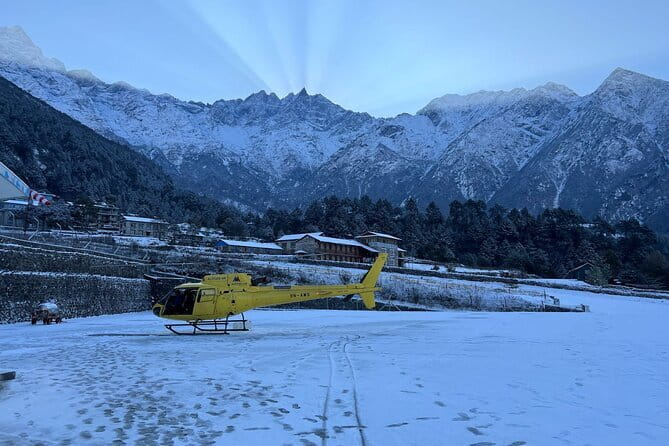
Reviewed · EVEREST HELICOPTER TOURS
Everest Base Camp helicopter tour with landing
The big draw here is simple: in about five to six hours, you can leave your Kathmandu hotel, fly over the world’s highest mountains, land in the Everest region, and return without a multi-day trek. The most memorable parts are the Kala Patthar and Everest Base Camp flyover and the stop at Syangboche, where the Everest View Hotel gives you time to take in the peaks from solid ground.
I like the small private format, limited to five people, and the practical safety setup with oxygen, first-aid equipment, and an oximeter. I also like the early hotel pickup, which gets you moving before Kathmandu traffic builds. The main point to check before paying is the landing description: the supplied schedule clearly lists a flyover of Everest Base Camp and a landing at Syangboche, not a confirmed landing directly at Base Camp.
Key details before you book
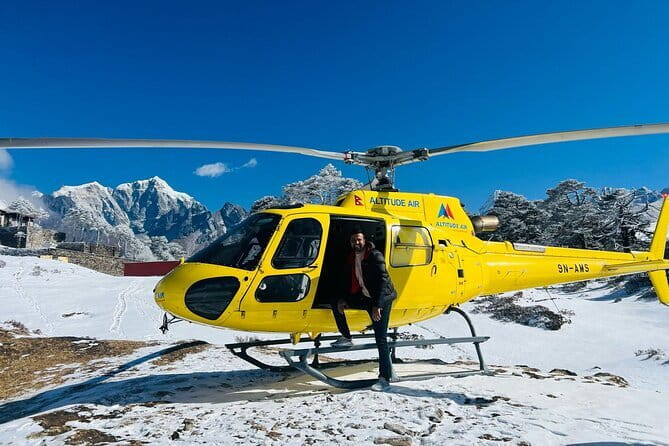
- Early start: Pickup begins at 5:30 am from your Kathmandu hotel.
- Private helicopter: The aircraft carries up to five people per ride, making this more personal than a large shared group.
- Best views: The flight includes Everest, Lhotse, Nuptse, Kala Patthar, and Everest Base Camp from the air.
- Ground stop: You land at Syangboche and continue to the Everest View Hotel for about an hour.
- Safety equipment: Oxygen, first-aid supplies, helicopter insurance, and an oximeter are included.
- Extra costs: Breakfast is listed at $35, the Sagarmatha National Park permits cost $45 per person, and airport tax is $7 per person.
A fast route to the high Himalayas
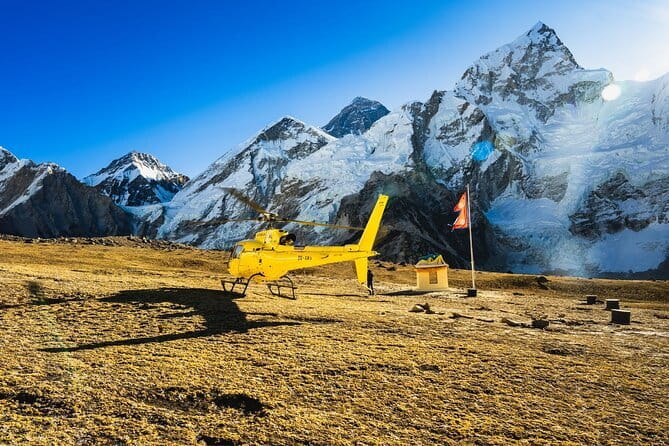
This is not a substitute for trekking to Everest Base Camp. It is a short aerial visit that gives you the scale of the Khumbu region without asking you to spend two weeks on a trail.
That distinction matters. A trek gives you villages, suspension bridges, changing mountain scenery, and time to adjust to altitude. This tour gives you speed, comfort, and big views. You trade the slow approach for a morning in the sky.
The price is $1,600 per person, so this is a major purchase. The value depends on what you want from Nepal. If your time is limited, or if a long trek is not realistic, the helicopter makes the Everest region possible in a single morning. If you are already planning a full trek, the flight may feel like an expensive extra.
The private arrangement helps explain some of the cost. Up to five people share the helicopter, and the schedule can be arranged around the group’s preferences. Still, ask how the aircraft is allocated and confirm whether your booking is private for your party. The description calls it a private ride, while the maximum is five people.
More Helicopter Tours in the Everest Region
- Everest Base Camp Helicopter Tour landing at Everest View Hotel
★ 5.0 · 668 reviews - Everest Base Camp Helicopter Tour landing at Hotel Everest View
★ 5.0 · 218 reviews - Everest Base Camp Trek with Helicopter Return from Gorakshep to Lukla
★ 5.0 · 161 reviews
Leaving Kathmandu at 5:30 am
The day begins with pickup from your hotel. An early departure is useful here, not just because it sounds adventurous. Morning weather can be important for mountain flights, and the drive to Tribhuvan International Airport should be easier before the city fully wakes up.
The Kathmandu portion is allocated about an hour, including the transfer and airport process. Past arrangements have included a car pickup, help through the airport, and transport to the helicopter area. That is the sort of assistance you want at this hour, when you may still be finding your passport and trying to remember where you put your gloves.
Breakfast is not included. The listed price is $35, so check whether you want to eat before departure or arrange it separately. The tour description also refers to a mountain picnic, but the included items do not clearly spell out a full meal. Treat breakfast as an extra unless the operator confirms otherwise.
Communication appears to be one of the stronger parts of the service. Raj, associated with Adventure Master Trek, is listed with a Nepal phone and WhatsApp contact, and Khom Raj Adhikari also handles customer communication. If you have questions about the exact landing point, aircraft, meal, or weather plan, ask before departure rather than relying on a broad tour description.
The flight toward Lukla and Everest
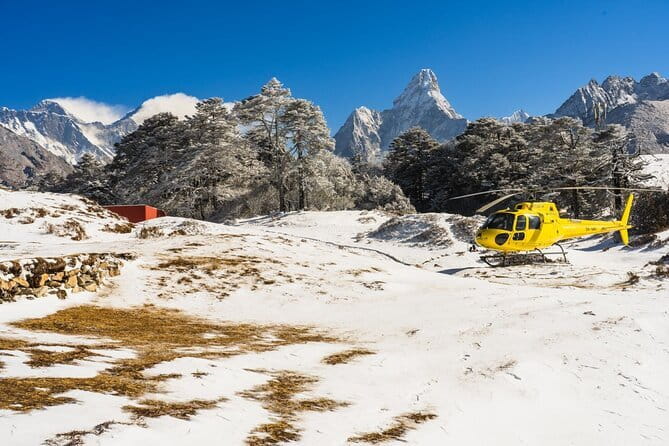
The journey includes a stop at Lukla, the main gateway to the Everest region. The airport is officially called Tenzing-Hillary Airport, and its mountain setting is part of the experience. The schedule gives about 20 minutes for one Lukla segment and about 25 minutes for a later Lukla stop.
The supplied timing is not perfectly straightforward. One part of the schedule describes taking off from Lukla for the return, while another lists a Lukla landing before the Everest-area sightseeing. That suggests a fuel or operational stop, but the exact sequence may change with weather and aircraft needs.
You should expect the itinerary to be flexible. Helicopter routes in the Himalayas are not like a city bus timetable. Weather, visibility, airport conditions, and fuel planning can affect the order of stops. A good operator should explain the plan on the morning of the flight.
The flight itself is the main event. From the helicopter, you can see the immense change from Kathmandu’s lower hills to the high Himalayan peaks. The route includes views of Everest, Lhotse, and Nuptse, with a guide or pilot pointing out the mountains. Several of the strongest comments about the experience focus on the pilot’s skill, smooth organization, and clear mountain views.
The flight is listed as roughly five hours, while the full experience is described as five to six hours. That leaves little spare time, so do not think of this as an all-day sightseeing trip with long breaks. It is a concentrated mountain flight with a short stop on the ground.
Kala Patthar and Everest Base Camp from above
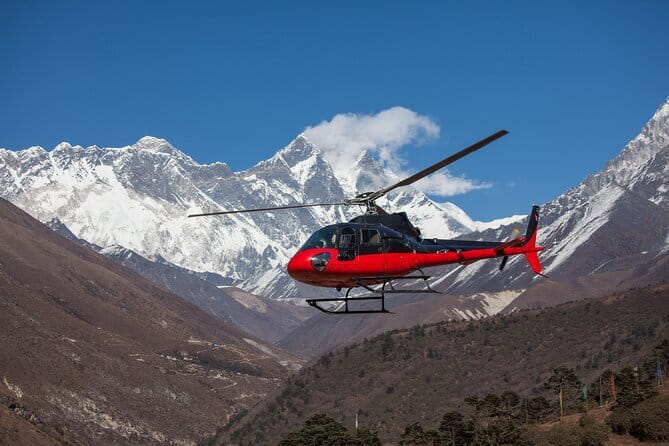
The flyover of Kala Patthar and Everest Base Camp is the most important sightseeing section. Kala Patthar is famous for its view toward Everest, and from the helicopter you see the area from a completely different angle.
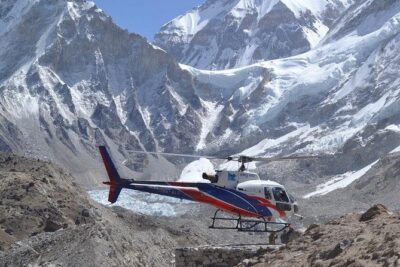
The aerial view helps you understand the geography. Everest Base Camp is not simply a dot at the foot of the mountain. It sits amid the Khumbu Glacier and surrounding ice formations, with high peaks rising around it. From the air, the glacier, ridges, and climbing route come together in a way that is difficult to grasp from photographs.
The schedule allows about 30 minutes for this part. That may include the pass over Base Camp, Kala Patthar, and nearby mountain viewpoints. Keep your camera ready, but do not spend the whole time staring at a screen. Light changes quickly, and the best view may last only a few seconds.
Here is the wording issue you should take seriously. The overall tour name refers to a helicopter tour with a landing, and the overview talks about landing at Everest Base Camp. The detailed route, however, says flyover of Kala Patthar and Everest Base Camp, then a landing at Syangboche. The safest assumption is that you fly over Base Camp rather than step out there.
Ask for written confirmation if a direct Base Camp landing is essential to you. The difference is not minor. A Base Camp landing would be the defining feature for many people, while a flyover offers spectacular views but no time on the ground at Base Camp.
More Everest helicopter flights:
- Everest Base Camp Helicopter Tour with Hotel Everest View Landing
★ 5.0 · 52 reviews - Everest Base Camp Helicopter Tour landing at Everest View Hotel.
★ 5.0 · 34 reviews - Kathmandu: Everest Base Camp Helicopter Tour
★ 4.9 · 30 reviews - Everest base camp Helicopter Tour
★ 5.0 · 26 reviews
Landing at Syangboche and visiting the Everest View Hotel
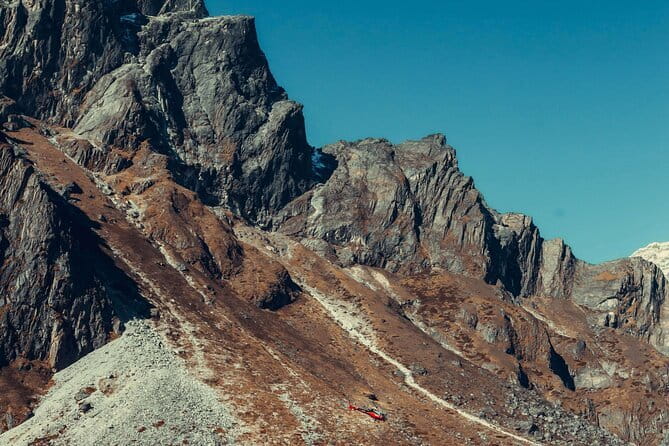
The scheduled ground stop is at Syangboche, near Khumjung, followed by a visit to the Everest View Hotel. You have about one hour here.
This is the tour’s chance to slow down. After the noise and movement of the helicopter, a short stop at the hotel lets you look at the mountains without watching them through a window. The setting is known for wide views across the Everest region, and the stop gives the flight a more human rhythm.
Do not confuse Syangboche with Everest Base Camp. They are different places, and the experience at the hotel is a scenic viewpoint and meal stop rather than a visit to the climbing camp.
Altitude is still a real consideration. The tour includes an oxygen tank, first-aid kit, and an oximeter to check your pulse, oxygen saturation, and heart rate. Those are useful safeguards, but they do not remove the effects of going rapidly from Kathmandu to high elevation.
You are expected to have a moderate level of physical fitness. Even if you are not trekking, you should be comfortable walking around at the landing site and handling a high-altitude stop. If you feel unwell, tell the guide or crew promptly. Do not treat the included oxygen as a guarantee that altitude will not affect you.
Safety, weather, and the aircraft
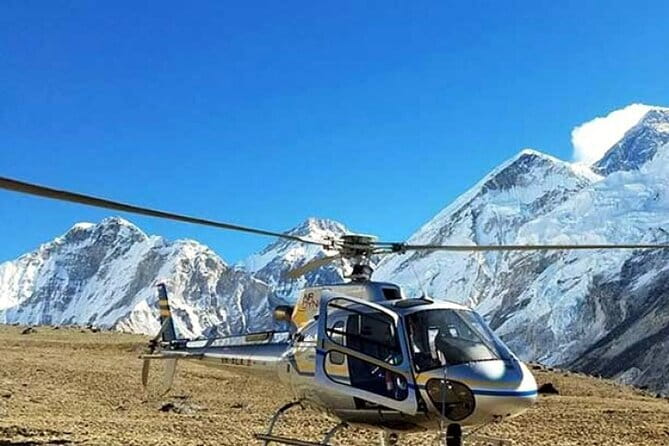
Safety is one of the more reassuring features of the package. Helicopter insurance for passengers is included, along with service fees for oxygen and first-aid supplies. The oximeter adds a practical way to monitor how your body is responding.
The tour has used an experienced pilot from Fishtail Air, according to the supplied experience details. Confirm the operating airline and aircraft on your travel date, since helicopter assignments can change.
Weather is the biggest unknown. Clear skies can produce extraordinary views, but cloud or poor conditions may cancel the flight. If the operator cancels because of weather, you can choose another date or receive a full refund.
That policy is fair, but it can still disrupt your Nepal plans. I would not schedule this flight on the final morning before an international departure. Leave room for a weather-related change, especially if seeing Everest is one of the main reasons for your trip.
The total passenger weight limit is listed as 207 pounds per passenger. If you weigh more than 100 kilograms, an additional charge applies. Confirm the amount before booking, and provide accurate weights for everyone in your group. Helicopter weight planning is a safety matter, not a minor administrative detail.
What the $1,600 price really covers
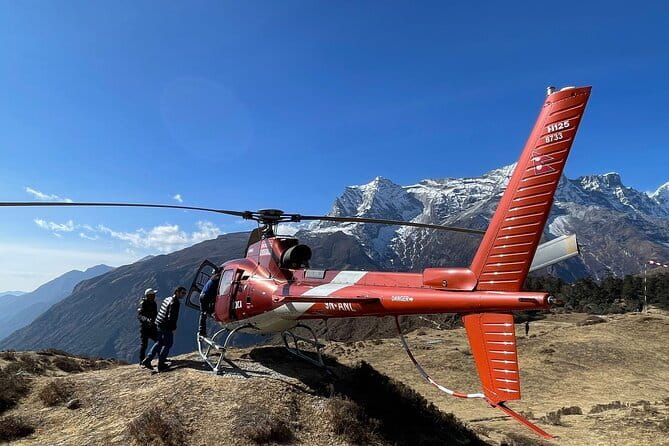
At $1,600 per person, this is one of the more expensive day experiences in Nepal. The included package covers private transportation, the helicopter ride to the Everest region and back to Kathmandu, helicopter insurance for passengers, oxygen and first-aid service fees, and an oximeter.
The package does not cover everything. Plan for these additional charges:
- Breakfast, listed at $35
- Sagarmatha National Park permits, listed at $45 per person
- Tribhuvan International Airport tax, listed at $7 per person
- Travel insurance
- Any extra charge for passengers over 100 kilograms
The value is strongest for people with limited time, physical limitations, or no desire to spend days trekking. You see a large section of the Everest region quickly, with hotel pickup and support at the airport.
The value is weaker if you expect a true Base Camp visit on foot or a long, quiet mountain experience. The flight is short, the ground stop is limited, and the schedule may change. You are paying for access, views, and convenience, not a full Himalayan expedition.
Who will get the most from this tour
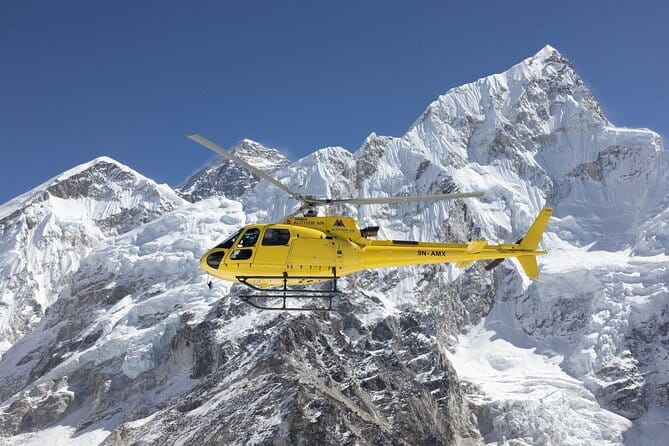
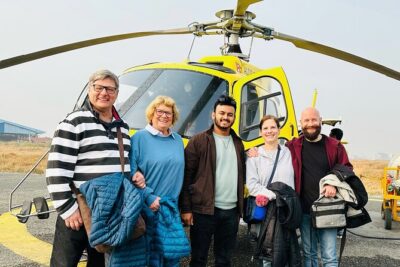
I would recommend this to you if you have only a few days in Nepal and want a serious look at Everest. It also suits people who cannot commit to a trek, families or friends who want a private aircraft, and visitors who prefer a guided, organized morning over a long trail.
It can work well for a group of up to five. Sharing the cost with several companions may make the private format easier to justify, though the per-person price remains high.
I would be more cautious if altitude has caused you problems before, if you dislike early starts, or if you need a fixed schedule. The flight depends on weather and mountain operating conditions. You also need to be comfortable with the possibility that the detailed route means an aerial pass over Base Camp rather than a landing there.
The cancellation terms are simple: cancel at least 24 hours before the 5:30 am start for a full refund. Changes or cancellations inside that window are not accepted for a refund unless poor weather forces the operator to cancel.
Should you book the Everest helicopter tour?
Book it if your priority is seeing Everest quickly, comfortably, and with strong support from Kathmandu. The private five-person limit, airport assistance, mountain flight, Syangboche landing, safety equipment, and return transport make this a practical choice for a short Nepal visit.
Before you commit, confirm three things in writing: the exact landing location, the aircraft operator, and what food is included. The detailed route points to a Base Camp flyover and a Syangboche landing, so you should not pay $1,600 expecting to step out at Everest Base Camp unless that is clearly guaranteed.
For the right person, this is a remarkable shortcut to the high Himalayas. Just understand what you are buying: a carefully organized aerial view of Everest with one high-altitude stop, not a trek and not necessarily a Base Camp landing.
FAQ
How long does the Everest Base Camp helicopter tour take?
The full experience takes approximately five to six hours. The listed flight time is about five hours.
What time does hotel pickup begin?
Pickup begins at 5:30 am from your hotel in Kathmandu.
How many people can ride in the helicopter?
The private helicopter can carry up to five people per ride, and the activity has a maximum of five travelers.
Does the tour land at Everest Base Camp?
The detailed route describes a flyover of Kala Patthar and Everest Base Camp, followed by a landing at Syangboche. Confirm the exact landing arrangement before booking if a Base Camp landing is important to you.
What is included in the price?
Private transportation, the helicopter ride to the Everest region and back to Kathmandu, helicopter insurance for passengers, oxygen and first-aid service fees, and an oximeter are included.
What costs extra?
Breakfast is listed at $35, Sagarmatha National Park permits cost $45 per person, and Tribhuvan International Airport tax costs $7 per person. Travel insurance is also excluded, and passengers over 100 kilograms may pay an additional charge.
What happens if bad weather cancels the flight?
If poor weather causes the operator to cancel, you can choose a different date or receive a full refund. For your own cancellation, you must cancel at least 24 hours before the start time for a full refund.
Just added around Everest Region
- Day Tour to Everest Base Camp By Helicopter★ 5.0 · 16 reviews
- Kathmandu To Lukla By Helicopter Flight★ 5.0 · 6 reviews
- Luxury Everest Base Camp Trek – 11 Days★ 5.0 · 9 reviews
- Everest Base Camp Tour & View Point by Helicopter from Katmandu★ 5.0 · 3 reviews
- Everest base camp helicopter tour with Guarenteed Landing★ 4.0 · 7 reviews
- Everest base camp flight over by Helicopter from Kathmandu★ 5.0 · 10 reviews
- Everest Base Camp Helicopter Tour Stop at Hotel Everest View.★ 5.0 · 17 reviews
- Everest Base Camp Helicopter Tour★ 5.0 · 24 reviews
Everest Helicopter Tours, compared.
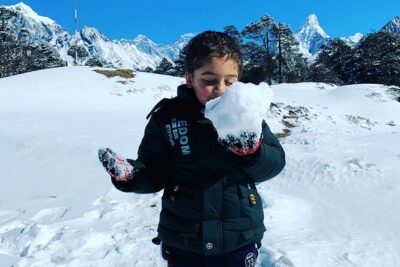
Everest Base Camp Helicopter Tour landing at Everest View Hotel
Read our review →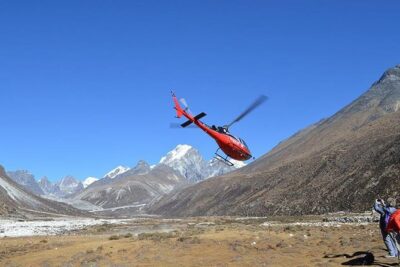
Everest Base Camp Helicopter Tour landing at Hotel Everest View
Read our review →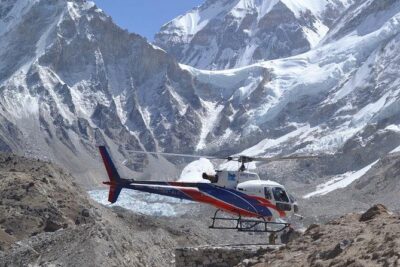
Everest Base Camp Helicopter Tour with Hotel Everest View Landing
Read our review →Everest Base Camp Helicopter Tour landing at Everest View Hotel.
Read our review →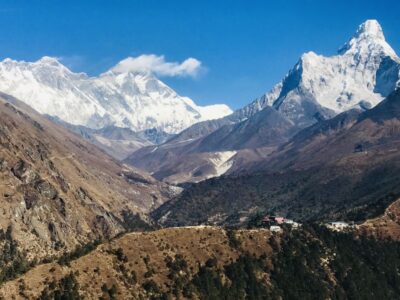
Everest Base Camp Helicopter Tour with Stop at Everest View Hotel
Read our review →Browse the lists this tour appears in