
Reviewed · ANNAPURNA CIRCUIT TREKS
10 Days Annapurna Circuit Trek
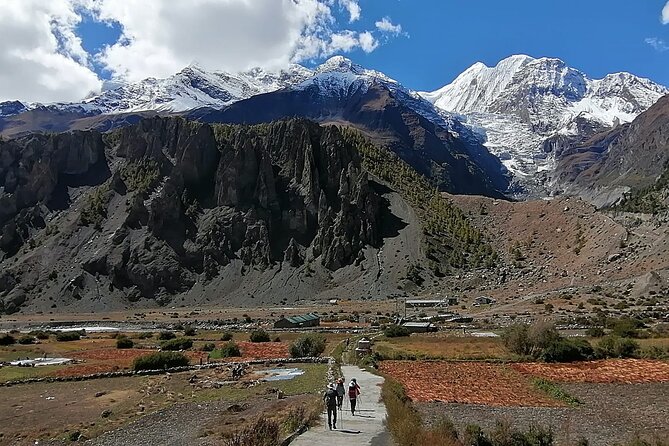
The big draw here is the Thorong La crossing at 5,416 meters, followed by a sharp change from high mountain valleys to the dry, Tibetan-influenced Mustang region. In ten days, you move through pine forests, river gorges, high villages, sacred sites, and the Kali Gandaki Valley before flying to Pokhara.
I like the way this trip combines serious mountain walking with local culture, especially around Manang, Gangapurna Lake, and Muktinath. I also like the practical setup: private transport, a guide, porters, meals, sleeping bags, and the Jomsom to Pokhara flight are included.
The main caution is the pace. Ten days is a brisk schedule for a route with long road transfers, steep climbs, and a very high pass. You need moderate fitness, a willingness to walk on narrow or unstable trails, and enough flexibility for mountain conditions.
Key Points to Know Before Booking
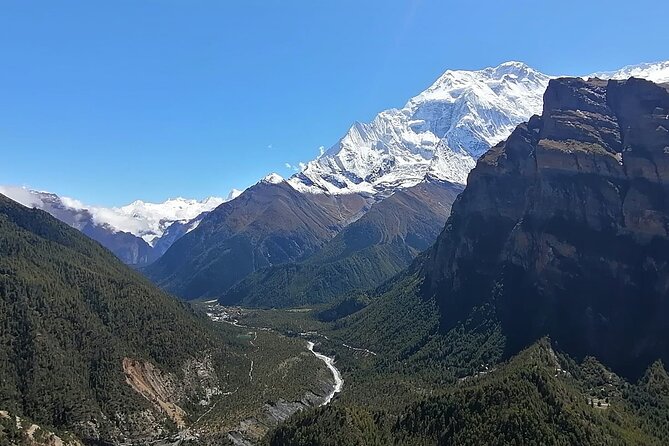
- Thorong La reaches 5,416 meters: This is the physical and emotional high point of the trip, with a demanding ascent from Thorung Phedi.
- The route includes Manang and Gangapurna Lake: You get time to see mountain life rather than simply walking through.
- A porter is assigned for every two people: This reduces the load you carry, though you still need a daypack.
- The group can include up to 15 people: That is small enough for personal attention without paying for a private trip.
- Jomsom to Pokhara is included: The morning flight saves a long return journey and gives you views of Dhaulagiri and Annapurna.
- The price is $1,430 per person: Meals, guides, porters, transport, a sleeping bag, taxes, and the domestic flight are included, but water and some entry fees are extra.
From Kathmandu to Besisahar: A Long First Day
Your morning begins at the Himalayan Trekking and Tours office on Yapikhya Marg in Kathmandu, with pickup listed for around 7:15 am. The first day is more about reaching the trail than walking it. Expect roughly seven hours on the road for about 185 kilometers to Besisahar.
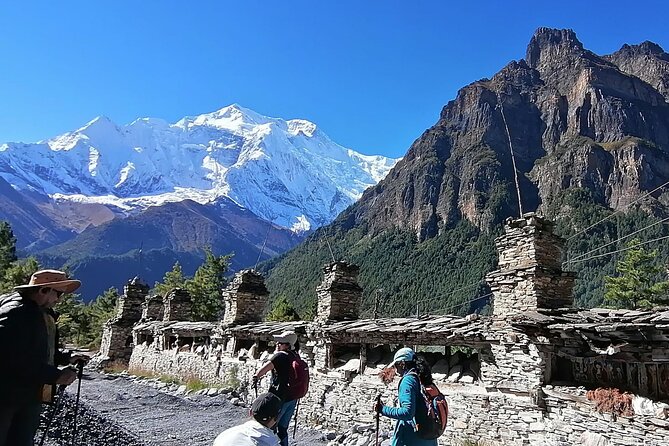
Manakamana Temple is included as a stop along the way. It gives the day a useful cultural break before the final push toward the mountains. By the time you reach Besisahar, you should get your first strong views of the Annapurna region.
This is a long opening day, so do not expect a relaxed sightseeing outing. Road conditions and traffic can affect the timing. The advantage is that private transport gives the group more control than relying on a public bus.
More Annapurna Circuit itineraries:
- Annapurna Circuit Trek with Tilicho Lake
★ 5.0 · 368 reviews - Annapurna Circuit Trek
★ 5.0 · 94 reviews - Annapurna Circuit Trek
★ 5.0 · 35 reviews
Chame and the First Big Mountain Views
The route continues toward Chame, headquarters of the Manang district. The trail climbs to Tyanja at about 2,360 meters, passes through forest, and continues near the river to Kopar at about 2,590 meters.
Chame is where the mountain scenery begins to feel more serious. Views of Annapurna II reward the effort, and the setting shifts from lower valleys to a colder, higher environment. You will spend much of the day walking beside the river and through forest, with steady climbing rather than one single brutal ascent.
The schedule is demanding because this is only the second day, yet the route already gains height. Keep your pace even and do not treat the first clear mountain views as a reason to rush.
Bridges, Rock Faces, and the Road to Pisang
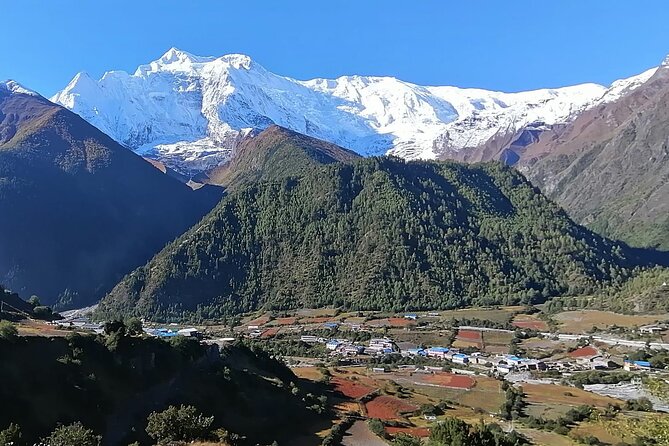
The third day starts through a deep forest in a narrow valley. You cross a river on a long bridge at about 2,910 meters, then another bridge near 3,040 meters.
The most striking feature is Paungda Danda, a huge rock face that begins to appear as the route opens. This part of the trek feels more rugged than scenic in the postcard sense. You are walking through a narrow corridor of cliffs, water, and forest, with the trail often demanding your full attention.
The route eventually brings you toward Pisang. You may find this day tiring because of the steady rise in altitude, but it is also one of the best days for seeing how the trail changes as you move higher into the Annapurna region.
Manang and the Gangapurna Lake Excursion
The walk toward Manang passes through aromatic pine forest and opens to close views of Gangapurna, Annapurna II and III, Tilicho, Chulu East, and Pisang Peak. The mountain views become more frequent and much larger.
Manang is not just another overnight stop. It is a high settlement where you can get a stronger sense of mountain life. The program includes time to explore the village and visit Gangapurna Lake, a memorable blue-green body of water surrounded by steep mountain terrain.
The schedule lists a separate day for exploring Manang and Gangapurna Lake, with a long duration shown for the stop. That detail matters because it suggests a slower day before the highest part of the route, though exact walking hours should be confirmed with the operator.
I like this pause in the itinerary. It gives you time to adjust to the height instead of treating every day as a race from one lodge to the next. Still, the ten-day format leaves less spare time than a longer Annapurna Circuit plan.
More trekking days out of Annapurna Region:
- Annapurna base camp trek 5 Days
★ 5.0 · 252 reviews - Poon hill Trek 3 days
★ 5.0 · 176 reviews - Trekking in Annapurna/Langtang/Everest/Upper Mustang regions
★ 5.0 · 161 reviews - Pokhara: 4-Day Ghorepani, Poonhill & Ghandruk Mountain Trek
★ 5.0 · 132 reviews
From Manang to Yak Kharka and Ledar
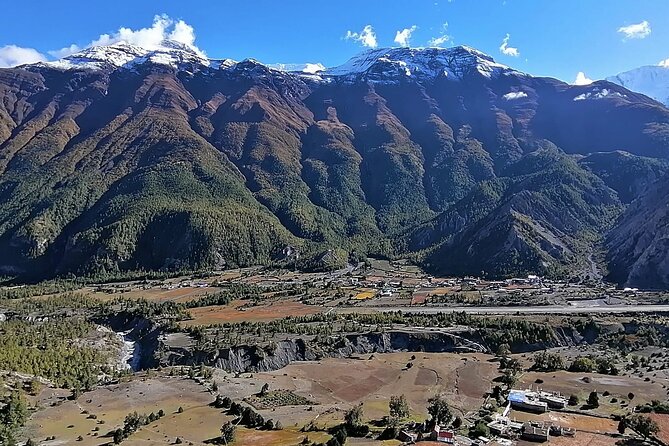
After Manang, the trail climbs through the Marshyangdi Valley toward Gunsang, Yak Kharka, and Ledar. The day includes strenuous ascents and a steady gain in altitude.
This is where you will notice the difference between a scenic walk and a proper high-altitude trek. The air is thinner, the climbs feel longer, and the safest approach is slow and steady. Your guide should help set a sensible pace, and the porter arrangement means you do not need to carry your main luggage.
Ledar is an overnight stop before Thorung Phedi. Arriving before sunset matters here, since the following day is the toughest of the trip. Use the evening to organize warm clothing, water, snacks, and any items you need quickly in the morning.
Thorung Phedi and the Narrow Trail Ahead
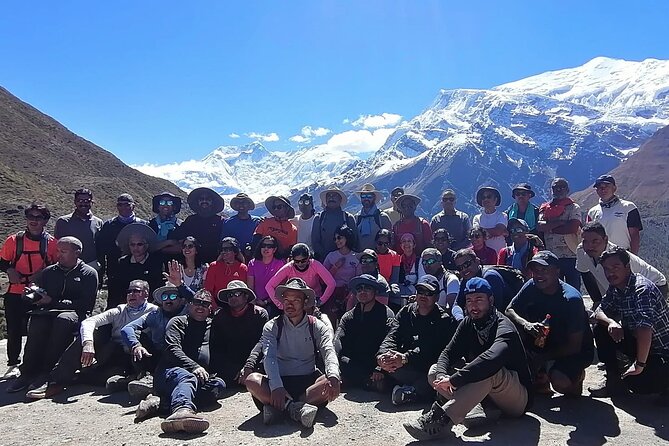
The route follows the east bank of the Jorsang Khola toward Thorung Phedi. The trail becomes tougher, with narrow sections and unstable slopes.
This is not the place for casual footwear or a heavy backpack. The path requires care, particularly where the slope drops away. The tour is suitable for people with moderate fitness, but that description should not be mistaken for easy. You are preparing for a high pass, not a short mountain stroll.
The overnight at Thorung Phedi sets up an early start for Thorong La. Keep your expectations realistic: accommodation on a high trekking route is practical rather than luxurious. The package includes a sleeping bag, which is useful, but you should still bring suitable warm layers.
Thorong La at 5,416 Meters
The pass crossing is the defining day. You climb over rocky ridges to Thorong La, the highest point of the trek, at 5,416 meters.
From the pass, you can see across toward the Dhaulagiri range. Reaching the top is a major physical achievement, but the descent afterward is also important. The day is not finished when you arrive at the pass.
The pass stop is listed at only 15 minutes, which makes sense. At this height, you may want to take photographs, catch your breath, and move on rather than linger for a long break. Weather can change quickly in high country, so follow the guide’s instructions and keep your warm clothing close.
The climb is the strongest reason to book this itinerary, and also its biggest warning. If you have had altitude problems before, discuss them before booking and take any symptoms seriously. One account of this trek described the guide team responding quickly when altitude trouble appeared. That kind of attention is valuable, but no guide can remove the risks of high altitude.
Muktinath and the Dry Side of the Mountains
After Thorong La, the route reaches Muktinath, one of the most important religious sites in the Mustang region. The temple is sacred and attracts both Hindu and Buddhist pilgrims.
Muktinath gives the trek a clear cultural shift. You leave the greener upper Marshyangdi Valley behind and enter a drier area with strong Tibetan influence. The temple stop is short in the schedule, and admission is not included, so carry some local currency for the entry fee.
This is a powerful contrast within one trip. In the first half, you see forests, rushing rivers, and high mountain walls. After the pass, the atmosphere becomes more open, dry, and stark.
Jharkot, Khingar, and the Kali Gandaki Valley
The descent continues through the Kali Gandaki Valley. The trail passes Jharkot and Khingar, described as typical Tibetan-style villages, before following the valley floor toward Jomsom.
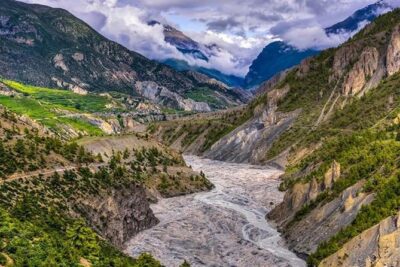
This section is less about conquering height and more about observing the region. The dry hills, village architecture, and broad river valley provide a different view of Nepal from the classic snowy peaks seen earlier.
The descent may feel easier than the climb, but your legs will already be tired. Long downhill sections can be hard on knees, especially after the pass. Trekking poles would be a sensible personal addition, though they are not listed among the inclusions.
Jomsom is the practical end point of the walking portion. The following morning, you fly to Pokhara rather than retracing the long route by road.
Jomsom to Pokhara by Air
The included morning flight from Jomsom to Pokhara is one of the smartest features of this itinerary. It avoids a lengthy return overland journey and gives you views above the Kali Gandaki Gorge, Dhaulagiri, and the Annapurna ranges.
Flights in mountain areas are naturally dependent on conditions, so the schedule should be treated as an aim rather than a guarantee. The supplied itinerary does not state what happens if the flight is delayed, so ask the company about its backup plan before departure.
Once in Pokhara, you have free time to explore the city, including boating on Fewa Lake. After several days of walking, this is a welcome change of pace. The tour ends back at the Kathmandu meeting point according to the listed details, though the day-by-day description focuses on arrival in Pokhara, so confirm the final transfer arrangements.
What the $1,430 Price Includes
At $1,430 per person, this is not a bare-bones trek. The package includes private transport, all listed taxes and fees, a guide, porters at a ratio of one porter for two people, a sleeping bag, the domestic flight, and meals.
The food package lists breakfast for 11 meals, lunch for 10, and dinner for 10. That is substantial coverage for a ten-day trip. Tea or coffee is also included, which is a small comfort during early starts and cold evenings.
The main exclusions are bottled water, alcoholic drinks, and any cost connected with an air-conditioned vehicle. Admission fees for Thorong La and Muktinath are also listed as not included. The tour description says all fees and taxes are included, so I would ask for clarification about these specific entry charges before paying.
The value is strongest if you want support rather than a fully independent trek. You are paying for organization, porters, meals, transport, and the flight, not just a walking route. The price is less attractive if you already have your own gear, porter arrangement, and local transport plan.
Guides, Porters, and Group Size
The maximum group size is 15 people. That is large enough to keep the cost reasonable, but still small enough for a guide to monitor the group more closely than on a mass-market departure.
Babu is named as a local guide in the feedback connected with the company, while Resham is also praised for being accommodating. Porter Rojit is mentioned warmly as part of the support team. Staff assignments can change, so treat these names as examples rather than a promise that one of them will lead your departure.
The company has also handled larger groups and different personal needs, according to the information provided. That suggests a useful level of organization, but I would still tell the company about fitness, dietary, or medical concerns before you arrive.
Who Should Book This Trek?
This trip suits you if you want the main Annapurna Circuit highlights in a fixed ten-day plan and prefer having transport, meals, porters, and a flight arranged in advance.
It is a good match for someone who has done regular walking and can manage long days at altitude. It is less suitable if you want a slow route with several spare days, private rooms, or a relaxed sightseeing schedule.
Pack for changing conditions, carry water, and keep your daypack light. You will still need personal clothing, medication, and essential items even though a porter carries shared luggage. Bottled water is not included, so plan for water costs along the route.
Free cancellation is available when you cancel at least 24 hours before the start time. Changes or cancellations inside that window are not accepted for a refund.
Should You Book the 10-Day Annapurna Circuit Trek?
I would book this trek if your priority is the full high-mountain experience in a compact schedule, with the major logistics handled for you. Thorong La, Manang, Gangapurna Lake, Muktinath, and the Jomsom flight give the trip a strong mix of scenery, culture, and challenge.
I would hesitate if you are new to long mountain walks, uneasy with narrow trails, or hoping for a slow holiday. Before booking, confirm the exact walking hours, guide assignment, Muktinath and Thorong La fees, and the plan for a delayed Jomsom flight. If those details suit you, $1,430 is a fair price for a supported trek with meals, porters, private transport, and a domestic flight built in.
FAQ
Where does the Annapurna Circuit Trek start?
The listed meeting point is Himalayan Trekking and Tours on Yapikhya Marg 17 in Kathmandu, Nepal.
What time does the trek start?
Pickup is listed for around 7:15 am. The first day begins with transport from Kathmandu.
How long is the Annapurna Circuit Trek?
The experience lasts approximately 10 days.
How high is Thorong La Pass?
Thorong La reaches 5,416 meters above sea level.
Is the Jomsom to Pokhara flight included?
Yes. The domestic flight from Jomsom to Pokhara is included in the package.
Are meals included?
Yes. The package includes breakfast, lunch, and dinner. It lists 11 breakfasts, 10 lunches, and 10 dinners, along with coffee or tea.
Is bottled water included?
No. Bottled water is not included. Alcoholic drinks are also excluded.
What is the cancellation policy?
You can cancel at least 24 hours before the experience begins for a full refund. Cancellations or changes made less than 24 hours before the start time are not accepted for a refund.
Just added around Annapurna Region
- 4 Day Mardi Himal Base Camp Trek from Pokhara★ 5.0 · 18 reviews
- 7-Day Trek to Annapurna Base Camp from Pokhara★ 5.0 · 12 reviews
- Private 4 Day Poon Hill Trek from Pokhara★ 5.0 · 16 reviews
- Annapurna Base Camp Trek from Pokhara and Kathmandu★ 5.0 · 7 reviews
- 6 days Annapurna Basecamp Trek★ 5.0 · 16 reviews
- “Exclusive Round-Trip Transfer: Pokhara to Jomsom & Muktinath”★ 5.0 · 11 reviews
- Poon Hill Ghandruk Circuit Trek from Pokhara 4 Days★ 5.0 · 10 reviews
- Pokhara: Poon Hill Ghorepani Short Trek★ 5.0 · 6 reviews
Annapurna Circuit Treks, compared.
15-Day Private Annapurna Circuit Trek from Kathmandu
Read our review →
Browse the lists this tour appears in