
Reviewed · ANNAPURNA CIRCUIT TREKS
Annapurna Circuit Trek in Nepal (9 Days)
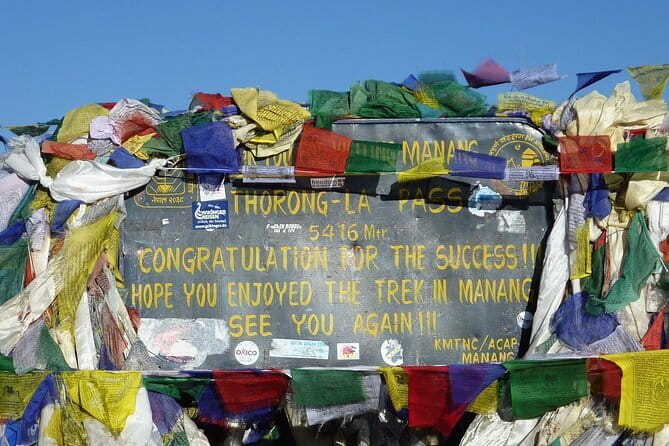
The big draw here is Thorong La Pass at 5,416 meters, reached after days of walking through villages, forests, high alpine terrain, and the Manang Valley. This 9-day route gives you the classic Annapurna Circuit in a tight schedule, ending with a long descent toward Muktinath and Pokhara.
I like the practical package: tea house lodging, permits, meals, local transport, and a licensed guide are included. I also like the cultural side, from Tibetan-style villages and monasteries to local farms, apple orchards, and the pilgrimage site of Muktinath. The catch is the pace. Nine days is short for a high-altitude circuit, and the early start for Thorong La, plus several long trekking days, calls for good preparation.
Key points at a glance
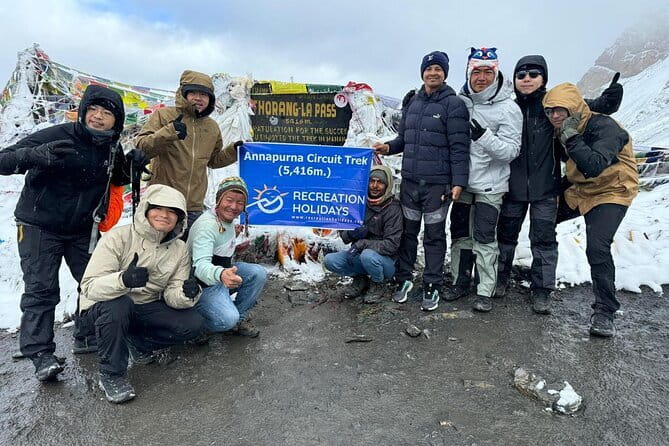
- Thorong La reaches 5,416 meters: The highest point is the main prize, but altitude makes this the toughest part of the route.
- Manang gets a full acclimatization day: You can explore the village, visit monasteries, or walk toward Gangapurna’s glacial lakes.
- Kathmandu to Dharapani is covered: The journey uses a bus, local transport, and a shared jeep before the walking begins.
- Eight nights are in twin-share tea houses: Meals, permits, guide service, and local transport are part of the $880 price.
- The final day ends in Pokhara: After Muktinath, you descend through the Mustang Valley by jeep or bus.
- The tour is private for your group: An assistant guide is included for groups of eight or more.
What the $880 price really covers
At $880 per person, this is a fairly full trekking package rather than a bare guiding service. You receive eight nights of twin-sharing tea house accommodation, eight breakfasts, eight dinners, and nine lunches. The package also covers trekking permits, a licensed English-speaking guide, local transport from Kathmandu to Dharapani, and transport from Muktinath to Pokhara.
That matters because the logistics on the Annapurna Circuit can be a nuisance to arrange on your own. You are not simply paying for someone to walk beside you. The price also handles permits, food, lodging, luggage storage, and the main transport links.
A first-aid kit is provided, and emergency evacuation support is covered by travel insurance. Read that line carefully: travel insurance is not included. You need your own policy, and it should cover trekking at the altitude reached on this route.
The package does not include porter service. A porter costs $240 per porter, with one porter available for every two trekkers. Kathmandu and Pokhara accommodation, international flights, Nepal’s entry visa, extra baggage, private transport, and medical insurance are also extra.
The tour is private, so only your own group takes part. That can make a demanding trek feel less awkward, especially if your group needs a slower pace or more time at a tea house. For groups of eight or more, an assistant guide is included, with food, lodging, salary, and insurance covered by the company.
More Annapurna Circuit itineraries:
- Annapurna Circuit Trek with Tilicho Lake
★ 5.0 · 368 reviews - Annapurna Circuit Trek
★ 5.0 · 94 reviews - Annapurna Circuit Trek
★ 5.0 · 35 reviews
Day 1: Kathmandu to Dharapani by road
The trip begins around 6:00 or 7:00 in the morning, with the stated meeting time at 6:15 a.m. The route runs from Kathmandu toward Bhulbhule through Besisahar, then continues by shared jeep toward Dharapani. The road day is long, and it is best viewed as the necessary price of reaching the walking route quickly.
You are not trekking on this first day, but the journey gives you an early look at changing scenery and village life outside Kathmandu. The switch from bus to shared jeep is useful for reaching the trailhead, though it also means a less polished ride than private transport.
Pickup is offered, and the listed starting point is Tribhuvan Airport in Kathmandu. Since the description also refers to hotel pickup, confirm your exact pickup point and time before departure. This small check can save a very early morning scramble.
Day 2: Dharapani to Chame through Tibetan-style villages
The walking begins in earnest as you leave Dharapani for Chame. The route passes Bagarchhap and Danakyu, with apple orchards and cooler mountain air along the way. The villages give the day more character than a simple mountain walk, and the Tibetan influence becomes easier to notice as you gain height.
You can expect a long day, listed at about 12 hours. The combination of sustained walking, uneven paths, and a rising altitude makes this more than a gentle introduction. Take the guide’s pace seriously and use breaks well.
Chame is a useful stop because the setting shifts toward alpine country, with broad mountain views and a stronger sense that you are entering the high Himalaya. This is also where the value of a guide becomes clear. A local guide can help with the day’s timing, lodging arrangements, and the practical rhythm of tea house trekking.
Day 3: Forest, bridges, and Paungda Danda
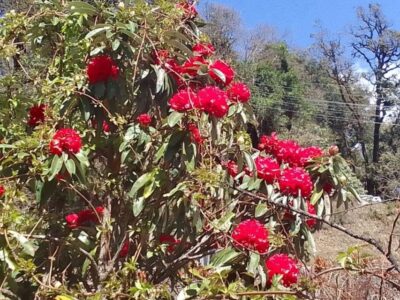
The route continues through rhododendron and pine forests, across several suspension bridges, and over meadows and steep sections. The scenery changes often, which helps keep the long walking day interesting.
A major feature is Paungda Danda, a huge curved rock face that gives the route a memorable geological landmark. The day is again listed at about 12 hours, so you should not mistake the forested sections for an easy walk. Steep climbs and bridge crossings still demand steady legs.
I like this part of the route because it has variety. You get woodland, open meadows, river crossings, and exposed mountain views rather than one repeated scene. The drawback is that the itinerary gives limited detail about the exact overnight village, so your guide will be the best source for the day’s precise route and lodging plan.
More trekking days out of Annapurna Region:
- Annapurna base camp trek 5 Days
★ 5.0 · 252 reviews - Poon hill Trek 3 days
★ 5.0 · 176 reviews - Trekking in Annapurna/Langtang/Everest/Upper Mustang regions
★ 5.0 · 161 reviews - Pokhara: 4-Day Ghorepani, Poonhill & Ghandruk Mountain Trek
★ 5.0 · 132 reviews
Day 4: Reaching Manang and the value of a slower pace
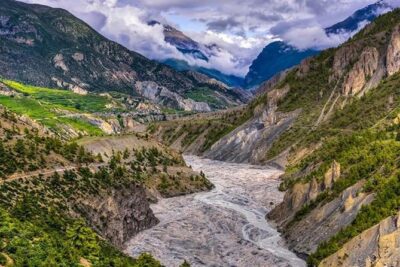
The route to Manang begins with flatter ground before climbing gradually toward Humde. You get views of Annapurna II, Annapurna III, and Annapurna IV, making this one of the strongest scenic days before the high pass.
Manang is more than an overnight stop. It is the main acclimatization base of the trek, and the schedule wisely allows a full day here next. That pause is important because the route will soon move into much thinner air.
The day is listed as a full day rather than a precise walking time. That leaves some room for the guide to adjust the pace, though you should still expect a serious mountain day. If you have been pushing hard since Kathmandu, Manang is the place to slow down.
Day 5: Acclimatizing around Manang
A rest day at altitude does not mean sitting indoors all day. You can explore Manang village, walk toward the glacial lakes below Gangapurna, or visit local monasteries. These choices give you a better feel for the area while helping your body adjust before the higher sections.
This is one of the best-planned parts of the schedule. You gain altitude over several days, then pause before continuing toward Yak Kharka and Thorong Phedi. No itinerary can remove altitude risk, but an acclimatization day gives you a better chance to notice how your body is responding.
Keep this day sensible. You do not need to turn an acclimatization walk into a second major trek. Drink water, move at an easy pace, and tell your guide if you develop symptoms that concern you. The tour includes a first-aid medical kit, but your own travel insurance remains essential for serious emergencies.
Day 6: Manang to Yak Kharka
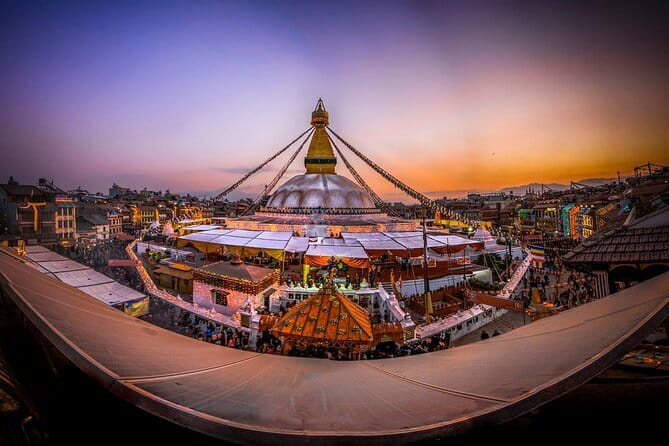
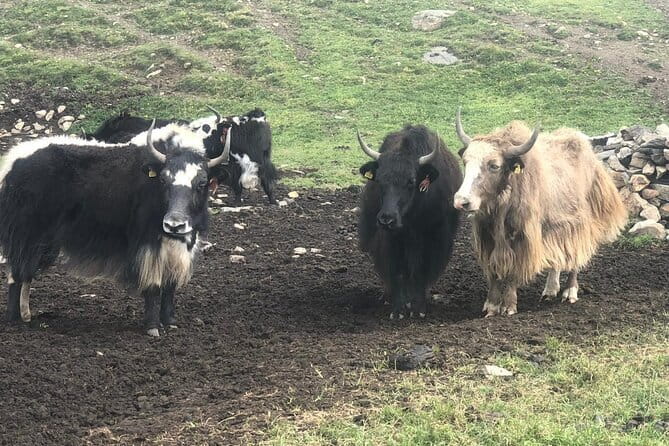
Leaving Manang, you climb steadily through settlements and cultivated farmland toward Yak Kharka. The route includes suspension bridge crossings and a moderate ascent, with enough change in scenery to keep the day engaging.
At this point, the circuit feels more open and spare. You are moving above the more settled parts of the valley and closer to the pass route. The walking is not described as the hardest day, but altitude can make even a moderate climb feel slow.
Yak Kharka is an important staging point for the next section. You are no longer simply collecting views. You are positioning yourself for Thorong Phedi and the pass crossing, so rest and hydration matter more than squeezing in extra activity.
Day 7: Toward Thorong Phedi
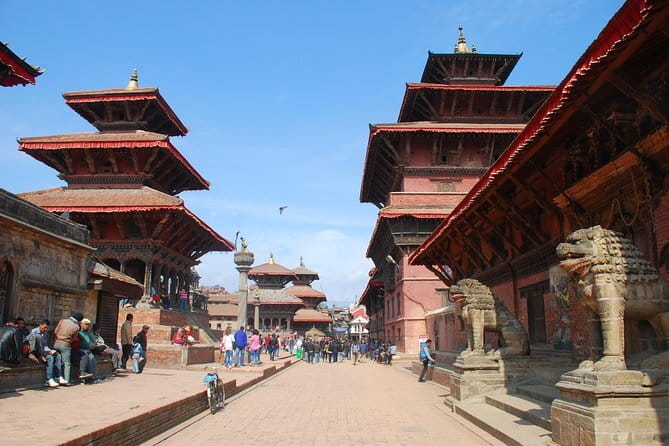
The walk to Thorong Phedi takes about four to five hours and climbs gradually. The shorter walking time may sound easy, but the altitude changes the equation. You will likely walk slowly, stop often, and spend more time checking how you feel.
The views become the reward for the effort, with the route opening toward the high mountain surroundings. The description refers to the pass area and lists admission as included. The key point is that you sleep at Thorong Phedi before the major crossing, giving you a chance to prepare for the early start.
Pack the items you need for the pass where you can reach them easily. Your warm layers, water, snacks, headlamp, and any personal medication should not be buried in a large bag. If you use a porter, keep your essentials with you rather than assuming the porter’s bag will always be immediately available.
Day 8: Thorong La and Muktinath
This is the defining day. The alarm comes around 3:00 a.m. so you can begin the climb before daylight and cross Thorong La at 5,416 meters. The early start is not a gimmick. It is built into the day’s timing and helps you reach the highest point before conditions become less favorable.
The climb is demanding because of both gradient and altitude. Expect a slow pace, frequent breaks, and a need for patience. The summit brings broad mountain views, but the real satisfaction comes from completing a serious physical challenge without rushing it.
After crossing the pass, you descend toward Muktinath. The change in surroundings is part of the appeal. You leave the pass behind and reach one of Nepal’s important pilgrimage sites, where the route takes on a strong cultural and religious character.
This is the day to judge your own readiness honestly. A moderate fitness level is listed as necessary, but I would treat that as a minimum rather than a full description of the challenge. Reaching 5,416 meters is not an ordinary day hike.
Day 9: Muktinath to Pokhara through Mustang
The final day uses a jeep or bus from Muktinath to Pokhara. The road descends through the lower Mustang Valley, offering a last look at the dry mountain country before you reach the greener, lower setting around Pokhara.
It is a long day, listed at about 12 hours, so do not expect to arrive in Pokhara immediately after breakfast. Road conditions and the route itself make this a travel day as much as a sightseeing day.
Ending in Pokhara is convenient. You finish the trek without returning to Kathmandu first, and you can use Pokhara as your next base. Accommodation there is not included, so plan that separately.
Tea houses, meals, and luggage
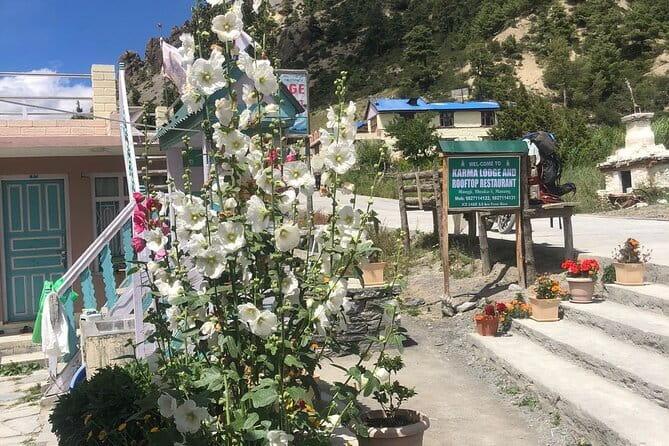
The eight nights are in tea houses with twin-sharing rooms. This is a practical arrangement that keeps the price under control and places you in the mountain villages along the route. It is not the setup for private hotel comfort, and you should book this trip for the walking and local setting rather than for room luxury.
The food package includes eight breakfasts, eight dinners, and nine lunches. That removes one major daily expense, though the details of meals are not specified. You should still expect simple trekking food rather than a restaurant menu designed around personal preferences.
Complimentary luggage storage during the trek is useful if you are spending time in Nepal before or after the route. It lets you leave nonessential items behind instead of carrying everything over the pass.
Porters are optional at $240 each, with one porter for two trekkers. For a high-altitude route with several long days, I would seriously consider this if you are not used to carrying a pack. You should still carry your own essential layers, water, documents, medication, and valuables.
Who this trek suits best
This tour suits you if you want the main Annapurna Circuit sights in a compact schedule and prefer to have the basic logistics handled. It is a good match for someone who values a private group, a guide, included meals, and a clear route from Kathmandu to Pokhara.
It is less suitable if you want a leisurely schedule with short walking days. The 9-day format leaves little spare time if road delays, weather, or altitude problems affect the plan.
You should also be comfortable with simple tea house lodging, long transport days, suspension bridges, steep climbs, and a 3:00 a.m. start. A moderate fitness level is required, but preparation for high-altitude walking is the wiser standard.
The strongest praise attached to this company centers on organization, guide support, communication, and the way the trip combines mountain views with cultural contact. The feedback also repeatedly points to helpful guides and porters. No individual guide name is provided for this particular departure, though Hari, the company founder, is mentioned in connection with repeat business in the Annapurna region.
Should you book it?
I would book this trek if you want a well-supported, compact Annapurna Circuit and accept that the schedule is demanding. The $880 price is reasonable for the included lodging, meals, permits, guide, luggage storage, and main transport, especially when you add the cost and effort of arranging those pieces yourself.
Before paying, confirm the hotel pickup details, the exact day-by-day walking times, the porter arrangement, and the travel insurance requirements. If you want more breathing room at altitude, a longer itinerary would be worth comparing. If you want to cross Thorong La and finish in Pokhara within nine days, this plan offers a practical route with strong support and little wasted time.
Free cancellation is available up to 24 hours before the scheduled start time. Changes or cancellations made later are not accepted for a refund.
FAQ
How long is the Annapurna Circuit Trek?
The trek lasts approximately 9 days, beginning in Kathmandu and ending in Pokhara.
Where does the trek start?
The listed starting point is Tribhuvan Airport in Kathmandu, with pickup offered. The stated start time is 6:15 a.m.
Where does the trek finish?
The tour finishes in Pokhara after transport from Muktinath by jeep or bus.
What is the highest point of the trek?
The highest point is Thorong La Pass at 5,416 meters.
Is an acclimatization day included?
Yes. Day 5 is reserved for acclimatization around Manang.
What accommodation is included?
The package includes eight nights of twin-sharing tea house accommodation during the trek.
Are meals included?
Yes. The package includes eight breakfasts, eight dinners, and nine lunches.
Is a guide included?
Yes. A licensed English-speaking guide is included. An assistant guide is included for groups of eight or more.
Is porter service included?
No. Porter service is available on request for $240 per porter, with one porter for every two trekkers.
Is travel insurance included?
No. Travel and medical insurance are not included. Emergency evacuation support is listed as covered by travel insurance, so you need to arrange your own suitable policy.
Just added around Annapurna Region
- 4 Day Mardi Himal Base Camp Trek from Pokhara★ 5.0 · 18 reviews
- 7-Day Trek to Annapurna Base Camp from Pokhara★ 5.0 · 12 reviews
- Private 4 Day Poon Hill Trek from Pokhara★ 5.0 · 16 reviews
- Annapurna Base Camp Trek from Pokhara and Kathmandu★ 5.0 · 7 reviews
- 6 days Annapurna Basecamp Trek★ 5.0 · 16 reviews
- “Exclusive Round-Trip Transfer: Pokhara to Jomsom & Muktinath”★ 5.0 · 11 reviews
- Poon Hill Ghandruk Circuit Trek from Pokhara 4 Days★ 5.0 · 10 reviews
- Pokhara: Poon Hill Ghorepani Short Trek★ 5.0 · 6 reviews
Annapurna Circuit Treks, compared.
15-Day Private Annapurna Circuit Trek from Kathmandu
Read our review →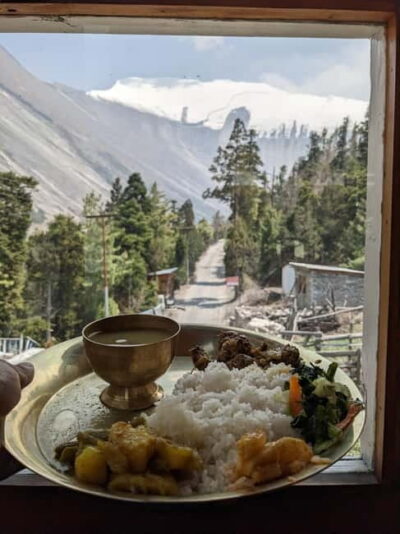
Browse the lists this tour appears in