
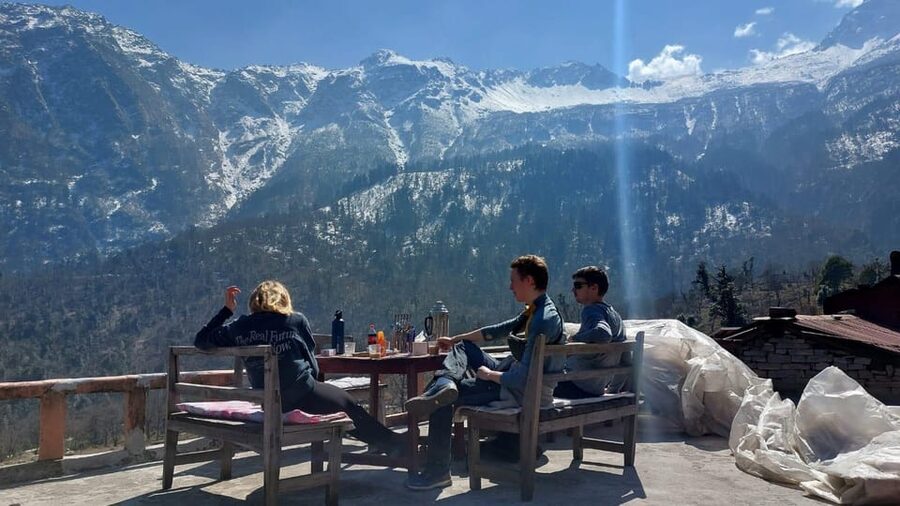
Reviewed · ANNAPURNA CIRCUIT TREKS
Annapurna Circuit Trek With Tilicho Lake :Best Trek in Nepal
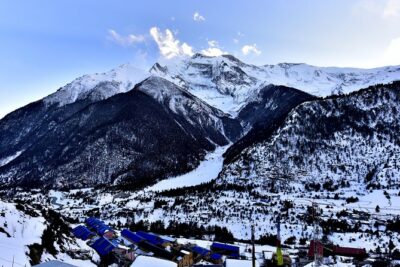
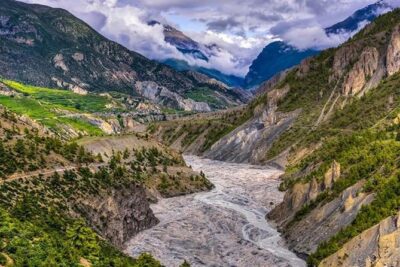
The great prize here is the route’s sudden change of scenery. You begin among subtropical forests and terraced fields, then climb through the Marsyangdi Valley to Tibetan-style villages, the stark heights around Tilicho Lake, and the demanding crossing of Thorong La at 5,416 meters. It is a big Himalayan journey packed into 12 days.
I like the small group limit of six, which makes the long walking days easier to manage, and I like that the price includes transport, permits, tea-house beds, and a licensed guide. The catch is simple: this is not a gentle mountain holiday. Several days run for about seven hours, food is extra, and high altitude can turn a beautiful plan into a serious physical test.
Key points to know before booking
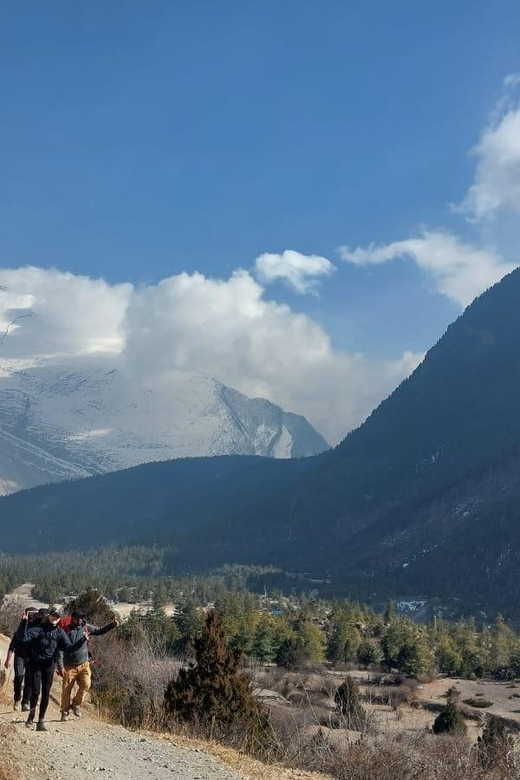
- Tilicho Lake adds a demanding high-altitude side trip to the classic Annapurna route, with an overnight stay at its base camp.
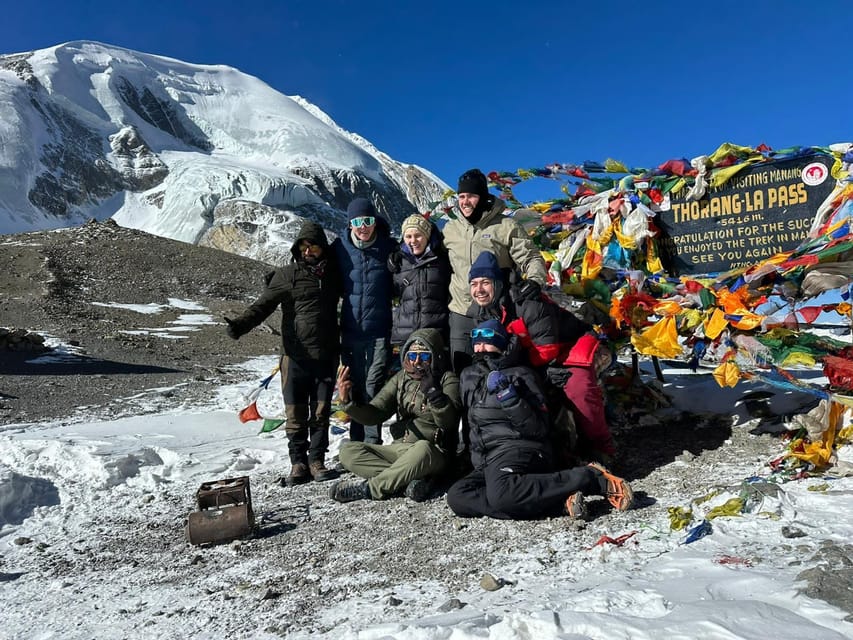
- Thorong La is the physical climax, reached after nights in Ledar and Thorong High Camp.
- The scenery changes dramatically, from forest and farmland to dry, high Himalayan valleys.
- Manang provides an acclimatization day, including time around Gangapurna Lake.
- A licensed English-speaking guide leads a group of no more than six, with first aid support included.
- The $604 price covers the main logistics, but you still pay for meals, trekking gear, insurance, and personal expenses.
Why Tilicho Lake changes the classic Annapurna route
The standard Annapurna Circuit is already one of Nepal’s finest long-distance walks. Adding Tilicho Lake makes it more demanding and more memorable. You leave the main route near Manang and head toward a high blue lake set among bare ridges and snow-covered peaks.
The lake sits at about 4,919 meters, and the route to it is rougher than the lower valley trail. You should expect rocky ground, thin air, and possible snow depending on conditions. The walk is not just a quick viewpoint stop. You spend the night at Tilicho Base Camp, walk up to the lake, and return to the base camp before continuing toward the pass.
I like this arrangement because the lake receives proper attention rather than being squeezed into a hurried day. The tradeoff is that the itinerary leaves little spare time. If weather or altitude slows you down, the schedule has less room to absorb delays.
More Annapurna Circuit itineraries:
- Annapurna Circuit Trek with Tilicho Lake
★ 5.0 · 368 reviews - Annapurna Circuit Trek
★ 5.0 · 94 reviews - Annapurna Circuit Trek
★ 5.0 · 35 reviews
Day 1: Kathmandu to Dharapani by road and jeep
The trip begins with pickup in Thamel and a bus ride of roughly seven hours toward Besisahar. From there, you continue by jeep to Dharapani, with the full road transfer taking much of the day.
This is practical rather than comfortable sightseeing. Nepal’s mountain roads can be tiring, and the jeep section helps you reach the walking route without adding several lower-altitude days on foot. You get a first look at the Marsyangdi region, but do not expect a relaxed arrival. A light pack, water, and snacks will make the transport day easier.
The overnight stay in Dharapani puts you at the proper starting point for the trek. Your guide can also help you settle into the rhythm of tea-house travel, where simple rooms and shared facilities are part of the deal.
Days 2 and 3: Chame and Pisang through changing scenery
The walk from Dharapani to Chame takes about seven hours. Forest, river views, village paths, and mountain scenery fill the day, with the route gradually gaining height.
Chame is an important stop because it marks the move into a more alpine section of the valley. You will notice the air becoming cooler and the settlements taking on a stronger Himalayan character. The pace matters here. Walking too fast at lower elevations is a poor strategy when the route ahead climbs much higher.
The next day leads to Pisang, again taking around seven hours. Pisang gives you a useful choice of atmosphere, with a more developed lower village area and an older upper settlement in the valley. The provided schedule does not promise a separate upper-route variation, so follow your guide’s advice on the day.
These two days are scenic, but they are also work. A seven-hour hike after a long road transfer can feel substantial. I would treat the early part of the trek as training for the higher section, not as an easy warm-up.
Day 4: Manang and the Marsyangdi Valley
The trail continues to Manang in about seven hours. This is one of the most appealing sections because the surroundings become drier and more open as the route climbs beyond the wetter lower valleys.
Manang has a strong Tibetan influence in its culture and daily life. You can watch the architecture, prayer practices, and village routines change as you move farther into the Himalayan interior. This is one reason the route feels like more than a mountain walk. The villages are not stage sets. They are working communities shaped by altitude, religion, trade, and weather.
Manang is also the key staging point for Tilicho Lake and Thorong La. Your guide’s role becomes especially important here, with attention to your pace, symptoms, and rest. Do not treat this stop as a race checkpoint. High altitude rewards patience.
More trekking days out of Annapurna Region:
- Annapurna base camp trek 5 Days
★ 5.0 · 252 reviews - Poon hill Trek 3 days
★ 5.0 · 176 reviews - Trekking in Annapurna/Langtang/Everest/Upper Mustang regions
★ 5.0 · 161 reviews - Pokhara: 4-Day Ghorepani, Poonhill & Ghandruk Mountain Trek
★ 5.0 · 132 reviews
Day 5: An acclimatization day with Gangapurna Lake
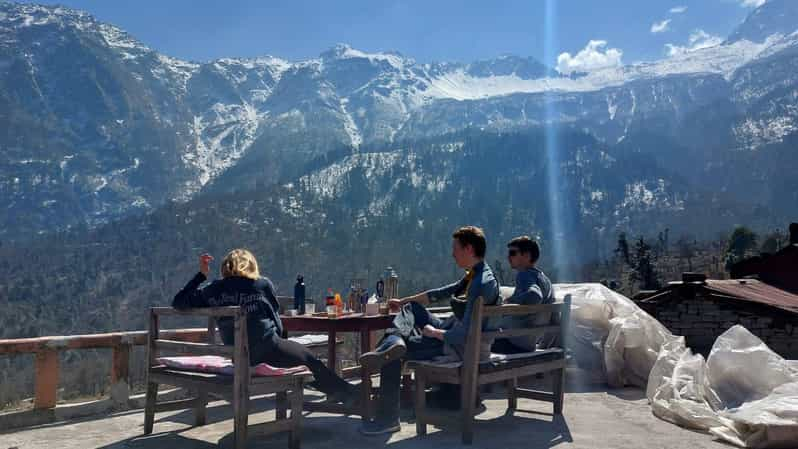
The rest day in Manang is one of the smartest parts of the plan. It includes an excursion toward Gangapurna Lake, giving you a chance to move without gaining a full night’s altitude.
This is valuable for two reasons. First, you get time to adjust before the harder section toward Tilicho Lake. Second, you see more of the area instead of spending the entire day inside the tea house. The schedule allows about five hours for the activity, including sightseeing and walking.
Altitude sickness is a real concern on this route. The itinerary includes acclimatization, but no schedule can guarantee that you will feel well. Headache, nausea, unusual tiredness, and poor coordination should be taken seriously. Tell your guide early rather than trying to hide symptoms to keep the plan moving.
Days 6 and 7: Reaching Tilicho Base Camp and the lake
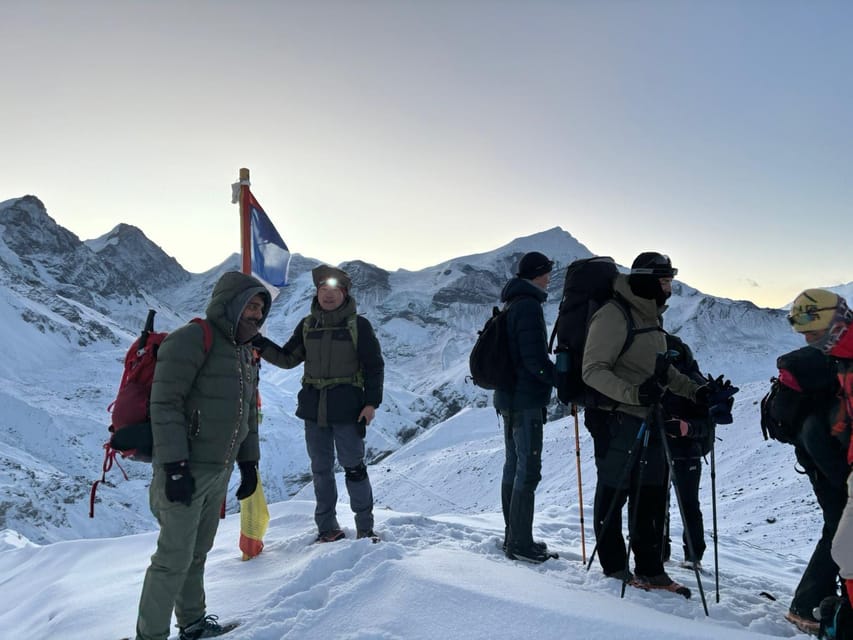
The walk to Tilicho Base Camp takes about seven hours. This is where the route becomes more rugged, with fewer comforts and a stronger sense of isolation.
The overnight stay at the base camp is useful because the next morning’s walk to Tilicho Lake begins at a high elevation. You avoid trying to reach the lake and return to Manang in one punishing day. Tea-house conditions here are basic, so bring patience, a warm sleeping bag, and clothing that works in changing weather.
The lake excursion takes about four hours according to the schedule, followed by a return to the base camp. The turquoise water and surrounding peaks are the reward, but the walk itself deserves respect. At nearly 4,919 meters, even a moderate distance can feel slow.
The word highest is often used for Tilicho Lake in tour descriptions, and it is certainly one of the world’s highest major lakes. The exact ranking depends on how high-altitude lakes are classified. You do not need to settle that debate to appreciate the setting, but you should understand that the altitude is the main challenge, not merely a number on a brochure.
Day 8: From Tilicho Base Camp toward Shree Kharka and Ledar
After the lake section, the route returns toward the main Annapurna Circuit. The schedule includes Shree Kharka before continuing to Ledar, with both walking and overnight stops listed along the way.
This section links two different parts of the route. You leave the special side trip behind and begin preparing for Thorong La. The valley feels more exposed, and the dry high-country scenery replaces the greener lower slopes.
Ledar is an important overnight point because it keeps the approach to Thorong High Camp manageable. The day is listed at about seven hours, so you will want to keep your pace steady. This is not the place to spend all your energy taking photographs in the first hour. Save some strength for the climb still ahead.
Day 9: Thorong High Camp before the pass
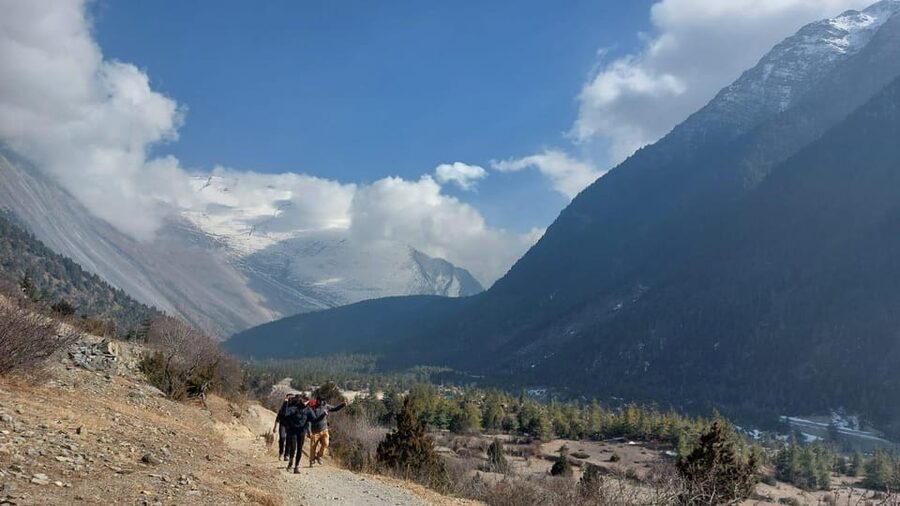
The walk to Thorong High Camp takes around seven hours. The high camp is the final overnight stop before crossing Thorong La.
This night can feel both exciting and uncomfortable. The altitude is high, facilities are simple, and sleep may not be perfect. That is normal enough on a demanding pass route, but worsening altitude symptoms are not something to ignore.
Your guide’s experience matters most here. Guides named on recent departures include Ganesh Devkota, Kumar, Jeewan, and Prakash. The important quality is not a particular name, since guide assignments can change, but careful pacing, clear information, and attention to how you are coping.
Day 10: Crossing Thorong La at 5,416 meters
The pass crossing is the trek’s biggest physical test. You leave Thorong High Camp, climb to Thorong La, and descend to Muktinath. The pass section is listed at about four hours, but the full day can feel longer because of altitude and the descent afterward.
At 5,416 meters, Thorong La is not a casual viewpoint. Wind, cold, snow, and rapid weather changes are possible in the mountains, so warm layers, gloves, sunglasses, sun protection, and waterproof clothing are practical necessities.
The reward is a broad view across the high Himalayan region and the satisfaction of crossing one of Nepal’s best-known high passes. The descent to Muktinath also changes the mood of the trek. After the exposed pass, reaching a holy settlement feels like a real transition.
Muktinath and the Kali Gandaki region
Muktinath is important to both Hindu and Buddhist communities. The stop gives the trek cultural weight after several days focused mainly on altitude and distance.
The area also links to the old trade route through the Kali Gandaki Valley. The route eventually reaches one of the world’s deepest gorges, according to the supplied tour information, and the surrounding country is notably dry compared with the lower Marsyangdi Valley.
I like ending the walking portion here rather than at a random road junction. Muktinath gives you a meaningful place to pause, reflect, and see how religion shapes life in the Himalayan region.
Days 11 and 12: Hot springs and the return to Pokhara
The next day uses road transport to Tatopani, where you stay overnight and can visit the hot spring. After several cold, demanding nights, this is a welcome change of pace.
The final day continues by bus to Pokhara, with the return journey taking about eight hours. This is another long transport day, so keep expectations realistic. You will see more of the region from the road, but the ride may be tiring after the trek.
The organized transport covers Kathmandu to Besisahar and Muktinath to Pokhara. The itinerary does not include a return to Kathmandu, so plan your onward travel from Pokhara separately.
What the $604 price really covers
At $604 per person, the package offers solid value if you want the main logistics arranged. It includes the transport before and after the trek, the jeep to Dharapani, the ACAP permit and TIMS card, tea-house accommodation, a government-licensed guide, guide expenses, first aid equipment, and tax.
The price does not include meals or drinks. Budget about $5 to $7 per meal, with breakfast and dinner available at the tea houses and lunch taken at cafés along the route. Food costs can add up over 12 days, especially if you need extra drinks or snacks.
You also pay for trekking gear, travel insurance, and personal expenses. A sleeping bag is on the recommended packing list, and you should not assume that all equipment is supplied. Carry enough Nepalese rupees because cash is preferred in remote sections.
For a small group, the inclusion of permits, accommodation, road transfers, and a licensed guide makes the cost reasonable. The final budget will be higher than $604 once food, insurance, gear, and personal spending are added.
Group size, guiding, and practical comfort
The group is limited to six people, which is a useful middle ground. You get more support than on an independent trek but avoid the slow movement and impersonal feel of a large coach group.
The guide speaks English and handles route guidance, sightseeing, accommodation arrangements, and first aid support. Recent guide feedback has especially praised careful altitude checks, flexible pacing, cultural explanations, and help with good photo stops. Those are meaningful services on a route where a small adjustment can make a long day more manageable.
Tea-house accommodation is included, but comfort is basic. Expect a place to sleep rather than hotel standards. Bring toiletries, a reusable water bottle, a waterproof bag, warm clothing, hiking pants, good hiking shoes, and a sleeping bag.
The mountain weather can change quickly. Sunglasses, a sun hat, sunscreen, gloves, a jacket, and waterproof footwear are not optional luxuries here.
Free cancellation is available up to 24 hours before departure, and you can reserve while paying later. The trek is not suitable for wheelchair users, people with altitude sickness, babies under one year, or people over 70.
Who should book this trek?
You should consider it if you want a serious Himalayan trek with cultural contact, high passes, changing scenery, and a guide handling the main logistics. It suits people with a moderate to high fitness level who can walk for about seven hours on uneven ground and cope with basic accommodation.
It is less suitable if you want short walks, flexible rest days, private rooms, or a trip built around comfort. The Tilicho side trip and Thorong La crossing make this harder than a standard sightseeing tour.
I would also think carefully about the fixed 12-day schedule. It is efficient, but it leaves limited spare time if weather, road conditions, or altitude cause delays. Travel insurance that covers trekking at the relevant altitude is essential, even though it is not included.
Should you book the Annapurna Circuit with Tilicho Lake?
Book it if the idea of crossing a 5,416-meter pass, reaching Tilicho Lake, and walking through villages shaped by Hindu and Buddhist traditions excites you more than the thought of long roads and basic tea houses bothers you.
The strongest parts are the route variety, small group size, acclimatization day, and guide support. The main weaknesses are the demanding schedule, extra food and equipment costs, and serious altitude exposure. For a fit walker who wants a full Himalayan experience rather than an easy holiday, this $604 package offers a practical way to tackle one of Nepal’s great mountain routes.
FAQ
How long is the Annapurna Circuit with Tilicho Lake trek?
The activity lasts 12 days. It includes road transport at the beginning and end, with trekking from Dharapani through Manang, Tilicho Lake, Thorong La, and Muktinath.
What is the highest point on the trek?
The highest point is Thorong La Pass at 5,416 meters. Tilicho Lake is listed at approximately 4,919 meters.
Is food included in the price?
No. Food and drinks are extra. Breakfast and dinner can be bought at tea houses, while the guide stops at cafés for lunch. The stated food cost is about $5 to $7 per meal.
What does the $604 price include?
The price includes transport from Kathmandu to Besisahar, the jeep to Dharapani, transport from Muktinath to Pokhara, trekking permits, tea-house accommodation, a licensed English-speaking guide, guide expenses, first aid equipment, and tax.
Is there an acclimatization day?
Yes. You have a rest day in Manang with an excursion to Gangapurna Lake. This is intended to help you adjust before the higher sections of the trek.
What size is the group?
The group is limited to six participants. The tour includes a live English-speaking guide.
Just added around Annapurna Region
- 7-Day Trek to Annapurna Base Camp from Pokhara★ 5.0 · 12 reviews
- Private 4 Day Poon Hill Trek from Pokhara★ 5.0 · 16 reviews
- 4 Day Mardi Himal Base Camp Trek from Pokhara★ 5.0 · 18 reviews
- Annapurna Base Camp Trek from Pokhara and Kathmandu★ 5.0 · 7 reviews
- 6 days Annapurna Basecamp Trek★ 5.0 · 16 reviews
- “Exclusive Round-Trip Transfer: Pokhara to Jomsom & Muktinath”★ 5.0 · 11 reviews
- Poon Hill Ghandruk Circuit Trek from Pokhara 4 Days★ 5.0 · 10 reviews
- Pokhara: Poon Hill Ghorepani Short Trek★ 5.0 · 6 reviews
Annapurna Circuit Treks, compared.
15-Day Private Annapurna Circuit Trek from Kathmandu
Read our review →
Browse the lists this tour appears in