
Reviewed · EVEREST HELICOPTER TOURS
Everest Base Camp Helicopter Tour
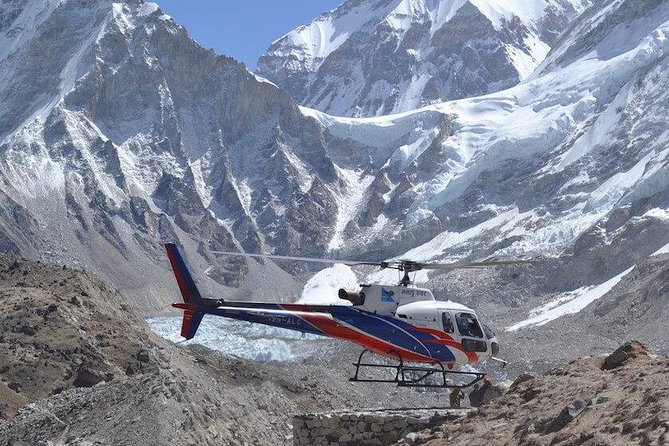
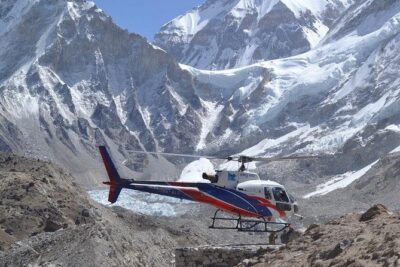
The big draw here is simple: you can see Everest from the air and land near the Base Camp area without spending two weeks on the trail. The route includes mountain views, a fuel stop at Lukla, and a landing near Syangboche or Kalapatthar, depending on weather and helipad conditions.
I like the choice between a shared flight for five or six people and a private arrangement. I also like the planned window-seat system when the group is split at Pheriche, plus the optional breakfast at Hotel Everest View. The main catch is the weather dependence. Cloud, wind, or helipad conditions can change the route or cancel the flight.
Key points to know before booking
- Everest without a long trek: Reach the Base Camp area by helicopter in roughly four to six hours from Kathmandu.
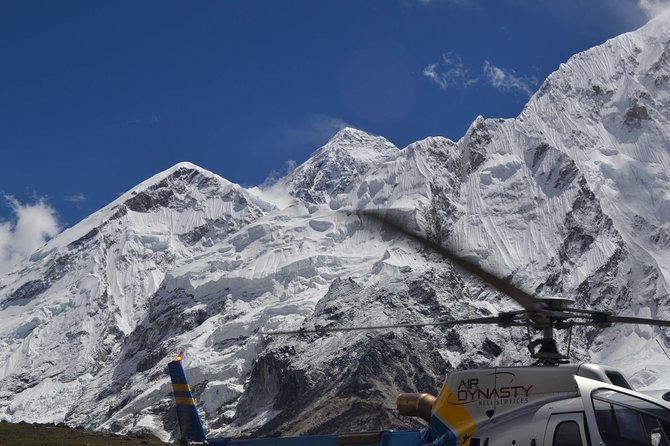
- Airbus H125 helicopter: The listed aircraft is an Airbus H125, also called the Eurocopter 350 model.
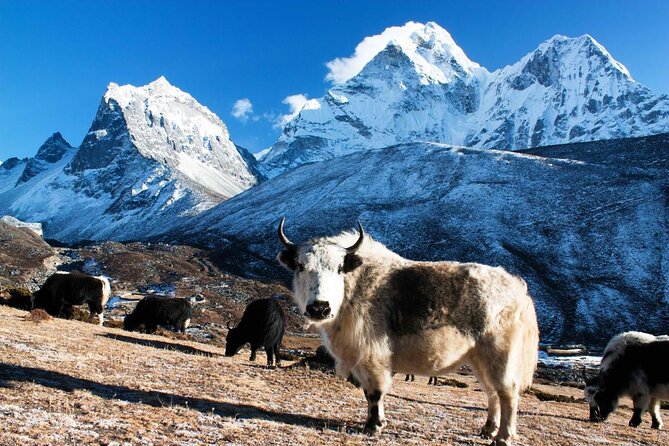
- Several mountain viewpoints: Expect views of Everest, Lhotse, Nuptse, and Pumori when visibility is good.
- Fuel stop in Lukla: The aircraft pauses for about 10 minutes, offering a quick look at the airport used by Everest trekkers.
- Optional Hotel Everest View breakfast: Allow about $31 for the set breakfast, if weather permits the landing.
- Small maximum group: The shared tour has five or six passengers plus the pilot, while a private flight is also offered.
What the $1,700 price really buys you
At $1,700, this is not a casual sightseeing flight. It is a premium way to reach the Everest region when you have limited time, limited mobility, or no wish to spend days walking to Base Camp.
The price covers hotel pickup and drop-off, the shared helicopter flight, multiple landing points, and the mountain viewing route. National park, airport, and Khumbu village development charges are extra, at about $50. Breakfast is also separate, at roughly $31 at Hotel Everest View.
That brings the practical cost above the advertised figure if you add the landing fees and breakfast. Ask before departure exactly which charges are included in your final quote, especially if you choose a private helicopter.
The value depends on your priorities. If you have only a short stay in Nepal, the flight packs the Everest region into half a day. You get a view that would otherwise require a serious trek, altitude planning, and much more time. If you are already trekking to Base Camp, though, this flight may feel expensive and less rewarding than earning the views on foot.
There is also a useful middle ground. A shared flight keeps the cost lower than hiring the helicopter privately, while a six-person maximum keeps the cabin smaller than a large sightseeing operation. Confirm how the $1,700 figure applies to your booking, since the details provide both shared and private options but do not specify whether the price is per person or for a whole aircraft.
More Helicopter Tours in the Everest Region
- Everest Base Camp Helicopter Tour landing at Everest View Hotel
★ 5.0 · 668 reviews - Everest Base Camp Helicopter Tour landing at Hotel Everest View
★ 5.0 · 218 reviews - Everest Base Camp Trek with Helicopter Return from Gorakshep to Lukla
★ 5.0 · 161 reviews
Leaving Kathmandu at 7:15 in the morning
Pickup begins early, with the meeting time listed as 7:15 am. The company asks for your hotel name and address so it can arrange the pickup and return.
The flight starts from Tribhuvan International Airport. The overall experience is listed at four to six hours, although the timetable gives about one hour for the outbound portion, stops in the Everest region, and about one hour for the return. Helicopter schedules in the mountains can shift with weather, fuel needs, air traffic, and landing conditions, so treat the timing as an estimate rather than a promise.
Bring a passport copy. A photograph of the passport on your phone is accepted, and you do not need to carry the original passport for this activity. You should also bring warm clothing. Temperatures at the higher landing point can reach about minus 5 degrees Celsius in summer and minus 10 degrees Celsius in winter.
The pickup service is useful because you do not need to arrange your own early-morning transfer. Still, keep your phone on and confirm the pickup time in advance. An early start and a flexible mountain schedule make clear communication important.
The Airbus H125 route toward Everest
The listed aircraft is an Airbus H125, also known as the Eurocopter 350 model. It carries a pilot and, on the shared option, up to five or six passengers according to the stated group limit.
From Kathmandu, the helicopter flies toward the Everest region, with the route continuing over the higher viewpoints near Base Camp. The flight plan includes mountain viewing before or around the landing points, with the captain choosing the safest route based on fuel and conditions.
The view is the main event. On a clear day, you can look toward Mount Everest, Lhotse, Nuptse, and Pumori. The helicopter gives you a wide view of the high mountains in one sweep, rather than the narrow forward view you often get from a trail.
The tour description includes a flight-time line of one to two minutes, but the detailed schedule shows much longer flight segments and a total duration of four to six hours. I would rely on the full itinerary rather than that isolated figure, and I would ask the operator to confirm the expected airtime before paying.
Lukla: a quick fuel stop with real trekking significance
Lukla is the first planned stop, lasting about 10 minutes. The stated purpose is refueling.
You will not have a long visit here, but Lukla matters because it is the airport where many Everest trekkers arrive before beginning the walk toward Base Camp. Seeing it from the ground gives you a brief connection to the classic trekking route, even though your own journey continues by air.
The stop is functional, not a sightseeing session. Do not expect time for a long walk, meal, or extended airport visit. Use it to stretch briefly, check your clothing, and prepare for colder conditions at higher altitude.
Fuel needs can also affect the return route. The captain may fly back through Lukla or directly toward Kathmandu, depending on fuel conditions. That flexibility is practical, but it means the exact route can change during the day.
More Everest helicopter flights:
- Everest Base Camp helicopter tour with landing
★ 5.0 · 61 reviews - Everest Base Camp Helicopter Tour with Hotel Everest View Landing
★ 5.0 · 52 reviews - Everest Base Camp Helicopter Tour landing at Everest View Hotel.
★ 5.0 · 34 reviews - Kathmandu: Everest Base Camp Helicopter Tour
★ 4.9 · 30 reviews
Pheriche and the window-seat arrangement
Pheriche appears in the itinerary as the point used to divide the group when more than three people are flying together. The older procedure described flying two people first and then three, so everyone receives a window seat for the Everest Base Camp section.
The newer arrangement is not fully detailed in the available information, but the purpose is clear: the operator wants to manage the cabin so passengers have a fair chance at the best view. In a small helicopter, a window seat matters. Mountains can appear for only a few seconds between turns, and the middle seat is not ideal for photography.
Ask how the current split works if you are joining a shared flight with more than three passengers. Also ask how long the separate rotations take. The itinerary gives about 25 minutes for the Pheriche portion, so this is not likely to be a long stop on the ground.
The passenger limit helps here. A maximum of six keeps the flight smaller, but the exact seat position still affects what you see. If photographs are important, mention that when booking and confirm the current seating plan.
Base Camp and Kalapatthar views from above
The helicopter portion near Everest Base Camp is the emotional center of the trip. The aircraft flies over the Base Camp area and the highest viewpoints around it, with a possible landing at Base Camp or Kalapatthar depending on helipad conditions.
This is where the tour differs from a simple mountain flight. You are not only looking at Everest from a distance. You may land in the high Everest region, step out into the cold, and take in the surrounding peaks at close range.
The route is designed for photographs and video. On a clear day, you should be able to see Mount Everest along with Pumori, Lhotse, and Nuptse. The exact view depends entirely on visibility. A helicopter cannot create clear skies, and clouds can cover the peaks even when conditions are safe for flight.
Keep your expectations sensible. This is not a full Base Camp trek, and it does not give you hours to walk through the area. It is a short high-altitude visit shaped by safety, weather, fuel, and helicopter operations.
The landing itself may happen at Base Camp or Kalapatthar. The operator decides according to the helipad condition, so you should not book this expecting one guaranteed landing spot. The chance to reach either area by air is the attraction, but flexibility is part of the deal.
Breakfast at Hotel Everest View near Syangboche
The flight includes a landing at Syangboche Marg, with Hotel Everest View listed as the breakfast point. The stop usually lasts about one hour, and the landing is subject to weather.
Breakfast costs about $31 per person and is not included. If the aircraft cannot land because of weather, this part of the itinerary may not happen. Carrying cash in US dollars is sensible because the tour specifically asks you to bring the breakfast amount.
This stop gives the day a slower pause after the high mountain flight. You can warm up, eat, and look toward the Everest region from a settled viewpoint rather than from a moving helicopter. It is also a useful place to take photographs if the weather is clear.
The hotel stop should not be treated as guaranteed. The company may need to shorten or skip it if clouds, wind, or landing conditions change. Ask whether breakfast can be refunded or replaced if the landing is canceled, since the supplied details do not specify that arrangement.
Returning to Kathmandu through Lukla or directly
The return flight to Kathmandu is listed at about one hour, with the helicopter landing again at Tribhuvan International Airport. The captain can return via Lukla or fly directly, depending on fuel.
That wording tells you something important about mountain flights: the route is practical rather than fixed. The pilot has to balance distance, fuel, weather, and safe landing options. A scenic route is likely, but the exact path is not guaranteed.
The full day should still fit into roughly four to six hours. Give yourself extra room afterward instead of scheduling a tight onward connection. The operator does not promise a fixed return minute, and mountain weather can affect the timing.
Sharing, private flights, and who gets the best value
The shared option is for five or six passengers and one pilot. It is the sensible choice if you want the experience but do not need a custom schedule or an aircraft to yourself.
A private flight suits people who value control over the passenger list, timing, and possibly the pace of the stops. The available information does not spell out every private-flight difference, so ask what changes beyond exclusivity before you pay the higher amount.
This experience is best for you if:
- You have limited time in Nepal.
- You want to see Everest without a long trek.
- You care more about mountain views than a full cultural itinerary.
- You can accept a flexible route and possible weather changes.
- You are comfortable with a short, cold landing at high altitude.
- You are traveling with people who may not want a demanding trek.
It is less suitable for children under 10, since the activity is specifically not recommended for them. You also need a moderate level of physical fitness. The landing is brief, but high altitude, cold, and helicopter movement still require basic mobility and comfort.
The weight limit also matters. The listed maximum is 209 pounds, or about 95 kilograms, per passenger. Anyone over 100 kilograms must pay an extra charge, according to the tour details. Ask how the operator handles weights between 95 and 100 kilograms, since the information gives a firm maximum and a separate extra-fee note.
What the guide and support service add
The flight itself is pilot-led, but the company has also arranged Nepal trips with guides named Bishal, Bashu, Devendra, Dipendra, and Mohan. Bishal is associated with Kathmandu and Everest support, Bashu with care during an Everest trip, and Devendra with frequent trip communication and arrangements.
The available information does not promise that any one of these people will accompany this helicopter flight. If personal guiding matters to you, ask who handles your pickup, airport assistance, and mountain explanation before booking.
That said, the company’s wider service style appears to place value on communication and trip organization. For a flight that starts early and depends on several moving parts, a clear pickup message and a responsive contact are worth more than a long sales pitch.
Weather, cancellation, and practical risks
The experience requires good weather. If poor conditions force a cancellation, you are offered another date or a full refund. If the minimum number of passengers is not reached, the stated options are another date, another experience, or a full refund.
If you cancel for your own reasons, the booking is non-refundable and cannot be changed. This is important at $1,700. Do not book until your Nepal schedule is firm and you understand the operator’s weather process.
The same weather rule affects more than departure. It can change the Base Camp or Kalapatthar landing, the Hotel Everest View stop, the flight path, and the visibility of Everest itself. A safe flight with limited views is possible, just as a canceled flight is possible.
Carry warm clothes, a passport copy, and the extra money for fees and breakfast. Keep your phone charged for pickup communication, and leave a buffer after the tour in case the return schedule shifts.
Should you book the Everest Base Camp helicopter tour?
Book it if you want a practical, high-impact way to see Everest and you accept that the mountain controls the schedule. The combination of an Airbus H125 flight, Lukla fuel stop, Base Camp or Kalapatthar landing, and Hotel Everest View pause gives you far more than a quick flyover.
At $1,700, the value is strongest for people with limited time or no interest in a major trek. It is weaker for budget-focused visitors and for anyone who wants a slow, ground-level connection with the Everest route.
Choose shared if you want to reduce the cost and can accept a small group. Choose private if control and privacy matter enough to justify the higher price. In either case, confirm the final price, added fees, current seating plan, passenger weight rules, and weather arrangements before booking.
FAQ
How long does the Everest Base Camp helicopter tour take?
The tour takes approximately four to six hours, including the flight, fuel stop, mountain landings, and return to Kathmandu.
What time does the tour start?
The listed start time is 7:15 am.
Where does the tour begin?
The flight starts from Tribhuvan International Airport in Kathmandu, with hotel pickup and drop-off offered.
Is hotel pickup included?
Yes. You need to provide your hotel name and address so the pickup time can be arranged.
How many people can join the shared helicopter?
The shared helicopter carries five or six passengers and a pilot. The overall activity has a maximum of six travelers.
Which helicopter is used?
The listed aircraft is an Airbus H125, also called the Eurocopter 350 model.
Will the helicopter land at Everest Base Camp?
The helicopter may land at Base Camp or Kalapatthar, depending on the helipad condition.
Is breakfast included?
No. Optional breakfast at Hotel Everest View costs about $31 per person and depends on suitable weather for the landing.
What extra fees must I pay?
National park, airport tax, and Khumbu village development fees cost about $50. Food and drinks are also extra.
What happens if bad weather cancels the tour?
You are offered a different date or a full refund if poor weather cancels the experience.
Just added around Everest Region
- Day Tour to Everest Base Camp By Helicopter★ 5.0 · 16 reviews
- Kathmandu To Lukla By Helicopter Flight★ 5.0 · 6 reviews
- Luxury Everest Base Camp Trek – 11 Days★ 5.0 · 9 reviews
- Everest Base Camp Tour & View Point by Helicopter from Katmandu★ 5.0 · 3 reviews
- Everest base camp helicopter tour with Guarenteed Landing★ 4.0 · 7 reviews
- Everest base camp flight over by Helicopter from Kathmandu★ 5.0 · 10 reviews
- Everest Base Camp Helicopter Tour Stop at Hotel Everest View.★ 5.0 · 17 reviews
- Everest Base Camp Helicopter Tour★ 5.0 · 24 reviews
Everest Helicopter Tours, compared.
Everest Base Camp Helicopter Tour landing at Everest View Hotel
Read our review →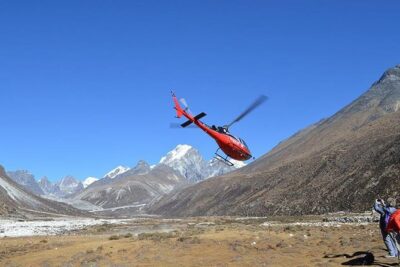
Everest Base Camp Helicopter Tour landing at Hotel Everest View
Read our review →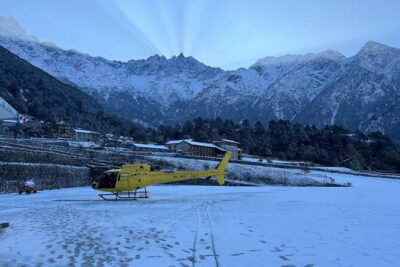
Everest Base Camp helicopter tour with landing
Read our review →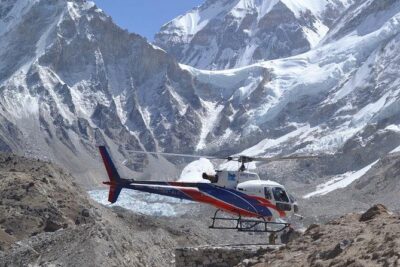
Everest Base Camp Helicopter Tour with Hotel Everest View Landing
Read our review →Everest Base Camp Helicopter Tour landing at Everest View Hotel.
Read our review →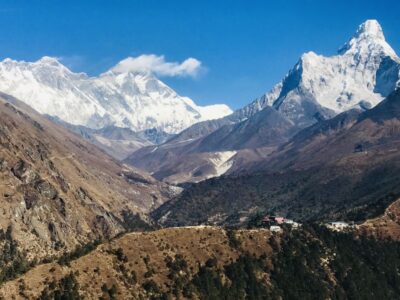
Browse the lists this tour appears in