
Reviewed · ANNAPURNA CIRCUIT TREKS
Kathmandu: 8-Day Annapurna Circuit Trek via Thorong La Pass
Thorong La Pass is the main event here: a 5,416-meter crossing that links the high valleys around Manang with Muktinath and Mustang. You get Himalayan views, prayer flags, and a dramatic descent into the Kali Gandaki Gorge, all within an eight-day schedule.
I like the careful rhythm of the route, with a full acclimatization day in Manang before the high section. I also like the local focus: Upper Pisang, Braga, village teahouses, pack animals, monasteries, and Muktinath make this more than a mountain workout. The drawback is pace. Seven trekking nights and one pass day leave little spare time, so you need to be fit and comfortable with early starts.
Key points before you book
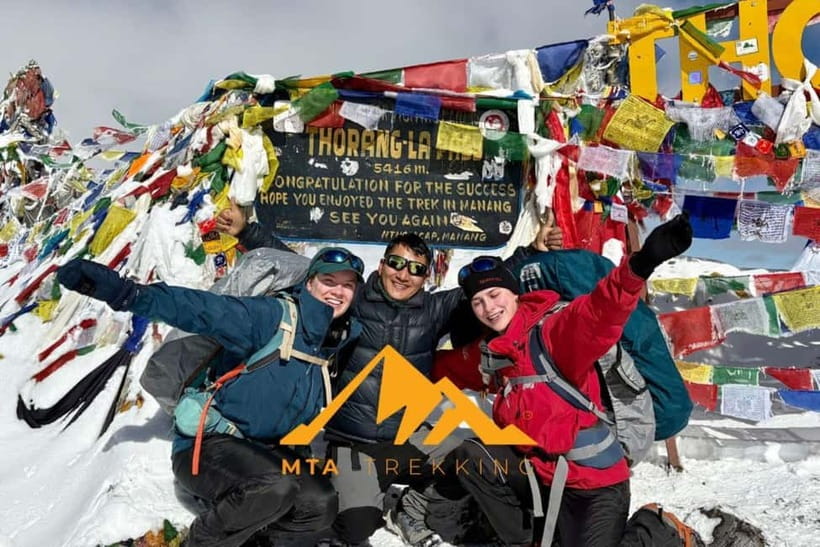
- Thorong La at 5,416 meters: The pass day begins around 4 AM and lasts seven to eight hours.
- Upper Pisang and Braga: You see traditional mountain villages, Buddhist sites, pine forests, orchards, and wide views of Annapurna II, Annapurna IV, Gangapurna, and Pisang Peak.
- A real acclimatization stop: Manang gives you one rest day before the route climbs toward Yak Kharka and Thorong Phedi.
- Muktinath adds cultural depth: This sacred site matters to both Hindu and Buddhist pilgrims, with temples and shrines to explore after the pass.
- Guide-led logistics: Permits, paperwork, government fees, staff costs, and transport are included, while a porter costs an extra $20 per day.
- Strong guide feedback: Chakra, San Bhai, Shishir, and Ghanshyam are praised for kindness, safety, local knowledge, and quick help.
Why Thorong La makes this trek special
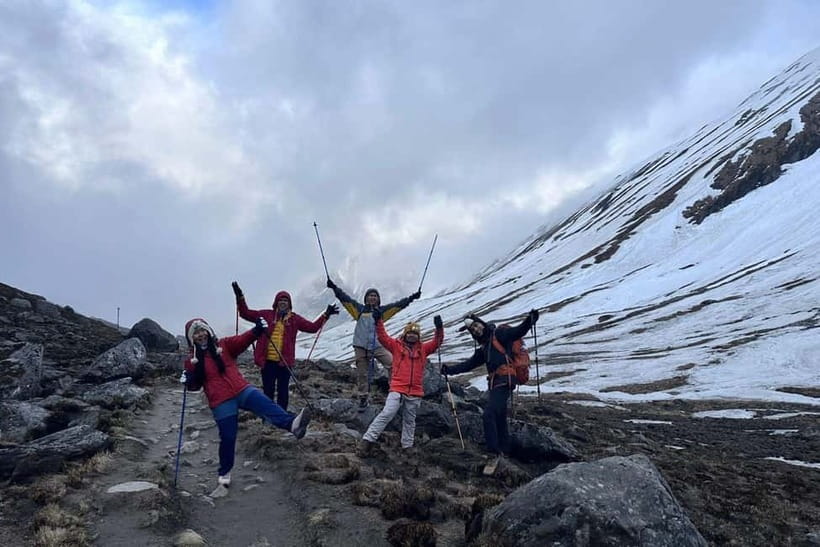
The Annapurna Circuit is one of Nepal’s classic long-distance routes, but this version compresses the experience into eight days. You begin in the lower hills, reach the high valley around Manang, cross the pass, and finish in the pilgrimage town of Muktinath.
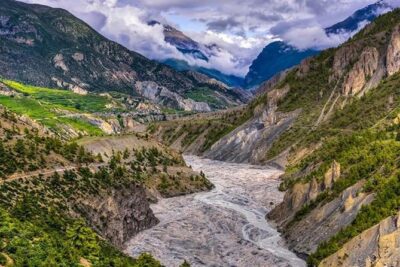
That compact plan works well if you have limited time. You see several distinct parts of Nepal in one trip: green hills near Besisahar, pine forests around Chame and Pisang, dry high country above Manang, snowy peaks, and the stark Kali Gandaki side after the pass.
The price is listed at $348 per person. That is good value if you choose the Full Package, since meals during the trek, teahouse lodging, permits, guide costs, staff expenses, and transport are included. The Standard Package excludes food and drinks, so compare the two carefully before paying. Mineral water, tea and coffee outside breakfast, hot water, and hot showers are also extra.
The package includes an English-speaking guide, with Hindi available, and a private group option. A porter is not included. At $20 per day, a porter can make a major difference on a route where your own pack gets heavier as the air gets colder and drier.
More Annapurna Circuit itineraries:
- Annapurna Circuit Trek with Tilicho Lake
★ 5.0 · 368 reviews - Annapurna Circuit Trek
★ 5.0 · 94 reviews - Annapurna Circuit Trek
★ 5.0 · 35 reviews
Day 1: The long road from Kathmandu to Chame
The first day is mostly transport, not walking. You leave Kathmandu early and travel through Besisahar, passing towns, green hills, winding roads, rivers, forests, and scattered villages.
At Besisahar, you switch to a local jeep for the roughly three to four-hour ride to Chame. The full journey can take nine to ten hours, so expect a tiring day with limited personal space and plenty of road time.
Still, this transfer is part of the story. The scenery changes as the road climbs toward the mountains, and Chame gives you your first proper night in the trekking area. You stay in a teahouse and should use the evening for a simple meal, packing, and rest rather than trying to do too much.
Day 2: Pine forest and mountain views in Upper Pisang
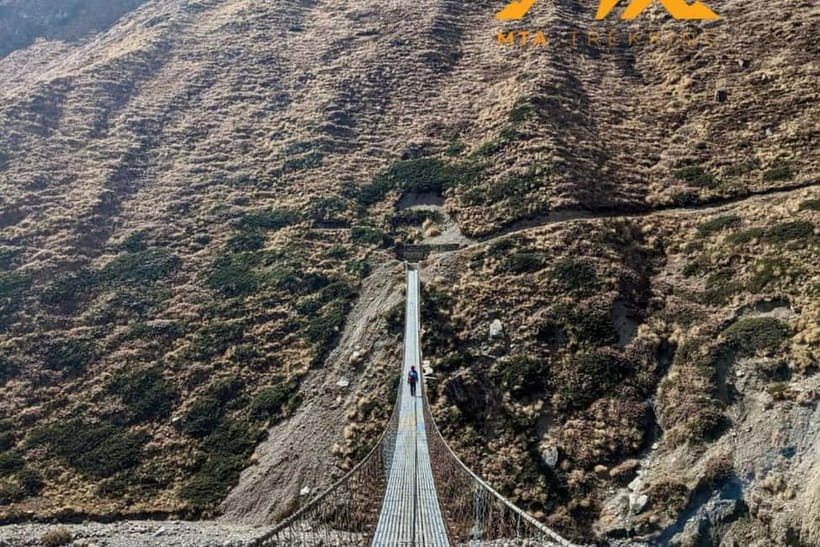
The walk from Chame to Pisang takes about four to five hours. Pine forests and apple orchards soften the route, while suspension bridges add a small touch of mountain adventure.
You climb toward Dhukur Pokhari, a useful lunch stop, then continue to Pisang. The views open toward Annapurna II, Annapurna IV, and Pisang Peak. This is one of the most attractive days for anyone who wants scenery without yet facing the hardest altitude.
Pisang has Upper and Lower sections. Upper Pisang is the more elevated village and is especially appealing for its mountain setting and traditional feel. You can explore both areas before settling into a teahouse.
I would pay attention to how you feel here. The walking time is moderate, but the altitude is already rising. Keep your pace steady, drink as directed by your guide, and avoid treating the early days as a race.
Day 3: Braga monastery and the approach to Manang
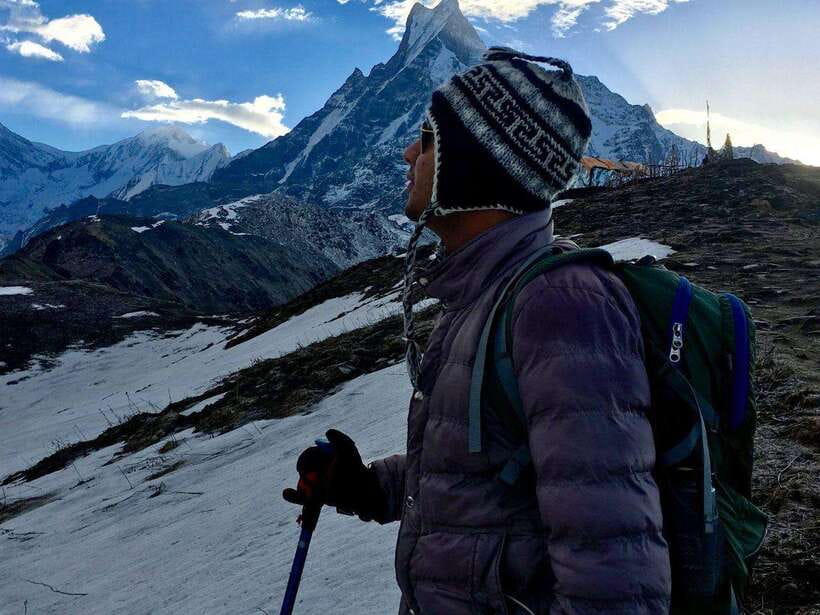
The route from Pisang to Manang takes five to six hours. You pass through pine valleys and cross suspension bridges and sloping trails before reaching Braga and then Manang.
Braga is worth a stop if its hillside monastery is open. The monastery adds a spiritual and cultural layer to the day, and the position above the valley gives you a fine view of the surrounding peaks.
Manang is an important break in the route. You have reached a high mountain settlement, and the next stages become more demanding. Annapurna and Gangapurna views frame the town, while the teahouse stay gives you a chance to eat well, organize your clothing, and prepare for the rest day.
The route is not technically presented as a climbing trip, but the altitude makes it serious. You are not simply walking farther each day. You are asking your body to adjust to thinner air, which is why the next day matters so much.
More trekking days out of Annapurna Region:
- Annapurna base camp trek 5 Days
★ 5.0 · 252 reviews - Poon hill Trek 3 days
★ 5.0 · 176 reviews - Trekking in Annapurna/Langtang/Everest/Upper Mustang regions
★ 5.0 · 161 reviews - Pokhara: 4-Day Ghorepani, Poonhill & Ghandruk Mountain Trek
★ 5.0 · 132 reviews
Day 4: Use Manang for acclimatization, not just laundry
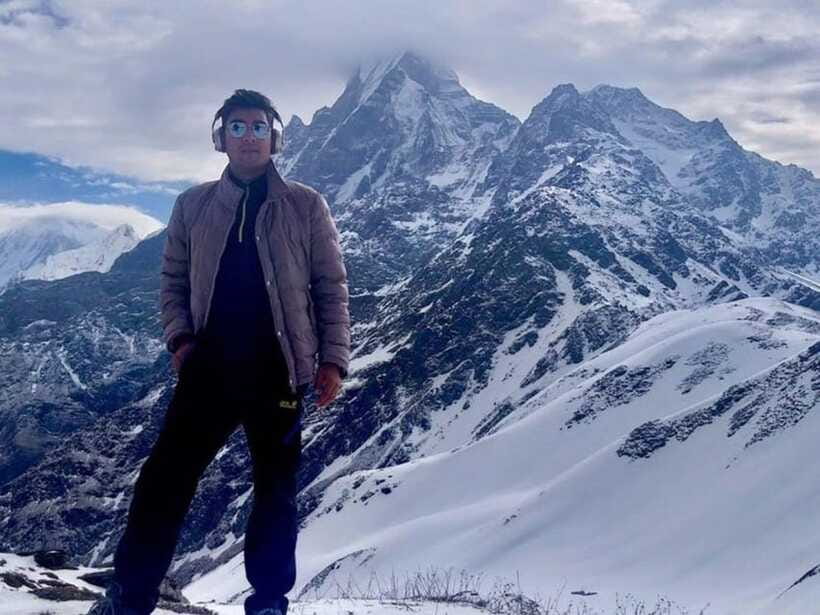
The Manang rest day is one of the best features of this schedule. You can explore viewpoints, monasteries, and a cultural museum at an easy pace instead of spending the whole day in bed.
Optional short hikes lead toward glacial lakes and offer views of Gangapurna and Tilicho peaks. The plan is to go higher for a short period, then return to your lodge to sleep lower than your highest point for the night.
I like this kind of rest day because it gives you something to do while protecting the main goal, Thorong La. You should still keep your effort modest. The point is acclimatization, not proving how far you can walk before the hardest section.
Altitude sickness is a stated concern, and the trek is not suitable for people with altitude sickness. It is also not recommended for pregnant women or people over 70. Travel insurance is required as part of your preparation, and you should discuss the route with your doctor if you have any health concerns.
Day 5: Manang to Yak Kharka
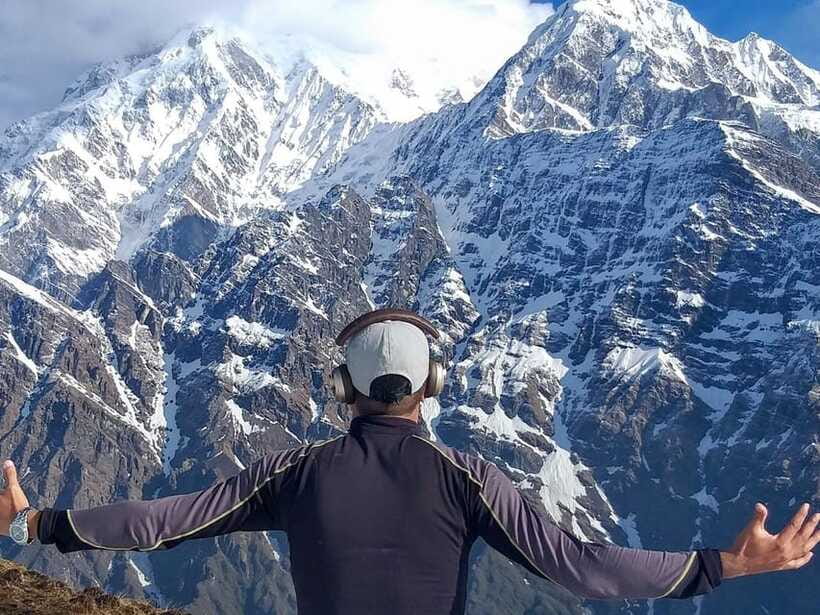
The four-hour walk to Yak Kharka climbs steadily through increasingly high country. You pass Tengi and Gunsang, where you can stop for lunch and look back toward Annapurna II and Annapurna IV.
You may see local people moving with pack animals, a reminder that this route is also a working mountain corridor, not only a sightseeing path. Juniper forest appears along the way, and Yak Kharka provides a simple guesthouse stop before the final approach to the pass.
This day looks short on paper, but the altitude changes the effort. A slow, even pace is more useful than speed. If you feel headache, nausea, unusual tiredness, or other altitude symptoms, tell your guide at once.
Day 6: Thorong Phedi, the last stop before the pass
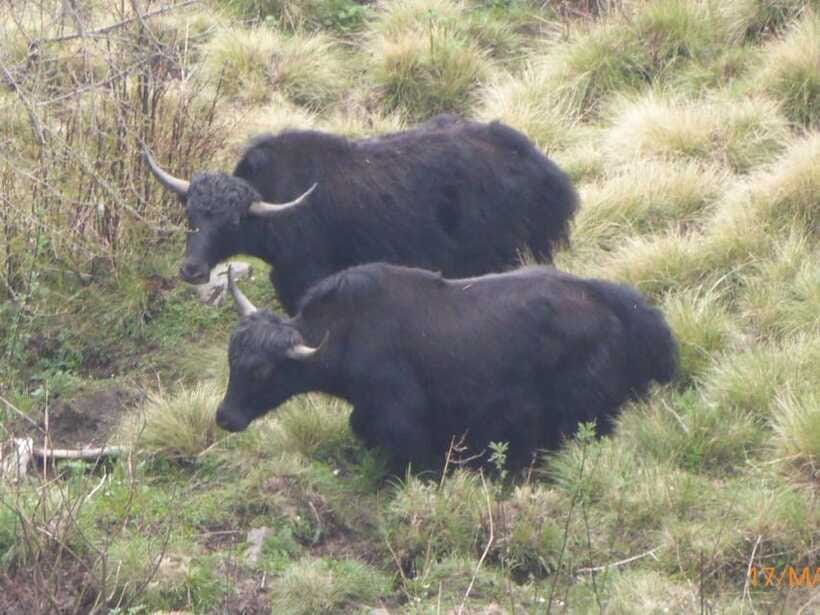
The four to five-hour trek from Yak Kharka to Thorong Phedi crosses alpine pastures. Horses and Himalayan griffons may be part of the scene, and the route includes a suspension bridge and rocky slopes.
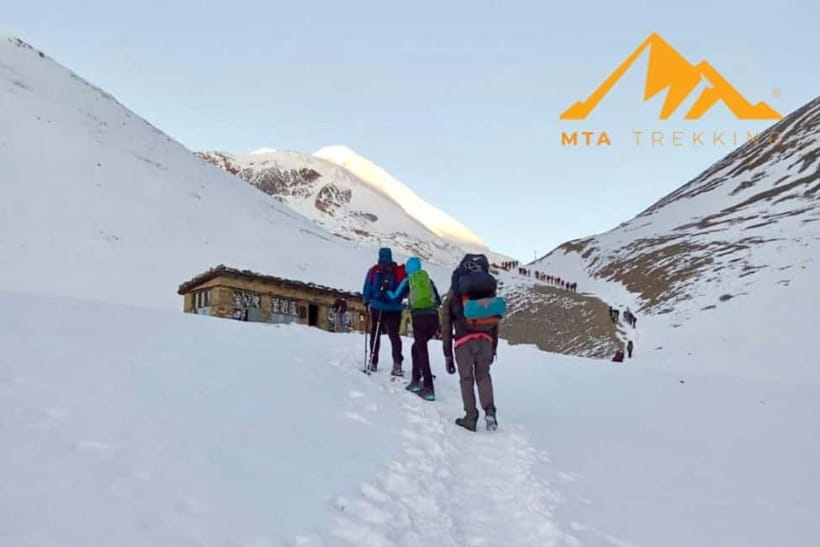
Thorong Phedi is the base camp for the pass. This is where you prepare for the early start, check your warm clothing, and keep dinner and bedtime practical. The accommodation is a teahouse, so do not expect the comforts of a regular hotel.
The short walking time can fool you. This is not an easy day in the usual sense. You are positioning yourself for the toughest stage, and a good night’s rest matters more than squeezing in extra activity.
Day 7: The hard-earned crossing to Muktinath
You begin around 4 AM to reach Thorong La before strong winds build. The crossing takes most of the day, with a total walking time of about seven to eight hours.
At 5,416 meters, this is the point where fitness, acclimatization, weather, clothing, and pacing all matter. Your guide is there to help manage the crossing, but no guide can remove the physical challenge. You should expect cold, thin air and a slow climb.
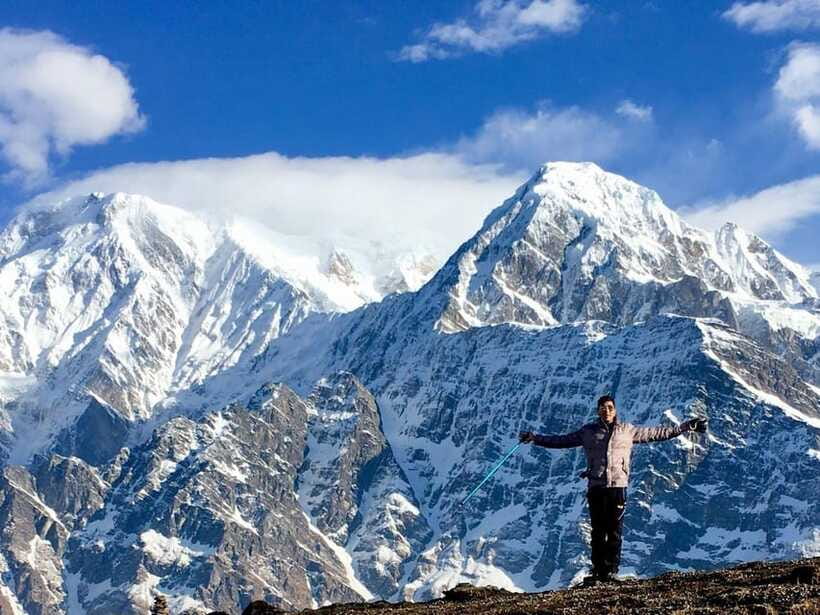
At the top, prayer flags and snow-capped peaks mark the pass. The moment is likely to feel earned rather than easy. Afterward, the route descends toward Muktinath and the dramatic Kali Gandaki Gorge, described as one of the world’s deepest.
Muktinath is not merely a finish line. It is a sacred pilgrimage site for Hindus and Buddhists, with temples and shrines to explore. Reaching it after the pass gives the day a strong cultural finish, though you may be too tired for a long visit. Keep your expectations realistic: the route is rewarding, but this is a demanding day.
Day 8: From Muktinath through Mustang to Pokhara
After breakfast, you take an early drive through the lower Mustang Valley toward Pokhara. The journey takes about nine to ten hours, so the trek does not end with a relaxed morning.
The road lets you see another side of the region without adding several more walking days. Once you reach Pokhara, you check into Hotel Orchid, described as a tourist-standard luxury hotel, and can rest before visiting the lakeside streets or eating local and international food.
A farewell Nepalese meal in Lakeside Pokhara is included. This is a pleasant way to shift from basic teahouses to town comforts, although you should not plan a packed evening after such a long transfer.
One transport detail deserves clarification before booking. The itinerary describes Muktinath to Pokhara by local bus, while the included transport notes mention Jomsom to Pokhara by bus and a luxury sofa-seater tourist bus from Pokhara to Kathmandu. Ask the operator exactly which transfers apply to your departure and whether your trip ends in Pokhara or continues to Kathmandu.
Teahouses, food, and what you pay extra for
Seven nights are provided in available teahouse or lodge accommodation. These stays are practical and basic. They put you close to the trail and local communities, but you should not expect private-hotel comfort in the high section.
The Full Package includes breakfast, lunch, and dinner during the trek. The Standard Package does not include food and drinks, so the lower headline price may not show the full cost of your trip.
Bring money for mineral water, hot water, hot showers, and tea or coffee outside breakfast. A sleeping bag is required for winter treks in November and December, unless you arrange a rental. Warm clothing, sunglasses, sunscreen, comfortable clothes, travel insurance, and identification should be part of your preparation.
How the guides affect the experience
The guide is central to this trek because the route combines long road transfers, high altitude, basic lodging, and one demanding pass crossing. The company provides an authorized English-speaking guide, with Hindi also available, and covers the guide’s insurance, food, accommodation, salary, equipment, and transportation.
Several guides receive especially strong praise for the qualities that matter here. Chakra is described as friendly, careful, and experienced. San Bhai is noted for his constant help and good humor. Shishir is praised for making a group of friends feel safe, while Ghanshyam is valued for his understanding of the mountains and Hindu and Buddhist culture.
That pattern tells you what to look for: clear communication, steady pacing, help with logistics, and honest attention to how you feel at altitude. Send a passport copy in advance so the permits can be prepared, and use the pre-trip WhatsApp contact to ask about your exact transport and package.
Who should book this eight-day route?
I would choose this trek if you want the Annapurna Circuit’s biggest moments but have limited time. It suits an active person who can handle four to eight hours of walking, an early-morning pass start, basic teahouses, and long vehicle transfers.
It is a good match if you care about local villages and sacred sites as much as mountain views. Upper Pisang, Braga, Manang, and Muktinath give the trek cultural texture, while the mountain views keep the route visually strong.
I would think twice if you are new to high-altitude trekking, dislike rushed schedules, or want several spare days for weather and rest. The Manang acclimatization day helps, but this remains a fast itinerary. A private group may give you more control over pace and comfort, though the available information does not specify the group size or any private-group surcharge.
Free cancellation up to 24 hours before departure and reserve-now, pay-later booking make the planning less rigid. Still, flexible booking does not replace good preparation. Your fitness, insurance, clothing, and attitude toward basic mountain accommodation matter more than an easy cancellation rule.
Should you book it?
Book this trek if Thorong La is your priority and you want permits, a guide, transport, teahouses, and much of the food handled for you at a low starting price. The strongest reasons are the well-timed Manang rest day, the cultural stop at Muktinath, and the repeated praise for guides who take safety and personal help seriously.
Do not book it casually. The schedule is fast, the pass is high, and Day 7 is a major physical test. Confirm whether you are buying the Standard or Full Package, ask for a precise transport plan, and budget for a porter, drinks, hot water, and any extra comfort. For a fit walker with limited time, this is a focused and memorable way to cross the Annapurna Circuit’s most famous pass.
FAQ
How long is the Annapurna Circuit trek?
The experience lasts eight days, including transport from Kathmandu, seven trekking nights, the Thorong La crossing, and the drive to Pokhara.
What is the highest point of the trek?
The highest point is Thorong La Pass at 5,416 meters.
Is food included?
Food is included during the trek with the Full Package. Food and drinks are not included with the Standard Package. Mineral water, tea and coffee outside breakfast, hot water, and hot showers are extra.
Is a porter included?
No. A porter is available to hire for $20 per day.
What accommodation is provided?
The trek includes seven nights in available teahouse or lodge accommodation. The final night is at Hotel Orchid in Pokhara, described as a tourist-standard luxury hotel.
What languages does the guide speak?
The tour provides a live guide in English or Hindi.
What should I bring for a winter trek?
Bring warm clothing, sunglasses, sunscreen, comfortable clothes, travel insurance, and a passport or identification copy. For November and December treks, bring your own sleeping bag or contact the operator to arrange a rental.
Just added around Annapurna Region
- 4 Day Mardi Himal Base Camp Trek from Pokhara★ 5.0 · 18 reviews
- 7-Day Trek to Annapurna Base Camp from Pokhara★ 5.0 · 12 reviews
- Private 4 Day Poon Hill Trek from Pokhara★ 5.0 · 16 reviews
- Annapurna Base Camp Trek from Pokhara and Kathmandu★ 5.0 · 7 reviews
- 6 days Annapurna Basecamp Trek★ 5.0 · 16 reviews
- “Exclusive Round-Trip Transfer: Pokhara to Jomsom & Muktinath”★ 5.0 · 11 reviews
- Poon Hill Ghandruk Circuit Trek from Pokhara 4 Days★ 5.0 · 10 reviews
- Pokhara: Poon Hill Ghorepani Short Trek★ 5.0 · 6 reviews
Annapurna Circuit Treks, compared.
15-Day Private Annapurna Circuit Trek from Kathmandu
Read our review →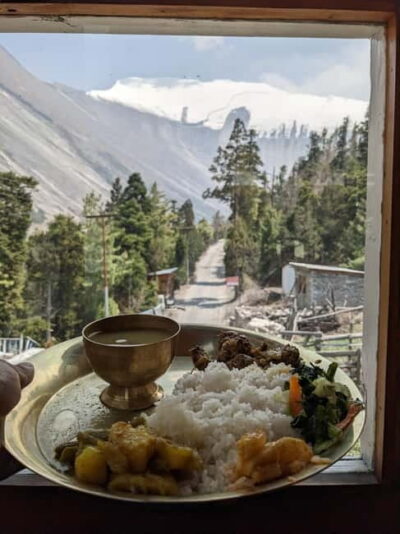
Browse the lists this tour appears in