
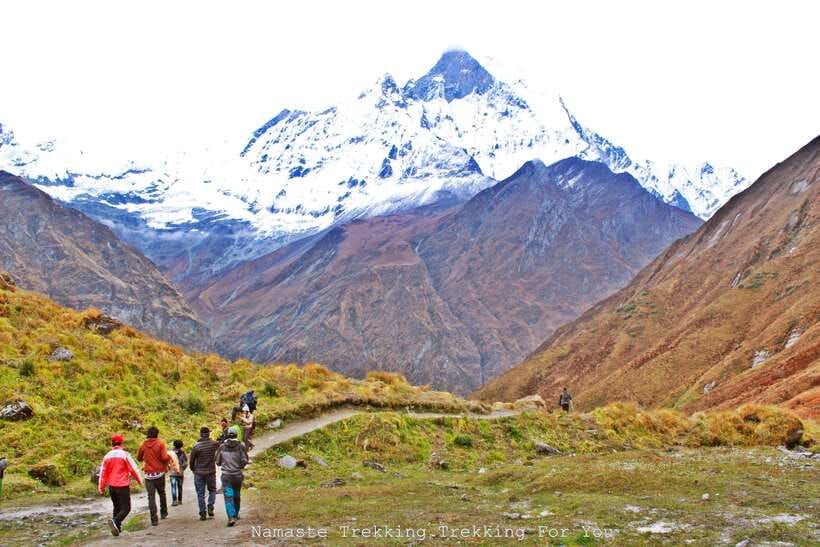
Reviewed · ANNAPURNA CIRCUIT TREKS
Kathmandu/Pokhara: Annapurna Circuit Trek 10 days
Crossing Thorong La Pass at 5,416 meters is the heart of this Annapurna Circuit trek. You begin beside the Marsyangdi River, pass through farming villages and pine forest, then enter a dry, high mountain world that feels close to Tibet. The route gives you a lot in ten days, but it asks for steady walking and careful attention to altitude.
I like the strong cultural range, from ethnic villages and Buddhist monasteries to the sacred town of Muktinath. I also like the private format: guides such as Kim, Milan, Nir, and Khim have been praised for adjusting the daily plan, offering support, and choosing sensible routes and teahouses. The main drawback is the pace. You reach high altitude quickly, and the price of $430 does not include meals, insurance, or personal trekking equipment.
Key points to know before booking
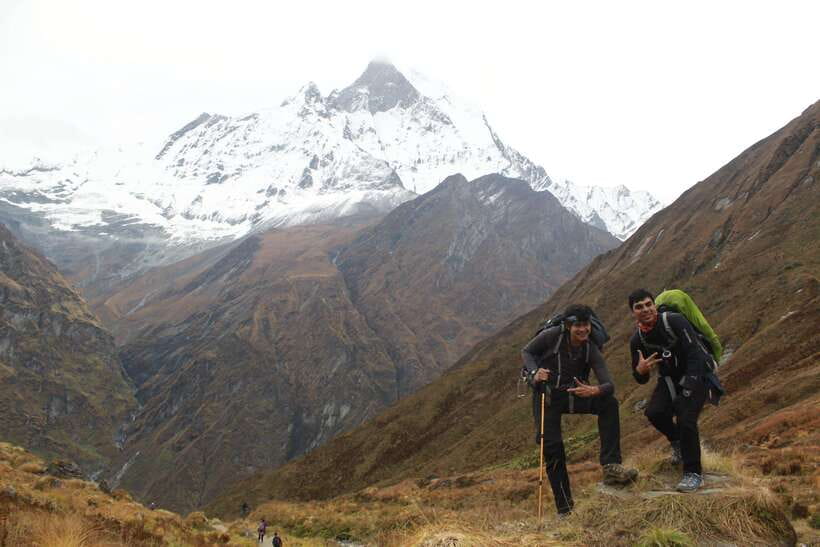
- Thorong La is the big test: The pass reaches 5,416 meters, with a long day from Thorong Phedi to Muktinath.
- The scenery changes by the hour: Expect subtropical valleys, terraced fields, pine and rhododendron forest, dry high country, and the Kali Gandaki Gorge.
- Manang provides one acclimatization day: This break at 3,540 meters matters before the trek climbs above 4,000 meters.
- Your guide can make or break the trip: Kim, Khim, Milan, and Nir are named by past customers as caring, flexible, and attentive.
- The $430 price covers the basics: Permits, transport, guide, teahouses, taxes, maps, and a first aid kit are included, but food and gear are not.
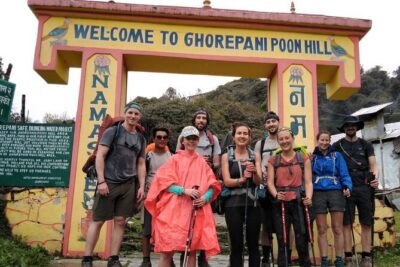
- Check the final route carefully: The description mentions Tatopani, Ghorepani, and Poon Hill, but the day-by-day plan ends in Jomsom and does not include them.
Why this 10-day Annapurna route is so varied
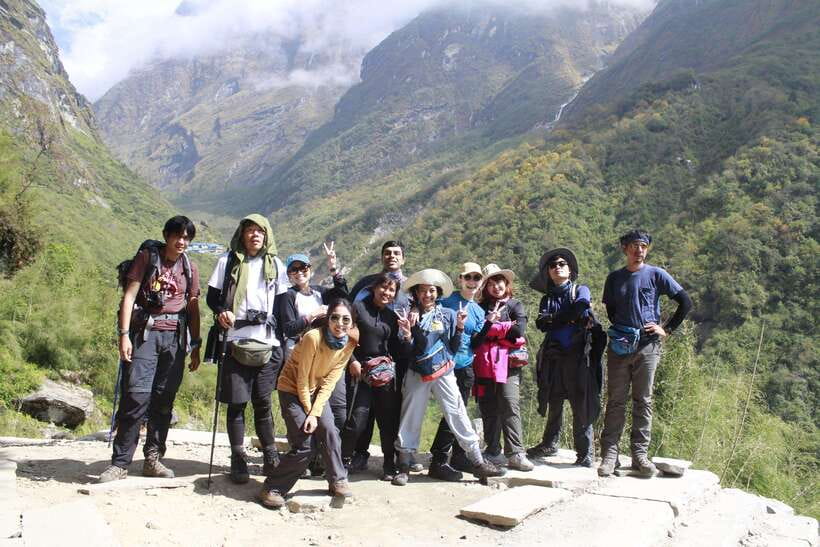
The Annapurna Circuit works because the scenery and culture change as you gain height. You start in the greener, warmer foothills, where terraced fields and river valleys shape daily life. Higher up, the trees thin out, villages become more compact, and the ground turns dry and rocky.
That change is not just pretty. It gives the trek a clear sense of progress. Each day feels different, and you get a look at how people live at several elevations. The route passes through the Annapurna Conservation Area, known for its plant and animal variety, while also supporting village lodges, guides, porters, and small shops.
This is a private group experience with an English-speaking guide. That matters on a demanding route. You can discuss how you feel each day instead of simply following a fixed large group. Past guide feedback places special emphasis on Kim, also written as Khim in one review, along with Milan and Nir. These guides were praised for encouragement, humor, careful planning, and helping people feel safe.
The trek is not a wilderness walk with no infrastructure. You sleep in teahouses, eat separately at your own cost, and use road transport at the beginning and end. That makes the trip more practical than a fully remote camping trek, but it also means you should expect basic facilities rather than hotel comfort.
More Annapurna Circuit itineraries:
- Annapurna Circuit Trek with Tilicho Lake
★ 5.0 · 368 reviews - Annapurna Circuit Trek
★ 5.0 · 94 reviews - Annapurna Circuit Trek
★ 5.0 · 35 reviews
Day 1: Kathmandu or Pokhara to Dharapani
The first day is mostly a drive to Dharapani, taking about six to eight hours. Dharapani sits at 1,860 meters, so you start the walking portion at a moderate height rather than at the valley floor.
This long road day can feel tiring before you have taken many steps. Still, it moves you efficiently toward the circuit. The route follows the general direction of the Marsyangdi River, with changing views of hills, fields, and mountain settlements.
Your included transport is one of the better values in the package. You do not need to arrange separate transfers to the trailhead, and the journey begins with a guide who can help keep the schedule clear. If you are prone to motion sickness, this is the day to have your usual supplies ready, though the provided information does not specify the exact vehicle or road conditions.
Day 2: Dharapani to Chame at 2,670 meters
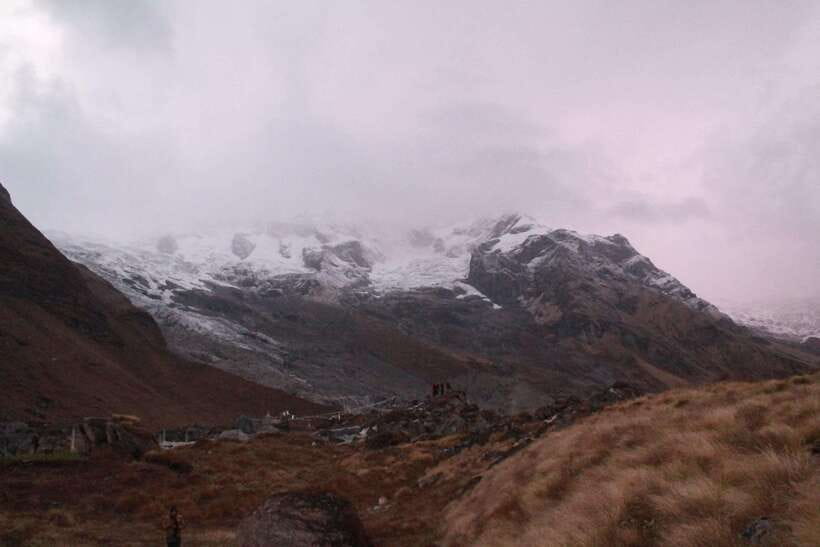
The walk to Chame takes about four to five hours. The route continues beside the Marsyangdi River and moves through forest, farmland, and mountain villages.
Chame is the administrative center of the Manang area and gives you your first real sense that the trip is heading into higher country. The altitude gain is noticeable but not extreme, which makes this a useful early walking day.
I like this part of the route because it is not only about mountain views. Terraced fields and local villages show the working side of the region. You are passing through places where trekking income helps support lodging, food service, transport, and guiding.
Day 3: Chame to Pisang at 3,300 meters
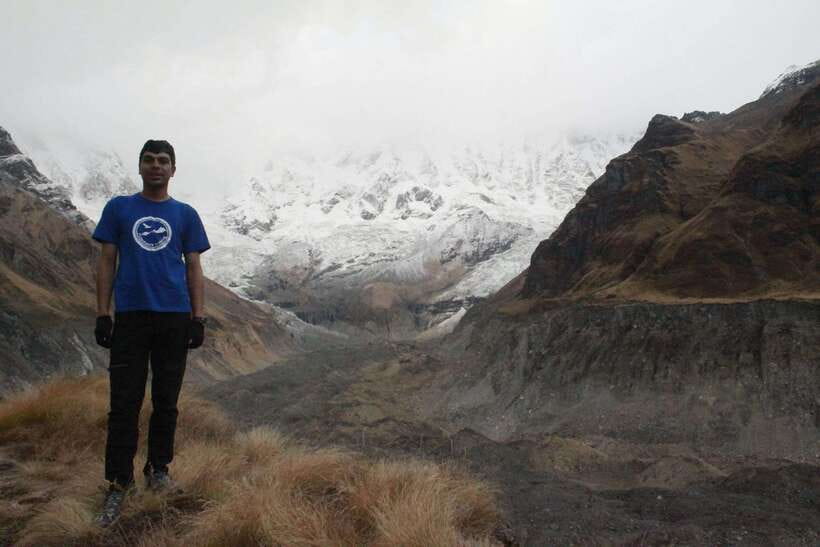
The five to six-hour walk to Pisang brings a bigger change in scenery. Forest remains part of the route, but the mountains feel closer and the air cooler.
Pisang is split into settlements with a strong Tibetan Buddhist influence. The higher part of the village has a more traditional mountain feel, while the lower part is closer to the road. You may find that the exact walking line varies according to road conditions and the guide’s choices.
This is also where altitude begins to deserve your full attention. You are now at 3,300 meters, and a steady pace is more useful than racing ahead. Drink regularly, tell your guide if you feel unwell, and treat the evening as recovery time.
More trekking days out of Annapurna Region:
- Annapurna base camp trek 5 Days
★ 5.0 · 252 reviews - Poon hill Trek 3 days
★ 5.0 · 176 reviews - Trekking in Annapurna/Langtang/Everest/Upper Mustang regions
★ 5.0 · 161 reviews - Pokhara: 4-Day Ghorepani, Poonhill & Ghandruk Mountain Trek
★ 5.0 · 132 reviews
Day 4: Pisang to Manang at 3,540 meters
The walk to Manang takes five to seven hours. This is one of the most rewarding days because the setting becomes drier and more open, with major views toward the Annapurna range.
Manang is an important stop on the circuit. It is a large mountain settlement by local standards, with teahouses, shops, and religious sites. You can feel the shift from the greener Marsyangdi valley to the high, dry zone beyond.
The longer walking time allows the day to unfold gradually, but the altitude makes it harder than the distance alone suggests. I would not treat this as a day to hurry. A guide who watches your pace and asks how you are feeling is especially useful here, and the experience descriptions place strong emphasis on that kind of daily communication.
Day 5: Acclimatization in Manang
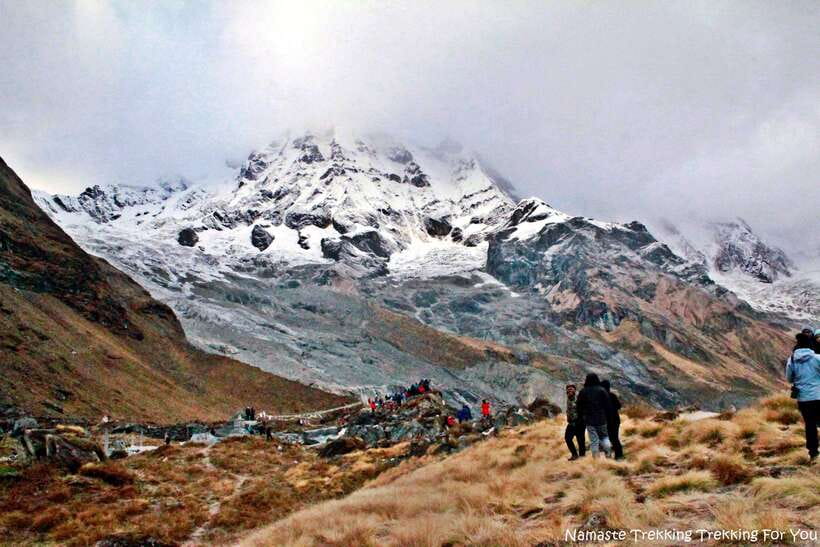
You spend an extra day at 3,540 meters before climbing higher. This is one of the most important features of the itinerary, not wasted time.
The activity is listed as exploring and acclimatizing, but no single excursion is promised. Your guide can discuss the day’s plan with you, and you should expect a lower-pressure schedule than on a normal trekking day. The purpose is to let your body adjust before you sleep above 4,000 meters.
This is also a good time to check clothing, water, snacks, and energy levels. Hot showers and charging may cost extra or be unavailable at some teahouses, so do not expect every comfort to work as it would in Kathmandu or Pokhara.
Day 6: Manang to Yak Kharka at 4,000 meters
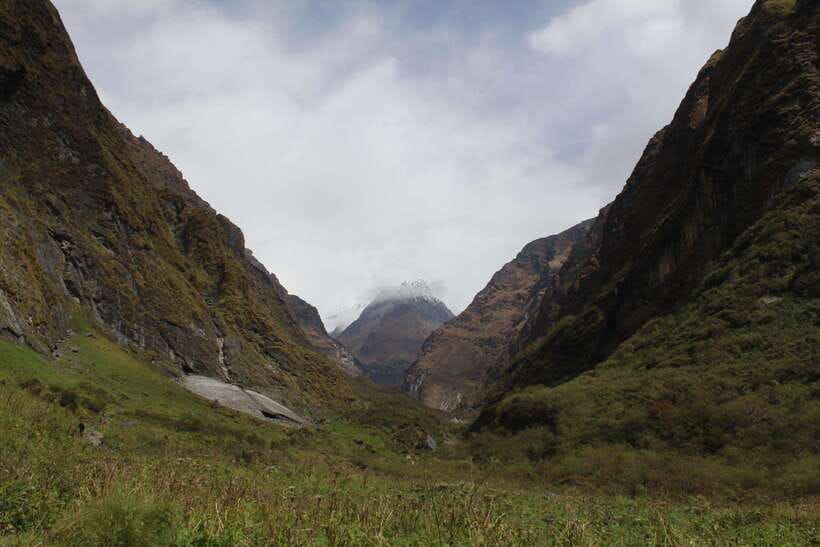
The four to five-hour walk to Yak Kharka brings you firmly into high alpine country. Trees become less common, the terrain turns more exposed, and the mountains feel larger because there is less vegetation to soften the view.
At 4,000 meters, even a moderate walking day can feel demanding. Your guide’s role becomes more than navigation. A good guide can help you keep a sensible rhythm, decide when to rest, and notice signs that you are not adapting well.
Yak Kharka is a practical overnight stop before Thorong Phedi. The accommodation is a teahouse, so keep your expectations simple. The price includes the night’s lodging, but meals are not included in the tour cost.
Day 7: Yak Kharka to Thorong Phedi at 4,450 meters
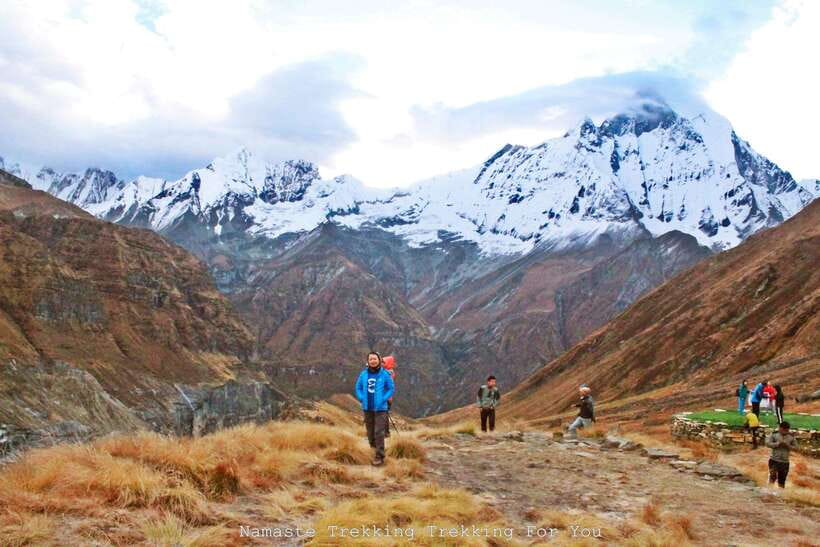
This is a shorter walking day, usually three to four hours, but the altitude makes it serious. Thorong Phedi is the last main staging point before the pass.
You may be tempted to enjoy the short distance by walking fast. Resist that idea. The better use of the day is to arrive with energy for the pass crossing. Your guide can help judge how you are doing and talk through the next morning’s plan.
The trip requires travel insurance that covers high-altitude trekking. That is not a minor box to tick. The route reaches 5,416 meters, and you should not book it without insurance that fits the activity.
Day 8: Thorong La Pass and the descent to Muktinath
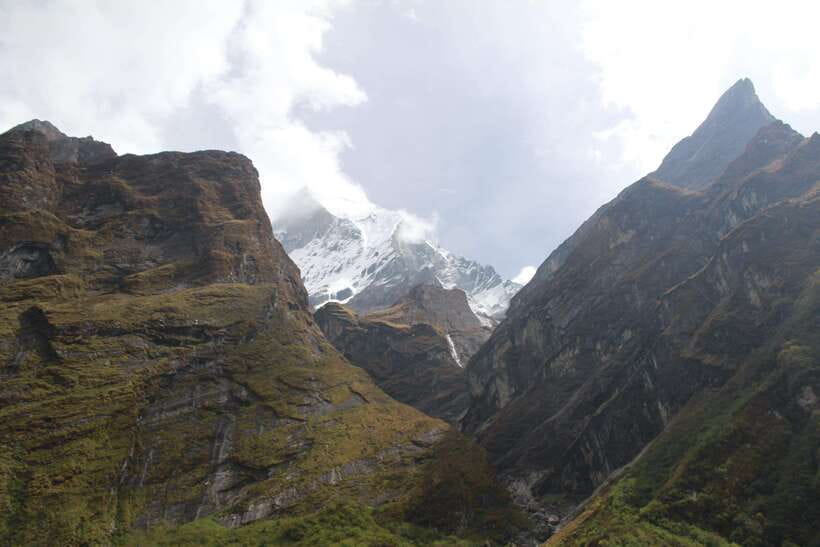
This is the hardest and most memorable day. The walk from Thorong Phedi over Thorong La to Muktinath takes about seven to nine hours.
The pass reaches 5,416 meters, or 17,769 feet. The climb can feel slow, especially in cold, thin air. Once you reach the top, the views open toward Annapurna, Dhaulagiri, and Manaslu, giving you a huge payoff for the effort.
The descent to Muktinath is a major part of the day, not an easy afterthought. Going down can be hard on knees and legs, and the long total walking time calls for good footwear and patience.
Muktinath is sacred to both Hindus and Buddhists. Temples, monasteries, and the mountain setting give the town a different character from the villages on the Marsyangdi side. Reaching it after the pass adds real meaning to the day, but you may be too tired for an extended visit until the following morning.
Day 9: Muktinath to Jomsom at 2,720 meters
The five to six-hour route to Jomsom takes you farther into the dry Kali Gandaki Valley. Jomsom is an important town in the Mustang area and marks a clear change from the high pass region.
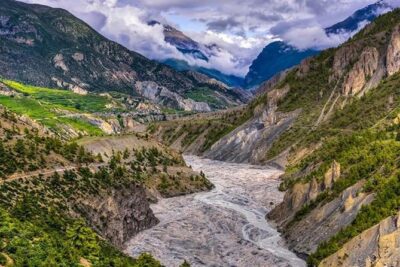
The Kali Gandaki Gorge is described as the world’s deepest gorge, flanked by Annapurna and Dhaulagiri. The exact views depend on weather and the route used, but the contrast between the brown, dry valley and the snowy peaks is one of the trip’s most distinctive features.
The plan includes a drive from Jomsom to Pokhara on Day 10, so Jomsom is the final trekking base. If you want more time in Muktinath, Marpha, or the lower Kali Gandaki Valley, ask about the schedule before paying.
Day 10: Jomsom to Pokhara
The final transfer to Pokhara takes about six to eight hours. After the high pass and long walking days, this is a useful way to finish without adding another trek day.
Pokhara gives you a softer ending, with a lower elevation and easier access to food, rest, and city comforts. The drive itself is part of the trip, but it can be tiring after nine active days. The included transport saves you the work of arranging this leg independently.
One important route detail needs checking. The wider description mentions Marpha, Tatopani, Ghorepani, and a sunrise at Poon Hill. Those are appealing additions, but the specific ten-day schedule listed here goes from Muktinath to Jomsom, then Pokhara, and does not include them. Ask the operator to confirm the exact route if Poon Hill or the hot springs are a deciding factor.
What the $430 price really covers
At $430 per person, the trip can offer solid value if you want a guided circuit with transport and basic lodging arranged. Included items are the ACAP and TIMS permits, transport from Kathmandu or Pokhara to the trailhead, the English-speaking guide, teahouse accommodation, trekking maps, a first aid kit, government taxes, service charges, and a farewell dinner.
The main extra cost is food. All meals during the trek are excluded, so budget for breakfast, lunch, dinner, drinks, and any snacks separately. Personal equipment is also your responsibility, including a sleeping bag, warm jacket, trekking poles, and other trekking gear.
Hot showers and charging facilities may cost extra or be unavailable at some teahouses. These are small points on paper but important at altitude. Carry power banks and pack for cold nights rather than assuming you can rent or recharge everything along the way.
The package also includes free cancellation up to 24 hours before departure and a reserve-now, pay-later option. Those terms give you some planning flexibility, but they do not replace the need to check weather, fitness, insurance, and the confirmed route.
Who should choose this trek
I would recommend it to you if you want a private, guided Himalayan trek with major scenery and cultural stops, but do not want to organize permits, trailhead transport, or teahouses on your own.
It suits people who can handle several hours of walking per day and who understand that the pass day is a real physical challenge. It is not suitable for pregnant women, and the high altitude means you should take the insurance requirement seriously.
The strongest reason to choose this operator is the guide support. Kim, Khim, Milan, and Nir are all identified by name in the experience feedback, with particular praise for kindness, humor, careful route decisions, and support when plans needed adjustment. You can request a preferred guide, but confirm availability rather than assuming a specific person will lead your group.
Should you book the Annapurna Circuit Trek?
Book this trek if Thorong La is your main goal, you value a private group, and you are comfortable paying separately for meals and gear. The combination of permits, transport, teahouses, a guide, and a farewell dinner makes $430 attractive for a ten-day arrangement.
Think twice if you want a relaxed holiday, dislike basic lodging, or need a fixed route that definitely includes Tatopani, Ghorepani, and Poon Hill. Before booking, confirm the guide, the exact final itinerary, meal costs, and what transport means on the first and last days.
FAQ
How long is the Annapurna Circuit Trek?
The activity lasts 10 days, including transport from Kathmandu or Pokhara to the trailhead and transport from Jomsom to Pokhara at the end.
What is the highest point on the trek?
The highest point is Thorong La Pass at 5,416 meters, or 17,769 feet.
Is an English-speaking guide included?
Yes. The trek includes a live English-speaking guide, and the group type is private.
Is accommodation included?
Yes. Teahouse accommodation during the trek is included in the price.
Are meals included?
No. All meals during the trek are excluded and must be paid for separately.
Are trekking permits included?
Yes. The Annapurna Conservation Area Permit and TIMS permit are included.
Is travel insurance required?
Yes. Travel insurance covering high-altitude trekking is mandatory.
Is the trek suitable for pregnant women?
No. The activity is listed as unsuitable for pregnant women.
Just added around Annapurna Region
- 4 Day Mardi Himal Base Camp Trek from Pokhara★ 5.0 · 18 reviews
- 7-Day Trek to Annapurna Base Camp from Pokhara★ 5.0 · 12 reviews
- Private 4 Day Poon Hill Trek from Pokhara★ 5.0 · 16 reviews
- Annapurna Base Camp Trek from Pokhara and Kathmandu★ 5.0 · 7 reviews
- 6 days Annapurna Basecamp Trek★ 5.0 · 16 reviews
- “Exclusive Round-Trip Transfer: Pokhara to Jomsom & Muktinath”★ 5.0 · 11 reviews
- Poon Hill Ghandruk Circuit Trek from Pokhara 4 Days★ 5.0 · 10 reviews
- Pokhara: Poon Hill Ghorepani Short Trek★ 5.0 · 6 reviews
Annapurna Circuit Treks, compared.
15-Day Private Annapurna Circuit Trek from Kathmandu
Read our review →
Browse the lists this tour appears in