
Reviewed · LUMBINI TOURS
Lumbini: Buddhists Spiritual Exploration
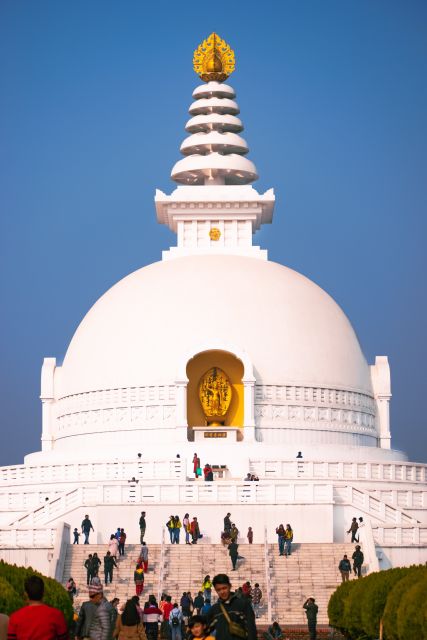
Maya Devi Temple marks the spot where Siddhartha Gautama, later known as Buddha, was born. This private seven-hour tour gives you time to see the sacred marker stone, Queen Maya Devi’s bathing pond, the surrounding gardens, and Lumbini’s many monasteries without rushing from one photo stop to the next.
I like the private format, since your guide can adjust the pace for prayer, questions, or quiet reflection. I also like the chance to compare Buddhist traditions from several countries in one compact area. The main drawback is value: at $49, the tour can make sense for a helpful guide and private transport, but lunch, entrance fees, and other costs are extra, and the Lumbini Museum was closed for remodeling during one reported visit.
Key points
- Maya Devi Temple: Visit the sacred birthplace marker, ancient monuments, and Queen Maya Devi’s pond.
- International monasteries: See different Buddhist building styles and traditions gathered in one area.
- Seven-hour private visit: Travel from your Lumbini hotel with an English or Hindi-speaking guide.
- Quiet gardens: Leave time for meditation, stillness, and personal reflection.
- Extra costs to plan for: Food, drinks, entrance fees, and personal expenses are not included.
Why Lumbini feels different from a standard sightseeing stop
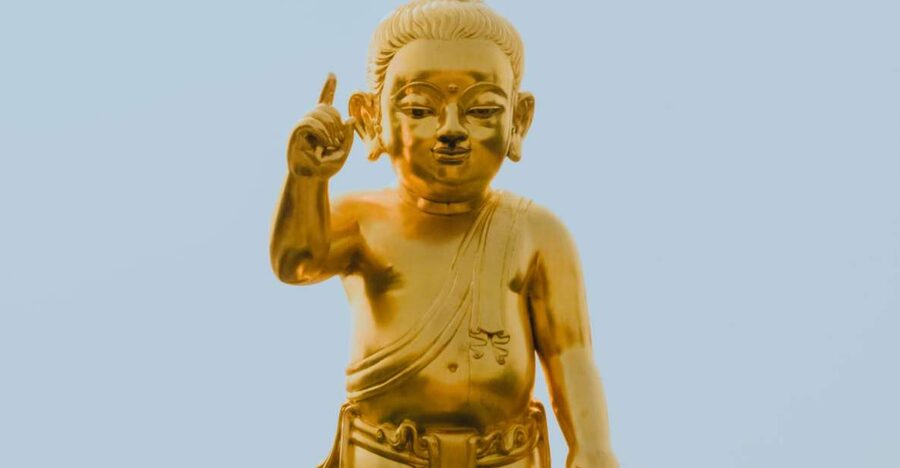
Lumbini is not simply a monument with a quick photo opportunity. It is a place of pilgrimage, study, prayer, and quiet walking. The main site brings together sacred remains, open gardens, monasteries, and visitors following different Buddhist traditions.
That mixture gives the day its value. You can begin with the specific place linked to Buddha’s birth, then spend the afternoon seeing how Buddhist communities from around the world express their faith through buildings, sculpture, courtyards, and prayer spaces.
I would approach this tour as a reflective cultural visit rather than a packed sightseeing circuit. The itinerary includes a lot of ground, but its best moments may come when you slow down. Take time to sit in the gardens, listen to your guide, and notice the different ways each monastery creates a place for worship.
The tour is based in Lumbini, in Nepal’s Terai region south of Butwal. Pickup and return are included from any hotel in Lumbini, which removes the need to arrange local transport for the day.
More Lumbini pilgrimage days:
- Lumbini Tour Package From Kathmandu or Pokhara: 2 Night 3 Days
★ 4.5 · 14 reviews - Full day Lumbini Tour with Guide
★ 5.0 · 11 reviews - Lumbini Pilgrimage Tour by Flight- 2 Days
★ 5.0 · 7 reviews
Starting early from your Lumbini hotel
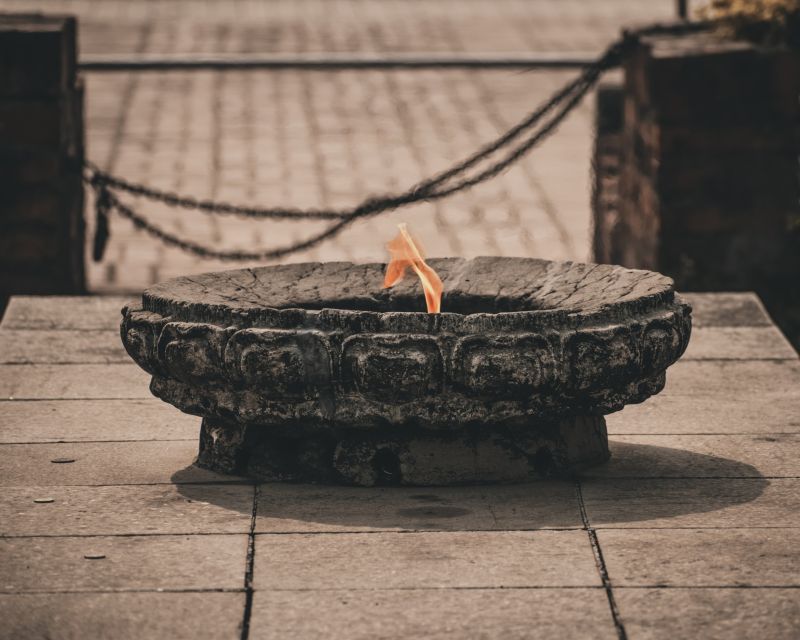
Your guide collects you from your hotel in the early morning. You are asked to wait in the lobby 10 minutes before the scheduled pickup, a small detail that matters in a place where the day can become warm and busy.
The tour is private, so you do not have to match the pace of a large group. If you want longer explanations at the temple, more time for meditation, or a quicker look at one stop, you can discuss that with the guide.
English and Hindi are available for the live guiding. No guide name is provided in the tour information, so you should not expect to request a particular guide in advance.
A bottle of water is included. You should still bring your passport or ID card, and it is wise to carry extra water if you prefer a particular brand or need more than one bottle during seven hours outside.
Maya Devi Temple and the sacred birthplace
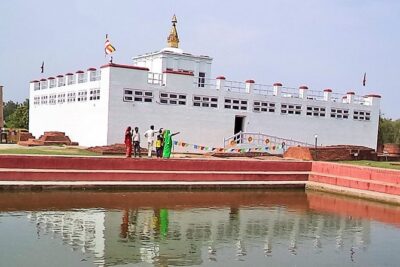
The day’s central stop is the Maya Devi Temple complex. This is the place associated with Buddha’s birth, and it is the part of Lumbini that gives the visit its strongest spiritual focus.
Inside the complex, you will see the sacred marker stone and monuments connected with the birthplace. You will also visit Queen Maya Devi’s bathing pond, another important site within the complex.
Your guide’s role matters here. The stones, markers, and temple spaces may not explain themselves clearly, especially if you are not familiar with Buddhist tradition or the history of Lumbini. A guide can help connect the physical site with the story of Queen Maya Devi and the later growth of Lumbini as a pilgrimage center.
Expect a calm and respectful setting rather than a dramatic attraction. The experience depends on your attention. You may find the visit most meaningful if you pause rather than treat the temple as a fast stop between other sights.
Dress and behave with the usual care required at a sacred site. The supplied information does not set out a specific dress code, but modest clothing and a quiet manner are sensible choices.
Time for gardens, meditation, and stillness
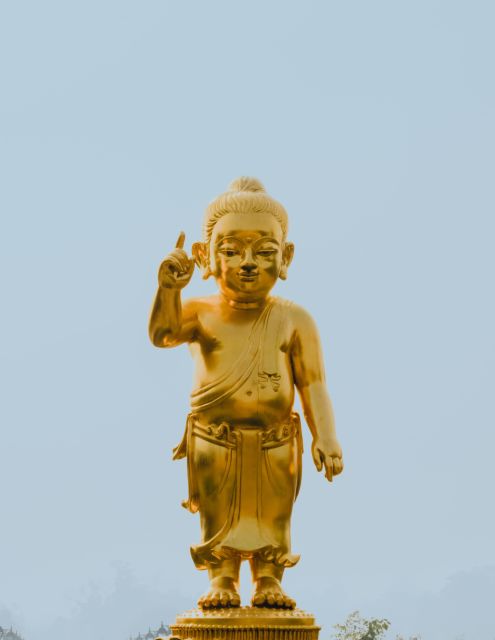
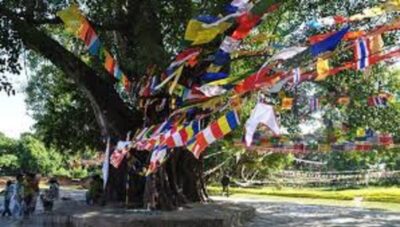
After the temple complex, the itinerary leaves room for the gardens. This is important because Lumbini can feel spread out, and the open spaces give you time to settle after the more concentrated temple visit.
You can use this pause for meditation, prayer, or simple rest. You do not need to be an experienced meditator. Sitting quietly for a few minutes can help you understand why the gardens are an important part of the visit rather than just a path between monuments.
I like this part of the schedule because it keeps the tour from becoming a list of religious buildings. You have space to think about what you have seen. If you prefer active sightseeing, you can use the same time for a leisurely walk.
The tour promises a visit to the entire Lumbini area and temples, but exact walking distances and transport arrangements within the zone are not specified. Ask your guide at the start how the day will be paced, particularly if you have mobility concerns.
More Spiritual Experiences in Nepal:
- Kathmandu Spiritual Sites: Bodhnath & Pashupatinath Tour
★ 5.0 · 185 reviews - From Kathmandu: 2 Stupas and Kopan Monastery Spiritual Tour
★ 4.8 · 115 reviews - Shirodhara and Sound Healing Spa Experience in Kathmandu
★ 5.0 · 52 reviews - Buddhist Pilgrimage Tour In Nepal
★ 5.0 · 27 reviews
Lunch is local, but not included
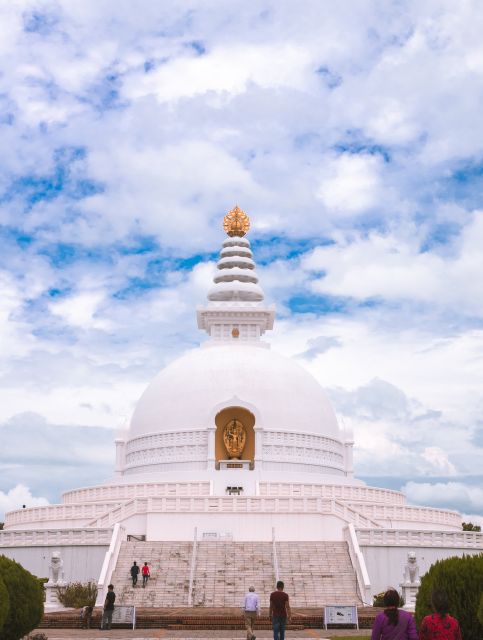
Around midday, you will stop at a local restaurant for a traditional Nepali lunch. This gives you a chance to eat outside the main monument area and experience a normal part of the day in Lumbini.
Food and drinks are not included in the $49 price. Bring enough money for lunch, beverages, and any other personal purchases. The exact menu is not specified, so you should ask the guide what is available and mention any food needs before ordering.
This arrangement keeps the tour price lower than an all-inclusive package, but it also means the final cost will be higher than the advertised rate. If you are comparing this tour with a self-guided visit, include your meal, admission fees, and any local transport in the calculation.
Monasteries from several Buddhist traditions
In the afternoon, the tour moves to Lumbini’s monasteries. These are one of the most interesting reasons to visit the area because they reflect Buddhist traditions from different countries and communities.
You will see varied architectural styles rather than one uniform temple design. Each monastery can give you a different sense of how Buddhist practice is expressed through layout, decoration, colors, statues, and worship spaces.
The tour information does not name each monastery, so the exact stops may depend on timing and local conditions. Ask your guide to explain which country or tradition each building represents. That simple question can turn a pleasant walk into a more useful cultural lesson.
Do not expect every monastery to function like a museum. Some spaces may be active religious places, and the right experience is often quiet observation rather than a long formal visit. Follow your guide’s instructions about photography, shoes, and where to walk.
This section is especially well suited to people interested in architecture, religion, and cultural comparison. It also helps place Lumbini in a wider setting. Buddha was born here, but Buddhist traditions later spread far beyond Nepal, and the monasteries let you see that broad reach in one area.
The Lumbini Museum and an important warning
The itinerary includes the Lumbini Museum, where artifacts are intended to explain the development of Buddhism and the history of the site. A museum visit can provide useful context after you have seen the temple and monasteries in person.
There is one practical warning. On May 23, 2024, the museum was closed for remodeling, even though it remained part of the planned visit. Conditions may have changed, but you should confirm the museum’s current status before booking or at the beginning of the tour.
If the museum is open, it can help answer questions that the monuments alone cannot. If it is closed, the day still includes the Maya Devi Temple, gardens, and monasteries, but part of the advertised program may not be available.
This is also where clear communication with the operator matters. A past booking had some information gaps between the agency and the guest, so confirm the opening status and the day’s exact plan rather than assuming every listed stop will operate as normal.
Walking outside the Development Zone
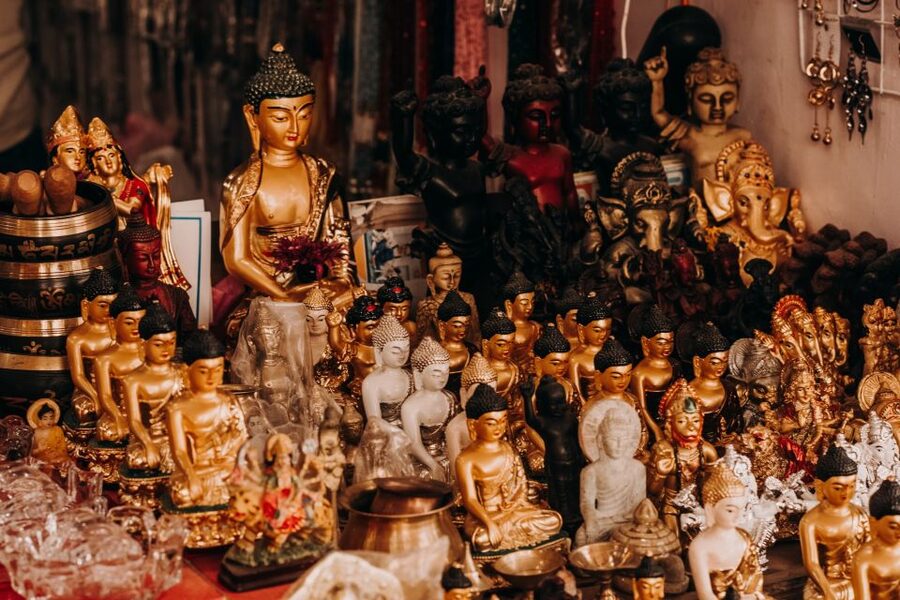
Later, you can take a leisurely stroll outside the Lumbini Development Zone. This gives the day a more local finish after the formal temple and monastery visits.
The walk is intended for cultural exchange. You may interact with local people, see everyday activity, and sample Nepali food at your own expense. The information does not promise a specific village visit, market, or scheduled food tasting, so treat this as flexible time rather than a fixed attraction.
I like this part because it lets you shift from sacred monuments to daily life. Lumbini is more than the protected religious area. A short walk outside the zone can help you see how the pilgrimage site fits into the surrounding community.
Keep your expectations measured. This is not described as a guided cooking class or a formal food tour. It is a chance to talk, walk, and eat if you choose. Your guide can help with local communication and suggest where to go.
What the $49 price really covers
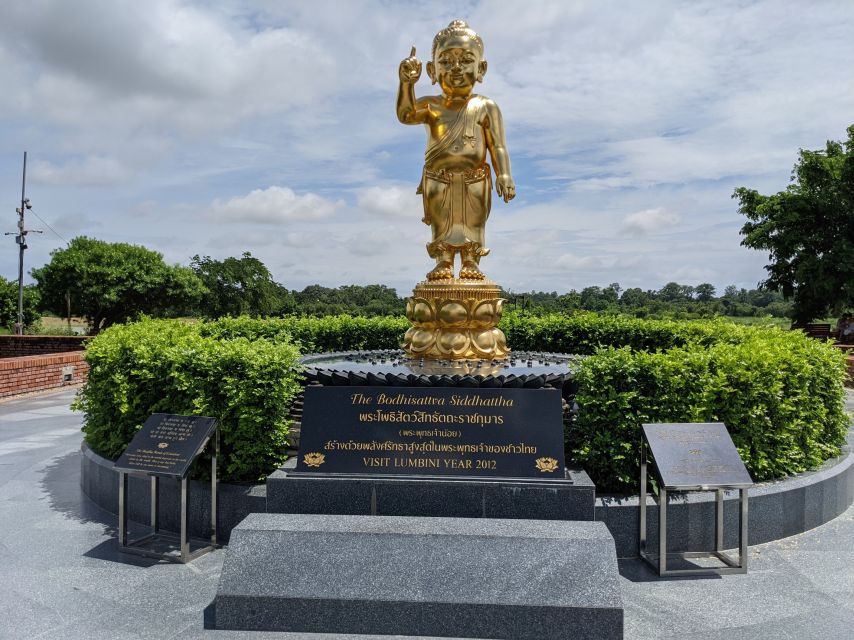
At $49 per person, the tour offers hotel pickup and drop-off, a private group, an English or Hindi-speaking guide, a bottle of water, and visits across Lumbini’s temples and main areas.
The private format is the strongest part of the value. If you are traveling alone or with a small party, having a guide focused on your group can make the temple explanations and schedule more useful. You are also spared the trouble of arranging transport from your hotel.
Still, the price does not cover entrance fees, food, drinks, or personal expenses. Phone calls, laundry, bar bills, battery charging, extra porters, additional bottled or boiled water, and showers are specifically excluded. Some of those items may not apply to a normal day visit, but the list makes the limits clear.
One past booking was priced at $78 and was judged expensive for what was delivered. The current stated price is $49, which changes the calculation, but you should still compare it with the cost of hiring a local guide and arranging transport independently.
I would book this tour for convenience and private guidance, not because it is the cheapest possible way to see Lumbini. If you already have transport and feel comfortable hiring a guide locally, a lower-cost option may be available. If you want one person to organize the day from your hotel, the price is easier to justify.
Practical details before you reserve
The tour lasts seven hours and is offered as a private group experience. Pickup is included from any hotel in Lumbini, and you should wait in the lobby 10 minutes before the scheduled time.
Free cancellation is available up to 24 hours before the activity for a full refund. You can also reserve now and pay later, which is useful if your Nepal schedule is still changing.
The tour is listed as wheelchair accessible. Because the visit covers temples, gardens, monasteries, and the wider Lumbini area, ask the operator how each part of the route will be handled if you need specific assistance. The supplied details do not explain the surfaces, distances, or access arrangements at every stop.
Bring your passport or ID card. Wear comfortable clothing for walking, carry money for lunch and admission, and keep your schedule flexible enough for quiet pauses. A guide can help explain the religious sites, but the spiritual side of the day depends on how much time you give yourself to stop and reflect.
Who should book this Lumbini tour?
I would recommend it to you if this is your first visit to Lumbini, you want explanations in English or Hindi, or you prefer not to arrange transport and site visits yourself.
It suits people interested in Buddhism, sacred places, architecture, and cultural exchange. It is also a good fit if you appreciate a slower day with gardens and meditation rather than a rapid list of monuments.
I would be more cautious if you are watching every dollar, especially because food and admission are extra. I would also confirm the museum before paying, since its closure during a past visit reduced the program.
Book this experience if the private guide, hotel pickup, and cultural context are worth more to you than the lowest possible price. Skip it if you already have transport, know Lumbini well, or mainly want a brief visit to Maya Devi Temple. For most first-time visitors, the combination of the sacred birthplace, international monasteries, gardens, and guided explanations makes seven hours a sensible amount of time.
FAQ
How long does the Lumbini spiritual exploration last?
The activity lasts seven hours, with an early morning hotel pickup and a return to your hotel later in the day.
Is hotel pickup included?
Yes. Pickup and drop-off are included from any hotel in Lumbini. You should wait in the hotel lobby 10 minutes before the scheduled pickup time.
Which languages does the guide speak?
The live guide is available in English or Hindi.
Is this a private tour?
Yes. The experience is offered for a private group rather than a shared group.
Are lunch and drinks included?
No. Food and drinks are not included. You will have the opportunity to eat at a local restaurant, but you pay for lunch and beverages yourself.
Are entrance fees included?
No. Entrance fees are excluded from the tour price.
What should I bring?
Bring your passport or ID card. You should also plan for personal expenses, food, drinks, and any entrance fees.
Just added around Nepal
- Pokhara: Pokhara Highlights Tour by Bus★ 3.6 · 10 reviews
- Traditional Momo Making Class★ 5.0 · 10 reviews
- Jungle Towernight Stay: 4-Day Tour in Chitwan National Park★ 5.0 · 4 reviews
- Private Jeep Safari (8-10 hrs.)inside Chitwan National Park.★ 5.0 · 3 reviews
- Canoeing and Nature Walk in Chitwan National Park★ 5.0 · 13 reviews
- 2 Hours Nature Walk in Chitwan National Park★ 5.0 · 3 reviews
- 2 Nights 3 Days Chitwan National Park Package with Jeep Safari★ 5.0 · 4 reviews
- Discover Pokhara in Style: Private Vehicle Service with Driver★ 5.0 · 5 reviews
Lumbini Tours, compared.
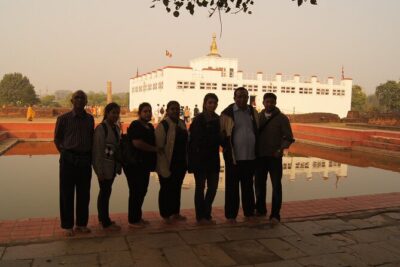
Lumbini Tour Package From Kathmandu or Pokhara: 2 Night 3 Days
Read our review →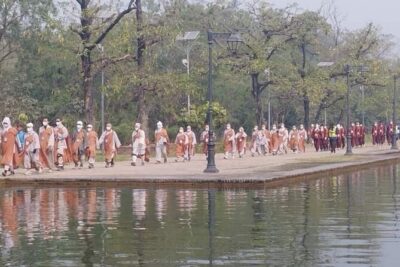
Browse the lists this tour appears in