
Reviewed · MOMO MAKING CLASSES
Traditional Momo Making Class
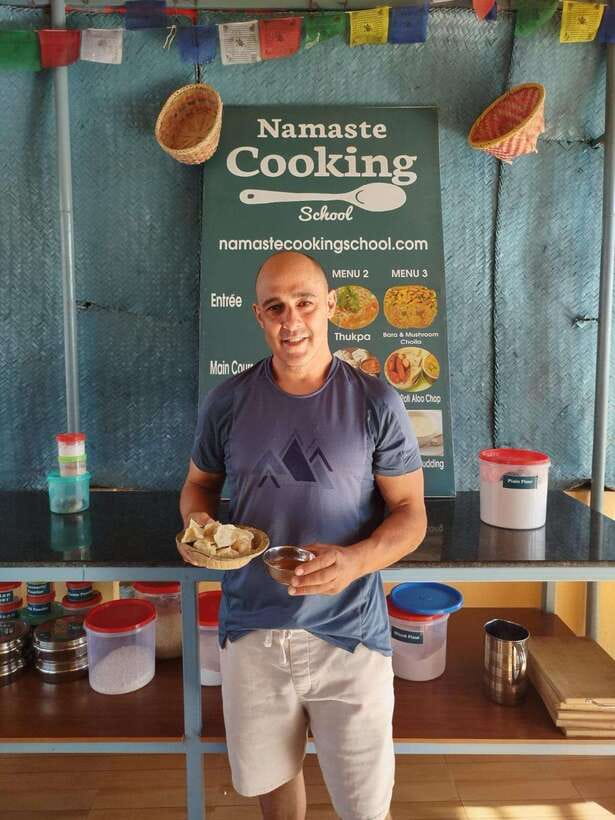
The best part of this class is that you do the work yourself. At Namaste Cooking School in Thamel, local women chefs show you how to knead dough, season fillings, and shape momos by hand, then you sit down to eat the results. Lead trainer Sushi is especially warm and good with English, and the class has a relaxed, social feel.
I like the practical nature of the lesson and the chance to learn about momos as part of Nepali celebrations, not just as a dish to photograph. I also like the setting: a clean, bright kitchen, sometimes on a quiet rooftop, with welcome masala chai included. The main thing to note is that the advertised class lasts 1.5 hours, but the session can run longer if the group chats and cooks at an easy pace.
Key points at a glance
- Hands-on from the start: You knead the dough, prepare the filling, and fold the dumplings yourself.
- Local women chefs lead the class: Sushi is named as the lead trainer, with English instruction throughout.
- A useful $15 experience: Ingredients, coaching, chai, and tasting are included, with no hotel transport.
- Good for families: An 11-year-old participant handled chopping and learned the folds, making this a friendly choice for children with adult supervision.
- A cultural lesson as well as a cooking lesson: You learn why momos matter in Nepali celebrations and daily life.
- Allow extra time: The listed duration is 1.5 hours, though the class may take longer when the group is having fun.
Why momos make such a good first taste of Nepal
Momos are one of Nepal’s most familiar foods. You find them in homes, casual eateries, and celebrations, so learning to make them gives you a useful connection to everyday Nepali cooking.
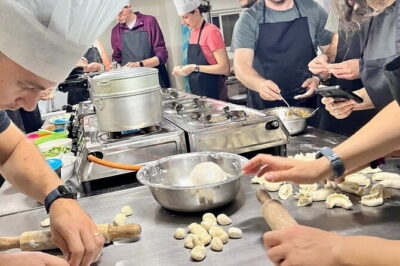
This is not a lecture followed by a small sample. You work through the main stages yourself. The dough needs to be kneaded, the filling needs to be prepared, and each dumpling needs to be folded so it holds together. Those simple tasks help you understand why handmade momos taste and feel different from something quickly produced in a shop.
I like this kind of food class because the result is clear. You are not trying to reproduce an elaborate banquet with 20 unfamiliar dishes. You are learning one popular food well enough to make it again at home.
The class also gives the dish some cultural context. You hear about the place momos hold in Nepali celebrations and ordinary life, which helps explain their popularity beyond their obvious appeal as warm, savory dumplings.
More Momo Making Classes in Kathmandu
- Kathmandu: Local Women-Led Nepali Cooking & Momo Class
★ 4.9 · 360 reviews - Kathmandu: Local Lead Nepali Cooking & Momo-Making Class
★ 5.0 · 212 reviews - Kathmandu: Traditional Momo Making Class & Pickup
★ 4.8 · 60 reviews
Meeting the women chefs in Thamel
The cooking school is in Thamel, Kathmandu’s well-known visitor district. That makes the class easy to pair with a walk through the neighborhood before or after cooking, though hotel pickup and drop-off are not included.
Instruction is in English. Sushi is identified as the lead trainer, and the other women chefs guide the class as you work. You are shown each step, then given time to try it yourself. That matters because folding a momo can look easy when someone else does it, but your own hands need a little practice.
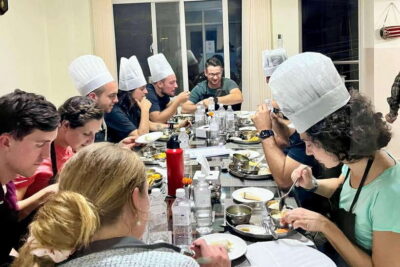
The atmosphere appears to be one of the strongest parts of the experience. The kitchen is described as clean and bright, and one session took place on a quiet rooftop setting. You should not expect a formal restaurant demonstration with everyone sitting silently. The mood is friendly and social, and traditional Nepali music has even accompanied the cooking at times.
That relaxed tone will suit you if you like asking questions and chatting while you work. If you want a tightly timed class with no breaks, remember that the experience may last longer than the stated 1.5 hours.
Kneading dough, the first useful skill
The class begins with momo dough. You learn how to combine and knead the ingredients until the dough is workable for rolling and folding. This is a small but important step. Dough that is too dry, too wet, or unevenly kneaded can make the later shaping harder.
The chef’s guidance is useful here because you can watch the texture change under your hands. Instead of simply receiving a prepared wrapper, you see how the base of the dish is made.
For a home cook, this is one of the most valuable parts of the class. Once you know the basic dough method, you can experiment with fillings and shapes later. The class is not only about eating momos in Kathmandu. It gives you a technique you can carry home.
Wear clothing and shoes that are comfortable for cooking. This is a working kitchen class, so you should expect to handle ingredients rather than sit back and observe.
Preparing the filling with Nepali spices
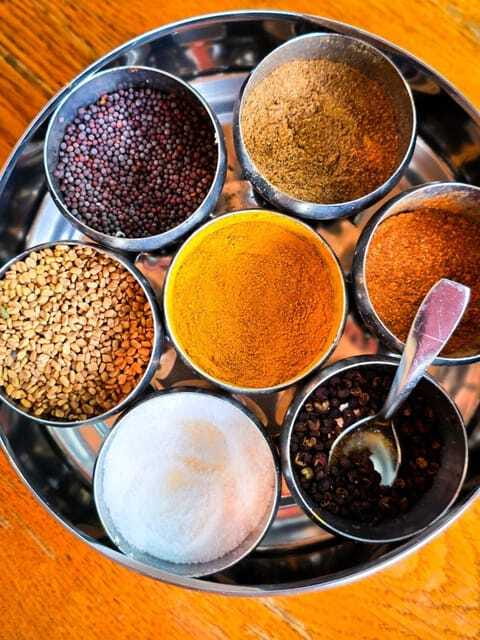
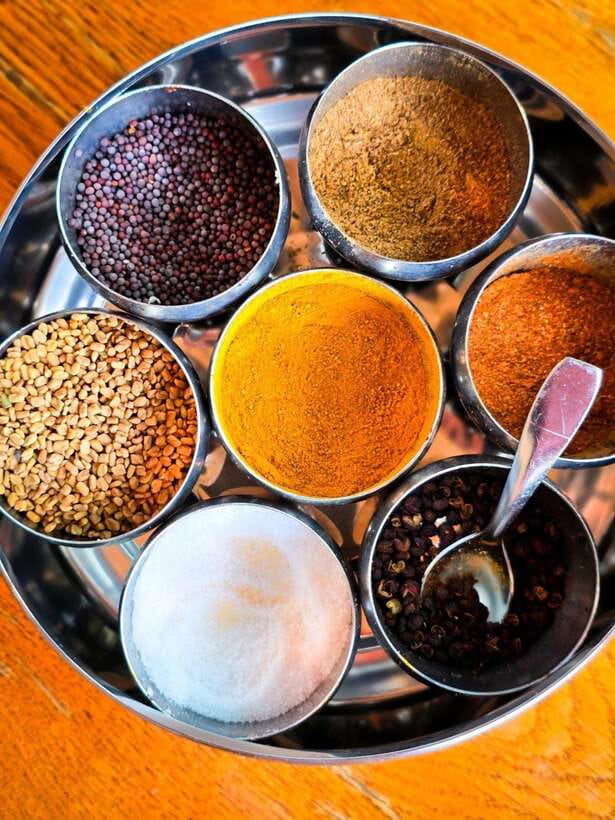
After the dough, you prepare the momo filling. The ingredients are included, and the class uses fresh, locally sourced produce along with authentic Nepali spices.
The exact filling is not specified, so you should not book this expecting a particular meat or vegetable recipe. What you can count on is learning the basic process: preparing the ingredients, combining them with seasoning, and making a mixture that works inside a dumpling.
This part gives the class its strongest link to local cooking. Spices are not treated as decoration. They help create the flavor profile that makes Nepali momos different from a generic dumpling.
You also get to see how much preparation goes into a dish that can look simple on the plate. Chopping, mixing, and seasoning all affect the final bite. A child who attended with a parent took part in much of the chopping, so families can expect real participation rather than a token task for younger cooks.
A completely different kind of day, same corner of Nepal:
- Private Kathmandu Sightseeing Tour | UNESCO World Heritage sites
★ 5.0 · 756 reviews - Half day cooking class in Thamel kathmandu
★ 5.0 · 607 reviews - Nagarkot Sunrise View and Day Hiking from Kathmandu
★ 5.0 · 471 reviews - Kathmandu: Full Day 7 UNESCO Tour with Lunch – Private/Group
★ 5.0 · 415 reviews
Learning the folds, one momo at a time
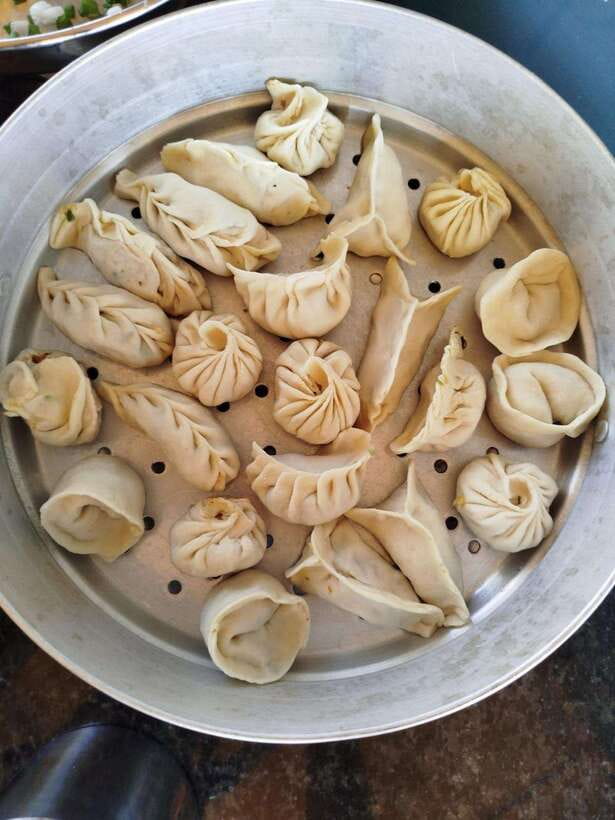
Folding is the most playful part of the session, and probably the point where you will need the most practice. The chefs demonstrate traditional shapes, then let you try them yourself.
Your first few momos may look uneven. That is normal. The goal is to learn how to place the filling, seal the wrapper, and create a shape that holds during cooking. With a little repetition, the process becomes more natural.
This hands-on practice is also what makes the class work well for mixed groups. Experienced cooks can focus on neat folds, while beginners can simply aim for a sealed dumpling. An 11-year-old participant was reportedly surprisingly good at folding, which suggests that children can enjoy this stage when an adult is nearby to help with the sharper kitchen tasks.
I would not choose this class if you need a polished professional cooking qualification. I would choose it if you want a friendly introduction and a recipe you can attempt at home without special equipment.
Eating what you made
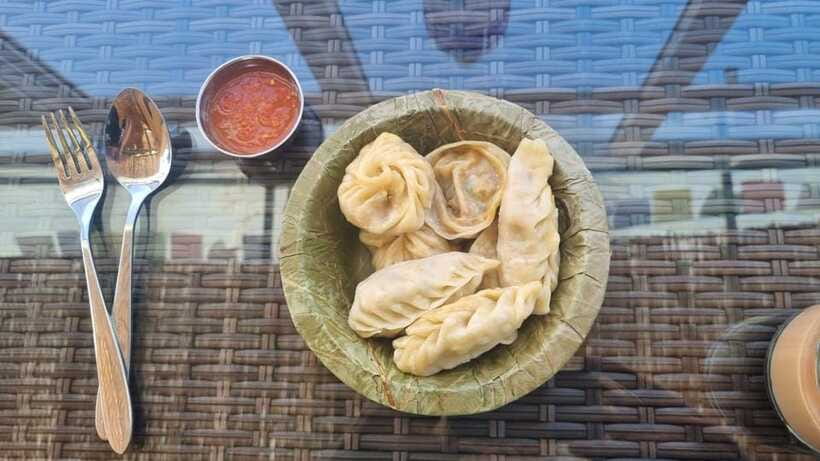
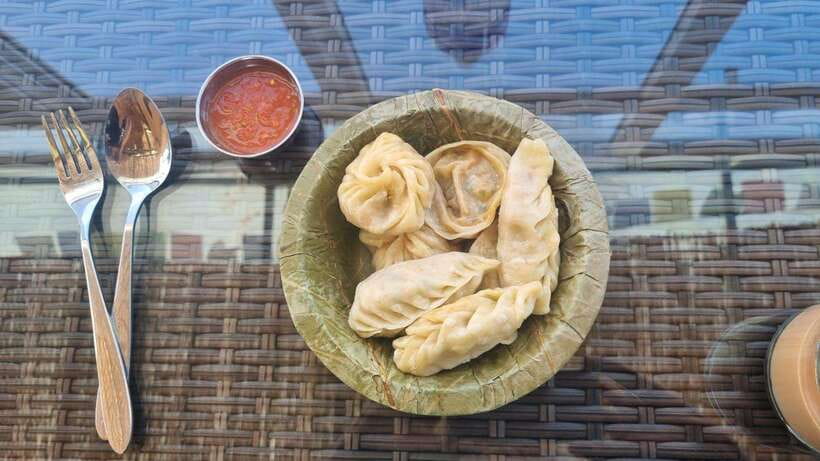
The payoff comes at the end, when you taste your handmade momos. The ingredients and tasting are included in the $15 price, as is a welcome masala chai.
Eating your own batch changes the experience. You notice the thickness of the dough, the amount of filling, and whether your folds sealed properly. Even an imperfect momo feels like a useful lesson rather than a failure.
The class does not appear to include a larger Nepali meal, so keep your expectations focused. This is a momo workshop with a tasting, not a full restaurant dinner. The reward is the satisfaction of making the dish yourself.
Masala chai adds a welcome start or pause to the class. It also gives you a chance to settle in before the practical work begins.
A bright kitchen and a relaxed social mood
The physical setting matters in a cooking class. A clean, well-lit kitchen makes it easier to follow demonstrations and work with dough. The setting has been described as bright and quiet, with at least one class held on a rooftop.
The social atmosphere may be just as important as the food. The women chefs are described as warm, playful, and comfortable teaching in English. Traditional Nepali music and a little dancing have formed part of the fun during a class, though you should treat that as a possible extra rather than a guaranteed part of every session.
This is a good experience to book early in your Kathmandu stay if you want a gentle way to meet people and get oriented in Thamel. It is also a good final-day activity if you want a practical memory to take home.
What the $15 price includes
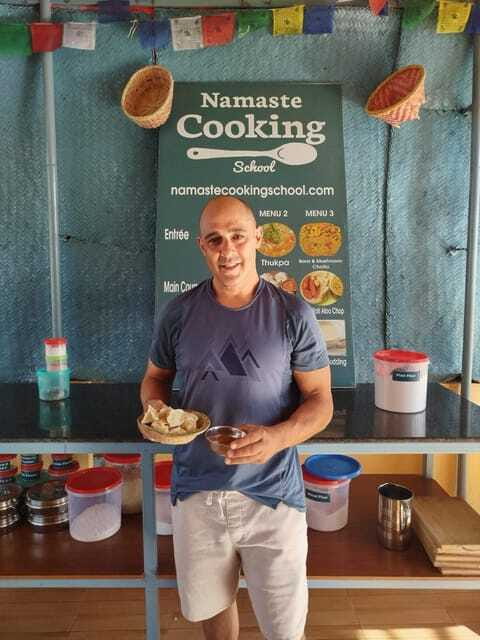
At $15 per person, the class offers solid value. Your fee covers:
- The 1.5-hour momo-making class
- Ingredients for preparing the momos
- Guidance from local chefs
- Tasting your own handmade momos
- Welcome masala chai
You are paying for instruction as well as food. That is important when comparing this with simply ordering momos in a restaurant. A plate of dumplings gives you dinner. This class gives you dinner, a recipe process, cultural context, and the chance to repeat the dish later.
The price does not include hotel pickup or drop-off. Since the school is in Thamel, you need to arrange your own way there. That is a minor issue if you are already staying nearby, but it matters if you are lodging elsewhere in Kathmandu.
The duration also deserves attention. Booking information lists 1.5 hours, while the longer description refers to three hours, and one participant noted that the class ran beyond the stated time. The safest plan is to allow more than 90 minutes, especially if you enjoy conversation or are in a relaxed group.
Who will enjoy this class most
I would recommend this class to food lovers, first-time visitors to Nepal, families, and anyone who likes bringing home a practical skill.
It suits beginners because the chefs explain the process step by step. You do not need advanced cooking experience, and the focus stays on a manageable dish.
It is also a good family activity. The chopping and folding give children something real to do, while adults can help with kitchen safety and keep the pace comfortable.
Couples and solo visitors can enjoy it too, especially if they like social activities. The class has a friendly tone rather than a formal, technical one.
You may want to choose another activity if you dislike group cooking, have very limited time, or want a large meal rather than a tasting. The session is hands-on, so it is not ideal for someone who wants to remain an observer.
Practical tips before you go
Arrive about 10 minutes early. That gives you time to find the cooking school in Thamel and settle in before the dough work begins.
Wear comfortable clothing and shoes suitable for cooking. You do not need special equipment, but you should dress for standing, chopping, mixing, and handling ingredients.
Plan your schedule with some flexibility. Although the official duration is 1.5 hours, the class can last longer when the group is enjoying the conversation. Do not place a tight airport transfer, guided tour, or dinner reservation immediately afterward.
The class is taught in English, so you can ask questions directly and follow the demonstrations without a translator.
If you are booking around uncertain Kathmandu plans, the activity allows you to reserve now and pay later. You can cancel for a full refund up to 24 hours before the start date.
Should you book the Namaste momo class?
I would book it if you want more than a meal and would enjoy learning a dish that is closely tied to Nepali daily life. The combination of local women chefs, English instruction, fresh ingredients, chai, and a $15 price makes it a strong value.
The best reasons to go are the hands-on format and the warm teaching style. Sushi and the other chefs let you do the work, and the clean kitchen helps make the session comfortable for beginners.
The main cautions are simple: transport is your responsibility, the exact filling is not specified, and the class may take longer than the published 1.5 hours. If those points fit your plans, this is an easy, useful way to spend part of a Kathmandu day, with a recipe you can try again long after you leave Nepal.
FAQ
How long does the momo-making class last?
The stated duration is 1.5 hours. You should allow extra time because the session may run longer when the group is chatting and cooking at a relaxed pace.
What does the $15 price include?
The price includes the momo-making class, all ingredients, guidance from local chefs, tasting of your handmade momos, and welcome masala chai.
Is the class taught in English?
Yes. The instructor language is English, and the chefs guide you through each step in English.
Who teaches the class?
The class is led by local women chefs. Sushi is named as the lead trainer.
Is hotel transportation included?
No. Hotel pickup and drop-off are not included, so you need to arrange your own transportation to the cooking school in Thamel.
Can I cancel for a full refund?
Yes. You can cancel at least 24 hours before the experience start date for a full refund.
More Workshops in Kathmandu
- Knife (Khukuri) Making Workshop- Forge of the Gurkhas
★ 5.0 · 143 reviews - The best Private Nepali Cooking Class in Kathmandu
★ 5.0 · 83 reviews - Traditional Nepali Momo Making Classes
★ 5.0 · 53 reviews - Kathmandu: Local Women-Lead Nepali Cooking & Momo Class
★ 4.9 · 45 reviews
Just added around Kathmandu
- Women Empowerment Project(Nepali cooking class & jewelry workshop★ 5.0 · 15 reviews
- Manthali Airport (Ramechhap) To Kathmandu – Transport Service★ 4.5 · 11 reviews
- Amazing 1 Day Trekking Experience in Kathmandu Nepal★ 5.0 · 24 reviews
- Walking tour of Kathmandu with awesome local guides★ 5.0 · 4 reviews
- Walking tour of real Kathmandu through back streets.★ 5.0 · 3 reviews
- Private Manaslu Circuit Trek at Himalayas★ 5.0 · 3 reviews
- Walking Street Food Tour in Kathmandu★ 5.0 · 111 reviews
- Kathmandu Street Food Walking Tour – Eat Like a Local★ 5.0 · 3 reviews
Momo Making Classes, compared.
Nepalese Momos or Dal Bhat Cooking Class (Cook with Delight)
Read our review →
Nepalese Kitchen in Pokhara: Momos or Dal Bhat Cooking Class
Read our review →
Browse the lists this tour appears in