
Reviewed · TEMPLE & MONASTERY TOURS
Kathmandu: Guided Walking Tour with Monkey Temple
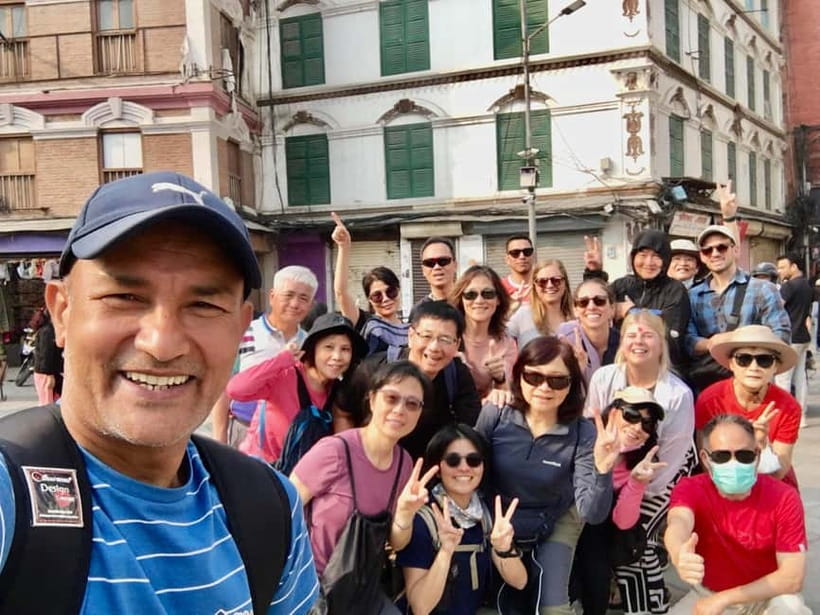
Kathmandu reveals itself best on foot, and this tour takes you from a quiet garden to crowded markets, old Newari neighborhoods, ritual sites, and the hilltop Monkey Temple. The route gives you more than a quick look at famous monuments. It shows how temples, homes, markets, and daily religious practice fit together.
I like the local street-level focus, especially the chance to see people carrying out ritual activities and to pass age-old stupas outside the main sights. I also like the guide-led context, with guides such as Shiva explaining culture and religion clearly and taking time for questions. The catch is simple: this is a demanding walk with a 45-minute uphill stretch and 365 steps at the end.
Key Points
- The route links major sights and ordinary neighborhoods, from the Garden of Dreams to Durbar Square and the Monkey Temple.
- Kathmandu Durbar Square adds historic grandeur, while the Newari residential area shows how local life continues around old temples.
- The Monkey Temple requires effort, including a 45-minute walk to the hill and a descent of 365 steps.
- Guide quality matters, and Shiva has been singled out for his patience, cultural knowledge, and willingness to answer questions.
- The $15 price is strong value if you want a guided introduction without transport, meals, or entrance extras bundled in.
- The tour is not suitable for wheelchairs, people with mobility impairments, or children under five.
From the Garden of Dreams into Kathmandu
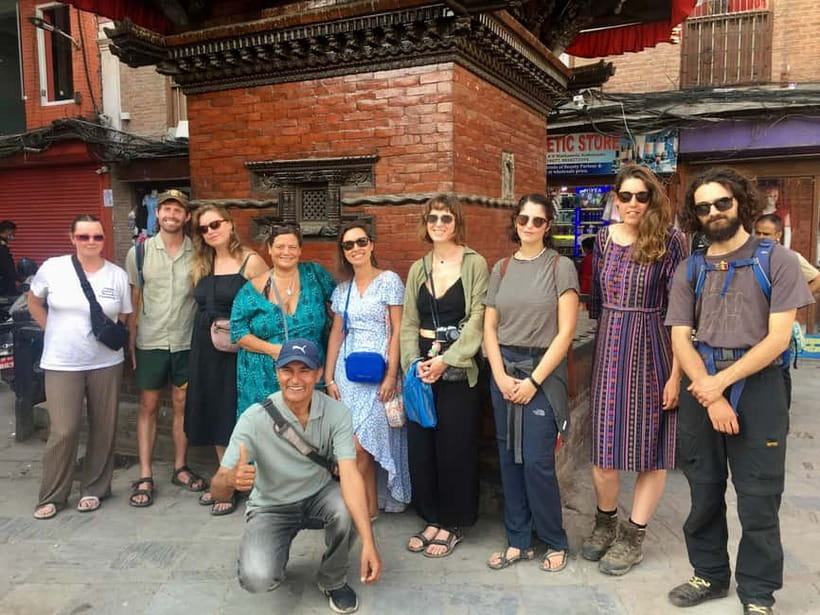
The meeting point is the front gate of the Garden of Dreams, an easy place to find in central Kathmandu. Look for a guide holding a placard marked Himkala Adventure. The tour ends back at this same meeting point, so you do not need to arrange a separate return transfer.
The Garden of Dreams gives you a calm beginning before the streets grow busier. This formal garden is an oasis in the middle of the city, and it helps set up one of the tour’s main contrasts: Kathmandu can shift from quiet greenery to crowded lanes within minutes. You begin with a pleasant place to orient yourself, then move toward the older parts of the city.
Your guide provides the value here. Kathmandu can seem confusing at first, with shrines tucked beside homes and ritual activity taking place alongside ordinary errands. A good guide helps you understand what you are seeing rather than reducing every stop to a photo opportunity. Shiva, one of the guides associated with this experience, is noted for giving detailed answers and explaining culture and religion in a calm way.
The pace is a walking pace, not a rapid sightseeing dash. That matters because the most interesting details may be small: a local stupa, a temple courtyard, or people carrying out a religious practice. You will need to stay aware of the group and the guide, since city streets and local lanes can be busy.
More Walking Tours in Kathmandu
- Kathmandu Food and Drink Walking Tour
★ 5.0 · 266 reviews - Kathmandu: Food and Drink Walking Tour
★ 4.9 · 119 reviews - Walking Street Food Tour in Kathmandu
★ 5.0 · 111 reviews
Local stupas, temples, and everyday ritual
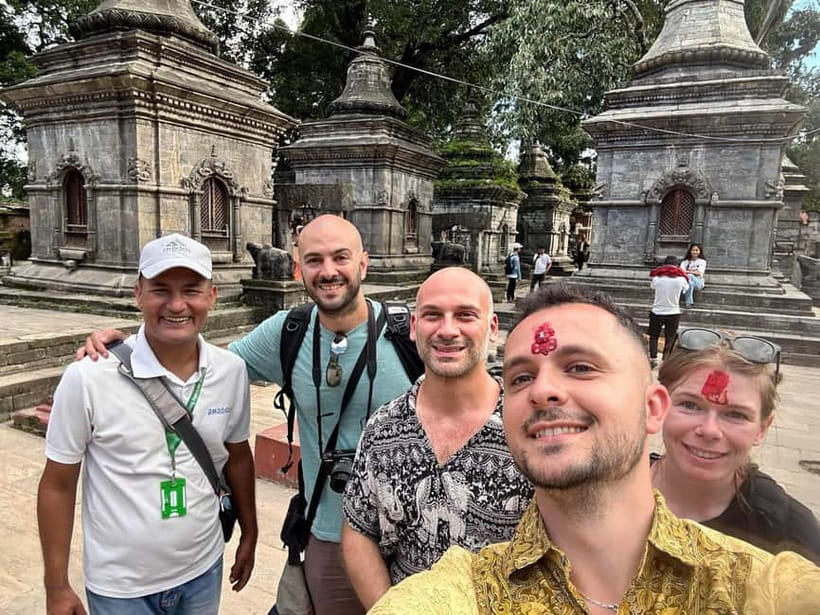
After leaving the garden, the route heads through local areas where you can see old stupas and temples. This section is one of the best reasons to book a guided walk instead of simply visiting the major monuments by yourself. You get a look at places that might not be obvious on a self-guided route.
The tour also brings you close to people performing ritual activities. You should treat this part with care. Religious practice is not a staged show, so keep your distance, follow your guide’s advice, and ask before taking photographs. Modest clothing is important at religious sites, and a respectful attitude will make the experience better for everyone.
The local areas provide useful context for Kathmandu’s religious life. Temples and stupas are not only isolated attractions here. They appear among homes, shops, and working streets. That mix gives you a clearer idea of how faith remains part of daily life.
This is also where the walk can feel less polished. Streets may be uneven, crowded, or noisy, and you may need to watch your footing. That is part of the trade-off. You get a more ordinary view of Kathmandu, but you give up the ease of a smooth sightseeing path.
The market and Kathmandu Durbar Square
The tour continues to Kathmandu’s busy market area. This is a chance to see the city in motion, with people shopping and moving through the central streets. The market adds energy to the route, but it can also make walking less relaxed. Stay close to the guide and keep your belongings secure.
From there, you visit Kathmandu Durbar Square, one of the city’s key historic areas. The square brings together temples, traditional architecture, and major reminders of Kathmandu’s past. Your guide can explain the meaning behind the buildings and help separate important details from the visual clutter.
Durbar Square is more than a quick stop for photographs. It helps you understand the role of the Kathmandu Valley’s old royal and religious centers. The tour’s strength is the way it places the square between local neighborhoods and the Monkey Temple. You see a famous site, then move through areas where people still live and worship.
Do not expect the square to feel quiet or untouched. Kathmandu is a working city, and the area can be active. The benefit of visiting with a guide is that you can focus on the features that matter instead of trying to decode the square on your own.
The information provided does not specify whether entrance fees are included, so you should check the booking details before you go. The $15 price covers the professional guide, but meals, drinks, personal expenses, and hotel transfers are not included.
Through the Newari residential area
After Durbar Square, the route follows a Newari residential area. This is an important part of the day because it shifts attention away from major monuments and toward the city’s built fabric. You can observe traditional homes, local temples, and the way residential life surrounds religious places.
The Newari setting adds depth to the walk. Instead of seeing Kathmandu as a collection of grand squares and stupas, you get to see how old neighborhoods connect those landmarks. The route also passes a cremation place, which may be an important cultural sight but can feel solemn and confronting.
This section calls for sensitivity. Dress modestly, avoid treating ceremonies as entertainment, and rely on your guide for instructions. If you are uncomfortable around cremation sites or religious rituals, you should consider that before booking.
For me, this is where the tour becomes more than a checklist of attractions. The walk connects architecture, religion, and daily life. You are not simply moving from one famous place to another. You are seeing how the city’s older patterns remain part of the present.
More Temple & Monastery Tours in Kathmandu:
- Kathmandu Spiritual Sites: Bodhnath & Pashupatinath Tour
★ 5.0 · 185 reviews - Kathmandu: Nagarkot Sunrise and Hike Tour to Changu Narayan
★ 4.7 · 151 reviews - Kathmandu: Chandragiri Cable Car and Monkey Temple Tour
★ 4.8 · 139 reviews - Nagarkot Sunrise & Hike to Changu Narayan Day Tour from Kathmandu
★ 5.0 · 126 reviews
The 45-minute walk to the Monkey Temple
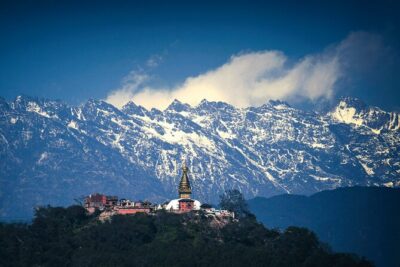
The route then heads toward the conical hill known as the Monkey Temple. The hill rises 77 meters above Kathmandu’s ground level, and reaching it involves about 45 minutes of walking. The exact feel of this stretch will depend on the weather, traffic, and your walking speed, but it is clearly not a short transfer.
Bring water and wear proper walking shoes. Sunscreen and a hat are sensible, since the tour takes place outdoors and weather can vary. This is not a good choice if you want a gentle city stroll with frequent transport between stops.
The effort pays off with one of Kathmandu’s signature religious sites. The stupa and surrounding area offer another view of the city’s spiritual character, while the hill gives the visit a clear physical sense of arrival. The Monkey Temple is also identified as a UNESCO World Heritage Site, making it one of the most important stops on the route.
You should expect religious activity around the stupa, not just a sightseeing platform. Keep your behavior respectful and follow local customs. The site’s name also tells you something practical: monkeys are part of the setting, so keep food and loose items secure.
The guide’s role is especially useful here. A visit to the stupa can otherwise become a quick circuit around a striking structure. With an English-speaking guide, you can ask about the symbols, local practices, and the place’s role in Kathmandu.
Descending 365 steps back toward the city
The return to Thamel includes a descent of 365 steps. This is the tour’s clearest physical challenge, and it deserves more attention than a passing note. Descending stairs can be tiring on knees and legs, especially after several hours of walking.
The steps also make this activity unsuitable for people with mobility impairments and wheelchair users. Children under five are not accepted, and families with older children should decide based on stamina, heat, and comfort with stairs. Comfortable shoes are essential. Sandals with poor support would make the route harder.
The descent is part of the experience rather than a transport shortcut. You leave the hill on foot and return to the city through the surrounding area, ending back at the meeting point. Since hotel pickup and drop-off are not included, plan your own way to the Garden of Dreams before and after the tour.
The total duration is not stated in the available information, so do not schedule a tight appointment immediately afterward. The route includes several major stops, local neighborhoods, a 45-minute walk, and 365 steps. Allow yourself flexibility.
What the $15 price really gives you
At $15 per person, this is priced as an accessible introduction to Kathmandu. The main inclusion is a professional guide, and that is exactly where the value lies. You are paying for interpretation, route planning, and local context rather than for transport, food, or a luxury service.
I consider the price good if you are visiting Kathmandu for the first time and want to understand the city before exploring more on your own. The route combines the Garden of Dreams, the market, Kathmandu Durbar Square, a Newari neighborhood, local religious sites, and the Monkey Temple. Booking each part separately would require more planning and a good deal of confidence with the city’s streets.
The price is less compelling if you only want to see the Monkey Temple. You could choose a shorter visit focused on that site, but this tour is designed as a full walking introduction. Its value comes from the connections between stops.
Remember that meals, drinks, personal expenses, and hotel transfers are not included. You should also confirm whether any site entry fees apply. The option to reserve and pay later gives you some flexibility, and cancellation is allowed up to 24 hours before the activity for a full refund.
The guide can shape the whole experience
The strongest comments about this walk focus on the guides, particularly Shiva. He is described as friendly, patient, calm, and willing to answer questions. He has also led visitors through places they might not have found alone, with explanations of culture and religion along the way.
That matters in Kathmandu. A guide who rushes through names and dates would miss the point of this route. You want someone who can explain why a shrine matters, how local customs work, and when it is appropriate to pause for a photograph.
Shiva may not be the guide assigned to every departure, so you should not assume a particular guide is guaranteed unless the booking confirmation says so. Still, the consistent praise for patient explanations is a useful sign of what to look for in the experience.
English is the listed tour language. If you have specific interests, such as Newari architecture, Hindu and Buddhist practice, or local customs, ask about them early. A walking tour becomes much more useful when your questions help shape the explanations.
Practical preparation for Kathmandu’s streets
Bring water, sunscreen, a hat, a camera, and comfortable shoes. The essentials are not glamorous, but they will make a real difference. You will walk through city streets, local areas, and up and down a hill, so comfort matters more than looking dressed up.
Wear clothing that is suitable for religious sites. Modest dress shows respect and avoids awkwardness when entering or passing places of worship. Smoking is not allowed during the activity.
Prepare for changing weather. The tour information specifically advises you to expect varying conditions, so carry what you need for sun or light rain based on the forecast. Since the tour is outdoors, weather can affect your comfort and the pace.
You should also plan for a physically active half-day style outing, although the exact duration is not provided. The combination of city walking, the uphill route, and 365 steps makes this a poor match for anyone seeking a low-effort introduction.
Who should book this walking tour
I would recommend it to first-time visitors who want a broad introduction to Kathmandu and prefer seeing the city on foot. It suits people who enjoy local neighborhoods as much as famous monuments and who want a guide to explain religious customs and historic places.
It is also a good fit for solo visitors. A guide can make it easier to navigate the streets, ask questions, and find small sites you might otherwise pass. The route gives you a useful base for returning to the city independently later.
You should think twice if you have mobility limits, dislike stairs, or want a short and easy outing. The 45-minute walk to the Monkey Temple and 365-step descent are fixed parts of the route. You should also skip it if you prefer private transport or want meals and admission costs handled in one package.
Should you book it?
Book this tour if you want Kathmandu explained through its streets, not just viewed from a vehicle. The combination of the Garden of Dreams, markets, Durbar Square, Newari neighborhoods, ritual places, and the Monkey Temple gives you a strong first look at the city for $15.
The main question is your fitness. If you can manage a long urban walk, a 45-minute uphill section, and 365 steps, the route offers good value and a useful cultural introduction. If stairs and uneven walking are a concern, choose a less demanding activity instead.
FAQ
Where does the Kathmandu walking tour begin?
It begins at the front gate of the Garden of Dreams. The guide will carry a placard marked Himkala Adventure.
Where does the tour end?
The activity ends back at the Garden of Dreams meeting point.
What places does the tour visit?
The route includes the Garden of Dreams, local streets and markets, Kathmandu Durbar Square, a Newari residential area, local temples and stupas, a cremation place, and the Monkey Temple.
How much walking is involved?
The tour involves significant walking. The route includes a 45-minute walk to the Monkey Temple and a descent of 365 steps.
Is the tour suitable for wheelchair users?
No. The activity is not suitable for wheelchair users or people with mobility impairments.
Are children under five allowed?
No. The tour is not suitable for children under five years old.
What should I bring?
Bring comfortable shoes, a hat, a camera, sunscreen, and water. Dress modestly for religious sites and prepare for changing weather.
Are hotel transfers and meals included?
No. Hotel pickup and drop-off, meals, drinks, and personal expenses are not included.
Just added around Kathmandu
- Women Empowerment Project(Nepali cooking class & jewelry workshop★ 5.0 · 15 reviews
- Manthali Airport (Ramechhap) To Kathmandu – Transport Service★ 4.5 · 11 reviews
- Amazing 1 Day Trekking Experience in Kathmandu Nepal★ 5.0 · 24 reviews
- Walking tour of Kathmandu with awesome local guides★ 5.0 · 4 reviews
- Walking tour of real Kathmandu through back streets.★ 5.0 · 3 reviews
- Private Manaslu Circuit Trek at Himalayas★ 5.0 · 3 reviews
- Walking Street Food Tour in Kathmandu★ 5.0 · 111 reviews
- Kathmandu Street Food Walking Tour – Eat Like a Local★ 5.0 · 3 reviews
Temple & Monastery Tours, compared.
Kathmandu Spiritual Sites: Bodhnath & Pashupatinath Tour
Read our review →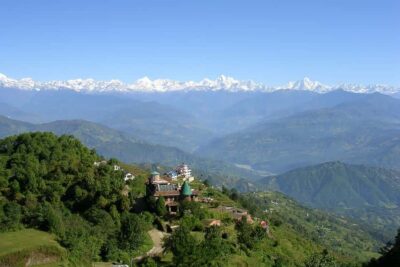
Nagarkot Sunrise and Hike Tour to Changu Narayan
Read our review →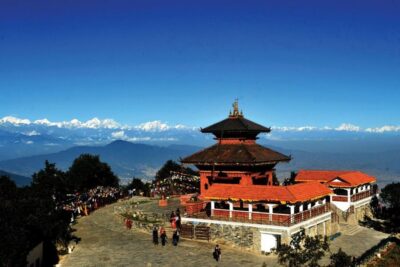
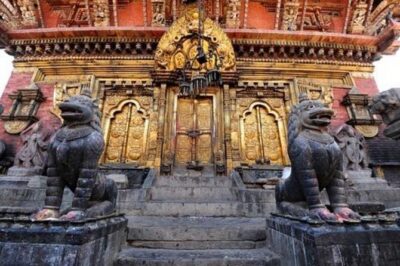
Nagarkot Sunrise & Hike to Changu Narayan Day Tour from Kathmandu
Read our review →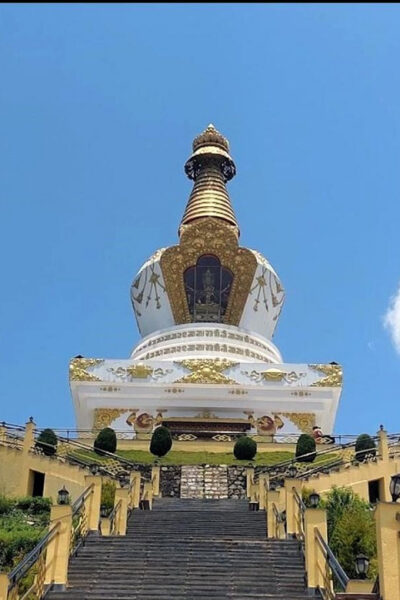
Monkey Temple – Swayambhunath Tour – Private/Small Group
Read our review →Browse the lists this tour appears in