
Reviewed · WALKING TOURS
Walking Street Food Tour in Kathmandu
Kathmandu’s best food experiences often hide behind ordinary doors, down narrow lanes, and inside markets where you would not know what to order. This walking tour takes you through Asan and Kathmandu Durbar Square, combining local food with temples, shrines, shops, and stories about Nepali culture.
I like the private format, which gives your guide room to adjust the pace and food choices. I also like that lunch includes at least five dishes and drinks, with guides such as Kabita, Deepak, Raj, and Anoj praised for explaining what you are eating and how it fits Nepali life.
The main consideration is the amount of food and walking. You may try far more than five items, so arrive hungry and wear good walking shoes. The experience is for adults 18 and older, and the listed stop times appear longer than the advertised three to four hour total.
Key points to know before booking
- Local eating places: Expect small eateries, street stands, courtyards, alleys, and market stalls rather than a polished restaurant crawl.
- Two classic Kathmandu areas: Asan brings you into the city’s busiest traditional market, while Kathmandu Durbar Square adds temples, palace architecture, incense, and old shops.
- A serious amount of food: The price includes at least five typical dishes and drinks, and several guides have served six, seven, or even more stops.
- Good for special diets: Vegetarian and vegan menus can be arranged if you tell the operator in advance.
- Strong guide element: Anoj, Kabita, Deepak, Raj, Rabina, Mai, and other local guides have led tours that combine food with history, religion, and daily life.
- Useful first-day choice: The walking route can help you understand where locals eat and make later solo exploring less intimidating.
Why this food walk works so well in Kathmandu
I like food tours that use a meal as a doorway into a city, rather than treating food as a series of isolated bites. This one is built around Kathmandu’s ordinary eating places and markets, so you see how food, worship, shopping, and social life overlap.
You are not simply driven from one restaurant to another. You walk through working streets, pause at food stalls, enter local establishments, and pass temples and shrines along the way. That matters in Kathmandu, where the pleasure is often in noticing what is happening around you: a spice shop, a tea seller, a small shrine, or a crowded lane leading to a place you would probably miss alone.
The tour is private, meaning only your group takes part. That should make it easier to ask questions, pause for photographs, or tell your guide that you have had enough food. It also allows the guide to adjust the experience for vegetarian and vegan diets.
The best part may be the combination of appetite and orientation. By the end, you should have a clearer sense of Kathmandu’s food culture and more confidence about ordering local dishes later.
More Walking Tours in Kathmandu
- Kathmandu Food and Drink Walking Tour
★ 5.0 · 266 reviews - Kathmandu: Food and Drink Walking Tour
★ 4.9 · 119 reviews - Walking Food Tour in Hidden Local Eateries of Kathmandu
★ 5.0 · 40 reviews
Starting in Asan, Kathmandu’s traditional market heart
The tour begins at Kathmandu Guest House in Thamel, with hotel pickup offered as part of the experience. The exact arrangement is worth confirming when you book, since the published meeting point is Kathmandu Guest House and the activity also says your guide will pick you up from your hotel.
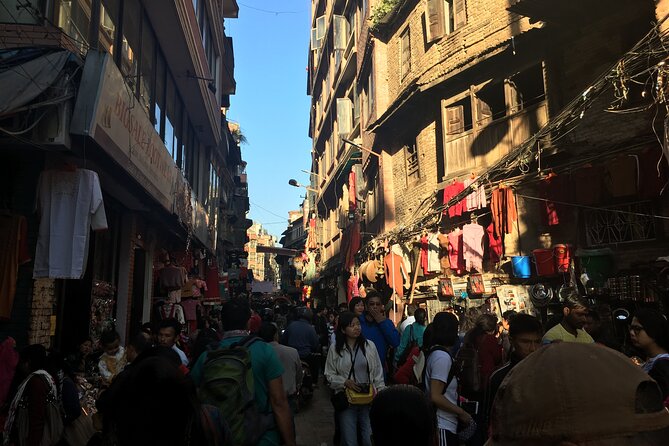
From there, your guide takes you toward Asan, one of Kathmandu’s busiest traditional market areas. The route is not designed as a quiet stroll. Expect active streets, people shopping, food vendors, old temples, and plenty to look at from street level.
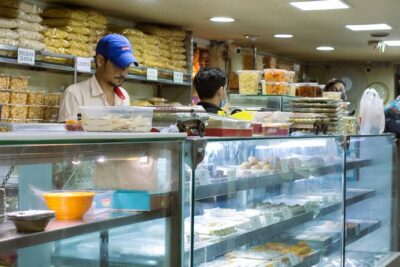
Asan is especially useful for visitors who want to see Kathmandu beyond the main tourist lanes. You can encounter shops selling spices, tea, cookies, and other everyday goods, along with small places serving local food. Your guide’s job is important here. Without help, you might recognize a market but miss the meaning of what is being sold or the best place to stop.
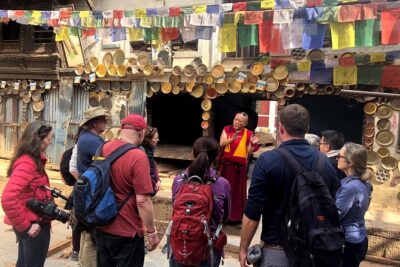
Guide quality appears to be central to the experience. Anoj, described as a former chef, has led guests to popular Nepali specialties and made thoughtful food choices. Kabita has been praised for explaining dishes, cooking methods, and local customs while taking care with dietary needs. Deepak and Raj have also been singled out for connecting food with Nepalese history, Hindu and Buddhist traditions, and the places along the route.
You should expect explanation as you walk, not a formal lecture at every stop. That suits the setting. Kathmandu’s streets are full of distractions, and a good guide can help you notice the detail without slowing the tour to a crawl.
Eating your way through local alleys and small eateries
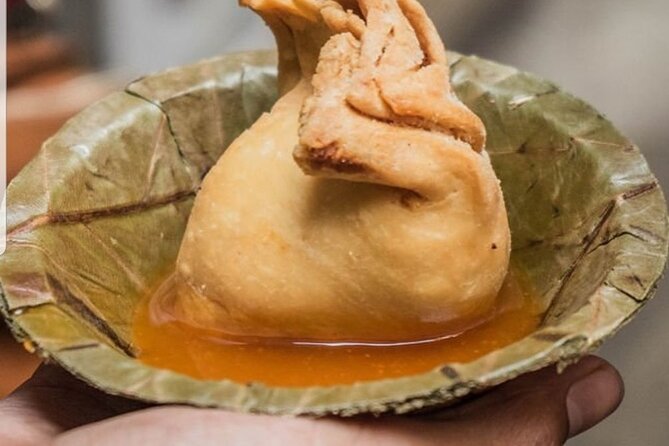
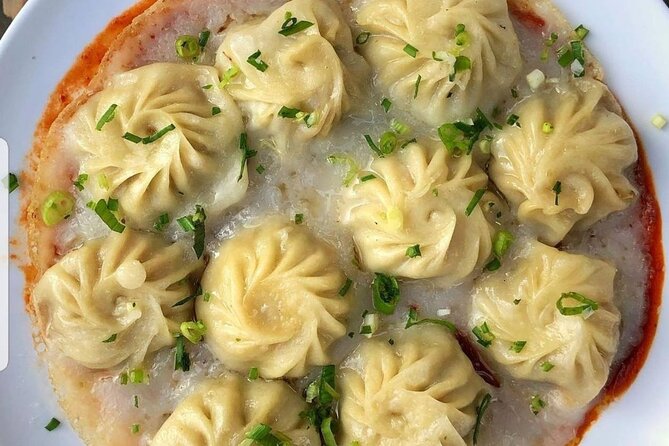
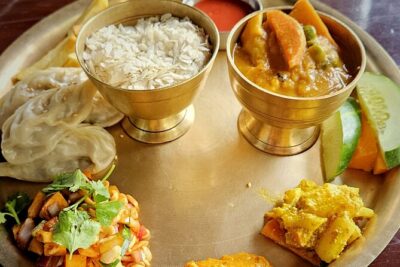
The food is the main event, and the package includes lunch with at least five typical dishes and drinks. Included drinks can include Nepali masala tea, fresh juices, lassi, and soft drinks. Alcohol is not included.
The minimum of five dishes should be treated as a floor, not a promise that you will stop after five bites. Guides have taken people to several places and served far more food than expected. One tour included seven food stops, while another included more than ten dishes.
That is excellent value for anyone who wants a broad introduction to Nepali food, but it has one practical catch: you need an appetite. The most useful tip is to eat a small breakfast, not a large one, and take a walk before the tour. You will want room for savory foods, drinks, sweets, and whatever else your guide selects.
The exact menu is not fixed in the information provided, which is sensible for a street food tour. Availability changes, and a private guide can make choices based on the day, your diet, and what is being served. You might visit Newari food stands, local restaurants, and small stalls tucked into alleys or courtyards.
This format also gives you a better chance to ask basic questions. You can learn what a dish contains, how locals eat it, and whether it fits your diet before taking a bite. For someone new to Nepali food, that guidance is worth paying for.
Vegetarians and vegans should notify the operator ahead of time. The tour has been adapted for both, including a vegan route led by Raj. That does not mean every stop will offer the same choices as a meat eater, but it does mean the experience is not limited to visitors who eat everything.
Asan’s markets, temples, and street-level Kathmandu
The Asan portion is not only about eating. Your guide explains what you are seeing as you move through the market, including old temples, street vendors, and the way local commerce fills the surrounding lanes.
This is where the walking format earns its keep. A vehicle would carry you past the details. On foot, you can stop at a tea shop, inspect unfamiliar ingredients, hear temple bells, and see how shoppers use the market.
The drawbacks are the same things that make the area interesting. Streets and alleys can be crowded and confusing, and the walking surface may not always feel easy. Comfortable clothing and sensible shoes are essential. The tour is not a good fit if you want a relaxed, sit-down lunch with long breaks between courses.
The pace appears to be manageable, with food stops breaking up the walking. Still, you should be ready to spend much of the experience on your feet. Kathmandu can feel tiring after a flight or before a trek, so consider scheduling this when you have enough energy to enjoy it.
A completely different kind of day, same corner of Nepal:
- Private Kathmandu Sightseeing Tour | UNESCO World Heritage sites
★ 5.0 · 756 reviews - Half day cooking class in Thamel kathmandu
★ 5.0 · 607 reviews - Nagarkot Sunrise View and Day Hiking from Kathmandu
★ 5.0 · 471 reviews - Kathmandu: Full Day 7 UNESCO Tour with Lunch – Private/Group
★ 5.0 · 415 reviews
Kathmandu Durbar Square, where food meets sacred space
The second major area is Kathmandu Durbar Square, a historic palace and temple district associated with the 16th-century reign of Pratap Singh Malla. The square gives the tour a strong cultural and visual counterpoint to the market.
Here, your guide takes you around old shops selling spices, tea, and cookies, as well as temples where people come to pray. Bells, incense, painted details, and religious activity create a very different mood from the market lanes.
The food stops make this section more approachable. Instead of simply looking at a historic square, you are learning how the surrounding district functions today. A guide can also explain the religious and cultural details that are easy to miss when you walk through on your own.
Do not expect a long, formal sightseeing visit with every architectural detail covered. The tour’s focus remains food and everyday culture. If you want an extended study of Kathmandu Durbar Square, you may need a separate visit. Here, the square works as part of a broader half-day walk.
The published itinerary assigns two hours to Asan and two hours to Kathmandu Durbar Square, while the overall experience is advertised as approximately three to four hours. Treat those timings as flexible. Food queues, walking speed, and the number of stops can change the length of the outing.
The guides make the biggest difference
This is the kind of tour where the guide matters as much as the route. The food itself may be excellent, but the experience improves when someone can explain why a dish matters, point out a temple, and lead you through streets that are difficult to read at first glance.
Anoj brings professional food experience from his background as a former chef. Kabita has been particularly good at checking that people are comfortable with each dish, while also explaining food, history, and culture. Deepak has led tours with a strong focus on food traditions, religion, and local history.
Raj has guided visitors through Thamel, Asan, and Durbar Square, while also adapting meals for a vegan diet. Rabina has taken people through tightly packed Newari food stands, and Mai has handled vegetarian and vegan requests while adding information about local politics, sport, history, temples, stupas, and shrines.
You cannot request a specific guide with certainty from the information provided, so book for the format and local expertise rather than for one individual. If you have a strong preference, you can ask Yakthung Tours and Travels when arranging the tour, but it should not be assumed.
Is $48 good value for this Kathmandu experience?
At $48 per person, the tour is not the cheapest way to eat in Kathmandu. You could spend much less on individual snacks and drinks. The value comes from combining a substantial lunch with a private guide, neighborhood orientation, cultural interpretation, and access to places that may be hard to identify on your own.
The food and drinks are included, with a minimum of five typical dishes. That makes the price easier to judge than a tour where every tasting costs extra. You should still note that alcoholic drinks are excluded, and the published details say some fees and taxes are not included.
For a first day in Kathmandu, the value is stronger. You can learn which parts of the city feel comfortable to explore, see how local eateries work, and ask questions before setting out alone. The food also gives you a practical introduction to Nepali flavors without requiring you to decode every menu yourself.
It is less compelling for you if you already know Kathmandu well or prefer to choose your own meals. It is also not ideal if you want a short snack walk. With several stops and generous portions, this is closer to a moving lunch with sightseeing than a few casual samples.
Who should book this walking food tour?
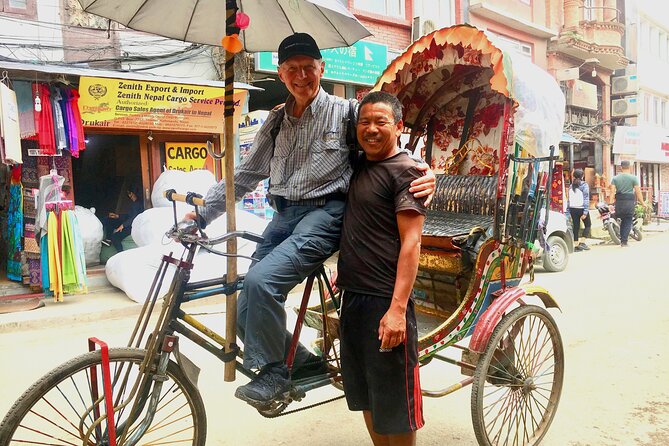
I would recommend it to adults who enjoy trying unfamiliar dishes and want cultural context along with lunch. It is particularly suitable for first-time visitors, solo visitors who want local orientation, couples, and small private groups.
Vegetarians and vegans should find the tour useful, provided they share their needs in advance. The private format gives the guide a better chance to tailor the food and pace than a large group outing.
You should be comfortable walking through busy markets and narrow lanes. Wear practical shoes and clothes, and avoid scheduling a heavy meal immediately afterward. The experience is restricted to people aged 18 and older.
The tour operates daily between 11:45 AM and 6:00 PM during the stated operating period. Confirmation is normally provided at booking, although bookings made within one day of the experience are subject to availability.
Free cancellation is available up to 24 hours before the start time. Poor weather or failure to meet the minimum number of participants can lead to a new date, another experience, or a full refund.
My verdict: book it for food, orientation, and local access
Book this tour if you want to eat generously, walk through parts of Kathmandu you might otherwise miss, and learn how food connects with temples, markets, history, and daily life. The strongest reasons are the private format, the number of tastings, and the guides’ ability to adjust the experience for vegetarian and vegan diets.
I would choose it early in a Kathmandu visit, ideally when you can arrive hungry and still have energy for several hours on foot. Skip it if you want a formal historic tour, a fixed menu, or a quiet restaurant meal.
For most food-curious adults, $48 is a fair price for a full introduction to Kathmandu’s local eating culture, especially when a good guide turns unfamiliar alleys and dishes into places you can return to with confidence.
FAQ
How long does the Walking Street Food Tour in Kathmandu last?
The tour lasts approximately three to four hours. The two listed areas each have an estimated two-hour visit, so the exact duration may vary with walking speed, food stops, and local conditions.
What food and drinks are included?
The tour includes lunch, at least five typical Nepali dishes, and drinks. Options listed include Nepali masala tea, fresh juices, lassi, and soft drinks.
Is alcohol included in the tour price?
No. Alcoholic beverages are not included.
Can vegetarians and vegans join the tour?
Yes. Vegetarian and vegan visitors can be catered to, but you should tell the operator about your dietary needs in advance.
Where does the tour start and end?
The stated meeting point is Kathmandu Guest House at Saathgumti-16, Kathmandu 44600, Nepal. The activity ends back at the meeting point.
Is hotel pickup available?
Yes. Pickup is offered, and the tour information says your guide will pick you up from your hotel. Since the listed meeting point is Kathmandu Guest House, confirm the pickup arrangement when booking.
Is the tour suitable for children?
No. The experience is specifically for people aged 18 and older.
What happens if I need to cancel?
You can cancel up to 24 hours before the start time for a full refund. Cancellations or changes made less than 24 hours before the experience are not accepted for a refund.
More Food Tours in Kathmandu
- Secret Food Tour – Food Bites and Sights Kathmandu 14+ Testings
★ 5.0 · 82 reviews - Kathmandu Secret Food Crawl & Local Market Tour
★ 4.7 · 54 reviews - Kathmandu Food & Drink and Shopping Rickshaw Tour
★ 5.0 · 48 reviews - Kathmandu Food Crawl & Market Tour
★ 5.0 · 26 reviews
Just added around Kathmandu
- Women Empowerment Project(Nepali cooking class & jewelry workshop★ 5.0 · 15 reviews
- Manthali Airport (Ramechhap) To Kathmandu – Transport Service★ 4.5 · 11 reviews
- Amazing 1 Day Trekking Experience in Kathmandu Nepal★ 5.0 · 24 reviews
- Walking tour of Kathmandu with awesome local guides★ 5.0 · 4 reviews
- Walking tour of real Kathmandu through back streets.★ 5.0 · 3 reviews
- Private Manaslu Circuit Trek at Himalayas★ 5.0 · 3 reviews
- Kathmandu Street Food Walking Tour – Eat Like a Local★ 5.0 · 3 reviews
- Visit Swayambhunath and Bauddhanath Stupa with Guide★ 5.0 · 5 reviews
Walking Tours, compared.
Walking Food Tour in Hidden Local Eateries of Kathmandu
Read our review →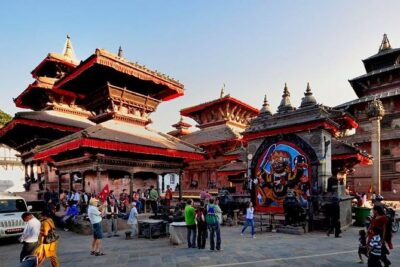
Old Kathmandu Walking Tour, Historic World Heritage Durbar Square
Read our review →

Full-Day Safari Canoeing and Jungle Walk and Jeep
Read our review →Browse the lists this tour appears in