
Reviewed · COOKING CLASSES
Women Empowerment Project(Nepali cooking class & jewelry workshop
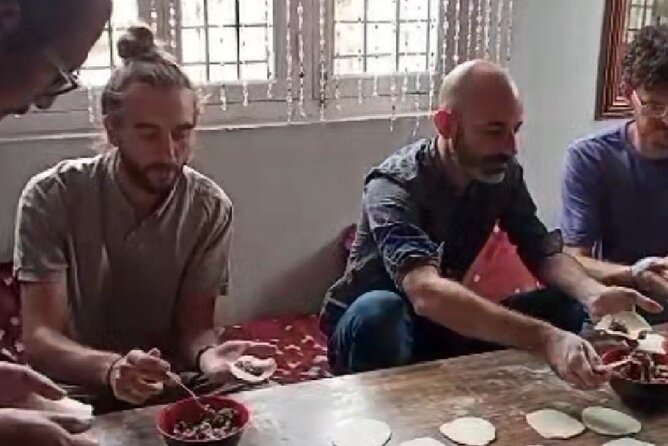
The best part of this Kathmandu experience is its two-part design: one session puts you in the kitchen with local teachers, and the next lets you make jewelry by hand. You learn to prepare masala chai, pakoda, and momos, then sit down to eat what you made.
I like the friendly teaching style and the chance to learn from women connected with a project that supports women and children. I also like the practical menu: momos and pakoda are dishes you can try making at home. The main consideration is the schedule. It takes place over two days, with about three hours each day, so it suits a slower Kathmandu stay better than a tightly packed sightseeing plan.
Key points to know before booking
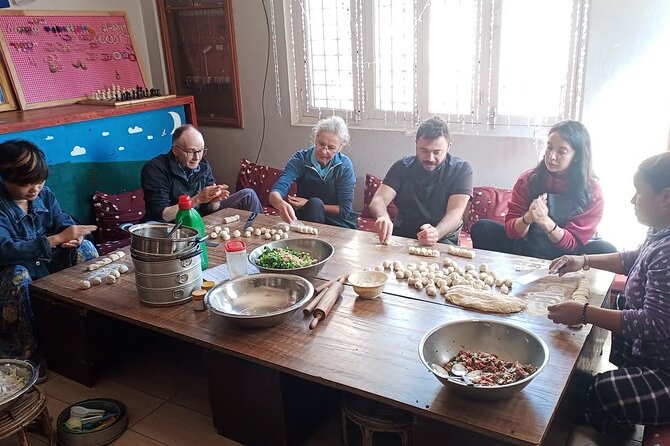
- Three classic Nepali foods: Make masala chai, pakoda, buff momos, and vegetable momos before enjoying lunch.
- A second day for jewelry: The workshop gives you a creative activity beyond the usual cooking class.
- Personal teaching: Guides named Buddha, Tara, Aastha, and Syanbi are associated with the sessions, with Syanbi known as the Momo Queen.
- A social but gentle setting: The activity is designed for participation, and the friendly approach can help solo visitors or shy people feel at ease.
- A $50 two-day experience: The price covers both three-hour sessions and admission to each activity.
- Easy booking terms: You receive confirmation at booking, use a mobile ticket, and can cancel for a full refund up to 24 hours before the start time.
Why this experience feels different from a standard cooking class
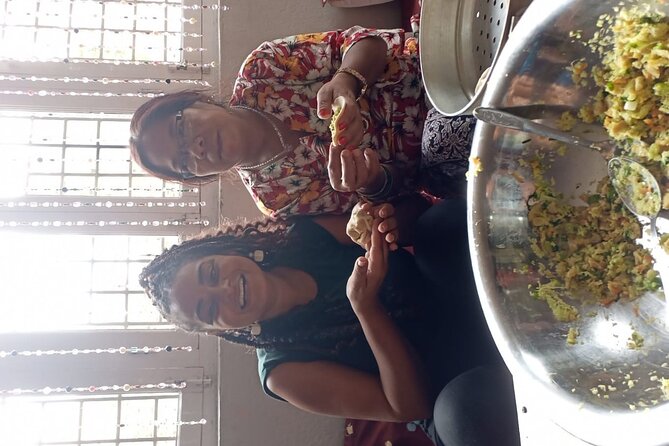
Kathmandu offers plenty of ways to eat momos. This activity gives you a reason to slow down and learn how they are made, while also connecting the class with a women’s empowerment project run by the Human Welfare Committee.
That social purpose matters. You are not simply paying for a plate of food and a short demonstration. The cooking class is part of a wider project that works with women and children, and the activity is presented as a way to support that work. You still need to judge the experience on its teaching, food, and organization, but the charitable connection gives the $50 price extra meaning.
The format is also more personal than a large group demonstration. You are expected to help prepare the food, shape the momos, and take part in lunch. The jewelry workshop adds a second kind of participation. You work with your hands again, but this time the result is something you can keep.
I would not book this if you want a quick one-hour taste of Nepali food between major sights. Two days are required, and each session lasts about three hours. I would book it if you want a human-scale activity with time for conversation, food, and creative work.
More Cooking Classes in Kathmandu
- Half day cooking class in Thamel kathmandu
★ 5.0 · 607 reviews - Kathmandu: Local Women-Led Nepali Cooking & Momo Class
★ 4.9 · 360 reviews - Kathmandu: Local Lead Nepali Cooking & Momo-Making Class
★ 5.0 · 212 reviews
Day one: masala chai starts the kitchen session
The first session begins at the Human Welfare Committee at 11:00 AM, according to the published schedule. The class then moves into cooking at 11:30 AM, with lunch planned for about 1:30 PM.
The first task is masala chai. This is a smart opening because it gives you something familiar to work on while you get comfortable with the group and the cooking space. It also starts the session with a drink you can enjoy as the rest of the food comes together.
The class begins with an introduction to the people and purpose behind the project. Names connected with the cooking sessions include Buddha, Tara, Aastha, and Syanbi. Syanbi is known as the Momo Queen, a useful clue for anyone especially interested in learning the dumpling technique.
The teaching appears to be practical rather than formal. You should expect to take part instead of simply watching someone cook. That makes the three-hour length worthwhile, since you have time to follow the steps, ask questions, and work through the preparation at a comfortable pace.
Pakoda gives you a quick Nepali snack to master
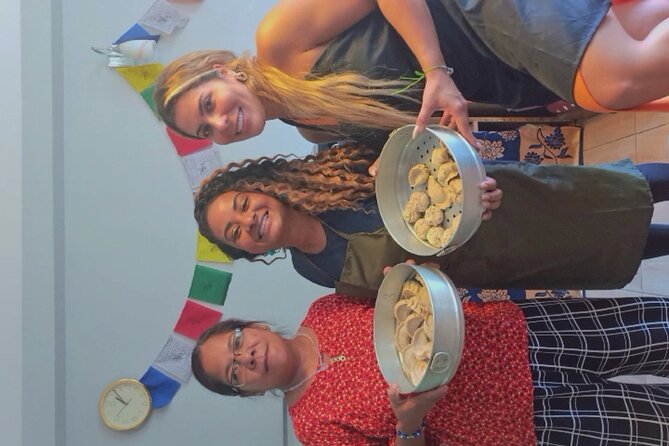
At noon, the group prepares pakoda, a popular fried snack. This part of the class breaks up the longer momo preparation and gives you a second dish with a different style of cooking.
Pakoda is also a useful choice for home cooks. Momos require folding and shaping, while pakoda offers a simpler snack format that may be easier to repeat in your own kitchen. If you enjoy taking food ideas home from a trip, pay attention to the basic method and the texture the teacher is aiming for.
The class is not only about collecting recipes. It gives you a better sense of how Nepali food fits into everyday meals, from a hot drink to a snack and then a main dish. You also get to see how much work goes into a meal that can look simple once it reaches the table.
The momo session is the main event
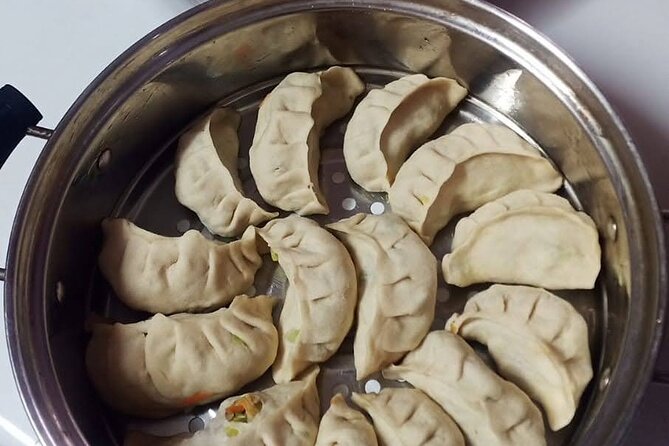
At about 12:30 PM, the class turns to momos. The menu includes buff momos and vegetable momos, and the experience also includes potato momos according to the cooking activities described by participants. This gives you more than one filling and lets you compare meat and vegetarian versions.
Buff means water buffalo, a common meat in Nepal. If you do not eat meat, the vegetable and potato options make the class more flexible, but you should still confirm any dietary needs when booking because the available information does not spell out every accommodation.
Momo making is the part most likely to test your patience. The dough must be prepared, the filling portioned, and each dumpling folded. The finished momo may look neat and effortless, but the shaping takes practice. That is where a patient teacher is valuable.
You should expect a relaxed learning curve rather than perfect dumplings on your first try. The point is to learn the basic process and enjoy the work. A good class lets you see how the dough is handled, how much filling is used, and how the edges are closed without making you feel rushed.
The guides have been described as kind and patient, and Syanbi’s role as the Momo Queen suggests that she is central to the practical instruction. Aastha is also connected with the class. If you want to improve your folding technique, ask for a demonstration and then repeat it yourself.
A completely different kind of day, same corner of Nepal:
- Private Kathmandu Sightseeing Tour | UNESCO World Heritage sites
★ 5.0 · 756 reviews - Nagarkot Sunrise View and Day Hiking from Kathmandu
★ 5.0 · 471 reviews - Kathmandu: Full Day 7 UNESCO Tour with Lunch – Private/Group
★ 5.0 · 415 reviews - Private Bhaktapur and Nagarkot Day Tour From Kathmandu
★ 5.0 · 305 reviews
Lunch turns the lesson into a shared meal
Lunch is scheduled for 1:30 PM. You eat the food prepared during the session, including the momos and pakoda, along with the masala chai prepared earlier.
This is more satisfying than being handed a plate at the end of a demonstration. You have seen the ingredients, handled the dough, made the shapes, and waited for the food to cook. The meal becomes a clear finish to the lesson.
The lunch can also be a social part of the day. The activity has been described as a chance to eat with volunteers and project members, and the atmosphere is intended to be welcoming. If you are traveling alone, this gives you an easy way to meet people without having to force conversation from the start.
One practical point: the posted schedule uses both 11:00 PM and 12:00 PM in places where the surrounding times clearly describe a daytime class. The opening hours are listed as 10:00 AM to 6:00 PM, Monday through Wednesday. Confirm the exact meeting time before setting out, especially if your booking confirmation uses a different format.
Day two: a hands-on jewelry workshop
The second session returns to the Human Welfare Committee for a jewelry workshop lasting about three hours. The available details do not specify the exact jewelry pieces, materials, or techniques, so you should not book this expecting a particular necklace, bracelet, or metalworking method unless the provider confirms it first.
What is clear is the purpose of the session: you make your own jewelry with guidance, and beginners can take part. That makes the day a useful companion to the cooking class. The first session is about food and shared lunch; the second is about individual creativity and a finished object.
This workshop may suit you especially well if you want a break from temples, markets, and long walks. It also gives children and adults a different way to participate, though the available information only states that most people can take part and does not give a specific minimum age.
The friendly tone matters here. Jewelry making can feel awkward if you are not naturally social or artistic. The teaching approach is described as easy to join, with people working together and getting to know each other. You do not need to arrive as an artist. You need only be willing to try.
What the $50 price really covers
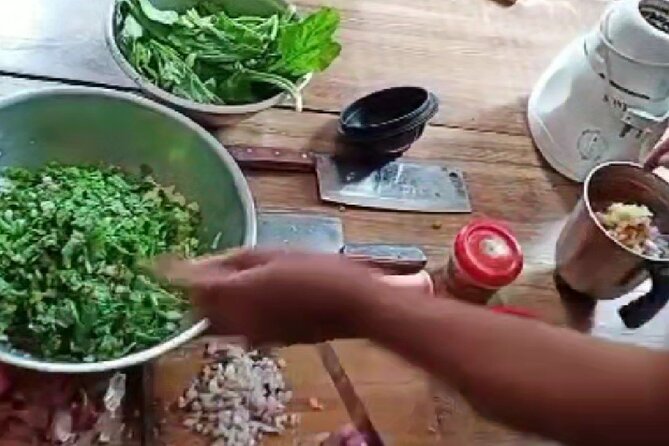
The price is $50 per person for an experience lasting approximately two days. Each day includes about three hours, so you are paying for roughly six hours of organized activity, instruction, food preparation, lunch on the cooking day, and the jewelry workshop.
That is fair value if you want a substantial cultural activity and care about the project’s social purpose. The price is less compelling if you are interested only in learning one momo recipe, since the cooking portion occupies one day and the jewelry session is separate.
The two-day structure can make the experience feel less rushed. You do not have to squeeze cooking and jewelry into one long afternoon. The tradeoff is that you must keep space in your Kathmandu schedule on two separate days.
The activity is private for your group, according to the booking information. At the same time, the cooking sessions can include interaction with volunteers, project members, and other people taking part. Ask for clarification if you need a completely private lesson with no shared meal or group contact.
Meeting point and planning advice
The activity starts and ends at We handicraft, Paknajol, Kathmandu 44600, Nepal. It is near public transportation, which makes it easier to reach without arranging a private vehicle.
Use the mobile ticket and booking confirmation when you arrive. Confirmation is provided at the time of booking. The published operating period runs from January 15, 2023, through December 8, 2026, with hours listed as 10:00 AM to 6:00 PM from Monday through Wednesday.
Since the cooking schedule begins around 11:00 AM and the jewelry session lasts three hours, leave enough time to reach Paknajol without arriving late. The cooking class is hands-on, so a late arrival could mean missing the introduction or the first preparation.
Wear something comfortable for a kitchen activity. The supplied information does not state a dress code, equipment list, or specific dietary process, so ask ahead if you have allergies, strict dietary needs, or concerns about the buff filling.
Cancellation is free up to 24 hours before the local start time. A cancellation made less than 24 hours before the experience is not refundable, and late changes are not accepted.
Who will enjoy it most
I would recommend this to you if you like learning by doing. It is a good fit for solo visitors, couples, families, and small groups who want more than sightseeing photos. The gentle social setting is also useful if you are shy but want an easy way to meet people.
Food lovers will get the most from the first day, especially if momos are already a favorite. Home cooks will appreciate having several dishes to take away: masala chai, pakoda, buff momos, vegetable momos, and possibly potato momos.
The jewelry workshop makes the experience more appealing if someone in your group is not especially interested in cooking. It gives the trip a second focus and lets you make something personal.
I would be more cautious if you have only one free afternoon in Kathmandu, need a fully specified craft class, or expect a detailed professional culinary course. The available description gives the broad plan, but not the precise jewelry materials, class size, or full dietary arrangements.
Should you book the Women Empowerment Project experience?
Book it if you want a warm, useful Kathmandu activity that combines food, craft, and social purpose. The cooking class has a clear menu, respected local teachers such as Syanbi, Aastha, Buddha, and Tara, and a proper lunch made by the group. The jewelry session gives you a second day of hands-on work.
The biggest question is time. At $50, the experience offers good value across two three-hour sessions, but only if you can spare two days and want both parts. Confirm the start time and jewelry details before paying, then bring an appetite, patience for momo folding, and room in your schedule for conversation.
FAQ
Where does the experience start and finish?
It starts and ends at We handicraft, Paknajol, Kathmandu 44600, Nepal.
How long does the experience last?
The experience takes place over approximately two days. Each session lasts about three hours.
What food will I learn to prepare?
The cooking session includes masala chai, pakoda, buff momos, and vegetable momos. Potato momos are also included in the cooking activities described for the experience.
Is lunch included?
Yes. Lunch is scheduled after the cooking class, at about 1:30 PM, and includes food prepared during the session.
Who teaches the cooking class?
The people connected with the sessions include Buddha, Tara, Aastha, and Syanbi. Syanbi is known as the Momo Queen.
What happens during the second day?
The second day is a jewelry workshop at the Human Welfare Committee. You make your own jewelry with guidance, and beginners can participate.
How much does the experience cost?
The price is $50 per person.
Is the experience private?
The activity is described as a private tour or activity for your group. The cooking sessions can also involve volunteers, project members, and other participants.
Can I cancel for a full refund?
Yes. You can cancel at least 24 hours before the local start time for a full refund. Cancellations or changes made less than 24 hours before the start are not accepted for a refund.
More Workshops in Kathmandu
- Knife (Khukuri) Making Workshop- Forge of the Gurkhas
★ 5.0 · 143 reviews - The best Private Nepali Cooking Class in Kathmandu
★ 5.0 · 83 reviews - Kathmandu: Traditional Momo Making Class & Pickup
★ 4.8 · 60 reviews - Traditional Nepali Momo Making Classes
★ 5.0 · 53 reviews
Just added around Kathmandu
- Traditional Momo Making Class★ 5.0 · 10 reviews
- Manthali Airport (Ramechhap) To Kathmandu – Transport Service★ 4.5 · 11 reviews
- Amazing 1 Day Trekking Experience in Kathmandu Nepal★ 5.0 · 24 reviews
- Walking tour of Kathmandu with awesome local guides★ 5.0 · 4 reviews
- Walking tour of real Kathmandu through back streets.★ 5.0 · 3 reviews
- Private Manaslu Circuit Trek at Himalayas★ 5.0 · 3 reviews
- Walking Street Food Tour in Kathmandu★ 5.0 · 111 reviews
- Kathmandu Street Food Walking Tour – Eat Like a Local★ 5.0 · 3 reviews
Cooking Classes, compared.
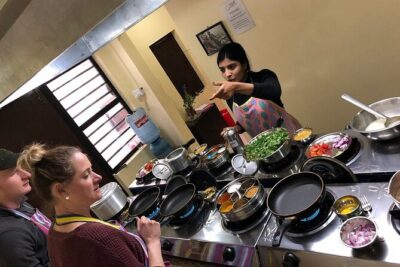
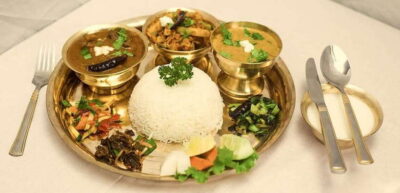
Nepalese Momos or Dal Bhat Cooking Class (Cook with Delight)
Read our review →
The best Private Nepali Cooking Class in Kathmandu
Read our review →
Nepalese Kitchen in Pokhara: Momos or Dal Bhat Cooking Class
Read our review →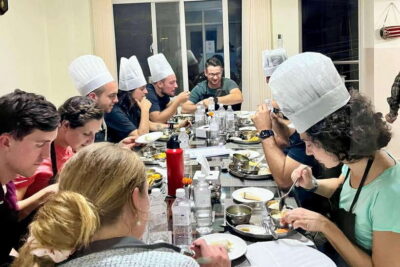
Browse the lists this tour appears in