
Reviewed · TEMPLE & MONASTERY TOURS
PashupatiNath and BoudhaNath – Private/Small Group
Pashupatinath and Boudhanath show two of Kathmandu’s major faiths in very different ways. At Pashupatinath, you learn about Hindu worship, cremation, and the 16 rites of passage. At Boudhanath, you turn to Tibetan Buddhism, prayer flags, the Four Noble Truths, and the design of the stupa.
I like the small five-person limit, which gives you room to ask questions instead of listening to a speech from the back of a crowd. I also like the route’s unusual range: it moves from a cremation ground and deer park to a monastery and a Thangka painting school.
The main consideration is cost. The tour itself is $15 per person, but entrance fees add about $13 in cash, making the basic total roughly $28. The cremation grounds can also feel intense, so this is not a light sightseeing walk.
Key points to know before booking
- Two religions in three hours: You compare Hindu and Buddhist beliefs in one compact Kathmandu experience.
- Maximum five people: The small group makes it easier to ask Santosh or another English-speaking guide specific questions.
- Sensitive cremation visit: Aryaghat is an active Hindu cremation area, not a staged museum display.
- Extra cash required: Pashupatinath costs about NRP 1,000 and Boudhanath about NRP 400, with both fees paid at the entrance.
- Ends at Boudhanath Gate: You can continue exploring the stupa area after the guide finishes.
- Good scheduling option: The guide has adjusted timing for the evening aarati ceremony when requested.
Why this short Kathmandu tour works
Kathmandu can make sacred places hard to read. A temple may look like a collection of carved wood, incense, bells, and crowds until someone explains who worships there, what the symbols mean, and which areas are open to you.
That is the useful role of this tour. You are not simply driven between two famous sites. You hear how Hindu and Buddhist practice fit into daily life in Nepal, then see how the two traditions meet in the same city.
The route lasts about three hours and is limited to five people. That is a good format for a subject that invites questions. If you want to ask about reincarnation, funeral customs, prayer flags, food, or the difference between a temple and a monastery, you should have a better chance of getting a clear answer than on a large coach tour.
Santosh receives especially strong praise for his explanations of religion, culture, food, and archaeology. He is also described as flexible when visitors have health concerns or want to adjust the schedule. Shreya is another guide associated with highly rated Kathmandu tours from the same provider, though guide assignment can vary.
More Temple & Monastery Tours in Kathmandu:
- Kathmandu Spiritual Sites: Bodhnath & Pashupatinath Tour
★ 5.0 · 185 reviews - Kathmandu: Nagarkot Sunrise and Hike Tour to Changu Narayan
★ 4.7 · 151 reviews - Kathmandu: Chandragiri Cable Car and Monkey Temple Tour
★ 4.8 · 139 reviews
Starting at Pashupatinath Temple
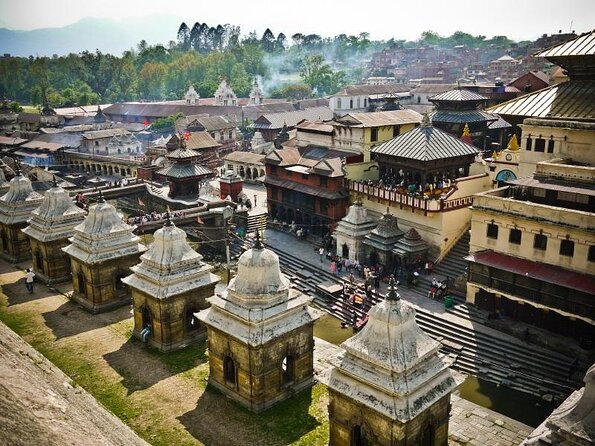
The tour begins at the Gaushala Bus Stop on Ring Road, close to Pashupatinath. The first stop is Pashupatinath Temple, the oldest Hindu temple in Kathmandu Valley and one of the most important Hindu pilgrimage sites in the region.
There is an important access rule here: only Hindus may enter the main temple. You do not miss the central lesson, though. Your guide takes you through the surrounding area and toward Aryaghat, explaining the temple’s role and the religious setting around it.
This is where a guide earns the fee. Without context, you may see a sacred complex with shrines, river steps, and worshippers. With an explanation, you can better understand why the Bagmati River, temple grounds, rituals, and funeral activity are linked.
You should dress and behave with care. This is an active place of worship, not a backdrop for casual sightseeing. The tour description does not specify a detailed dress code, so follow the guide’s instructions and watch for signs about photography and access.
Aryaghat and the Hindu rites of passage
The stop at Aryaghat, the cremation area, lasts about 30 minutes. It is one of the most serious parts of the tour and may be the moment you remember longest.
The guide explains Hindu last rites and the Shodasha Samskaras, or 16 rites of passage. These rites mark stages in a Hindu life, from early life through death. The point is not simply to observe a cremation. It is to understand how death fits into a wider religious framework.
You should prepare yourself for an active cremation ground. Families may be dealing with grief, and funeral rites are taking place for real. Keep a respectful distance, avoid treating the scene as entertainment, and let the guide tell you when photography is inappropriate.
I consider this stop valuable for visitors who want a more honest picture of religious life in Nepal. I would not recommend it to anyone looking only for pretty temples and easy sightseeing. It asks for quiet attention.
The Pashupatinath entrance fee is about NRP 1,000, or roughly $9, and is not included in the tour price. You should carry cash for it.
Mrigasthali Deer Park and Gorakhnath Mandir
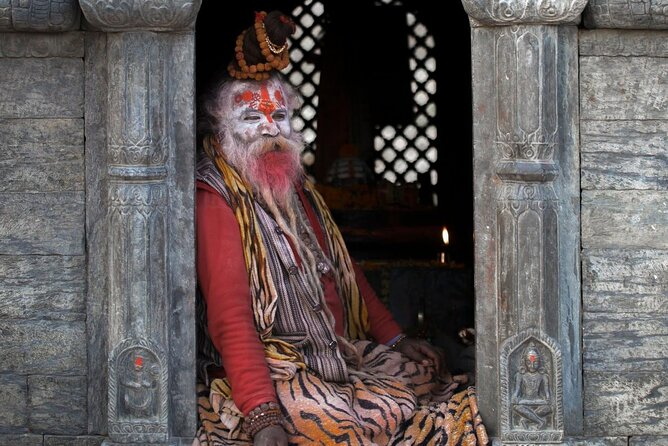
After the cremation area, the pace changes at Mrigasthali Deer Park. You spend about 15 minutes here, hearing the story of Lord Shiva’s journey to the area and learning how the place received its name.
This is a short stop, so do not expect a long nature walk. Its value comes from the story and the change of setting. After the emotional weight of Aryaghat, the park offers a little breathing room before the next religious sites.
The route continues to Gorakhnath Mandir Temple for about 30 minutes. You take a rest here while the guide explains Guru Gorakhnath and the temple’s place in the route toward Boudhanath.
This section works best if you enjoy connecting legends, places, and religious practice. It is less useful if you want to spend a long time at each temple. The tour covers several sites in a short window, so each stop is focused rather than leisurely.
More days out in Kathmandu:
- Private Kathmandu Sightseeing Tour | UNESCO World Heritage sites
★ 5.0 · 756 reviews - Half day cooking class in Thamel kathmandu
★ 5.0 · 607 reviews - Nagarkot Sunrise View and Day Hiking from Kathmandu
★ 5.0 · 471 reviews - Kathmandu: Full Day 7 UNESCO Tour with Lunch – Private/Group
★ 5.0 · 415 reviews
Guhyeshwari Shaktipeeth and the walk toward Boudhanath
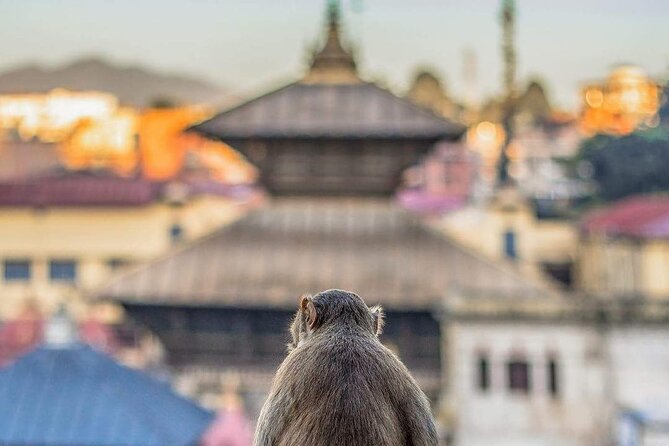
At Guhyeshwari Shaktipeeth Temple, the guide explains the story of Satidevi and the idea of a Shaktipeeth. The stop is listed as free and takes about 20 minutes.
This is one of the tour’s more distinctive details. Many quick Kathmandu tours limit themselves to the most famous names. Here, you get a religious story tied to the site and then continue toward Boudhanath, which takes about 20 minutes.
The journey between the two main areas helps you see that Pashupatinath and Boudhanath are not isolated postcard stops. They are part of the same urban and religious fabric. The tour’s central idea is religious variety, but also the way traditions exist side by side in Nepal.
The route includes walking and several temple areas. The provider says most people can participate and notes that the tour is near public transportation. A visitor who has trouble walking should raise that before booking, since no detailed accessibility plan is provided.
Boudhanath Stupa and Tibetan Buddhism
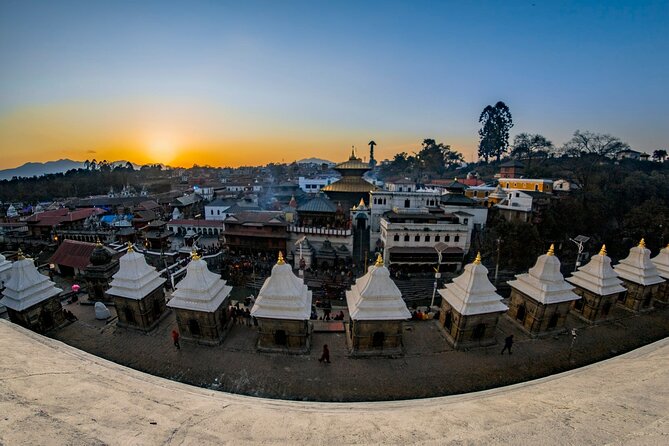
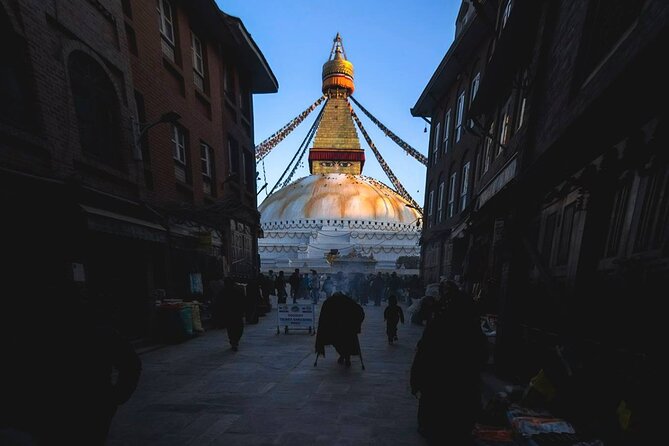
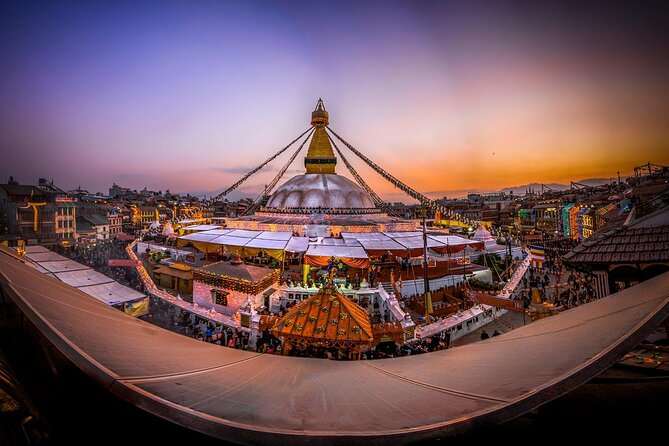
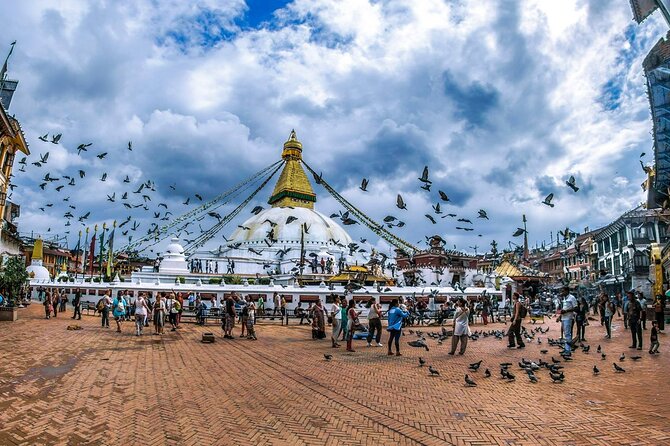
Boudhanath is the tour’s longest formal stop, at about 45 minutes. The stupa is described as the second largest of its kind in the world and is closely linked with Tibetan Buddhism, also called Vajrayana Buddhism.
Here the guide turns to basic Buddhist ideas and symbols. You learn about the Four Noble Truths, the Eightfold Path, prayer flags, and the five elements. The goal is not to turn you into a Buddhist scholar in one afternoon. It is to give you enough structure to understand what you are seeing around the stupa.
Prayer flags are especially easy to notice, but their meaning is easier to miss. The guide connects visible objects with Buddhist beliefs, so the site becomes more than a place to walk around and take photos.
The Boudhanath entrance fee is about NRP 400, or roughly $4, and is paid in cash. Like the Pashupatinath fee, it is not included in the $15 tour price.
You finish the guided portion near the Boudhanath Gate. That is useful because you are not rushed onto a bus at the end. You can stay in the Boudhanath area or make your own way back to your accommodation.
Guru Lhakhang Monastery and the final art lesson
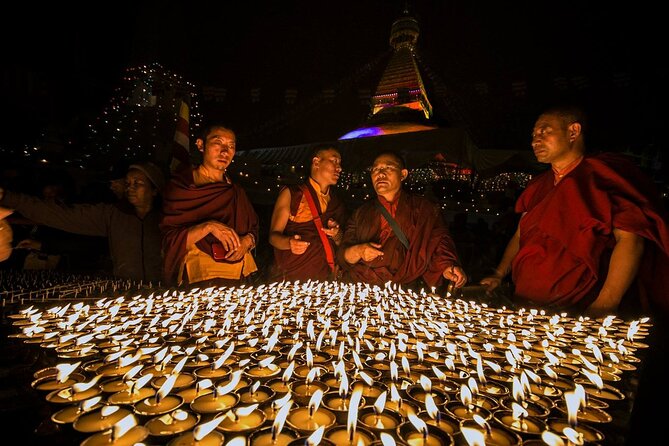
The visit to Guru Lhakhang Monastery lasts about 10 minutes. You see what a typical Buddhist monastery looks like and hear about Guru Padmasambhava and Dharma Chakra Pariwartana.
It is a short visit, but it adds an important layer. The stupa introduces public religious symbols and core teachings. The monastery gives you a look at a more specific Buddhist setting.
The final stop is the Boudha Stupa Thangka Center, where you spend about 15 minutes. Here you learn about Thangka painting, the mandala, and the basic use of healing bowls.
This is a smart ending because it shifts from large religious sites to a hands-on art tradition. Thangka paintings are detailed and tied to Buddhist ideas, so the lesson helps you understand why these images are made in such a precise way. The center is included in the tour, and the experience ends afterward at Boudhanath.
You should keep your expectations measured. The stop is brief, so it is an introduction to Thangka art and mandalas, not a full workshop. It may also include an opportunity to look at or buy artwork, but the supplied details do not promise a purchase session or state that anything is included.
What the $15 price really covers
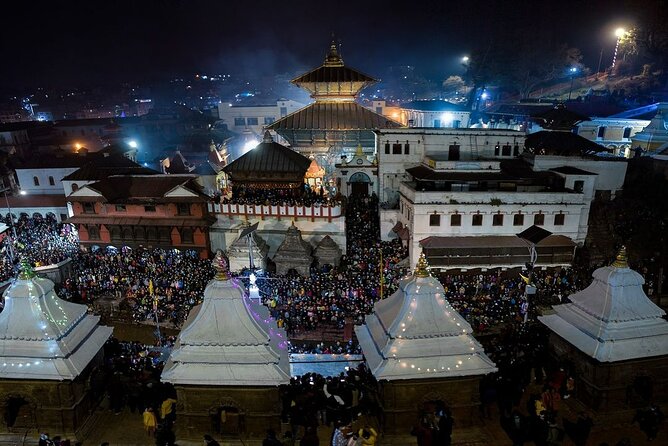
At $15 per person, this is inexpensive for a private or small-group cultural tour. The English-speaking guide is included, and the group can have no more than five people.
The extra fees change the calculation. Add about $9 for Pashupatinath and $4 for Boudhanath, both payable in cash, and the basic cost reaches about $28 per person. That is still a fair price if you want explanations at both religious sites, but it is not a $15 all-in experience.
The value depends on your travel style. If you are comfortable reading about Hinduism and Buddhism on your own, you could visit the areas independently for less. If you want someone to explain funeral rites, temple stories, Buddhist teachings, and Thangka symbolism in one route, the guide makes the added cost easier to justify.
The small group is the strongest part of the deal. With five people at most, you are more likely to speak directly with the guide and ask follow-up questions. Group discounts are also available, though the exact discount is not specified.
The tour is often booked about 18 days ahead, so I would not leave it until the last minute if your Kathmandu schedule is fixed.
Timing, meeting point, and practical details
You meet at Gaushala Bus Stop, P84V+VR2, Ring Road, Kathmandu 44600. The tour ends at Buddha Stupa, at the Boudhanath Gate.
The stated duration is about three hours. The stop times add up to roughly that length, though the route can be affected by walking pace, temple activity, and any schedule change. One useful example is the possibility of adjusting the timing to see the aarati ceremony. Ask about this when booking if that ceremony matters to you.
The tour includes an English-speaking guide. Mobile tickets are available, and confirmation is sent when you book. Service animals are allowed, and the meeting area is near public transportation.
Free cancellation is available up to 24 hours before the start time. Cancel at least 24 hours ahead for a full refund. Inside that window, refunds and changes are not accepted.
Who will get the most from this experience
I would choose this tour if you want a clear introduction to Nepal’s two major religious traditions and have only a short amount of time in Kathmandu.
It suits you especially well if you:
- Want explanations rather than silent sightseeing
- Are curious about Hindu funeral customs
- Prefer a group of five or fewer
- Want to compare Hindu and Buddhist practice in one morning or afternoon
- Enjoy stories tied to temples and sacred places
- Would like to continue exploring Boudhanath after the guided visit
I would think twice if you dislike discussions of death, need a slow pace, or want extended time at each temple. The route includes eight stops in about three hours, so it is an efficient introduction rather than a relaxed day of exploration.
Should you book Pashupatinath and Boudhanath?
I would book it if your main goal is understanding what you see. The route covers the Pashupatinath temple area, Aryaghat, Hindu rites, Shiva and Satidevi stories, Boudhanath, Buddhist teachings, a monastery, and Thangka art. That is a lot of ground for three hours.
The strongest reason to book is the guide-led interpretation, especially if Santosh is available. His background in culture, history, and archaeology, along with his flexibility about questions and timing, fits this subject well.
Just budget for the separate $13 in entrance fees and be ready for the serious nature of Aryaghat. If you accept those two points, this is a well-priced way to make sense of Kathmandu’s sacred places rather than simply pass through them.
FAQ
How long does the Pashupatinath and Boudhanath tour last?
The tour lasts approximately three hours.
What is the maximum group size?
The group is limited to a maximum of five people.
What is included in the tour price?
An English-speaking guide is included.
How much are the entrance fees?
Pashupatinath costs about NRP 1,000, or roughly $9, and Boudhanath costs about NRP 400, or roughly $4. Both fees are paid in cash at the entrance.
Where does the tour start?
The meeting point is Gaushala Bus Stop, P84V+VR2, Ring Road, Kathmandu 44600, Nepal.
Where does the tour finish?
The tour ends at the Boudhanath Gate. You are free to continue exploring Boudhanath or return to your accommodation.
Can non-Hindus enter the main Pashupatinath Temple?
No. Only Hindus are allowed inside the main temple. The tour continues through the surrounding area and toward Aryaghat.
Is the tour available with mobile tickets?
Yes. Mobile tickets are available, and confirmation is provided when you book.
What is the cancellation policy?
You can cancel up to 24 hours before the experience for a full refund. Cancellations or changes made less than 24 hours before the start time are not accepted for a refund.
Just added around Kathmandu
- Women Empowerment Project(Nepali cooking class & jewelry workshop★ 5.0 · 15 reviews
- Manthali Airport (Ramechhap) To Kathmandu – Transport Service★ 4.5 · 11 reviews
- Amazing 1 Day Trekking Experience in Kathmandu Nepal★ 5.0 · 24 reviews
- Walking tour of Kathmandu with awesome local guides★ 5.0 · 4 reviews
- Walking tour of real Kathmandu through back streets.★ 5.0 · 3 reviews
- Kathmandu Street Food Walking Tour – Eat Like a Local★ 5.0 · 3 reviews
- Private Manaslu Circuit Trek at Himalayas★ 5.0 · 3 reviews
- Walking Street Food Tour in Kathmandu★ 5.0 · 111 reviews
Temple & Monastery Tours, compared.
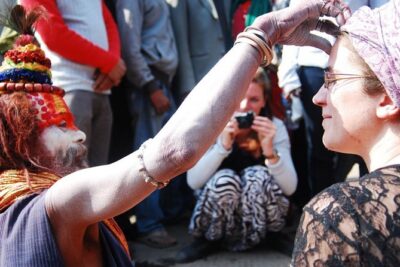
Kathmandu Spiritual Sites: Bodhnath & Pashupatinath Tour
Read our review →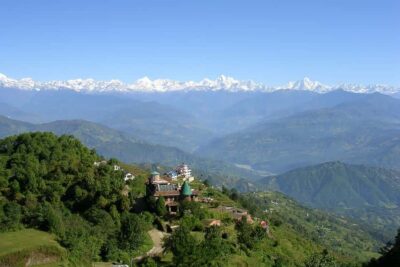
Nagarkot Sunrise and Hike Tour to Changu Narayan
Read our review →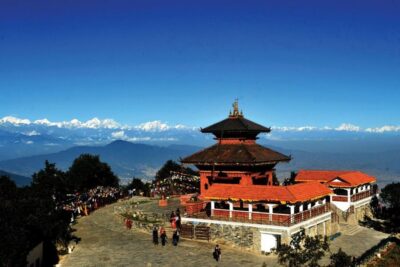
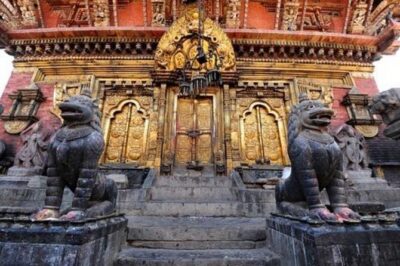
Nagarkot Sunrise & Hike to Changu Narayan Day Tour from Kathmandu
Read our review →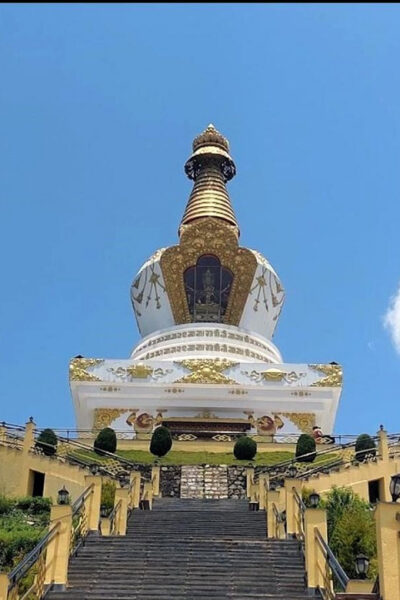
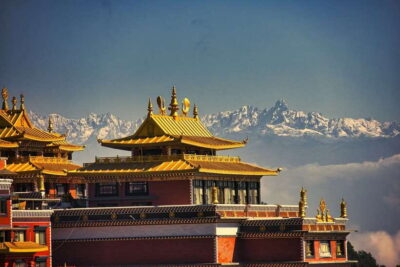
Monkey Temple – Swayambhunath Tour – Private/Small Group
Read our review →Browse the lists this tour appears in