

Reviewed · MARDI HIMAL TREKS
4 Days Mardi Himal Base Camp Trek from Pokhara
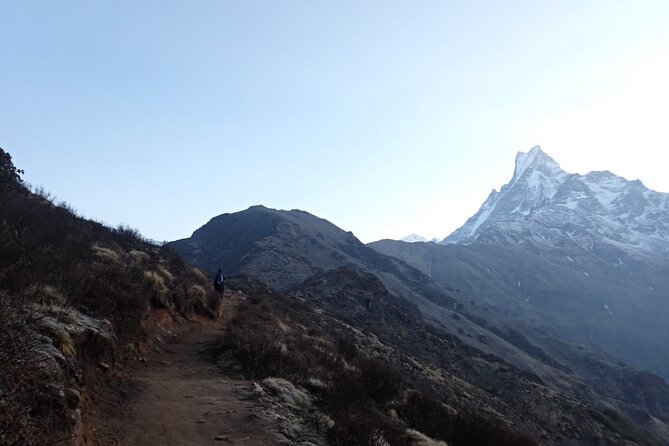
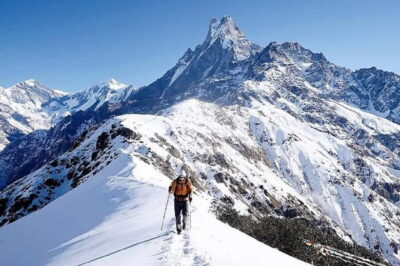
Mardi Himal gives you a big Himalayan payoff in only four days. You leave Pokhara by road, climb through forest and mountain villages, then reach high ridges with close views of Machapuchare, or Fishtail Mountain, and the Annapurna range. The route feels quieter and more personal than Nepal’s best-known trekking paths.
I like two things here: the sharp change from subtropical forest to alpine ground, and the chance to meet Gurung and Magar villagers along the way. The $290 price also covers a guide, permits, guesthouse accommodation, transport, and pickup. The tradeoff is a brisk schedule, with no extra acclimatization day and a high point around 4,500 meters.
Key points before you book
- Four days from Pokhara: The trip fits a short Nepal visit and returns you to Lakeside on day four.
- High viewpoint at about 4,500 meters: The best mountain views come early on day three, after a pre-dawn climb from High Camp.
- Private trek with shared road transfers: Your walking group is private, but the jeep transfer is shared.
- Forest, ridge, and village scenery: The route moves from subtropical woodland to rhododendron country, alpine meadows, and bare high ground.
- Useful inclusions: Pickup and drop-off, trekking permit, TIMS, guide, guesthouse accommodation, and round-trip jeep transport are included.
- A guide-led family option: Guides including Prakash, Surya, Bikram, Biru, and Krishna have received praise for patience, coordination, and care with children.
Why the Mardi Himal route works in four days
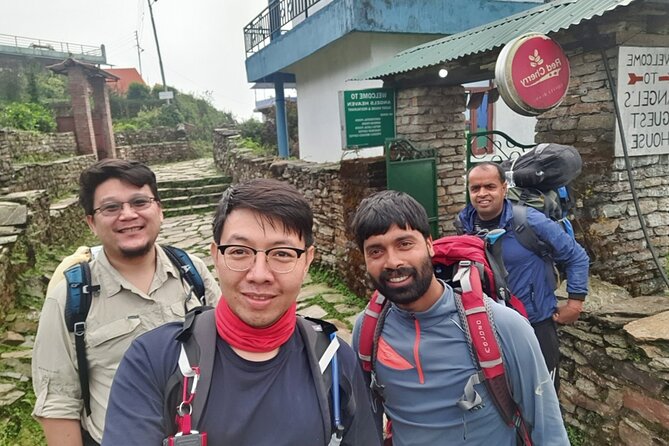
Mardi Himal is a good choice if you want real mountain walking without committing to a week or more on the trail. You begin near Pokhara, Nepal’s main base for Annapurna trips, and quickly leave the city behind. In four days, you pass farms, forest, ridges, and high mountain viewpoints before returning by jeep.
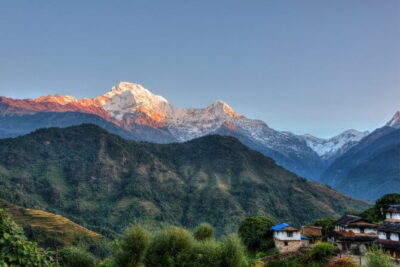
The route is not just a march toward a photo stop. The appeal comes from the changing ground beneath your feet. Lower sections have thick woodland and village paths. Higher sections open onto exposed ridges, alpine meadows, and views toward Machapuchare and the Annapurna Massif.
I also like the cultural side. Gurung and Magar communities live along the route, and the overnight stops provide a chance to see rural Nepal at a slower pace. This is not a staged cultural performance. It is simply a walk through working villages, where local life forms part of the journey.
The $290 price is strong value if you want a guided private trek without arranging each piece yourself. It includes a trekking permit and TIMS, an English-speaking guide, guesthouse accommodation, and transport in both directions. Pickup and drop-off are also included, which is handy if you are carrying a pack and do not want to negotiate transport after a long trek.
There is one detail to understand clearly: the trek is private, but the road transfer is by shared jeep. That is a sensible way to keep the cost down, though it means the transport portion may not feel as private as the walking days.
More Mardi Himal treks:
- Pokhara: 4-Day Mardi Himal Trek
★ 4.9 · 59 reviews - Private Mardi Himal Trek
★ 5.0 · 42 reviews - Mardi Himal Trek
★ 5.0 · 41 reviews
Day one: Pokhara to Kande and Forest Camp
The first morning starts around 8:00 am with pickup in Pokhara. A drive of about 1.5 hours takes you toward Kande through fields and wooded country. This road section matters because it removes a long approach walk and lets you spend your limited time on the mountain route itself.
From Kande, you begin walking toward Forest Camp, at about 2,500 meters. The day takes roughly seven hours in total, including the transfer and trek. Expect a gradual change in scenery as cultivated areas give way to denser forest.
This is one of the most pleasant parts of the route for anyone who likes variety rather than nonstop high-altitude views. The trees provide shade, and the trail introduces the plants and birdlife of the lower hills before the route becomes more exposed. In spring, you might find rhododendron flowers along the way, a detail that adds color to an already scenic walk.
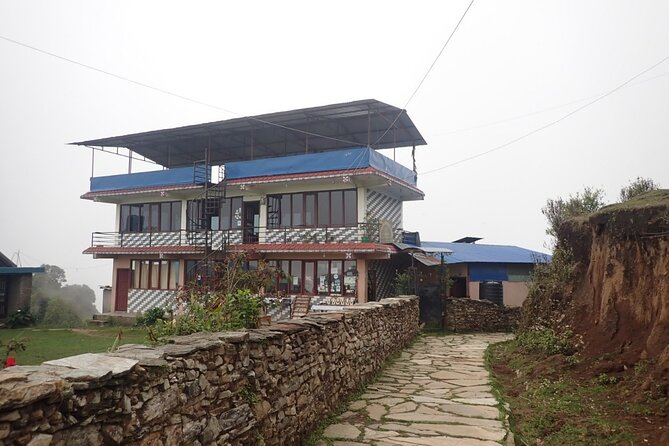
Forest Camp is more than a place to sleep. It marks the point where the route begins to feel properly remote, with the city well behind you and the next day heading into thinner air. Accommodation is in a guesthouse, though meals and specific room arrangements are not listed, so ask the operator what is included before departure.
The first day is also where you learn if the pace suits you. Seven hours can feel long if you rarely hike, even though the elevation gain is spread across the day. The tour asks for moderate physical fitness, and that is a fair description. You do not need technical climbing skills, but you should be ready for several hours of uphill walking.
Day two: Forest Camp to Mardi Himal High Camp
Day two takes you from Forest Camp to High Camp, around 4,000 meters. The walk is described as about five hours, with the full stop lasting roughly six hours. The trail continues through forest before opening into higher ground.
This is the day when the mountain setting becomes more dramatic. The lower trees thin out, and the route begins to show the open ridges and alpine meadows that make Mardi Himal different from a forest-only trek. You may also see more of the surrounding peaks as the trees stop blocking the horizon.
High Camp is the main staging point for the next morning. At 4,000 meters, it is high enough for the air to feel noticeably thinner, and the short schedule gives you little time to adjust. Take the evening slowly, drink water, eat what is available, and avoid treating the overnight stop as a chance to push yourself further.
The lack of an acclimatization day is the main concern with this tour. Some people handle the rapid ascent well, while others need a slower schedule. If you have a history of altitude problems or are unsure about your fitness, ask a medical professional before booking and discuss the pace with the operator.
This is also the night when comfort may be basic. Guesthouse accommodation is included, but the supplied details do not promise private bathrooms, heating, meals, or charging facilities. Pack with simple mountain lodging in mind rather than expecting hotel service.
Day three: the pre-dawn climb toward 4,500 meters
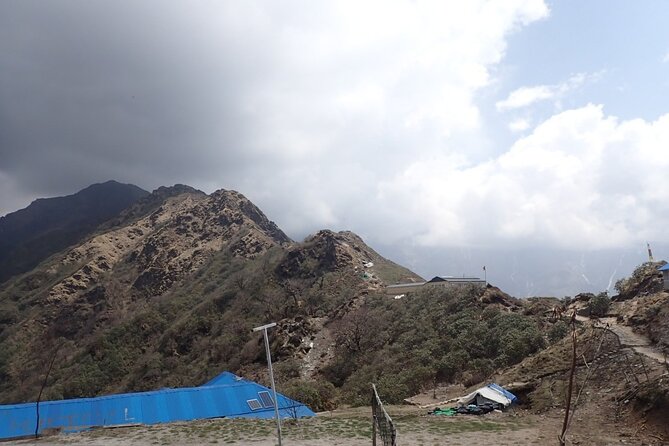
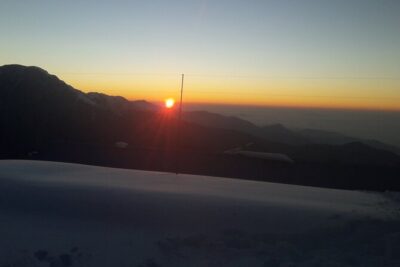
The day begins around 4:00 am. From High Camp, you walk for about two hours toward a viewpoint at roughly 4,500 meters. The early start is practical rather than decorative: it gives you a chance at clear mountain views before cloud builds later in the day.
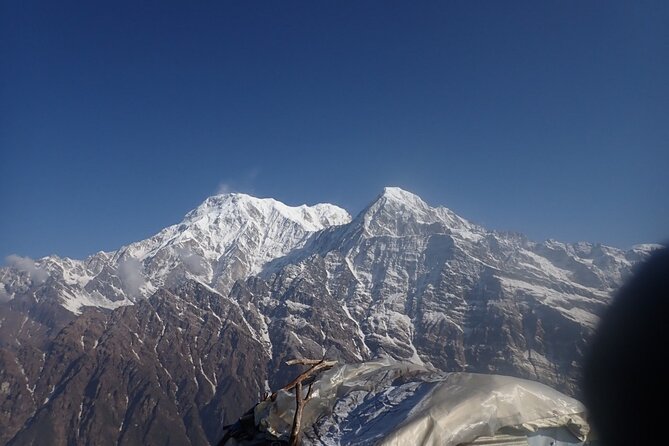
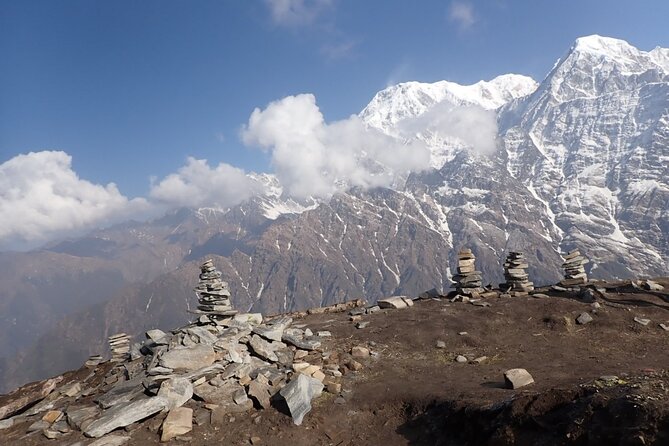
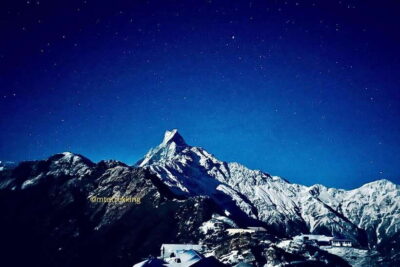
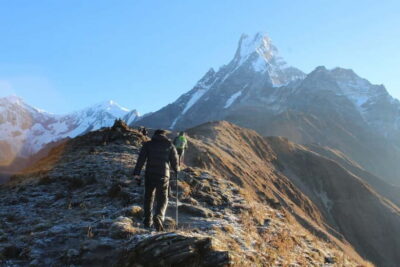
The reward is the view toward Machapuchare and the full Annapurna range. Fishtail Mountain is especially striking from this side, with its twin summit shape easy to recognize. The high ridge also gives you a broad sense of the surrounding country, from the lower hills to the great snow-covered peaks.
The day’s description uses both Mardi Himal Base Camp and a viewpoint at 4,500 meters. For booking purposes, treat this as a high viewpoint and base camp excursion rather than a technical climb to a mountaineering base. The key experience is standing high on the ridge with the Annapurna panorama in front of you.
The high point is physically demanding. A two-hour climb at this altitude may take longer if you need frequent rests, and the cold before sunrise can be serious. Pack warm layers, gloves, a hat, and a headlamp, even though specific gear is not listed as an inclusion. The walk is not a good place to discover that your day pack is too thin or your shoes lack grip.
After time at the high viewpoint, you return to High Camp, collect your belongings, and continue down to Low Camp at about 3,000 meters. The full day is listed at around six hours, with the viewpoint portion taking about three hours. That makes day three the busiest walking day, but descending to Low Camp brings you back to a lower altitude.
I like this arrangement because you get the best high mountain views without sleeping another night at the maximum elevation. Still, you need to keep your energy in reserve. The early start, cold air, steep trail, and long descent can make this the hardest day of the trip.
A few more Annapurna Region days to weigh up
- Pokhara: 4-Day Ghorepani, Poonhill & Ghandruk Mountain Trek
★ 5.0 · 132 reviews - 4 Days Poon Hill Trek
★ 5.0 · 94 reviews - 4-day Poon Hill Trek
★ 5.0 · 74 reviews - 4-Day Private Poon Hill Trekking Tour
★ 5.0 · 58 reviews
Day four: Low Camp, Siding Village, and Pokhara
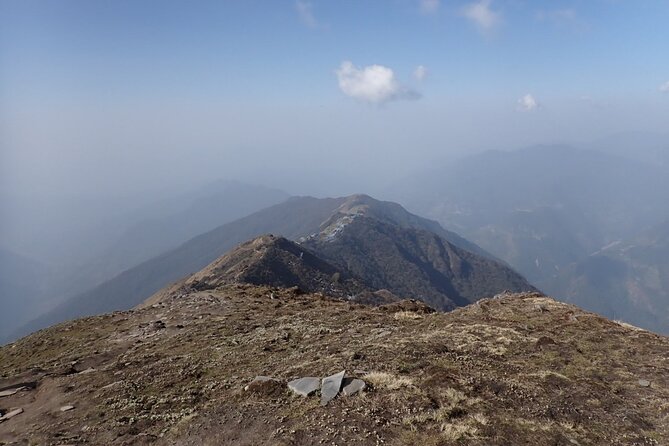
The final walking section runs from Low Camp down to Siding Village, at about 1,800 meters. The descent takes around four hours and gives you a last look at the changing terrain as high forest and ridge country give way to lower hills and settlement.
Siding is an important stop because it marks the end of the main trail portion. You have moved through quiet mountain country on foot, and now the road transfer begins. A jeep takes you from Siding back to Pokhara, with the transfer listed at about two hours.
The road ride is not just a technical detail. After four days of walking, it saves you from a long additional trek and returns you directly to Lakeside. Depending on road conditions and the shared nature of the jeep, the ride may be less comfortable than a private vehicle, but it is an efficient finish.
The tour ends in Pokhara with drop-off. That makes the trip easy to fit around other Nepal plans, such as time around Phewa Lake or a later flight. If you are leaving Pokhara immediately, leave some buffer in your schedule rather than booking a tight connection. The listed timings are approximate, and mountain roads do not always run like city transport.
Guides, group size, and the family question
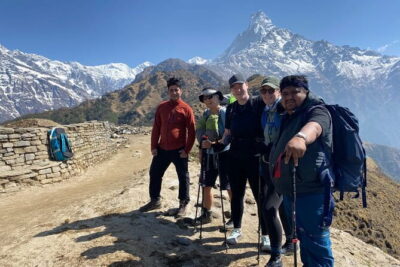
This is a private activity, so only your group takes part in the trek. That gives you more control than a large fixed group. You can discuss pace and rest stops with your guide, though the short schedule still puts limits on how slowly the route can be covered.
Several guides connected with this experience are named in the available feedback: Prakash, Surya, Bikram, Biru, and Krishna. Prakash is described as friendly and helpful, while Surya is praised for careful coordination with a family that included a young child. Bikram is singled out for making family trips memorable, and Biru and Krishna are also associated with patient, supportive guiding.
That makes the tour especially appealing to families and first-time trekkers who want help with the practical side of the route. Do not read that as a promise that the trek is easy for children. The high altitude and long walking days remain real challenges. Ask about the age and hiking experience of every child in your party before booking.
The guide is also valuable for more than navigation. A local guide can help you understand the villages, identify plants such as rhododendrons, and manage the day when weather or energy levels change. The included English-speaking guide is one of the clearest reasons the price makes sense.
What $290 really covers
At $290 per person, the cost includes:
- Hotel pickup and drop-off
- Trekking permit and TIMS
- An English-speaking trekking guide
- Guesthouse accommodation
- Round-trip transfer by shared jeep
- A private trekking group
That package removes several small expenses and planning tasks. You are not separately arranging permits, finding a guide in Pokhara, or organizing the ride from the trailhead back to the city.
Personal expenses are not included. Gratitude for the guide is optional, though many people choose to offer a tip if the service is good. The details do not list meals, drinks, insurance, clothing, trekking poles, or personal equipment as included, so budget for those separately and confirm meals before setting out.
The value is strongest for someone who wants a short, organized trek and does not need luxury accommodation. If you already have a guide, permits, and transport arranged, the price may be less attractive. If you are starting from scratch, the convenience is worthwhile.
Who should book this trek?
I would recommend it to you if you have moderate fitness, four free days, and a strong interest in mountain scenery. It suits people who want more than a day walk but do not have time for a long Annapurna route.
It is also a good fit for private groups, couples, and families who prefer to walk with their own guide. The reports of careful support for children are encouraging, but the high point at 4,500 meters means you should not treat this as a casual family outing.
You may want a different plan if you need a slow acclimatization schedule, private vehicle transfers, or guaranteed hotel-style comfort. The route is compact and rewarding, but it is not designed around leisurely rest days.
Cancellation is simple but strict: you need to cancel at least three full days before the local start time for a full refund. Changes or cancellations inside that window are not refunded.
FAQ
How long is the Mardi Himal trek from Pokhara?
The trek lasts approximately four days. Day one runs from Pokhara to Forest Camp, and the trip returns to Pokhara on day four after the walk from Low Camp to Siding Village and a jeep transfer.
What altitude does the trek reach?
The route stays overnight at Mardi Himal High Camp, around 4,000 meters. The early morning walk on day three reaches a viewpoint at about 4,500 meters.
Is this a private trek?
Yes. Only your group participates in the trekking activity. The road transfers use a shared jeep, so the vehicle portion is not fully private.
Is hotel pickup included?
Yes. Hotel pickup and drop-off are included, along with round-trip jeep transport connected with the trek.
Are permits and TIMS included?
Yes. The trekking permit and TIMS are included in the price.
What level of fitness do I need?
The activity requires a moderate level of physical fitness. You should be ready for several hours of walking, including a roughly seven-hour first day, an early high-altitude climb on day three, and a long descent to Siding Village.
Should you book the Mardi Himal trek?
Book it if you want big Annapurna views on a short schedule, prefer a private walking group, and are comfortable with basic guesthouse accommodation and a fast rise in altitude. The route gives you forest, village life, alpine ground, and Machapuchare views in a compact four-day package.
Before paying, confirm what meals and guesthouse facilities are available, ask which guide will lead your group, and be honest about your fitness. If you can handle the altitude and early start, this is a well-priced way to experience the Mardi Himal route without arranging every permit, transfer, and overnight stop yourself.
Just added around Annapurna Region
- 4 Day Mardi Himal Base Camp Trek from Pokhara★ 5.0 · 18 reviews
- 7-Day Trek to Annapurna Base Camp from Pokhara★ 5.0 · 12 reviews
- Private 4 Day Poon Hill Trek from Pokhara★ 5.0 · 16 reviews
- Annapurna Base Camp Trek from Pokhara and Kathmandu★ 5.0 · 7 reviews
- 6 days Annapurna Basecamp Trek★ 5.0 · 16 reviews
- “Exclusive Round-Trip Transfer: Pokhara to Jomsom & Muktinath”★ 5.0 · 11 reviews
- Poon Hill Ghandruk Circuit Trek from Pokhara 4 Days★ 5.0 · 10 reviews
- Pokhara: Poon Hill Ghorepani Short Trek★ 5.0 · 6 reviews
Mardi Himal Treks, compared.

Browse the lists this tour appears in