
Reviewed · MARDI HIMAL TREKS
Mardi Himal Trek Nepal
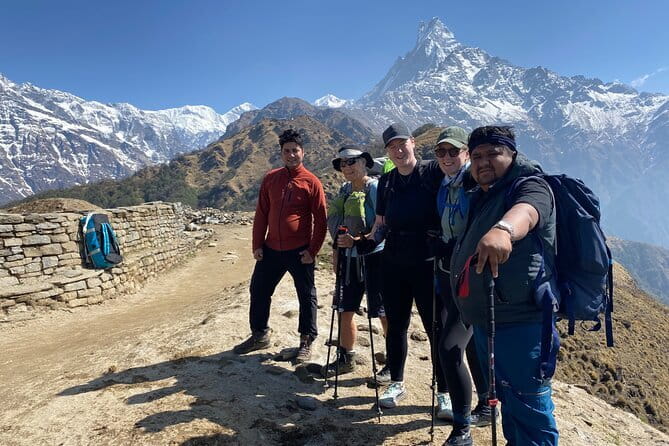
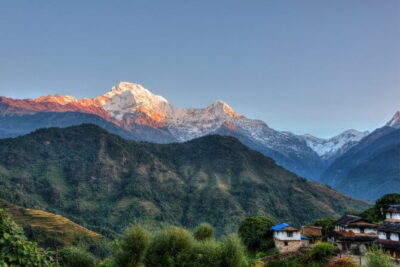
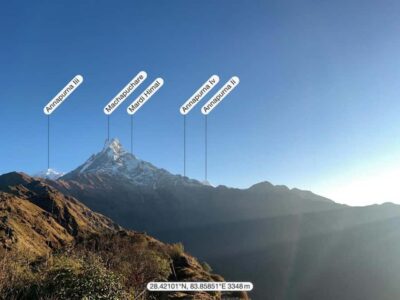
Mardi Himal gives you a taste of high Himalayan trekking without the longer commitment of the Annapurna Circuit or Annapurna Base Camp. The reward is a quieter trail, changing scenery, and fine views toward Machapuchare, also called Fishtail, Annapurna South, and Hiunchuli.
I like the mix of tea-house comfort and proper mountain walking. I also like the route’s variety: you start among forests, pass through Australian Camp and Deurali, then climb above the tree line toward High Camp and the upper viewpoint. The main caution is the long summit-viewpoint day, listed at about 10 hours, with steep and narrow sections.
Key points to know before booking
- A nine-day route with a five-day mountain walk: The trip links Kathmandu and Pokhara with a compact Mardi Himal trek.
- High Camp reaches serious altitude: The upper viewpoint is around 4,500 metres, so fitness and steady pacing matter.
- Tea houses replace camping: Lodges and hotels now operate along the route, with meals and beds included during the trek.
- The return uses a different trail: After High Camp, you descend toward Shiding Village rather than simply retracing every step.
- The package covers the practical basics: Guides, porter support, permits, insurance for the trek, meals on trekking days, accommodation, and transport are included.
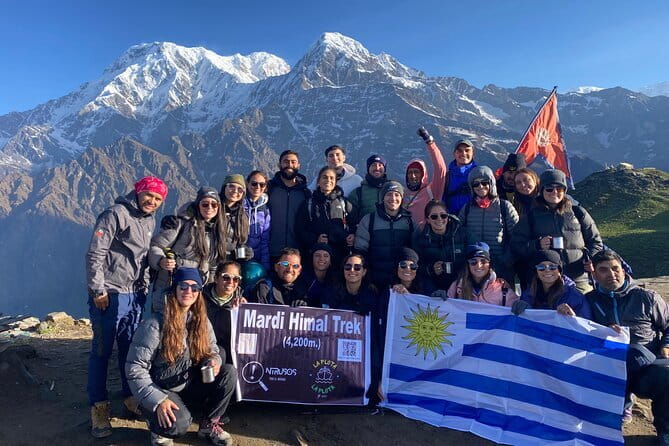
- The group limit is 16 people: That is small enough for a more personal group, though exact group size may vary by departure.
Why Mardi Himal works as a short Himalayan trek
Mardi Himal is a good choice when you want real mountain walking but do not have time for a two-week route. The schedule gives you two nights in Kathmandu, two nights in Pokhara, five trekking days, and airport transfers at both ends.
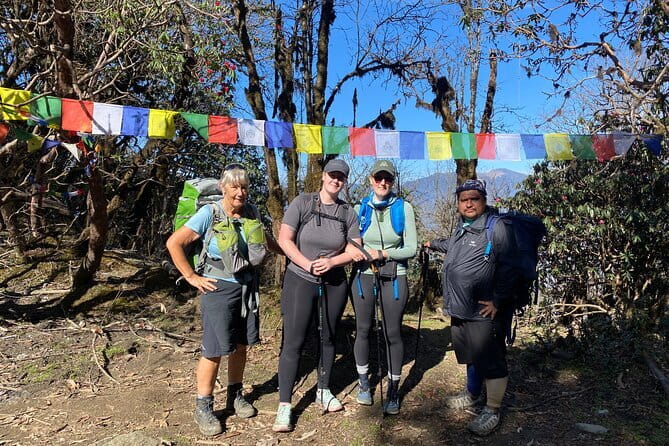
The route is appealing because it changes character quickly. Near the start, you walk through forest and lower mountain villages. Higher up, the trees thin out and the views open toward the Annapurna range. By High Camp, the setting is more exposed, with pastures, rocky ground, and narrow ridges.
I especially like the fact that the route is now served by tea houses. You do not need to carry camping equipment, tents, cooking gear, or food for the whole trip. That keeps your pack lighter and lets you focus on the walking. Lodges are basic rather than luxurious, but they provide a bed, meals, and shelter from changing mountain weather.
The tradeoff is that the trek is not effortless simply because it is short. The high point is around 4,500 metres, and Day 6 lasts about 10 hours. You need a moderate level of fitness and enough patience to walk slowly when the air gets thin.
More Mardi Himal treks:
- Pokhara: 4-Day Mardi Himal Trek
★ 4.9 · 59 reviews - Private Mardi Himal Trek
★ 5.0 · 42 reviews - Mardi Himal Trek
★ 5.0 · 41 reviews
Days 1 and 2: Kathmandu to Pokhara
You arrive in Kathmandu, where a private vehicle takes you from the airport to your hotel in Thamel. That first evening includes a briefing at the Magic Himalaya Treks office. Use this time to ask about the walking pace, clothing, weather, medication, and the next morning’s departure.
The stated meeting time is 1:15 am, which is unusually early and worth confirming before you travel. The package includes airport pickup, but the supplied schedule also describes a morning hotel pickup for the trip to the tourist bus station. Clear timing matters here, especially after an international flight.
On Day 2, you take an air-conditioned tourist bus from Kathmandu to Pokhara. The ride takes about six to seven hours, though the day is listed at roughly seven hours. It is not a quick transfer, but it moves you from the capital into the Annapurna region without adding a domestic flight.
Pokhara is your base before the walk begins. Accommodation and breakfast are included there, while lunch and dinner in Pokhara are not. Plan to pay separately for those meals and for personal drinks or other expenses.
Day 3: Kande, Australian Camp, and Deurali
After breakfast, a private vehicle takes you to Kande. From there, the walking begins toward Deurali. This opening section introduces the route gently, with forest, mountain paths, and an early sense of the hills rising around you.
Australian Camp is an important stop because it is also a viewpoint. The schedule allows for lunch there, giving you a useful pause before continuing toward Deurali. The first walking day is listed at about six hours, although the transfer and walking details also show a shorter one-hour segment for one stop. Ask your guide to clarify the exact walking time for your departure.
You spend the night at Deurali Villa. Accommodation, breakfast, lunch, and dinner are included during the trekking section. The lodge style is part of the appeal, but keep expectations practical: mountain tea houses are about warmth and location, not resort service.
Day 4: Forest walking to Low Camp
The route continues through forest toward Low Camp. This is a quieter kind of mountain day, with the path gradually gaining height and the Himalayan range beginning to feel closer.
Low Camp is valued for its mountain views. The day is listed at about six hours, giving you a steady climb rather than one huge push. That pacing helps you adjust before the higher camps.
The scenery changes as you go. Lower sections feel wooded and sheltered, while higher points offer more open views. You may also have the chance to see a danphe, Nepal’s colorful national bird, though wildlife sightings are never guaranteed.
More trekking days out of Annapurna Region:
- Annapurna Circuit Trek with Tilicho Lake
★ 5.0 · 368 reviews - Annapurna base camp trek 5 Days
★ 5.0 · 252 reviews - Poon hill Trek 3 days
★ 5.0 · 176 reviews - Trekking in Annapurna/Langtang/Everest/Upper Mustang regions
★ 5.0 · 161 reviews
Day 5: The climb to High Camp
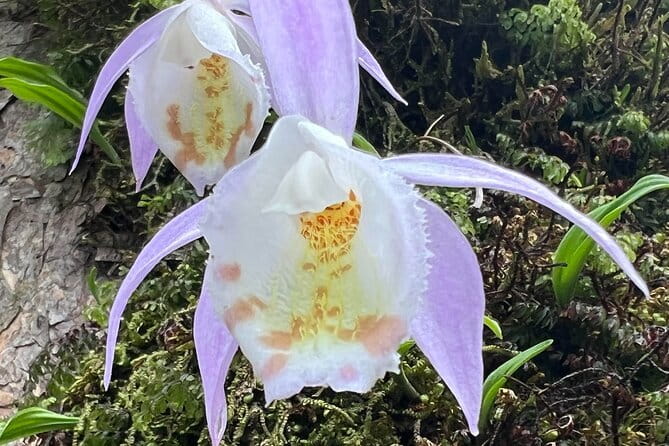
Day 5 takes you from Low Camp to High Camp. The trees become thinner as you climb, a clear sign that you are moving into higher terrain. The day is listed at roughly five hours, but the thinner air can make the effort feel greater than the clock suggests.
High Camp is the final overnight point before the upper viewpoint. Its position gives you the best setup for the next morning’s major walk. You will want to keep your evening simple, eat well, organize your clothing, and follow your guide’s advice about the early start and pace.
This is where the route begins to feel more exposed. The comfort of a tea house remains useful, but the setting is much more alpine than the forested trail below. Your views improve as the trees fall away, but so does the shelter from wind and weather.
Day 6: The upper viewpoint and the hardest day

This is the key day of the trek. From High Camp, you climb toward the upper viewpoint, then return according to the group’s plan. The full day is listed at about 10 hours, making it the most demanding part of the trip.
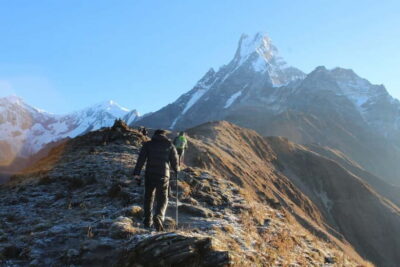
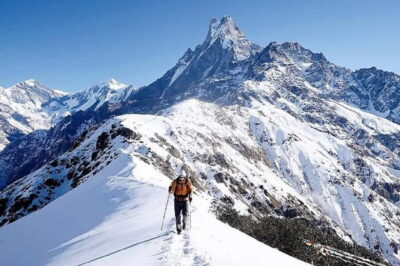
The path includes ascents, descents, steep stretches, and narrow trail sections. It also crosses pastures and follows a narrow ridge. These details matter more than the distance alone. A short steep section at high altitude can take more energy than a longer walk lower down.
The reward is the broad mountain view. The route is designed around views of Machapuchare, Annapurna South, and Hiunchuli. On clear days, the high position gives you the best chance of seeing the range in full. Clouds and weather can affect visibility, so it is wise to value the walk itself as well as a perfect panorama.
You should be honest about your fitness before booking. The operator describes the trek as suitable for people with moderate physical fitness, not as an easy stroll. Comfortable boots, warm layers, rain protection, and a sensible day pack will matter. The tour supplies a medical kit and required medicine for the trek, but your own travel insurance remains your responsibility.
Day 7: Descending by way of Shiding Village
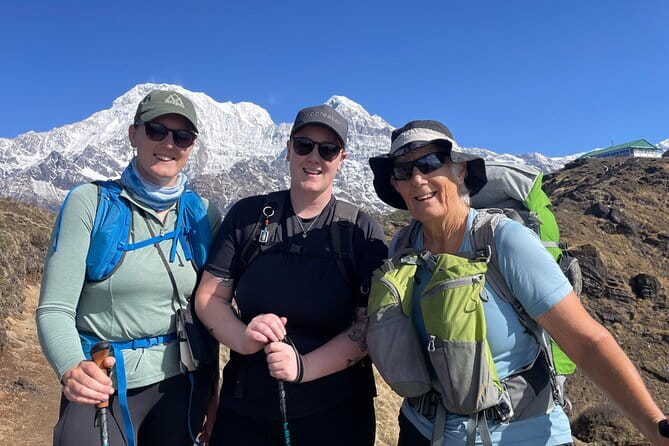
Instead of returning along the same Mardi Himal trail, you take a different route toward Shiding Village. This gives the final mountain day a fresh feel and avoids making the descent a simple repeat of the ascent.
From Shiding, a private jeep takes you back to Pokhara. The day is listed at about five hours, though walking and driving times may vary. This transfer is included, which is useful after the long viewpoint day.
You spend the night in Pokhara. Breakfast is included at the hotel, but lunch and dinner are on your own. The evening gives you a chance to rest before the long bus journey back to Kathmandu.
Day 8: Return to Kathmandu by tourist bus
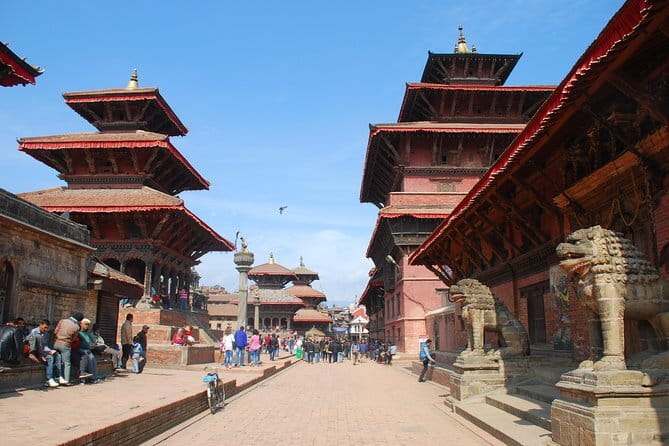
After breakfast, you take a short walk or drive to Pokhara’s tourist bus park. The air-conditioned bus to Kathmandu takes about six to seven hours.
This is another full transport day, so do not treat it as spare sightseeing time. The package includes the bus fare and breakfast, but not personal spending in Kathmandu. You return to the capital for your final night, with a farewell dinner and company celebration included in the package.
Day 9: Airport transfer and departure
The final day is simple. A private vehicle collects you from your hotel and transfers you to the airport.
International flights and departure taxes are not included. You also need to arrange your Nepal entry visa and international travel insurance. For a high-altitude trek, insurance that covers trekking and possible rescue costs is especially important, since rescue operations are excluded from the price.
What the $750 price really covers
At $750 per person, this is not just a guided walk. The price includes the Kathmandu to Pokhara and return tourist bus journeys, private transfers to Kande and from Shiding, airport pickup and drop-off, guide and porter salaries, accommodation, trekking meals, permits, required documents, a map, and a company duffel bag for porter use.
It also includes trekking insurance, a medical kit, government tax, and the company farewell dinner. During the trekking days, five lunches, eight breakfasts, and five dinners are included according to the package details. Meals in Kathmandu and Pokhara are not included, nor are alcohol, personal purchases, clothing, or trekking gear.
That makes the price reasonable for someone who needs a handled package. You are paying for coordination as much as for the mountain walk. If you already own gear, arrange your own transport, and prefer independent tea-house trekking, you may find a self-planned trip costs less. You would then take on the work of permits, transfers, accommodation, porter arrangements, and route planning.
The maximum group size is 16. That is not a private trek, but it avoids the feel of a very large commercial group. The personal service is one of the strongest themes in the available feedback, with particular praise for the attention given by Nabin and the Magic Himalaya team. The company owner is described as checking on people during the trek, and the guides are noted for adapting the schedule to group needs.
Guides, porters, and the human side of the trek
A good guide matters on Mardi Himal because the hardest day combines altitude, steep ground, and a long return. Your guide helps set a sensible pace and keeps an eye on how the group is handling the climb.
Nabin, identified as the company owner, is closely involved with the operation. The feedback also highlights friendly, attentive guides and strong help with transport, accommodation, food, and day-to-day details. That kind of support is useful when a trip involves several bus rides, private vehicles, tea houses, and changing trail conditions.
Porter support is included, along with a company duffel bag. You still need to pack sensibly and respect the porter’s load. Carry the essentials you need during the day, while keeping heavier items in the duffel.
Who should book this trek
I would recommend Mardi Himal to you if you want:
- A shorter Himalayan trek with a clear nine-day framework
- Strong mountain views without committing to a much longer route
- Tea-house accommodation instead of camping
- A quieter alternative to the better-known Annapurna routes
- A guided package with transport, permits, meals, and porter support handled
- A route that reaches high altitude but does not require technical climbing
I would think twice if you dislike long road transfers, early starts, basic mountain lodging, or steep walking. The 10-hour upper-viewpoint day is the main physical hurdle, and there is no guarantee that cloud will leave the mountains visible.
The route also suits people who want some flexibility from their guides. The schedule can be adjusted to group needs, according to the supplied experience details, but that does not remove the need for a realistic pace and proper gear.
Booking details worth checking
Free cancellation is available if you cancel at least 24 hours before the experience begins. Changes or cancellations inside that 24-hour window are not accepted for a refund, and the cut-off uses local Nepal time.
Confirmation is provided when you book. Pickup is offered, and the package includes a mobile ticket. Before paying, confirm the exact meeting time, especially the stated 1:15 am start, and ask for the current gear list, lodge names, and expected walking hours for your departure.
Should you book Mardi Himal with Magic Himalaya Treks?
Book it if you want a well-supported, moderate-to-challenging Himalayan trek with good scenery, tea-house stays, and the convenience of having transport and permits arranged. The package is particularly useful if this is your first trek in Nepal and you do not want to manage every detail yourself.
I would choose it for the quieter route, the forest-to-alpine progression, the different return through Shiding, and the strong personal attention associated with Nabin and the guiding team. Just go in prepared for basic accommodation, long bus rides, and a demanding 10-hour day at altitude. If you accept those limits, the $750 price offers a practical way to reach one of the Annapurna region’s finest viewpoints in nine days.
FAQ
How long is the Mardi Himal Trek Nepal experience?
The experience lasts approximately nine days, including airport transfers, the Kathmandu to Pokhara and return journeys, the trekking days, and overnight stays in Kathmandu and Pokhara.
What is the highest point reached?
The upper viewpoint is around 4,500 metres. The route continues above High Camp and includes steep, narrow, and sometimes exposed trail sections.
Is accommodation included?
Yes. Accommodation is included in Kathmandu, Pokhara, and the tea houses or lodges used during the trek.
Are meals included?
Breakfast is included for eight days, five lunches are included, and five dinners are included. Lunch and dinner in Kathmandu and Pokhara are not included.
Is transport from Kathmandu to Pokhara included?
Yes. Air-conditioned tourist bus transport between Kathmandu and Pokhara is included. Private transport to Kande, a jeep from Shiding to Pokhara, and airport transfers are also included.
Are guides and porters included?
Yes. Guide and porter salaries are included, along with a company duffel bag for the porter to carry.
Do I need travel insurance?
Yes. Travel insurance for the Nepal trek is not included and must be arranged separately. Rescue operations, if needed, are also excluded.
What is the cancellation policy?
You can receive a full refund if you cancel at least 24 hours before the experience starts. Cancellations or changes made less than 24 hours before the start time are not accepted for a refund.
Just added around Annapurna Region
- 4 Day Mardi Himal Base Camp Trek from Pokhara★ 5.0 · 18 reviews
- 7-Day Trek to Annapurna Base Camp from Pokhara★ 5.0 · 12 reviews
- Private 4 Day Poon Hill Trek from Pokhara★ 5.0 · 16 reviews
- Annapurna Base Camp Trek from Pokhara and Kathmandu★ 5.0 · 7 reviews
- 6 days Annapurna Basecamp Trek★ 5.0 · 16 reviews
- “Exclusive Round-Trip Transfer: Pokhara to Jomsom & Muktinath”★ 5.0 · 11 reviews
- Pokhara: Poon Hill Ghorepani Short Trek★ 5.0 · 6 reviews
- Pokhara: 4 Days Poon Hill and Ghandruk Trek★ 5.0 · 23 reviews
Mardi Himal Treks, compared.

Browse the lists this tour appears in