
Reviewed · MARDI HIMAL TREKS
Mardi Himal Trek
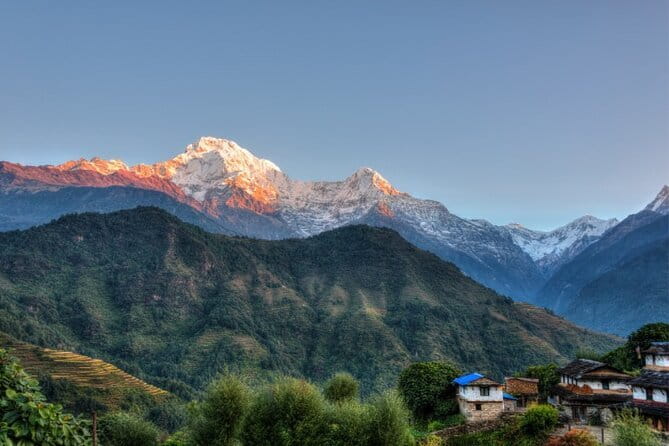
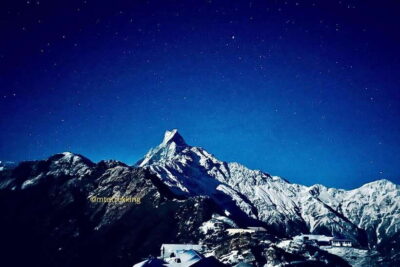
Mardi Himal’s great payoff is a high trail with close views of Machhapuchhre, Mardi Himal, and the Annapurna Massif without the length of Nepal’s more demanding classic treks. The push to Mardi Base Camp, at about 4,500 meters, is the emotional high point, but the rhododendron woods and village walks make the route worthwhile long before you get there.
I like the practical package: domestic flights, permits, a guide, porter, lodges, meals, and trekking gear are bundled together. I also like the route’s human scale, with time in Deurali, Sidding, and Lwangghale rather than a mountain schedule made only of camps and sleeping bags. The main caution is altitude. This is called beginner-friendly, but five- to seven-hour walking days above 3,000 meters still demand steady fitness, warm clothes, and patience.
Key points at a glance
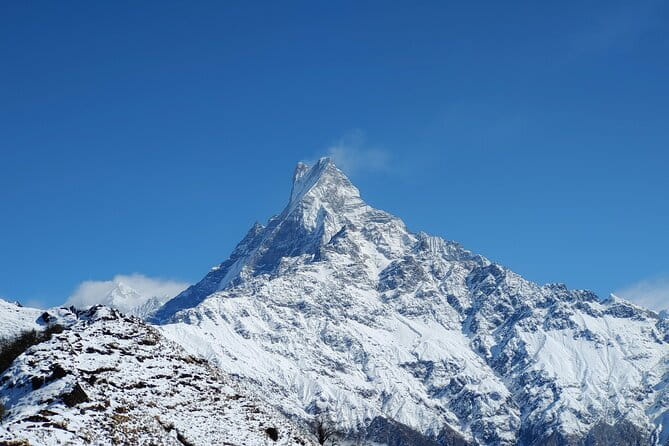
- Mardi Base Camp at about 4,500 meters: The highest and most demanding section brings the trek’s best mountain views.
- A forest-to-high-mountain route: Rhododendron and pine woods give way to open ridges, alpine views, and colder high camps.
- A private 11-day program: Only your own group participates, with private transfers and a trekking team.
- Kathmandu and Pokhara included: The trip adds city sightseeing before and after the mountain section.
- Experienced support on the trail: A licensed guide and porter are included, with meals, accommodation, salary, and insurance covered.
- Strong value at $1,058 per person: Flights, permits, lodges, most meals, hotels, transfers, and loaned equipment make the price easier to assess.
Why Mardi Himal works for newer hikers
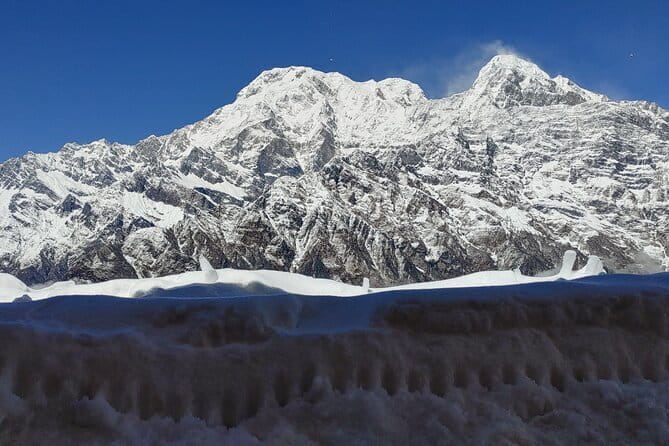
Mardi Himal is often chosen as a first Himalayan trek because the route is shorter and less demanding than some of Nepal’s major circuits. That does not make it a stroll. You still climb above 3,000 meters, walk for several hours on consecutive days, and face a long day to the base camp viewpoint.
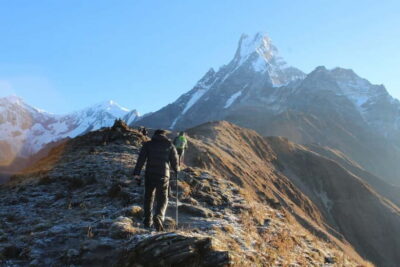
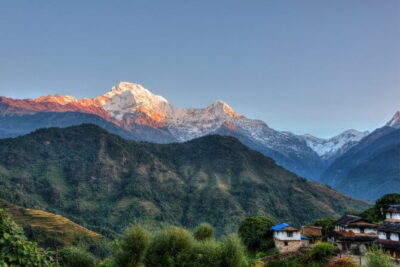
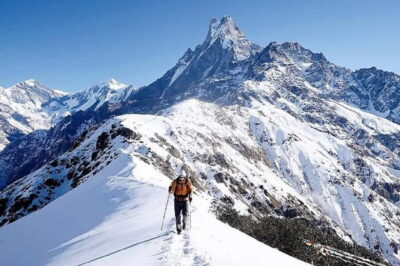
The reward comes from variety. Lower sections pass through forest and village areas. Higher sections open to views of the Annapurna range, Machhapuchhre, and Mardi Himal. In spring, rhododendron woods can add strong color to the trail. This changing scenery helps the walking feel less repetitive.
The route also gives you a clear goal. The approach to Mardi Base Camp is the part many hikers remember most. At that height, effort and scenery arrive together, and the sense of achievement can be powerful. Just remember that a short trek can still bring altitude problems. The itinerary deliberately shortens some days above 3,000 meters, and you should treat that as a useful safety measure, not wasted time.
More Mardi Himal treks:
- Pokhara: 4-Day Mardi Himal Trek
★ 4.9 · 59 reviews - Private Mardi Himal Trek
★ 5.0 · 42 reviews - From Pokhara: 4-Day Mardi Himal Base Camp Trek
★ 4.9 · 31 reviews
Days 1 and 2: Kathmandu to the trailhead near Pokhara
Your first day begins at Kathmandu airport, where a company employee or tour leader meets you after immigration and entry formalities. You are driven to Thamel, Kathmandu’s busy visitor district, and have time to rest after your flight. The first day is light, which is sensible after international travel.
On Day 2, you take an early domestic flight to Pokhara. The flight saves a long road journey and gets you closer to the mountains quickly. From Pokhara, a private vehicle takes you to Kande, where the walking section begins.
The first hike is described as relatively easy, gradually building toward Deurali. This is a useful introduction to the rhythm of the trek. You are walking, eating mountain meals, and staying in lodges rather than moving through Nepal by vehicle alone.
The early start and flight connection can make this a busy day. I would keep your first morning simple and avoid planning anything demanding around the airport transfer. At $1,058, having the Kathmandu to Pokhara and return flights included adds real value, since you do not need to arrange those domestic connections separately.
Day 3: Deurali to Forest Camp through rhododendron woods
After a meal in Deurali, the route continues toward Forest Camp for about six hours. The path begins on more level ground, then moves through woodland. Rhododendron and pine trees are a major feature of this part of the trek, with spring offering the best chance of seeing the woods in flower.
This is one of the more enjoyable walking days because the setting changes without requiring the highest climbs. You get a proper forest trek, with the trail enclosed by trees rather than exposed to the full force of the mountain weather.
Forest Camp also marks a change in the feel of the trip. The route is now more focused on altitude and mountain walking. The lodges are described as the best available rather than luxury accommodation, and rooms are twin share. Expect a practical mountain stay, not hotel comfort. WiFi, hot showers, drinks, and personal extras are not included, so keep some money aside.
Days 4 and 5: Above 3,000 meters and toward High Camp
The itinerary shortens the walking time as you move above 3,000 meters. Day 4 includes a hike through mixed woodland, with lunch at Low Camp. This is a useful transition point, since the trees begin to thin and the route feels more exposed.
Day 5 also keeps the walking to about five hours. The stated reason is acclimatization, and you should take that seriously. Drink plenty of water, walk at a steady pace, and tell your guide if you develop symptoms that concern you. A shorter day gives your body more time to adjust before the base camp push.
High Camp is the key staging point for the next day, though the exact overnight arrangement can depend on the operating schedule and conditions. The mountain review material repeatedly points to the need for proper cold-weather clothing. Bring enough warm layers. The lower villages may feel mild, but the upper section can be very cold.
A practical tip from the trip experience is to carry small snacks for the higher sections. Meals are available in the lodges, and one particularly specific food tip is to try pizza at High Camp if it is available. It is a small reminder that Nepal’s mountain lodges can offer more than the standard trekking plate.
More trekking days out of Annapurna Region:
- Annapurna Circuit Trek with Tilicho Lake
★ 5.0 · 368 reviews - Annapurna base camp trek 5 Days
★ 5.0 · 252 reviews - Poon hill Trek 3 days
★ 5.0 · 176 reviews - Trekking in Annapurna/Langtang/Everest/Upper Mustang regions
★ 5.0 · 161 reviews
Day 6: The long push to Mardi Base Camp
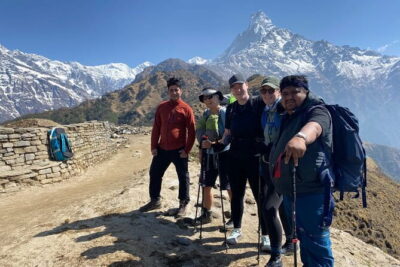
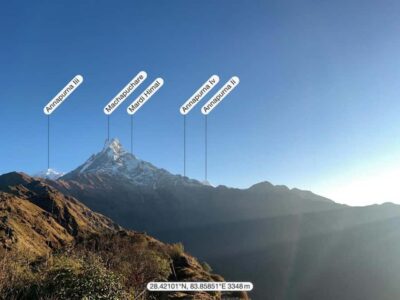
Day 6 is the trek’s hardest and most rewarding day, with about seven hours of walking toward Mardi Himal Base Camp. You pass a viewpoint with broad views of the Annapurna Massif, Machhapuchhre, and Mardi Himal. The scenery is the reason to accept the early start, cold air, and slower pace.
The base camp is listed in the trip details at around 4,500 meters. At this altitude, you should not judge the walk by distance alone. Thin air can make a moderate climb feel heavy, and the trail may take longer than expected in poor weather.
The guides and porters matter most here. Birendra is one of the named guides connected with this program, and the trip feedback repeatedly highlights his careful arrangements, friendly manner, humor, and willingness to take photographs. Other named mountain guides include Bikas and Dawa in the wider guiding team. Your exact guide is something to confirm before departure.
This is not the place to race. Let the guide set the pace, drink regularly, and use the acclimatization days properly. The return from the viewpoint is part of the same long day, so saving energy is important.
Day 7: Descending from the high country to Sidding
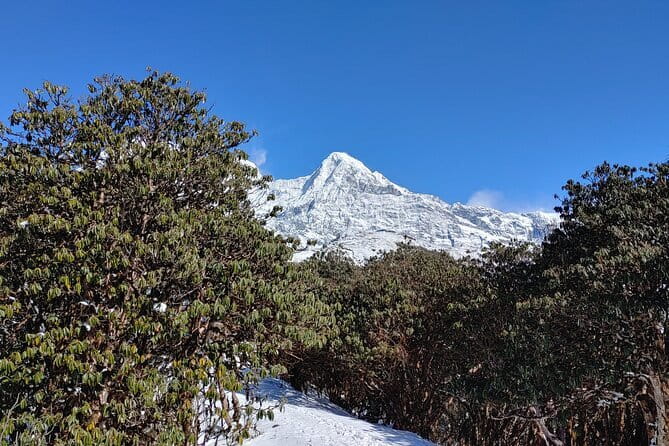
After breakfast at altitude, you descend toward Sidding, walking for about six hours. The route returns through rhododendron and pine forest, and lunch may be taken at Low Camp depending on timing.
The descent changes the physical challenge. Breathing is usually easier as you lose height, but knees can take a beating. One useful piece of advice from the trip details is to prepare for this section rather than assuming downhill means easy. A walking pole can help, though it is not listed among the included items.
Sidding brings you back into a more settled village setting. The contrast with the high ridge is part of the route’s appeal. You see how quickly the environment changes in the Himalayas, from cold open mountain terrain to forest and homes.
Day 8: Sidding to Lwangghale and the village experience
Day 8 is often treated as a highlight because the route is mostly flat and passes through Lwangghale, also referred to as Lwong in the itinerary. The village has old-style ancestral houses and a more grounded rural character than the high camps.
After several days of climbing and descending, this gentler walking day gives you time to notice details. You are not simply trying to reach the next altitude point. The village setting makes the trek feel connected to daily life in western Nepal.
This is also a good day to appreciate the role of the guide. A strong guide does more than point out the trail. The included guiding service covers meals, accommodation, and insurance for the guide, while the porter’s costs are also covered. That arrangement lets you walk with support without having to negotiate these basics along the way.
Day 9: Tea gardens and the return to Pokhara
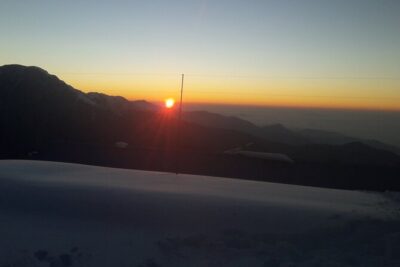
An early morning walk through the tea gardens around Lwangghale is planned for Day 9. Sunrise gives this short outing its character, and the quiet setting offers a final taste of village life before the trip returns to Pokhara.
After breakfast at the guesthouse, you continue toward Pokhara. The day includes about five hours of activity, though the precise balance between walking and driving can depend on local conditions and the operating schedule.
Pokhara is a welcome change after the lodges. The city gives you a softer landing, with hotel accommodation in the three-star category and breakfast included. Meals beyond those specifically listed are your responsibility, so plan for extra spending in Pokhara.
Day 10: Pokhara’s waterfalls, cave, and lakeside time
Day 10 is set aside for Pokhara sightseeing. The program includes a breakfast at a lakeside location, followed by guided visits to attractions such as Davis Waterfall and Gupteswor Mahadev Cave.
This extra city day improves the overall shape of the trip. You are not being sent straight from the mountain trail to the airport. Instead, you get time to rest, wash clothes, sort photographs, and see a little of Pokhara before returning to Kathmandu.
Pokhara meals are not generally included apart from the specified breakfast, and drinks, WiFi, hot showers, and personal purchases are also excluded. The price is still reasonable for what is covered, but you should budget for these daily extras.
Day 11: Kathmandu and the final city tour
The last day returns you to Kathmandu, where a town guide takes you to popular cultural and heritage sites. The exact stops are not fully specified, so you should confirm the final sightseeing plan with the operator.
The private vehicle arrangement is useful here. Airport transfers, city transfers, and sightseeing transport are included, which removes much of the usual negotiation over taxis after a long trek. The tour ends back at the Mission Himalaya Trekking and Expeditions meeting point in Thamel.
What the $1,058 price really covers
The price is not just for the walking days. It includes private ground transfers, domestic flights between Kathmandu and Pokhara, three-star hotels in both cities with breakfast, permits, trekking lodges, a licensed guide, a porter, and the listed meals.
You also receive a down jacket, sleeping bag, and duffel bag on request, with the understanding that these items are returned after the trek. That can save you the trouble and cost of buying specialized equipment for one trip.
Eight lunches, eight dinners, and ten breakfasts are included. Meals in Kathmandu and Pokhara are generally not included unless specified, and you pay separately for drinks, WiFi, hot showers, tips, personal expenses, insurance, Nepal visa fees, and international flights.
For a private 11-day program, the package offers good value if you want a managed trip rather than a self-arranged trek. The price is less attractive if you already have your own gear, permits, transport plans, and guide. Group discounts may be available, but this is a private activity, so only your own group participates rather than joining a mixed public departure.
Who should book this trek
I would recommend Mardi Himal to someone with moderate physical fitness who wants a first Himalayan trek with a clear high point and reliable support. It suits you if you prefer a shorter route with forests, villages, and big mountain views rather than a trip focused only on reaching one famous base camp.
It is also a good fit if you want help with logistics. The included flights, permits, transfers, porter, guide, and borrowed gear remove many of the details that can make Nepal planning tiring.
I would hesitate to recommend it to anyone who dislikes cold nights, shared lodge rooms, long walking days, or basic mountain facilities. The route is suitable for newer hikers, but the word beginner should not be confused with effortless. The altitude above 3,000 meters and the seven-hour base camp day are real tests.
Free cancellation is available if you cancel at least 24 hours before the start time. Changes or cancellations inside that window are not accepted for a refund, and leaving the trek early does not make the unused costs refundable.
Should you book Mardi Himal?
Book it if you want a well-supported mountain trip that combines Nepal’s cities, villages, forests, and high ridges in 11 days. The best reasons are the excellent mountain views, the strong support package, and the chance to reach Mardi Base Camp without committing to a much longer Himalayan route.
Before paying, confirm the exact guide assigned to your group, the lodge plan above 3,000 meters, the weather backup plan, and what equipment is available in your size. Pack warm layers, carry snacks, and arrive ready for slow walking at altitude. If those conditions suit you, this is a practical and memorable introduction to trekking in Nepal.
FAQ
How long is the Mardi Himal Trek?
The full experience lasts approximately 11 days, including Kathmandu and Pokhara stays, domestic flights, sightseeing, and the mountain trek.
What is the highest point on the trek?
Mardi Base Camp is described at about 4,500 meters. The route also includes several days above 3,000 meters, where the schedule is shortened to help with acclimatization.
Are domestic flights included?
Yes. The package includes Kathmandu to Pokhara and Pokhara to Kathmandu domestic flights, including the guide’s tickets.
Is accommodation included?
Yes. Three-star accommodation with breakfast is included in Kathmandu and Pokhara. During the trek, you stay in the best available lodges on a twin-sharing basis.
Are a guide and porter included?
Yes. A government-licensed, ministry-trained trekking guide and an experienced porter are included, with their meals, accommodation, salary, and insurance covered.
What meals are included?
The package includes eight lunches, eight dinners, and ten breakfasts. Meals in Kathmandu and Pokhara are not included except where specifically listed.
Do I need to bring trekking equipment?
A down jacket, sleeping bag, and duffel bag are available on request and must be returned after the trek. You should still bring suitable personal clothing, especially enough warm clothing for the high section.
What fitness level is required?
The trip is intended for people with a moderate level of physical fitness. Walking days range from about five to seven hours, and the route reaches high altitude, so you should be prepared for sustained uphill and downhill walking.
Just added around Annapurna Region
- 4 Day Mardi Himal Base Camp Trek from Pokhara★ 5.0 · 18 reviews
- 7-Day Trek to Annapurna Base Camp from Pokhara★ 5.0 · 12 reviews
- Private 4 Day Poon Hill Trek from Pokhara★ 5.0 · 16 reviews
- Annapurna Base Camp Trek from Pokhara and Kathmandu★ 5.0 · 7 reviews
- 6 days Annapurna Basecamp Trek★ 5.0 · 16 reviews
- “Exclusive Round-Trip Transfer: Pokhara to Jomsom & Muktinath”★ 5.0 · 11 reviews
- Poon Hill Ghandruk Circuit Trek from Pokhara 4 Days★ 5.0 · 10 reviews
- Pokhara: Poon Hill Ghorepani Short Trek★ 5.0 · 6 reviews
Mardi Himal Treks, compared.

Browse the lists this tour appears in