Reviewed · TOURS
Kathmandu: Kailash Mansarovar Yatra Tour 2025
Mount Kailash and Lake Mansarovar give this 15-day pilgrimage its great pull. You begin among Kathmandu’s temples, cross into Tibet, then walk the sacred kora around one of Asia’s most revered peaks. The scenery shifts from Nepal’s steep roads to the wide, spare Tibetan plateau.
I like the thoughtful acclimatization plan and the small group of up to 10 people. I also like that the price covers Tibet permits, transport, guides, entrance fees, and the three-day kora. The main caution is the altitude and the basic lodging, especially at Zutulpuk. This is a serious mountain journey, not a soft sightseeing holiday.
What makes this journey special
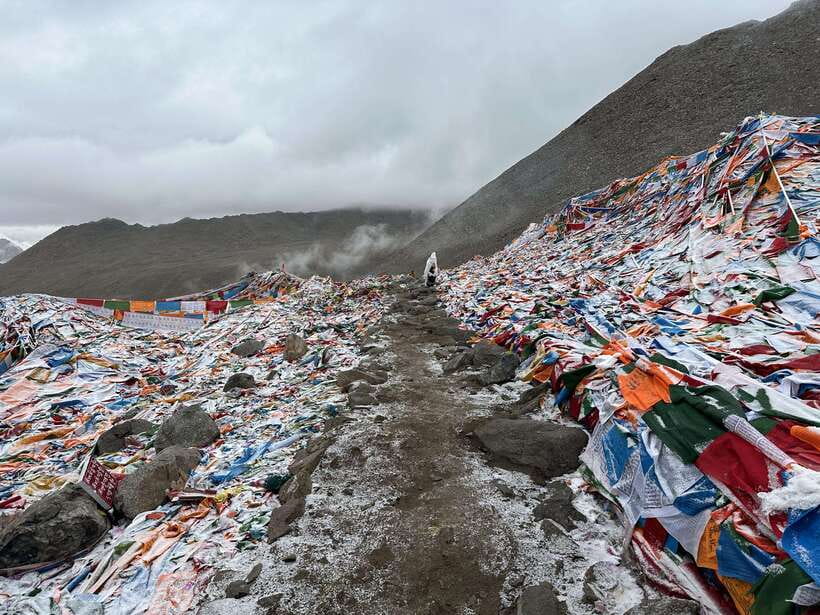
- A full Mount Kailash kora: Trek from Darchen to Derapuk, over Droma La Pass, and on to Zutulpuk before returning to Darchen.
- Sacred Lake Mansarovar: Spend time beside the lake, with opportunities for spiritual rituals and a purifying bath.
- Four Kathmandu UNESCO sites: See Kathmandu Durbar Square, Swayambhunath, Boudhanath, and Pashupatinath before heading north.
- Tibetan plateau scenery: Watch the views change from Nepal’s rough mountain roads to open plains, high passes, lakes, and Himalayan peaks.
- Practical group size: The group is limited to 10, with an English-speaking Tibetan guide and a Kathmandu guide.
- Extra costs need planning: Lunches, dinners, porter or pony hire, insurance, visa costs, and delays caused by weather or road problems are not covered.
Why Mount Kailash is more than a mountain stop
Mount Kailash is sacred to Hindus, Buddhists, Jains, and followers of Bon. For many Hindu pilgrims, the mountain is linked with Lord Shiva. Buddhists connect it with important spiritual traditions, while the kora itself is an act of devotion and reflection.
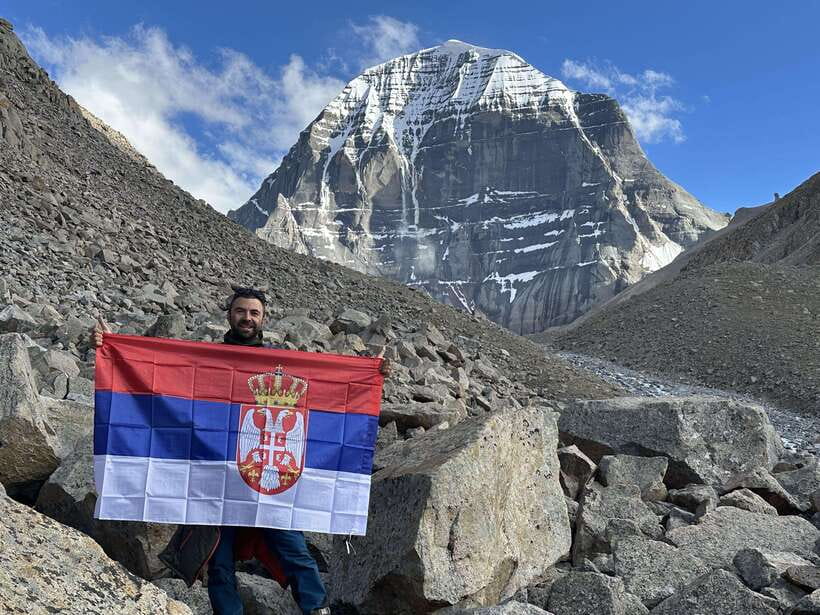
You do not need to share every belief to appreciate the force of the place. The ritual is simple in outline but hard on the body: walk around the mountain, keep moving through thin air, and respect the quiet purpose of the pilgrimage. The mountain’s north face, seen from Derapuk, is the visual high point of the trip.
The setting also changes how you experience distance. Roads can be rough, towns can be sparse, and the plateau can feel enormous. You will spend long hours in a vehicle, but those hours are part of the journey. They show you how quickly Nepal’s crowded valleys give way to Tibet’s open, high country.
More days out in Kathmandu:
- Private Kathmandu Sightseeing Tour | UNESCO World Heritage sites
★ 5.0 · 756 reviews - Half day cooking class in Thamel kathmandu
★ 5.0 · 607 reviews - Nagarkot Sunrise View and Day Hiking from Kathmandu
★ 5.0 · 471 reviews
Days 1 to 4: Kathmandu temples and a useful warm-up
Your first day is straightforward. You are met at Tribhuvan International Airport and taken to your hotel. Use the time to rest, sort your gear, and begin adjusting to Nepal before the harder part begins.
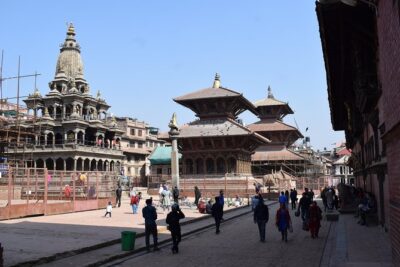
Day two combines visa processing with Kathmandu sightseeing. Your passport is submitted for the required documents, then you visit Kathmandu Durbar Square, Swayambhunath, Boudhanath, and Pashupatinath. This is a good introduction to Nepal because each site has a different feel and religious purpose.
Pashupatinath is especially important for Hindu pilgrims, while Boudhanath offers a strong Buddhist presence. At Swayambhunath, the hilltop setting gives you a broad view over Kathmandu. The city can be dusty, noisy, and crowded, so keep the pace easy and let the day serve as orientation rather than a race through monuments.
On day three, you visit Patan and Bhaktapur. Their Durbar Squares are known for Newari woodcarving, brickwork, courtyards, and careful architectural detail. The two cities make a fine contrast with central Kathmandu, and this is one of the trip’s best chances to enjoy Nepalese craftsmanship before the route turns toward the border.
Day four is a hike between Bhaktapur and Nagarkot. It is not the Kailash kora, but it gives you a useful taste of walking and hills. You also have time to prepare for Tibet, buy snacks, and check your warm clothing. The Himalayan views can be excellent, though weather may limit what you see.
Days 5 to 7: Rough roads and the move into Tibet
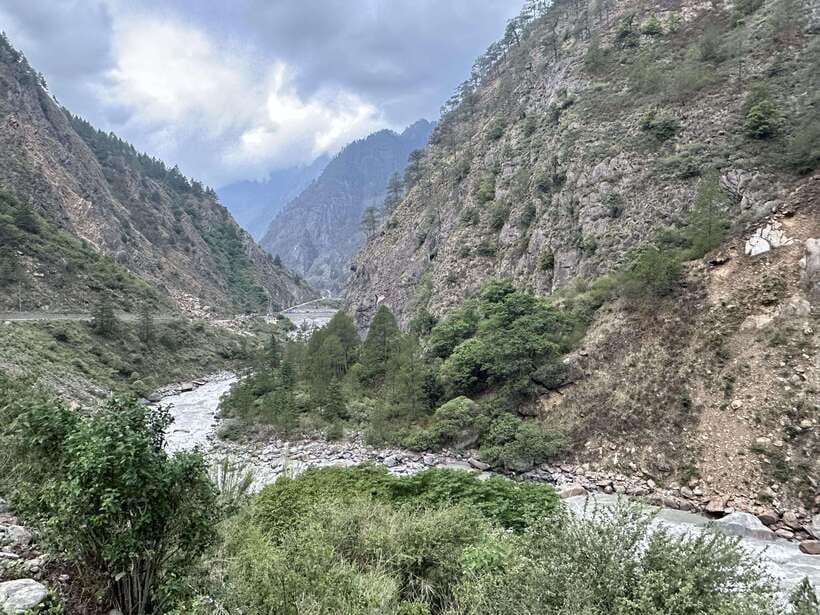
The drive to Rasuwagadhi is scenic but not gentle. Roads on the Nepal side are rough, with many turns and steep sections. This is one place where patience matters more than speed. A private jeep gives your small group more control than a large coach, but it does not smooth out the road.
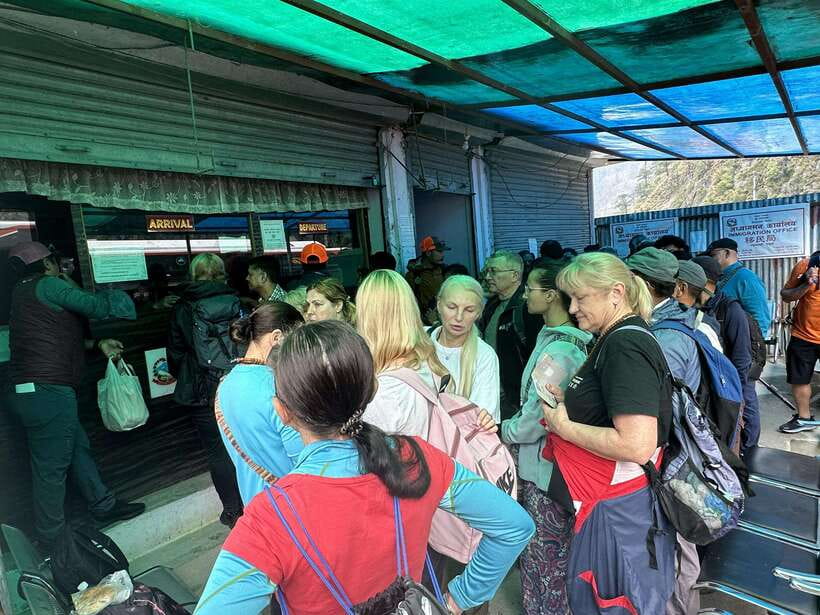
At the border, you complete the move from Nepal into Tibet and continue to Kerung. Kerung is used for acclimatization, which is important. Do not treat this stop as wasted time. Your body needs a chance to adjust before you go higher.
The trip then continues to Saga, with views across the Tibetan plateau and along the Brahmaputra River. You will notice the change from Nepal immediately. The roads, buildings, open spaces, and pace of life feel different, even over a relatively short distance.
The guide’s role becomes especially useful here. Mr. CarKey was singled out for careful pre-trip help and support during the journey, and the trip includes an English-speaking Tibetan guide. You should still follow all instructions closely, especially around walking pace, hydration, and altitude symptoms.
Road delays are a real possibility. Rain and landslides have caused groups to spend an extra night in Kerung, with those added costs paid by the group members. I would keep extra time at the end of the trip if your international flight schedule allows. A tight connection after the border crossing is a poor idea.
Days 8 and 9: Lake Mansarovar and Darchen
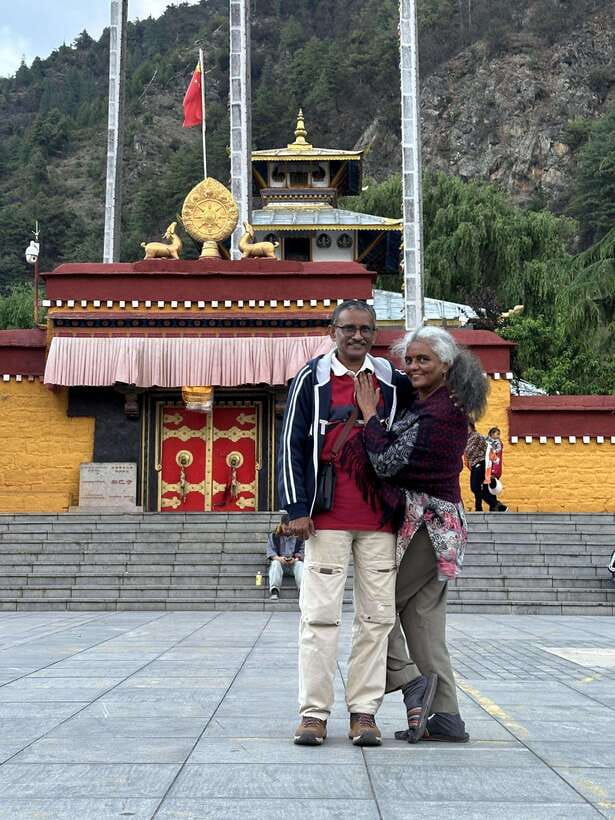
Day eight brings you to Lake Mansarovar, one of the emotional centers of the pilgrimage. The lake is associated with purity and spiritual renewal, and the itinerary allows time for rituals beside the water. Some people choose to take a purifying bath. The setting is quiet, open, and striking, with Himalayan views around the lake.
This is also a place to slow down. You will have spent several days in vehicles, and Lake Mansarovar rewards attention rather than constant activity. Bring sunscreen, water, a hat, and warm clothing. The weather can shift quickly, and the combination of sun, wind, and altitude can catch you off guard.
The next day is a short drive to Darchen, the base for the kora. Use this time to organize your daypack and decide if you need porter or pony support. The standard porter charge is USD 350 for three days, including food and accommodation for the porter, with a 12-kilogram carrying limit. A pony costs USD 600 for three days if you need one.
Darchen is also important because it is your last preparation point before the trek. Some people may prefer paying extra for a better stay in Darchen if that option is available. The basic lodging elsewhere is part of the price structure, but comfort can be limited.
A completely different kind of day, same corner of Nepal:
- Kathmandu: Full Day 7 UNESCO Tour with Lunch – Private/Group
★ 5.0 · 415 reviews - Kathmandu: Local Women-Led Nepali Cooking & Momo Class
★ 4.9 · 360 reviews - Private Bhaktapur and Nagarkot Day Tour From Kathmandu
★ 5.0 · 305 reviews - Kathmandu: Full Day Top 4 UNESCO Tour with Lunch – Private/Group
★ 5.0 · 269 reviews
Days 10 to 12: The kora and Droma La Pass
The trek begins with the route from the Yamdwar area toward Derapuk. Derapuk gives you views of Mount Kailash’s north face, and this is likely to be the most memorable walking day. The route is physically demanding, but the first day is generally considered the more manageable part of the kora.
Day eleven is the hardest day. You cross Droma La Pass, the highest point on the trek, before continuing toward Zutulpuk Monastery. High altitude, cold, wind, and steep ground can combine into a serious test. You need good fitness, a steady pace, and a willingness to let the guide set the rhythm.
Droma La is also the spiritual center of the walking route for many pilgrims. It is a place for reflection, but do not let the emotional importance make you ignore your body. Stop when instructed, drink regularly, and report trouble early. Altitude problems can worsen quickly.
Zutulpuk is the roughest lodging point described in the trip details. Accommodation is in a shared guesthouse, and toilet facilities may be basic or outdoors. That can be unpleasant after a long day, so pack a headlamp, toilet paper, hand sanitizer, and a warm sleeping layer.
The final kora day takes you back toward Darchen, followed by the drive to Saga. Completing the circuit can feel deeply satisfying, but it also comes after the hardest section. Plan to rest rather than treat the return drive as another sightseeing day.
Days 13 to 15: Returning through Kerung to Kathmandu
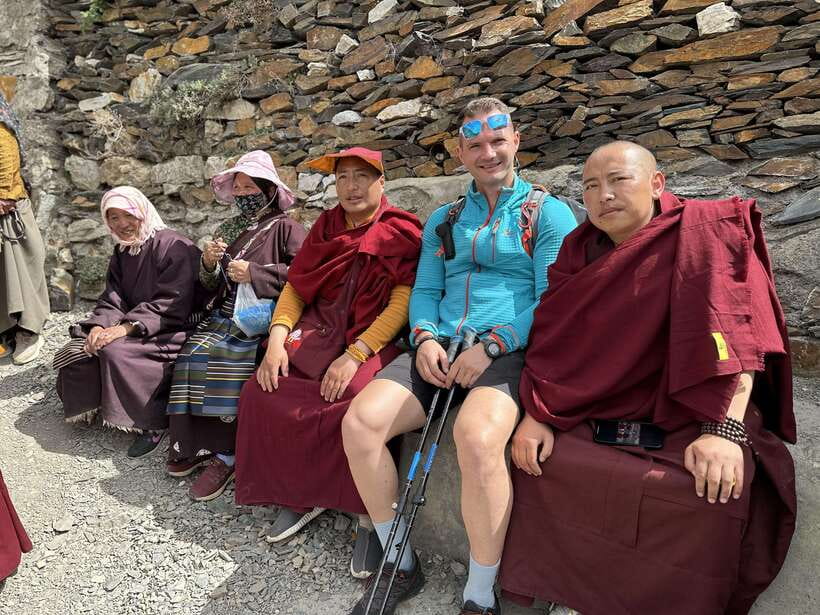
The return to Kerung gives you one last look at the Tibetan plateau. The route is not merely a transfer. After the kora, familiar roads and villages can feel different, and the long drive gives you time to absorb what you have done.
On day fourteen, you cross back into Nepal and continue to Kathmandu. Border procedures and road conditions can affect the timing. Keep your final evening flexible, especially if you have an international flight the next morning.
Day fifteen is your airport transfer and departure. If your schedule permits, I would add extra nights in Kathmandu after the Tibet section. This protects you from border delays and gives you a gentler ending than racing straight from a remote road to an airplane.
What the USD 4,013 price really covers
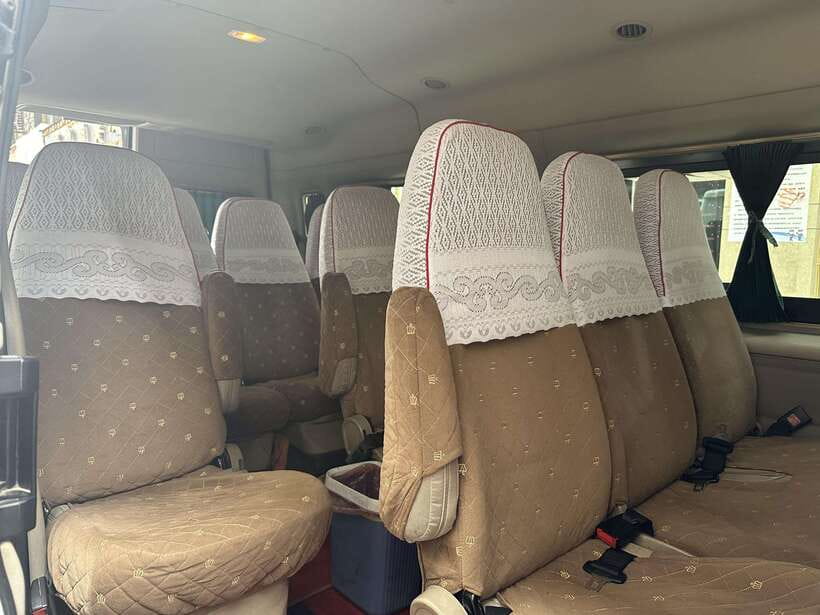
At USD 4,013 per person, this is expensive, but the price includes several costly and necessary elements. You receive airport transfers, Kathmandu accommodation with breakfast, Kathmandu sightseeing transport and entrance fees, a private jeep to Rasuwagadhi, transport in Tibet, nine nights in Tibet, an English-speaking Tibetan guide, permits, entrance fees, and government taxes.
Six Tibet nights are in 3-star hotels, while three nights are in shared guesthouses at Mansarovar, Darchen, and Zutulpuk. Breakfast is included for the nine Tibet mornings. Lunch and dinner during the Kailash section are not included, so carry cash and budget for meals and drinks.
You also need to account for the Chinese visa charge of USD 250 for American, Canadian, and British passport holders. International flights, travel insurance, Nepal visa fees, and personal expenses are extra. A private helicopter from Kathmandu to Rasuwagadhi costs USD 1,600, or a shared helicopter costs USD 320 per person, though the normal plan uses road transport.
The biggest value comes from having permits, transport, and local support arranged in a difficult region. The price is less attractive if you expect polished hotels, included meals, or a relaxed pace. Before paying, clarify the Kathmandu hotel and breakfast details because the information provided both includes Kathmandu accommodation and lists Kathmandu accommodation and meals as excluded.
What to pack for altitude, cold, and basic rooms
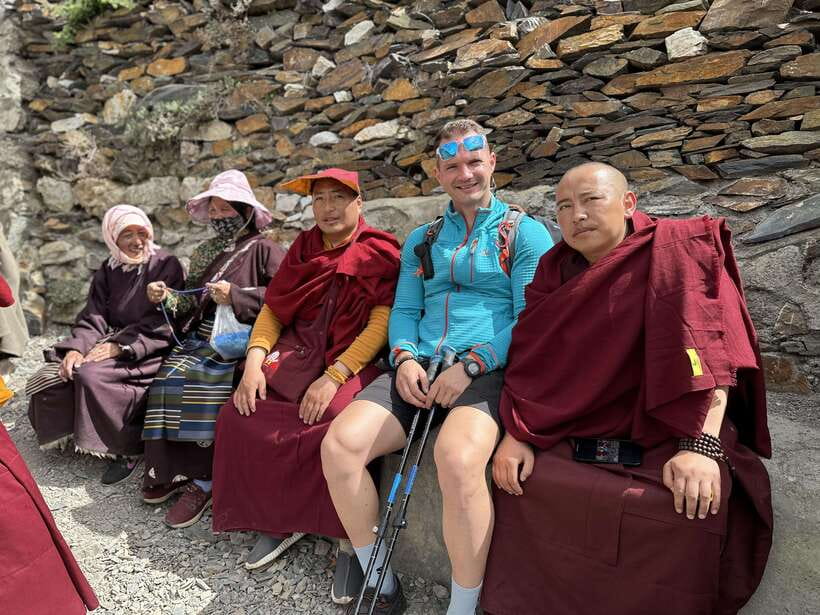
You should bring your passport, comfortable walking shoes, warm clothing, a hat, sunscreen, water, snacks, and a camera. I would also add a headlamp, personal medication, hand sanitizer, spare socks, and a small daypack, though these extra items are practical suggestions rather than listed inclusions.
Pack in layers. Conditions can change quickly, and sunny weather at the lake does not guarantee a warm evening. Keep important documents and cash protected from rain and dust.
Cash matters because ATMs may not be available. Budget for meals, tips, porters, ponies, personal purchases, and unexpected nights caused by weather or political conditions. Travel insurance is required as a practical safeguard, and you should confirm that it covers high-altitude trekking.
The trek is not suitable for children under 10, pregnant women, wheelchair users, or people with heart or back problems. Even if you are generally active, the altitude deserves respect. Good fitness helps, but it does not remove the need for careful acclimatization.
Rules, permits, and cultural respect
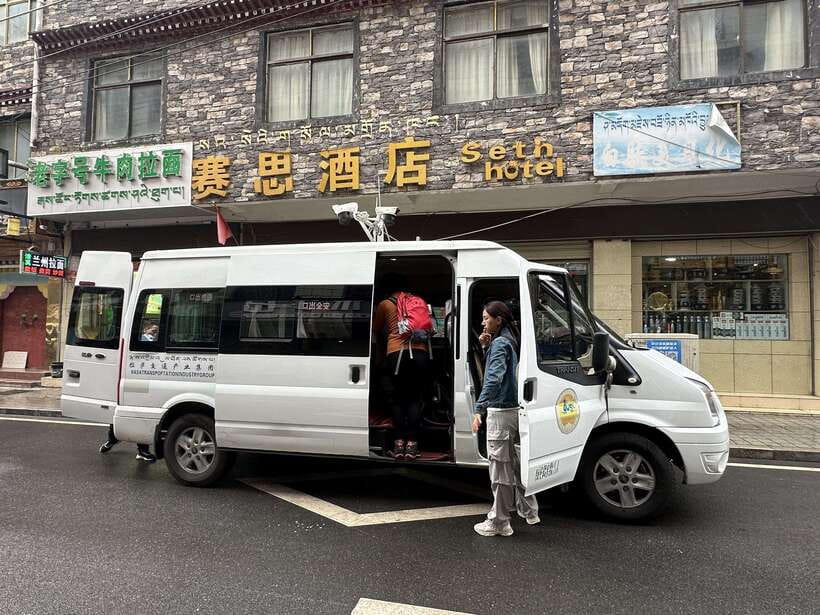
The tour handles the Tibet Travel Permit and required entrance fees, but you still need the correct passport and visa arrangements. If the Chinese Embassy rejects your visa, the stated refund is USD 1,000. If you return from the border for another reason, no refund is provided.
Tibet has strict rules about material connected with the Dalai Lama and other Tibetan leaders. You may not carry related photos, books, CDs, DVDs, or digital devices, and you may not post related content on social media platforms such as Facebook, Twitter, or YouTube.
You must also respect local customs, avoid littering, and not bring alcohol or drugs. These rules are not minor details. They affect what you pack and what you photograph, so read them carefully before departure.
Should you book the Kailash Mansarovar Yatra?
Book this tour if you want a carefully arranged pilgrimage with Kathmandu sightseeing, a small group, organized border transport, and a real three-day kora around Mount Kailash. The strongest parts are the spiritual sites, Lake Mansarovar, the north face of Kailash, and the support provided by the guides.
Think twice if you dislike rough roads, shared rooms, outdoor toilets, basic food arrangements, or uncertain schedules. You should also have enough time and money to handle an extra night in Kerung or another delay.
For a fit and flexible person who understands that comfort will be limited, the USD 4,013 cost can be reasonable. Add a safety margin in Kathmandu, budget for porter or pony support if needed, and do not underestimate Droma La Pass. With those preparations, this can be a powerful journey rather than a stressful endurance test.
FAQ
How long is the Kailash Mansarovar Yatra?
The journey lasts 15 days, beginning and ending in Kathmandu.
Where does the tour begin?
It begins with an airport pickup at Tribhuvan International Airport in Kathmandu.
What languages are available?
The tour is conducted in English, with an English-speaking Tibetan guide.
How large is the group?
The group is limited to 10 participants.
Is the Mount Kailash kora included?
Yes. The itinerary includes the three-day circumambulation, with trekking from Darchen to Derapuk, over Droma La Pass to Zutulpuk, and back toward Darchen.
Is accommodation included?
The package includes Kathmandu accommodation in a 3-star hotel with breakfast, plus nine nights in Tibet. Six Tibet nights are in 3-star hotels and three are in shared guesthouses. Confirm the Kathmandu accommodation terms before booking because the provided details describe this item inconsistently.
Are meals included?
Breakfast is included for nine mornings in Tibet. Lunch and dinner during the Kailash tour are not included. Kathmandu meals are also not included.
Can I hire a porter or pony?
Yes. A porter costs USD 350 for three days and carries up to 12 kilograms, including food and accommodation. A pony costs USD 600 for three days if needed.
What happens if weather or political conditions cause a delay?
Any extra costs caused by natural or political conditions are paid by the participant. This may include additional accommodation and meals if you must stay beyond the scheduled itinerary.
Who should not join this tour?
The tour is not suitable for children under 10, pregnant women, people with back or heart problems, or wheelchair users. The high-altitude trek also requires good fitness.
Just added around Kathmandu
- Manthali Airport (Ramechhap) To Kathmandu – Transport Service★ 4.5 · 11 reviews
- Women Empowerment Project(Nepali cooking class & jewelry workshop★ 5.0 · 15 reviews
- Amazing 1 Day Trekking Experience in Kathmandu Nepal★ 5.0 · 24 reviews
- Walking tour of Kathmandu with awesome local guides★ 5.0 · 4 reviews
- Walking tour of real Kathmandu through back streets.★ 5.0 · 3 reviews
- Private Manaslu Circuit Trek at Himalayas★ 5.0 · 3 reviews
- Walking Street Food Tour in Kathmandu★ 5.0 · 111 reviews
- Kathmandu Street Food Walking Tour – Eat Like a Local★ 5.0 · 3 reviews
Tours, compared.
Private Kathmandu Sightseeing Tour | UNESCO World Heritage sites
Read our review →
Everest Base Camp Helicopter Tour landing at Everest View Hotel
Read our review →
Full Day 7 UNESCO Tour with Lunch – Private/Group
Read our review →
Private Bhaktapur and Nagarkot Day Tour From Kathmandu
Read our review →
Full Day Top 4 UNESCO Tour with Lunch – Private/Group
Read our review →