
Reviewed · MOMO MAKING CLASSES
Kathmandu: Local Women-Led Nepali Cooking & Momo Class
Kathmandu’s best cooking lesson may begin with a shopping bag, not a stove. You walk through a local market with your instructors, choose vegetables, spices, and other ingredients, then return to the kitchen to make momo and dal bhat from scratch. I like that the food starts with real ingredients, and I like that you eat a full meal at the end rather than just sampling a bite.
The class also gets high marks for its patient teaching. Nishma, Nish, and Bikram explain each step, give everyone a job, and keep the mood easy. The main thing to consider is that the menu centers on momo and dal bhat, so extra dishes depend on the option you choose and the time available. The cooking school also has stairs and is not suitable for wheelchair users or people with visual impairments.
Key points at a glance
- Shop before you cook: Visit a local market to choose vegetables, spices, and other ingredients.
- Momo is truly hands-on: Make the filling, dough, folding shapes, and dipping sauce yourself.
- A full Nepali meal: Add dishes such as chatamari, bara, yomari, curry, roti, thukpa, or carrot pudding.
- Friendly local instruction: Nishma, Nish, and Bikram teach in English and make room for questions.
- Small-group cooking: The format gives you a real task instead of leaving you to watch a demonstration.
- Strong value: At the listed price of $4 per person, this is an unusually inexpensive way to spend three hours in Kathmandu.
Why the market visit matters in Thamel
The class takes place in or near Thamel, with the exact meeting point depending on the option you book. If you choose pickup, transport can be arranged from a location within Kathmandu. Otherwise, allow time to find the cooking academy and arrive 15 minutes early.
The market stop gives the lesson a useful starting point. Instead of treating Nepali food as a set of mysterious restaurant dishes, you see the basic building blocks: vegetables, spices, meat, lentils, and other produce. You can ask about unfamiliar items and see how the ingredients look before they are chopped, seasoned, and cooked.
This part is not a full food tour. The purpose is to buy what the class needs, so the market visit may feel brief. If you want more explanation about each ingredient, ask directly. One practical tip is to arrive ready to participate, not simply tag along while someone else shops.
I like this opening because it connects the meal to everyday cooking in Kathmandu. It also helps you understand why the final dishes taste the way they do. The spice mix is no longer an abstract recipe note. You have seen the ingredients and handled them.
More Cooking Classes in Kathmandu
- Half day cooking class in Thamel kathmandu
★ 5.0 · 607 reviews - Kathmandu: Local Lead Nepali Cooking & Momo-Making Class
★ 5.0 · 212 reviews - The best Private Nepali Cooking Class in Kathmandu
★ 5.0 · 83 reviews
Making momo from dough to dipping sauce
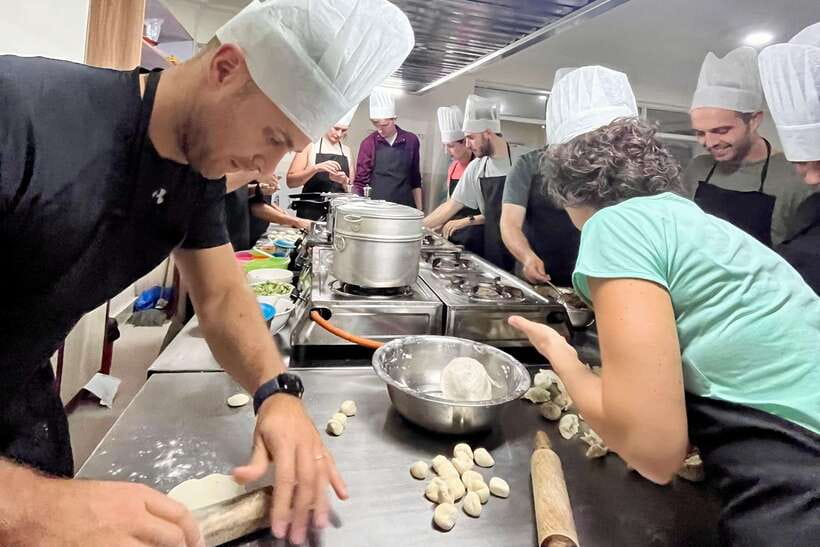
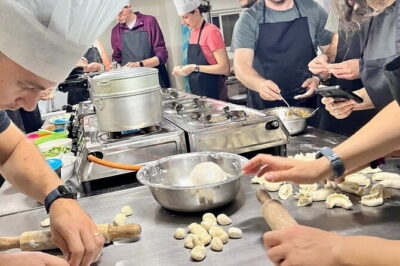
Momo is the clear star of the class. Depending on your selection, you can make chicken, vegetarian, or buffalo momo. The lesson covers the process from start to finish, including the filling, dough, folding, and dipping sauce.
The folding is the part most people remember. You learn how to place the filling, seal the wrapper, and form the dumpling. Your first few may look uneven. That is normal, and the instructors give you time to improve rather than rushing you through the task.
The class is especially useful for anyone who has eaten momo in Nepal and wants to recreate it at home. You learn the balance between filling and wrapper, how much seasoning to use, and how to handle the dough. You also get to make both vegetarian and meat fillings in some sessions, though the exact choices should be confirmed when you book.
The cooking is practical rather than showy. You chop, mix, shape, and cook. This is good news if you want useful skills, but it also means you should expect to work. Wear comfortable clothing, and take advantage of the apron and cooking equipment provided.
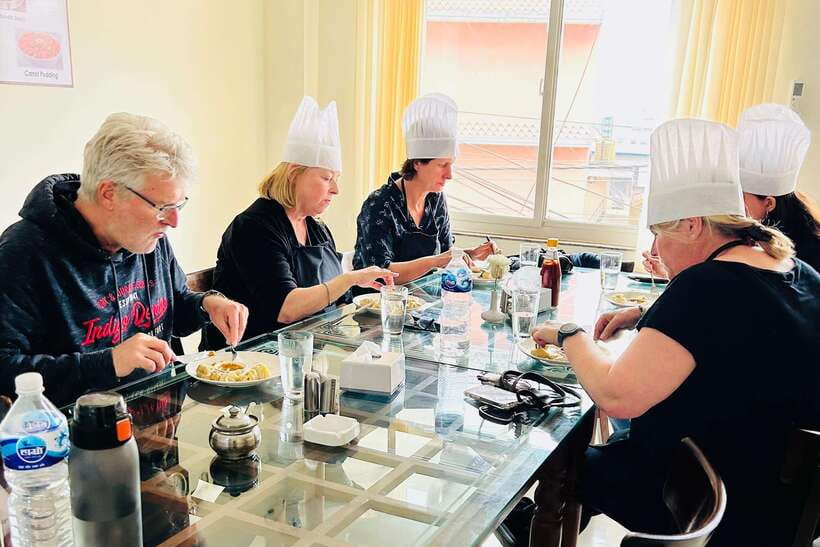
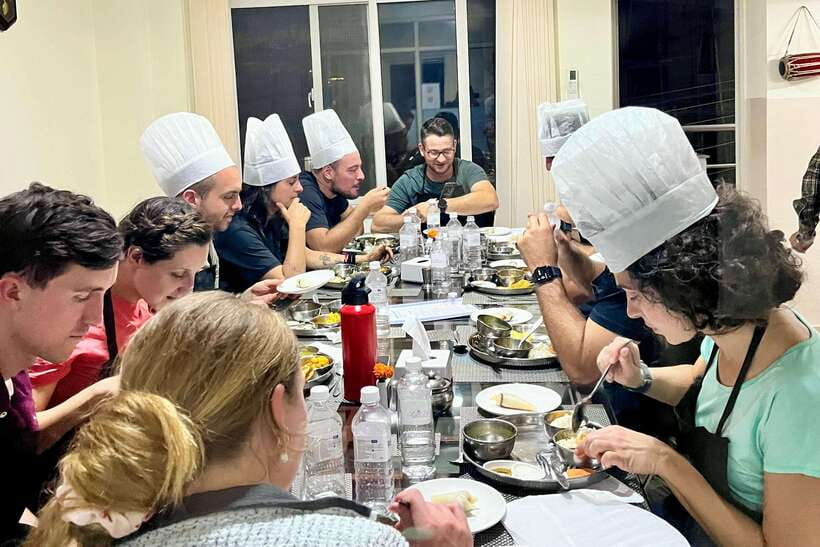
At the end, you eat plenty of freshly made dumplings. The portions can be generous, so arrive hungry. If you cannot finish everything, a takeaway bag may be possible, as one participant was given food to enjoy later, but do not treat that as a guaranteed part of the class.
Dal bhat and the rhythm of a Nepali meal
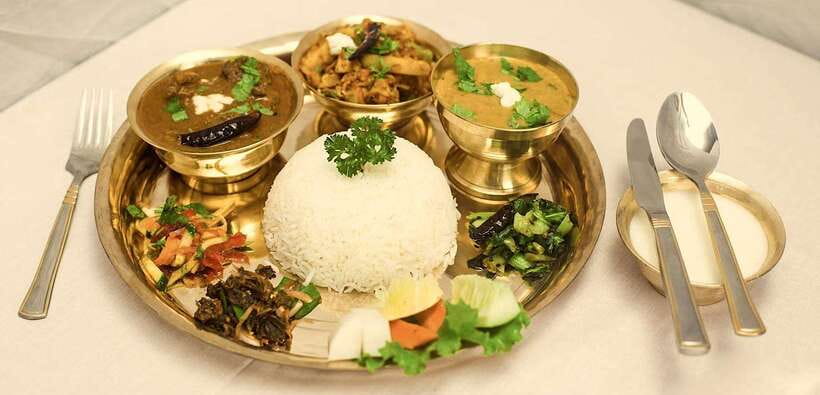
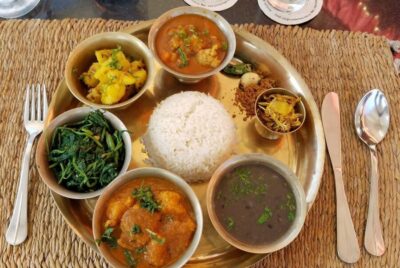
Dal bhat gives the lesson a wider view of Nepali home cooking. The dish combines rice, lentil soup, curry, and accompaniments. It is simple in structure but depends on careful seasoning and good timing.
Cooking dal bhat helps you see how Nepali meals are assembled. It is not just one pot of food. Several parts come together to create a balanced plate, with rice as the base, dal for warmth and texture, and curry or vegetables for spice and variety.
The class focuses on momo and dal bhat as its main dishes. You can often choose additional dishes, but the menu is not unlimited at every session. Ask what is available when you book, especially if you have your heart set on yomari, thukpa, or chatamari.
That flexibility is one of the class’s strengths. Some people make three dishes, while others choose a combination such as chatamari, momo, and kheer, or dal bhat, momo, and carrot pudding. The result is closer to a full lunch or dinner than to a short demonstration.
Picking extra dishes from the Nepali menu
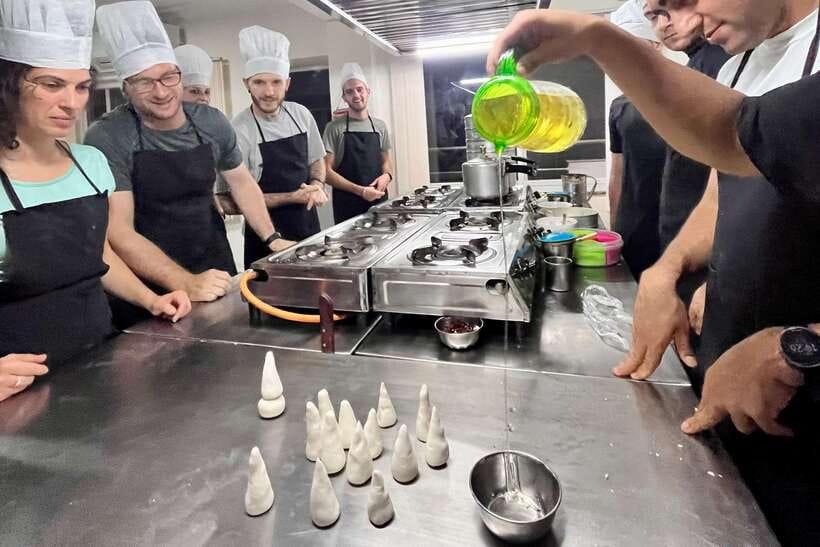
The additional choices let you shape the lesson around your appetite and curiosity.
Chatamari is often described as Nepali pizza, though it has its own character. It is a flatbread with toppings and offers a useful change from folded dumplings. If you want to try something less familiar than momo, this is a good choice.
Bara is a crisp, fried lentil patty with a soft center. It gives you a lesson in working with lentils in a different form. It is also a satisfying snack while the larger dishes are cooking.
Yomari takes the class into sweet cooking. This dumpling is filled with jaggery and sesame seeds, showing the sweet side of Newari food traditions. It is a smart choice if you want more than savory dishes.
Chicken curry with roti focuses on spice, sauce, and flatbread. It may suit you better than momo if you already know dumplings well or want a meal that is easier to repeat at home.
Thukpa is a warm noodle soup with Tibetan roots that has become part of Nepali food culture. It adds broth and noodles to a menu otherwise built around rice, flour, and fried foods.
You may also find mushroom choila, aloo chop, kheer, or carrot pudding among the possible dishes. The exact menu depends on the class option, so confirm your choices rather than assuming every dish is served in one session.
More Momo Making Classes in Kathmandu
- Kathmandu: Traditional Momo Making Class & Pickup
★ 4.8 · 60 reviews - Traditional Nepali Momo Making Classes
★ 5.0 · 53 reviews - Kathmandu: Local Women-Lead Nepali Cooking & Momo Class
★ 4.9 · 45 reviews - Kathmandu: Local Lead Nepali Cooking & Momo Making Class
★ 4.9 · 40 reviews
Teaching style with Nishma, Nish, and Bikram
The instructors are a major part of the experience. Nishma and Nish are praised for being patient, clear, and easy to talk with, while Bikram helps with instruction and preparation. English is the teaching language.
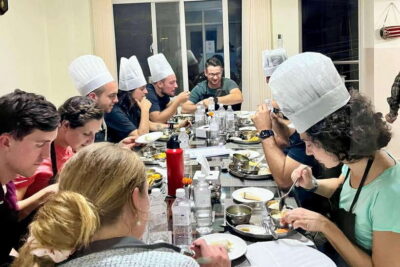
You can expect a relaxed class where questions are welcome. The instructors explain the steps, check that people are keeping up, and make sure each person has something to do. That matters in a group setting. A cooking class can easily turn into one person chopping while everyone else watches, but this format is designed to keep you involved.
The atmosphere is social without requiring you to arrive with a group. There is time to talk with the cooks and with other people at the table. Solo participants can join, and the provider has accepted a one-person booking.
The tone is friendly and informal. Expect jokes, conversation, and a little kitchen banter along with the instruction. If you prefer a formal culinary school lesson with precise measurements and silence, this may feel loose. If you want to cook alongside local people and ask questions as you go, it works well.
What the three-hour schedule feels like
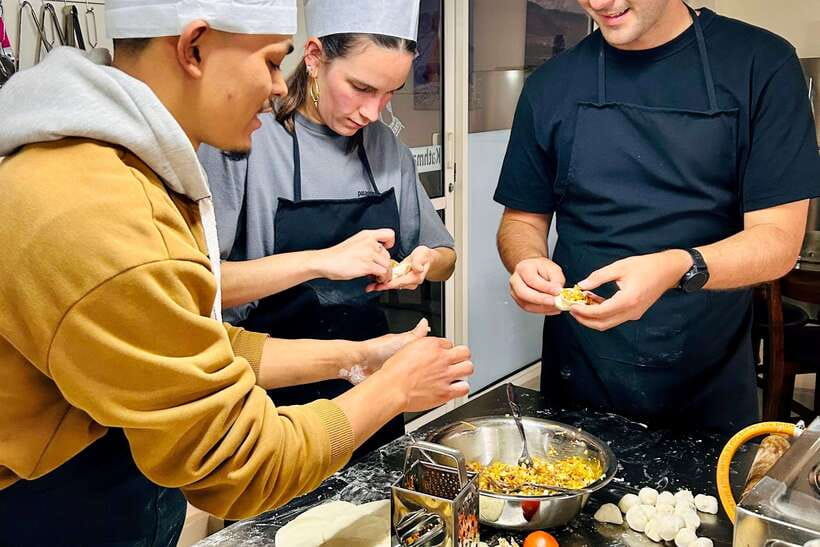
The standard session lasts about three hours, including the market visit, cooking, and meal. Some options run from two to four hours, so check the start time and duration before booking.
A typical flow looks like this:
- Meet at the selected pickup or meeting point.
- Walk to a local market or shop for ingredients.
- Return to the cooking space and choose or confirm the menu.
- Prepare fillings, dough, sauces, rice, lentils, vegetables, or desserts.
- Cook the dishes with step-by-step guidance.
- Sit down for the meal you prepared.
- Finish with Nepali masala tea.
The pace is steady but not rushed. Still, three hours passes quickly once you are chopping and folding. If you want to ask about food customs, cooking methods, or family recipes, bring those questions early instead of waiting until the final meal.
Masala tea is included during the lesson. Specialty drinks and alcohol are not included, so budget separately if you want something beyond tea.
Value at the listed $4 price
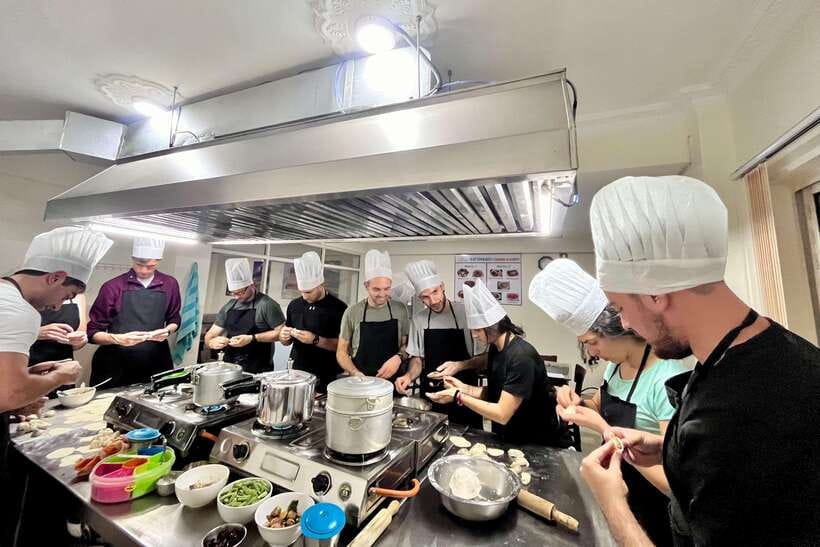
At $4 per person, the class is priced far below most organized food activities. Even if the final price changes by date or option, the value is strong because you receive instruction, ingredients, kitchen equipment, a market visit, tea, and a meal.
The price also makes this a useful choice for budget-conscious visitors who want an activity beyond sightseeing. You are not paying only for food. You are paying for a few hours of local contact and a set of recipes you can try again at home.
The recipe book is not automatically supplied as a printed booklet. You can request a PDF by WhatsApp after the class, while physical books cost extra. Save the recipes when you receive them, because folding instructions and spice proportions are easy to forget.
The low price should not lead you to expect a private cooking lesson. It is a small-group class, and the amount of individual attention depends on group size. The setup is hands-on, but you will still share the kitchen and instructors with other people.
Dietary needs, access, and practical comfort
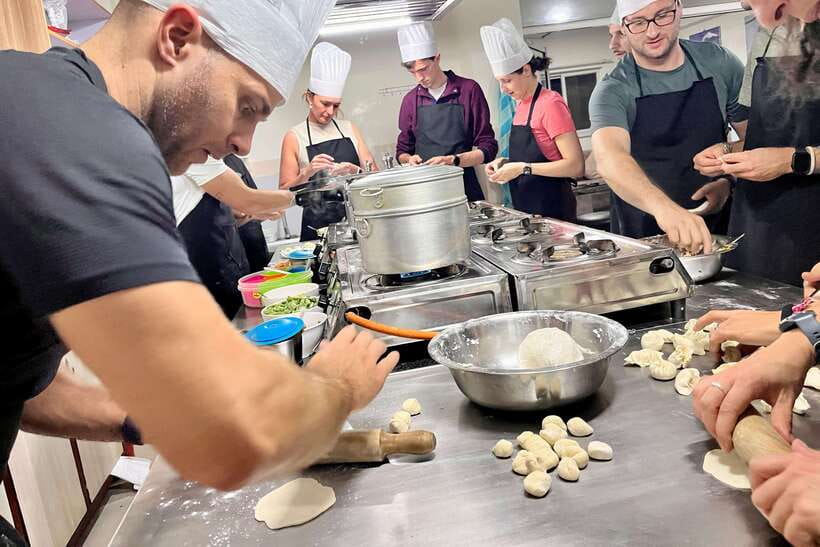
Tell the cooking school about allergies, medical conditions, and dietary restrictions in advance. Vegetarian choices are available, and one participant with vegan and gluten-free needs was accommodated using millet flour. That is encouraging, but you should still confirm your needs before arrival.
The class is not suitable for wheelchair users or people with visual impairments. Stairs are present, and the route from your accommodation may include a steep hill depending on where you start and how navigation directs you.
Wear comfortable clothes suitable for kitchen work. Aprons and equipment are provided, and a camera is the only specific item suggested to bring. You may want to leave room in your schedule after the meal, since the food can be plentiful.
Hotel pickup and drop-off are optional. If you select that service, provide your hotel details when booking. Without pickup, the class is within walking distance of some Thamel hotels, but the exact meeting point can vary.
Who should book this Kathmandu cooking class
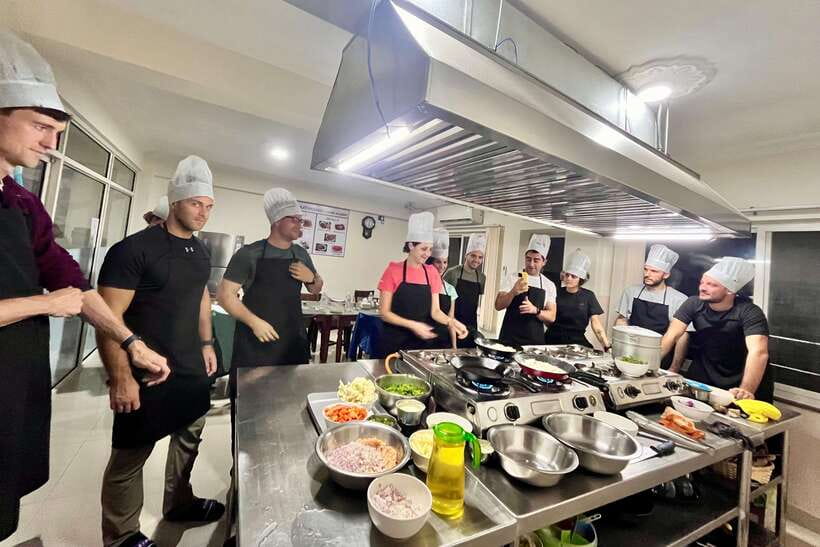
I would choose this class if you want to learn a dish you can realistically make at home. Momo gives you a clear project, and the combination of dough, filling, folding, and sauce creates a satisfying lesson even for a beginner.
It also suits families, couples, solo visitors, and friends. The shared work creates easy conversation, and you do not need advanced kitchen skills. The instructors are used to explaining the process in English and adjusting their pace for beginners.
Food lovers who want more variety should ask about the extra menu choices. Chatamari, bara, yomari, thukpa, and carrot pudding can make the lesson feel broader than a standard momo class.
I would hesitate only if you need step-free access, dislike group activities, or want a highly specialized culinary course. The class is practical, friendly, and relaxed rather than formal or technical.
Should you book it?
Yes, if you have three free hours in Kathmandu and want a useful cultural activity with a meal built in. The market visit gives the class a local starting point, the cooking is genuinely hands-on, and the instructors, especially Nishma and Nish, are known for patient guidance and good energy.
Book with two checks in mind: confirm the dishes available for your session, and notify the school early about dietary or mobility needs. If momo is on your Nepal wish list, this class gives you the best chance of returning home able to make it yourself.
FAQ
How long does the cooking class last?
The class lasts about three hours, though available options range from two to four hours. The time includes the market visit, cooking session, and meal tasting.
What dishes will I learn to cook?
Momo and dal bhat are the main dishes. Depending on the option selected, you may also choose dishes such as chatamari, bara, yomari, chicken curry with roti, thukpa, mushroom choila, or carrot pudding.
Is the class suitable for vegetarians?
Yes. Vegetarian momo and other vegetarian dishes are available. Tell the cooking school about dietary preferences or restrictions before the class.
Is hotel pickup available?
Yes. Pickup and drop-off can be selected as an option from locations within Kathmandu. Provide your hotel details when booking if you choose transport.
Is the class taught in English?
Yes. The instructors teach in English.
Can I get the recipes after the class?
Yes. You can request a PDF recipe book through WhatsApp after the class. Physical recipe books are available for an additional cost.
More Workshops in Kathmandu
- Knife (Khukuri) Making Workshop- Forge of the Gurkhas
★ 5.0 · 143 reviews - Knife Khukuri Making Workshop
★ 4.9 · 38 reviews - Best Nepali Cooking Class in Thamel with Local Market Trip
★ 5.0 · 26 reviews - Kathmandu: Local Women Lead Nepali Cooking & Momo-Making Class
★ 5.0 · 17 reviews
Just added around Kathmandu
- Women Empowerment Project(Nepali cooking class & jewelry workshop★ 5.0 · 15 reviews
- Manthali Airport (Ramechhap) To Kathmandu – Transport Service★ 4.5 · 11 reviews
- Amazing 1 Day Trekking Experience in Kathmandu Nepal★ 5.0 · 24 reviews
- Walking tour of Kathmandu with awesome local guides★ 5.0 · 4 reviews
- Walking tour of real Kathmandu through back streets.★ 5.0 · 3 reviews
- Private Manaslu Circuit Trek at Himalayas★ 5.0 · 3 reviews
- Walking Street Food Tour in Kathmandu★ 5.0 · 111 reviews
- Kathmandu Street Food Walking Tour – Eat Like a Local★ 5.0 · 3 reviews
Momo Making Classes, compared.
Nepalese Momos or Dal Bhat Cooking Class (Cook with Delight)
Read our review →
Nepalese Kitchen in Pokhara: Momos or Dal Bhat Cooking Class
Read our review →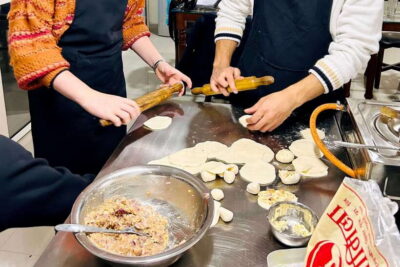
MoMo or Dal Bhat Cooking Class at Aama Kitchen in Pokhara
Read our review →Browse the lists this tour appears in