
Reviewed · UNESCO WORLD HERITAGE TOURS
Private Kathmandu UNESCO World Heritage Sites Tour
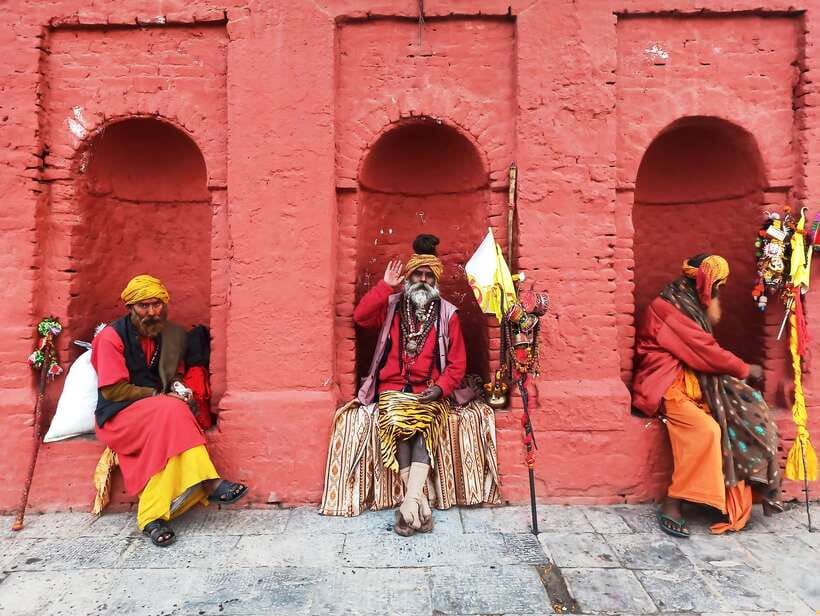
Kathmandu’s UNESCO sites are not just polished monuments. They are active places of worship, cremation, prayer, festivals, and daily life. At Pashupatinath, you may see Hindu rituals along the Bagmati River. At Boudhanath, the steady turn of prayer wheels gives the city a very different mood. This private tour connects those living traditions with the valley’s great squares and temples.
I like the choice of two, four, or seven sites, since you can match the day to your energy and schedule. I also like having a private car and guide, especially when you want to pause, change the pace, or ask detailed questions. The main drawback is that the seven-site version can become a long day, and monument fees are extra, with the highest package requiring NPR 6,000 in entry charges.
Key points to know before booking
- Choose your scale: See two key religious sites, four major landmarks, or all seven UNESCO locations.
- Meet guides by name: Dipesh, Subash, Roshan, Shankar Bhattarai, Madan, and others have led this experience.
- Expect active worship: Pashupatinath and Boudhanath are functioning religious centers, not silent museum pieces.
- Use the private format well: You can ask questions, take breaks, and adjust the pace more easily than on a shared tour.
- Budget for entrance fees: The listed totals are NPR 1,400 for two sites, NPR 2,600 for four, and NPR 6,000 for seven.
- Plan around the clock: The tour lasts about three to nine hours, depending on how many places you select.
Why this tour works well in Kathmandu
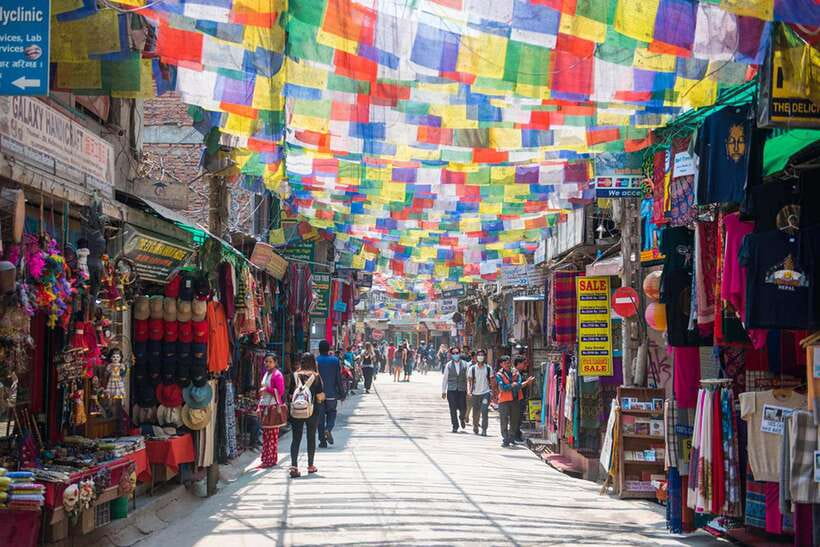
Kathmandu Valley packs an unusual number of major monuments into a relatively small area, but the sites are not all alike. One stop may focus on Hindu worship, another on Tibetan Buddhism, and another on palace courtyards and Newar architecture. Seeing them with a guide helps you connect the symbols and stories instead of treating each temple as another photo stop.
The private format matters here. You are not tied to the interests of a large group, so you can spend more time at a favorite courtyard or ask why a particular statue, roof, or ritual matters. The tour includes hotel pickup and drop-off within the city inside the ring road, along with private air-conditioned transportation.
The guide’s role is especially useful at places where the meaning is not obvious. Reviews of the experience repeatedly praise the clear explanations of history, culture, and temple traditions. Dipesh has been described as friendly and flexible, while Subash, Roshan, Shankar Bhattarai, and Madan have each been praised for explaining the sites well.
More UNESCO Heritage Tours in Kathmandu:
- Private Kathmandu Sightseeing Tour | UNESCO World Heritage sites
★ 5.0 · 756 reviews - Kathmandu: Full Day 7 UNESCO Tour with Lunch – Private/Group
★ 5.0 · 415 reviews - Kathmandu: Full Day Top 4 UNESCO Tour with Lunch – Private/Group
★ 5.0 · 269 reviews
The two-site option: Pashupatinath and Boudhanath
The shortest version pairs two of Kathmandu’s most important religious places. It is the sensible choice if you have limited time, a late arrival, or only one free morning or afternoon.
Pashupatinath Temple
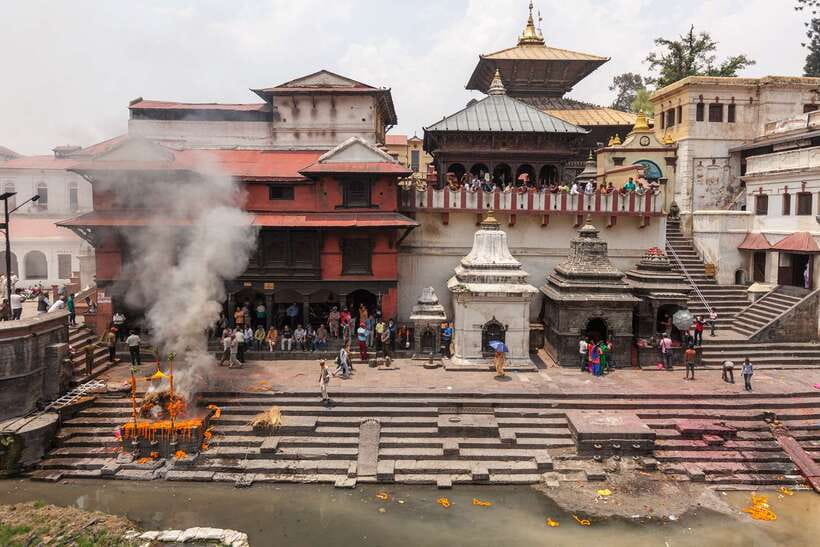
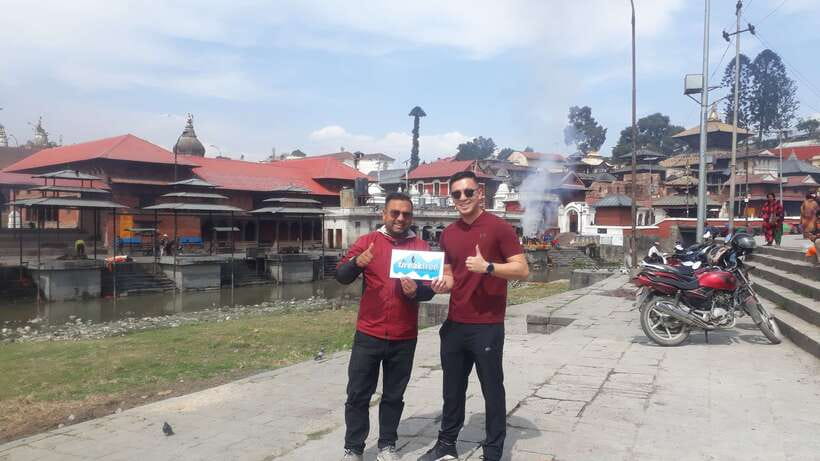
Pashupatinath is Nepal’s spiritual center for Hindus and one of the most important stops on the tour. The temple complex sits beside the Bagmati River, and the experience can include views of religious ceremonies and Hindu cremation rites. This is not a staged performance, so you should approach with quiet attention and respect.
The central temple has strong religious significance, and access inside may depend on religious rules. Your guide can explain what you are seeing, how the complex is used, and which customs matter. That context is valuable because a quick walk through the grounds can otherwise leave you unsure about the meaning of the ceremonies around you.
The riverside setting can also be confronting. The cremation area is an important part of the site, but it may not suit every visitor. You should be prepared for an emotionally serious stop, not simply a beautiful temple visit.
Boudhanath Stupa
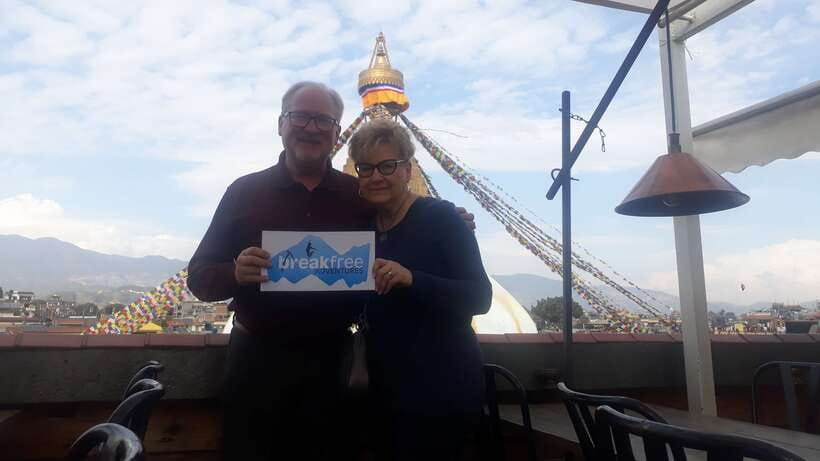
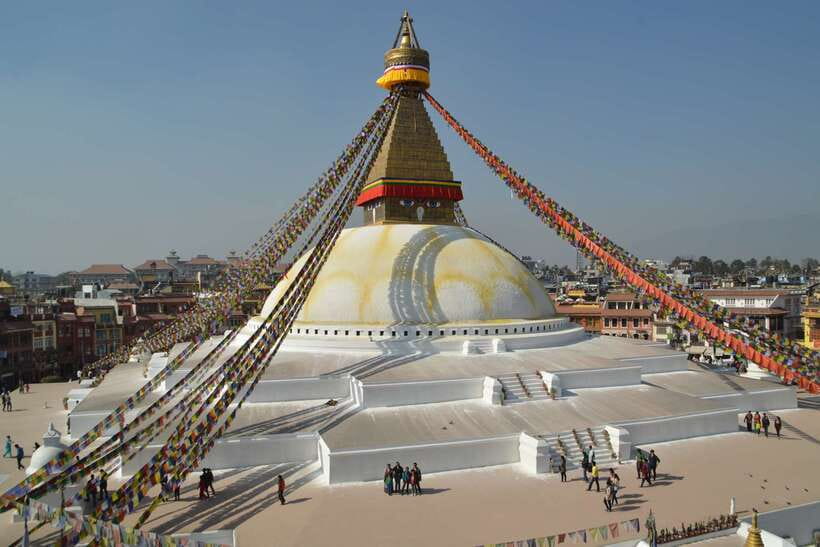
Boudhanath offers a sharp change of mood. The huge white stupa, topped by the familiar watchful eyes, is a center of Tibetan Buddhist practice. You can walk around the stupa, observe prayer wheels and devotional activity, and learn how the site fits into local Buddhist traditions.
This is one of the places where a guide can help you notice details you might otherwise miss. The route around the stupa, the painted symbols, and the steady movement of worshippers all have meaning. The tour information also notes that lunch can be arranged at a spot with a view over the Tibetan stupa, giving you a useful pause during the day.
The two-site choice gives you time to appreciate both places rather than rushing through a long list. It is my pick for first-time visitors with only a few hours, particularly if religious culture matters more to you than palace architecture.
More heritage days around Kathmandu:
- UNESCO Seven World Heritage Tour in Kathmandu
★ 5.0 · 253 reviews - Kathmandu Private Sightseeing Tour | UNESCO World Heritage Sites
★ 5.0 · 109 reviews - Kathmandu: Full Day Private Top 4 UNESCO Heritage Tour W/Lunch.
★ 5.0 · 86 reviews - Kathmandu World Heritage Tour
★ 5.0 · 74 reviews
The four-site option adds Kathmandu Durbar Square and Swayambhunath
The four-site plan keeps Pashupatinath and Boudhanath, then adds two landmarks that broaden the picture. It is a strong middle option for most visitors who want a full day of sightseeing without attempting every major site in the valley.
Kathmandu Durbar Square
Kathmandu Durbar Square is a collection of palaces, temples, courtyards, and carved architectural details. It gives you a direct look at the city’s royal past and the Newar artistic tradition that shaped much of the valley.
The square is best understood as a group of connected spaces rather than one single monument. Your guide can point out the purpose of the courtyards and explain the stories linked to the temples. The setting also shows how Kathmandu’s heritage exists alongside ordinary city life.
Give yourself time to look up and around. The appeal is in the wood carving, layered roofs, shrines, and small details as much as in the larger buildings. The area can feel dense and visually busy, so a guide’s explanation helps you sort the important features from the surrounding activity.
Swayambhunath Stupa, the Monkey Temple
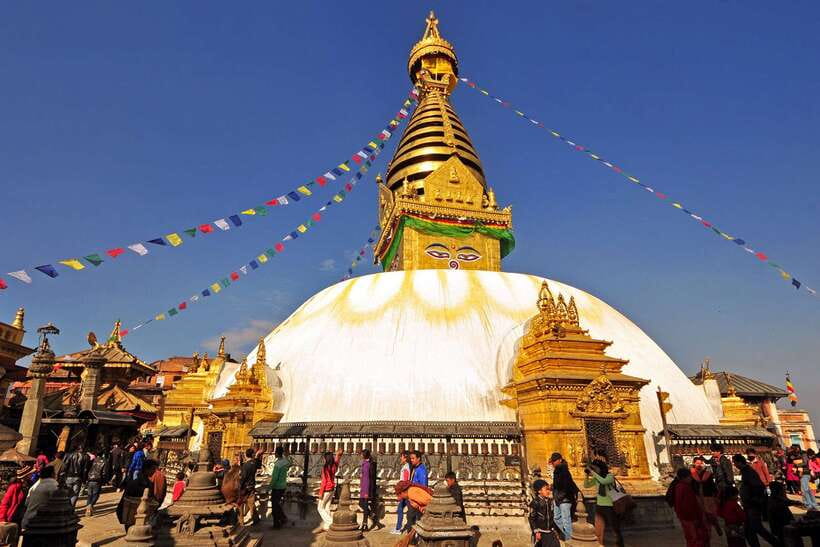
Swayambhunath sits on a hill above Kathmandu and is known for its stupa, religious atmosphere, and broad city views. The hilltop setting gives the tour a welcome change from the lower city streets.
The name Monkey Temple reflects the animals associated with the area, but the main reason to visit is the combination of Buddhist symbolism, temple architecture, and the view across Kathmandu. The climb and uneven surroundings may require more effort than a flat square, so comfortable shoes are a good idea.
If you choose four sites, Swayambhunath gives you the best visual contrast with Boudhanath. Boudhanath feels open and strongly Tibetan Buddhist in character, while Swayambhunath combines Buddhist practice with a hilltop setting and views over the city.
The seven-site route covers the Kathmandu Valley
The full option adds Patan Durbar Square, Bhaktapur Durbar Square, and Changu Narayan Temple. This is the most complete version, but it also lasts the longest, up to about nine hours. I would choose it if you want a broad introduction to the valley’s major heritage places and have a full day available.
Patan Durbar Square
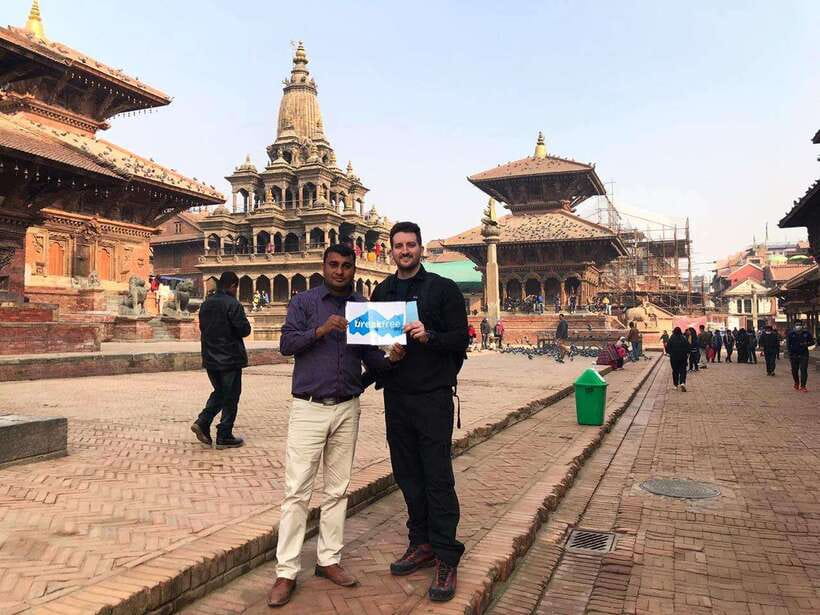
Patan, also called Lalitpur, is known for its palace complex, temples, courtyards, and fine Newar craftsmanship. Adding Patan after Kathmandu Durbar Square lets you compare two historic royal centers rather than seeing only one.
Your guide can help you identify differences in design, religious use, and local stories. The stop is especially worthwhile if you care about architecture and carved details. Like Kathmandu Durbar Square, it rewards a slower look rather than a quick circuit.
The practical issue is time. After several religious sites, another palace square may feel similar unless you are interested in the details. The private format helps because you can tell your guide what you want to focus on instead of receiving the same pace at every stop.
Bhaktapur Durbar Square
Bhaktapur is another major historic square, with palaces, temples, courtyards, and a distinct old-city character. It is included in the seven-site route because it forms an important part of the valley’s architectural story.
This stop helps you see that Kathmandu Valley’s heritage is spread across several historic centers. Each square has its own layout and collection of monuments, and a guide can explain how they fit into the wider story of Nepal’s former kingdoms and artistic traditions.
Bhaktapur adds travel time to the day, so the seven-site tour is not a casual hop between nearby attractions. Still, if you have limited time in Nepal and want one organized day covering the main valley sites, this is the route that gives you the widest view.
Changu Narayan Temple
Changu Narayan completes the seven-site plan. It is a temple site with major historical and architectural value, and its inclusion takes you beyond the best-known urban squares.
By the time you reach Changu Narayan, you will have seen religious centers, royal courtyards, and urban stupas. This final stop adds another layer to the valley’s heritage and gives the day a sense of geographic range.
The tradeoff is simple: seven sites offer breadth, but not the same leisurely pace as two. If you like asking many questions, photographing details, or stopping for a proper meal, the longer route may feel full. If your priority is to cover the major UNESCO places in one day, it makes good use of your time.
What the private car and guide add
The tour includes hotel pickup and drop-off inside Kathmandu’s ring road. Transportation is private and air-conditioned, which is a practical advantage during a long sightseeing day. You avoid arranging separate rides between sites and can return to your hotel at the end.
The guide is the most important part of the experience. Visitors have particularly praised the explanations of temple history, local traditions, and Nepalese culture. That praise appears across several guides, including Dipesh, Subash, Roshan, Shankar Bhattarai, and Madan.
I also like the flexibility reported by the format. One visitor needed an earlier restaurant stop, and the guide adjusted the plan. Another received help with a preferred pickup location and schedule. You should still discuss your priorities at the start, but the private setup gives you room to make reasonable changes.
Do not expect the price to cover every cost. The $28 per person rate includes the vehicle, guide, hotel transfers, and taxes, but not monument entry, meals, drinks, or personal expenses. The listed entrance totals are NPR 1,400 for the two-site route, NPR 2,600 for four sites, and NPR 6,000 for seven sites.
That makes the tour good value for solo visitors and couples who want a private guide without paying for a large luxury arrangement. For a larger private group, the value may be even better per person. Just add the entrance fees before comparing the total with other day tours.
How long should you choose?
The two-site tour takes about three hours and suits a short stop in Kathmandu. It gives you the strongest religious contrast, with Hindu Pashupatinath and Buddhist Boudhanath.
The four-site version lasts longer and gives you a better all-around introduction. You add the city’s major historic square and the hilltop Swayambhunath, so you see religious life, royal architecture, and a city view in one outing.
The seven-site version can take up to nine hours. It is the right choice if you want to cover Kathmandu, Patan, Bhaktapur, and Changu Narayan in one organized day. It is less suitable if you dislike long sightseeing days or prefer to explore one neighborhood slowly.
Starting times depend on availability, so check the schedule when booking. Bring your passport or ID card, as requested for the activity. Comfortable shoes and modest clothing are sensible choices for temple visits, though the provided information does not specify a formal dress code.
Who should book this experience?
I would recommend the two-site route to first-time visitors with limited time, especially those who want religious and cultural context rather than a quick list of landmarks.
The four-site route is the best balance for many people. You get the main religious sites, Kathmandu Durbar Square, and Swayambhunath without committing to the longest possible day.
Choose seven sites if you have a full day and want to compare the valley’s historic centers. It is also useful if you may not have another chance to visit Patan, Bhaktapur, or Changu Narayan.
This tour is less ideal if you want to explore entirely on your own, spend hours photographing one square, or avoid religious ceremonies. The guide provides interpretation and structure, while the private vehicle makes the day easier, but the plan remains focused on seeing several major sites.
Should you book it?
Book this tour if you want a clear introduction to Kathmandu’s temples, stupas, palace squares, and living religious traditions, with a private car and English-speaking guide to connect the pieces. The four-site option offers the most balanced day, while the two-site plan is excellent for a short schedule.
Choose the seven-site route only if you are ready for a long day and the extra NPR 6,000 in listed monument fees. For most visitors, the tour’s strongest points are the flexible format, the strong guide feedback, and the chance to see Pashupatinath and Boudhanath without giving up Kathmandu’s historic squares.
FAQ
How many UNESCO sites can I visit?
You can choose a tour covering two, four, or seven UNESCO sites.
Which sites are included in the two-site option?
The two-site route includes Pashupatinath Temple and Boudhanath Stupa.
Which sites are added to the four-site tour?
The four-site route adds Kathmandu Durbar Square and Swayambhunath Stupa to Pashupatinath and Boudhanath.
Which places are included in the seven-site route?
The seven-site option also includes Patan Durbar Square, Bhaktapur Durbar Square, and Changu Narayan Temple.
Are entrance fees included?
No. Monument entrance fees are paid separately on the day. The listed totals are NPR 1,400 for two sites, NPR 2,600 for four, and NPR 6,000 for seven.
Is hotel pickup included?
Yes. Pickup and drop-off are included for locations inside Kathmandu’s ring road.
Can I cancel the tour?
You can cancel up to 24 hours in advance for a full refund. The reserve-now-and-pay-later option allows you to book without paying immediately.
Just added around Kathmandu
- Traditional Momo Making Class★ 5.0 · 10 reviews
- Women Empowerment Project(Nepali cooking class & jewelry workshop★ 5.0 · 15 reviews
- Manthali Airport (Ramechhap) To Kathmandu – Transport Service★ 4.5 · 11 reviews
- Amazing 1 Day Trekking Experience in Kathmandu Nepal★ 5.0 · 24 reviews
- Walking tour of Kathmandu with awesome local guides★ 5.0 · 4 reviews
- Walking tour of real Kathmandu through back streets.★ 5.0 · 3 reviews
- Private Manaslu Circuit Trek at Himalayas★ 5.0 · 3 reviews
- Walking Street Food Tour in Kathmandu★ 5.0 · 111 reviews
UNESCO World Heritage Tours, compared.
Private Kathmandu Sightseeing Tour | UNESCO World Heritage sites
Read our review →
Full Day 7 UNESCO Tour with Lunch – Private/Group
Read our review →
Full Day Top 4 UNESCO Tour with Lunch – Private/Group
Read our review →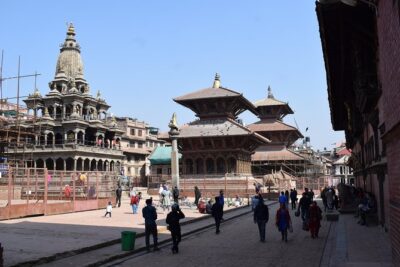
Full-Day 7 UNESCO Tour with Lunch – Private/Group
Read our review →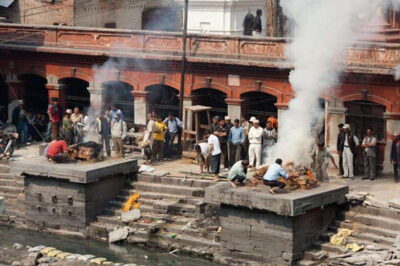
Kathmandu Private Sightseeing Tour | UNESCO World Heritage Sites
Read our review →Browse the lists this tour appears in