
Reviewed · MARDI HIMAL TREKS
Pokhara: Majestic Mardi Base Camp Guided Trek with HotSpring
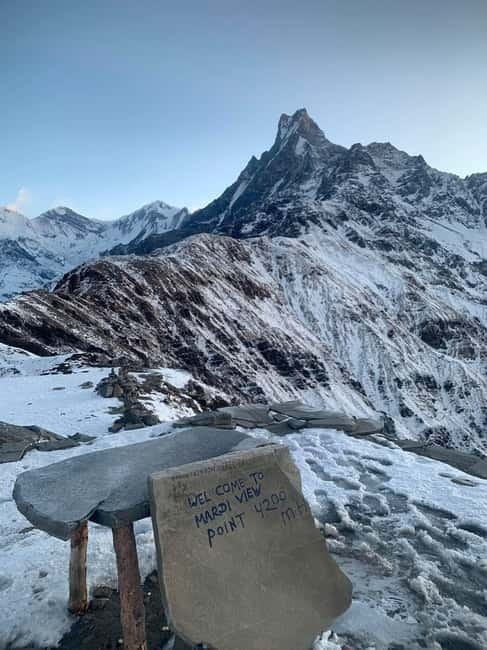
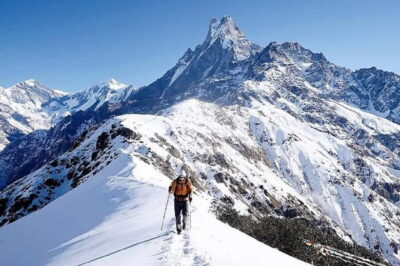
Mardi Himal gives you a lot in five days: thick forest, high ridgelines, Machapuchare, or Fishtail, and a warm soak beside the Modi River. The route feels adventurous without requiring a long Himalayan holiday, and the early climb to the 4,300-meter viewpoint is the trip’s big payoff.
I like the combination of mountain scenery and hot spring recovery, plus the private format, which lets you set a practical pace with your guide. I also like the careful local support reported by trekkers, including guides Santosh, Prakash, and Jeet. The main consideration is fitness: long uphill and downhill walks, basic tea-house lodging, and thin air at High Camp demand preparation.
Key points to know before booking
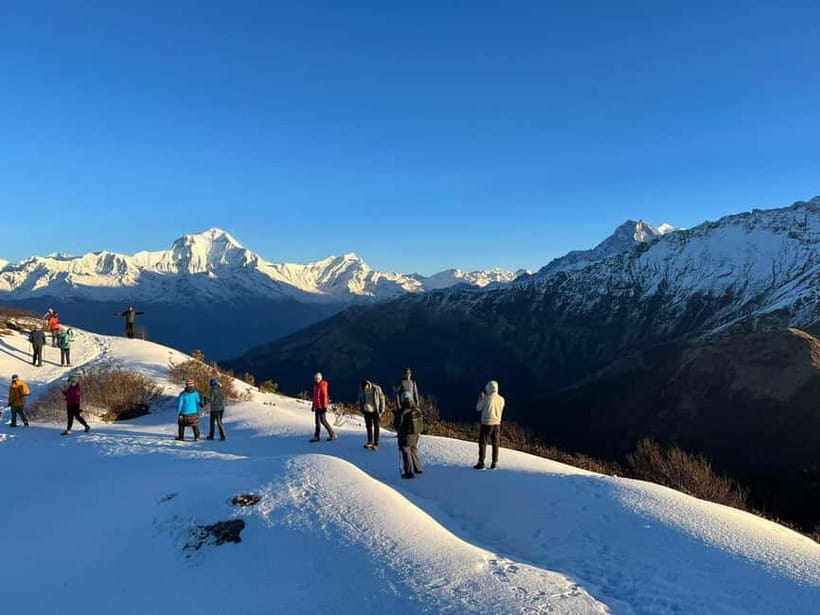
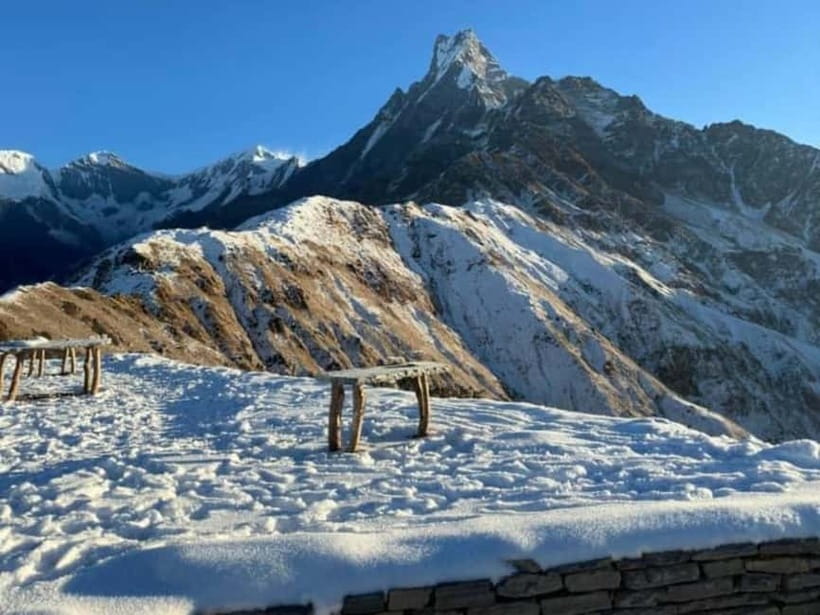
- 4,300-meter viewpoint: Start before dawn from High Camp for clear views of Fishtail, Annapurna South, and Hiunchuli.
- Forest to alpine ridge: The route changes quickly from lush woodland to open high meadows and exposed mountain trails.
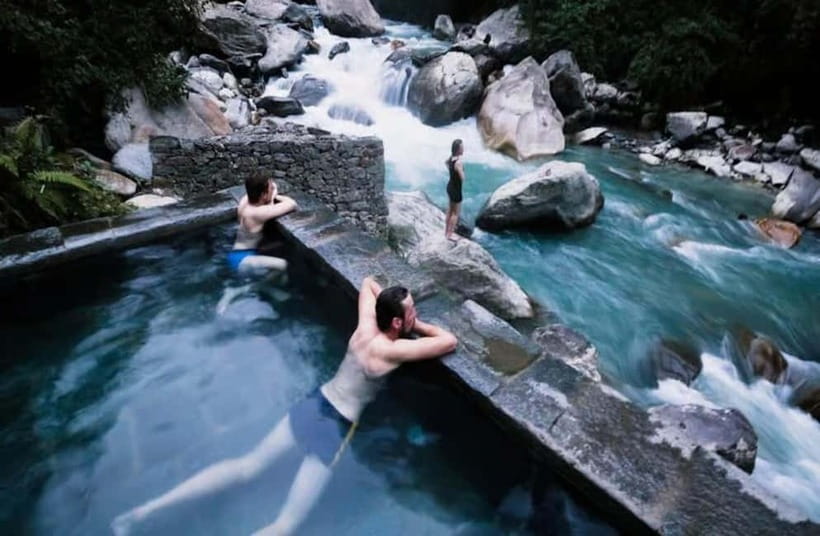
- Jhinu hot spring: Finish the hard walking with a natural soak near the Modi Khola river.
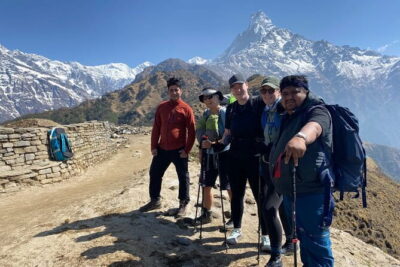
- Private group format: You can trek with your own party and an English or Hindi-speaking licensed guide.
- Useful gear included: Trekking poles, a sleeping bag, and duffle bag are provided, along with permits and required paperwork.
- Strong guide support: Santosh, Prakash, and Jeet have received special praise for care, local connections, and practical help.
Why this five-day route works so well
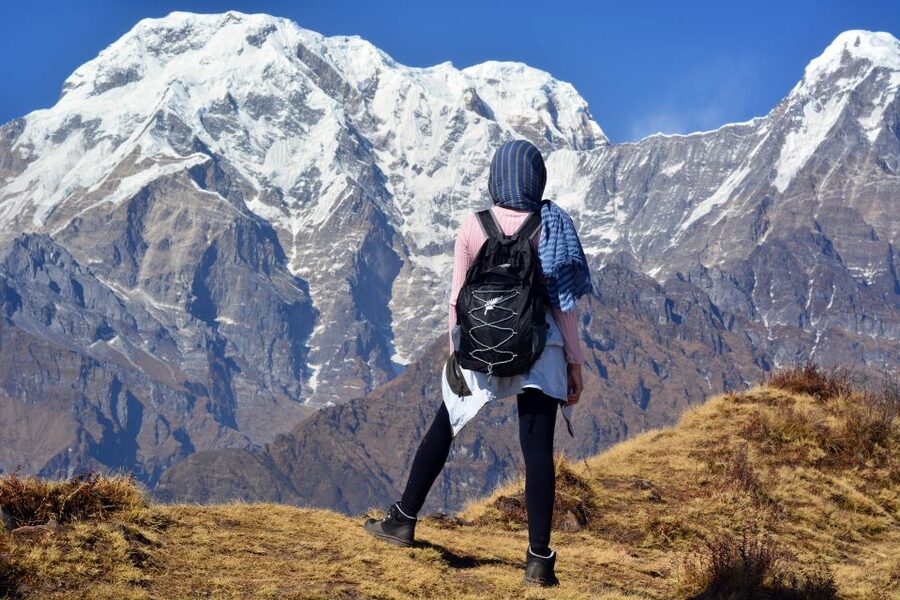
Mardi Himal is a good choice if you want a real mountain trek but cannot spare two weeks. The route begins near Pokhara and reaches a high point quickly, then brings you back down through forest and village country to Jhinu. You get altitude, big peaks, local lodges, and a hot spring without spending every day on the trail.
The price is $183 per person. That is a strong value if your booking includes the full package: accommodation, meals, guide, transport, permits, staff costs, and trekking gear. Check the exact meal option before paying, since the details specify that all meals apply to the All Inclusive Full Package only.
The private setup adds value for couples, families with older children, or friends who want control over stops and walking speed. It does not mean luxury. Tea houses and guesthouses provide basic comforts, and rooms, showers, hot water, and charging may carry extra costs. You should approach this as a supported mountain trek, not a resort holiday.
More Mardi Himal treks:
- Pokhara: 4-Day Mardi Himal Trek
★ 4.9 · 59 reviews - Private Mardi Himal Trek
★ 5.0 · 42 reviews - Mardi Himal Trek
★ 5.0 · 41 reviews
Day 1: Pokhara to Kande and Forest Camp
Pickup begins at 8:00 a.m. from your hotel in Lakeside, Pokhara Airport, or elsewhere in the Pokhara Valley. The drive to Kande takes roughly one to one and a half hours, depending on the exact starting point and road conditions.
The road gives you early views of green fields, forest, the Seti River, and distant peaks. This is not just a transfer. It eases you out of Pokhara and places you at the trailhead with the mountains already in view.
From Kande, you walk for about five hours toward Forest Camp. The trail passes through forest, with rhododendron and other highland trees creating shade for much of the route. Birdlife is part of the appeal, though the schedule is too active to treat this as a dedicated wildlife outing.
Lunch comes at a tea house along the way. Food on this trek centers on practical mountain meals, including dal bhat, with other choices available. Take advantage of meals when they appear, because the walking days are steady and the food is fuel rather than a side feature.
Forest Camp sits at about 2,500 meters. Your first night is a useful adjustment period, but the climb is not trivial. Start with comfortable boots and keep your day pack light if you have arranged porter service. Porters are not included in the base price, but one can be added for an extra charge.
Day 2: Forest Camp to High Camp at 4,000 meters
Day two takes about five hours and brings the biggest altitude gain of the trek. You continue through dense forest before the trees begin to thin and the route opens toward higher ground.
This section is rewarding because the setting changes as you walk. Lower down, you have shade and birdsong. Higher up, you get wider mountain views and a greater sense of exposure. Wild birds and possible animal sightings add interest, but do not book this as a wildlife tour. The mountains and the changing forest are the main event.
High Camp sits around 4,000 meters. The word camp can sound more rustic than it is, but accommodation remains basic tea-house style. You should expect simple rooms and shared facilities rather than hotel service. A sleeping bag is listed among the supplied gear, which matters at this altitude.
Take the evening seriously. Eat, drink water, organize your clothes, and keep the next morning’s layers within reach. You will be up at about 4:00 a.m. for the viewpoint walk. The early start is not a minor detail. It is built into the best part of the route.
Day 3: The 4,300-meter viewpoint and descent to Rest Camp
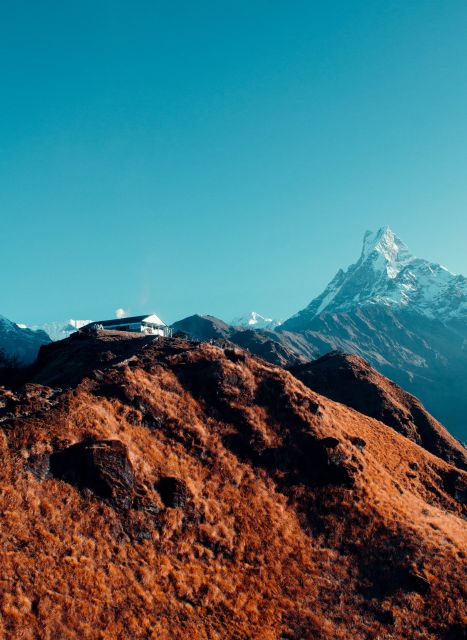
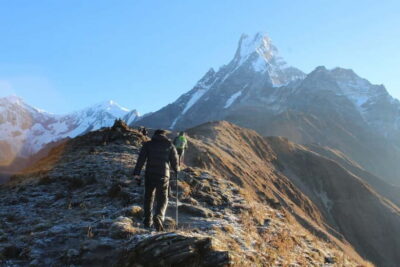
You leave High Camp before dawn and walk for about two hours to the viewpoint at roughly 4,300 meters. This is the highest and most demanding section, especially because you are climbing in darkness and cold.
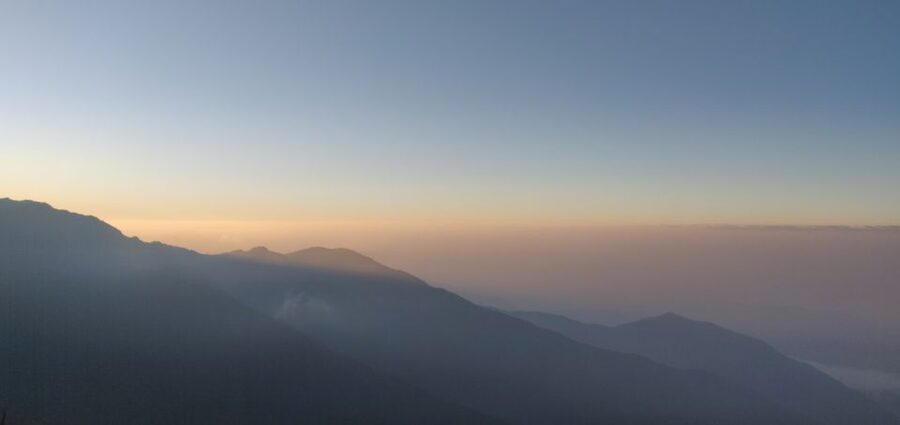
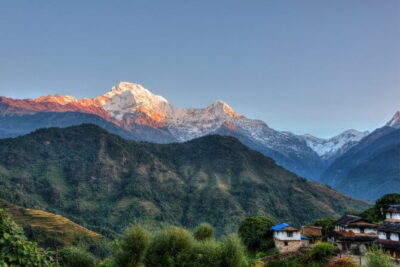
The reward is a broad mountain panorama. On a clear morning, you can see Machapuchare, Annapurna South, Hiunchuli, and other high summits in the Annapurna range. Sunrise conditions vary, and mountain weather can change quickly, so no guide can promise perfect visibility. Still, this viewpoint is the reason many people choose Mardi Himal.
After returning to High Camp, you have breakfast and a short rest. The route then turns downhill toward Rest Camp, with about seven hours of total walking for the day. This is a long day, even though much of it is descent.
Downhill walking can be harder on knees and feet than expected. Trekking poles are included and are worth using. Good boots, long pants, a warm jacket, sunglasses, sunscreen, and a headlamp are all practical choices. Bring layers rather than relying on one thick coat, since the temperature can shift sharply between morning, sun, shade, and lower elevations.
Rest Camp is around 2,700 meters. The lower altitude should feel easier, but tired legs may tell a different story. This night is less about sightseeing and more about restoring energy for the final trail section.
More trekking days out of Pokhara:
- Pokhara: Annapurna Foothills Day Hike with Transfers
★ 5.0 · 100 reviews - Independent Trekking Guide in Pokhara
★ 5.0 · 46 reviews - Pokhara: 4-Day Private Trek Tour
★ 4.9 · 43 reviews - 2-Day Private Trekking Tour to Australian Camp & Dhampus
★ 5.0 · 42 reviews
Day 4: Forest trails, Modi River, and Jhinu hot spring
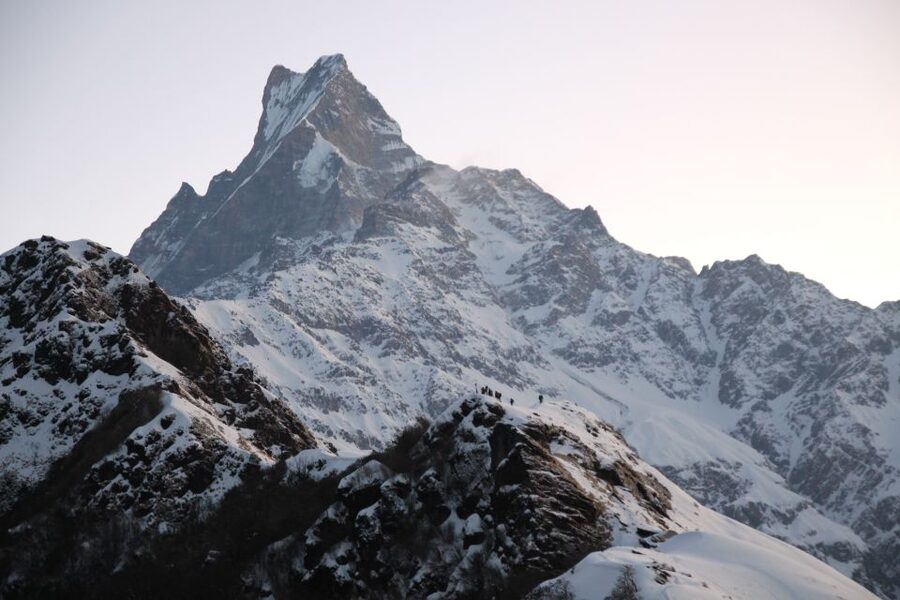
After breakfast at Rest Camp, you walk downhill for about four hours through lush forest. This is a gentler day by comparison, though descending on uneven trails still requires care.
The route reaches the Modi River, which flows from the Annapurna area. You cross a suspension bridge before continuing to Jhinu Village. The river and forest give this section a different mood from the exposed ridge above High Camp. You are now moving through a warmer, greener part of the region.
The natural hot spring is the day’s highlight. It sits in dense jungle near the river, and the warm water offers a welcome break after several days of climbing and descending. Bring a towel and suitable swimwear. The provided packing guidance specifically includes a towel, and it is easy to understand why.
You spend the night in Jhinu Village beside the Modi River. This is where the trip’s local side becomes most visible. You stay in a village setting, eat simple meals, and have more time to connect with the people who live along the route. The hot spring is not a spa with changing rooms and polished facilities. Its appeal comes from the setting and the relief it gives your legs.
Day 5: Jhinu Village to Samrung and back to Pokhara
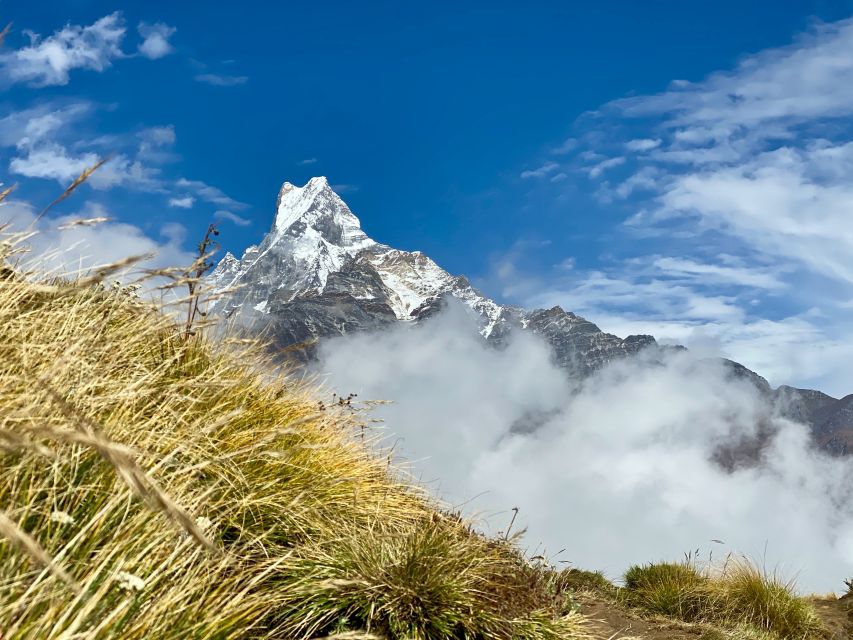
The final walk is short, about 30 minutes from Jhinu Village to Samrung. From there, a vehicle takes you back to Pokhara in roughly two and a half hours.
The road transfer gives you a quiet finish after the walking days. You return to the city with the forest, high ridges, river crossings, and hot spring behind you. The schedule leaves room to relax after arrival, although exact arrival time depends on road conditions and pickup arrangements.
Pickup and drop-off are included from the Lakeside area, Pokhara Airport, and the wider Pokhara Valley. Pickup from Kathmandu can be arranged at an additional cost, so this trek is easiest if you are already based in Pokhara.
What the guides add to the experience
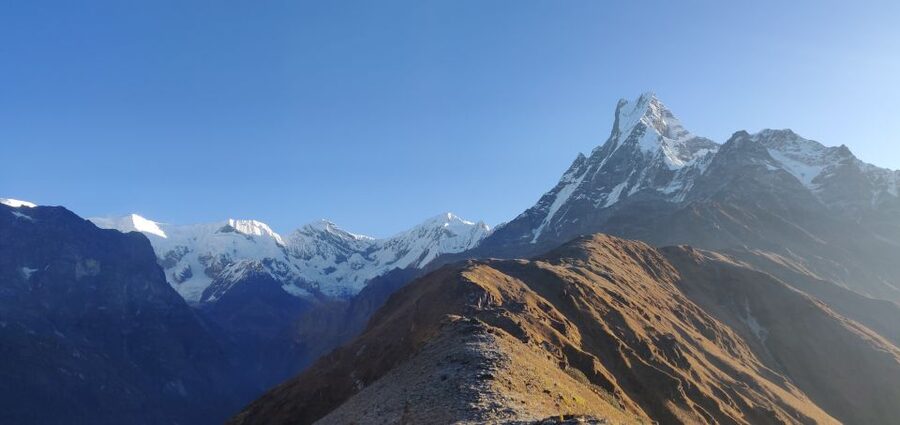
The quality of a short Himalayan trek often depends on the guide more than on the brochure. You spend several days walking, eating, and sleeping in close contact with the guiding team, so practical judgment matters.
Santosh is the assigned guide named for one booking, and Prakash joined that party as an additional licensed guide after a last-minute porter request. Their support included arranging needed supplies through contacts at lower camps and getting them delivered higher on the route. That sort of local problem-solving can matter when plans change or you forget something important.
Jeet is another guide associated with the experience. He is described as professional and attentive, with strong command of the trek and its practical details. The strongest praise across the available feedback centers on care, punctuality, communication, and support from the guides.
The company provides English and Hindi guiding. You should still ask before departure who your exact guide will be, especially if a particular language or guide experience matters to you. A private group gives you more direct contact with that person than a large shared departure would.
Food, lodging, and what the price really covers
At $183, the trek offers good value when you use the included services. The package lists private accommodation during the trek, meals for the full package, permits, government taxes, guide expenses, transportation, luggage storage, and several pieces of trekking equipment.
The included gear is useful but does not replace your personal clothing. Trekking poles, sleeping bag, and duffle bag are listed, while you should bring hiking shoes, warm layers, a jacket, hat, sunglasses, sunscreen, reusable water bottle, first aid kit, and headlamp.
The following costs are not included:
- Soft and hard drinks
- Bottled or boiled water
- Showers and battery charging
- Laundry and phone calls
- Bar bills
- Porters
- Travel and rescue insurance
- International flights and Nepal visa fees
The biggest point to clarify is food. The details identify all meals as part of the All Inclusive Full Package. If you see a lower or different booking option, confirm exactly what is covered. That one question prevents confusion on the trail.
Fitness, altitude, and safety
You need to be comfortable with sustained uphill and downhill walking. The route includes five-hour days, a seven-hour day, an early climb to 4,300 meters, and repeated changes in elevation. You do not need technical climbing skills based on the supplied description, but you do need reasonable walking fitness.
Altitude is the serious issue. High Camp sits at 4,000 meters, and the viewpoint reaches about 4,300 meters. Weather can be sunny and clear, but rain or snow is possible. Pack layers, protect yourself from the sun, and tell your guide promptly if you feel unwell.
Travel and rescue insurance with high-altitude coverage is strongly important. It is not included in the price. A first aid kit is also listed among the recommended items, though your guide and staff carry their own equipment as part of their work.
The trek is not suitable for pregnant women. Anyone with medical concerns should get professional medical advice before booking, since the route reaches high altitude and includes long walking days.
Who should book this Mardi Himal trek
I would recommend this trip to you if you want a short, active introduction to trekking near Pokhara and care more about scenery and local lodges than luxury. It suits people who want a private group, a licensed guide, and a route that combines high mountain views with a hot spring finish.
It is especially attractive if you have five days available and want more than a day hike. The combination of Fishtail views, Annapurna panoramas, forest trails, Modi River scenery, and Jhinu Village gives the trip a varied rhythm.
I would think twice if you dislike early starts, basic accommodation, steep trails, or unpredictable mountain weather. The 4:00 a.m. viewpoint walk and the seven-hour third day are the sections to consider most carefully. You should also budget for drinks, water, showers, charging, and a porter if you do not want to carry your own luggage.
Should you book it?
Book this Mardi Himal trek if you want strong mountain views in a compact five-day plan, and if the hot spring sounds as appealing as the base camp. The price is fair for a private, guide-led trip with permits, transport, staff costs, accommodation, and selected gear included.
Before confirming, ask which package includes meals, who your guide will be, and whether you want to add a porter. If you are fit for the altitude and prepared for tea-house conditions, the route offers a satisfying balance of challenge, scenery, and recovery time at Jhinu.
FAQ
How long is the Mardi Himal trek?
The activity lasts five days, including transportation from Pokhara and the return drive from Samrung.
What is the highest point on the trek?
The early morning viewpoint reaches about 4,300 meters. High Camp is at approximately 4,000 meters.
Is transportation from Pokhara included?
Yes. Pickup and drop-off are available from Lakeside, Pokhara Airport, and the wider Pokhara Valley. Pickup from Kathmandu can be arranged for an additional cost.
Are meals included?
Breakfast, lunch, and dinner are included with the All Inclusive Full Package. Confirm the meal arrangement for your selected booking option before departure.
Is a porter included?
No. Porters are not included in the listed price, but one can be arranged for an additional cost.
What trekking gear is provided?
The supplied gear includes trekking poles, a sleeping bag, and a duffle bag. You still need personal clothing, hiking shoes, sun protection, and other essentials.
What languages can the guide speak?
Guides are available in English and Hindi.
Is the trek private?
Yes. The activity is arranged as a private group with an authorized licensed guide.
Can I cancel the booking?
You can cancel up to 24 hours in advance for a full refund. You can also reserve now and pay later, which keeps your plans flexible.
Just added around Pokhara
- Pokhara: Pokhara Highlights Tour by Bus★ 3.6 · 10 reviews
- Discover Pokhara in Style: Private Vehicle Service with Driver★ 5.0 · 5 reviews
- Pokhara in 5 Hours: Lake, Museum, Cave, Falls & Pagoda Hill★ 4.5 · 16 reviews
- Beautiful Sarankot Sunrise with Full Day Sightseeing in Pokhara★ 4.5 · 3 reviews
- Sarangkot Sunrise Tour in Private Car★ 5.0 · 3 reviews
- Pokhara: Group Joining Sarangkot Sunrise Himalayas Tour★ 4.5 · 23 reviews
- Sarangkot Sunrise Tour from Pokhara★ 4.5 · 9 reviews
- Pokhara: Full-Day Sightseeing & Viewpoints Tour – Private/Group★ 5.0 · 4 reviews
Mardi Himal Treks, compared.
Browse the lists this tour appears in