
Reviewed · TIBETAN CULTURE TOURS
Afternoon Tibetan Cultural Tour to Tibetan Settlements Pokhara
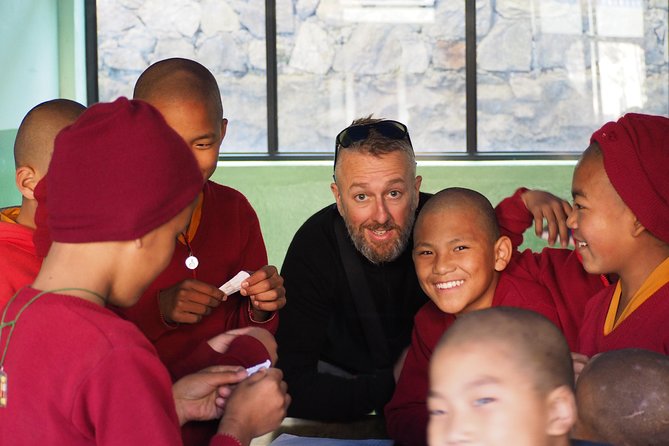
Pokhara’s Tibetan settlements offer something that the city’s usual sightseeing does not: a direct look at how Tibetan families have built daily life in Nepal. With Mr. Thupten Gyatso, a Tibetan guide, you visit monasteries, hear about refugee life, and share food in a family home rather than simply viewing religious buildings from outside.
I like the small-group format, capped at 15 people, because it gives you room to ask questions and hear personal stories. I also like the afternoon timing: hotel pickup begins at 2 pm, the prayer visit fits naturally into the day, and you return around 6 pm.
The main consideration is that this is a cultural and walking tour, not a broad Pokhara sightseeing trip. Lunch is not included, and the food visit is a traditional tasting with a family rather than a full restaurant meal.
Key points to know before booking
- A Tibetan guide leads the visit: Mr. Thupten Gyatso explains religion, culture, history, and refugee life from a personal community perspective.
- Two monasteries anchor the afternoon: You visit Pema Ts’al Sakya Monastic Institute and Jangchub Choeling Tibetan Monastery.
- Prayer chanting is part of the visit: At Jangchub Choeling, you may hear monks using horns, drums, and conch shells during the afternoon prayer.
- Food is served in a Tibetan home: The Tashi Palkhel stop includes Tibetan bread, butter tea, and traditional family food.
- The tour runs from 2 pm to about 6 pm: Hotel pickup and drop-off are included, making the half-day plan easy to fit into a Pokhara stay.
- Dietary needs can be handled: Vegetarian food is available, and plain rice with vegetable or non-vegetable curry can be provided for a gluten-free option.
Why this four-hour Pokhara tour feels different
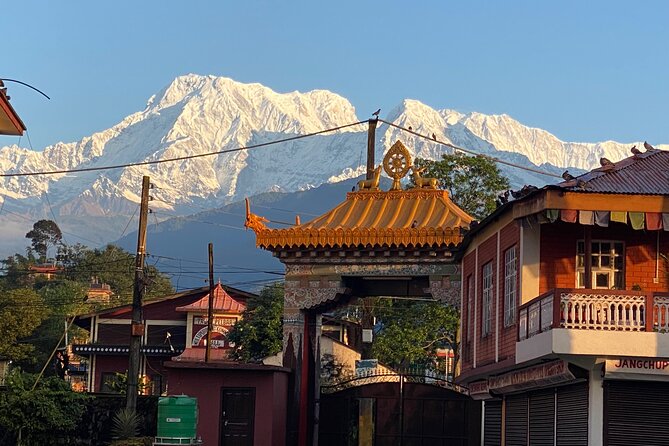
The best part of this experience is its human scale. You are not only looking at monastery architecture or taking photographs of prayer spaces. You are hearing how Tibetan people live in Nepal, how religion shapes community life, and how traditions continue away from Tibet.
That difference matters. A guide can explain a building, but a Tibetan guide can also explain why a ritual matters to the people taking part in it. Mr. Thupten’s role gives the afternoon a clear focus, especially if you want to understand the Tibetan refugee experience rather than collect another quick cultural stop.
The tour is also short enough to avoid exhausting your day. Four hours gives you time for three meaningful stops without turning the outing into an all-day commitment. The 2 pm start works well after a morning walk around Pokhara, a relaxed lunch, or a free morning by the lake.
The group limit is 15 people. That is not the same as a private tour, but it is small enough for questions and conversation. One person traveling alone may find the format especially comfortable, since the guide can give more direct attention when the group is not full.
More Tibetan Culture Tours in Pokhara:
- Full-Day Tibetan Cultural Tour to Tibetan Settlements Pokhara
★ 5.0 · 184 reviews - Morning Tibetan cultural tour to Tibetan settlements Pokhara
★ 5.0 · 66 reviews - Afternoon Tibetan cultural tour
★ 5.0 · 41 reviews
Pema Ts’al Sakya Monastic Institute: begin with context
The first stop is Pema Ts’al Sakya Monastic Institute, where you spend about an hour. This is the best place to begin because the tour’s themes are introduced through Tibetan Buddhism, religious practice, and the wider story of Tibetan life in Nepal.
The visit is led by Mr. Thupten, who explains the setting and answers questions about Tibetan culture and religion. His English is described as very good, which is important on a tour built around explanation rather than simple sightseeing.
Admission is included, so you are not paying extra at the monastery. The stop is also a useful reminder that Buddhist institutions serve more than a decorative role. They connect spiritual practice with education, community identity, and the preservation of Tibetan traditions.
You should come ready to listen. This is not designed as a fast photo stop, and the value depends on the questions you bring. Ask about religious practice, the role of monasteries, or the difference between seeing Buddhism as a visitor and living it as part of a community.
One practical point: the exact walking conditions are not described in detail, so wear comfortable shoes. The experience is advertised as a small-group walking tour, and you should expect some time on foot between or around the sites.
Jangchub Choeling: hear the afternoon prayer
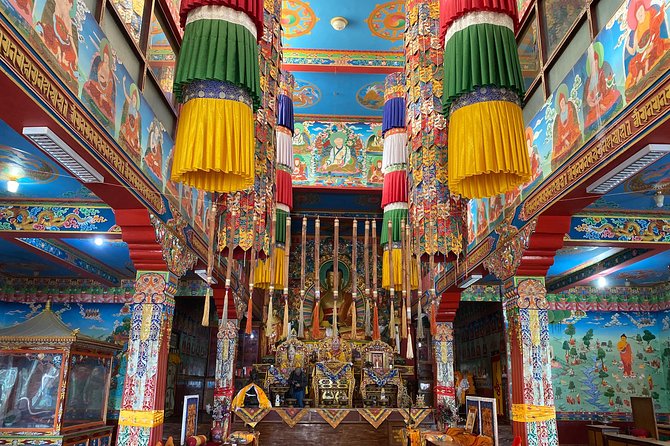
The second stop is Jangchub Choeling Tibetan Monastery, located inside the Tibetan village. You spend about an hour here, with the chance to attend afternoon prayer chanting with the monks.
This is likely the most sensory part of the afternoon. The prayer may include horns, drums, and conch shells, giving the ceremony a sound quite different from the quiet image many people have of a monastery. The important thing is to treat the prayer as a religious service, not a staged performance.
Your guide helps explain what you are hearing and seeing. That makes the visit more useful than arriving alone, taking a few pictures, and leaving without understanding the ceremony.
The timing is worth noting. Since the tour begins at 2 pm and includes an afternoon prayer session, the schedule is built around being at the monastery at the right part of the day. Exact prayer timing can sometimes vary, so you should think of the experience as an opportunity to attend the service rather than a guarantee of a particular musical sequence.
This stop suits you if religious practice interests you. If you mainly want mountain views or Pokhara’s famous outdoor activities, the monastery may feel slower. That is not a flaw, but it is the central character of the tour.
Tashi Palkhel: tea and food inside a Tibetan home
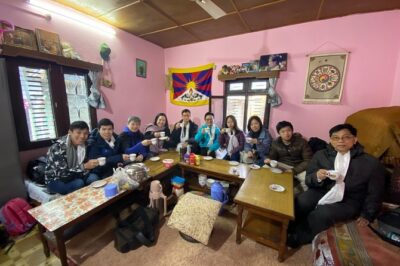
The final stop is Tashi Palkhel Tibetan Settlement, where the tour becomes more personal. You visit a Tibetan family’s home and eat traditional food, including Tibetan bread and butter tea.
This is the part I find most valuable for understanding everyday life. Monasteries show public religious culture. A family home gives you a more ordinary setting, where food, hospitality, and conversation reveal how culture is carried through daily routines.
Mr. Thupten introduces the dishes and explains their background. The meal is not presented as a large lunch, and lunch is specifically not included, so plan to eat earlier if you need a full meal. The visit is better understood as a tasting and cultural exchange.
Butter tea can be unfamiliar if you have only had sweet tea. Tibetan bread gives you another direct link to the food traditions being discussed. The supplied information also notes snacks, afternoon tea, coffee, and tea among the inclusions, but you should not assume this replaces lunch.
Vegetarian food is available if you request it when booking. A gluten-free option is also offered in the form of plain rice with vegetable or non-vegetable curry. Tell the operator in advance, since the family needs to prepare for dietary requirements.
The home visit also requires cultural sensitivity. Listen carefully, follow your guide’s lead, and remember that you are entering a lived-in community setting. The value comes from respectful conversation, not from treating the home like an attraction.
More heritage days around Pokhara:
- Half Day Tibetan Cultural tour Pokhara
★ 5.0 · 36 reviews - Morning Half Day Tibetan cultural tour to Tibetan Settlements
★ 5.0 · 26 reviews - Sarangkot Sunrise with a half day Tibetan cultural tour
★ 5.0 · 13 reviews - Full Day Tibetan Cultural Tour
★ 5.0 · 12 reviews
Tibetan refugee life, explained directly
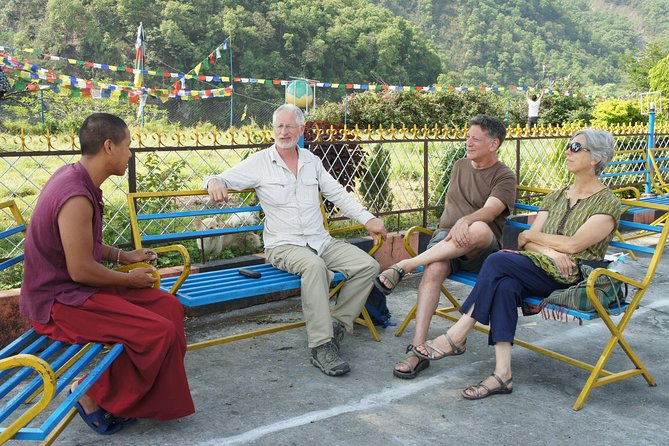
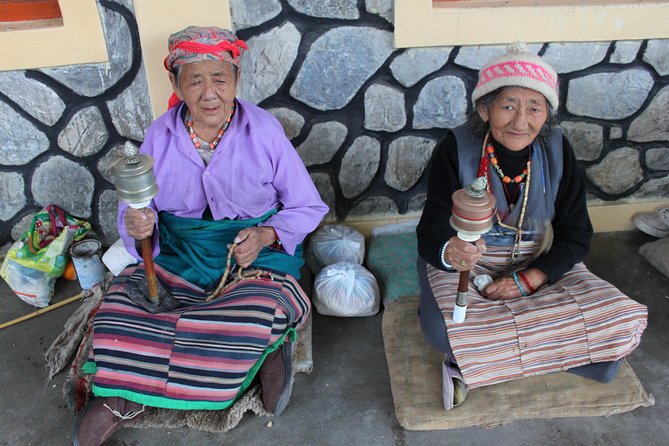
The tour’s main subject is not only religion. It is the everyday life of Tibetans living in Nepal as refugees. You learn about their history, their community, and the work of preserving Tibetan culture outside Tibet.
This subject gives the tour more weight than a standard cultural outing. You are encouraged to think about how language, food, prayer, family life, and education help a community retain its identity.
Mr. Thupten’s personal connection is important here. Several comments about the experience praise his ability to explain Tibetan history, Buddhism, and community life in clear English. The strongest praise is aimed at his passion and his willingness to share stories, so expect the guide’s storytelling to be a major part of the afternoon.
At the same time, you should keep an open mind. A four-hour tour cannot cover every part of Tibetan political history or refugee policy. It offers an introduction shaped around places and people in Pokhara, not a university lecture or a full account of Tibet’s past.
What the $60 price includes
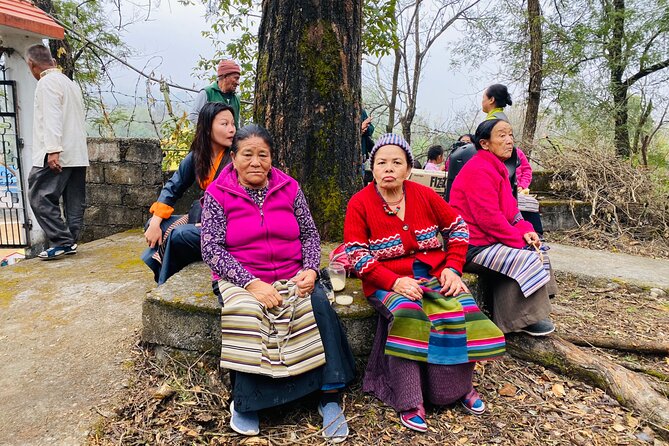
At $60 per person, the tour is not the cheapest way to spend an afternoon in Pokhara. Its value comes from the combination of transport, a specialist guide, monastery visits, and access to a Tibetan family home.
Hotel pickup and drop-off remove the need to arrange local transport to the settlements. Bottled water, snacks, afternoon tea, coffee or tea, and the food experience are included. Admission at the monasteries is also included.
The guide is the key part of the price. If you only want to see a monastery, you could seek out a site independently. But independent sightseeing would not provide the same structured explanation or the same connection to a Tibetan family.
The maximum group size is 15, and group discounts are available. Ask about the discount if you are booking with friends or family. The price makes the most sense for someone who values access and interpretation, not someone simply looking for a cheap transfer and a few photographs.
The current rating is 5 out of 5 from 106 reviews, with 99 percent recommending the experience. That strong response fits the tour’s design, but the right choice still depends on your interests. You need to want conversation, religious sites, and community history for the cost to feel worthwhile.
Timing, transport, and what to bring
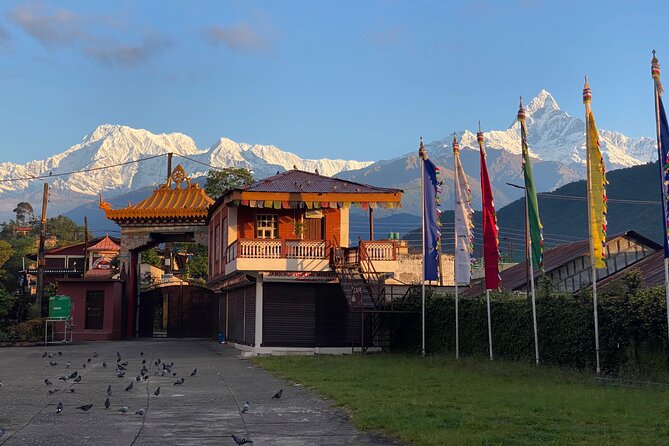
The tour starts at 2 pm and returns around 6 pm. Hotel pickup is offered, and hotel drop-off is included, so you should provide the correct accommodation details when booking.
The afternoon schedule leaves your morning free. You can use that time for Pokhara’s other activities, then have lunch before pickup since lunch is not included.
Wear comfortable footwear and modest clothing suitable for monasteries. The tour includes walking and religious settings, so practical clothing is more useful than dressing for a formal dinner.
Bring water if you prefer more than the bottled water provided. A small notebook can also be useful because the tour includes names, dates, religious terms, and personal stories that are easy to forget later.
The tour accepts mobile tickets, and confirmation is provided at booking. Free cancellation is available if you cancel at least 24 hours before the start time. Changes or cancellations inside that window are not accepted for a refund.
Who will enjoy this experience most
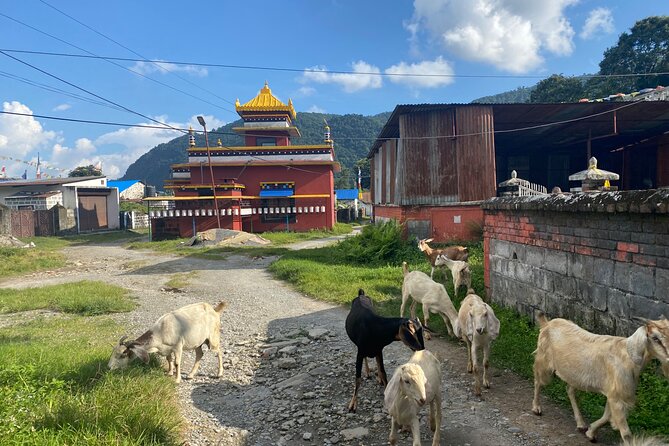
I would choose this tour if you want to understand Pokhara through a community that many short city tours barely mention. It fits solo visitors, couples, and small groups who prefer conversation and local context over a packed sightseeing schedule.
It is especially suitable for you if:
- Tibetan Buddhism interests you.
- You want to learn about refugee life from a Tibetan guide.
- You enjoy trying traditional food in a family setting.
- You prefer a half-day tour with hotel transport.
- You appreciate small groups and time for questions.
- You need vegetarian or gluten-free food with advance notice.
It may be less suitable if you want a full lunch, dramatic mountain scenery, shopping, or a fast-moving list of Pokhara attractions. The focus is cultural understanding, not outdoor adventure.
Should you book the Tibetan Cultural Tour?
Book it if you want a thoughtful afternoon with a clear human connection. The monasteries provide the setting, but Mr. Thupten’s explanations and the family food visit provide the real substance.
The strongest reasons to go are the Tibetan guide, the chance to hear afternoon prayers, and the visit inside a Tibetan family home. At $60, the tour asks you to pay for access, transport, and interpretation rather than just admission tickets.
I would skip it only if your Pokhara schedule is already full or if you want a conventional sightseeing tour. For anyone curious about Tibetan culture, Buddhism, and refugee life, this is one of the more focused ways to spend four hours in the area.
FAQ
How long does the Tibetan Cultural Tour last?
The tour lasts approximately four hours, from 2 pm until about 6 pm.
What time does the tour begin?
The scheduled start time is 2 pm.
Is hotel pickup included?
Yes. Hotel pickup and drop-off are included.
Who guides the tour?
The tour is led by Tibetan guide Mr. Thupten Gyatso.
How many people can join the tour?
The maximum group size is 15 people.
Which monasteries does the tour visit?
The tour visits Pema Ts’al Sakya Monastic Institute and Jangchub Choeling Tibetan Monastery.
Can I attend a Buddhist prayer service?
The visit to Jangchub Choeling Tibetan Monastery includes the opportunity to attend afternoon prayer chanting with the monks.
Is food included?
Traditional Tibetan food, snacks, afternoon tea, coffee or tea, and bottled water are included. Lunch is not included.
Is vegetarian food available?
Yes. A vegetarian option is available, but you should request it when booking.
Is there a gluten-free food option?
Yes. Plain rice with vegetable or non-vegetable curry can be provided as a gluten-free option.
Can I cancel for a full refund?
Yes, if you cancel at least 24 hours before the local start time. Cancellations made less than 24 hours in advance are not refunded.
Just added around Pokhara
- Pokhara: Pokhara Highlights Tour by Bus★ 3.6 · 10 reviews
- Discover Pokhara in Style: Private Vehicle Service with Driver★ 5.0 · 5 reviews
- Pokhara in 5 Hours: Lake, Museum, Cave, Falls & Pagoda Hill★ 4.5 · 16 reviews
- Beautiful Sarankot Sunrise with Full Day Sightseeing in Pokhara★ 4.5 · 3 reviews
- Sarangkot Sunrise Tour in Private Car★ 5.0 · 3 reviews
- Pokhara: Group Joining Sarangkot Sunrise Himalayas Tour★ 4.5 · 23 reviews
- Sarangkot Sunrise Tour from Pokhara★ 4.5 · 9 reviews
- Pokhara: Full-Day Sightseeing & Viewpoints Tour – Private/Group★ 5.0 · 4 reviews
Tibetan Culture Tours, compared.
Full-Day Tibetan Cultural Tour to Tibetan Settlements Pokhara
Read our review →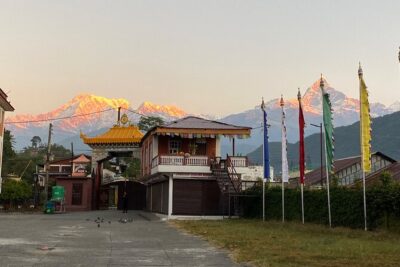
Morning Tibetan cultural tour to Tibetan settlements Pokhara
Read our review →
Morning Half Day Tibetan cultural tour to Tibetan Settlements
Read our review →
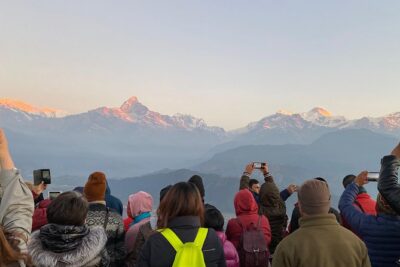
Sarangkot Sunrise with a half day Tibetan cultural tour
Read our review →
Browse the lists this tour appears in