
Reviewed · TIBETAN CULTURE TOURS
Morning Tibetan cultural tour to Tibetan settlements Pokhara
Pokhara’s Tibetan settlements offer a side of Nepal that many sightseeing plans miss. This early-start tour takes you into monasteries, villages, schools, and a local home, with Thupten Gyatso explaining Tibetan religion, culture, medicine, cuisine, and refugee life in Nepal.
I like the personal scale, with groups capped at 15, and the chance to ask questions rather than simply walk past prayer wheels and stupas. I also like the food stops, especially the chance to try momos and thukpa while learning how Tibetan families live today. The drawback is the 5:30 a.m. departure and a full 8 to 9 hours, so this is not a lazy holiday morning.
Key points to know before booking
- Begin at 5:30 a.m.: The early departure gives you a full morning and afternoon in Pokhara’s Tibetan communities.
- Meet guide Thupten Gyatso: He leads the cultural explanations and conversations throughout the day.
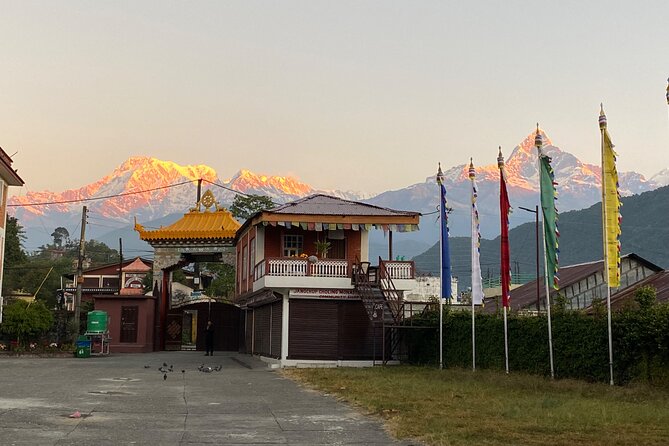
- Visit four Buddhist sites: Jangchub Choeling, Pema Ts’al Sakya Monastic Institute, and Shree Gaden Dhargay Ling are joined by time in the Tibetan settlements.
- Eat Tibetan food: A local family visit includes a taste of Tibetan cuisine, with momos and thukpa included in the wider food experience.
- See daily life beyond monasteries: The route includes a village walk, Tibetan schools, and a local home.
- Small-group format: A maximum of 15 people allows more room for questions than a large coach tour.
Why Pokhara’s Tibetan settlements are worth your morning
Pokhara is best known for its lakeside views and access to mountain trips, but its Tibetan communities add a different layer to the city. This tour focuses on people, belief, food, and daily life rather than postcard scenery.
The subject is also more complicated than a simple cultural show. You learn about Tibetans living in contemporary Nepal, including refugee life, religious practice, education, and the ways a community keeps its traditions going. That gives the monastery visits a human setting.
I especially like the fact that the experience moves between formal religious places and ordinary community spaces. You are not confined to one monastery. You visit homes, villages, schools, and several Buddhist institutions, so the day gives you a broader sense of Tibetan life.
The guide is central to the experience. Thupten Gyatso leads the tour and explains Tibetan culture, religion, history, and Buddhist teachings. A past participant gave particular praise to his ability to explain Buddhist ideas and Tibetan life in a clear, personal way. That matters here, because prayer flags and wheels can look decorative if nobody explains what they mean.
More Sunrise Tours in Pokhara
- From Pokhara: Sarangkot Sunrise Himalayas Tour
★ 4.7 · 218 reviews - Pokhara: Sarangkot Sunrise with Half or Full-Day City Tour
★ 4.8 · 100 reviews - The Best of Pokhara: Full-Day Private Tour with Sarangkot Sunrise
★ 5.0 · 66 reviews
The 5:30 a.m. start and hotel pickup
The day begins at 5:30 a.m. Hotel transfers are included, which takes away much of the early-morning fuss. You do not need to work out a separate taxi plan before sunrise, though you should confirm the pickup details when booking.
The early hour is the main practical hurdle. If you have spent the previous day trekking, taking a long bus ride, or arriving late in Pokhara, this may feel demanding. On the other hand, an early start gives the tour enough time to cover several sites without turning each stop into a rushed photo break.
The full experience lasts about 8 to 9 hours. The listed stops add up to almost eight hours before allowing for driving and transitions, so treat this as a full-day cultural outing, not a quick morning visit.
Wear clothes that work in changing weather. The tour operates in all weather conditions, and the itinerary includes walking around villages and entering religious sites. Comfortable shoes and a layer you can add or remove are sensible choices.
Jangchub Choeling Tibetan Monastery
The first formal stop is Jangchub Choeling Tibetan Monastery, where you spend about an hour. Admission is included, and the visit sets the tone for the day with an introduction to Tibetan religion, culture, and refugee life in Nepal.
This is where a good guide makes a major difference. Instead of treating the monastery as a silent building to photograph, Thupten can explain the beliefs and practices connected with it. You can ask questions about Buddhist teachings and the role of the monastery in the wider community.
An hour is long enough for a thoughtful introduction, but not so long that the day becomes repetitive. If you are new to Tibetan Buddhism, listen closely here. Later stops refer back to ideas introduced at the first monastery.
A local Tibetan home and a taste of breakfast

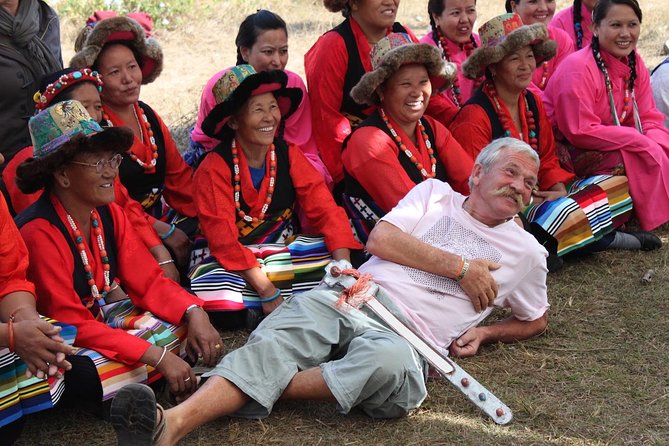
At Tashi Palkhel Tibetan Settlement, the experience shifts from religious buildings to family life. You visit a local Tibetan family and taste Tibetan food in a home setting.
The food schedule is described in two ways: the settlement visit includes a local breakfast, while the tour highlights momos and thukpa as part of the meal experience. You should expect Tibetan food during the day, but ask the operator about the exact timing and menu if meal planning is important to you.
This is one of the most valuable parts of the tour because food gives culture a practical shape. You can learn about dishes while sitting in the setting where everyday meals are prepared and shared. Momos are familiar to many people in Nepal, while thukpa offers a warm noodle soup associated with Tibetan cuisine.
Vegetarian and non-vegetarian food are available, along with gluten-free food. Tell the operator about your needs when booking, rather than waiting until the meal appears.
More Tibetan Culture Tours in Pokhara:
- Full-Day Tibetan Cultural Tour to Tibetan Settlements Pokhara
★ 5.0 · 184 reviews - Afternoon Tibetan Cultural Tour to Tibetan Settlements Pokhara
★ 5.0 · 106 reviews - Afternoon Tibetan cultural tour
★ 5.0 · 41 reviews - Half Day Tibetan Cultural tour Pokhara
★ 5.0 · 36 reviews
Meeting a young monk at Pema Ts’al Sakya Monastic Institute
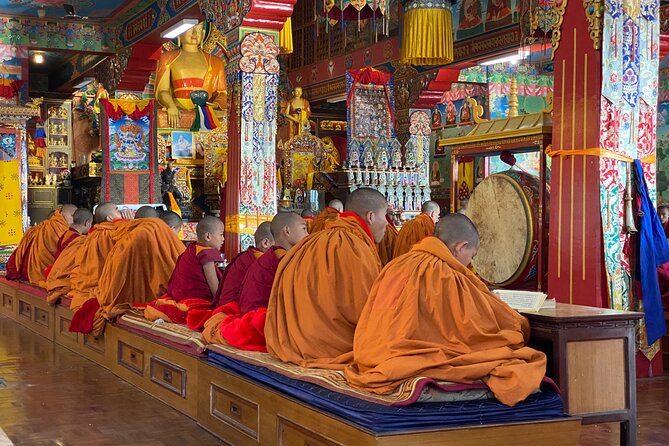
The next stop is Pema Ts’al Sakya Monastic Institute, a Buddhist monastery where you meet a young monk who can share insights into monastic life and education.
This adds a useful personal voice to the day. At Jangchub Choeling, you receive a broad introduction. Here, you get a closer look at how a young person experiences religious education and monastery life.
The visit lasts about an hour. Bring questions, since the format is designed to be interactive. You might ask about study, daily routines, Buddhist teachings, or how the institute supports young monks. The available information does not promise a fixed presentation, so think of this as a conversation rather than a scheduled lecture.
The main caution is cultural sensitivity. Religious sites are not just attractions. Listen to instructions about behavior and photography, and avoid treating the young monk or the monastery as a performance.
Prayer wheels, flags, and Buddhist symbols at Shree Gaden Dhargay Ling
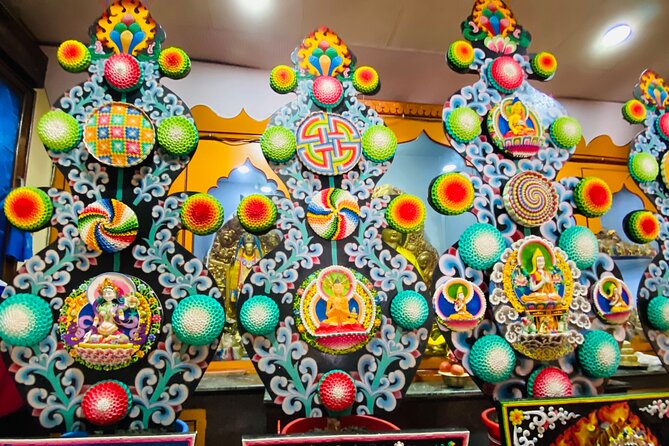
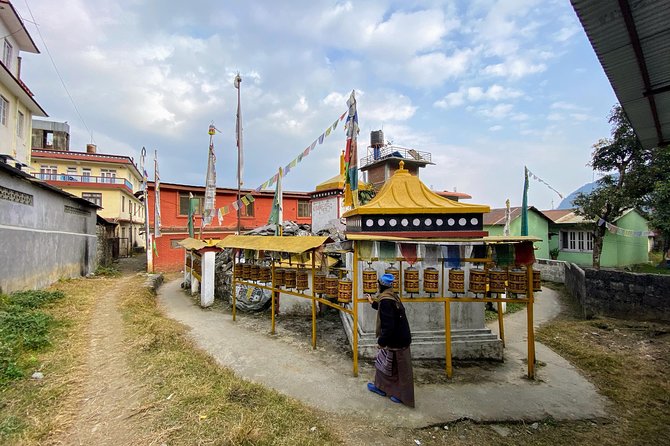
At Shree Gaden Dhargay Ling Monastery, you spend about 45 minutes learning about Buddhist signs and symbols. The focus includes prayer wheels, prayer flags, stupas, and other objects that shape everyday religious practice.
This shorter stop works well after the more personal monastery visit. You get a practical explanation of things you may have already seen around Nepal without understanding their purpose.
The stop is brief, so it will not provide an exhaustive lesson in Buddhism. That is fine. Its value is clarity. A prayer wheel or a line of flags becomes more meaningful when you know why it is there and how it connects with daily belief.
As with all religious sites, modest clothing and respectful behavior are wise. The tour operates in all weather, so a light rain layer can help if you are walking between buildings or around open areas.
Four hours in Tashi Ling Tibetan Village
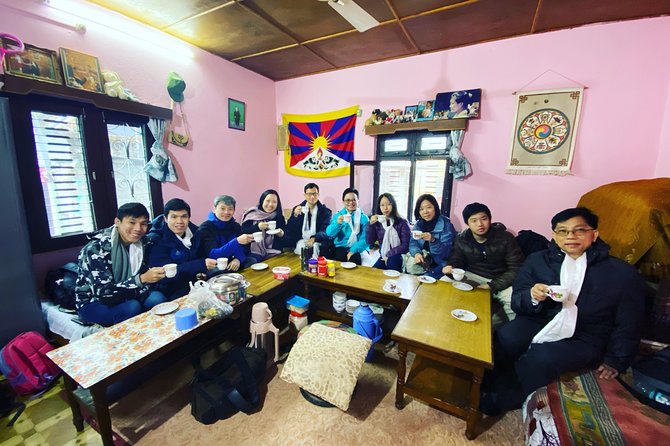
The longest part of the day is Tashi Ling Tibetan Village, with about four hours set aside for walking and exploration. This is the part that gives the tour its strongest sense of place.
You walk around the village and see how people live their daily lives. The program also includes Tibetan schools and other community activities. The extended time matters because you are not simply stopping for a quick photograph. You have room to observe, ask questions, and let the guide connect what you see with the community’s story.
I like this balance. A short monastery tour can teach you symbols and architecture, but a village visit shows how identity is lived through homes, education, food, and local routines.
Four hours can feel long if you prefer fast sightseeing. This is a better fit for you if you enjoy patient observation and conversation. The description does not promise a specific school lesson, class visit, or craft demonstration, so keep your expectations open. The point is the community setting, not a tightly scripted show.
What the small group changes
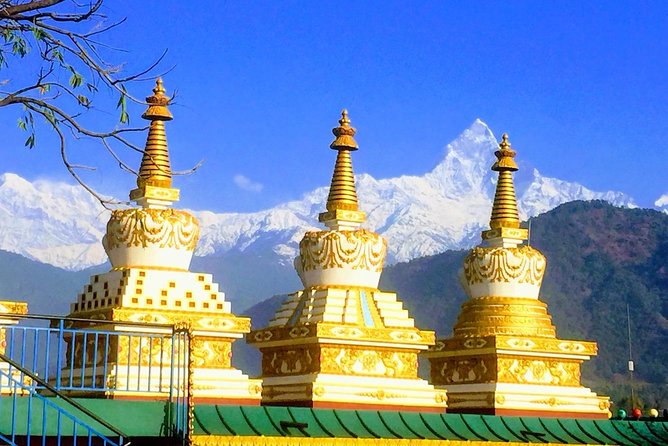
The tour accepts a maximum of 15 people. That is small enough to make questions possible, while still being larger than a private tour.
You may hear more clearly during explanations and have a better chance to speak with Thupten than you would in a large group. The format is particularly helpful at the monasteries, where a rushed explanation can leave you with more questions than answers.
A group of 15 is not intimate in the same way as a private family visit. If you want complete control over the pace, a private arrangement may suit you better. For most people, though, this group size offers a reasonable middle ground between personal attention and a lower per-person price.
Is $85 a fair price?
The price is $85 per person. That includes hotel transfers, a guide, the cultural program, monastery and settlement visits, and food experiences. Admission tickets at the listed stops are free, so the main value is in the guiding, transport, planning, and access to local settings.
I would judge the price by how you like to travel. If you only want to see one monastery and take a few pictures, $85 may feel high. You can find free religious sites around Pokhara, but they will not necessarily come with a full-day route, a Tibetan guide, a local family visit, or explanations about refugee life and Buddhist practice.
If you value context and human contact, the price is easier to justify. You are paying for a carefully arranged day that links several communities and institutions. The small-group limit also helps preserve the personal feel.
Group discounts are available, which may improve the value if you are booking with family or friends. The tour is also booked an average of 32 days in advance, so planning ahead is sensible if your Pokhara dates are fixed.
Who will enjoy this tour most?
I would recommend it to you if you:
- Want to understand Tibetan culture in Nepal beyond a single monastery visit
- Enjoy asking questions and listening to personal explanations
- Are interested in Buddhist practice, education, food, and refugee life
- Prefer small groups to large sightseeing buses
- Have a full day available in Pokhara
- Are comfortable with an early start and village walking
It is less suitable if you want a relaxed late breakfast, a short outing, or a tour focused mainly on mountain views. The schedule is long, and the cultural content is the main attraction.
Families and curious older children may find the mix of food, homes, schools, and monasteries engaging, though every participant needs to manage the early departure and full-day pace. Anyone with food restrictions should arrange the meal details in advance, even though vegetarian, non-vegetarian, and gluten-free options are offered.
Practical details that affect your decision
Confirmation is provided at booking. Hotel pickup is included, and the area is near public transportation, though the supplied information does not specify exact pickup zones or vehicle details.
Most people can participate. The program includes walking around a village and visits to monasteries, but no detailed accessibility information is provided. If you have mobility concerns, ask the operator about surfaces, steps, and the vehicle before paying.
The tour runs in all weather. Bring suitable clothing, especially if the forecast is wet or cool. Since the day begins early and lasts into the afternoon, carry anything you normally need for a long outing, while keeping religious-site etiquette in mind.
Free cancellation is available up to 24 hours before the start time. Changes or cancellations made inside that window are not accepted for a refund.
Should you book the Tibetan cultural tour?
Book it if you want a serious introduction to Pokhara’s Tibetan communities and prefer real conversation to a quick sightseeing circuit. The combination of Thupten Gyatso’s guidance, several monasteries, a local family, Tibetan food, and four hours in Tashi Ling gives the day unusual breadth.
Think twice if you dislike early starts or want a compact activity. The 5:30 a.m. departure and 8 to 9 hour duration are the clear trade-offs.
For me, the strongest reason to choose this tour is its human focus. You are not only shown Buddhist symbols. You are given a chance to ask what they mean, meet people connected with monastic life, eat Tibetan food, and see how a community functions in present-day Nepal. At $85, that is a fair deal for a full cultural day, especially with hotel transfers and group discounts.
FAQ
Where does the Tibetan cultural tour take place?
The tour takes place in and around Pokhara, Nepal, with visits to Tibetan settlements, monasteries, a local Tibetan home, schools, and a Tibetan village.
What time does the tour begin?
The tour departs at 5:30 a.m.
How long does the tour last?
The experience lasts approximately 8 to 9 hours.
Is hotel pickup included?
Yes. Hotel transfers are included for convenience.
Who guides the tour?
The tour is led by Mr. Thupten Gyatso, a local Tibetan guide.
How many people can join the tour?
The maximum group size is 15 people.
What food is included?
The experience includes a taste of Tibetan food at a local home, with momos and thukpa highlighted as part of the food experience. Vegetarian, non-vegetarian, and gluten-free food are available.
Which monasteries are visited?
The route includes Jangchub Choeling Tibetan Monastery, Pema Ts’al Sakya Monastic Institute, and Shree Gaden Dhargay Ling Monastery.
Can I cancel for a full refund?
Yes. You can cancel up to 24 hours before the experience starts for a full refund. Cancellations or changes made less than 24 hours before the start time are not refunded.
More Heritage Days Around Pokhara
- Morning Half Day Tibetan cultural tour to Tibetan Settlements
★ 5.0 · 26 reviews - Sarangkot Sunrise with a half day Tibetan cultural tour
★ 5.0 · 13 reviews - Full Day Tibetan Cultural Tour
★ 5.0 · 12 reviews - Half day Tibetan cultural tour
★ 5.0 · 4 reviews
Just added around Pokhara
- Pokhara: Pokhara Highlights Tour by Bus★ 3.6 · 10 reviews
- Discover Pokhara in Style: Private Vehicle Service with Driver★ 5.0 · 5 reviews
- Pokhara in 5 Hours: Lake, Museum, Cave, Falls & Pagoda Hill★ 4.5 · 16 reviews
- Beautiful Sarankot Sunrise with Full Day Sightseeing in Pokhara★ 4.5 · 3 reviews
- Sarangkot Sunrise Tour in Private Car★ 5.0 · 3 reviews
- Pokhara: Group Joining Sarangkot Sunrise Himalayas Tour★ 4.5 · 23 reviews
- Sarangkot Sunrise Tour from Pokhara★ 4.5 · 9 reviews
- Pokhara: Full-Day Sightseeing & Viewpoints Tour – Private/Group★ 5.0 · 4 reviews
Tibetan Culture Tours, compared.
Full-Day Tibetan Cultural Tour to Tibetan Settlements Pokhara
Read our review →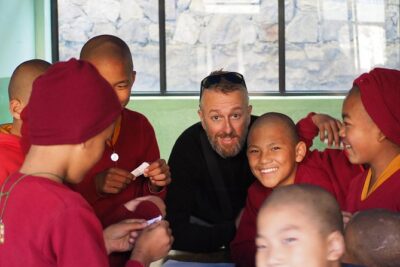
Afternoon Tibetan Cultural Tour to Tibetan Settlements Pokhara
Read our review →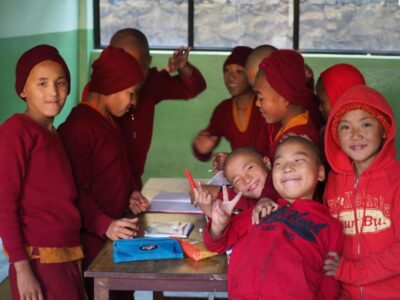
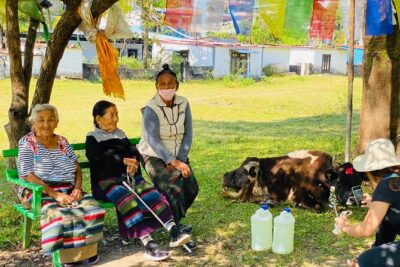
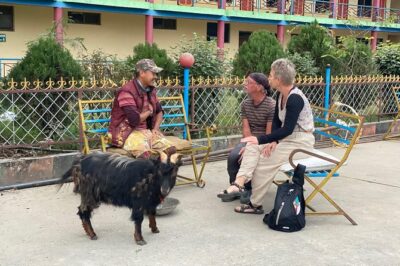
Morning Half Day Tibetan cultural tour to Tibetan Settlements
Read our review →
Sarangkot Sunrise with a half day Tibetan cultural tour
Read our review →
Browse the lists this tour appears in