
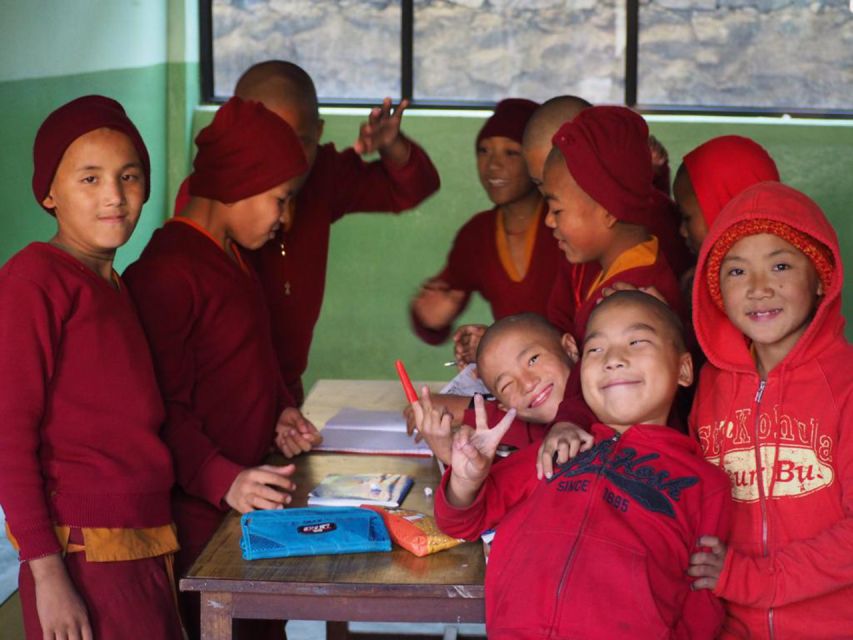
Reviewed · TIBETAN CULTURE TOURS
Afternoon Tibetan cultural tour
The most memorable part of this Pokhara outing is not simply seeing a monastery. It is the chance to sit with a young monk, ask honest questions about monastic life, and then share tea and food in a Tibetan family home. Guide Thupten Gyatso connects those moments to the larger story of Tibetan identity and exile.
I like the direct contact with the community and the careful explanation of Buddhist signs, prayer wheels, flags, and stupas. I also like the small group limit of eight, which gives you room to ask questions. The main consideration is that this is an educational cultural tour, not a scenic sightseeing trip, and four hours can feel short if you want more time in the settlement.
Key points
- Meet a young Buddhist monk: Ask about study, vows, daily routines, and life inside a monastic institute.
- Visit two important sites: See Pema Ts’al Sakya Monastic Institute and a second monastery in Tashi Palkhel.
- Join afternoon prayers: Listen to chanting and monastery instruments in a working religious setting.
- Taste Tibetan home cooking: Try salted butter tea, tsampa, Tibetan bread, honey, butter, and peanut butter.
- Learn from a Tibetan guide: Thupten Gyatso explains culture, religion, refugee life, and the role of the Dalai Lama.
- Keep the group small: With no more than eight participants, the experience allows for conversation rather than a quick stop-and-go visit.
Why this four-hour Tibetan tour feels different
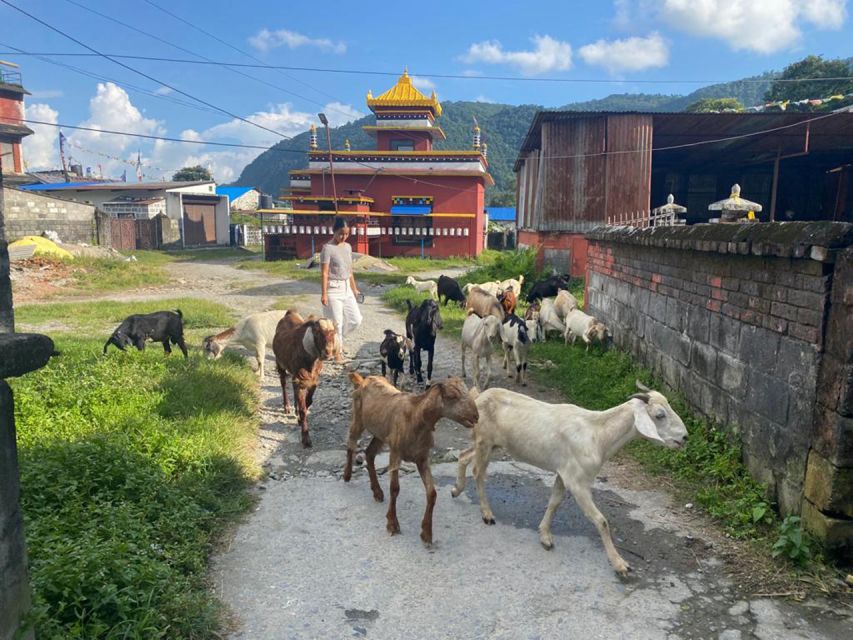
Pokhara is best known as a base for mountain walks, lake views, and adventure trips. This half-day outing gives you another way to understand the area. Tibetan communities have preserved their language, Buddhist customs, food, and identity in Nepal, and the tour puts those subjects into human terms.
Thupten Gyatso leads the experience in English. He is Tibetan and has a personal connection to the culture he explains. That matters here. The tour includes historical and religious information, but it does not feel like a lecture delivered from a distance. You can ask about education, monastic life, food, exile, and the place of the Dalai Lama in Tibetan society.
The tone is thoughtful and open. You should come ready to listen, especially when discussing the difficult adjustment faced by Tibetan refugees living outside Tibet. This is a good choice if you want cultural context rather than another short photo stop.
More Tibetan Culture Tours in Pokhara:
- Full-Day Tibetan Cultural Tour to Tibetan Settlements Pokhara
★ 5.0 · 184 reviews - Afternoon Tibetan Cultural Tour to Tibetan Settlements Pokhara
★ 5.0 · 106 reviews - Morning Tibetan cultural tour to Tibetan settlements Pokhara
★ 5.0 · 66 reviews
Starting from Lakeside in Pokhara
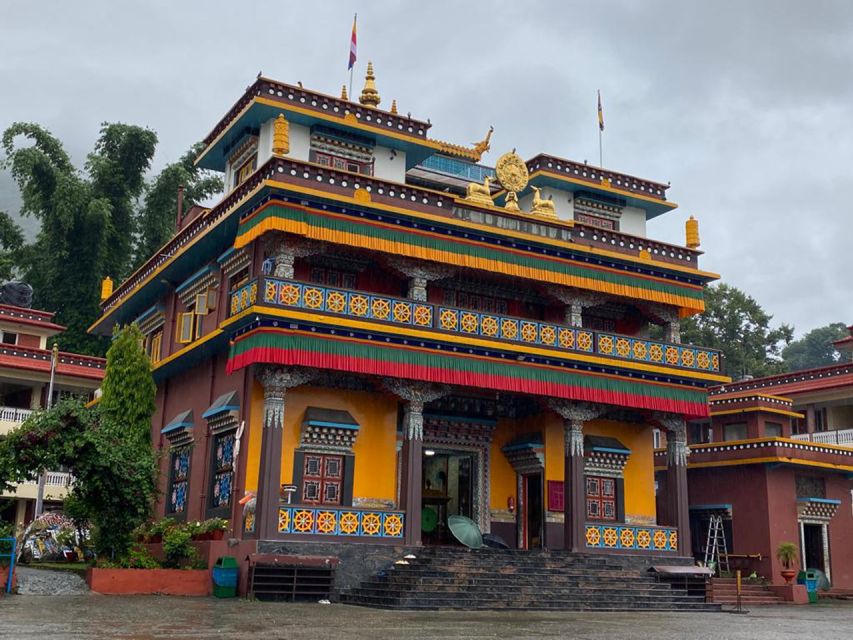
Pickup and drop-off are included for hotels in the Lakeside area. The tour lasts about four hours, with the exact starting time depending on availability. If your hotel is outside Lakeside, an extra transport charge applies according to its location.
The drive gives Thupten time to introduce Tibetan culture before you reach the first stop. That is useful because Buddhist symbols can look decorative if you do not know what they mean. Here, prayer wheels, flags, stupas, butter lamps, and clockwise walking all become part of a connected religious practice.
The group is limited to eight people. That is small enough for a real discussion and much less awkward when you are visiting a family home or speaking with a monk. The pace is also more personal than a large coach excursion, though you should still expect a planned four-hour schedule.
Pema Ts’al Sakya Monastic Institute and the monk conversation
The first major stop is Pema Ts’al Sakya Monastic Institute. You have time for a guided visit, a walk, photographs, and an explanation of the site. The focus is not only on the building. You learn how Buddhist education works and how young monks divide their lives between religious study and daily duties.
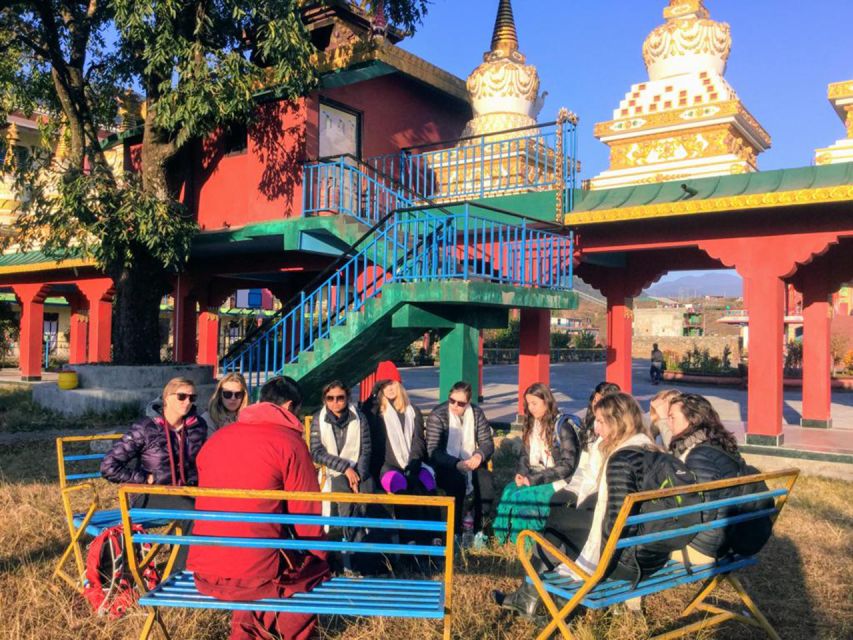
A highlight is the conversation with a young Buddhist monk. This is one of the strongest parts of the tour because it moves beyond general statements about Buddhism. You can ask about his studies, monastic routines, vows, and reasons for living in the monastery. The conversation may also touch on Buddhist philosophy and the way monks train their minds through study and debate.
Several people who have taken the tour found this exchange especially meaningful, and I understand why. A monastery can be quiet and impressive, but a conversation gives you a clearer sense of the person behind the robes. You are not simply watching a religious ceremony from the edge. You are hearing about a life shaped by study, discipline, and community.
You should remember that this is a religious institution, not a staged cultural show. Dress and behave respectfully, keep your voice low, and follow the guide’s instructions about photographs. The opportunity to ask questions is generous, but the monk’s time and privacy still matter.
Buddhist symbols you will see along the way
Thupten explains the meaning of symbols used in ordinary Tibetan Buddhist life. This is practical information you can carry with you during the rest of your Nepal trip.
Prayer wheels are one example. You will learn how they are used and why people walk around religious sites in a clockwise direction. Prayer flags are not just colorful decoration. Their placement and use relate to prayers and blessings. Stupas, prayer lamps, and other objects also make more sense once you understand their religious purpose.
This part of the outing rewards curiosity. If you have seen Buddhist symbols in Nepal, Tibet, Bhutan, or other parts of Asia, the explanations will help you notice details you might otherwise miss. The tour also shows how religion is woven into daily routines rather than kept separate from ordinary life.
More heritage days around Pokhara:
- Half Day Tibetan Cultural tour Pokhara
★ 5.0 · 36 reviews - Morning Half Day Tibetan cultural tour to Tibetan Settlements
★ 5.0 · 26 reviews - Sarangkot Sunrise with a half day Tibetan cultural tour
★ 5.0 · 13 reviews - Full Day Tibetan Cultural Tour
★ 5.0 · 12 reviews
Tashi Palkhel Tibetan Settlement near Pokhara
The tour continues to Tashi Palkhel Tibetan Settlement, where you walk through the community and learn how Tibetan people have maintained their language, traditions, and Buddhist identity in Nepal.
The settlement visit gives the cultural discussion a lived setting. You hear about the practical challenges of adapting to life outside Tibet, including the effort to preserve language and customs across generations. Education is an important part of this story, and the tour includes discussion of Tibetan schools and their educational system.
This stop is not designed as a shopping visit or a quick collection of photographs. It is a chance to see a community where religious practice, family life, food, and education remain closely connected. The walking portion is manageable for most people, but the tour is not suitable for wheelchair users. Children under five are also not accepted.
The settlement may feel especially significant if you have already visited Buddhist sites in Nepal but have not considered the lives of Tibetan refugees who built communities here. Thupten’s personal explanations help connect the buildings and customs to larger questions of identity, memory, and belonging.
Afternoon prayer chanting at the monastery
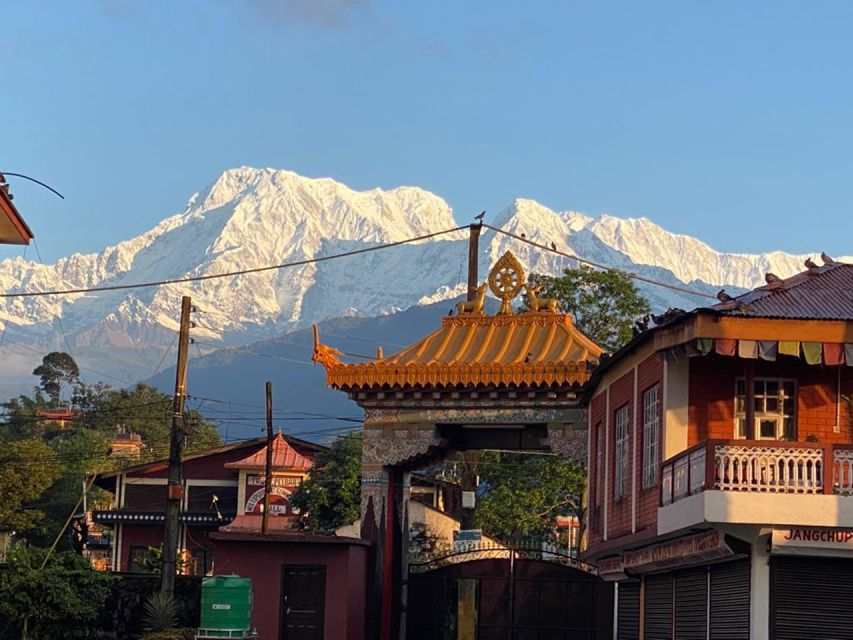
At another monastery in the settlement, you attend afternoon group prayer chanting with the monks. The sound includes chanting and monastery instruments, creating a setting quite different from sightseeing at a monument.
You are there to observe and listen rather than perform a religious role. The chanting may feel solemn, rhythmic, and unfamiliar, which is part of its value. It gives you a sense of Buddhist practice as something communal and active, not simply a belief system explained in a museum.
This is also where the timing of the tour matters. The schedule is built around an afternoon prayer session, so availability can vary. You should check the starting time when booking and arrive ready to keep to the group’s schedule.
Prayer services are working religious events. Quiet behavior is essential, and you should avoid treating the ceremony as a photo opportunity. The experience is strongest when you let the sound and setting speak for themselves.
Tibetan tea and food in a family home
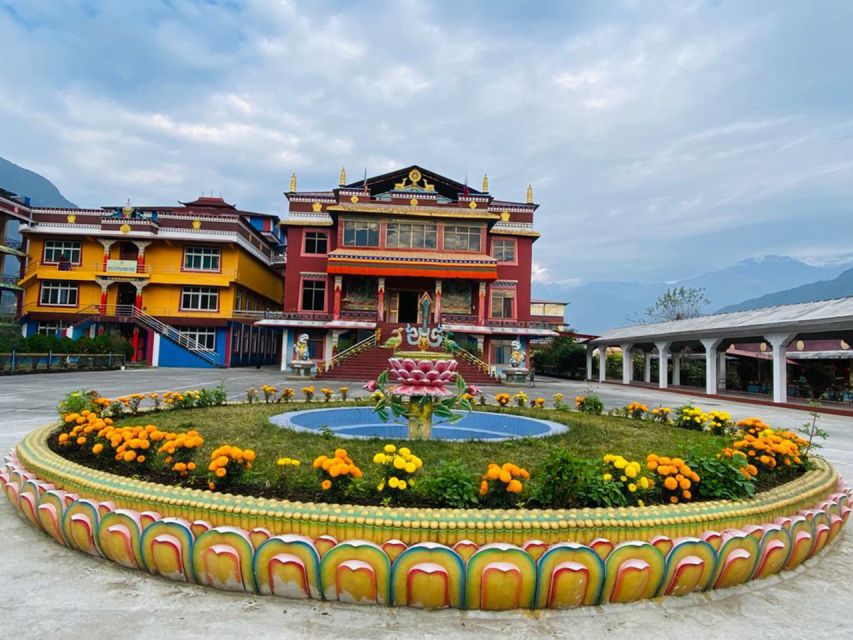
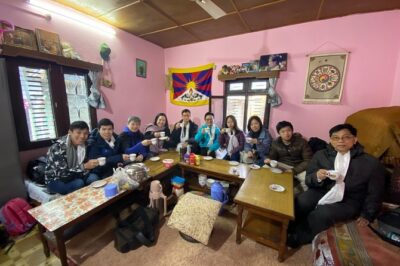
The final part of the visit takes place at a local Tibetan family home. You taste salted butter tea, tsampa made from roasted barley flour, and Tibetan homemade bread served with honey, butter, and peanut butter. Mineral water is also provided.
Butter tea may surprise you if you expect a sweet cup. It is salty and buttery, with a flavor that can take a moment to understand. Tsampa is simple but important in Tibetan food culture, and Thupten explains how it is eaten and why it matters.
The home visit adds warmth to the religious and historical parts of the tour. You can ask about food, household routines, and life in the settlement while sharing a snack in a personal setting. It is a modest meal, not a full restaurant lunch, so do not book this expecting a large feast. It is enough to give you a taste of Tibetan cooking and hospitality.
I would avoid scheduling a heavy meal immediately afterward, especially if you want to sample everything offered. The food tasting is one of the tour’s most distinctive details, and it works best when you approach it with curiosity rather than familiar-food expectations.
The value of $56 per person
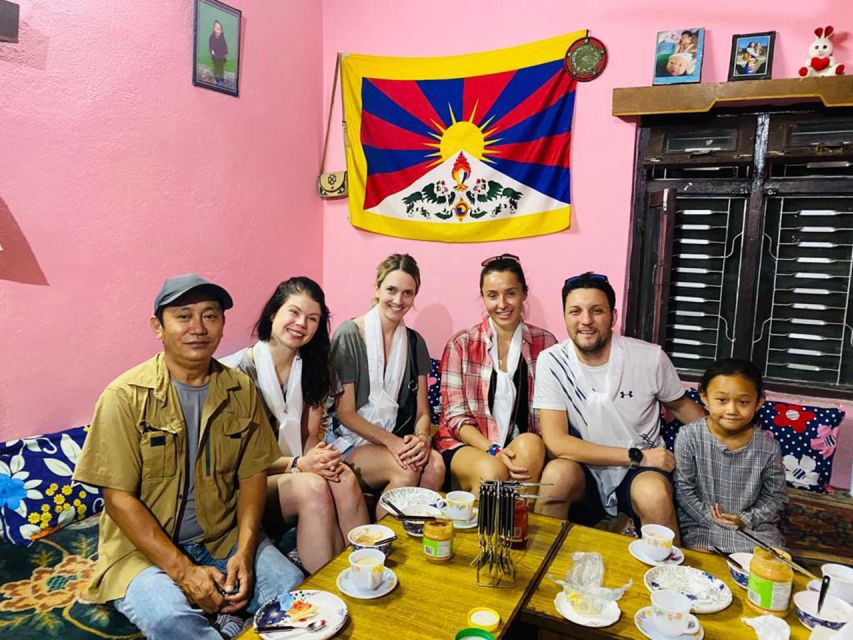
At $56 per person, this is not the cheapest short activity in Pokhara. The price makes more sense when you consider what is included: Lakeside pickup and drop-off, an English-speaking Tibetan guide, transportation, two monastery visits, a settlement visit, a monk conversation, prayer chanting, food tasting, and bottled water.
You are also paying for interpretation. Without Thupten’s explanations, you could visit a monastery and settlement yet miss the meaning of the symbols, the educational system, and the refugee experience. His role is closer to cultural interpreter than simple driver-guide.
The small group size helps justify the cost. A group of up to eight allows questions and makes a family-home visit more comfortable. If your hotel is outside Lakeside, remember to add the extra transport charge when comparing the price with other activities.
For a visitor who wants background, conversation, and a personal cultural setting, the value is strong. If you mainly want spectacular views, a short walk, or a low-cost sightseeing loop, another Pokhara activity may suit you better.
Who will get the most from this experience
I would recommend this tour to you if you enjoy asking questions and learning through conversation. It suits people interested in Buddhism, Tibetan history, refugee communities, education, food, and cultural preservation.
It is also a good fit if you have already seen Nepal’s famous temples and want something less familiar. The experience does not depend on strenuous walking, though you will walk around monasteries and the settlement. It is not suitable for wheelchair users, and children under five cannot join.
The tour may be less suitable if you prefer to keep your afternoon unstructured. The schedule includes several stops, prayer timing, transportation, and a family visit. You will get more from it if you are comfortable with a calm pace and serious subject matter.
Thupten’s style is a major part of the experience. He speaks English and is known for clear storytelling, careful organization, and a strong personal connection to Tibetan culture. His enthusiasm can make the four hours pass quickly, but he also encourages questions rather than rushing through a prepared speech.
Practical details before you book
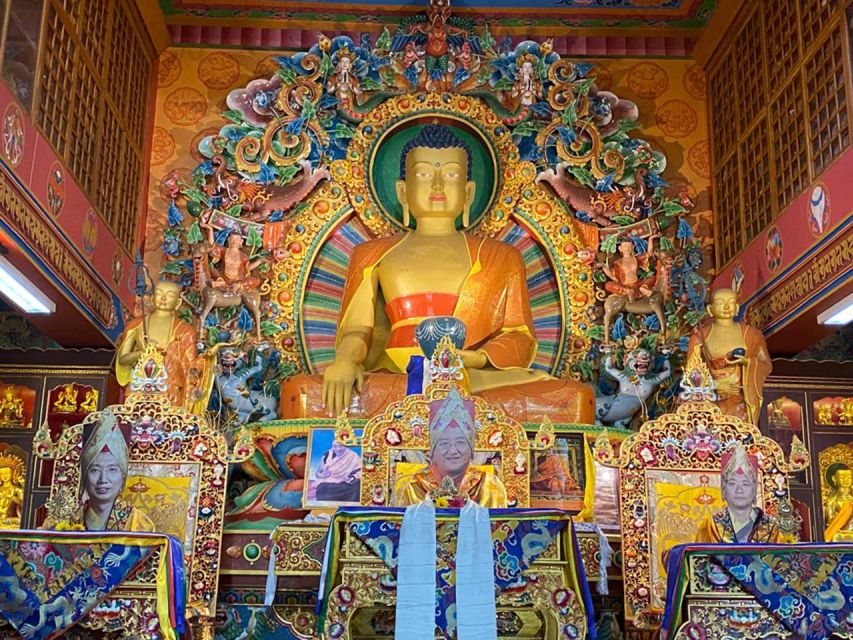
The tour offers free cancellation up to 24 hours before departure and allows you to reserve now and pay later. Pickup is limited to the Lakeside area unless you arrange paid transport from elsewhere.
Wear respectful clothing for monastery visits and bring a light layer if you are sensitive to cool interiors. Ask before taking photographs, particularly during prayer and inside private homes. Keep an open mind about the tea and food, and allow enough time to listen rather than treating the tasting as the main event.
Because the group is small, it is worth booking ahead if your Pokhara dates are fixed. The tour has received a perfect five-star rating from 41 bookings, with repeated praise for Thupten’s explanations, the monk conversation, the prayer service, and the home meal. Those are also the parts I would weigh most heavily when deciding if it fits your interests.
Should you book the Tibetan Cultural Tour?
Book it if you want to understand Tibetan life in Nepal through people, conversation, religion, and food. The combination of a monk discussion, two monasteries, prayer chanting, a refugee settlement, and a family home gives the afternoon real variety.
Skip it if you want a purely scenic outing or a fast list of attractions. This tour asks you to listen, think, and show respect in religious and private settings.
For the right audience, $56 is fair value. You leave with more than photographs: you gain a clearer sense of how Tibetan people preserve their identity, how Buddhist education works, and why ordinary food and symbols carry such weight. That makes this one of Pokhara’s better choices for a meaningful half-day away from the usual sightseeing route.
FAQ
How long does the Tibetan Cultural Tour last?
The tour lasts four hours, including transportation, monastery visits, the Tibetan settlement, prayer chanting, and food tasting.
Where does pickup take place?
Pickup and drop-off are provided for hotels in the Lakeside area of Pokhara. An additional transport fee applies to hotels outside Lakeside, based on location.
What language does the guide speak?
The live tour guide speaks English. The guide is Thupten Gyatso, a Tibetan native with a strong connection to the culture and community.
Will I speak with a Buddhist monk?
Yes. The tour includes a conversation with a young Buddhist monk about monastic life, studies, daily activities, and Buddhist practice.
Can I attend Buddhist prayer chanting?
Yes. You attend afternoon group prayer chanting at a monastery and hear the monks chant with traditional instruments.
What food and drink are included?
The visit to a Tibetan family home includes salted butter tea, tsampa, Tibetan homemade bread, honey, butter, and peanut butter. Mineral water is also included.
How large is the group?
The tour is limited to eight participants, making it easier to ask questions and take part in conversations.
Is the tour suitable for young children or wheelchair users?
Children under five are not accepted, and the activity is not suitable for wheelchair users.
Just added around Pokhara
- Pokhara: Pokhara Highlights Tour by Bus★ 3.6 · 10 reviews
- Discover Pokhara in Style: Private Vehicle Service with Driver★ 5.0 · 5 reviews
- Pokhara in 5 Hours: Lake, Museum, Cave, Falls & Pagoda Hill★ 4.5 · 16 reviews
- Beautiful Sarankot Sunrise with Full Day Sightseeing in Pokhara★ 4.5 · 3 reviews
- Sarangkot Sunrise Tour in Private Car★ 5.0 · 3 reviews
- Pokhara: Group Joining Sarangkot Sunrise Himalayas Tour★ 4.5 · 23 reviews
- Sarangkot Sunrise Tour from Pokhara★ 4.5 · 9 reviews
- Pokhara: Full-Day Sightseeing & Viewpoints Tour – Private/Group★ 5.0 · 4 reviews
Tibetan Culture Tours, compared.
Full-Day Tibetan Cultural Tour to Tibetan Settlements Pokhara
Read our review →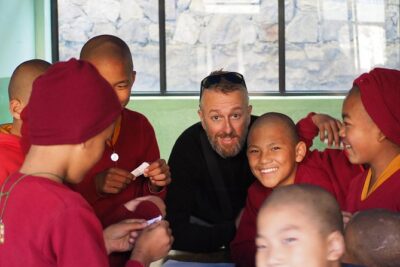
Afternoon Tibetan Cultural Tour to Tibetan Settlements Pokhara
Read our review →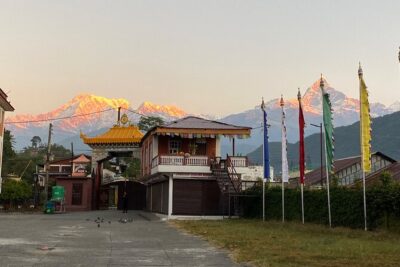
Morning Tibetan cultural tour to Tibetan settlements Pokhara
Read our review →
Morning Half Day Tibetan cultural tour to Tibetan Settlements
Read our review →
Sarangkot Sunrise with a half day Tibetan cultural tour
Read our review →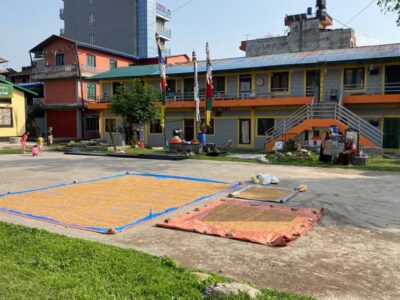
Browse the lists this tour appears in