
Reviewed · TIBETAN CULTURE TOURS
Pokhara: Private Half-Day Tour and Tibetan Culture Tour
Pokhara’s most interesting sights are packed into this short outing: a mountain museum, a waterfall with an underground route, a Hindu cave shrine, and a Tibetan community. I like the private vehicle and hotel pickup, which make the route simple, and I like the mix of nature, mountaineering, religion, and Tibetan culture. Guides including Prakash, Rajkumar Lamichhane, and Kiran have been praised for kindness, careful driving, and good photographs.
The main caution is value. The advertised time is three hours, yet some bookings have lasted only about two hours, and the entrance fees are not included. You are paying for transport and a guide as much as for sightseeing, so this works best when you want convenience and a short introduction rather than a full-day cultural tour.
Key points to know before booking
- Four very different stops: You move from Himalayan mountaineering displays to a waterfall, a Shiva shrine, and Tibetan community life.
- Private transport: Pickup and drop-off are available within Pokhara city limits, with two stated pickup and drop-off options in the Lakeside and Pokhara area.
- Entrance fees cost extra: Museum, waterfall, cave, and community-site charges are not included in the $24 price.
- Guide quality matters: Prakash, Rajkumar Lamichhane, and Kiran received especially warm praise for care, flexibility, and local explanation.
- The schedule can be tight: The listed visits total about three hours, but some bookings finished sooner, so confirm the timing before you set aside your afternoon.
- A useful short tour: It suits first-time visitors who want several major sights without arranging separate taxis.
A compact introduction to Pokhara’s sights
This is not a slow, reflective tour. It is a quick circuit of places that sit relatively close together south of the main Lakeside area. That compact route is useful if you have only part of a day, have just arrived in Pokhara, or want an organized introduction before exploring more widely on your own.
The tour begins with hotel pickup in Pokhara. You ride in a private air-conditioned vehicle, with bottled water provided. The guide is listed as speaking English or Hindi, and the group is private, so you can ask for a little more time at a stop or keep moving if a place does not hold your interest.
The strongest experiences depend on the person assigned to you. Prakash was praised for careful driving, local knowledge, and taking good photographs. Rajkumar Lamichhane was appreciated for allowing time for pictures and showing less obvious details. Kiran was described as a strong guide who helped explain the country. Those are good signs, but they also show why it is worth confirming that you are receiving a genuine guided visit, not just a ride between ticket counters.
More Tibetan Culture Tours in Pokhara:
- Full-Day Tibetan Cultural Tour to Tibetan Settlements Pokhara
★ 5.0 · 184 reviews - Afternoon Tibetan Cultural Tour to Tibetan Settlements Pokhara
★ 5.0 · 106 reviews - Morning Tibetan cultural tour to Tibetan settlements Pokhara
★ 5.0 · 66 reviews
One hour at the International Mountain Museum
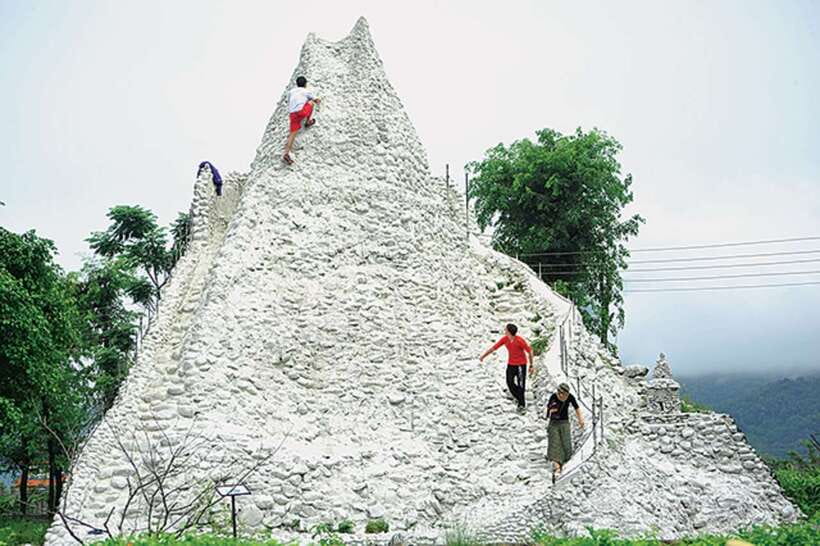
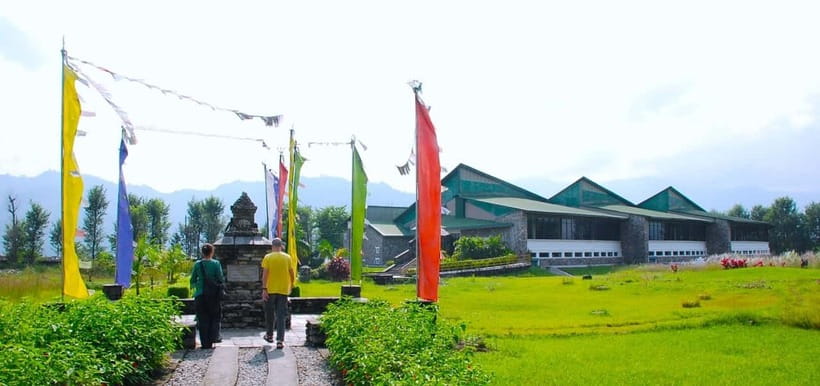
The International Mountain Museum gives the tour its historical and educational backbone. Inside, you can expect exhibits about the Himalayan mountains, mountaineering, climbing history, and the cultures of the surrounding region.
This is more than a quick photo stop. The museum helps explain why Pokhara is closely tied to Himalayan expeditions and why the mountains matter to many communities across Nepal. If you are new to Nepal, this is a useful place to put later views and trekking plans into context.
The planned visit lasts about an hour. That is enough for a guided look at the main displays, though not necessarily enough for a slow reading of everything. I would pay attention to how much time your guide spends explaining the exhibits. A guide who adds context can turn a museum visit into a proper introduction to Nepal. Without that explanation, you may feel that you are simply walking through displays on your own.
Admission is not included in the tour price. That matters because the $24 charge is not the full cost of visiting the advertised sites. Ask at pickup what the current entrance fees will be so you can carry enough cash or confirm the accepted payment method.
Devi’s Falls and the ten-minute walk to the cave
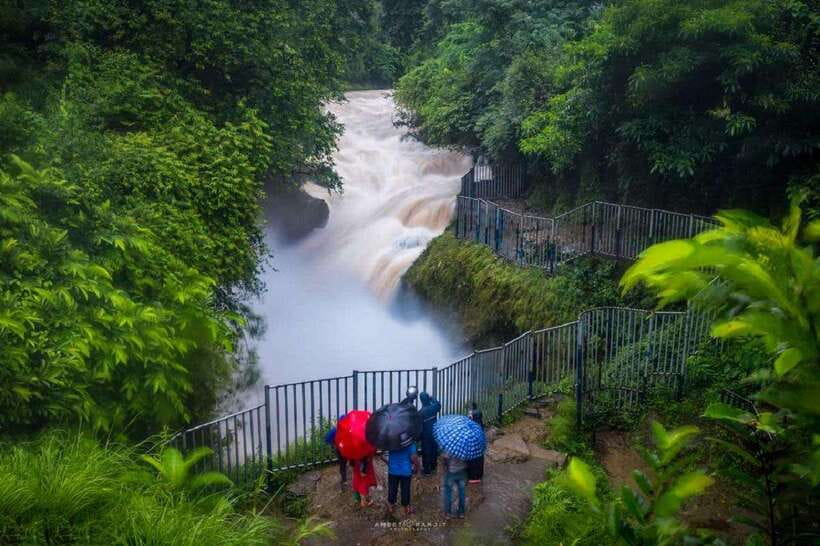
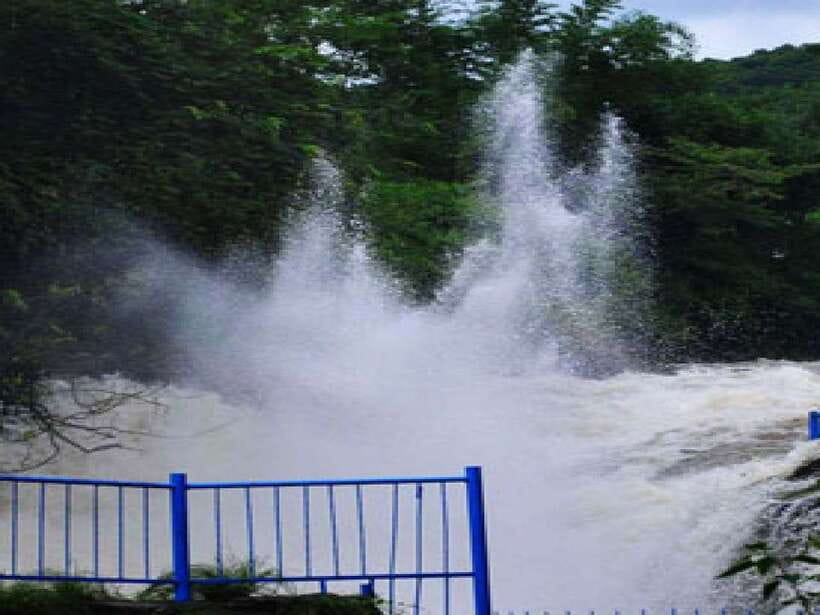
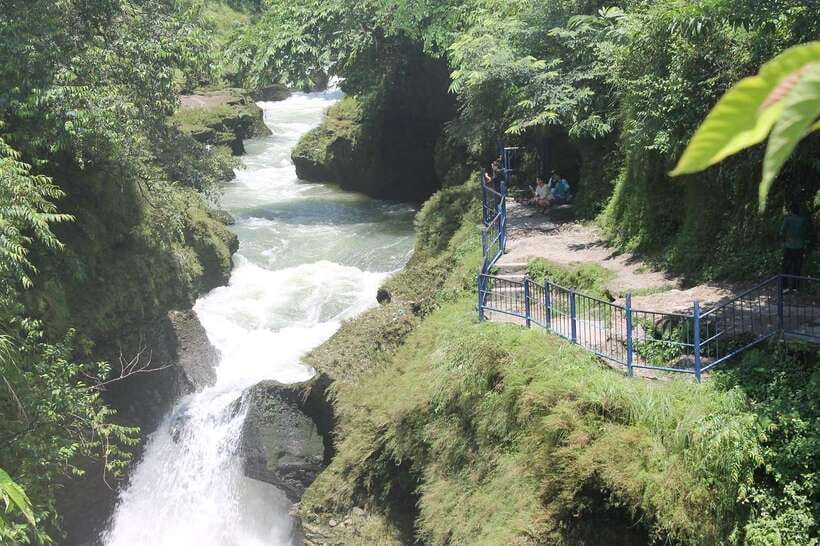
The next stop is Devi’s Falls, listed as a 30-minute visit. You have time for photographs, a short guided visit, and a look at the water as it drops into an unusual underground channel.
The waterfall is memorable because the water does not simply continue along an open riverbed. It disappears below ground, giving the site a little drama beyond its appearance from the viewing area. Your guide can point out the main sight and help you make the most of a short stop.
Do not expect a long nature walk here. This is a viewpoint visit, not a half-day outing in the countryside. The tour’s appeal comes from seeing several different places in one route.
Gupteshwor Mahadev Cave is directly opposite Devi’s Falls, with the schedule allowing about ten minutes to walk between the two. That short connection is one of the practical strengths of the route. You do not need to arrange another vehicle or cross the city just to reach the next attraction.
Inside Gupteshwor Mahadev Cave
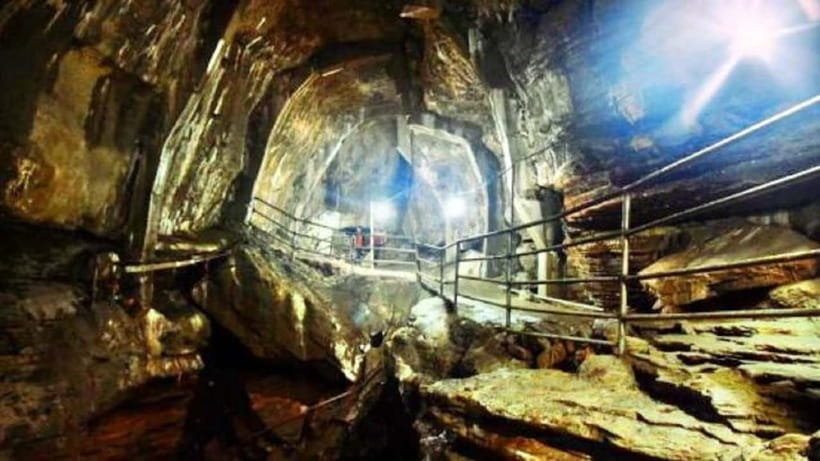
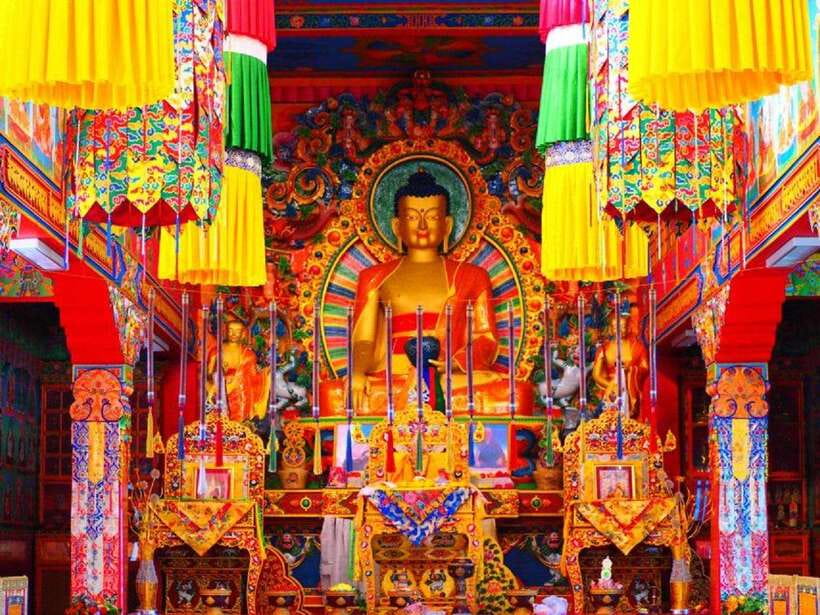
The cave provides a sharp change of mood. It is a sacred site with rock formations and a shrine dedicated to Lord Shiva. The visit is planned for about an hour, including a guided tour and time for photographs.
The attraction here is not just the cave itself. The shrine gives the place religious meaning, and the combination of natural stone and worship makes it feel different from a standard sightseeing stop. One guide was praised for explaining the temple inside the cave, which is exactly the kind of detail that makes this visit worthwhile.
You should expect uneven surfaces and a cave setting rather than a polished museum. The supplied information does not give specific accessibility details, so ask your operator if you have concerns about walking conditions. Wear sensible shoes and keep your pace steady.
As at the other sites, admission is extra. The cave can be the most rewarding stop for you if you enjoy religious places and unusual natural formations. If you prefer wide views and open air, you may find the hour here longer than necessary.
A few more Pokhara days to weigh up
- Upper Seti: Half-Day White Water Adventure
★ 5.0 · 87 reviews - Half-Day Private Pokhara Tour
★ 5.0 · 27 reviews - Private Half-Day Chandragiri Cable Car Tour in Kathmandu
★ 5.0 · 155 reviews - Namo Buddha and Thrangu Tashi Yangtse Monastery Half-Day Tour
★ 5.0 · 24 reviews
Forty-five minutes with the Tibetan community
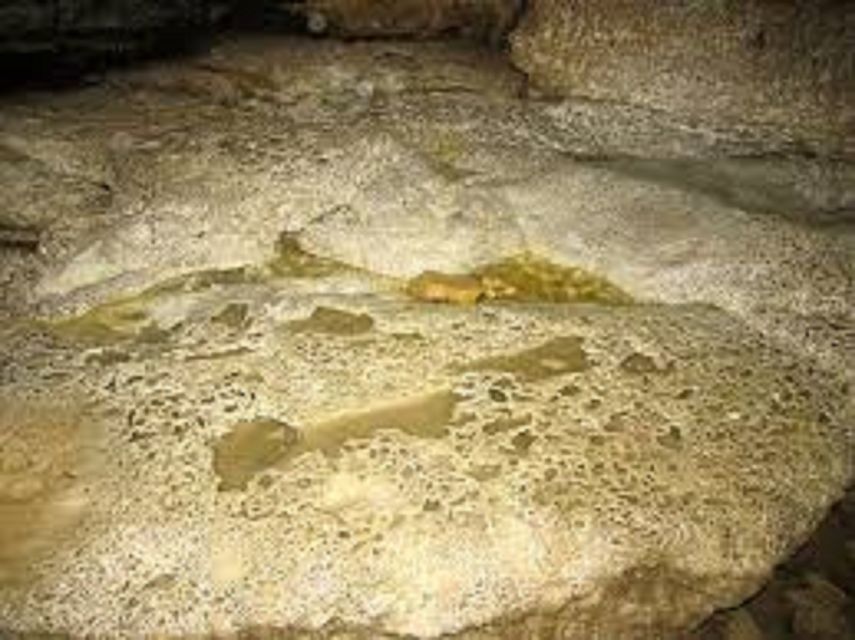
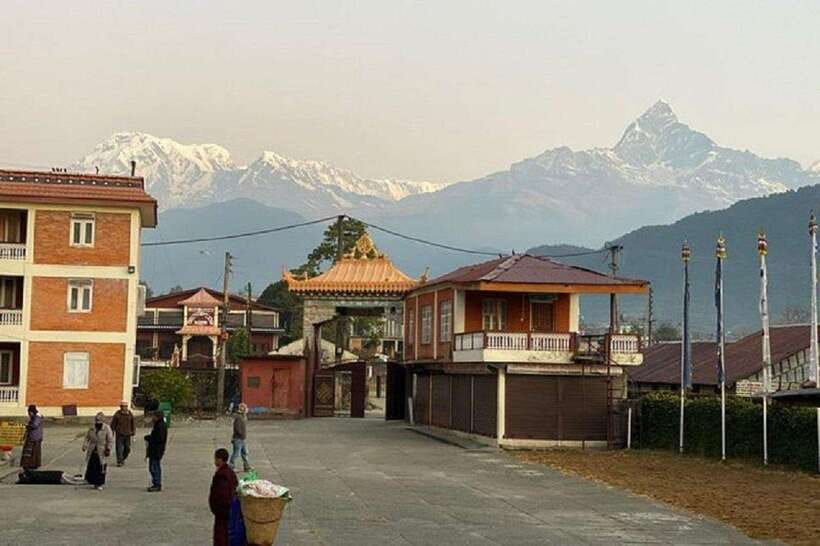
The final major stop is a Tibetan refugee community in Pokhara. The schedule allows about 45 minutes for a guided visit, a walk, photographs, free time, and shopping.
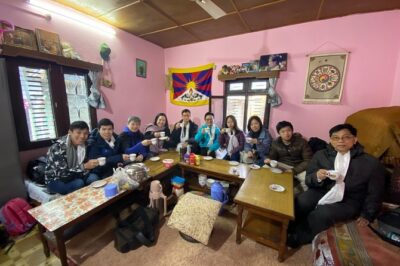
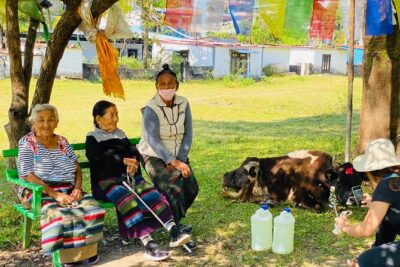
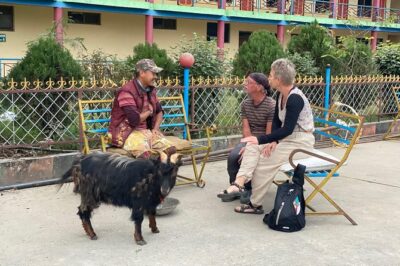
This is the part of the tour that gives you contact with living culture rather than only monuments and displays. You can learn about Tibetan traditions, visit a monastery, and look around a handicraft center. The shopping is part of the visit, but you are not required to buy anything. If you do purchase an item, you will be supporting a local handicraft setting, though the tour information does not specify how proceeds are handled.
Approach this stop with respect. A community visit should not be treated as a theatrical show. Listen to the guide, observe quietly, and ask questions about the traditions and history being presented. A strong guide can explain the difference between a quick shopping stop and a meaningful cultural visit.
The 45-minute schedule is enough for an introduction, a monastery visit, and a look at handicrafts. It is not enough for a detailed study of Tibetan settlement in Nepal. If Tibetan culture is your main reason for booking, ask whether the guide can give this section proper attention rather than rushing through it at the end.
What the private vehicle adds
Private transport is the tour’s clearest practical benefit. You are collected from your hotel within Pokhara city limits and returned to Pokhara or Lakeside after the visit. The air-conditioned vehicle is useful during warm weather and removes the need to negotiate several separate taxi rides.
A private group also gives you more control than a shared excursion. You can ask questions, set your pace within reason, and request time for photographs. Several highly rated guides were praised for adapting to the group’s rhythm. Prakash, in particular, received strong praise for careful driving and helpful photographs.
Still, private transport does not automatically mean a detailed guided experience. One low-rated booking described the guide as functioning mainly as a driver, with limited explanation at the sites. That is the central question to settle before you go: are you buying a guide-led visit, or simply a convenient car with ticket assistance?
The company lists English and Hindi as guide languages. Communication may vary by guide, so if historical and cultural explanation is important to you, say that clearly when confirming the booking.
The real cost of a $24 tour
At $24 per person, the headline price looks attractive for private transport, bottled water, hotel pickup, and a guide. It can be good value if you are traveling alone or as a couple and would otherwise pay separately for several rides.
The price becomes less appealing once you add the entrance fees. The museum, waterfall, cave, and Tibetan sites are not included, and one booking reported paying roughly €50 in total for four places. That amount is not necessarily the standard cost for every booking, but it shows why you should treat $24 as the starting price rather than the final bill.
You can also reach several Pokhara sights by inexpensive taxi or scooter, according to one booking experience. Independent transport may cost less if you are comfortable planning the route yourself. The tour earns its extra cost through convenience, a private vehicle, and the chance of having a helpful local guide.
I would book it for ease, not as the cheapest way to move around Pokhara. Before confirming, ask for the current entrance-fee total and the exact pickup time. This simple check prevents the tour from feeling more expensive than expected.
Timing problems and how to avoid them
The published duration is three hours. The detailed schedule adds up to about one hour at the museum, 30 minutes at Devi’s Falls, ten minutes walking to the cave, one hour in the cave, and 45 minutes at the Tibetan community. That is a full, brisk three-hour program before any traffic or pickup delays.
Some bookings have lasted only two hours, and some customers expected four hours. This difference is important. If you have a flight, meal reservation, or another activity afterward, leave a buffer rather than relying on the stated end time.
The route itself is efficient because Devi’s Falls and Gupteshwor Cave are opposite each other. The museum and Tibetan community complete the circuit without requiring a long list of distant stops. You may enjoy the pace if you want a sampler. You may find it too rushed if you want extended museum time or a long conversation about Tibetan culture.
Do not assume an extra attraction will be added at no cost. One request to visit World Peace Pagoda was quoted at an additional $30. If you want to add a place, agree on the price before setting off.
Who will get the most from this tour?
I would recommend this tour to a first-time visitor with only a few free hours, especially if you want nature, religion, and culture in one outing. It is also useful for solo visitors who would rather not arrange transport for four separate stops.
It suits you if you value:
- A private car and hotel pickup
- A short route with several major sights
- English or Hindi commentary
- Time for photographs
- A simple introduction to Pokhara beyond Lakeside
I would think twice if you are seeking a slow cultural tour, a full museum visit, or guaranteed expert interpretation at every stop. Independent visitors who are comfortable using taxis or scooters may prefer to pay entrance fees directly and choose their own timing.
The experience also depends heavily on the assigned guide. The most praised guides were friendly, careful, flexible, and willing to explain local places. The weaker experience came when the guide offered little beyond driving and buying tickets. Confirm the guide’s role rather than assuming every booking will feel the same.
Should you book the Pokhara private tour?
Book it if you want a convenient three-hour introduction and you accept that entrance fees are extra. The route is well chosen, and the combination of the International Mountain Museum, Devi’s Falls, Gupteshwor Mahadev Cave, and the Tibetan community gives you a useful first look at Pokhara’s natural and cultural side.
I would not book it solely because of the $24 price. Add the admission charges, confirm the actual duration, and ask for a guide who will explain the sites rather than only drive. If you receive someone like Prakash, Rajkumar Lamichhane, or Kiran, the outing can be friendly and informative. If the guide acts mainly as a taxi driver, you may find that separate transport gives better value.
FAQ
How long does the tour last?
The stated duration is three hours. The planned visits and walking time also total about three hours, but some bookings have lasted only two hours, so confirm the schedule before booking other activities.
What places are visited?
The tour visits the International Mountain Museum, Devi’s Falls, Gupteshwor Mahadev Cave, and a Tibetan refugee community in Pokhara.
Is the tour private?
Yes. The activity is offered for a private group rather than as a shared tour.
Is hotel pickup included?
Yes. Pickup and drop-off are included within Pokhara city limits. The listed pickup area includes Pokhara Lakeside.
What languages does the guide speak?
The available guide languages are English and Hindi.
Are entrance fees included?
No. Admission fees for the attractions and sites are not included in the tour price.
Is transportation provided?
Yes. Private air-conditioned transportation is provided throughout the tour.
Is bottled water included?
Yes. Bottled water is included.
Can I buy Tibetan handicrafts?
Yes. The Tibetan community visit includes free time and shopping at a handicraft center.
Can I cancel for a full refund?
Yes. You can cancel up to 24 hours in advance for a full refund.
Just added around Pokhara
- Pokhara: Pokhara Highlights Tour by Bus★ 3.6 · 10 reviews
- Discover Pokhara in Style: Private Vehicle Service with Driver★ 5.0 · 5 reviews
- Pokhara in 5 Hours: Lake, Museum, Cave, Falls & Pagoda Hill★ 4.5 · 16 reviews
- Beautiful Sarankot Sunrise with Full Day Sightseeing in Pokhara★ 4.5 · 3 reviews
- Sarangkot Sunrise Tour in Private Car★ 5.0 · 3 reviews
- Pokhara: Group Joining Sarangkot Sunrise Himalayas Tour★ 4.5 · 23 reviews
- Sarangkot Sunrise Tour from Pokhara★ 4.5 · 9 reviews
- Pokhara: Full-Day Sightseeing & Viewpoints Tour – Private/Group★ 5.0 · 4 reviews
Tibetan Culture Tours, compared.
Full-Day Tibetan Cultural Tour to Tibetan Settlements Pokhara
Read our review →
Afternoon Tibetan Cultural Tour to Tibetan Settlements Pokhara
Read our review →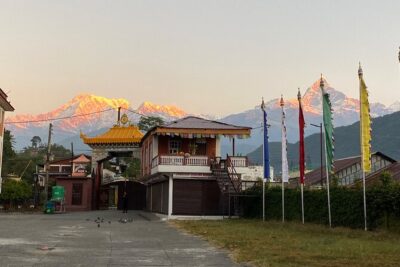
Morning Tibetan cultural tour to Tibetan settlements Pokhara
Read our review →
Morning Half Day Tibetan cultural tour to Tibetan Settlements
Read our review →
Sarangkot Sunrise with a half day Tibetan cultural tour
Read our review →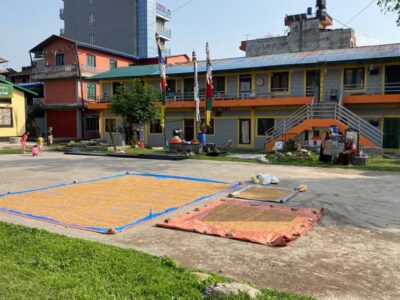
Browse the lists this tour appears in