
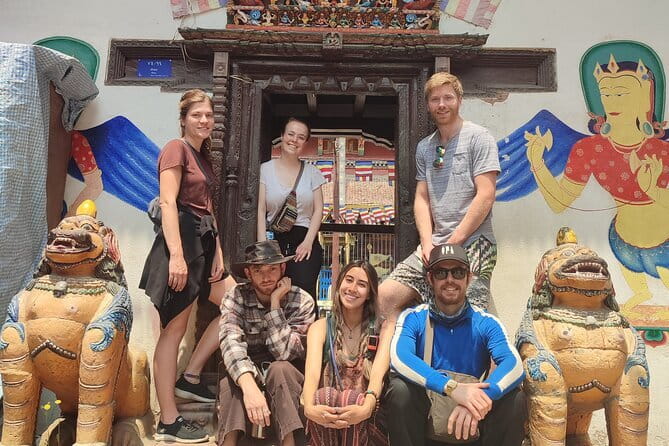
Reviewed · PATAN TOURS
Folklore and Everyday Life in Ancient Patan
Patan’s best stories are often found away from its famous palace square. This walk leads you through quiet courtyards, old shrines, and working neighborhoods, where Newar Buddhist customs and Tantric Hindu beliefs still shape daily life. I like the focus on ordinary Patan, and I like that guides such as Sandip explain both old traditions and the way young Nepalis live today. The main drawback is clear: Patan Durbar Square is not included, so you will need extra time and money to see the major palace complex.
The small group, capped at 10 people, should make it easier to ask questions and keep up in narrow lanes. Past guests especially praised Sandip’s humor, his explanations of local culture, and the unusual courtyards he finds. The walk ends near the square, so you can add the museum afterward, but the total outing will take longer than the advertised two to two and a half hours.
Key points at a glance
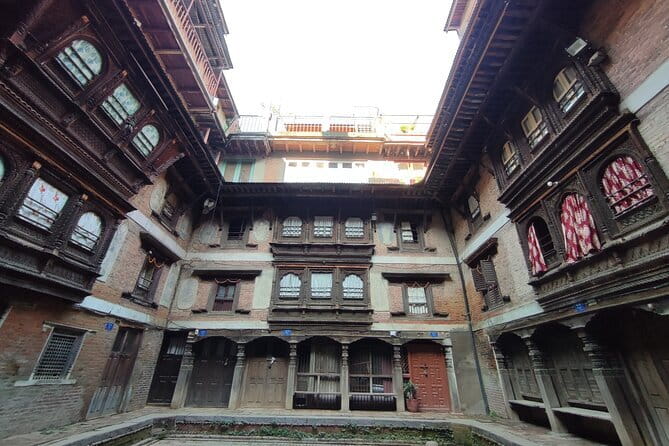
- Pimbahal opens the story: Learn how old Newar courtyards combine housing, worship, water, and local knowledge.
- Nyakhachowk brings architecture close: See falchaa resting places, ancestral shrines, vernacular homes, and a major monastery courtyard.
- Nag Bahal connects Patan to distant cultures: Look for Greek and Hellenistic influence in Buddhist and Hindu art.
- Swotha Square is a useful finish: Stop for tea, then walk a few minutes to Patan Durbar Square on your own.
- Sandip is the guide to look for: He is praised for clear explanations, an easy manner, and a good sense of humor.
- The price buys interpretation, not admission: At $65, you are paying for a small-group local guide and cultural context. Site tickets and transport are extra.
Why old Patan is best understood on foot
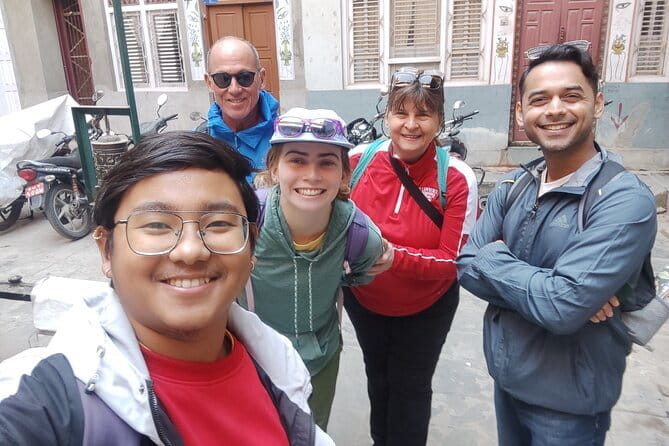
Patan, also called Lalitpur, is famous for its carved temples and palace architecture. Yet its character is not confined to one grand square. The older town is made up of lanes, courtyards, monastery compounds, small shrines, resting shelters, and houses where traditional forms sit beside modern life.
That is the point of this walk. You are not simply checking off monuments. You are learning how a Newar town works, and how religion is woven into its layout. A courtyard may be a place of worship, a passage through the neighborhood, a meeting point, and part of an old settlement plan at the same time.
I find this approach more useful than a quick procession from one famous temple to the next. It gives you a way to read the town. A carved doorway, a small shrine, or a covered resting place starts to make sense instead of looking like decoration without a story.
The tour begins at Patan Dhoka at 10:00 am. You meet the guide at the entrance to the old town, then head into the narrow streets. There is no hotel pickup or drop-off, so plan your route to Patan Dhoka in advance. Public transportation is nearby, but the supplied information does not specify a particular bus, taxi, or ride service.
More days out in Patan:
- Bhaktapur & Patan Durbar Square Day Tours
★ 5.0 · 122 reviews - Kathmandu: Private Patan and Bhaktapur Sightseeing Tour
★ 4.7 · 64 reviews - Patan and Bhaktapur City Full Day Tour
★ 5.0 · 24 reviews
Pimbahal and the spiritual design of a Newar courtyard
The first major stop is Pimbahal, reached through traditional courtyards in the old town. This is where the guide introduces the way Newar settlements express spiritual practice and local knowledge through their physical design.
Pimbahal is also home to a Newar Buddhist monastery dating back many years. The important point is not only the age of the place. It is the relationship between the monastery and the surrounding town. Religious buildings here are not isolated attractions. They form part of the neighborhood’s daily rhythm.
You will hear about how courtyards open into one another and how older urban planning supported both community life and religious practice. The supplied timing is about 30 minutes, which gives the guide room to explain rather than simply point out a shrine and move on.
This is a strong opening for first-time visitors to Patan because it supplies the basic vocabulary of the walk. You begin to understand why the old town has so many enclosed spaces, sacred corners, and shared areas. The tradeoff is that the information is cultural and interpretive, not a parade of major monuments. If you only want large temples and palace buildings, this may feel modest at first.
Nyakhachowk, falchaa, and the details between monuments
From Pimbahal, the group follows a smaller path toward Nyakhachowk. The route itself matters. You pass traditional architecture, falchaa resting areas, ancestral shrines, and vernacular houses. These are the pieces of Patan that are easy to miss if you stay on the main tourist routes.
Falchaa are especially useful to notice because they show how public life was built into the town. A covered resting place may look simple, but it reflects the needs of people moving through the neighborhood. The walk asks you to look at these small structures with the same care you would give a famous temple.
Nyakhachowk contains a courtyard with one of the area’s important monasteries. The monastery’s presence helps explain the strength of Newar Buddhism in Patan. You are not only seeing a religious building. You are seeing how Buddhist institutions fit into an old urban community.
The 30-minute stop should suit people who like questions and discussion. Sandip has been praised for explaining Hinduism, Buddhism, local customs, and folklore in a way that is clear and relaxed. His humor is also part of the appeal. Cultural subjects can become heavy when presented as a long lecture, so an easy manner matters here.
Keep your expectations practical. This is a walking tour through old lanes, not a formal museum visit. Space may be tight, and the route is meant to show the town as it exists. You may see people using the area for ordinary purposes alongside the shrines and historic buildings. That is exactly what gives this portion its value.
Nag Bahal and the long reach of Patan’s art
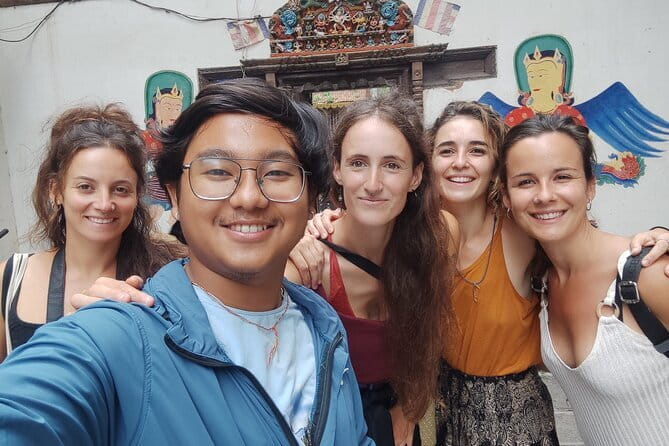
The next stop is Nag Bahal, one of the largest courtyards in old Patan. The visit lasts about 15 minutes, but the subject reaches far beyond Nepal.
Here the guide discusses how connections with the outside world affected traditional art. Greek influence and Hellenistic impressions can be seen in parts of Buddhist and Hindu iconography. This is a useful reminder that Patan’s artistic traditions were never sealed off from the wider world.
You do not need a background in art history to appreciate the point. The guide can direct your attention to forms and details that might otherwise pass unnoticed. The old town becomes a record of contact, exchange, and adaptation, not just a collection of local customs.
This stop is brief, so do not expect a full art lesson or a long study of individual objects. Its strength is the connection it creates between a neighborhood courtyard and the wider history of Asian art. It also adds variety to the tour. The walk moves from settlement planning and religion to artistic influence without losing its focus on Patan.
More days out in Kathmandu:
- Private Kathmandu Sightseeing Tour | UNESCO World Heritage sites
★ 5.0 · 756 reviews - Half day cooking class in Thamel kathmandu
★ 5.0 · 607 reviews - Nagarkot Sunrise View and Day Hiking from Kathmandu
★ 5.0 · 471 reviews - Kathmandu: Full Day 7 UNESCO Tour with Lunch – Private/Group
★ 5.0 · 415 reviews
Swotha Square and the choice to continue

The tour ends at Swotha Square, a pleasant area with temples, shrines, and tea shops. After the tighter lanes and enclosed courtyards, the square gives you room to pause.
The stop lasts about 15 minutes. You can end the guided portion here, have tea, and continue with your day. Or you can ask for directions toward Patan Durbar Square, which is only a few minutes away.
This arrangement is worth understanding before booking. Patan Durbar Square is not part of the guided walk. You do not receive its admission ticket, and the square has an additional entry fee. If you want to see the old palace complex and its museum, allow extra time after the tour.
I like the separation. It keeps the walk focused on local Patan rather than trying to rush through the square and the surrounding neighborhoods in one package. But if your schedule is tight, you need to plan carefully. A two-hour tour followed by the square, museum, and independent sightseeing can easily become a half-day outing.
The museum is specifically recommended in the tour information, and the location makes it a sensible add-on. You finish close enough to continue without arranging another transfer.
A final monastery stop and the scale of religious life
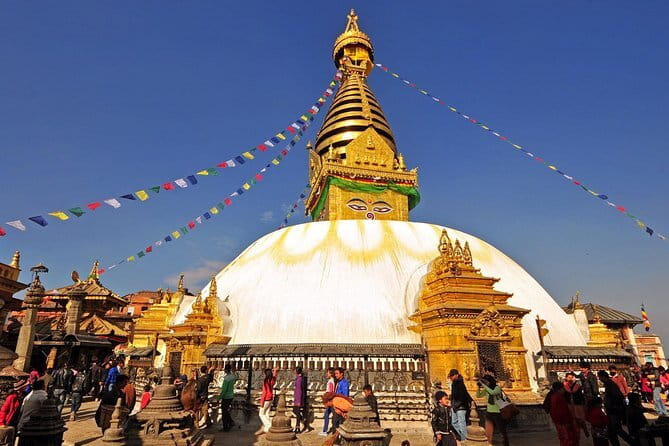
The tour information also describes a highly respected and richly decorated Buddhist monastery in the Patan area, with more than 4,000 ordained monks connected to its monastic order. It is presented as a place to stop and admire detailed woodwork and metalwork.
Because the supplied route details do not clearly identify this place by name or show exactly where it fits into the sequence, you should ask the guide when booking or at the start whether it is part of your specific walk. That small clarification will prevent confusion, especially if you are hoping to see it.
The mention of more than 4,000 monks gives you a sense of scale. Patan’s Buddhist life is not limited to small shrines tucked into residential lanes. It includes large and respected institutions, skilled craft traditions, and living religious communities.
As with the other stops, the value comes from seeing religious art in its setting. Woodwork and metalwork are not presented as isolated objects behind glass. They belong to places that remain part of religious practice.
How the religious themes are handled
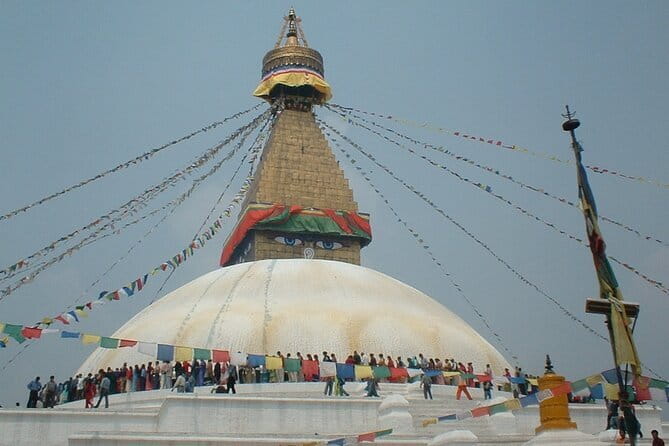
The walk covers Newar Buddhism and Tantric Hinduism, two important parts of Patan’s religious culture. The aim is to show how these traditions shape daily life, rather than treating them as distant subjects from the past.
You may hear about rituals, shrines, monastery life, folk beliefs, and the way traditions continue in a changing society. The tour also connects older customs with the ambitions of young Nepalis, many of whom balance cultural expectations with modern values.
That balance is one of the most useful parts of the experience. Patan is not presented as a frozen old town. You are encouraged to see both continuity and change. The courtyards remain important, but the people who use them live in the present.
Sandip’s role seems particularly important here. The strongest descriptions of the tour focus on his ability to explain local culture, Hinduism, Buddhism, and folklore while keeping the walk friendly and good-natured. One account also credits Sandip and Pinhua with creating a meaningful cultural exchange. If Pinhua is leading or assisting your departure, you can expect a guide team rather than a purely self-directed route.
Is $65 a fair price?
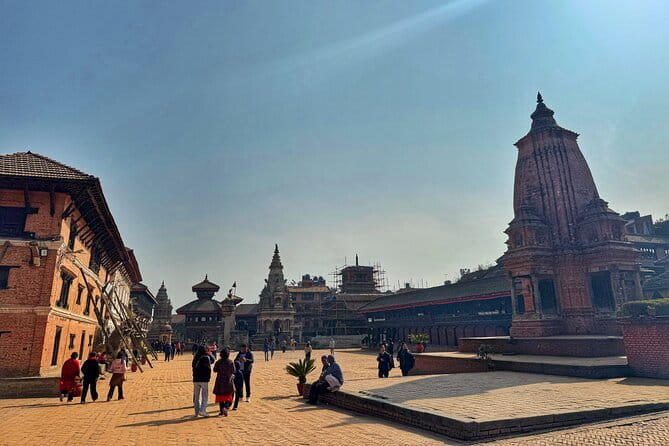
The cost is $65 for roughly two to two and a half hours. That is not a bargain-priced neighborhood stroll, but the value depends on what you want from Patan.
You are paying for an experienced local guide, a small group of no more than 10 people, and access to places you might not locate on your own. The courtyards and side lanes are free, so the fee is mainly for interpretation and route planning. That can be worthwhile in Patan, where the meaning of a small shrine or monastery courtyard is not always obvious.
The price does not include pickup, drop-off, or admission to Patan Durbar Square. You also pay separately if you visit the museum or palace complex. Add those costs when planning your day.
I would consider the price reasonable for a visitor who values context and wants a more personal walk. It is less attractive if you only want to photograph the main square or prefer to explore without a guide. The good news is that the small group keeps the experience from feeling like a large procession, and the guide’s explanations are the main product.
Who will enjoy this Patan walk?
I would recommend it to you if you are curious about how people live with old religious traditions, not just how old buildings look. It suits visitors who enjoy folklore, architecture, Buddhism, Hinduism, neighborhood history, and conversations about modern Nepal.
It is also a good first activity in Patan. Afterward, you will have a clearer sense of what to notice when you visit the palace square independently.
You may want a different plan if your main goal is a full tour of Patan Durbar Square. The square is deliberately left out, and you will need to pay its separate admission fee. Families and most able participants should manage the walk, but you should be comfortable walking through narrow streets for up to two and a half hours.
The mobile ticket is convenient, and confirmation is provided at booking. Service animals are allowed. The experience requires good weather, and the cancellation terms allow a full refund if you cancel at least 24 hours before the start time. If poor weather causes the operator to cancel, you are offered another date or a full refund.
Should you book Folklore and Everyday Life in Ancient Patan?
Book this walk if you want Patan explained from the inside out. The strongest reasons are the small group, the focus on courtyards beyond the main square, and guides such as Sandip who combine serious cultural detail with humor and an easy manner.
Do not book it expecting Patan Durbar Square to be included. Instead, treat the walk as a first chapter, then continue to the square and museum after Swotha Square if your schedule and budget allow.
At $65, it is best for you if authentic neighborhood detail matters more than a list of famous sights. The tour’s real reward is learning how Patan’s monasteries, shrines, resting places, art, and family life fit together.
FAQ
Where does the tour start?
The tour starts at Patan Dhoka, on Patandhoka Road in Lalitpur. The meeting time is 10:00 am.
Where does the tour end?
The guided walk ends at Swotha Square, a few minutes from Patan Durbar Square.
Is Patan Durbar Square included?
No. Patan Durbar Square is not included in the guided tour. You can visit it independently after the walk, but admission costs extra.
How long does the experience last?
The walk lasts approximately two to two and a half hours. The individual stops listed for Pimbahal, Nyakhachowk, Nag Bahal, and Swotha Square add up to about 90 minutes, with the remaining time used for walking and explanation.
How large is the group?
The experience has a maximum of 10 participants.
What is included in the price?
An experienced local guide is included. Pickup, drop-off, and admission to Patan Durbar Square are not included.
Can I cancel for a full refund?
Yes. You can cancel at least 24 hours before the local start time for a full refund. Changes or cancellations made less than 24 hours before the start time are not accepted for a refund. If poor weather causes the experience to be canceled, you can choose another date or receive a full refund.
Just added around Kathmandu
- Women Empowerment Project(Nepali cooking class & jewelry workshop★ 5.0 · 15 reviews
- Manthali Airport (Ramechhap) To Kathmandu – Transport Service★ 4.5 · 11 reviews
- Amazing 1 Day Trekking Experience in Kathmandu Nepal★ 5.0 · 24 reviews
- Walking tour of Kathmandu with awesome local guides★ 5.0 · 4 reviews
- Walking tour of real Kathmandu through back streets.★ 5.0 · 3 reviews
- Private Manaslu Circuit Trek at Himalayas★ 5.0 · 3 reviews
- Walking Street Food Tour in Kathmandu★ 5.0 · 111 reviews
- Kathmandu Street Food Walking Tour – Eat Like a Local★ 5.0 · 3 reviews
Patan Tours, compared.
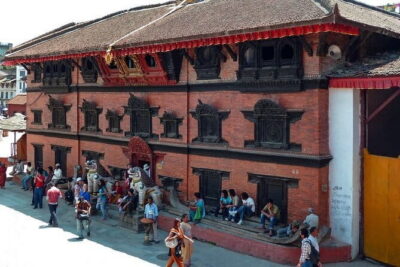
Kathmandu and Patan Heritage and Living Goddess Experience Tour
Read our review →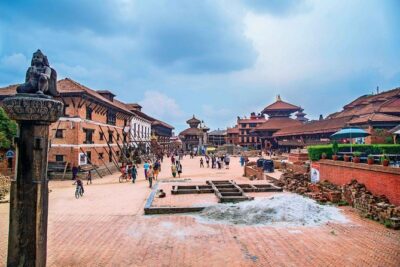
Patan & Bhaktapur Durbar Square Tour with Lunch – Private/Group
Read our review →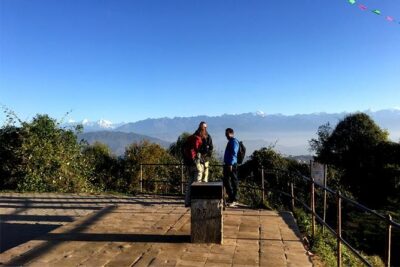
Nagarkot Sunrise, Bhaktapur and Patan Durbar Square Tour in Kathmandu
Read our review →Browse the lists this tour appears in