
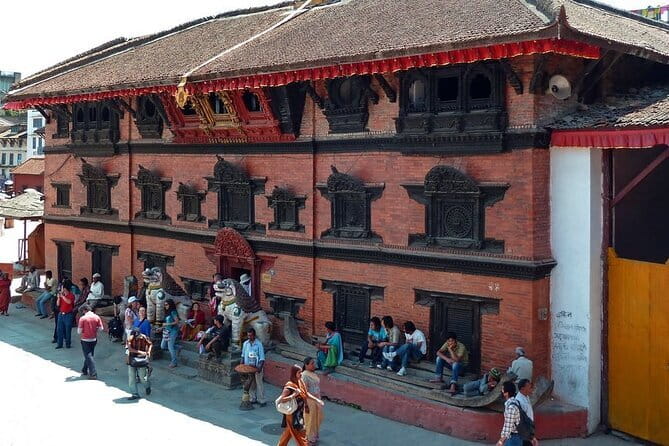
Reviewed · HISTORICAL TOURS
Kathmandu and Patan Heritage and Living Goddess Experience Tour
Kathmandu’s Living Goddess Kumari gives this short walking tour its unusual focus. You move from a quiet Buddhist shrine through Ason’s market and into Kathmandu Durbar Square, where temples, royal buildings, museums, and Newari religious traditions crowd into a compact historic center.
I like the route’s mix of everyday city life and major monuments. I also like the private format, since you can ask questions freely and set the pace with your own group. The main caution is that the visit to Kumari is a chance to see her residence and possibly the goddess, not a guaranteed appearance, and the admission wording should be confirmed before booking.
Key points to know before booking
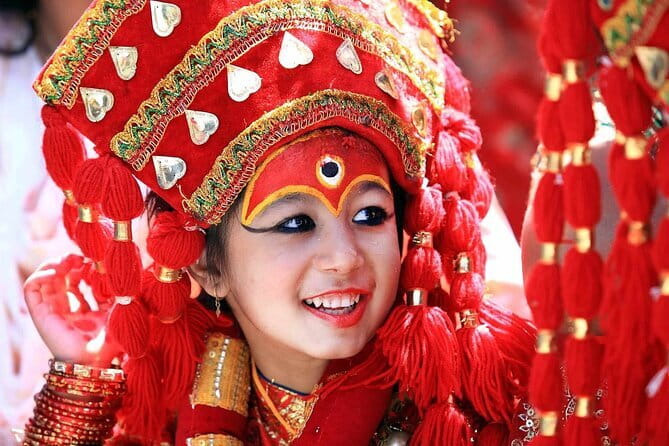
- Kumari’s residence anchors the walk: You visit the home of Nepal’s Living Goddess in Basantapur, a rare cultural encounter even when Kumari does not appear.
- Ason adds real street life: The route passes through a working market rather than staying inside a polished sightseeing zone.
- Shree Gha offers a quiet pause: This Buddhist shrine gives the walk a calmer spiritual moment before the noise of the old city.
- The route is fully on foot: Expect roughly 30 minutes of walking to the main square, sightseeing there, then a return along the same route.
- Private guiding is the strong point: Badri and Sovit are among the guides associated with this experience, with a focus on history, religion, food, and local customs.
- The $50 price buys personal attention: For a private group, the cost can be fair, but clarify the exact entrance-fee arrangement before paying.
From Shree Gha to Ason’s market
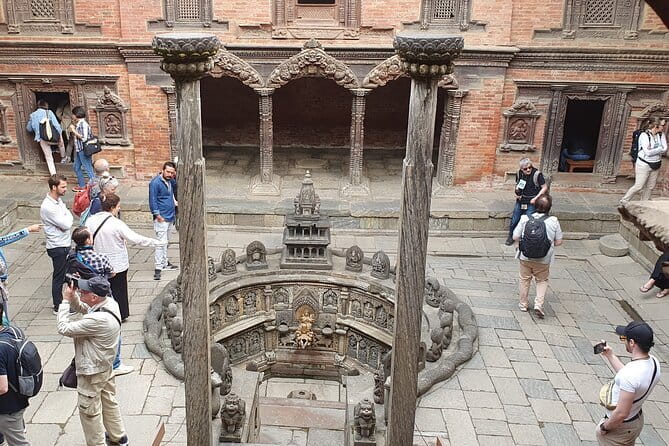
The walk begins after pickup or a meeting at your hotel. The first leg takes about 30 minutes and leads through Shree Gha, a peaceful Buddhist shrine that changes the tone of the outing right away.
This is a useful introduction to Kathmandu because the city’s religious life is not divided into neat sections. Buddhist and Hindu sites sit close to markets, homes, workshops, and traffic. At Shree Gha, your guide can explain the shrine’s place in local practice, then help you notice how worship fits into the ordinary rhythm of the neighborhood.
Ason Tanna Decor and the surrounding market bring a different kind of interest. You are not simply moving from one famous monument to another. You pass stalls and local goods, with the chance to see how people shop and move through this part of town.
The market portion is not presented as a formal food tour, but food can become part of the experience. Past walks with the same guiding team have included beaten rice, sweet snacks, momos, and chai. Those tastings are not listed as guaranteed inclusions, so you should treat them as possible extras rather than part of the $50 package.
That distinction matters. If you want a tightly scripted sightseeing tour, the market may feel less tidy than a museum visit. If you want a look at daily Kathmandu, it is one of the best parts of the route. Ask your guide what is worth tasting or buying, and keep your attention on the street as well as the monuments.
More days out in Patan:
- Bhaktapur & Patan Durbar Square Day Tours
★ 5.0 · 122 reviews - Kathmandu: Private Patan and Bhaktapur Sightseeing Tour
★ 4.7 · 64 reviews - Patan and Bhaktapur City Full Day Tour
★ 5.0 · 24 reviews
Kathmandu Durbar Square and the Kumari tradition
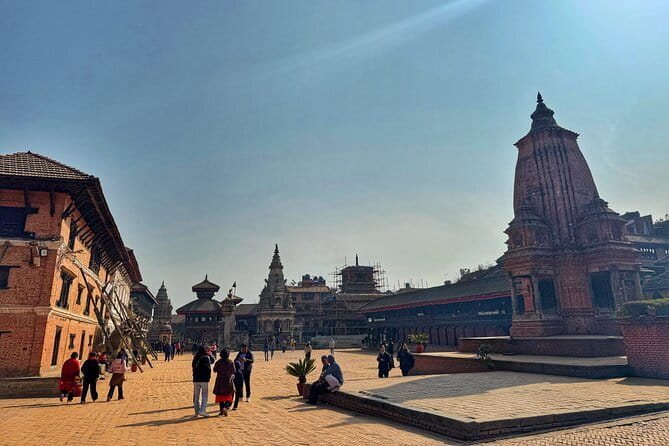
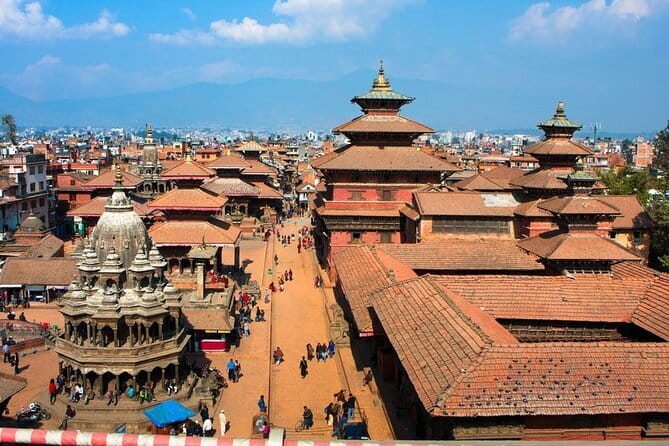
The route ends at Kathmandu Durbar Square, a UNESCO-listed site with temples, courtyards, royal buildings, and museums. The square reflects the work of the Malla and Shah dynasties, with buildings dating from the 12th through the 19th centuries.
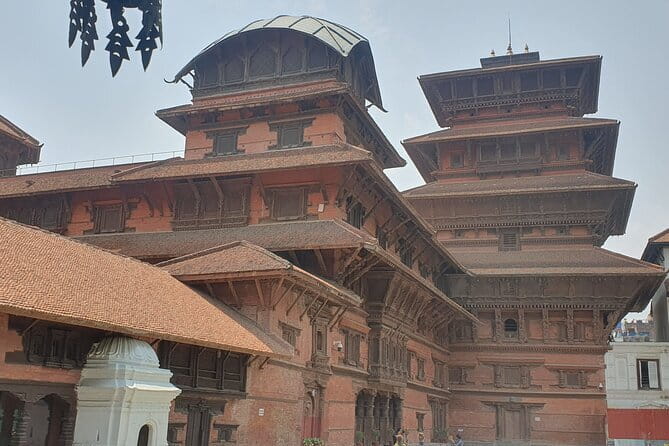
You will see more than old architecture here. This is a place where political power, Hindu worship, Buddhist practice, and Newari culture meet. A guide adds real value because the buildings can otherwise look like a dense collection of carved windows, pagoda roofs, stone images, and courtyards without a clear story.
The highlight is Kumari’s residence. The Living Goddess is selected through a traditional process and worshipped as a divine figure in Nepalese culture. Her residence is part of the cultural life of Basantapur, not simply a monument built for tourists.
Your visit gives you a chance to see the residence and learn about Kumari’s role. An appearance at a window cannot be promised, so keep expectations sensible. The value lies in understanding the tradition and seeing the setting, even if the goddess does not appear during your visit.
Photography and behavior matter around sacred places. Follow your guide’s instructions, stay respectful, and avoid treating the Kumari tradition as a stage show. This is one part of the tour where a calm manner is more important than getting the perfect picture.
Basantapur’s royal buildings and Kalvairabh
A second itinerary description places the group directly at Basantapur Durbar Square before exploring its monuments. In practical terms, this is the same historic center reached by the walking route, with the tour spending about an hour on the square and its buildings.
The architecture reflects several centuries of royal construction and repair. The Malla and Shah periods give the area its political and artistic importance, while the active religious sites keep it from feeling like a frozen museum.
One specific stop is the 17th-century stone image of Kalvairabh, a fierce form of the god Shiva. The sculpture has both religious and historical importance, and it is the sort of object that benefits from explanation. Without context, its expression and imagery may seem startling. With a guide, you get a better sense of why such figures appear in public squares and temples.
The local museum adds another layer. It can help place Basantapur’s buildings, rulers, and traditions into a wider story. The supplied details do not specify which museum rooms are included or how long you spend inside, so ask your guide about the plan on the day.
What the guides add to a short tour
A two-and-a-half-hour walk goes quickly in Kathmandu. The guide is therefore central to the experience, not an optional extra.
Badri and Sovit are names connected with this guiding team. Past tours led by them have been praised for clear explanations, kindness, help with Nepal travel plans, and a friendly style that can feel more like walking with a local companion than following a lecture.
Sovit, in particular, has guided walks that included temple explanations, food stops, and practical suggestions for the rest of Nepal. That can be useful if this is your first day in the country and you need help deciding what to see after Kathmandu.
Guide quality can vary from person to person, so the best approach is to tell your guide what you care about. You might want more time on Hindu and Buddhist beliefs, more architecture, more food, or more help understanding local customs. Since the tour is private, you have a better chance of shaping the conversation than you would in a large group.
The private format also helps if your group has mixed interests. One person can ask about the Kumari tradition while another asks about markets, dynasties, or temple design. The guide can adjust the pace, within the limits of the fixed route and two-and-a-half-hour schedule.
More heritage days around Kathmandu:
- Private Kathmandu Sightseeing Tour | UNESCO World Heritage sites
★ 5.0 · 756 reviews - UNESCO Seven World Heritage Tour in Kathmandu
★ 5.0 · 253 reviews - Kathmandu Private Sightseeing Tour | UNESCO World Heritage Sites
★ 5.0 · 109 reviews - Kathmandu: Full Day Private Top 4 UNESCO Heritage Tour W/Lunch.
★ 5.0 · 86 reviews
Is $50 good value for 2.5 hours?
The advertised price is $50 per person. Value depends heavily on group size and on the final entrance-fee arrangement.
For a private group, the price pays for a certified, trained guide, hotel pickup, a walking route, and cultural interpretation. If you are traveling alone or with one other person, the per-person cost is less attractive than it would be for a family or small group. Group discounts are offered, so ask about the rate before booking.
The tour includes the walking experience and says the UNESCO Durbar Square entrance fee is included. The individual itinerary details also say admission is not included. That is a direct inconsistency, and you should get written clarification about the fee before you commit. Do not assume that every museum or site mentioned carries no extra charge.
Tips for the guide are not included. Tipping is optional, but budget for it if the service is useful and personal. The guide’s role in explaining religious customs, helping you navigate the market, and answering questions is a large part of what you are buying.
At $50, this is not the cheapest way to walk around Kathmandu. It can be good value if you want a private introduction and do not want to sort out the old city alone. It is less compelling if you only want to look at the square and are comfortable using your own guidebook.
Timing, walking effort, and pickup details

The full experience lasts about two hours and 30 minutes. One section is described as 90 minutes, followed by about an hour at Basantapur and Kathmandu Durbar Square.
You should expect a walking tour rather than a vehicle-based sightseeing trip. The route includes about 30 minutes to reach the main square, sightseeing among shrines and historic buildings, and a return along the same route. Wear shoes suited to uneven city walking, though the supplied details do not specify the surface or stair count.
Pickup is offered before the tour begins, and you may be dropped back at your hotel afterward. You can also choose to remain in the area and explore the streets and markets on your own. That second option is useful if you want to continue at Basantapur instead of retracing the route immediately.
The tour is near public transportation, and service animals are allowed. Most people can participate, but the experience remains a walking activity, so anyone concerned about stamina should ask the operator about the exact meeting point and route length before booking.
Because the route is compact, this works well as an early introduction to Kathmandu. You get religious sites, a local market, royal architecture, and a museum without giving up a full day. The tradeoff is that each place receives a short visit rather than a long, quiet study.
Who will enjoy this Kathmandu walk?
I would recommend it most strongly to first-time visitors who want context quickly. The mix of temples, market streets, Kumari’s residence, and Basantapur gives you a practical sense of how Kathmandu’s cultural center works.
It also suits people arriving after a trek. You may have limited time and little energy for a full-day city outing, but this route gives you a focused way to see the old center. The guiding team can also offer useful ideas for the rest of your stay in Nepal.
Food lovers may enjoy the market and the possibility of local snacks, though this is not sold as a dedicated food tour. Architecture fans will appreciate the Malla and Shah-era buildings, Kalvairabh, and the museum. Religious and cultural interests are especially well served by the Buddhist shrine and Kumari discussion.
Families and small groups may like the private format because the guide can adjust explanations and walking speed. Solo visitors can also benefit from the company and orientation, but should compare the per-person price with a shared walking option if available.
I would be more cautious about booking if you want guaranteed access to Kumari herself, extensive museum time, or a long architectural study. The tour offers an opportunity to see her residence and learn about the tradition, not a scheduled personal appearance.
Practical booking advice and cancellation
Confirmation is provided at booking. Pickup is available, but you should confirm the pickup time and location because the description gives no single universal meeting point.
The tour offers free cancellation up to 24 hours before the start time for a full refund. Cancellations or changes made less than 24 hours before the experience are not accepted for a refund, and cut-off times use Kathmandu local time.
Before booking, I would ask three simple questions: Is the Durbar Square entrance fee included in the final price? Which guide is assigned? How much time is planned for the museum and Kumari’s residence? Those answers will remove the main uncertainties.
Should you book this tour?
Book it if you want a short, private introduction to Kathmandu that connects sacred sites with ordinary city life. The route is strongest when a good guide explains the meaning behind Shree Gha, the market, Kalvairabh, and Kumari’s residence rather than rushing you from photo stop to photo stop.
The price is reasonable for a private guided walk, especially for a small group, but confirm the entrance-fee details first. I would choose this tour for its personal guiding, compact route, and access to cultural subjects that are hard to understand on your own.
Skip it if you want a guaranteed sighting of Kumari or prefer to explore Durbar Square at your own pace. For everyone else, this is a useful first Kathmandu walk, with enough history, faith, food, and local street life to give the city a human shape.
FAQ
How long does the Kathmandu and Patan Heritage and Living Goddess Experience Tour last?
The experience lasts approximately two hours and 30 minutes.
Is hotel pickup available?
Yes. Pickup is offered before the tour begins, and hotel drop-off may be available afterward.
Is the tour private?
Yes. Only your group participates in the private activity.
Will I definitely see the Living Goddess Kumari?
The tour includes a visit to Kumari’s residence and the opportunity to learn about the Living Goddess. A specific appearance by Kumari is not guaranteed.
Is the Kathmandu Durbar Square entrance fee included?
The tour details state that the UNESCO Durbar Square entrance fee is included, but the itinerary also says admission is not included. Confirm the exact fee arrangement with the provider before booking.
Are tips included in the price?
No. Tips for the guide are not included.
What is the cancellation policy?
You can cancel at least 24 hours before the start time for a full refund. Cancellations or changes made within 24 hours are not accepted for a refund.
Just added around Kathmandu
- Traditional Momo Making Class★ 5.0 · 10 reviews
- Women Empowerment Project(Nepali cooking class & jewelry workshop★ 5.0 · 15 reviews
- Manthali Airport (Ramechhap) To Kathmandu – Transport Service★ 4.5 · 11 reviews
- Amazing 1 Day Trekking Experience in Kathmandu Nepal★ 5.0 · 24 reviews
- Walking tour of Kathmandu with awesome local guides★ 5.0 · 4 reviews
- Walking tour of real Kathmandu through back streets.★ 5.0 · 3 reviews
- Private Manaslu Circuit Trek at Himalayas★ 5.0 · 3 reviews
- Walking Street Food Tour in Kathmandu★ 5.0 · 111 reviews
Historical Tours, compared.
Private Kathmandu Sightseeing Tour | UNESCO World Heritage sites
Read our review →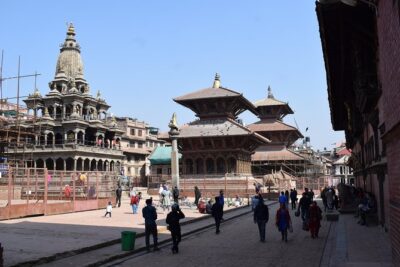
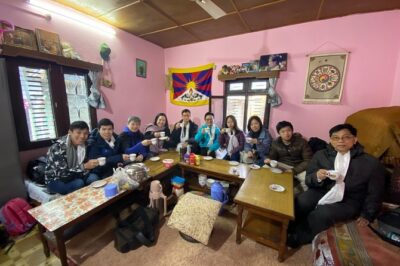
Full-Day Tibetan Cultural Tour to Tibetan Settlements Pokhara
Read our review →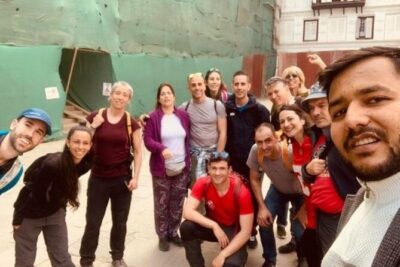
Kathmandu Private Sightseeing Tour | UNESCO World Heritage Sites
Read our review →
Afternoon Tibetan Cultural Tour to Tibetan Settlements Pokhara
Read our review →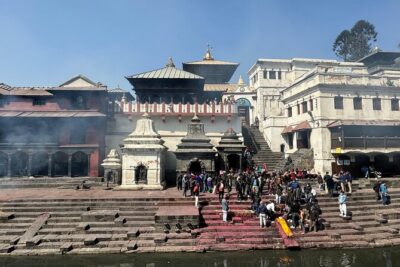
Full Day Private Top 4 UNESCO Heritage Tour W/Lunch.
Read our review →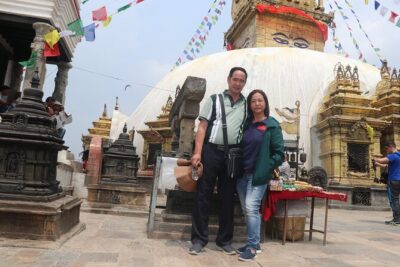
Nagarkot Sunrise & Bhaktapur UNESCO Heritage Private Tour
Read our review →Browse the lists this tour appears in