
Reviewed · DURBAR SQUARE TOURS
Kathmandu Durbar Square – Private/Small Group
Kathmandu Durbar Square is best understood one alley, shrine, and story at a time. This small-group walk begins in Thamel and leads you through religious places that are easy to miss, from the toothache tree at Wasya Dyaa to the sacred window of Kumari, Kathmandu’s Living Goddess.
I like the maximum group size of five, which gives you room to ask questions and follow the guide through tight lanes. I also like the focus on local belief, not just palace architecture. The main consideration is that entrance fees and taxes add $9 per person to the $15 tour price, and seeing Kumari is never guaranteed.
Key points to know before booking
- Four 45-minute stops: The route includes Wasya Dyaa, Seto Machindranath Temple, Kathmandu Durbar Square, and Hanuman Dhoka.
- Small enough for real conversation: The group is capped at five people, and solo participants may receive especially close attention.
- Guides with strong local storytelling: Santosh, Sandip, and Shreeya are among the guides assigned to this experience.
- Kumari viewing can take patience: You may receive a blessing or glimpse from the sacred window, but timing is not promised.
- Budget price, extra cost: The advertised price is $15, with $9 per person listed separately for fees and taxes.
- Easy starting point: Meet at Pumpernickel Bakery on Paryatan Marg in Thamel, then return there at the end.
Starting from Thamel and leaving the tourist lanes behind
The meeting point is Pumpernickel Bakery on Paryatan Marg, a useful place to begin because it is in Thamel and near public transportation. The walk ends back at the same meeting point, so you do not need to arrange a separate ride from Durbar Square.
The route is designed for people who want more than a quick look at the main square. You move through streets and smaller lanes before reaching the major monuments. That matters in Kathmandu, where a modest shrine tucked into a neighborhood corner may carry as much meaning for local people as a grand palace.
The walk takes about three hours. Each of the four listed stops is planned for roughly 45 minutes, though the actual pace can change. A guide may spend longer on a story that interests the group, or pause while you wait for a possible view of Kumari.
I would treat this as a cultural walking tour rather than a simple sightseeing loop. You are not only checking off famous buildings. You are learning how Hindu and Buddhist practices, royal power, neighborhood customs, and Newar art meet in the old city.
More Durbar Square Tours in Kathmandu:
- Bhaktapur & Patan Durbar Square Day Tours
★ 5.0 · 122 reviews - Kathmandu Sunset Tour by Rickshaw Including Durbar Square Visit
★ 5.0 · 73 reviews - Old Kathmandu Walking Tour, Historic World Heritage Durbar Square
★ 5.0 · 22 reviews
Wasya Dyaa and the toothache tree
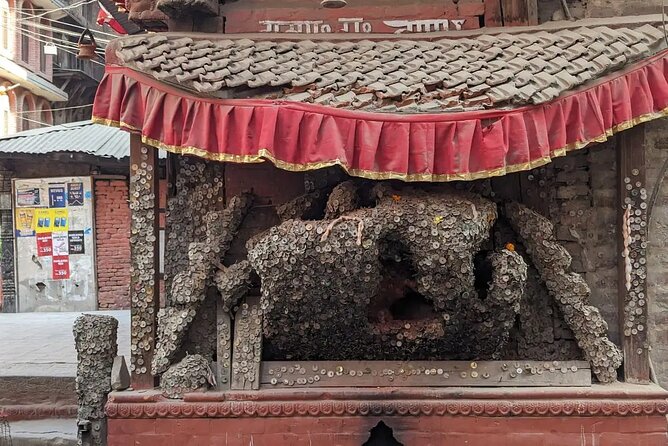
The first stop is Wasya Dyaa, also called Vaisha Devi, near Thahiti Tole. It is a wooden idol known locally as the Toothache Tree. The belief is simple and striking: hammering a coin into the wood may help cure a toothache.
This is exactly the sort of small custom that can be hard to understand when you are walking alone. A guide can explain what you are seeing and place the shrine within the daily religious life of Kathmandu. The stop also shows how local devotion may be directed toward an object that looks very different from a formal temple.
The tour information lists admission as not included at this stop. No separate admission price is supplied, so you should ask your guide or confirm the current charge before booking if your budget is tight. The important value here is not the size of the shrine. It is the chance to hear the belief behind it.
This stop may appeal most to you if you enjoy folklore, street details, and living customs. If your main goal is grand architecture, Wasya Dyaa may feel modest, but it helps set the tone for the rest of the walk.
Seto Machindranath, where two faiths meet
The second stop is Seto Machindranath Temple, southwest of Asan Tole at the junction with Kel Tole. The temple is important to both Buddhists and Hindus, though each tradition understands the deity in its own way.
Buddhists see Seto Machhindranath as Avalokiteshvara. Hindus worship him as a rain-bringing incarnation. That shared sacred place gives the guide a strong opening to explain how religious life in Kathmandu often crosses modern categories.
I like this part of the route because it moves beyond labels. You are not being shown one Hindu site and one Buddhist site as separate attractions. Instead, you see how the same figure can carry meaning for different communities.
Again, admission is not included. The listed details do not provide a separate ticket price, so allow for the stated $9 per person in fees and taxes, but confirm how charges are collected before the walk begins.
Your guide may also point out nearby street life and local customs as you approach the temple. Santosh is known for explaining religion, local practices, and stories connected to particular streets. Sandip has also been praised for using the smaller lanes around Durbar Square to add context before reaching the major monuments.
Kathmandu Durbar Square and the chance to see Kumari
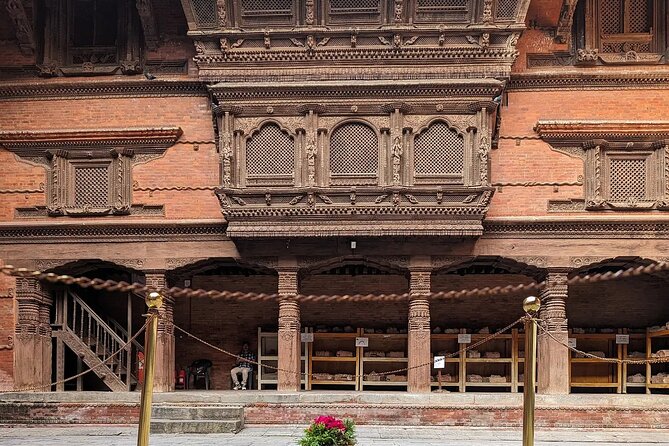
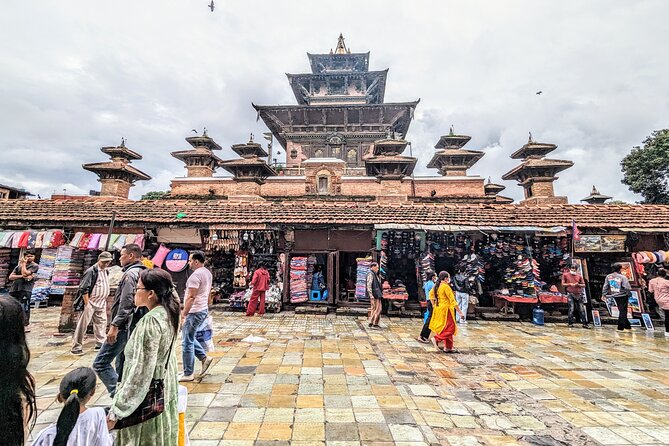
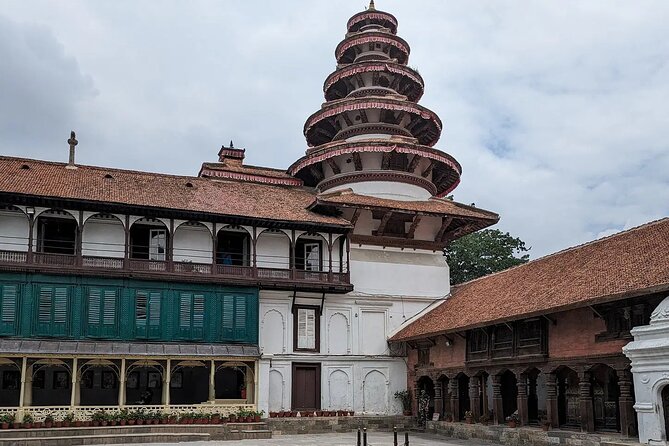
Kathmandu Durbar Square is the main event. This UNESCO World Heritage Site brings together courtyards, temples, carved woodwork, and royal buildings in the historic center of the city.
The square is also home to Kumari Ghar, the residence of Kumari, known as the Living Goddess. Her presence is one of the most unusual parts of Kathmandu’s public religious life. During the visit, you may have a chance to receive her blessing or see her appear at the sacred window.
This moment requires patience and good timing. One guide waited about 30 minutes with a participant, but there was no guarantee of a glimpse. You should plan your expectations accordingly. The experience is meaningful when it happens, but it is not a scheduled performance.
A small group helps here. You can ask the guide about Kumari without holding up a large party, and the guide can explain the custom in a respectful way. Santosh has been praised for explaining the story behind many corners of the square, while Sandip is noted for his patience and sense of humor.
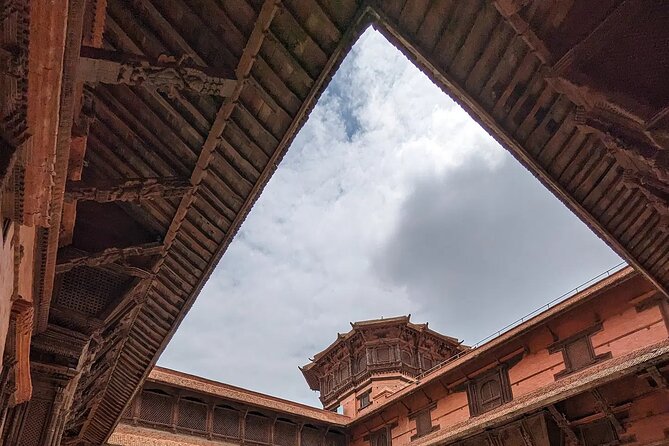
The square is not only about Kumari. It also offers a close look at Newar craftsmanship, especially the carved details found on temples and palace buildings. Your guide can help you notice the parts you might walk past, including symbols, woodwork, and the way religious and royal spaces overlap.
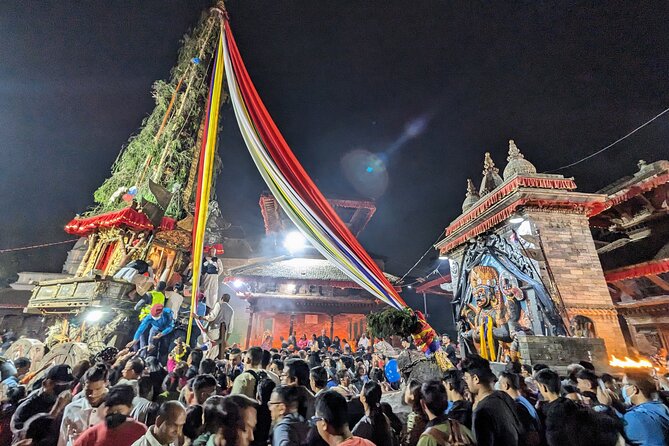
Be prepared for a busy public setting. The square is a working part of Kathmandu, not a quiet museum. The experience is strongest when you accept the movement, sound, and daily activity around the monuments instead of expecting a controlled sightseeing site.
More days out in Kathmandu:
- Private Kathmandu Sightseeing Tour | UNESCO World Heritage sites
★ 5.0 · 756 reviews - Half day cooking class in Thamel kathmandu
★ 5.0 · 607 reviews - Nagarkot Sunrise View and Day Hiking from Kathmandu
★ 5.0 · 471 reviews - Kathmandu: Full Day 7 UNESCO Tour with Lunch – Private/Group
★ 5.0 · 415 reviews
Hanuman Dhoka and Kathmandu’s royal past
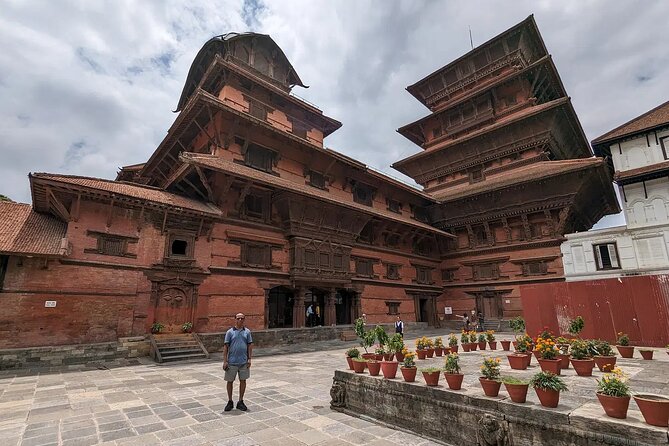
The fourth stop is Hanuman Dhoka, a palace complex in the heart of Durbar Square. It served as the royal seat of the Malla kings and later the Shah dynasty.
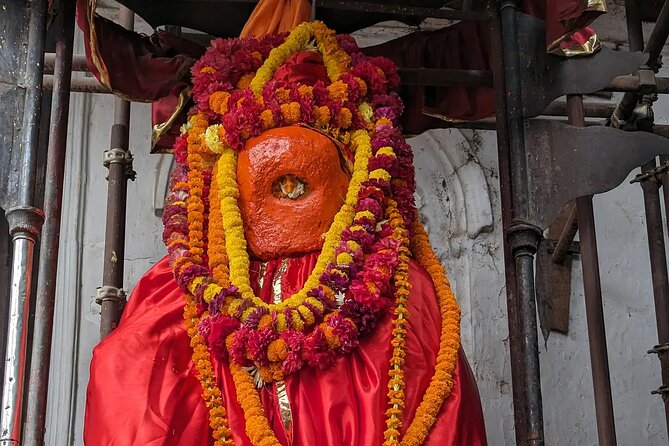
The name comes from the nearby statue of Hanuman, the Hindu monkey deity. A guide can connect the name, the palace, and the religious setting in a way that makes the complex easier to read.
I find this stop useful because it adds political history to the religious themes of the walk. You see how rulers used this central area, and how palace buildings share space with temples and shrines. The result is a more complete picture of old Kathmandu than you would get from photographing the square and moving on.
The supplied details do not list individual palace entrance charges. They do confirm that admission costs are not included, with $9 per person listed for all fees and taxes. Check the current arrangements when you book, since historic sites can have changing access rules.
The tour is not presented as an exhaustive palace visit. Its strength is the guide’s explanation of what you are looking at, how the royal complex fits into the square, and why the area still matters today.
What the small group changes
A group of no more than five people is a real advantage in Kathmandu’s old center. Small lanes can make a large tour feel slow and scattered. With five or fewer, you can usually stay close to the guide and stop without blocking the route.
The format is also good for solo visitors. Several guide accounts describe situations where one person joined the tour alone and received extra attention. Santosh, Sandip, and Shreeya are named among the guides associated with the experience.
Santosh is especially suited to people who want practical help along with history. He has offered advice about getting around Kathmandu and trekking in Nepal, and he is known for explaining local customs and stories. Sandip is a good fit if you enjoy a patient guide who adds humor and takes time with questions. Shreeya is described as upbeat, attentive, and comfortable discussing the culture and history of Nepal.
Your assigned guide may differ. The important point is that the experience depends heavily on the person leading it. The provider is Amazing Kathmandu Tours, and the group format allows the guide’s personality and local knowledge to shape the afternoon.
Communication is another strength to look for. Santosh has used WhatsApp to send meeting details, announce when he had arrived, and share a picture of the meeting place. That sort of contact is useful in Thamel, where similar-looking streets and busy sidewalks can make a first meeting less obvious.
Is $24 per person good value?
The base price is $15 per person. An additional $9 per person is listed for fees and taxes, bringing the stated total to about $24 before any other possible cost.
For a three-hour private or small-group walk, that is a fair price if you want interpretation rather than simple directions. You are paying for a professional guide, a planned route, and access to local stories that are hard to find on your own.
The value is highest for first-time visitors and solo visitors. A guide can help you understand what you are seeing at four distinct sites, explain the meeting of Buddhist and Hindu beliefs, and point out small details in the lanes around the square.
The value is lower if you only want independent time for photography or already know the old city well. You will also need to account for the fact that admissions are not included. The tour price is modest, but it is not the complete cost of every possible visit expense.
Who should choose this walk?
I would choose this tour if you want a manageable introduction to Kathmandu’s historic center, especially on your first day in the city. The guide can give you practical orientation while explaining the customs and buildings around you.
It also suits solo visitors who prefer company without joining a large crowd. A maximum of five people leaves room for questions and makes the route feel more personal.
Culture-focused couples and families with older children may also enjoy it. The route combines unusual local belief, religious history, palace architecture, and street-level observation. It is not just a palace tour, and that variety keeps the three hours moving.
You may want a different experience if you need a fully private schedule, guaranteed access to Kumari, or a tour focused only on architecture. The small group is intimate, but it is still a group, and Kumari’s appearance depends on circumstances outside the guide’s control.
Confirmation is provided at booking, most people can participate, and the route is near public transportation. Free cancellation is available up to 24 hours before the start time. Changes or cancellations made inside that window are not accepted for a refund.
Should you book Kathmandu Durbar Square?
Book it if you want the old city explained through beliefs, stories, and local customs, not just monuments. The stops at Wasya Dyaa and Seto Machindranath give the walk a human scale, while Kumari and Hanuman Dhoka provide the major historic highlights.
I especially recommend it for solo visitors and first-time visitors who want a small group and a guide who can answer questions. Santosh, Sandip, and Shreeya each bring a different style, but the common promise is a personal walk through the heart of Kathmandu.
Skip it if you prefer to explore at your own pace and do not want to pay extra admission costs. Also, keep your expectations realistic about Kumari. You may see her, but the tour cannot promise it.
FAQ
How long does the Kathmandu Durbar Square tour last?
The experience lasts approximately three hours. The four listed stops are each planned for about 45 minutes.
Where does the tour begin and end?
It begins at Pumpernickel Bakery on Paryatan Marg in Kathmandu and ends back at the same meeting point.
How many people can join the tour?
The maximum group size is five travelers.
Is the entrance fee included in the price?
No. Admission is not included, and $9 per person is listed separately for all fees and taxes.
Can I see Kumari, the Living Goddess?
The tour includes the chance to receive blessings from Kumari or see her at the sacred window, but her appearance is not guaranteed. You may need to wait.
What is the cancellation policy?
You can cancel up to 24 hours before the experience for a full refund. Cancellations or changes made less than 24 hours before the start time are not accepted for a refund.
Just added around Kathmandu
- Traditional Momo Making Class★ 5.0 · 10 reviews
- Manthali Airport (Ramechhap) To Kathmandu – Transport Service★ 4.5 · 11 reviews
- Women Empowerment Project(Nepali cooking class & jewelry workshop★ 5.0 · 15 reviews
- Amazing 1 Day Trekking Experience in Kathmandu Nepal★ 5.0 · 24 reviews
- Walking tour of Kathmandu with awesome local guides★ 5.0 · 4 reviews
- Walking tour of real Kathmandu through back streets.★ 5.0 · 3 reviews
- Private Manaslu Circuit Trek at Himalayas★ 5.0 · 3 reviews
- Walking Street Food Tour in Kathmandu★ 5.0 · 111 reviews
Durbar Square Tours, compared.
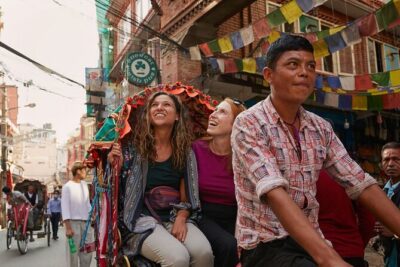
Kathmandu Sunset Tour by Rickshaw Including Durbar Square Visit
Read our review →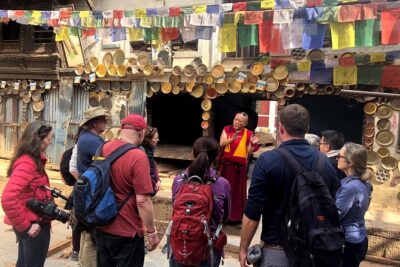
Old Kathmandu Walking Tour, Historic World Heritage Durbar Square
Read our review →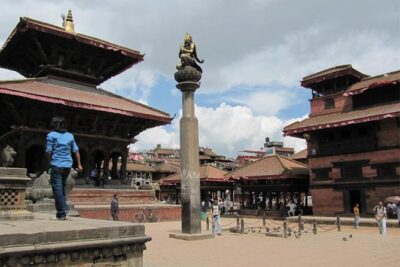
Bhaktapur Old City and Durbar Square Half-Day Tour
Read our review →
Nagarkot Sunrise & Bhaktapur Durbar Square UNESCO Heritage Tour
Read our review →
Patan & Bhaktapur Durbar Square Tour with Lunch – Private/Group
Read our review →
Private Half-Day Tour of Kathmandu Durbar Square and Swayambhunath Temple
Read our review →Browse the lists this tour appears in