
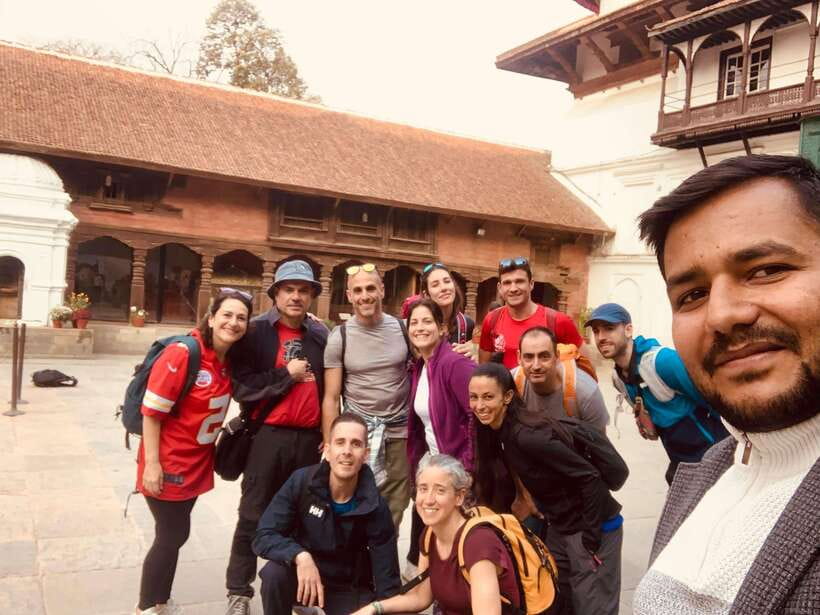
Reviewed · UNESCO WORLD HERITAGE TOURS
Nagarkot Sunrise With 7 UNESCO World Heritage Private Tour
Nagarkot sunrise is the hook: at 2,175 meters, the first light can turn the Himalayan range gold, with Mount Everest sometimes visible on a clear day. I like that this private tour pairs the sunrise with all seven UNESCO World Heritage sites in Kathmandu Valley, rather than leaving you with a beautiful view and a half-empty day.
I also like the cultural range. You move from Buddhist prayer wheels at Boudhanath to Hindu rites at Pashupatinath, then into the Newari squares of Patan and Bhaktapur. The drawback is simple: this is a very full 12-hour day, with limited time at several major places and no meals included.
Key points to know before you book
- Nagarkot begins the day with a Himalayan sunrise: Clear weather matters, and the view is never guaranteed.
- Seven UNESCO sites fit into one private route: This saves planning time but makes the day fast-paced.
- Santosh is one guide associated with the tour: Your guide speaks English and explains religion, customs, and Kathmandu Valley history.
- Pashupatinath offers the most intense cultural encounter: Temple life, river ceremonies, and cremation rites can be powerful and difficult to watch.
- The $172 price covers private transport and guiding: You still pay about 6,000 Nepalese rupees for entrance fees, plus food and drinks.
- Hotel pickup is limited to Kathmandu Valley: The private air-conditioned vehicle is a major help on a long sightseeing day.
Why Nagarkot makes a strong opening
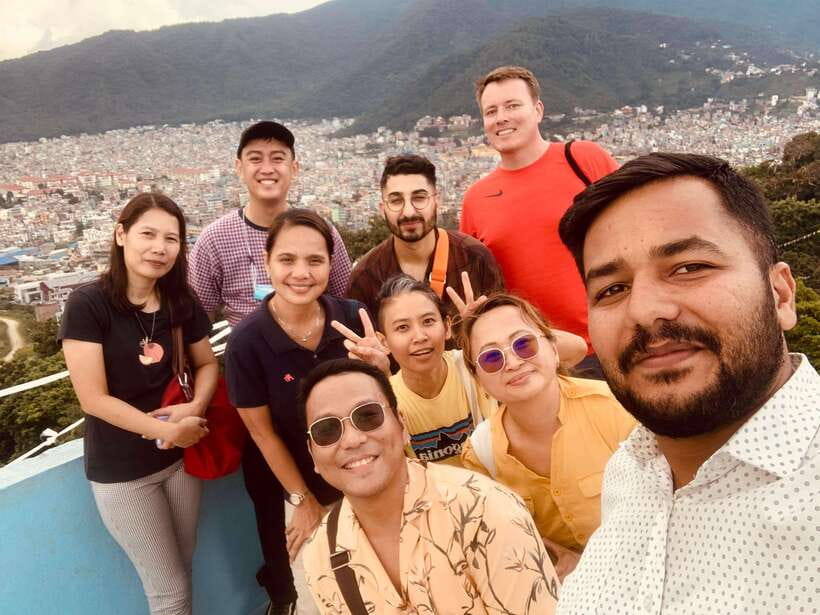
The tour starts in Kathmandu, before sunrise, and heads toward Nagarkot. The hill station sits at 2,175 meters and is known for morning views toward the Himalayas. On a clear day, you might see a long stretch of snow peaks and, sometimes, Mount Everest.
The timing gives the day a useful rhythm. You begin in darkness, wait for the sky to brighten, then spend the rest of the morning and afternoon among temples, palaces, stupas, and old city squares. The sunrise is also weather dependent. Clouds can hide the mountains, especially during less favorable conditions, so I would treat the view as a welcome bonus rather than the only reason to book.
Bring a warm layer for the early start. The tour supplies bottled mineral water, but you will want to arrange breakfast or carry something with you because food and drinks are not included. Once the sightseeing begins, there is little spare time to search for a meal.
More Sunrise Tours in Kathmandu
- Nagarkot Sunrise View and Day Hiking from Kathmandu
★ 5.0 · 471 reviews - Kathmandu: Nagarkot Sunrise View & Morning Hike with Lunch
★ 4.9 · 188 reviews - Kathmandu: Nagarkot Sunrise and Hike Tour to Changu Narayan
★ 4.7 · 151 reviews
Changu Narayan and Bhaktapur: a quieter start to the heritage route
After Nagarkot, the route goes to Changu Narayan Temple, one of the most important early Hindu sites in the valley. The temple is dedicated to Lord Vishnu and is known for carved details and traditional Nepali design dating back to the 4th century.
The scheduled visit is only about 30 minutes, so do not expect a long, slow exploration. That short stop can still be worthwhile because it gives you a look at a hilltop temple before the larger royal squares later in the day. Your guide can help explain the Hindu figures and symbols carved into the site, which is especially useful if South Asian religious art is new to you.
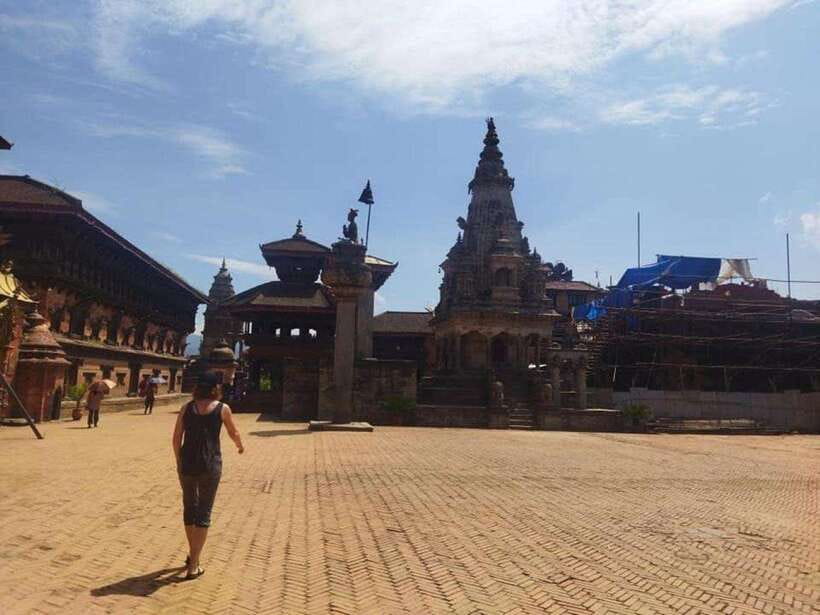
Bhaktapur Durbar Square follows, with about 90 minutes set aside. This is one of the strongest stops on the route. The square feels like a living cultural center, with traditional Newari buildings, temple courtyards, and the 55-Window Palace. The Nyatapola Temple and Vatsala Temple are among the key sights.
I would use your time here carefully. Bhaktapur rewards close looking, particularly around its brickwork, carved wood, and layered temple roofs. The limitation is that 90 minutes passes quickly, especially if you want both explanations and photographs. Stay close to your guide and ask which buildings deserve priority.
Patan Durbar Square and the craft of the Kathmandu Valley
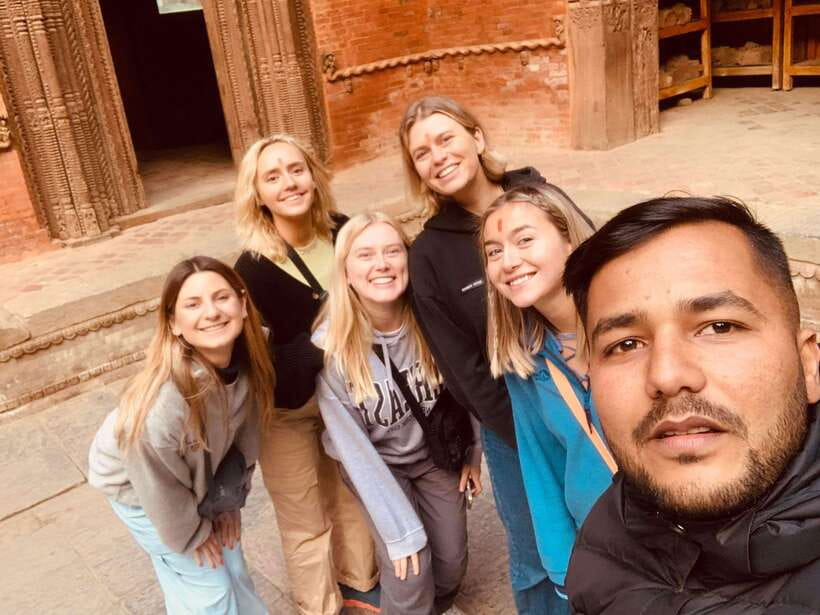
Patan Durbar Square, in Lalitpur, receives about one hour. Patan is known for its Newari architecture, palace courtyards, and temples, including Krishna Mandir. The square shows how much craftsmanship went into the religious and royal buildings of the Kathmandu Valley.
I like the contrast between Patan and Bhaktapur. Bhaktapur gives you a broader old-city setting, while Patan concentrates many important structures in a compact area. Your guide can also connect the buildings to the Malla period and explain how Hindu and Buddhist traditions share space throughout the valley.
Again, one hour means a focused visit. You are seeing the highlights, not every courtyard or side street. If you already know you prefer architecture over general sightseeing, tell the guide early so you can spend more of the available time examining the temples and palace details.
Boudhanath: a major center of Tibetan Buddhism
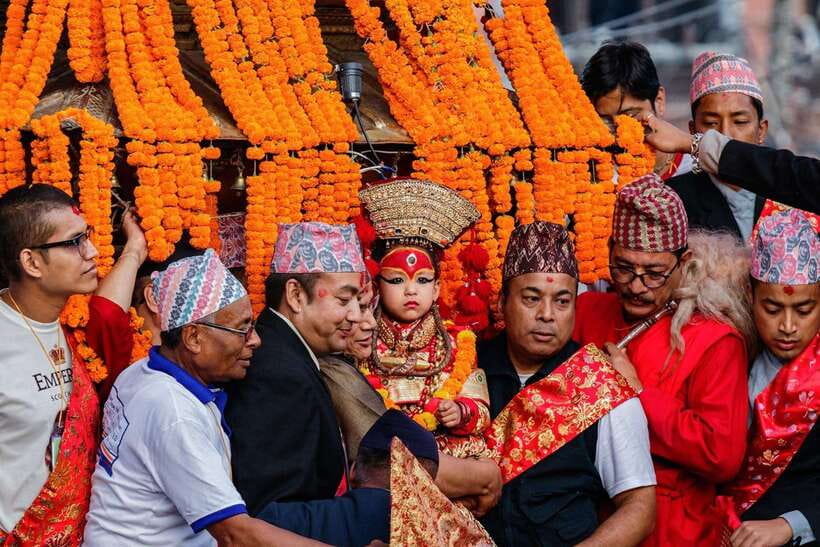
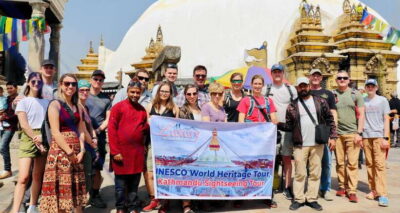
The next stop is Boudhanath Stupa, one of Nepal’s largest stupas and a central place for Tibetan Buddhism. Its great white dome, broad mandala form, prayer wheels, monasteries, and surrounding religious life make it one of the easiest sites to recognize in Kathmandu.
The planned visit lasts about one hour. That is enough to walk around the stupa and learn the basic meaning of the structure, but it is not a long retreat-style visit. You will see people turning prayer wheels and moving around the circular route, while your guide explains Buddhist practice and the site’s place in Kathmandu.
This is one point where a private guide adds real value. A stupa can look simple from a distance, yet the symbols, eyes, flags, and layout carry religious meaning. Ask questions as you walk. The tour is designed to help you understand both Buddhism and Hinduism, not just photograph famous buildings.
More Nagarkot sunrise trips:
- Private Bhaktapur and Nagarkot Day Tour From Kathmandu
★ 5.0 · 305 reviews - From Kathmandu: Everest View from Nagarkot & hike to Changu
★ 4.8 · 140 reviews - Nagarkot Sunrise & Hike to Changu Narayan Day Tour from Kathmandu
★ 5.0 · 126 reviews - Kathmandu: Nagarkot Sunrise & Hike with Lunch -Private/Group
★ 4.9 · 122 reviews
Pashupatinath and the serious side of Kathmandu
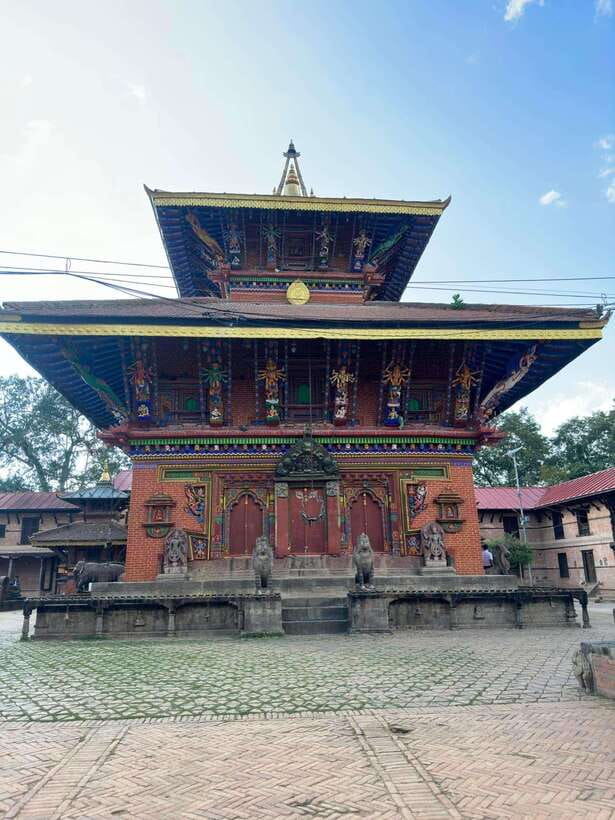
Pashupatinath Temple sits beside the Bagmati River and is dedicated to Lord Shiva. It is one of the most sacred Hindu temple complexes in Nepal, with religious ceremonies and traditional cremations taking place along the riverbank.
The listed itinerary gives this stop 40.67 hours, which cannot fit within a 12-hour tour and is almost certainly a formatting error. Plan on a short visit of roughly 40 minutes, and confirm the exact timing with the operator before departure.
This may be the most emotionally demanding part of the day. You might see funeral rites or a body being carried toward the cremation area. One guest described the experience as deeply affecting, and that reaction makes sense. Pashupatinath is not a staged cultural performance. It is an active religious site where families carry out serious ceremonies.
Dress and behave respectfully, keep your voice low, and follow your guide’s instructions about where to stand and when photography is inappropriate. The value of this stop is not only the architecture. It offers a direct look at how Hindu beliefs shape daily life, death, mourning, and ritual in Kathmandu.
Kathmandu Durbar Square and the old royal center
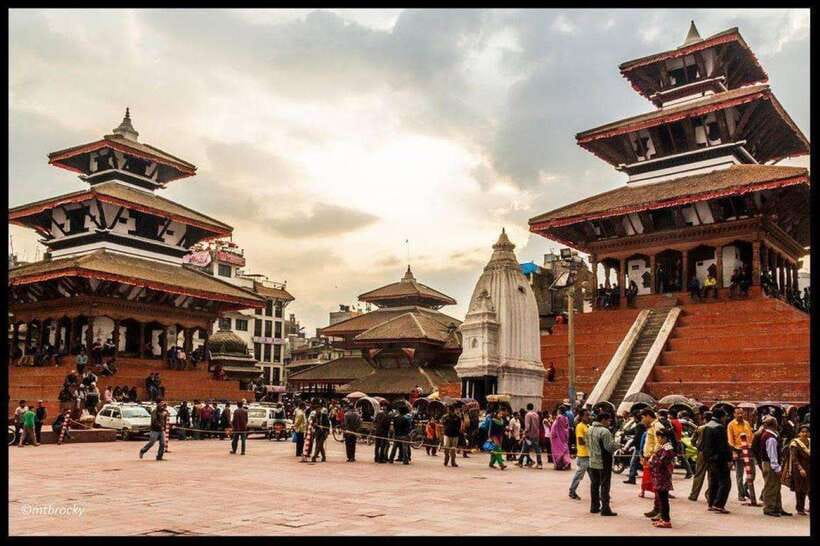
Kathmandu Durbar Square is scheduled for about one hour. The square was once the royal center of the Malla kings and contains old palaces, courtyards, and temples. It also remains linked to religious festivals and public traditions.
After seeing Bhaktapur and Patan, you will have useful comparisons. Kathmandu Durbar Square helps complete the picture of royal power in the valley, while the other squares show different expressions of Newari design and city life. Your guide can point out how the three durbar squares relate to the former kingdoms of the valley.
One hour is enough for an introduction but not a complete study. Earthquakes and later rebuilding have also shaped the appearance of historic sites across Kathmandu Valley, so ask your guide about what you are seeing if restoration work is visible.
Swayambhunath, the Monkey Temple, and the final viewpoint
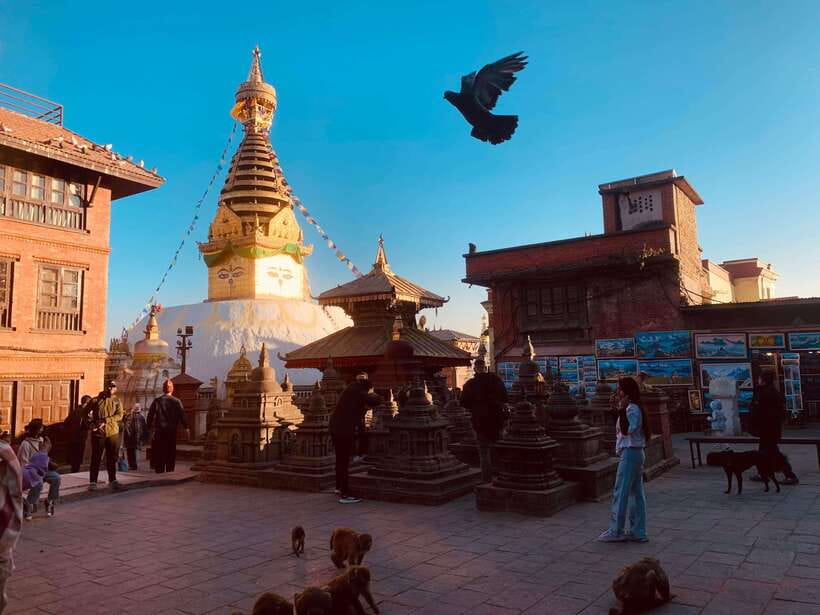
The last major stop is Swayambhunath, often called the Monkey Temple. The ancient religious complex sits on a hill above Kathmandu and is respected by both Buddhists and Hindus. It is known for its stupa, prayer wheels, monkeys, and broad view over the city.
The planned visit is about 30 minutes, making this another quick stop. That may be enough to see the main stupa and take in the view, but the climb, religious details, and surrounding structures deserve more time if you have it. The tour’s long route means you should expect a highlights visit rather than a leisurely afternoon.
Ending here works well because the site brings together several themes from the day: Buddhist practice, Hindu respect, hilltop views, and Kathmandu’s layered city life. You then return to Kathmandu, with hotel drop-off inside the valley included.
What the guide and vehicle add
The tour includes an English-speaking guide and a private air-conditioned vehicle. That matters in Kathmandu Valley, where seven major sites are spread across different parts of the region. You avoid arranging separate taxis and do not have to negotiate each transfer during a long day.
The guide is also important for context. The experience is not just a sequence of photo stops. You are moving between Hindu temples, Buddhist sites, royal squares, festivals, rituals, and local traditions. Santosh is named in connection with this experience, and his approach is described as passionate and conversational, especially when explaining religions, rituals, and everyday life.
Your guide can also adjust the emphasis within the fixed schedule. Tell the guide if you care most about architecture, Buddhism, Hindu worship, photography, or Newari culture. With only 30 to 60 minutes at some sites, clear priorities will help.
Is $172 per person good value?
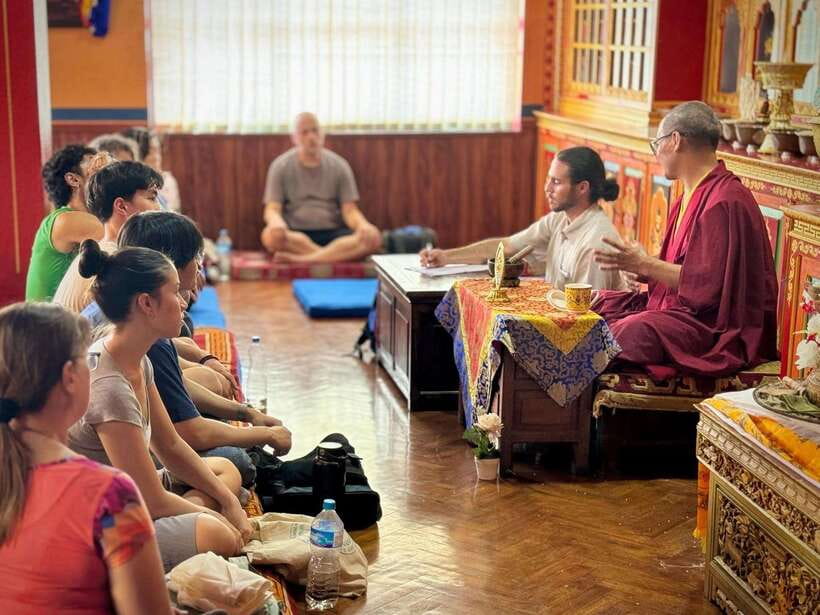
At $172 per person, this is not the cheapest way to see Kathmandu Valley. The cost also excludes entrance fees, listed at around 6,000 Nepalese rupees, as well as food and drinks. You should include those expenses when comparing the total price.
The value comes from the private format and the amount covered in one day. You receive hotel pickup and drop-off inside Kathmandu Valley, an air-conditioned vehicle, an English-speaking guide, and a sunrise trip to Nagarkot. Arranging the same route independently would require careful timing, several transport arrangements, and your own research into the sites.
The tradeoff is pace. You pay for access to a large amount of sightseeing, but you do not get much free time. If you prefer sitting for coffee, exploring side lanes, or spending half a day at one square, this will feel rushed. If you have limited time in Nepal and want a broad first look at the valley, the cost becomes easier to justify.
How to prepare for a 12-hour sightseeing day
Wear comfortable shoes and bring a warm layer for Nagarkot. You will visit temples, squares, courtyards, and hilltop sites, so practical clothing will serve you better than anything formal.
Carry extra water and arrange food ahead of time. A bottle of mineral water is included, but meals are not. You can ask the guide about a suitable meal stop, though the schedule may not allow a long restaurant break.
Set realistic expectations about the sunrise. Clear weather can produce an outstanding Himalayan view, but mountain visibility cannot be promised. The cultural sites remain the main value of the tour.
This is also a day for respectful observation. Pashupatinath, in particular, can bring you close to active funeral rites. Listen to your guide, avoid intrusive photographs, and remember that these are places of worship rather than simple sightseeing attractions.
Who should book this experience?
I would recommend this tour to a first-time visitor with one free day in Kathmandu Valley. It gives you a broad introduction to Nepalese religion, architecture, royal history, local customs, and city life without requiring you to plan each transfer.
It also suits you if you want a private guide who can answer questions as the day unfolds. The strongest praise connected with this experience centers on friendly guiding, clear explanations, and thoughtful discussion of Nepalese culture. That makes the guide a central part of the value.
I would hesitate if you dislike early starts, long vehicle days, or fast visits. The route is ambitious. Families with very young children and anyone who needs frequent rest should consider a shorter itinerary instead.
Should you book this tour?
Book it if you want the sunrise, all seven UNESCO sites, private transport, and cultural explanation in a single day. The combination of Nagarkot, Boudhanath, Pashupatinath, and the three durbar squares gives you a strong first portrait of Kathmandu Valley.
Skip it if you want slow travel or a detailed visit to each site. Before paying, confirm the Pashupatinath timing, ask how entrance fees will be handled, and plan for meals. For an energetic visitor with limited time, the packed schedule is the point. For a relaxed explorer, it is the main warning.
FAQ
How long does the Nagarkot and UNESCO sites tour last?
The tour lasts 12 hours, including hotel pickup and drop-off inside Kathmandu Valley.
Where does the tour begin and end?
Pickup and return are provided at your hotel in Kathmandu Valley.
Which UNESCO World Heritage sites are included?
The route includes Changu Narayan Temple, Bhaktapur Durbar Square, Patan Durbar Square, Boudhanath Stupa, Pashupatinath Temple, Kathmandu Durbar Square, and Swayambhunath Temple.
Is Nagarkot a UNESCO World Heritage site?
No. Nagarkot is the sunrise location, while the seven UNESCO sites are the cultural and religious sites visited afterward.
Is transportation included?
Yes. A private air-conditioned vehicle is included, along with hotel pickup and drop-off inside Kathmandu Valley.
Are entrance fees and meals included?
No. UNESCO site entrance fees are not included and cost around 6,000 Nepalese rupees in total. Food and drinks are also excluded, although bottled mineral water is provided.
What language does the guide speak?
The live guide speaks English.
More Heritage Days Around Kathmandu
- Kathmandu Private Sightseeing Tour | UNESCO World Heritage Sites
★ 5.0 · 109 reviews - Kathmandu: Full Day Private Top 4 UNESCO Heritage Tour W/Lunch.
★ 5.0 · 86 reviews - Kathmandu World Heritage Tour
★ 5.0 · 74 reviews - Nagarkot Sunrise & Bhaktapur UNESCO Heritage Private Tour
★ 5.0 · 66 reviews
More UNESCO Heritage Tours in Kathmandu
- Private Kathmandu Sightseeing Tour | UNESCO World Heritage sites
★ 5.0 · 756 reviews - Kathmandu: Full Day 7 UNESCO Tour with Lunch – Private/Group
★ 5.0 · 415 reviews - Kathmandu: Full Day Top 4 UNESCO Tour with Lunch – Private/Group
★ 5.0 · 269 reviews - UNESCO Seven World Heritage Tour in Kathmandu
★ 5.0 · 253 reviews
Just added around Kathmandu
- Traditional Momo Making Class★ 5.0 · 10 reviews
- Manthali Airport (Ramechhap) To Kathmandu – Transport Service★ 4.5 · 11 reviews
- Women Empowerment Project(Nepali cooking class & jewelry workshop★ 5.0 · 15 reviews
- Amazing 1 Day Trekking Experience in Kathmandu Nepal★ 5.0 · 24 reviews
- Walking tour of Kathmandu with awesome local guides★ 5.0 · 4 reviews
- Walking tour of real Kathmandu through back streets.★ 5.0 · 3 reviews
- Private Manaslu Circuit Trek at Himalayas★ 5.0 · 3 reviews
- Walking Street Food Tour in Kathmandu★ 5.0 · 111 reviews
UNESCO World Heritage Tours, compared.
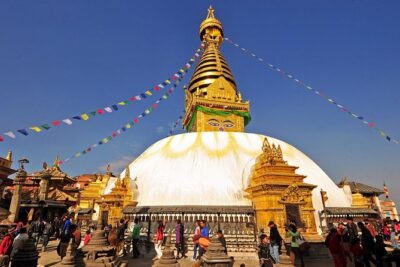
Private Kathmandu Sightseeing Tour | UNESCO World Heritage sites
Read our review →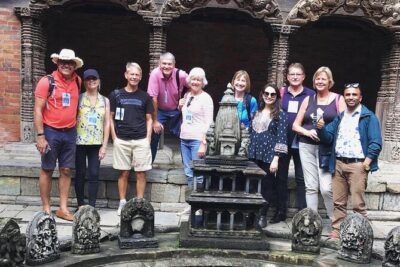
Full Day 7 UNESCO Tour with Lunch – Private/Group
Read our review →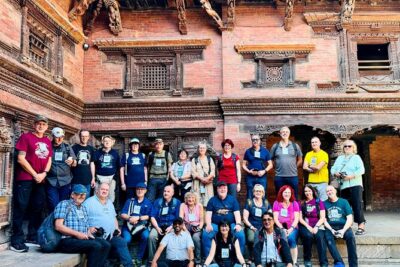
Full Day Top 4 UNESCO Tour with Lunch – Private/Group
Read our review →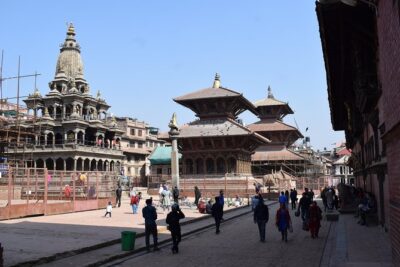
Full-Day 7 UNESCO Tour with Lunch – Private/Group
Read our review →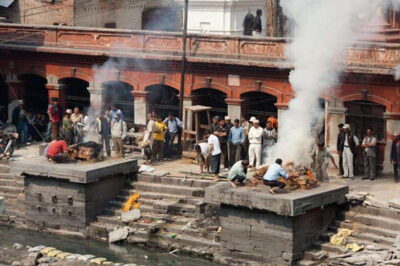
Kathmandu Private Sightseeing Tour | UNESCO World Heritage Sites
Read our review →Browse the lists this tour appears in