
Reviewed · MARDI HIMAL TREKS
Pokhara: 4-Day Mesmerizing Mardi Himal Guided Trek
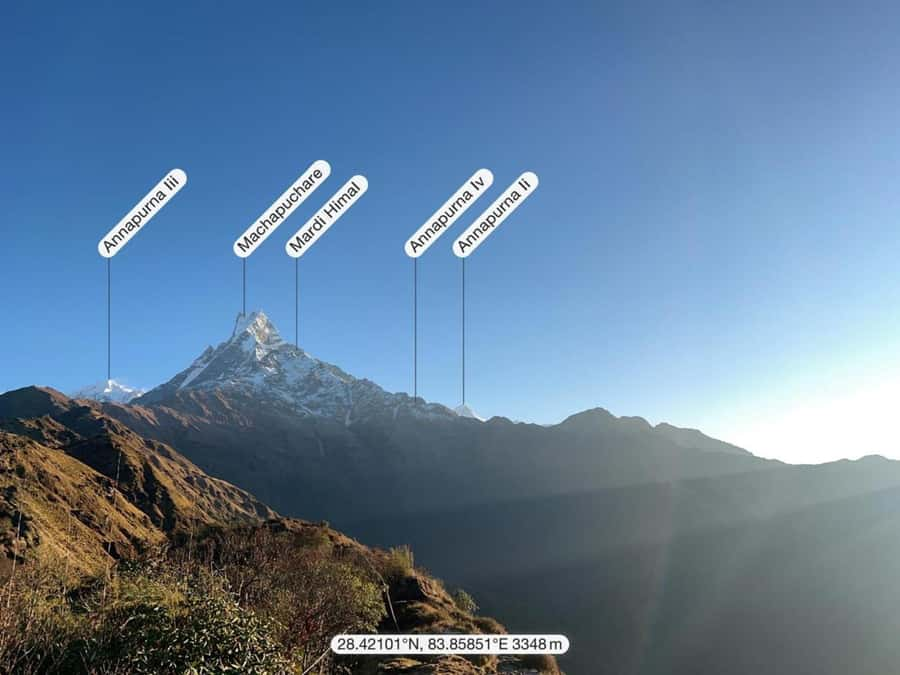
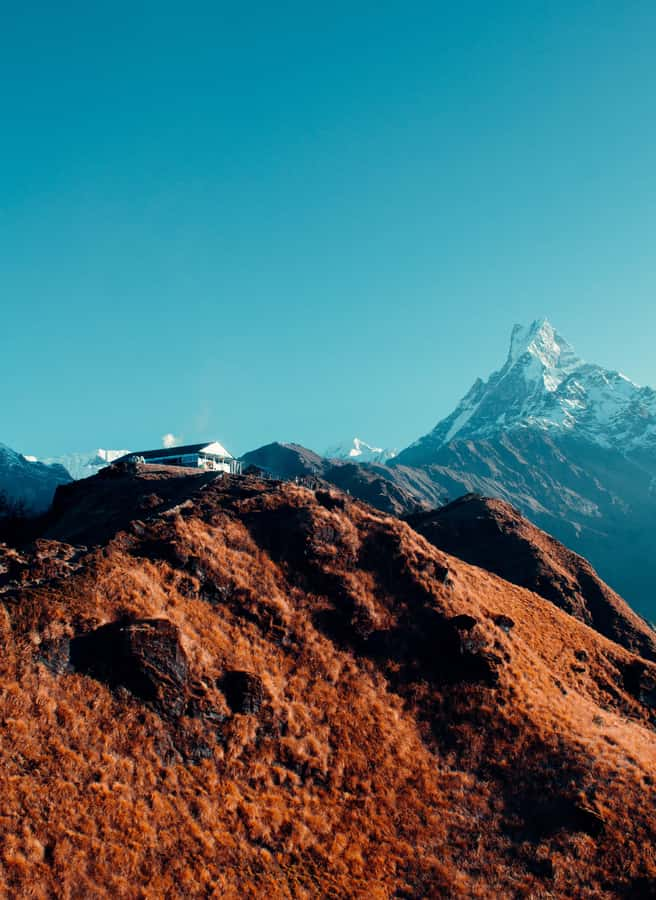
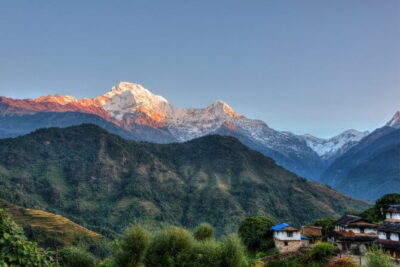
Mardi Himal gives you a compact Himalayan trek with a serious mountain finish. In four days, you move from Pokhara’s low valley to a 4,300-meter viewpoint, passing through thick forest, tea houses, High Camp, and the village of Siding. The sunrise over Mount Fishtail and the Annapurna range is the main prize.
I like the private-group setup and the fact that a guide, permits, TIMS fee, transport, medical kit, and staff costs are included. I also like the human touch reported by guests who traveled with Prakash, Kadesh, and Kaji, especially the careful pacing and warm help at tiring moments. The tradeoff is real: Day 3 begins at 4:00 AM, and the altitude, long walking days, basic mountain accommodation, and steep climbs will not suit everyone.
Key things to know before choosing Mardi Himal
- 4,300-meter sunrise viewpoint: The early climb from High Camp gives you broad views of Mount Fishtail and the Annapurna range.
- Forest-to-mountain route: You walk through dense jungle, green fields, and changing high-country scenery rather than spending four days on one type of trail.
- Private guided format: Your group has a guide, with English, Hindi, and Nepali available.
- Siding Village finish: The trek ends in a local village beside the Mardi River, followed by a 2.5-hour jeep ride to Pokhara.
- Good value at $152: The price covers permits, transport, guide service, and government tax, though meals and accommodation depend on the option you select.
- Bring cash and a sleeping bag: Drinks, porter service, insurance, and some sightseeing entrance fees are not included.
Why this four-day route works
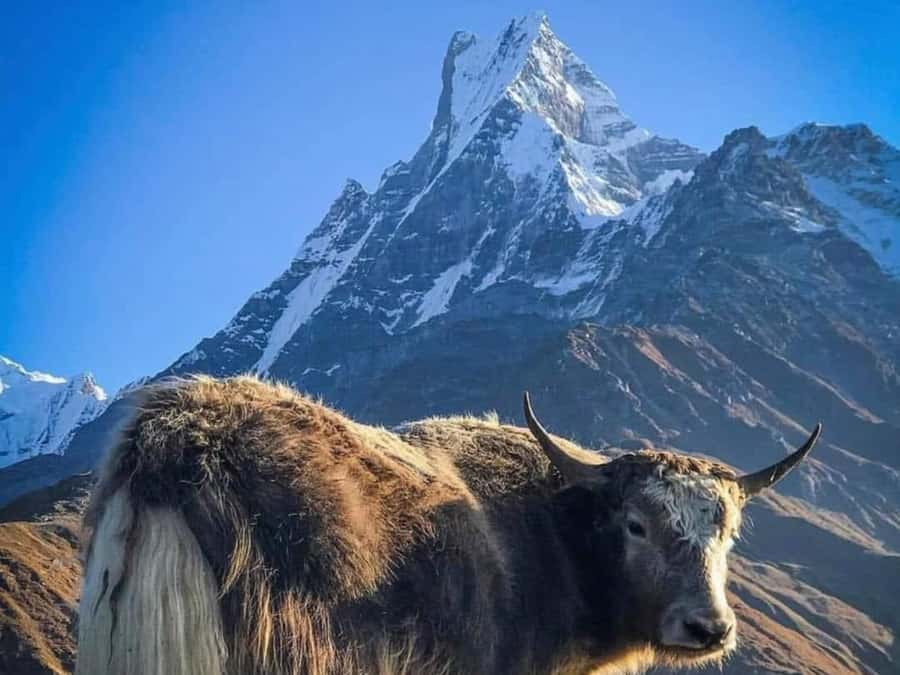
I like the shape of this trek. You start with a drive from Pokhara, walk into forest, gain altitude over two days, make the high viewpoint before breakfast, then spend the final day descending to a village and returning by jeep.
That rhythm gives you several distinct parts of Nepal in a short trip. The first day feels green and wooded. The second day brings higher views and colder air. The third day is the visual high point. The last day turns toward village life and the Mardi River.
You should still treat this as a proper mountain trek, not a gentle sightseeing walk. The schedule includes five-hour walking days, a climb to 4,000 meters, and a 4,300-meter viewpoint. The itinerary moves at a brisk pace, and there is no spare day built into the four-day plan.
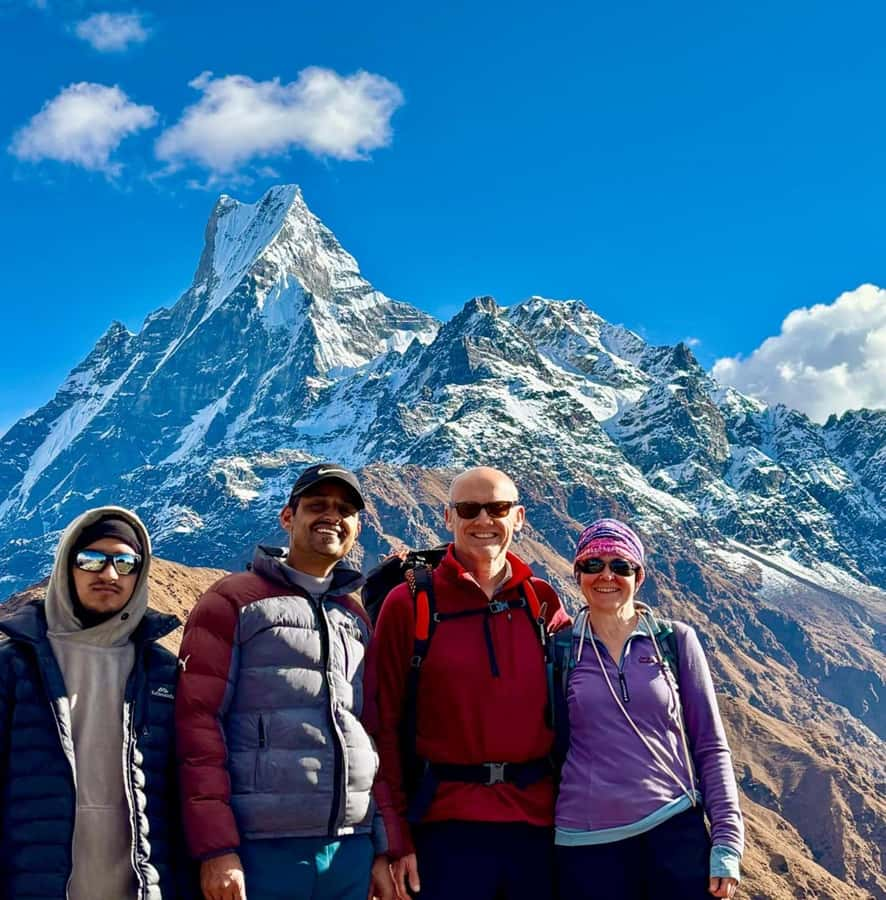
The private-group format helps. Your guide can encourage you when your legs get tired and help keep the day moving, though the listed schedule remains fairly fixed. Prakash received especially strong praise for checking that his group was comfortable, supplying help when needed, and offering encouragement on hard sections. Kadesh and Kaji were also singled out for friendly, helpful guiding.
More Mardi Himal treks:
- Pokhara: 4-Day Mardi Himal Trek
★ 4.9 · 59 reviews - Private Mardi Himal Trek
★ 5.0 · 42 reviews - Mardi Himal Trek
★ 5.0 · 41 reviews
Day 1: Pokhara to Kande and Forest Camp
Your day begins with hotel pickup at about 8:00 AM. The drive to Kande takes around 1.5 hours and passes green fields, forest, the Seti River, and mountain views.
This road journey matters because it puts you quickly into the countryside without spending the first day on a long highway transfer. You get a look at the agricultural land around Pokhara before the walking starts.
After the drive, you trek from Kande toward Forest Camp for about five hours. The route passes through dense forest, with lunch at a tea house along the way. That mid-route meal break is useful because the first day combines transport, a steady uphill walk, and a new altitude.
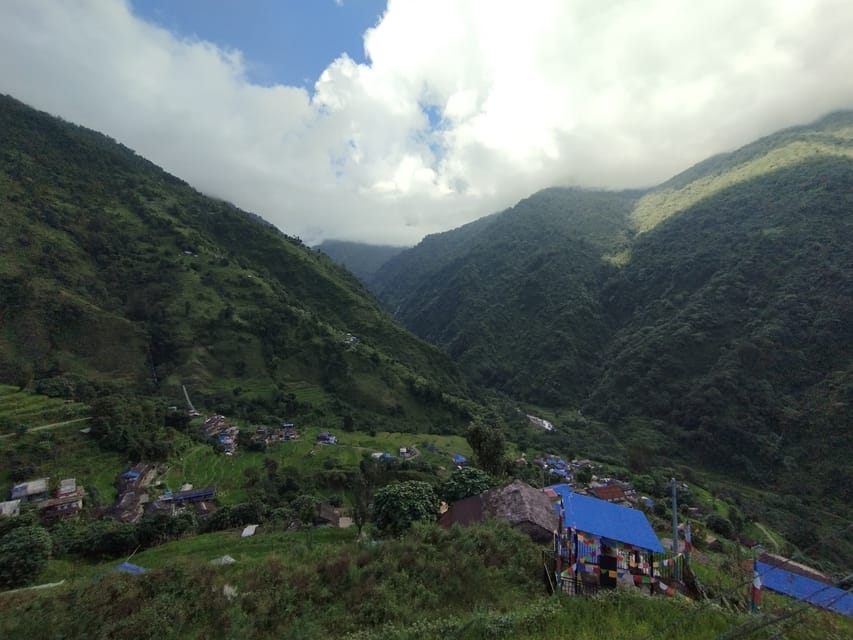
Forest Camp sits at about 2,500 meters. The forest is the main attraction here. You are not yet looking at the widest Himalayan views, but you are walking among trees and green slopes, with the sense that the route is gradually pulling you away from the busy valley.
I would keep your first day simple. Carry water, a light jacket, sunscreen, and only what you need in your daypack. A porter is not included, so you either carry your own trekking gear or arrange porter service separately.
Day 2: Forest Camp to High Camp at 4,000 meters
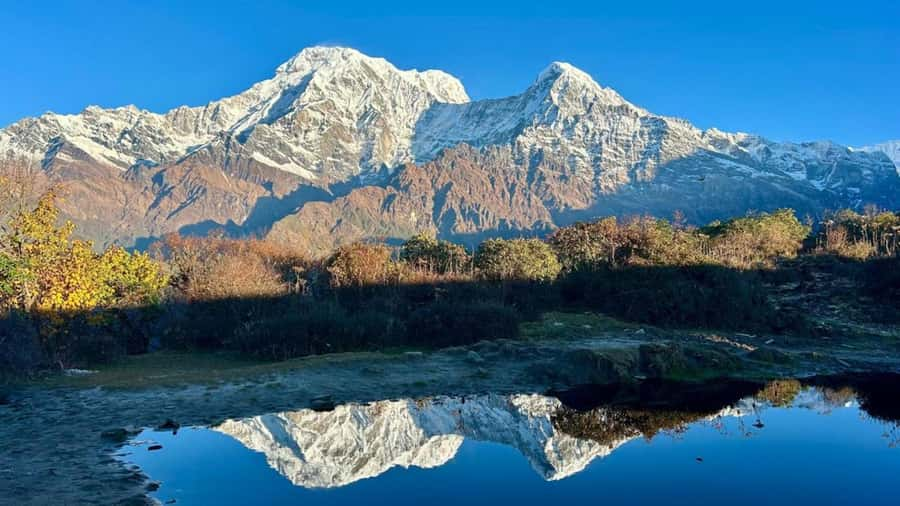
After breakfast, you walk for about five hours from Forest Camp to High Camp. The route continues through dense jungle and offers chances to see wild birds and animals.
The forest makes this day more than a straightforward climb. You have changing vegetation and occasional mountain views as you gain height. The route is also a useful test of how your body handles the trek before the early start to the viewpoint.
High Camp is at about 4,000 meters. That number deserves respect. Even if you are comfortable at Forest Camp, the thinner air can make the second day feel demanding. Walk steadily, drink water, and tell your guide if you are struggling. The guide is there to manage the route, not just to point at mountains.
The overnight stay at High Camp is the practical heart of the trip. You are positioned close to the viewpoint, which avoids a long approach in the dark from a lower camp. Accommodation during the trek is included only if you choose the relevant option, so check exactly what your booking includes.
Mountain lodging is part of the experience, but it will not resemble a full-service Pokhara hotel. Bring the sleeping bag listed in the packing advice, along with warm clothing and a flashlight. Your daypack should also hold water, a change of clothes, a hat, and a jacket.
Day 3: The 4:00 AM climb to 4,300 meters
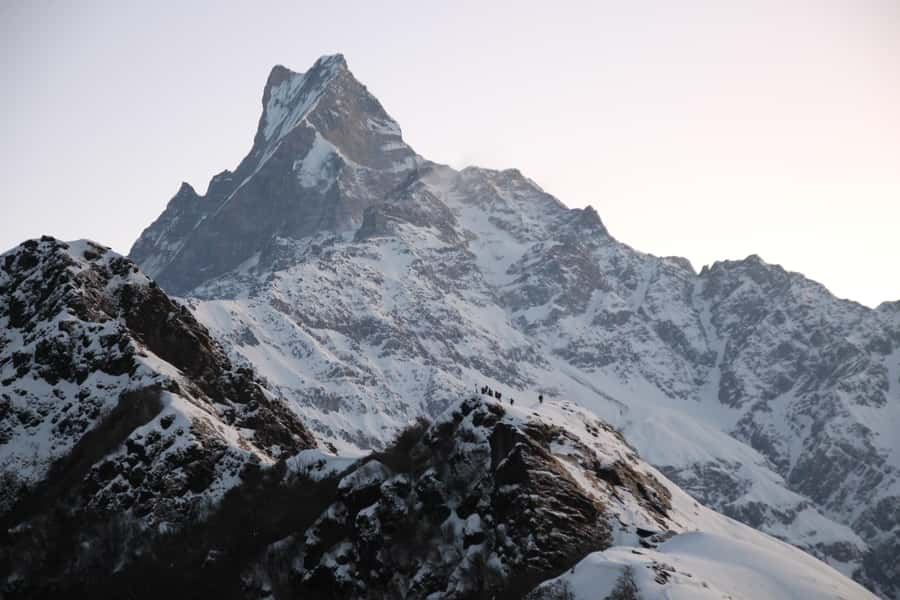
The third day begins at about 4:00 AM. You hike for up to two hours to reach the viewpoint at approximately 4,300 meters.
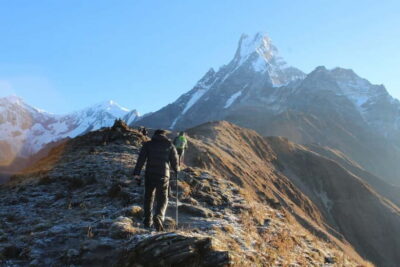
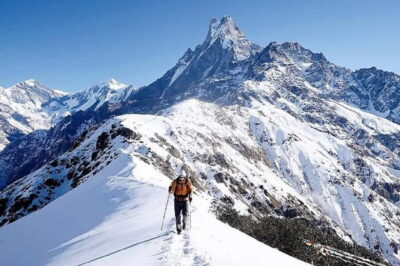
This is the biggest moment of the trek. From the viewpoint, you can see Mount Fishtail and the wide Annapurna range. The early start is not a small detail, but it is what lets you reach the viewpoint for sunrise, when the mountain views are the central reward.
The climb takes place in darkness, so a flashlight is essential. Wear sturdy hiking shoes and use layers that you can remove as the morning warms. Sunglasses and sunscreen become important once daylight arrives at altitude.
After time at the viewpoint, you descend to High Camp for breakfast. The return walk gives you a different view of the route, and daylight makes the surrounding mountains easier to appreciate. After a short break, you continue down to Low Camp at about 3,000 meters.
This day asks a lot from you. You make the highest climb of the trip, return for breakfast, and then continue descending. The descent is easier on your breathing but can still be hard on tired knees. A guide who pays attention to pace is valuable here, which is one reason the comments about Prakash’s encouragement are useful when choosing whom to request.
Low Camp gives you a lower overnight point after the high viewpoint. It also makes the final day more manageable than trying to walk directly from High Camp to Siding Village.
A few more Annapurna Region days to weigh up
- Pokhara: 4-Day Ghorepani, Poonhill & Ghandruk Mountain Trek
★ 5.0 · 132 reviews - 4 Days Poon Hill Trek
★ 5.0 · 94 reviews - 4-day Poon Hill Trek
★ 5.0 · 74 reviews - 4-Day Private Poon Hill Trekking Tour
★ 5.0 · 58 reviews
Day 4: Low Camp, Siding Village, and the return to Pokhara
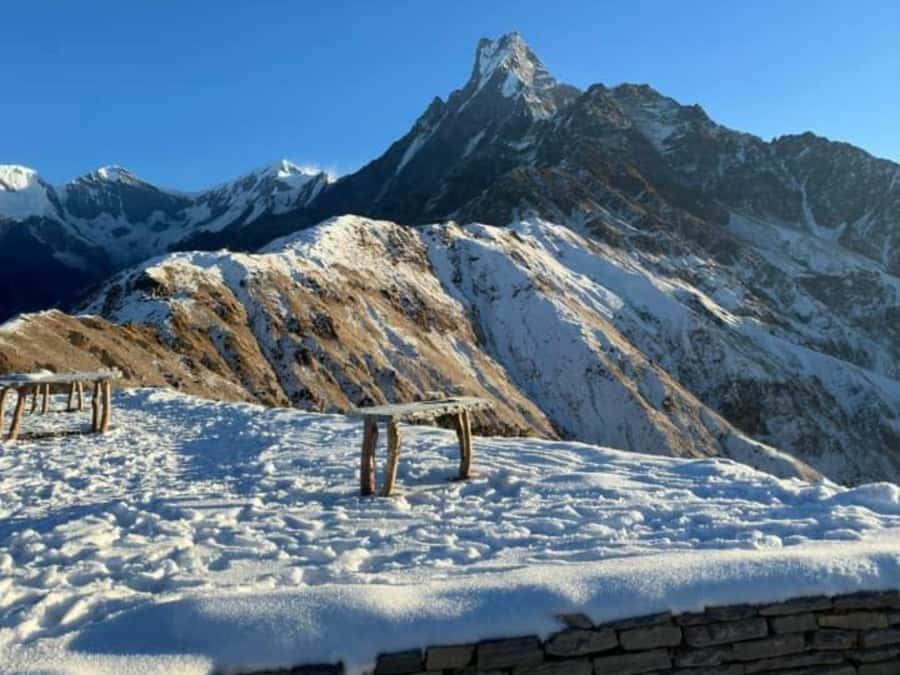
Breakfast is scheduled for about 8:00 AM at Low Camp. From there, you descend for around four hours to Siding Village.
The final walking section changes the mood of the trip. You leave the high camps and head toward a village setting, passing through picturesque scenery and following the route toward the Mardi River. The river flows from the base of Mardi Mountain, linking the lowland finish with the high point you visited the day before.
Siding Village is a good place to slow down and notice local life. Lunch and local hospitality are part of the day, and this is where the trek feels less like a mountain challenge and more like a visit through a working community.
After lunch, a jeep takes you from Siding to Pokhara in about 2.5 hours. The ride is not a minor transfer. After four days on foot, it is the practical way to return to the valley without adding another long walking day.
You should keep a little flexibility after arriving in Pokhara. The stated return drive is about 2.5 hours, but mountain transport can be tiring, and any extra hotel night needed because of an early return or late departure is your own cost if it falls outside the scheduled plan.
What the $152 price really covers
At $152 per person, this can be a strong value if your chosen option includes accommodation and meals. The core price includes hotel pickup and drop-off, deluxe transport according to the itinerary, a guide, a medical kit, trekking permits, required paperwork, the TIMS fee, staff expenses, and government tax.
Those inclusions remove several costs that can otherwise catch you by surprise. Permits and TIMS paperwork are handled for you, and you do not need to arrange the Kande transfer or the final jeep from Siding on your own.
Read the booking options carefully. Accommodation and all meals are listed as included if the appropriate option is selected, which means the advertised price may not cover every version of the trip. Drinks are not included, and neither is porter service.
You also need your own travel and rescue insurance. Entrance fees during sightseeing are excluded, though the supplied plan does not identify a particular sightseeing stop with an entrance charge. Keep cash with you for drinks and other personal expenses.
The free cancellation period is up to 24 hours before the activity for a full refund. You can also reserve now and pay later, which is useful if you are still arranging flights or your Pokhara schedule.
Food, lodging, and what to carry
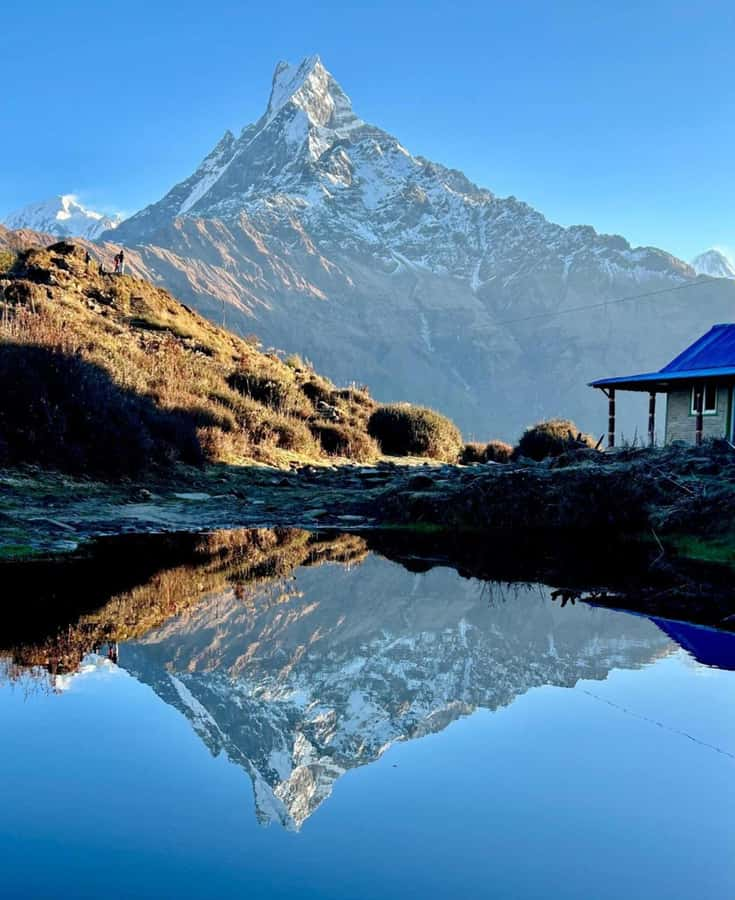
The route includes tea-house stops and overnight stays at Forest Camp, High Camp, and Low Camp. The exact level of comfort is not specified, so plan for practical mountain lodging rather than hotel conveniences.
Food and tea along the route received particularly warm praise, especially from a group that enjoyed the meals and drinks during walking breaks. Still, bring cash for drinks because they are excluded from the price.
The supplied packing list is long, but most of it makes sense:
- Passport or ID card
- Sunglasses and sunscreen
- Camera
- Sleeping bag
- Daypack
- Water
- Hiking shoes
- Trekking gear
- Long pants and shorts
- Jacket and a change of clothes
- Hat
- Flashlight
- Cash
I would pay special attention to the flashlight, jacket, water, and sleeping bag. The flashlight is needed for the 4:00 AM viewpoint climb. The jacket and sleeping bag matter at High Camp. Cash is useful because drinks and other personal purchases are not covered.
Since a porter is not included, pack with self-carrying in mind unless you arrange extra help. A light daypack will make the uphill portions more comfortable.
Who should choose this trek
This route suits you if you want a short Himalayan trek with a clear goal and a private guide. It is a good fit for someone who wants forests, mountain views, village contact, and a sunrise climb without committing to a much longer route.
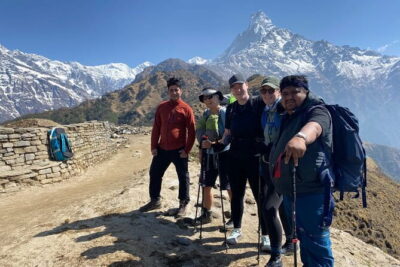
It also suits small groups that value personal attention. One group of five women found their guide especially helpful in keeping everyone comfortable and motivated, which is a useful sign for friends traveling together.
You should think twice if you dislike very early starts, basic mountain accommodation, long walking days, or high altitude. The viewpoint is at 4,300 meters, and the trek reaches High Camp at 4,000 meters. The itinerary does not list an extra acclimatization day.
The four-day schedule also leaves little room for a slow pace. If you want lots of time at each camp or a flexible rest day, ask the provider about alternatives before booking. This particular plan is built around reaching the viewpoint and returning to Pokhara on schedule.
Guide choice and group arrangements
The experience is a private group, not a large shared departure. That is useful when your walking speed, meal breaks, and comfort needs differ from those of other people.
English, Hindi, and Nepali are available. If you have a preference for a guide, ask about Prakash, Kadesh, or Kaji when you book. Prakash is especially worth requesting if encouragement and close attention to comfort are important to you. Kadesh and Kaji were also praised for being welcoming and helpful.
Pickup is included, and you should wait in your hotel lobby 10 minutes before the scheduled time. Starting times depend on availability, but Day 1 is set out as an 8:00 AM departure from Pokhara.
Should you book Mardi Himal?
I would choose this trek if you want the most scenic part of a mountain trip packed into four days and you are prepared for altitude, early mornings, and basic facilities. The 4,300-meter sunrise viewpoint, private guiding, forest route, and village finish give the trip a satisfying range.
I would not choose it casually just because the price is low. Check whether your booking includes meals and accommodation, arrange insurance, budget for drinks and a porter if needed, and make sure you are comfortable with the high camps and the 4:00 AM climb.
For the right walker, this is a well-priced route with a strong payoff. Ask for a preferred guide, pack light but warmly, and leave enough energy for the descent. The mountains are not the only attraction here. The forest, tea houses, Mardi River, and Siding Village give the trek a more complete feel than a quick viewpoint trip.
FAQ
How long is the Mardi Himal trek?
The activity lasts four days.
Where does the trek begin?
The trip begins with hotel pickup in Pokhara, followed by a drive of about 1.5 hours to Kande.
How high is the viewpoint?
The viewpoint is at approximately 4,300 meters.
How high is High Camp?
High Camp is at about 4,000 meters.
What time does the sunrise hike begin?
The hike from High Camp begins at about 4:00 AM and takes up to two hours to reach the viewpoint.
What languages can the guide speak?
Guides are available in English, Hindi, and Nepali.
Is this a private or shared group?
It is arranged as a private group.
Is transportation included?
Yes. Hotel pickup and drop-off, transport according to the itinerary, and the jeep from Siding Village to Pokhara are included.
Are meals and accommodation included?
Meals and accommodation are included if you select the option that provides them. Check your chosen booking option before paying.
Is porter service included?
No. Porter service is not included.
Do I need travel insurance?
Yes. Travel and rescue insurance are not included, so you need to arrange your own coverage.
Can I cancel for a refund?
You can cancel up to 24 hours in advance for a full refund.
Just added around Annapurna Region
- 7-Day Trek to Annapurna Base Camp from Pokhara★ 5.0 · 12 reviews
- Private 4 Day Poon Hill Trek from Pokhara★ 5.0 · 16 reviews
- 4 Day Mardi Himal Base Camp Trek from Pokhara★ 5.0 · 18 reviews
- Annapurna Base Camp Trek from Pokhara and Kathmandu★ 5.0 · 7 reviews
- 6 days Annapurna Basecamp Trek★ 5.0 · 16 reviews
- “Exclusive Round-Trip Transfer: Pokhara to Jomsom & Muktinath”★ 5.0 · 11 reviews
- Poon Hill Ghandruk Circuit Trek from Pokhara 4 Days★ 5.0 · 10 reviews
- Pokhara: Poon Hill Ghorepani Short Trek★ 5.0 · 6 reviews
Mardi Himal Treks, compared.

Browse the lists this tour appears in