
Reviewed · TEMPLE & MONASTERY TOURS
Sacred Pashupatinath: Aarati,Cremation Rites & Boudha Stupa
At Pashupatinath, death is not hidden away. Along the Bagmati River, Hindu cremation rites take place in public, while bells, chants, incense, and conch shells fill the temple grounds. Pair that intense visit with the calm circular walk around Boudhanath Stupa, and you get a compact look at two very different sides of Kathmandu’s spiritual life.
I like two things here. First, a good guide gives meaning to what you see, from the prayer wheels at Boudha to the fire rituals at Pashupatinath. Second, the tour brings you close to ordinary religious life rather than treating these places as empty monuments. The main consideration is emotional: cremation ceremonies and the evening Aarati can be powerful and difficult to watch.
Key points to know before you book
- Boudhanath gives you a calm start: Walk the sacred kora, turn prayer wheels, see monasteries, and watch daily life from the surrounding cafés.
- Pashupatinath is a living religious site: You visit the outer complex, river ghats, shrines, and ceremonial areas, but non-Hindus cannot enter the main temple sanctum.
- The cremation rites are public and serious: Your guide explains the symbols and customs, but you should watch quietly and respectfully.
- The Aarati adds sound and ceremony: Bells, chants, conch shells, and fire create the tour’s most dramatic moment.
- The advertised price is only part of the cost: At $11 per person, the tour is inexpensive, but entrance fees of NRs 1,000 at Pashupatinath and NRs 400 at Boudha are extra.
- Guide quality matters: Guides named Razz, Pranav, Karma, Anish, and Sudhir have led highly praised visits, though the guide assigned to you can vary.
Why these two places belong together
Kathmandu’s spiritual life is easier to understand when you see both Boudhanath and Pashupatinath on the same outing. Boudhanath is centered on Tibetan Buddhism, prayer, repetition, and quiet movement. Pashupatinath is a major Hindu shrine devoted to Shiva, with worship, funerals, holy men, and public rituals all taking place in one large complex.
The contrast gives the tour its shape. At Boudha, you walk in a clockwise circle around the white dome. At Pashupatinath, you follow your guide through courtyards and along the Bagmati River, where religious life can feel much more direct and raw.
This is not a sightseeing trip built around grand interiors. It is about watching people pray, light lamps, turn wheels, chant, shop for religious objects, and carry out customs that have continued for generations. I find that much more useful than simply ticking two UNESCO sites off a list.
More Temple & Monastery Tours in Kathmandu:
- Kathmandu Spiritual Sites: Bodhnath & Pashupatinath Tour
★ 5.0 · 185 reviews - Kathmandu: Nagarkot Sunrise and Hike Tour to Changu Narayan
★ 4.7 · 151 reviews - Kathmandu: Chandragiri Cable Car and Monkey Temple Tour
★ 4.8 · 139 reviews
Starting at Boudhanath Stupa
Boudhanath, often called Boudha, is one of the largest Buddhist stupas in the world and a major center of Tibetan Buddhism in Nepal. Its white dome and golden spire are easy to spot as you approach, and the square around it gives you room to pause before beginning the walk.
Your guide introduces the symbols around the stupa and explains the purpose of the rituals. You can join the kora, the clockwise walk followed by Buddhist pilgrims. Prayer wheels line parts of the route, and turning them is a simple physical way to take part rather than merely observe.
The pace here is usually gentle. You have time for photographs, a look into monastery courtyards, and a stop at nearby shops selling religious objects, paintings, singing bowls, and other crafts. The surrounding streets can feel busy, and shopkeepers may approach you. You can politely decline purchases and continue walking.
One especially useful part of the visit is the chance to sit at a rooftop café with tea and look back at the stupa. That pause helps you notice the rhythm of the place: people circling, flags moving in the air, shop doors opening, and pilgrims stopping at small shrines.
Some parts of the Boudha visit may include a short meditation, singing bowl demonstration, or massage, depending on the guide and the option selected. These extras are not the reason to book the tour, but they can make the stop more hands-on. A monastery may also be closed, so keep expectations flexible.
Reading the symbols at Boudha
Without explanation, Boudhanath can look like a striking white structure surrounded by prayer wheels. With a guide, the site becomes easier to read. You learn why people walk in a set direction, how the prayer wheels are used, and what the painted eyes and colorful flags represent.
The tour information allows about one hour at Boudha. That is enough for a guided circuit and some free time, but not enough for a long monastery visit, extended shopping, and a slow café stay all at once. If you want photographs without rushing, tell your guide early.
I like this stop for its ease. You are not expected to perform a complicated ritual or understand every Buddhist practice. You can simply walk, look, listen, and ask questions. That makes Boudha a good introduction to Kathmandu’s sacred places, especially if this is your first visit to Nepal.
Moving on to Pashupatinath Temple
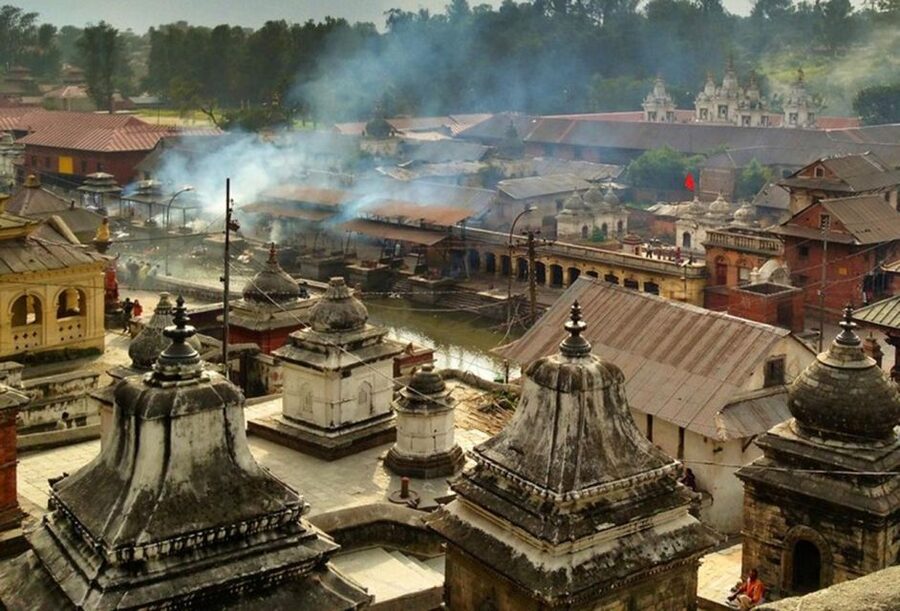
Pashupatinath is the more intense half of the tour. It is Nepal’s most important Hindu shrine and one of the major Shiva temples in the world. The complex sits beside the Bagmati River, which has an important place in Hindu religious practice.
Non-Hindus cannot enter the main sanctum, but you can explore the outer areas with your guide. This is not a minor detail. You still see architectural features, smaller shrines, statues, religious figures, and the flow of worship around the temple, but you should not expect a full interior temple visit.
Your guide helps you understand what is happening rather than leaving you to guess. Guides such as Razz, Pranav, Karma, Anish, and Sudhir have been praised for clear English, patience, and strong explanations, but assignments can change. The available tour languages are English, Chinese, Hindi, and Russian.
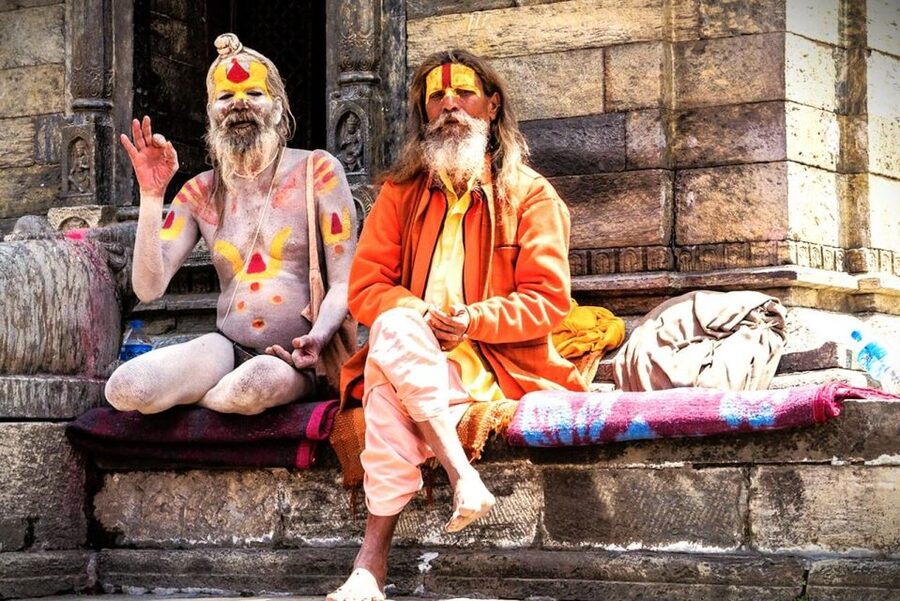
The grounds include holy men, often called sadhus, along with worshippers, vendors, crafts, and visitors. That mix can feel visually crowded and sometimes commercial. You may see shops and artists selling religious items, including Thangka paintings near Boudha. Say no if you are not interested, and keep your attention on the temple and rituals.
More days out in Kathmandu:
- Private Kathmandu Sightseeing Tour | UNESCO World Heritage sites
★ 5.0 · 756 reviews - Half day cooking class in Thamel kathmandu
★ 5.0 · 607 reviews - Nagarkot Sunrise View and Day Hiking from Kathmandu
★ 5.0 · 471 reviews - Kathmandu: Full Day 7 UNESCO Tour with Lunch – Private/Group
★ 5.0 · 415 reviews
Watching cremation rites beside the Bagmati
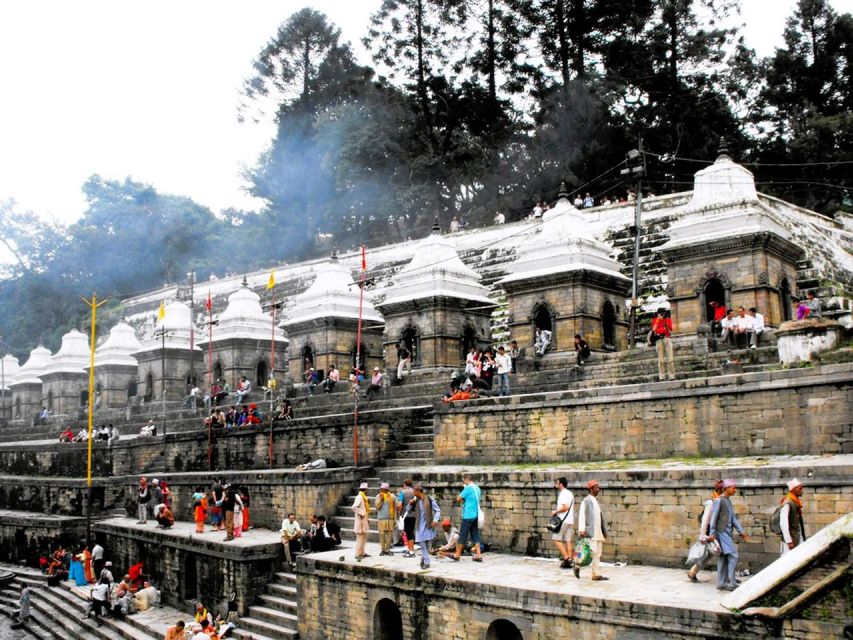
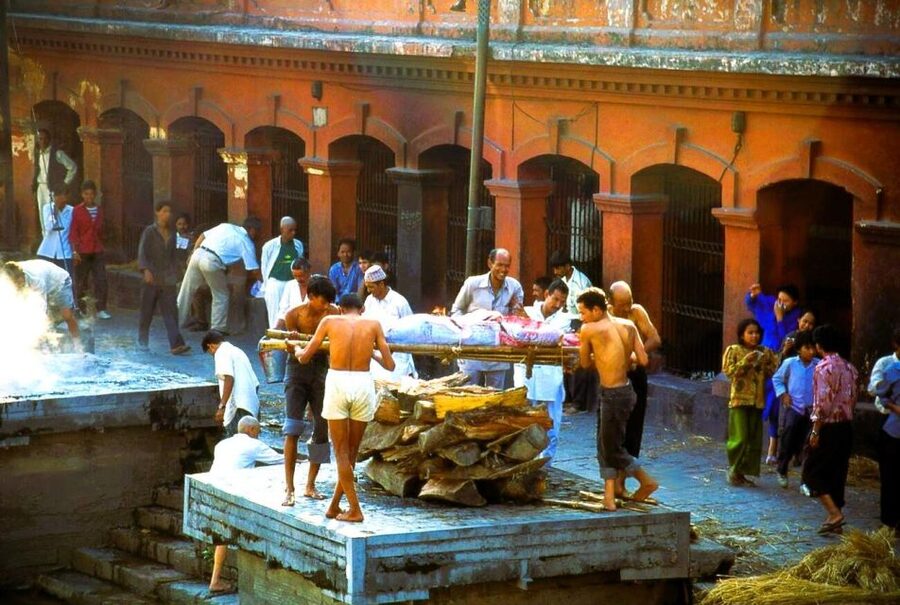
The cremation ghats are the most serious part of the visit. Open-air cremations take place along the river, and you may see the ceremony from a nearby public viewing area. The guide explains the role of the fire, the river, and the steps followed in the rite.
You should treat this as a religious ceremony, not a performance. Keep your voice low, avoid intrusive photographs, and follow your guide’s advice about where to stand. The fact that the rites are visible does not remove the need for privacy and respect.
I would not recommend this tour to anyone who knows they will find public cremation too upsetting. The experience can be moving, dark, and emotionally heavy. At the same time, it offers a direct look at a Hindu understanding of death, family duty, and the soul’s passage. You do not need to share the belief system to recognize the importance of the moment.
People with respiratory issues should think carefully before booking. Smoke from cremation fires, incense, and the general conditions around the river may make the visit uncomfortable. Children under 12 are not considered suitable for this activity.
The evening Aarati at Pashupatinath
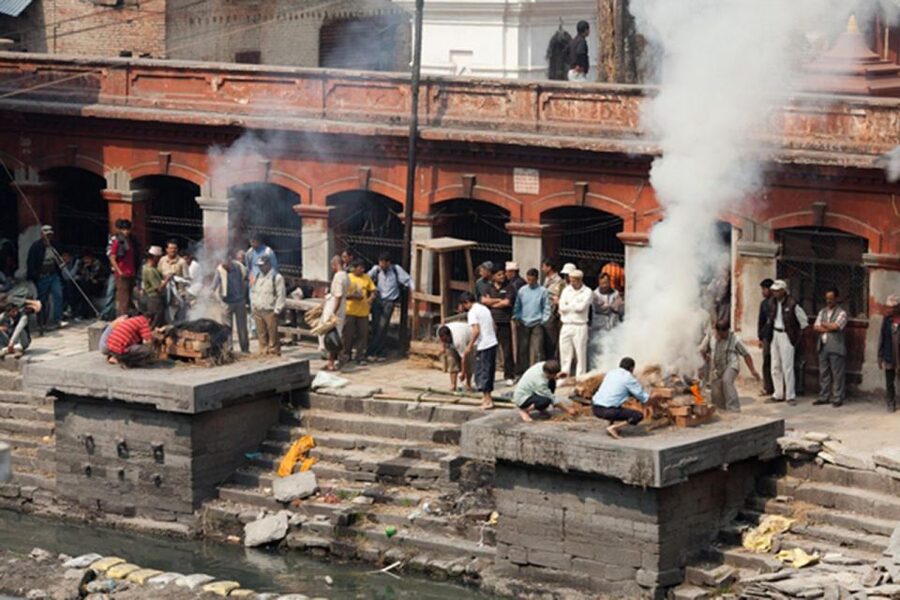
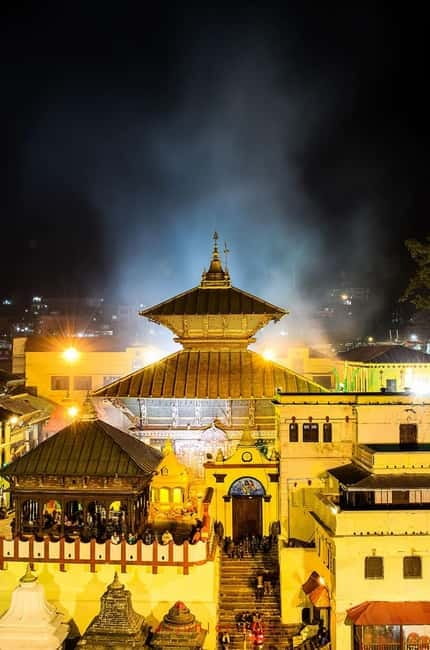
The Aarati is the tour’s main ceremonial finish. As the light fades, the riverfront fills with chanting, bells, conch shells, and lamps. Your guide helps you find a place to watch and explains the stages of the ceremony.
This is where the tour can shift from a historical visit to something much more sensory. The sound carries across the river, the lamps become more visible as the sky darkens, and the crowd’s attention focuses on the ritual. If you want the best view available within the group, stay close to your guide as the ceremony area begins to fill.
The Aarati may also be the most emotionally demanding moment. It is not a polished stage show arranged for tourists. It is a devotional ceremony, and its meaning comes from the people taking part. Watch quietly and avoid treating the setting as a backdrop for casual photographs.
A guide makes a real difference here. Pranav, for example, has been praised for explaining each part of the ceremony and helping visitors find a good viewing position. That kind of support is valuable because it lets you concentrate on what is happening instead of trying to work out the sequence yourself.
How much time the tour really needs
The stated duration ranges from two to five hours, depending on the chosen option, transport, group size, and time spent at the sites. The listed visit time is roughly one hour at Boudhanath and one hour at Pashupatinath, but the total can be longer once you add travel, waiting, the Aarati, and hotel pickup.
A short option may suit you if you have only an afternoon or evening free. A longer option gives you more room for questions, photographs, shopping, and the ceremony. Check the starting time carefully because the Aarati is an evening event, while other options may be arranged for the morning.
Pickup is optional. With pickup, your guide meets you at your hotel and accompanies you through the visit and Aarati. If you do not choose that option, the stated meeting point is the ticket counter at Pashupatinath Temple, and you arrange your own transportation or pay the agency for transport at an additional reasonable rate.
The return can be arranged to Kathmandu or Thamel, depending on the selected option. That is handy if you are staying in central Kathmandu and do not want to work out a taxi after the evening ceremony.
What the $11 price includes, and what it does not
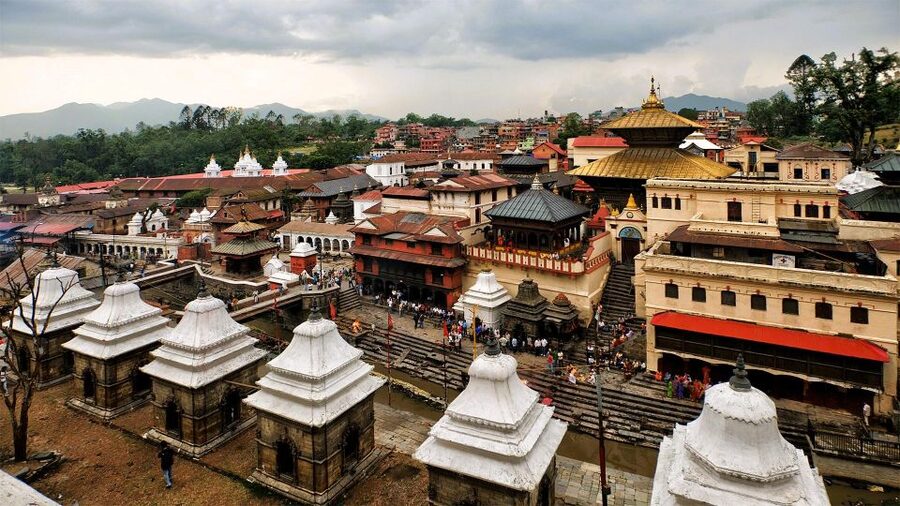
At $11 per person, this is a low-cost way to add a guide to two important religious sites. The value comes less from transport or included meals and more from interpretation. A guide can explain customs, help you behave respectfully, and give structure to a visit that could otherwise feel confusing.
You should budget for the two entrance charges: NRs 1,000 at Pashupatinath and NRs 400 at Boudhanath. These fees are not included. Food, drinks, market purchases, and optional items from the shops are also extra.
Depending on your booking choice, the package may include hotel pickup and drop-off, a guided Boudha visit, and transport. Read the selected option carefully. The wording makes clear that some services apply only to certain options.
The tour offers free cancellation up to 24 hours before departure and reserve-now, pay-later booking. That is useful if your Kathmandu schedule is still shifting, but it does not change the need to check the exact start time and inclusions before paying.
Group size, guide style, and practical comfort
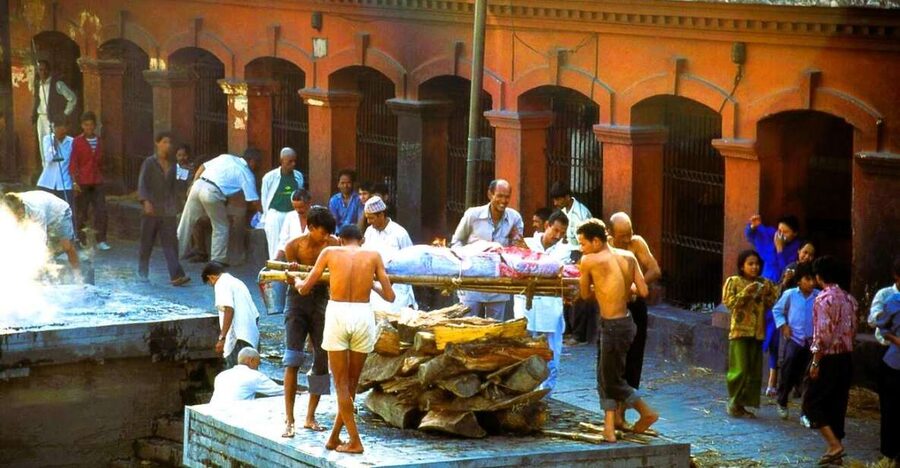
Private and small-group choices are available. A private tour gives you more freedom to stop, ask questions, and move at your own pace. A small group can cost less and still provide useful explanations, but you may have less control over the timing.
The guide is central to the experience. Clear English and cultural knowledge matter most at Pashupatinath, where a casual mistake can feel disrespectful. Previous guides named Razz, Pranav, Karma, Anish, and Sudhir have been described as friendly, clear, and professional, though you should not assume a particular person will lead your tour unless confirmed.
Bring a passport or identity card. A copy is accepted. Do not bring large bags or luggage, drones, alcohol, or drugs. Dress and behave respectfully around both sites, and avoid nudity, which is specifically prohibited.
Wear something comfortable for walking and keep your hands free. You will be moving through sacred grounds, market areas, and riverfront spaces, so a small bag is more practical than a suitcase. The activity is not suitable for children under 12 or people with respiratory problems.
Who should book this Kathmandu tour?
I would choose this tour if you want context, not just photographs. It is a good fit for a first visit to Kathmandu, for anyone interested in Hindu and Buddhist practice, and for people who prefer a local guide at emotionally serious sites.
It suits you especially well if you want to combine a peaceful morning or afternoon at Boudha with the more dramatic sounds and rituals of Pashupatinath. It is also useful if you are staying in Thamel and want help with transportation and the return trip.
I would hesitate if you dislike religious ceremonies, public cremation, smoke, crowds, or shops aimed at visitors. You may also prefer a private option if you want to spend extra time at one place rather than follow a fixed schedule.
Should you book it?
Book this tour if you want a guided introduction to two of Kathmandu’s most important sacred places and you are prepared for the seriousness of the cremation rites. The $11 starting price is appealing, but add the NRs 1,400 in entrance fees and any transport, food, or purchases.
Choose the pickup option if you want the simplest evening. Choose a private or small group if you care about questions and pacing. Most of all, go with an open mind and respectful behavior. Boudhanath may give you calm, but Pashupatinath asks you to face faith, death, and daily life in the same place.
FAQ
How long does the tour last?
The activity lasts between 2 and 5 hours. The exact duration depends on the selected option and starting time.
What places does the tour visit?
The tour visits Boudhanath Stupa and Pashupatinath Temple in Kathmandu.
Can non-Hindus enter Pashupatinath Temple?
Non-Hindus cannot enter the main sanctum. You can visit the outer complex, see shrines and architectural details, and view the riverfront areas with a guide.
Are the entrance fees included?
No. The stated entrance fees are NRs 1,000 at Pashupatinath and NRs 400 at Boudhanath.
Is hotel pickup available?
Yes, pickup is available with selected options. If you do not choose pickup, you meet the guide at the ticket counter of Pashupatinath Temple and arrange your own transportation or purchase transport from the agency.
What languages are available for the guide?
Guides are available in English, Chinese, Hindi, and Russian.
Can I book a private tour?
Yes. Private and small-group options are available.
What should I bring?
Bring a passport or identity card. A copy is accepted.
Can children or people with respiratory issues join?
The activity is not suitable for children under 12 or people with respiratory issues.
Just added around Kathmandu
- Traditional Momo Making Class★ 5.0 · 10 reviews
- Women Empowerment Project(Nepali cooking class & jewelry workshop★ 5.0 · 15 reviews
- Manthali Airport (Ramechhap) To Kathmandu – Transport Service★ 4.5 · 11 reviews
- Amazing 1 Day Trekking Experience in Kathmandu Nepal★ 5.0 · 24 reviews
- Walking tour of Kathmandu with awesome local guides★ 5.0 · 4 reviews
- Walking tour of real Kathmandu through back streets.★ 5.0 · 3 reviews
- Private Manaslu Circuit Trek at Himalayas★ 5.0 · 3 reviews
- Walking Street Food Tour in Kathmandu★ 5.0 · 111 reviews
Temple & Monastery Tours, compared.
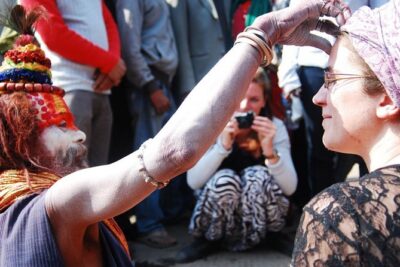
Kathmandu Spiritual Sites: Bodhnath & Pashupatinath Tour
Read our review →
Nagarkot Sunrise and Hike Tour to Changu Narayan
Read our review →
Nagarkot Sunrise & Hike to Changu Narayan Day Tour from Kathmandu
Read our review →
Monkey Temple – Swayambhunath Tour – Private/Small Group
Read our review →Browse the lists this tour appears in