
Reviewed · SPIRITUAL EXPERIENCES IN KATHMANDU
Spiritual Journey to Kailash Manasarovar 16 Days Overland Trip
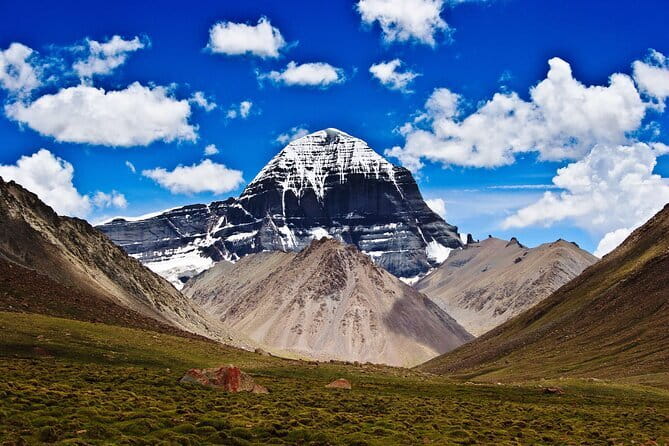
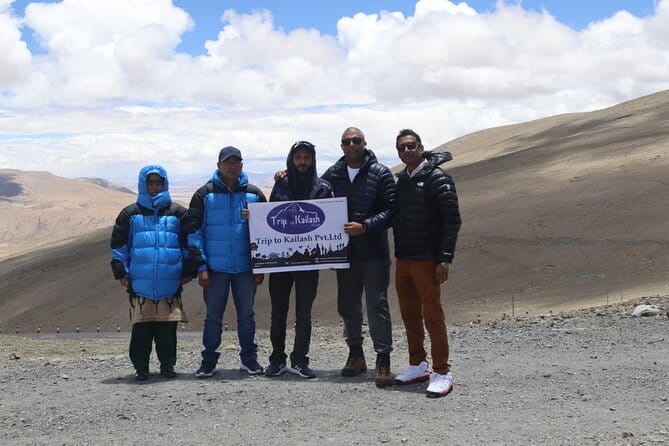
Mount Kailash is the heart of this 16-day journey, but the pilgrimage begins well before Tibet. You’ll visit Shiva temples in Kathmandu, cross into Tibet by road, pray beside Lake Manasarovar, and complete the three-day Kailash Kora, including the high Dolma La Pass. The route mixes sacred sites with long drives and basic mountain conditions.
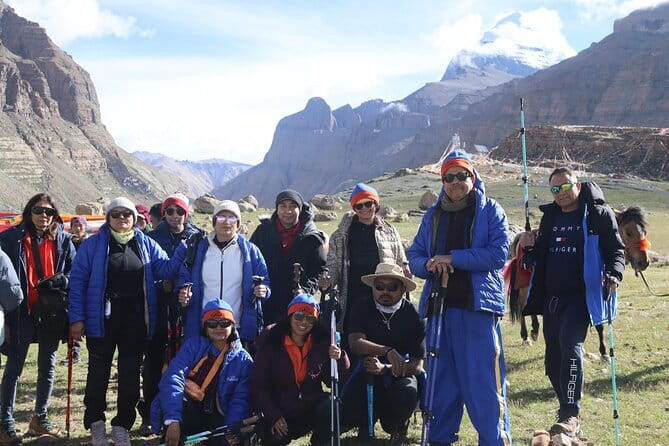
I like the small maximum group of 10, which should make health checks, permit work, and daily decisions easier to manage. I also like that the team includes private transport, vegetarian full-board meals, oxygen support, and daily blood pressure and oxygen monitoring. The main concern is the physical demand: two Kora days run up to nine hours at very high altitude, and the route includes several long drives.
Key points to know before booking
- The Kora reaches 5,630 meters at Dolma La Pass, making altitude the central challenge.
- Kashyap is a named point of contact, with a team that includes guides, porters, and a chef.
- Tibet permit and visa work is built into the schedule, but you need to book at least 20 days ahead.
- The tour includes 15 breakfasts, 11 lunches, and 15 dinners, all described as pure vegetarian.
- You begin with Kathmandu’s major sacred sites, including Pashupatinath, Boudhanath, and Swayambhunath.
- Pony and horse fees are extra, as are Kathmandu monument entry fees, personal costs, and tips.
Why the Kathmandu to Kailash route works
This trip gives you a gradual cultural and physical lead-in to Mount Kailash. The first four days stay around Kathmandu, so you are not rushed straight from the airport toward the high Tibetan plateau.
That opening matters. You see Pashupatinath during the evening aarti, visit Buddhist and Hindu sites, and make a short outing to Chandragiri Hills. You also have time for Tibet permit formalities before the road journey begins.
The route is not a luxury pilgrimage. It is an overland trip with seven-hour drives, border procedures, simple mountain accommodation, and strenuous walking. Still, the package covers several costly and awkward parts, including private transport, Tibet permits, accommodation, meals, and medical monitoring.
The group size is capped at 10. That is small enough for the guide team to keep track of individual needs, especially during the Kora. A past participant specifically praised Kashyap as a steady source of support and motivation, while another highlighted the chef, porter, and guide team for looking after people carefully. Those details matter more here than polished hotel service.
More Spiritual Experiences in Kathmandu
- Kathmandu Spiritual Sites: Bodhnath & Pashupatinath Tour
★ 5.0 · 185 reviews - From Kathmandu: 2 Stupas and Kopan Monastery Spiritual Tour
★ 4.8 · 115 reviews - Shirodhara and Sound Healing Spa Experience in Kathmandu
★ 5.0 · 52 reviews
Day 1: Pashupatinath after dark
Your first scheduled sight is Pashupatinath Temple, where the evening aarti takes place beside the Bagmati River. Oil lamps, bells, hymns, and prayers create a powerful introduction to the religious world behind the pilgrimage.
The visit lasts about two hours and admission is listed as free. The timing is the key point. This is not just a daytime temple stop for photographs. You are there for a ritual, so modest clothing and quiet behavior are sensible.
The tour begins at Tribhuvan International Airport in Kathmandu, with a stated start time of 10:15 am. Since the aarti is in the evening, you should expect time between airport pickup and the temple visit, though the exact hotel and transfer schedule should be confirmed after booking.
Day 2: Tibet paperwork and Chandragiri Hills
After breakfast, you go to the Chinese Visa Centre to apply for the Tibet visa, then continue to Chandragiri Hills. The hill visit takes about three hours, and admission is not included.
This day is practical as much as scenic. Tibet entry paperwork is essential, and the operator asks you to book at least 20 days ahead so permits can be arranged. After confirmation, you must send a passport photo within two days, and your passport needs at least six months of validity.
Chandragiri Hills gives you a change of pace after the visa formalities. The itinerary does not promise a long hike or a particular activity there, so I would treat it as a short scenic outing rather than a major trek day. Bring local currency or a payment method for the admission fee, since it is not covered.
Day 3: Kathmandu’s four major sacred sites
The Kathmandu sightseeing day covers Swayambhunath, Boudhanath, Pashupatinath, and Patan Durbar Square in about five hours. That is a useful set of stops, but it is also a full schedule.
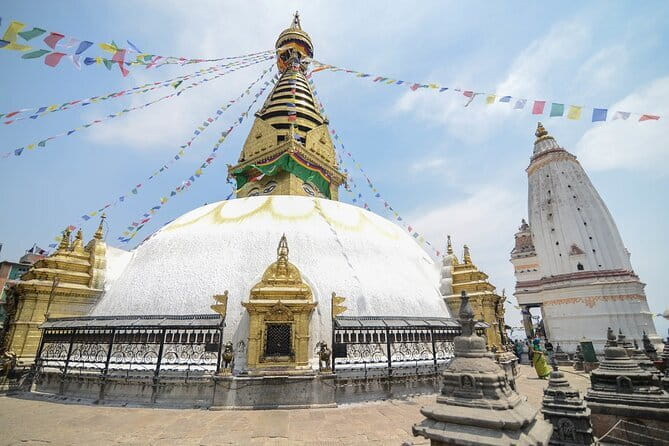
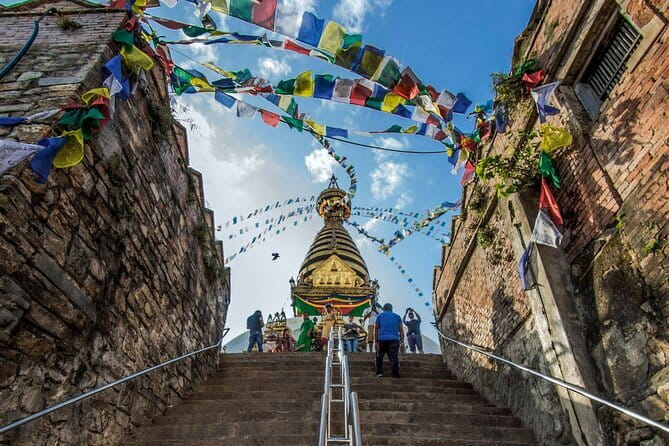
Swayambhunath, often called the Monkey Temple, gives you a hilltop Buddhist setting. Boudhanath offers a very different feel, centered on a large stupa and its surrounding religious life. Pashupatinath connects back to the first evening, this time as part of a wider city tour. Patan Durbar Square adds palace courtyards, temples, and carved architecture.
Admission is listed as free in the itinerary, but the tour notes say Kathmandu monument entry fees of roughly $30 are not included. Budget for those charges. The five-hour timing also means you should expect an overview rather than a slow, detailed visit at every site.
A completely different kind of day, same corner of Nepal:
- Private Kathmandu Sightseeing Tour | UNESCO World Heritage sites
★ 5.0 · 756 reviews - Half day cooking class in Thamel kathmandu
★ 5.0 · 607 reviews - Nagarkot Sunrise View and Day Hiking from Kathmandu
★ 5.0 · 471 reviews - Kathmandu: Full Day 7 UNESCO Tour with Lunch – Private/Group
★ 5.0 · 415 reviews
Day 4: Bhaktapur, Doleshwor, and the giant Shiva statue
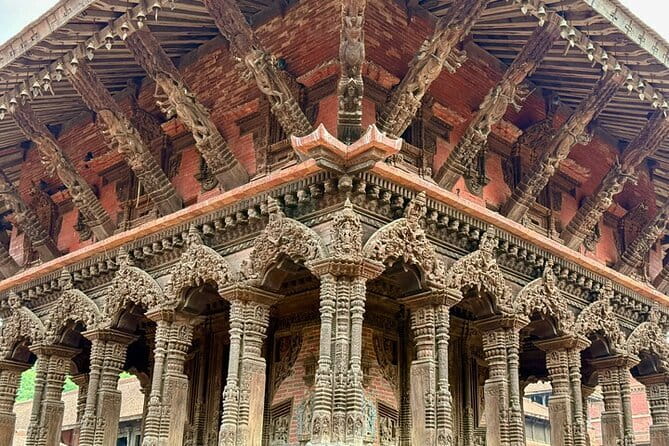
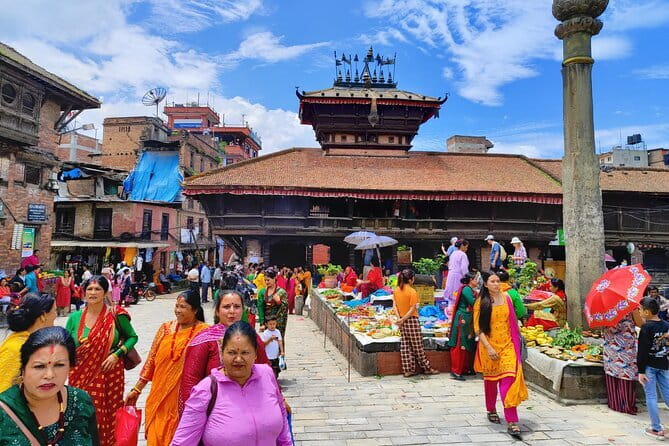
Day four turns to Bhaktapur and the Kathmandu Valley’s Hindu architecture. Bhaktapur Durbar Square is known for the 55-Window Palace, Nyatapola Temple, wooden temples, and fine carved work.
You also visit Doleshwor Mahadev, a pilgrimage site linked with Lord Shiva and the Kedarnath tradition. The final stop is the Kailashnath Mahadev Statue at Sanga, described as a 143-foot representation of Shiva. From its hill setting, you get wide views over the valley.
The day lasts about five hours. This is a strong cultural section of the trip because it connects the sights in Nepal with the religious purpose of the later pilgrimage. The drawback is that the schedule gives limited time at each place. If you care most about architecture or photography, you may wish you had longer in Bhaktapur.
Day 5: Kathmandu to Syabrubesi
The road journey begins with a drive of about seven hours to Syabrubesi, at roughly 1,550 meters. The village is described as the gateway to the Tibetan border.
This is a transition day. You leave the dense Kathmandu Valley and move into Himalayan foothill scenery, with views along the road toward the border region. You also collect the Tibet visa before setting out.
Do not underestimate the drive. Seven hours on mountain roads can feel much longer than the same distance on a highway. Private transport is included, which gives the group more control over stops and luggage than a public bus would provide, but this remains a road day rather than a sightseeing day.
Day 6: Crossing into Tibet and reaching Gyirong
You cross the Nepal-Tibet border and drive to Gyirong, also written as Kyirong, with about seven hours of travel. The town sits among high peaks and valleys and serves as your first Tibetan stop.
Border days can be slow, so keep your passport and required documents close at hand. The permit and visa arrangements are included in the package, but border officials still control the process.
Gyirong is also where altitude begins to matter more. The itinerary describes this day as a chance to acclimatize, but you should still take symptoms seriously. The tour provides oxygen in case of altitude sickness and checks blood pressure and blood oxygen each day. Those safeguards are useful, but they do not remove the need to rest, drink as directed by your guide, and report problems early.
Day 7: Across the Tibetan plateau to Saga
The drive from Kyirong to Saga takes about six hours. This is your first major look at the open Tibetan plateau, with broad views, traditional villages, and nomadic herders mentioned along the route.
The appeal here is space. You are moving through a remote region where the road itself becomes part of the experience. At the same time, the high, open setting can make the journey feel exposed and tiring. There is no promise of frequent attractions or long walking breaks, so bring patience and keep your day bag organized.
Saga is another overnight stop before the sacred lakes and Mount Kailash. The accommodation is described as the best possible during the pilgrimage section rather than a fixed hotel standard, so you should expect comfort to vary outside Kathmandu.
Day 8: Lake Manasarovar and a lakeside puja
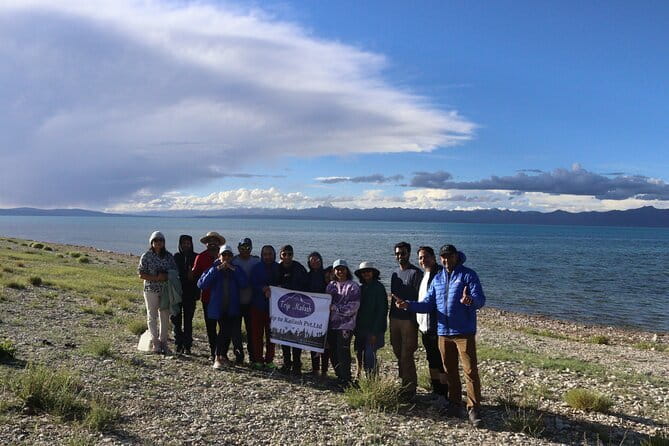
The drive to Lake Manasarovar takes about four hours. This is one of the emotional centers of the trip. The lake is sacred to Hindus and Buddhists, and the group takes part in a puja on its shore.
The stop is listed as included, unlike some Kathmandu monument charges. You will also have views toward Mount Kailash, weather and visibility permitting. The setting is important, but do not expect a resort-style lake visit. This is a high-altitude religious stop within a demanding overland route.
The shorter driving time gives you more room to absorb the place. Keep warm layers close by, even if Kathmandu was hot when you left. The itinerary does not specify how long the puja lasts, so follow the guide’s instructions and be ready for conditions to change.
Day 9: Darchen, the Kora starting point
You drive about seven hours to Darchen, at approximately 4,575 meters. This town is the base for the three-day circumambulation of Mount Kailash.
Darchen is where the trip changes from road pilgrimage to high-altitude trek. You should use this day to organize your small pack, check clothing and water, and discuss the walking plan with the guide. The next three days are not casual walks.
The package includes accommodation and meals, but pony and horse fees are extra. If you think you may need animal support, ask about current availability and pricing before the Kora begins. The itinerary does not say that a pony is guaranteed, so do not assume one will be waiting.
Day 10: Darchen to Dirapuk
The first Kora day runs from Darchen to Dirapuk and takes about seven hours. You walk through rugged ground with views of Mount Kailash and surrounding Himalayan peaks.
This is a demanding start because the altitude is already very high. The distance is only one part of the challenge. Slow walking, uneven ground, cold, and thin air can make the day feel much harder than a seven-hour hike at home.
Dirapuk Monastery is the listed stop and overnight area. The religious value of the route is clear, but the practical conditions are basic compared with Kathmandu. This is where the included chef, porters, and guide support become especially important. You can focus on steady movement rather than carrying every supply yourself.
Day 11: Dolma La Pass and Zuthulphuk
The second Kora day is the hardest, lasting about nine hours from Dirapuk to Zuthulphuk. You cross Dolma La Pass, the highest point of the trek, at approximately 5,630 meters.
This is the day that should decide your booking. You need moderate physical fitness, but altitude can affect even fit people. The operator supplies oxygen for altitude sickness and performs daily health checks, yet no support system can make Dolma La easy.
Go slowly and listen closely to the guide. The schedule calls this a day of spiritual renewal, but it is also a serious mountain crossing. The route’s high point and long duration mean that fatigue, cold, and altitude are real concerns. If you have doubts about completing it on foot, discuss pony fees and support arrangements well before departure.
You finish at Zuthulphuk. Accommodation during the Kora is described as the best possible rather than a named hotel category, so pack with simple conditions in mind.
Day 12: Completing the Kailash Kora
The final Kora section takes about seven hours, from Zuthulphuk back to Darchen. By now, your body may be tired, but the walking is no longer paired with the Dolma La crossing.
Returning to Darchen gives you time to reflect on the full circumambulation. The religious meaning differs among traditions, but the route is treated as a sacred act rather than a standard mountain trek. That distinction shapes the pace and mood.
You should not plan a major extra activity after reaching Darchen. The schedule has already given you three long days at altitude, and rest is the sensible choice.
Days 13 to 16: The long return to Kathmandu
Day 13 takes you from Darchen back to Saga in about six hours. Day 14 continues to Kyirong for roughly five hours, with an overnight stay and help from the local team if you need assistance.
Day 15 includes immigration formalities at the Rasuwa Gadhi border and a long drive back to Kathmandu. The stated timing is about eight to eleven hours for 265 kilometers. That range tells you what to expect: distance alone will not predict the day, because border work and mountain roads can add time.
The final morning is simple. After breakfast on day 16, you leave for Tribhuvan International Airport, with about two hours allocated. If you book onward flights, confirm the exact transfer plan and allow enough margin for changes on the return road.
What the $3,999 price includes
At $3,999 per person, the package is not cheap, but the included services cover many of the expensive parts of this route. You get private transport, Tibet visa and permit fees, accommodation, full-board pure vegetarian meals, Kathmandu sightseeing, and health checks.
The food allowance is unusually clear: 15 breakfasts, 11 lunches, and 15 dinners are included. That reduces the need to find meals during long road days and helps keep the group on schedule.
You still need money for Kathmandu monument entries, estimated at about $30, personal expenses, tips, and horse or pony support during the Kora. Those extras are easy to overlook, so add them to your budget before comparing this trip with other operators.
The strongest value is the combination of permits, transport, meals, and support in a difficult-to-organize region. The weaker point is that accommodation during the pilgrimage is not given a precise star rating. If hotel comfort matters as much as the spiritual route, ask for the current hotel list before paying.
Who should book this pilgrimage
I would recommend this trip to someone who wants a structured Kailash pilgrimage rather than an independent road adventure. You benefit from the fixed dates, small group size, permit handling, meals, health checks, and an organized support team.
It suits people who can manage long drives and sustained high-altitude walking. It is not a good match if you want a relaxed holiday, flexible dates, luxury hotels, or short sightseeing days.
Kashyap is the named team leader connected with the personal support described by the operator, and the wider team includes a chef, porter, and guide. That setup is worth asking about directly before booking, especially if you have dietary, mobility, or medical concerns.
The listed fixed departure dates are May 12, June 10, July 8, August 11, and September 9, 2024. Since those dates have passed, confirm the current schedule before making plans. Private trips can be arranged for groups larger than five, while the standard group maximum is 10.
Final verdict: a serious pilgrimage with useful support
You should book this tour if Mount Kailash is the main purpose of your trip and you want the difficult logistics handled for you. The combination of Kathmandu’s sacred sites, Lake Manasarovar, the full three-day Kora, private transport, vegetarian meals, and daily health checks gives the route a clear purpose and solid practical structure.
I would hesitate only if you are unsure about altitude or the nine-hour Dolma La day. Read the walking demands carefully, budget for pony support if needed, and confirm the current accommodation and departure date. For a fit, prepared pilgrim who values a small group and personal support over luxury, this is a well-focused way to reach Kailash by road.
FAQ
How long is the Kailash Manasarovar trip?
The trip lasts approximately 16 days, beginning and ending in Kathmandu.
Where does the tour start?
The meeting point is Tribhuvan International Airport in Kathmandu, Nepal. The stated start time is 10:15 am.
What is the maximum group size?
The tour has a maximum of 10 participants.
How far in advance should I book?
You need to book at least 20 days before departure because the Tibet entry permit must be arranged.
What passport requirement applies?
Your passport must be valid for at least six months. After confirmation, you must send a passport photo within two days.
Are Tibet visa and permit fees included?
Yes. Tibet visa fees and permit fees are included.
Are meals included?
Yes. The package includes full-board pure vegetarian meals, listed as 15 breakfasts, 11 lunches, and 15 dinners.
Are horse and pony fees included during the Kora?
No. Horse and pony fees during the Kora are not included.
What fitness level is required?
The tour requires a moderate level of physical fitness. The Kora includes walking days of about seven to nine hours and a crossing of Dolma La Pass at approximately 5,630 meters.
Is oxygen available during the trip?
Yes. An oxygen cylinder is provided in case of altitude sickness, and daily blood pressure and blood oxygen monitoring are included.
What does the cancellation policy provide?
You can receive a full refund if you cancel at least six full days before the start time. A 50 percent refund applies for cancellations made two to six full days before the start time. Cancellations less than two full days before departure are not refunded.
Just added around Kathmandu
- Women Empowerment Project(Nepali cooking class & jewelry workshop★ 5.0 · 15 reviews
- Manthali Airport (Ramechhap) To Kathmandu – Transport Service★ 4.5 · 11 reviews
- Amazing 1 Day Trekking Experience in Kathmandu Nepal★ 5.0 · 24 reviews
- Walking tour of Kathmandu with awesome local guides★ 5.0 · 4 reviews
- Walking tour of real Kathmandu through back streets.★ 5.0 · 3 reviews
- Private Manaslu Circuit Trek at Himalayas★ 5.0 · 3 reviews
- Walking Street Food Tour in Kathmandu★ 5.0 · 111 reviews
- Kathmandu Street Food Walking Tour – Eat Like a Local★ 5.0 · 3 reviews
Spiritual Experiences in Kathmandu, compared.
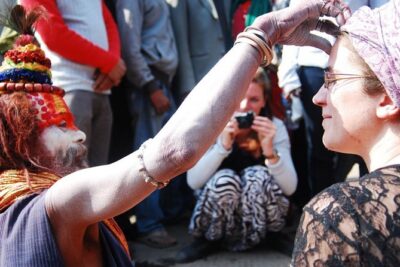
Kathmandu Spiritual Sites: Bodhnath & Pashupatinath Tour
Read our review →
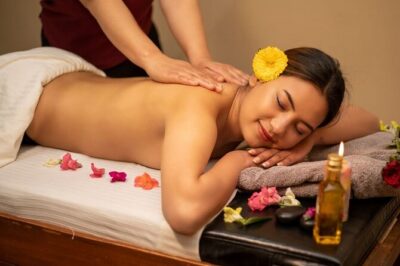
Shirodhara and Sound Healing Spa Experience in Kathmandu
Read our review →
Spiritual Nepal: Expert insight into Multifaith Journey
Read our review →
Sound Bath (Sound Healing Session Every Evening) in Nepal
Read our review →
Browse the lists this tour appears in