Reviewed · TOURS
10 Days Nepal Adventure Tour from Kathmandu
Kathmandu temples, a jungle safari, whitewater rafting, and a Himalayan trek: this 10-day Nepal circuit packs four very different trips into one. You move from crowded city streets to the Trishuli River, the lowland forests of Chitwan, lakeside Pokhara, and Gurung villages in the Annapurna Conservation Area.
I like the way the route gives you both culture and scenery, rather than keeping you in one region. I also like the small group limit of 12, plus the care shown by guides such as Pramod Pangeni and trekking guide Dharma. The main drawback is the amount of road time. Kathmandu to Chitwan can take five to seven hours, and Pokhara to Kathmandu can take six to eight, with dust, narrow sections, and road work along the way.
Key points at a glance
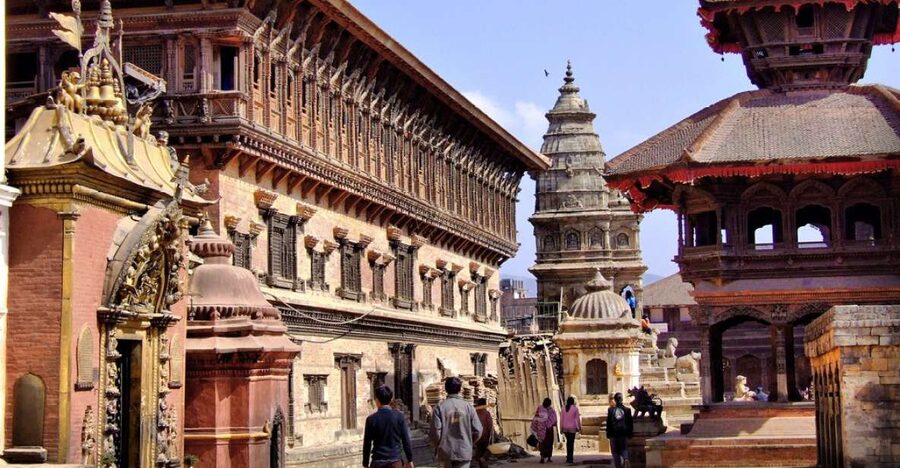
- Four UNESCO sites in one Kathmandu day: Bhaktapur Durbar Square, Pashupatinath, Boudhanath, and Swoyambhunath.
- A real change of pace at Chitwan: Raft the Trishuli, then spend a full day on safari, canoeing, birding, and other jungle activities.
- A moderate Himalayan trek: Walk from Nayapul to Ghandruk, then through Pothana and Dhampus to Phedi.
- Strong local contact: English-speaking guides introduce Hindu, Buddhist, Tharu, and Gurung culture.
- Good coverage for the price: At $1,080, the package includes transport, guides, permits, rafting, jungle activities, and several nights of lodging.
- A trip for reasonably fit walkers: You need no mountaineering experience, but you should prepare with walking, hiking, swimming, or running.
Kathmandu opens the trip with four major sights
Your first full day covers the Kathmandu Valley’s best-known cultural sites. That is an efficient introduction, though it also makes for a busy day.
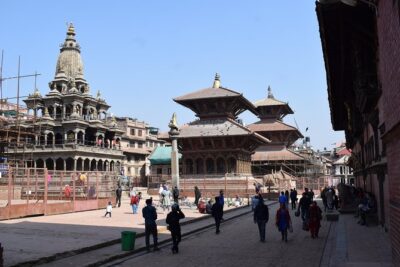
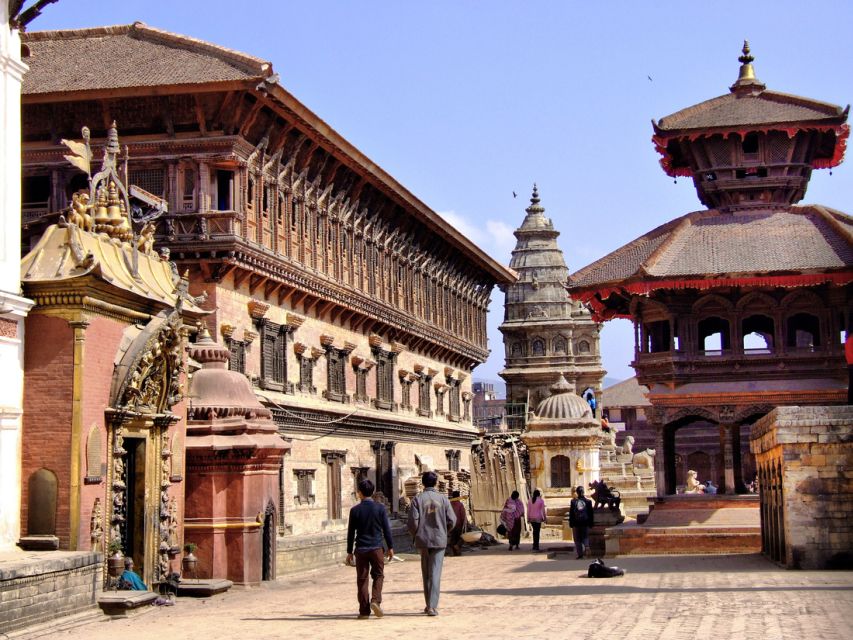
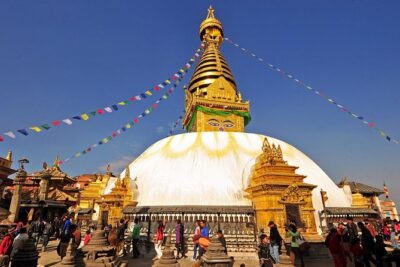
At Bhaktapur Durbar Square, you see a former royal center filled with temples, courtyards, and traditional Newari architecture. Pashupatinath gives you a different view of Nepal, as one of the country’s most important Hindu sites. Boudhanath Stupa brings Buddhist culture into the same day, while Swoyambhunath, often called the Monkey Temple, offers another major Buddhist setting.
The value here is the guide. You are not simply being dropped at four monuments and left to work out what you are seeing. The tour is designed to explain Hindu and Buddhist traditions, local customs, and the role these places still play in daily life.
You should expect crowds and a fair amount of walking. Entrance fees for Kathmandu and Pokhara sights are not included, so keep extra Nepalese rupees available. The exact order of the sites can also affect how rushed the day feels, so ask your guide early about the schedule if you want more time at a particular temple.
More days out in Kathmandu:
- Private Kathmandu Sightseeing Tour | UNESCO World Heritage sites
★ 5.0 · 756 reviews - Half day cooking class in Thamel kathmandu
★ 5.0 · 607 reviews - Nagarkot Sunrise View and Day Hiking from Kathmandu
★ 5.0 · 471 reviews
Trishuli rafting turns a transfer into an adventure
Day three takes you from Kathmandu toward Chitwan, with rafting on the Trishuli River along the way. This is a smart use of a long travel day. Instead of sitting in the vehicle from morning to evening, you get a river activity and a change of scenery.
The tour does not present rafting as an extreme expedition. It is one part of a wider Nepal trip, not a specialist whitewater course. That makes it a good fit if you want some excitement without building the entire holiday around rapids.
Road conditions matter here. The Kathmandu to Chitwan journey usually takes five to seven hours, and the Malekhu and Benighat areas can still be bumpy because of construction. The rest of the route has smoother blacktop, but the road remains a major part of the day. Bring water, keep valuables protected, and expect a full schedule.
After arriving in Chitwan, you see a cultural program by the Tharu people. The timing gives you an early introduction to the communities of Nepal’s southern plains before the next day’s wildlife activities.
Chitwan brings wildlife and village culture together
Chitwan National Park is the lowland counterpoint to the mountains. You spend a full day on jungle activities that include safari outings, canoeing, birding, and bathing with elephants.
The wildlife is one of the strongest reasons to choose this route. The park is known for its animal life, and a good local guide can make a major difference when spotting birds and animals. One guide praised for this part of the trip was able to identify many types of wildlife, which shows why a local eye is useful in the forest.
The itinerary uses the phrase bathing with elephants, so ask the operator about the exact activity and current animal-welfare practice before you go. Conditions and policies can change, and you should feel comfortable with how animals are treated.
Two nights in Chitwan are included, with three meals at the jungle accommodation. This is helpful because the park section is not just a rushed stop between cities. You have enough time for more than one type of activity and for the Tharu cultural program.
Most other meals are not included. Lunch and dinner in Kathmandu and Pokhara are your responsibility, as are drinks. This gives you freedom to choose restaurants, but it means the $1,080 price is not an all-inclusive food package.
Pokhara adds waterfalls, caves, and mountain views
From Chitwan, you drive to Pokhara and visit Davis Falls, Gupteshwor Caves, and a Tibetan Refugee Camp. These stops give you a useful mix of natural sights and cultural context before the trek begins.
Davis Falls and Gupteshwor Caves are close enough to work well as a pair. The falls are a striking natural feature, while the cave offers a darker, more enclosed contrast. The Tibetan Refugee Camp adds a human side to the day and helps explain one part of the region’s modern cultural story.
Pokhara itself is the trip’s relaxed middle point. In the evening, you can walk beside Phewa Lake, look toward the mountains, and enjoy a slower pace than Kathmandu. The tour includes two nights in Pokhara with breakfast, which gives you time to settle in before and after the trek.
Entrance fees for Pokhara sights are not included. You should also remember that the route includes a lot of driving before you reach the lake. Pokhara is rewarding, but you are not getting a long free stay there.
A completely different kind of day, same corner of Nepal:
- Kathmandu: Full Day 7 UNESCO Tour with Lunch – Private/Group
★ 5.0 · 415 reviews - Kathmandu: Local Women-Led Nepali Cooking & Momo Class
★ 4.9 · 360 reviews - Private Bhaktapur and Nagarkot Day Tour From Kathmandu
★ 5.0 · 305 reviews - Kathmandu: Full Day Top 4 UNESCO Tour with Lunch – Private/Group
★ 5.0 · 269 reviews
Ghandruk is the heart of the mountain section
On day six, a private vehicle takes you to Nayapul. From there, you walk toward Ghandruk, a Gurung village in the Annapurna Conservation Area.
Ghandruk is the point where the trip changes from sightseeing to a more personal mountain experience. You walk through attractive countryside, meet local people, and see a Gurung village with views toward the Himalayan range. The important part is not only the scenery. You also get a glimpse of mountain life, village routines, and local culture.
This is a short trek, not a high-altitude mountaineering trip. You do not need previous trekking experience, but you should be reasonably fit and comfortable walking for several hours on uneven routes. Training with regular hikes, swimming, or running before departure is sensible.
The package includes two nights on the Annapurna trek, trekking guides, and the trekking permit. It does not include a porter, trekking gear, or all meals in the mountain lodges. Pack light enough to carry your own bag unless you arrange extra porter service separately.
Guide support is especially useful here. Dharma is named as a trekking guide who kept checking that walkers were comfortable and helped with a backpack when needed. That kind of attention can make a big difference when a route feels longer than expected.
Pothana, Dhampus, and Phedi finish the walk
The next section takes you from Ghandruk to Pothana. You pass through forest, mountain scenery, and local villages, with views changing as the route rises and falls.
Pothana gives the trek a second overnight stop instead of making Ghandruk a quick in-and-out visit. You have more time to adjust to the walking pace and enjoy the mountain setting without treating every stop as a photo break.
On day eight, you continue to Phedi through Dhampus, then return to Pokhara by private vehicle. Dhampus is another well-known mountain village and a good place to appreciate the connection between village life and the surrounding peaks.
This section is likely to be the most physically demanding part of the tour, though it is still presented as a manageable trek rather than a technical climb. Stairs, slopes, and uneven paths can be tiring. Good shoes matter more than fancy equipment, and a small daypack will make the walking easier.
Back in Pokhara, you have another evening walk around Phewa Lake. That return to the lake is welcome after two nights on the trail.
The long return to Kathmandu is part of the deal
Day nine takes you back to Kathmandu, with time for last-minute shopping in Thamel and a final farewell dinner with Nepali food, folk music, and dance.
The return drive can take six to eight hours. The first part may be on a newer, smoother road, but some areas are dusty and narrow, and road widening near Kathmandu can slow things down. You should not plan a separate, time-sensitive activity for the evening unless the operator confirms the schedule.
Thamel is useful for final shopping, snacks, and souvenirs. Be aware that one past complaint involved pressure to buy items at certain shops. You can politely decline and make it clear that you prefer to choose where you shop. A good guide should explain the sites and support your choices without turning the day into a sales stop.
The farewell dinner is a pleasant way to close the cultural side of the trip. You have seen temples, villages, wildlife areas, and mountain communities, then finish with food, music, and dance in Kathmandu.
What $1,080 really covers
At $1,080 per person, this tour offers solid value if you want several parts of Nepal arranged in one booking. The price includes airport transfers, Kathmandu and Pokhara lodging with breakfast, two nights in Chitwan with three meals, trekking accommodation, guides, permits, rafting, jungle activities, and several private transfers.
The strongest value comes from the logistics. Nepal’s roads can be slow, and moving between Kathmandu, Chitwan, Pokhara, and the Annapurna trailhead takes planning. Having transport, local guides, and permits organized saves time and reduces the chance of a difficult connection.
There are important extra costs. You pay for most lunches and dinners, drinks, entrance fees in Kathmandu and Pokhara, travel insurance, medical supplies, trekking equipment, and a porter if you want one. Food costs are flexible, but you should budget for these items rather than treating the headline price as the final total.
The package description also lists transport between Pokhara and Kathmandu by bus, while other legs use private vehicles. Confirm the exact vehicle arrangements before booking, especially if comfort during long road journeys matters to you.
Who will enjoy this Nepal route most
I would choose this tour if you want a first visit that covers Nepal’s major contrasts without planning every transfer yourself. It suits you if you like active days, cultural sites, wildlife, and moderate hiking in equal measure.
It is also a good option for solo bookers who prefer a small group. The group is limited to 12, and the English-speaking live guide provides continuity, though different parts of the route may involve different guides. Guides such as Pramod Pangeni have been praised for staying attentive throughout the trip, while the itinerary also uses specialist support for rafting, jungle activities, and trekking.
You should think twice if you want a slow holiday with long mornings and few transfers. This schedule is full, and the road journeys can be tiring. It is not suitable for wheelchair users, and the trek requires enough fitness for sustained walking. The stated age restriction excludes people over 95.
The experience also works best if you are open to simple mountain lodging and changing comfort levels. Kathmandu and Pokhara hotels are described as well located, while trekking nights are in mountain lodges and come with fewer included services.
Should you book this 10-day Nepal adventure?
Book it if you want one well-packed trip that covers temples, river action, jungle wildlife, mountain villages, and Himalayan views. The mix is the real strength, and the local support is valuable in a country where road delays and changing terrain can complicate independent planning.
Before paying, confirm the exact hotel and lodge standards, meal arrangements, vehicle type, rafting details, and current elephant activity. Budget separately for entrance fees, food outside Chitwan, insurance, gear, and tips. With those points clear, this is a strong choice for a reasonably fit first-time visitor who wants to see several sides of Nepal in ten days.
FAQ
How long is the Nepal Adventure Tour?
The tour lasts 10 days, from arrival in Kathmandu on day one to airport transfer on day ten.
What places are included?
The route includes Kathmandu, the Kathmandu Valley, Chitwan National Park, Pokhara, Ghandruk, Pothana, Dhampus, and Phedi.
Which UNESCO World Heritage Sites are visited?
The Kathmandu sightseeing day includes Bhaktapur Durbar Square, Pashupatinath Temple, Boudhanath Stupa, and Swoyambhunath.
Is rafting included?
Yes. Rafting on the Trishuli River is included on the journey from Kathmandu to Chitwan.
What activities are included in Chitwan?
The Chitwan program includes jungle safari activities, canoeing, birding, and bathing with elephants. It also includes a Tharu cultural display.
Do I need previous trekking experience?
No previous trekking experience is required. You should be reasonably fit and comfortable walking, and the tour suggests preparing with hiking, running, swimming, or another fitness program.
Are meals included?
Three meals are included during the two-night Chitwan stay. Breakfast is included at the Kathmandu and Pokhara hotels. Most meals in Kathmandu, Pokhara, and on the trek are not included.
Is the tour suitable for wheelchair users?
No. The tour is not suitable for wheelchair users. It also states that it is not suitable for people over 95 years old.
Just added around Kathmandu
- Traditional Momo Making Class★ 5.0 · 10 reviews
- Women Empowerment Project(Nepali cooking class & jewelry workshop★ 5.0 · 15 reviews
- Manthali Airport (Ramechhap) To Kathmandu – Transport Service★ 4.5 · 11 reviews
- Amazing 1 Day Trekking Experience in Kathmandu Nepal★ 5.0 · 24 reviews
- Walking tour of Kathmandu with awesome local guides★ 5.0 · 4 reviews
- Walking tour of real Kathmandu through back streets.★ 5.0 · 3 reviews
- Private Manaslu Circuit Trek at Himalayas★ 5.0 · 3 reviews
- Walking Street Food Tour in Kathmandu★ 5.0 · 111 reviews
Tours, compared.
Private Kathmandu Sightseeing Tour | UNESCO World Heritage sites
Read our review →
Everest Base Camp Helicopter Tour landing at Everest View Hotel
Read our review →
Full Day 7 UNESCO Tour with Lunch – Private/Group
Read our review →
Private Bhaktapur and Nagarkot Day Tour From Kathmandu
Read our review →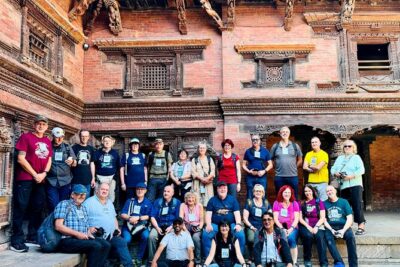
Full Day Top 4 UNESCO Tour with Lunch – Private/Group
Read our review →