Reviewed · TOURS
Shamanism Tour in Nepal – One-to-one Consultation with Sharmans
The unusual thing here is that you are not watching a staged cultural show. You walk from Thamel to a working Shaman temple and healing center, where training, ceremonies, local consultations, and private sessions take place. Guide Siddhartha explains the customs, translates your session, and helps you understand what the Shaman can and cannot do.
I like the chance to observe real ceremonies before your own consultation, and I like the private format. You are not part of a large group being hurried through a performance. The main caution is expectation: the session may last only about 30 minutes, and you may not receive detailed information about your past, present, or future if no negative energy is sensed.
Key points to know before booking
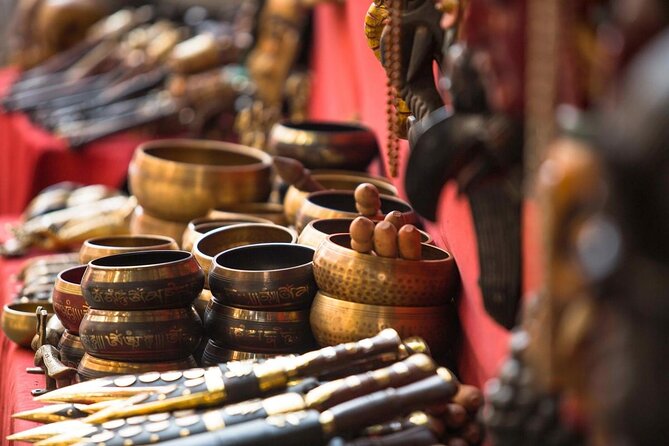
- A working temple near Thamel: The center is within walking distance of Kathmandu’s main tourist district.
- Siddhartha provides context and translation: He explains the beliefs and process before the private session.
- The consultation is personal, but not predictable: Healing, blessing, divination, and discussion of energy may form part of your visit.
- Local ceremonies may be taking place: You might first watch Shamans work with local people.
- The price is $40 per person: Bottled water and a guide are included, but a donation to the healing center is not.
- Come with an open mind: This is best for cultural curiosity and reflection, not a guaranteed fortune-telling service.
Walking from Thamel to a working Shaman center
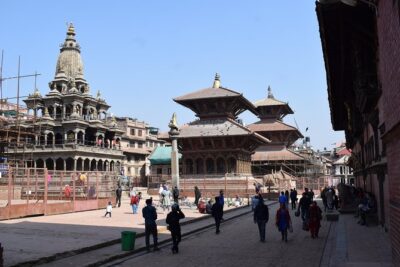
This experience begins at P8F3+WX in Kathmandu, near public transportation and within walking distance of Thamel. That location matters. You do not need to arrange a long drive across the Kathmandu Valley, and the visit fits neatly into a free morning or afternoon.
The building serves two roles. It is a place where Shamans train, and it is also a treatment center for people seeking spiritual consultation and healing. That gives the visit a different feel from a museum display. You may see ceremonies or local consultations underway before your private appointment.
I like this opening because it gives you a little time to adjust. Himalayan Bon Shamanism can seem unfamiliar if your only reference point is Western religion, meditation, or modern therapy. Watching the work first helps you understand the mood, gestures, prayers, and ritual objects before someone turns their attention to you.
You should behave as you would in any active place of worship. Listen to your guide, follow instructions, and avoid treating the ceremony as a photo opportunity unless you are clearly told that photography is acceptable. The supplied information does not promise a particular ceremony on every visit, so think of this as a possibility rather than a fixed part of the program.
More days out in Kathmandu:
- Private Kathmandu Sightseeing Tour | UNESCO World Heritage sites
★ 5.0 · 756 reviews - Half day cooking class in Thamel kathmandu
★ 5.0 · 607 reviews - Nagarkot Sunrise View and Day Hiking from Kathmandu
★ 5.0 · 471 reviews
What Himalayan Bon Shamanism means here
The experience presents Himalayan Bon Shamanism as an ancient spiritual practice and an important part of Nepalese culture. Shamans are described as early psychologists and psychotherapists because their work can involve personal worries, spiritual concerns, energy, and emotional reflection.
That does not mean this is a medical appointment. The consultation is spiritual rather than clinical, and you should not use it in place of qualified medical or mental-health care. The value is in learning how a local tradition understands distress, negative energy, spirits, and healing.
The guide’s introduction is one of the strongest parts of the visit. Siddhartha explains the role of energy and spirit, outlines what the Shaman may do, and translates the conversation. This preparation is especially useful because the session itself may otherwise be hard to follow. It also helps prevent a common mistake: assuming that the Shaman will offer a detailed prediction on demand.
The central practice is divination. The Shaman may assess the energy and spirits around you and then decide what action is appropriate. If negative energy or a harmful spirit is sensed, the session may focus on removing it or restoring balance. If your energy is considered positive, the Shaman may avoid disturbing it.
That point explains some of the mixed expectations around the activity. You might hope for a long reading about your past and future, yet receive a blessing, a ritual, or a short consultation instead. The experience is not a fixed script. Its content depends partly on what the Shaman perceives during the meeting.
Watching ceremonies before your private consultation
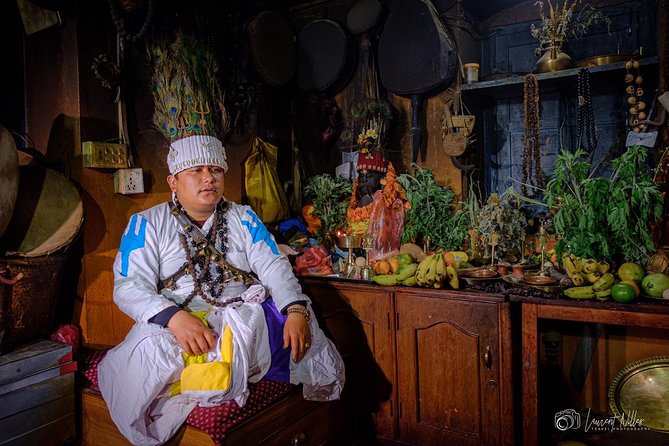
The suggested approach is to first observe how the Shaman consults and heals local people. This is not wasted time. It gives you a chance to see the center functioning before you become the focus of attention.
You might notice that the room feels more like a working spiritual center than a polished tourist attraction. One account describes several ceremonies taking place on the day of the visit, while another describes the setting as distinctly non-touristic. That is appealing if you want to see a less packaged side of Kathmandu.
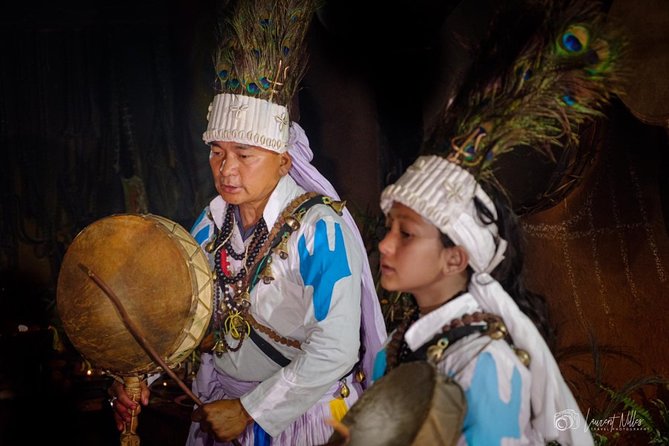
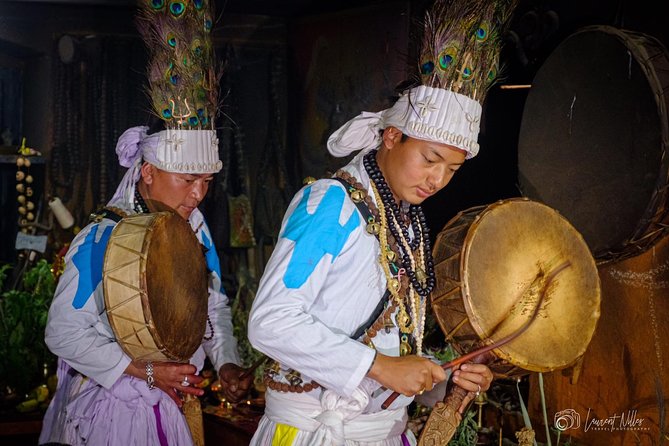
It can also make the experience feel less predictable. A Shaman may not be dressed in the traditional clothing shown in promotional photographs. One session involved a woman in ordinary clothes who still carried out a ritual and blessing with the help of the guide. Clothing, therefore, should not be your measure of whether the encounter is authentic.
I would allow yourself to watch without trying to judge every gesture. Your guide can explain the background, but some parts may remain symbolic or personal. The point is to see a living practice on its own terms, not to force it into the shape of a fortune-telling show.
The one-to-one session and what you may receive
After the introduction and observation period, you meet a Shaman for a private consultation. The activity is sold as one-to-one, and only your own group participates. That privacy is important. You can ask questions through the translator without speaking in front of a large audience.
The session can include spiritual divination, healing techniques, a blessing, meditation, or an attempt to remove negative spirits. A Shaman may also discuss your concerns and use ritual methods to help you reflect on them. The exact mix is not guaranteed.
Some people find the process striking because the Shaman appears to identify personal concerns without much background information. Others may find it too brief or too general. Both reactions are understandable. Your response will depend on your expectations, your beliefs, and how comfortable you are with symbolic spiritual work.
Be especially careful with the promise of learning about your health, past, present, and future. The practical reality is narrower. If the Shaman senses negative energy, that may become the focus. If no negative energy is found, the Shaman may choose not to probe further because disturbing positive energy is considered unhelpful.
This is why I would book the session for cultural understanding and self-reflection, not as a guaranteed answer machine. If you want a clear prediction about a job, relationship, illness, or travel plan, you may come away disappointed. If you want to see how a Himalayan tradition approaches worry and spiritual balance, the session has more to offer.
A completely different kind of day, same corner of Nepal:
- Kathmandu: Full Day 7 UNESCO Tour with Lunch – Private/Group
★ 5.0 · 415 reviews - Kathmandu: Local Women-Led Nepali Cooking & Momo Class
★ 4.9 · 360 reviews - Private Bhaktapur and Nagarkot Day Tour From Kathmandu
★ 5.0 · 305 reviews - Kathmandu: Full Day Top 4 UNESCO Tour with Lunch – Private/Group
★ 5.0 · 269 reviews
The guide makes the difference
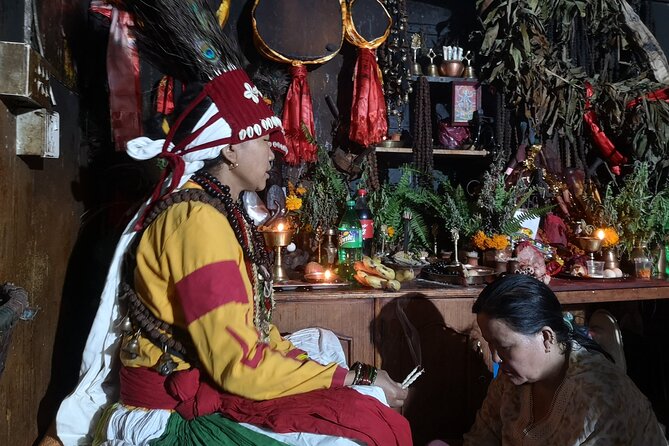
The guide is not just there to lead you across the street. Siddhartha provides the frame that makes the visit understandable. He explains Shamanism before the meeting, prepares you for the customs, translates the consultation, and clarifies the limits of the practice.
That last role is vital. Without interpretation, you might mistake a quiet ritual for an incomplete service or expect a prediction that the Shaman has no intention of giving. The guide can explain why a particular blessing is being performed and what the Shaman is trying to address.
The strongest praise for the experience centers on the guide’s English, patience, and ability to explain a subject that can be difficult to describe. I would pay attention during the introduction and ask questions then. Once the consultation begins, the focus shifts to the Shaman, and you may have less time for broad cultural discussion.
The translation also affects the rhythm of the session. A translated conversation takes longer than a direct one, but it lets you understand what is happening rather than simply watching. That is a fair trade for an experience built around spoken guidance and personal interpretation.
Timing, cost, and what the $40 buys
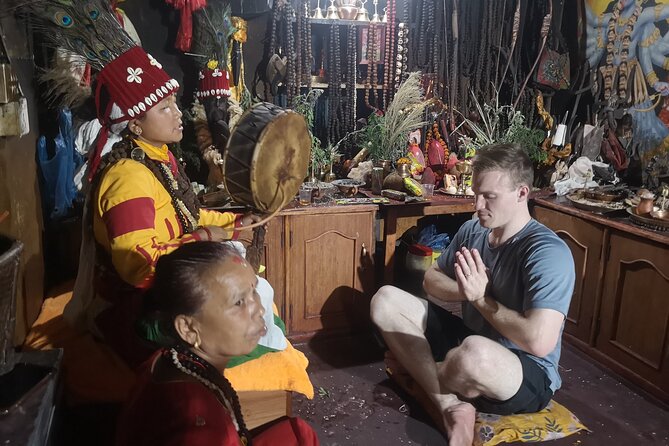
The advertised duration is about one hour to one hour and 30 minutes. In practice, the private consultation itself may be shorter, with the rest of the time used for the walk, explanation, observation, and translation.
At $40 per person, this is not an expensive activity by international standards, but it is not a bargain compared with many simple Kathmandu outings. The price makes the most sense if you value the guide’s preparation and translation, along with access to a working center that would be difficult to approach on your own.
The $40 includes the one-to-one consultation, bottled water, and a guide who translates. It does not include a meal, a donation to the healing center, a tip for the guide, or anything else not specifically listed. Bring a little extra if you want to make a donation, and remember that it is separate from the booking price.
Value depends on your reason for coming. For a visitor curious about Nepalese spirituality, the combination of explanation, observation, and private ritual can justify the cost. If you judge the activity only by the number of minutes in the consultation, it may feel expensive, especially if the Shaman decides that little intervention is needed.
Customs and practical preparation
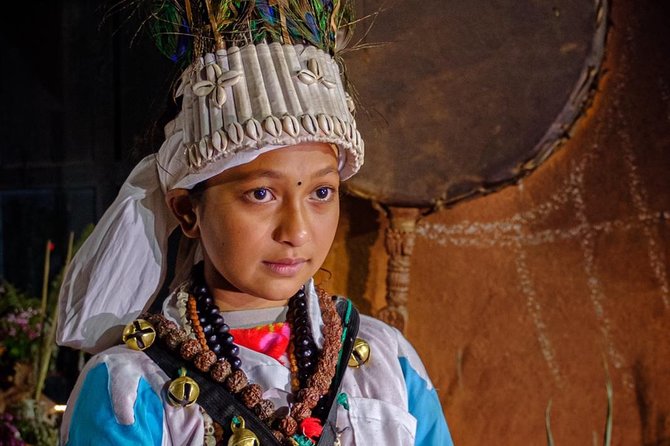
The center suggests bathing before visiting the temple. That is a simple sign of respect and an easy way to prepare. Wear clean, comfortable clothing and approach the place as a religious center rather than a casual attraction.
There is also a specific restriction in the supplied information: women do not visit the Shaman or temple during the first four days of their period. If that applies to you, check your timing before paying because the activity is non-refundable and cannot be changed for any reason.
The meeting point is in Kathmandu, and the activity ends back there. Since the center is within walking distance of Thamel, you can combine it with time in the district, but do not assume the session will end at a different hotel or attraction.
The experience is private, and most people can participate. Confirmation is provided at booking, and the location is near public transportation. Those details make it easy to fit into a Kathmandu schedule, but the fixed cancellation rule means you should book only when your plans are firm.
Who will enjoy this, and who may not
I would recommend this to you if you are curious about living spiritual traditions, enjoy guided cultural encounters, and can listen without needing to accept every belief. It suits people interested in ritual, energy, meditation, local customs, and personal reflection.
It is also a good first-day activity for some visitors. The walk from Thamel is simple, the guide gives a useful cultural introduction, and the experience offers an early look at a side of Nepal that is not found in the usual sightseeing circuit.
You may not enjoy it if you want a polished show, a Shaman in elaborate clothing, or a detailed forecast on every subject. The center may look ordinary, the Shaman may wear everyday clothes, and the session may focus on a blessing rather than a dramatic healing.
I would also avoid treating the activity as a substitute for professional health care. The language of healing and health appears in the description, but the service is spiritual consultation. Keep serious medical and psychological concerns with qualified professionals.
Should you book the Shamanism Tour?
Book it if you want a small, personal encounter with Nepalese spirituality and can accept uncertainty about the outcome. The best parts are the working temple near Thamel, the chance to observe local ceremonies, and Siddhartha’s preparation and translation.
Skip it if you are mainly buying a fortune-telling session or if $40 feels high for an experience that might last only half an hour at the center. Go in clean, on time, and open to a ritual whose purpose may be reflection rather than prediction.
For the right person, this is a memorable cultural stop. It is not a guaranteed cure, a medical consultation, or a stage performance. That distinction is the key to deciding.
FAQ
Where does the Shamanism Tour take place?
The Shaman temple and healing center is in Kathmandu, within walking distance of Thamel. The listed meeting point is P8F3+WX, Kathmandu 44600, Nepal.
How much does the experience cost?
The price is $40 per person. A donation to the healing center and a tip for the guide are not included.
How long does the tour last?
The total activity lasts approximately one hour to one hour and 30 minutes. The private consultation itself may be shorter.
What is included in the price?
The price includes a one-to-one consultation with a Shaman, bottled water, and a guide who provides translation.
Is this a private activity?
Yes. Only your group participates in the private tour and consultation.
Does the guide speak during the consultation?
A guide provides translation and explains the process before the session. Siddhartha is identified as the guide associated with the experience.
Will the Shaman discuss my past, present, and future?
The session may include information about your health, past, present, or future, but this is not guaranteed. The Shaman may focus on negative energy or spirits, and may avoid disturbing positive energy.
Is there anything I should do before visiting the temple?
The center suggests taking a bath before visiting. Women should also note that the stated custom does not allow visits to the Shaman or temple during the first four days of their period.
Can I cancel or change the booking?
No. The experience is non-refundable and cannot be changed for any reason.
Just added around Kathmandu
- Traditional Momo Making Class★ 5.0 · 10 reviews
- Women Empowerment Project(Nepali cooking class & jewelry workshop★ 5.0 · 15 reviews
- Manthali Airport (Ramechhap) To Kathmandu – Transport Service★ 4.5 · 11 reviews
- Amazing 1 Day Trekking Experience in Kathmandu Nepal★ 5.0 · 24 reviews
- Walking tour of Kathmandu with awesome local guides★ 5.0 · 4 reviews
- Walking tour of real Kathmandu through back streets.★ 5.0 · 3 reviews
- Private Manaslu Circuit Trek at Himalayas★ 5.0 · 3 reviews
- Walking Street Food Tour in Kathmandu★ 5.0 · 111 reviews
Tours, compared.
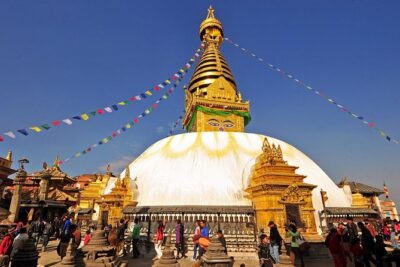
Private Kathmandu Sightseeing Tour | UNESCO World Heritage sites
Read our review →
Everest Base Camp Helicopter Tour landing at Everest View Hotel
Read our review →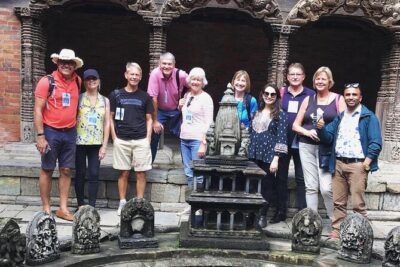
Full Day 7 UNESCO Tour with Lunch – Private/Group
Read our review →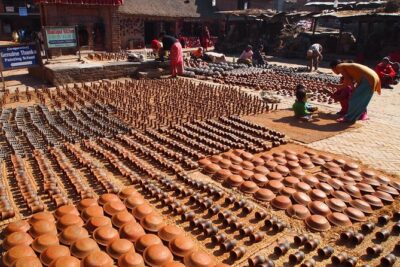
Private Bhaktapur and Nagarkot Day Tour From Kathmandu
Read our review →
Full Day Top 4 UNESCO Tour with Lunch – Private/Group
Read our review →