
Reviewed · LUNCH EXPERIENCES
Kathmandu: Pharping, Dakshinkali and Chobhar Tour with Lunch
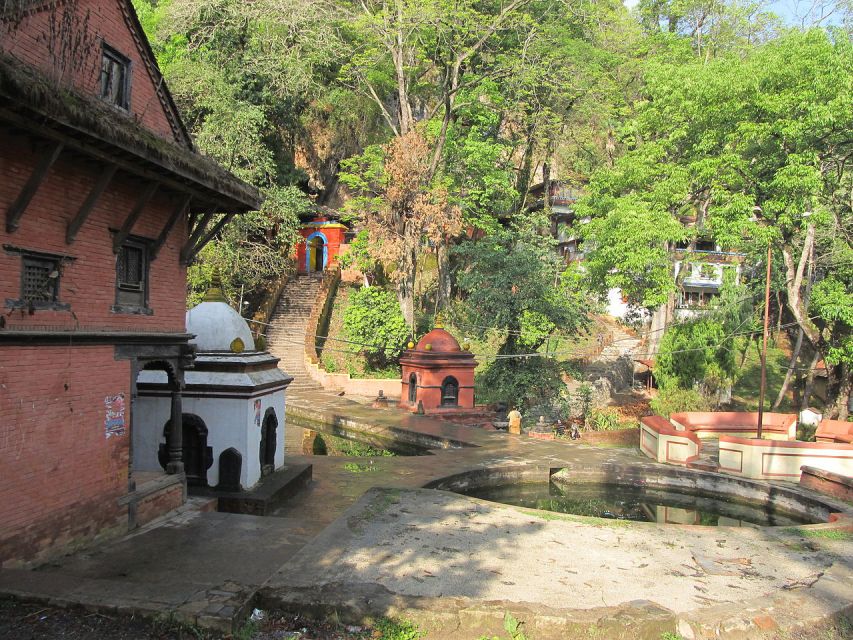
Pharping gives you a close look at Nepal’s two great religious traditions in one compact outing. You move from Buddhist meditation caves and monasteries to Hindu shrines, then finish beside a lake and the dramatic Chobhar Gorge where Kathmandu Valley’s ancient waters are said to have escaped. The mix feels more personal than another city temple circuit.
I like the range of the day, especially Asura Cave and the chance to climb toward prayer flags above Pharping. I also like the private format, which lets you spend more time at a peaceful shrine or adjust the route when a site is closed. The main caution is that the schedule can be too ambitious, and access to caves or temples may change without warning.
Key points to know before you book
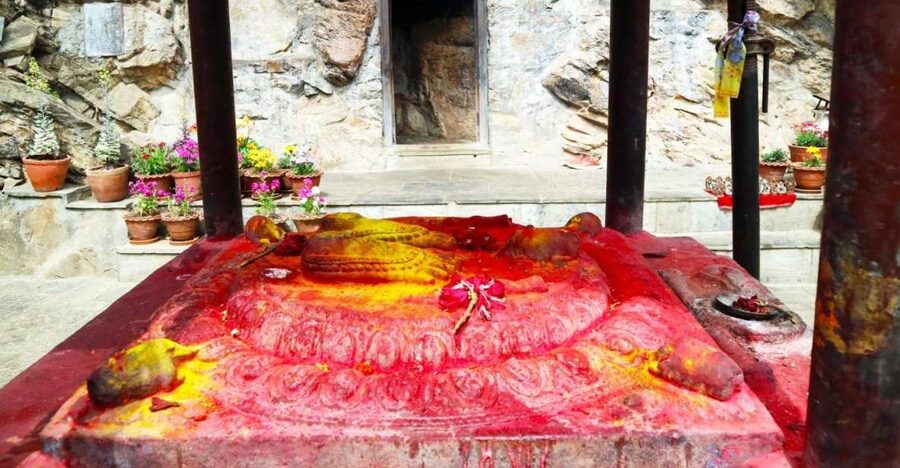
- Asura Cave anchors the Pharping visit: This sacred Buddhist site is linked with Guru Rinpoche and requires walking and stairs.
- Hindu and Buddhist sites share the route: Vajrayogini, Shesnarayan, Gorakhnath, and Dakshinkali each offer a different religious setting.
- Dakshinkali can be confronting: Blood offerings and the temple’s bloody river may upset some people.
- Taudaha Lake and Chobhar add breathing room: The final stops shift the day from worship to birds, water, geology, and local legend.
- A private vehicle makes the route easier: Hotel pickup, lunch, entrance fees, and an English or Japanese guide are included.
- The plan needs flexibility: Closures, traffic, and a short six-hour window can change the order or remove stops.
Why Pharping makes a strong escape from Kathmandu
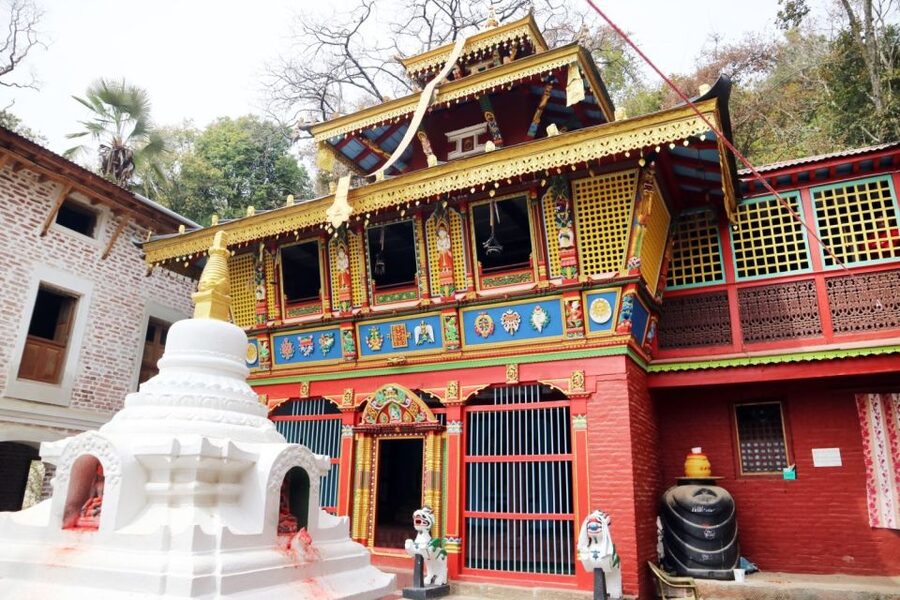
Pharping lies about 19 kilometers south of Kathmandu, roughly an hour by road depending on traffic. It is a pilgrimage center for both Hindus and Buddhists, but it does not feel like a single-purpose religious stop. The town and nearby hills gather caves, temples, monasteries, prayer flags, and small shrines in a relatively tight area.
That makes this a good choice if you want to get beyond Kathmandu’s main sightseeing loop without committing to a long mountain excursion. You will not spend the day on a major hike, but you should still expect stairs, uneven ground, and walking between nearby sites.
The private format matters here. You can ask your guide to explain ritual details, pause for photographs, or spend a little longer in quiet places. Rajat received particular praise for giving useful facts, answering questions, and keeping the mood friendly. Guides can vary, but the tour is offered in English or Japanese.
At $83 per person, the cost is reasonable if you value a private vehicle, hotel transport, a guide, lunch, and entrance fees. It is less attractive if you expect a long, leisurely day with every listed site open. One past outing ended after about five and a half hours, while another was shortened when access changed. Think of the price as paying for convenience and local explanation, not a guarantee of a fixed number of minutes at every stop.
More Tours with Lunch in Kathmandu:
- Kathmandu: Full Day 7 UNESCO Tour with Lunch – Private/Group
★ 5.0 · 415 reviews - Kathmandu: Full Day Top 4 UNESCO Tour with Lunch – Private/Group
★ 5.0 · 269 reviews - Kathmandu: Full-Day 7 UNESCO Tour with Lunch – Private/Group
★ 4.9 · 247 reviews
Asura Cave and the climb above Pharping
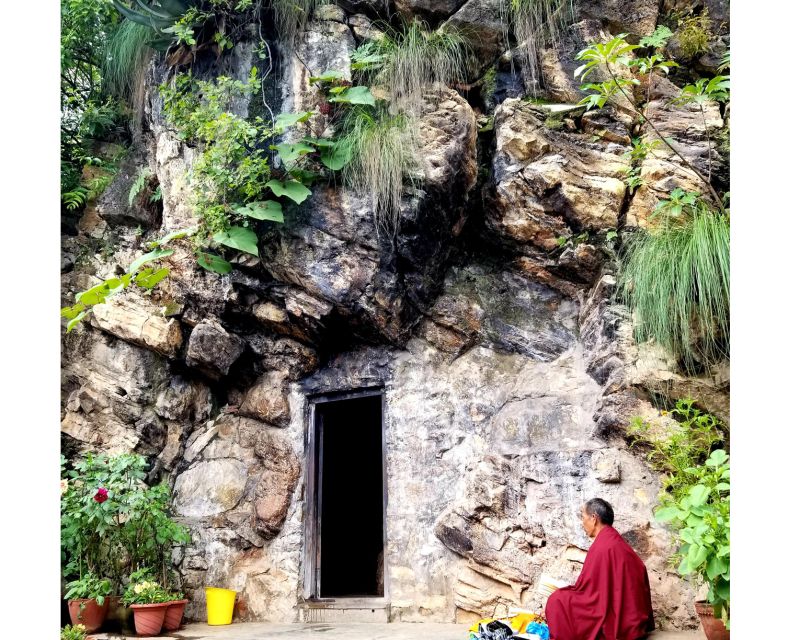
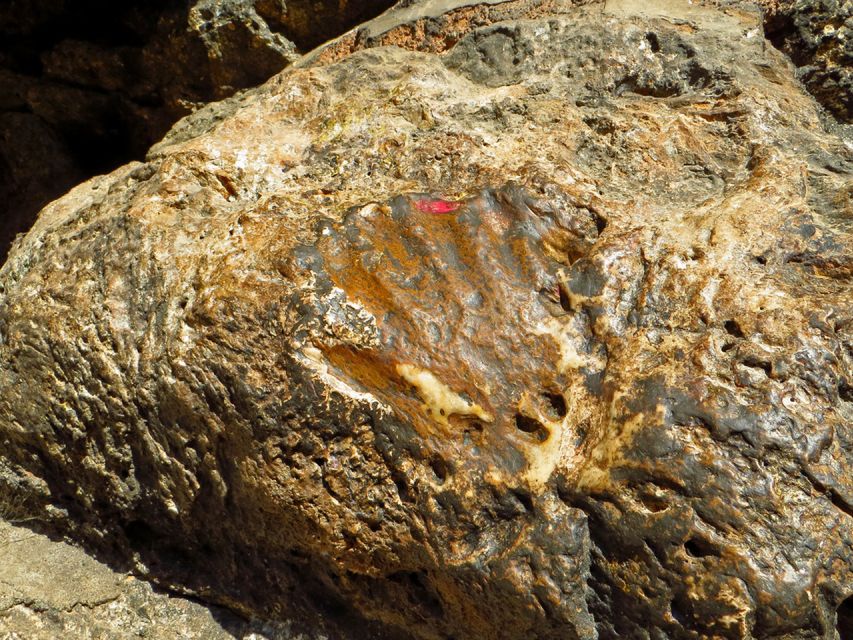
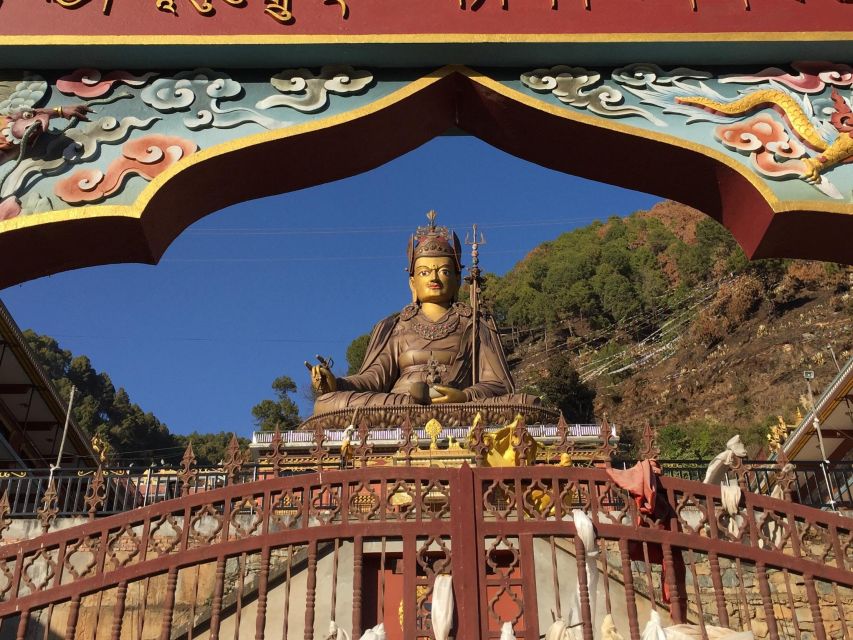
The Asura Cave is the spiritual heart of the trip for many people. Buddhist tradition connects it with Guru Rinpoche, also known as Padmasambhava, who is said to have meditated here and reached enlightenment. The setting is not a grand monument. Its power comes from the cave’s religious meaning, its compact scale, and the sense that this remains a place of prayer rather than a polished museum.
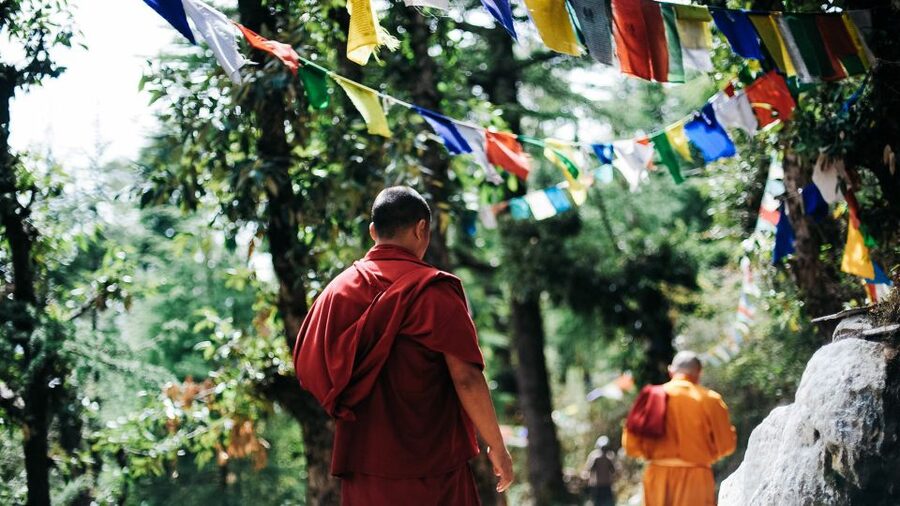
You may see prayer flags and a steady flow of people making offerings or sitting in quiet reflection. One useful tip is to continue climbing toward the upper part of the hill if your legs allow it. The route offers prayer flags and access to a Hindu temple, giving you a striking example of how Buddhist and Hindu traditions overlap in the Pharping area.
Wear shoes with a firm sole. Open-toed shoes are not allowed, and the combination of stairs, stone surfaces, and hill paths makes comfortable footwear essential. Bring a hat, sunglasses, and sunscreen, since some parts of the walk may be exposed.
Access is the key uncertainty. A cave or monastery may be closed on the day of your visit, and one part of the experience has previously been viewable only from outside. Your guide can still explain the site and adjust the route, but you should not book this expecting guaranteed interior access to every sacred place.
Vajrayogini, Shesnarayan, and Gorakhnath
The nearby temples create the most varied part of the morning. Vajrayogini is associated with Buddhist practice, while Shesnarayan is one of the four Narayana temples of Kathmandu Valley. The Shesnarayan complex is linked with the Licchavi period and the reign of King Vishnugupta, giving your guide a chance to explain how old Hindu worship in the valley reaches back many centuries.
Shesnarayan is a useful contrast to Asura Cave. Instead of a cave shrine centered on meditation, you see an ancient Hindu temple setting with its own rituals, images, and architectural character. Allow about half an hour here if the planned timing holds, though temple access may affect the pace.
Gorakhnath adds another layer. The name is associated with Guru Gorakhnath and the Nath yogic tradition. The supplied description also places a famous Gorakhnath temple in Gorakhpur, India, but on this Kathmandu-area outing you should ask your guide to clarify the local shrine and its connection to the wider tradition. That distinction matters because the itinerary wording is not perfectly precise.
These stops are not interchangeable photo points. I like them because they show how a small area can hold different forms of worship side by side. Give yourself time to watch respectfully, keep your voice low, and follow your guide’s advice about where photography is appropriate.
Dakshinkali and the difficult side of devotion
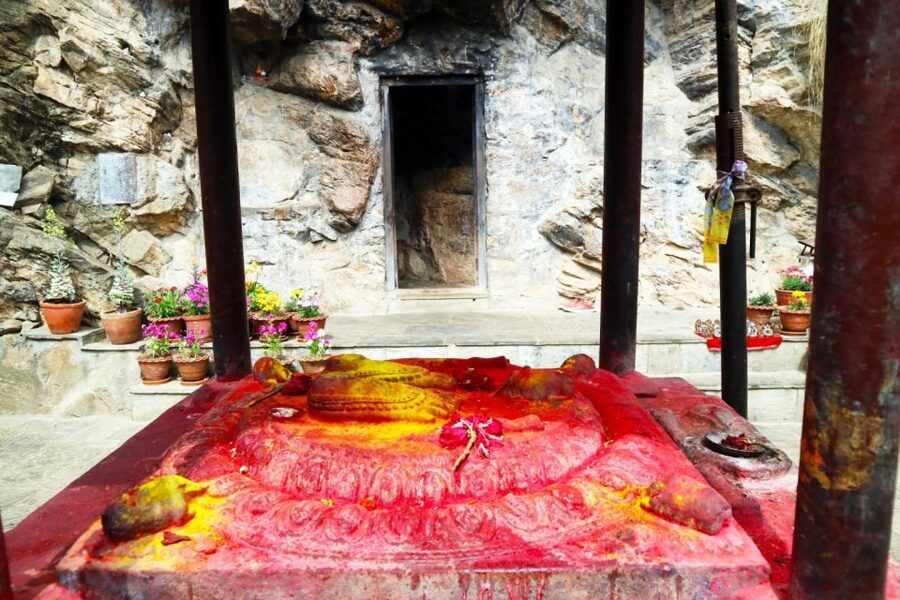
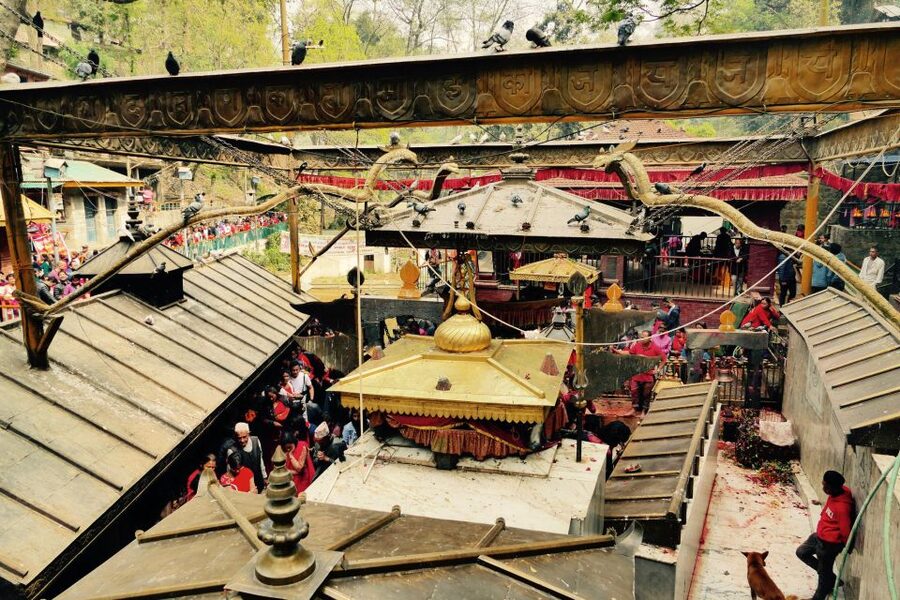
Dakshinkali Temple sits about 22 kilometers from Kathmandu and roughly one kilometer outside Pharping. It is dedicated to Kali, a powerful Hindu goddess, and is one of Nepal’s major temples to her. The temple is active, not simply a historic building set aside for sightseeing.
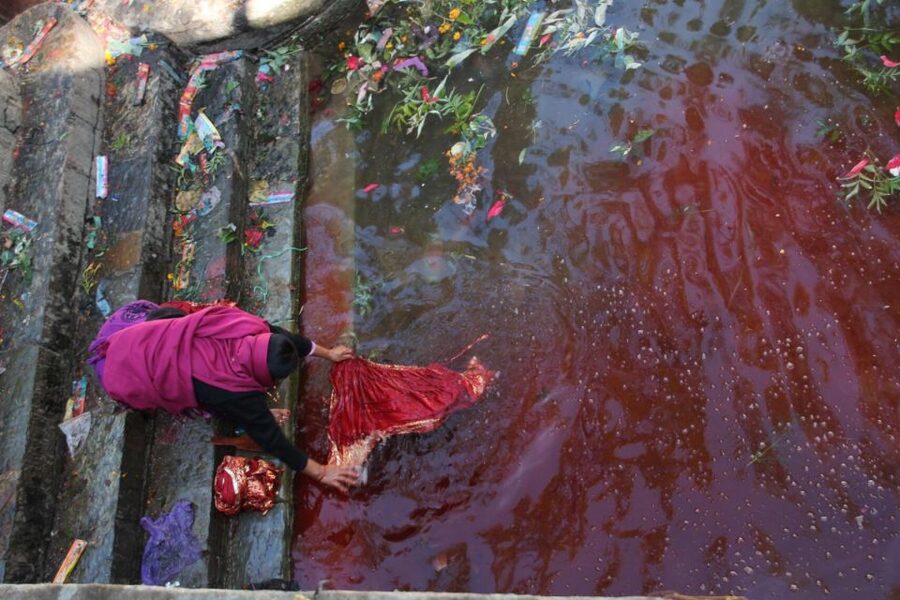
This is where you need to know what you are walking into. Animal sacrifice is associated with the temple, and the bloody river mentioned in the tour information can be distressing. If you are sensitive to blood, ritual sacrifice, or crowded worship areas, speak with your guide before arriving and decide how close you want to get.
The difficult imagery is also part of the site’s reality. I would not treat Dakshinkali as a quick stop for a dramatic photograph. Watch quietly, dress respectfully, and remember that people are there for religious reasons. The guide’s role is especially valuable here, since context can help you understand what you are seeing without reducing it to spectacle.
The plan allows about an hour and a half at the temple and surrounding area, followed by lunch. In practice, timing can shift with traffic, worship activity, and the condition of other stops. The tour includes lunch, and one particularly positive account described a tasty meal served on a pleasant rooftop. The exact restaurant is not specified, so do not assume a particular menu or setting, but lunch is a useful break after the morning’s walking.
More days out in Kathmandu:
- Private Kathmandu Sightseeing Tour | UNESCO World Heritage sites
★ 5.0 · 756 reviews - Half day cooking class in Thamel kathmandu
★ 5.0 · 607 reviews - Nagarkot Sunrise View and Day Hiking from Kathmandu
★ 5.0 · 471 reviews - Kathmandu: Local Women-Led Nepali Cooking & Momo Class
★ 4.9 · 360 reviews
Taudaha Lake, Kathmandu Valley’s natural pause
After the temples, Taudaha Lake changes the tone of the day. It is described as the largest natural lake in Kathmandu Valley and is known as a recreation area and bird sanctuary. You get a chance to slow down, look across the water, and take a break from shrines, stairs, and traffic.
This stop may appeal most if you enjoy ordinary local places rather than headline monuments. The lake is not presented as a major wilderness excursion. Its value lies in the quiet contrast and in seeing a different part of the valley’s environment.
Plan for about an hour here in the suggested schedule, although the whole route has enough timing pressure that your actual visit may be shorter. If birds are important to you, bring patience rather than expecting a formal wildlife experience. The tour information identifies the lake as a bird sanctuary, but it does not promise particular species or birding equipment.
Taudaha also helps the day feel balanced. Without it, the route would be almost entirely temples and caves. With it, you get a little open space before the final geological and cultural stop at Chobhar.
Chobhar Gorge and the story beneath Kathmandu
Chobhar Gorge, also written Chobar, is tied to one of Kathmandu Valley’s best-known origin stories. The valley was once said to be a lake. The bodhisattva Manjushri cut through the gorge, allowing the water to drain and leaving land where people could settle.
You can treat that as both legend and a way to understand the valley’s shape. The gorge represents the point where water escaped the basin, and nearby caves add another reason to visit. The area gives you a mix of geology, religious story, and views rather than a single monument to enter.
Here, too, access can change. A cave has been closed at times, and a monument shown in older promotional imagery has not always been reachable. If your guide asks you to view a site from outside or through a gate, that may reflect current conditions rather than poor planning. Still, outdated images can create false expectations, so I would book this tour for the wider Chobhar area and gorge, not for one guaranteed cave interior.
The stop is usually short by the clock, but it can be a satisfying finish. You have moved from the valley’s spiritual practices to the story of how the valley itself came to exist.
A six-hour route that needs room to breathe
The published schedule begins with a 10:00 AM pickup in Kathmandu and aims to return around 4:00 PM. The route includes Pharping, the nearby temples, Dakshinkali, lunch, Taudaha Lake, and Chobhar. That is a lot for six hours.
The stated timing also contains overlaps and inconsistencies. For example, the suggested arrival and departure times for several stops leave little room for driving, walking, or lunch. In real life, Kathmandu traffic can stretch the road time, and a closed cave or temple may lead your guide to swap in another place.
This is not necessarily a flaw in a private tour. Flexibility can work in your favor. One outing changed its afternoon plan and went to Patan instead, including Mahabuddha, Durbar Square, the Golden Temple, and the Kumari Temple, because Chobhar access had changed. That alternative also required paying an additional monument entrance fee, so ask clearly before accepting a replacement route.
I would set your priority list at the start: Asura Cave, Dakshinkali, Taudaha, or Chobhar. That helps the guide protect the places you care about most. If you want every stop in a relaxed fashion, a longer custom day would make more sense than this fixed six-hour plan.
Transport, lunch, and what the $83 covers
The tour includes pickup and drop-off at hotels inside Kathmandu’s ring road, a private vehicle, an expert guide, lunch, and entrance fees. Hotels outside the ring road require an additional charge. Be ready in the lobby five minutes before pickup, since a private route still depends on a workable departure.
The private vehicle is a real advantage. You avoid organizing several local rides between scattered sites, and you can discuss changes with one guide rather than a large group. One account specifically praised the driver’s safe handling, while another raised concerns about driving behavior. Standards can vary, so pay attention to how the day is managed and speak up if you feel uncomfortable.
The $83 price makes sense for someone who wants door-to-door transport and a guide who can explain both religions and local stories. It is harder to justify if most stops are closed, the tour finishes early, or you mainly want independent sightseeing. The included meal and entrance fees reduce small expenses, but extra monument fees are not included if the route changes.
You can cancel up to 24 hours ahead for a full refund, and you can reserve now and pay later. Those terms help if your Kathmandu plans are still shifting.
Who should book this Pharping day trip?
I would choose this tour if you want a private introduction to the southern Kathmandu Valley and like mixing culture, faith, nature, and local legend. It suits first-time visitors who want a guide to explain what they are seeing, as well as repeat visitors looking for something beyond the central city.
It is also a good match for people who enjoy quiet religious sites and do not mind modest facilities or changing access. The positive experiences focused on friendly guidance, useful explanations, peaceful caves and monasteries, and the chance to share a meal while talking with the guide.
I would hesitate if you have serious back or heart problems, kidney problems, or limited mobility. The tour is not suitable for wheelchair users, people over 100 kilograms, or anyone over 95 years old according to the stated restrictions. The stairs and walking around Pharping also deserve attention.
Most of all, decide how you feel about Dakshinkali before booking. If the temple’s blood offerings may upset you, ask whether you can spend less time there or substitute another stop. Pets, weapons, sharp objects, smoking in the vehicle, alcohol, drugs, baby strollers, and open-toed shoes are not allowed.
Should you book it?
Book this tour if you want a convenient, private day centered on Pharping’s Buddhist caves, Hindu temples, and valley scenery, and you can accept a flexible schedule. The best moments are likely to come from the atmosphere and explanations, not from ticking every stop off a list.
Skip it, or request a custom version, if you need guaranteed cave access, a fixed eight-hour day, or a slow visit at every site. Before departure, confirm which temples are open, what lunch includes, and what happens if Chobhar access has changed. With those expectations in place, the tour offers a thoughtful way to see a less familiar side of Kathmandu.
FAQ
How long is the tour?
The stated duration is six hours, with a planned departure from Kathmandu around 10:00 AM and return around 4:00 PM. Traffic, walking time, and site access can change the schedule.
Where does pickup take place?
Pickup is provided from hotels inside Kathmandu city ring road. An additional charge applies for hotels outside the ring road.
Is the tour private?
Yes. The experience is arranged as a private group tour.
Which languages are available?
The live guide is available in English or Japanese.
Is lunch included?
Yes. Lunch is included in the tour price. The exact restaurant and menu are not specified.
Are entrance fees included?
Entrance fees are included for the planned route. Fees for extra monuments are not included if the itinerary changes.
Can I visit the Asura Cave?
The tour is designed to include Asura Cave, but access can change. Caves or nearby religious sites may be closed, so your guide may explain the site from outside or adjust the route.
Is Dakshinkali suitable for everyone?
Dakshinkali may be distressing because of blood offerings and the bloody river associated with the temple. Consider this before booking and ask your guide about spending less time there if needed.
What should I bring?
Bring comfortable closed shoes, sunglasses, a sun hat, and sunscreen. Smoking, alcohol, drugs, pets, weapons, sharp objects, baby strollers, and open-toed shoes are not allowed.
Just added around Kathmandu
- Traditional Momo Making Class★ 5.0 · 10 reviews
- Women Empowerment Project(Nepali cooking class & jewelry workshop★ 5.0 · 15 reviews
- Manthali Airport (Ramechhap) To Kathmandu – Transport Service★ 4.5 · 11 reviews
- Amazing 1 Day Trekking Experience in Kathmandu Nepal★ 5.0 · 24 reviews
- Walking tour of Kathmandu with awesome local guides★ 5.0 · 4 reviews
- Walking tour of real Kathmandu through back streets.★ 5.0 · 3 reviews
- Private Manaslu Circuit Trek at Himalayas★ 5.0 · 3 reviews
- Walking Street Food Tour in Kathmandu★ 5.0 · 111 reviews
Lunch Experiences, compared.
Full Day 7 UNESCO Tour with Lunch – Private/Group
Read our review →
Full Day Top 4 UNESCO Tour with Lunch – Private/Group
Read our review →Full-Day 7 UNESCO Tour with Lunch – Private/Group
Read our review →
Nagarkot Sunrise & Hike with Lunch -Private/Group
Read our review →Full Day 7 UNESCO Tour with Lunch – Private/Group
Read our review →
Full Day Private Top 4 UNESCO Heritage Tour W/Lunch.
Read our review →Browse the lists this tour appears in