
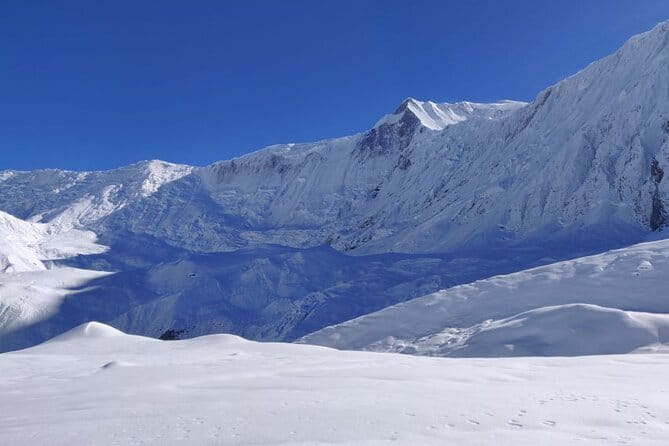
Reviewed · ANNAPURNA BASE CAMP TREKS
Annapurna Base Camp 7 Days Trek from Pokhara
Annapurna Base Camp is the prize here, but the route earns its keep long before you reach 4,130 meters. You’ll move from Gurung villages and terraced hills into rhododendron forest, then into the high, enclosed Annapurna Sanctuary with Machhapuchare and Annapurna South rising above you. I like the strong mix of mountain scenery and local culture, especially Ghandruk’s museums, homes, and wide views.
I also like that the $435 price covers the guide, permits, TIMS card, guesthouse stays, and transport from Pokhara. Guides named Ram and Krishna receive especially warm praise for being helpful and easy to travel with. The main caution is the pace: several days call for about six or seven hours of walking, and the climb to base camp gains serious height quickly.
Key things to know before you book
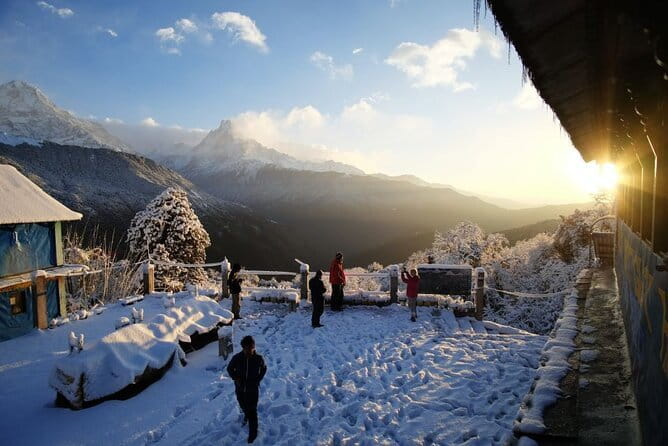
- 4,130-meter Annapurna Base Camp: Reach the bowl-shaped sanctuary beneath Annapurna I and the surrounding peaks.
- Ghandruk’s Gurung culture: Start among traditional villages, local customs, museums, and broad Himalayan views.
- Seven active trekking days: Expect long walking days, steep steps, forest paths, and a high-altitude overnight section.
- Private walking trip, shared road transport: Your trek is for your group, but the road transfers use sharing buses or jeeps.
- A practical $435 package: Permits, guide, lodging, and round-trip transport are included, while personal spending and gratuities are not.
- Flexible guide assignment: Ram and Krishna are names associated with highly praised guiding on this route, so ask if either is available.
Why Annapurna Base Camp is worth seven days
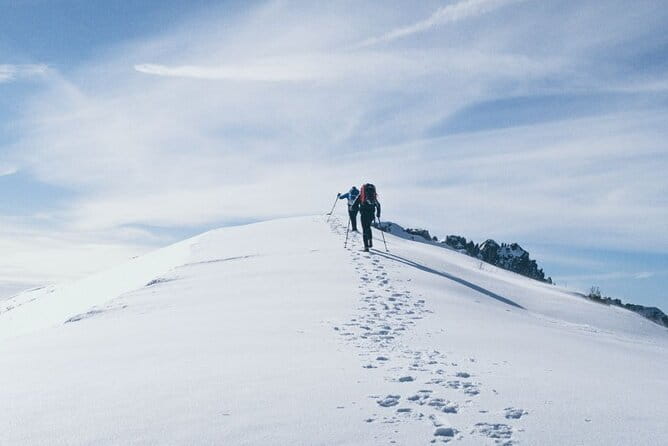
This trek gives you a satisfying change of scenery without requiring a long expedition. You begin near Pokhara among warm-weather vegetation and cultivated hills. By the time you reach the sanctuary, the air is cooler, the trail is more rugged, and the mountains fill the horizon.
The route is especially good for you if a single mountain view is not enough. You’ll pass through the Gurung and Magar communities, walk beside the Modi River, cross suspension bridges, and follow trails through bamboo and rhododendron forest. The people, paths, and changing vegetation give the walk a sense of movement and purpose.
The destination is Annapurna Base Camp at 4,130 meters. From there, the peaks circle the sanctuary, with Annapurna I, Annapurna South, Hiunchuli, Machhapuchare, Gangapurna, and Annapurna III among the major names connected with the route. Clear weather is never guaranteed, but the setting is built for memorable mountain views.
The seven-day schedule is efficient. It gets you to the base camp and back to Pokhara without adding extra rest days. That efficiency is also the weak point. You have limited spare time if you feel tired, the weather turns poor, or your body needs a slower adjustment to altitude.
More Annapurna Base Camp treks:
- Annapurna base camp trek 5 Days
★ 5.0 · 252 reviews - Annapurna Base Camp Trek
★ 5.0 · 111 reviews - Kathmandu to Annapurna Base Camp (ABC) 5-Day Trek
★ 5.0 · 102 reviews
Day 1: Pokhara to Ghandruk by rough mountain road
Your first day combines driving and walking. From Pokhara, the route heads toward Nayapul and Birethati, then continues on an unpaved road toward Kyu Mi Danda and Ghandruk by sharing jeep. The total day is listed at about seven hours, though the exact balance between road time and walking will depend on the starting point and road conditions.
Ghandruk is one of the most rewarding stops on the route. It is a large Gurung village with local customs, museums, traditional life, and mountain views. From here, you can see Annapurna South, Hiunchuli, Machhapuchare, Gangapurna, and Annapurna III when the sky is clear.
I like beginning here because it gives you cultural context before the trail becomes more remote. You are not simply walking toward a mountain. You are starting in a living hill community, where the architecture, clothing, and daily routines help explain the human side of the Annapurna region.
The road is the part to prepare for. Unpaved mountain routes can be rough, and shared transport means you may not have the same control over departure times as you would in a fully private vehicle. The tradeoff is that the jeep cuts out a longer approach and lets you begin the trek closer to Ghandruk.
Day 2: Ghandruk through Chhomrong to Upper Sinuwa
Day two is a serious walking day, listed at about seven hours excluding lunch and tea breaks. You leave Ghandruk and cross varied terrain around Kimrung Danda and the Kimrung River before reaching Chhomrong and then Upper Sinuwa.
This section gives you the classic middle-hill experience: forest, stone paths, village life, and changing views of the Annapurna range. Chhomrong is an important point on the route, and the path here is not a flat stroll. Expect repeated climbs and descents, with steps and slopes that test your legs.
The scenery changes often enough to keep the day interesting. You move through vegetation and Gurung settlements rather than spending the whole day in a single forest. I would treat the lunch and tea pauses as part of the plan, not as wasted time. A steady pace matters more than trying to win the morning.
Upper Sinuwa is your practical base for the night. The lodging is in a guesthouse, and comfort is simple rather than polished. The package covers accommodation, but you should budget separately for personal expenses, including any extra food, drinks, or services you choose to buy.
Day 3: Bamboo, Dovan, and the road toward the sanctuary
The third day follows the trail farther uphill through Bamboo and Dovan toward the Annapurna Sanctuary. It is described as another roughly seven-hour day. Much of the route runs through bamboo and rhododendron forest, with the Modi River valley providing a scenic thread below.
This is one of the prettiest sections of the trek, but it can feel enclosed. Trees may block the wider mountain views for stretches, so do not judge the whole experience by what you see in the forest. The reward comes from the rising terrain, cooler air, and the sense that you are entering a much higher mountain world.
The trail is winding and steadily uphill. You’ll want good footwear and a walking rhythm that leaves some strength for the following day. The itinerary places Annapurna Base Camp as the day’s stop, then describes the higher ascent in detail on day four, so confirm the exact overnight arrangement with the operator before departure. The supplied schedule clearly includes the sanctuary approach, but the night-by-night timing may be handled slightly differently in practice.
That small scheduling point matters because altitude is not a detail to brush aside. The route reaches 3,900 meters at Machhapuchare Base Camp and 4,130 meters at Annapurna Base Camp. A guide can help with pace and trail decisions, but you remain responsible for telling the guide if you feel unwell.
A few more Annapurna Region days to weigh up
- Pokhara: 7 Day Annapurna Base Camp Trek
★ 4.9 · 38 reviews - Annapurna Base Camp Trek from Pokhara 7 Days
★ 5.0 · 19 reviews - 7-Day Trek to Annapurna Base Camp from Pokhara
★ 5.0 · 12 reviews - Pokhara: 7-Day Annapurna Base Camp Trek & Natural Hot Spring
★ 5.0 · 11 reviews
Day 4: Machhapuchare Base Camp and Annapurna Base Camp
The high point of the trek comes through Machhapuchare Base Camp, often called MBC, at about 3,900 meters. From there, the trail climbs roughly 730 meters toward Annapurna Base Camp, with the day listed at about six hours.
Machhapuchare, or Fishtail, is the star of the approach. The trail passes beneath its North Face before continuing into the Annapurna Sanctuary. The setting opens into a broad mountain bowl, with grassy higher ground, glacial surroundings, and peaks circling the route.
At Annapurna Base Camp, you reach 4,130 meters beneath the Annapurna massif. This is the moment the whole route has been building toward. The scale is hard to judge from photographs: the sanctuary brings the mountains close, and the enclosed setting makes the views feel more immediate than a distant Himalayan lookout.
The ascent is not technically described as a climb requiring ropes or special equipment, but the altitude makes it demanding. Six hours can feel long when each step is slower and the air is thinner. Keep your expectations sensible. Clear skies can produce superb views, while cloud may limit what you see.
This is also the point where the tight seven-day schedule deserves a second look. You gain altitude quickly over several days and have little room for a delayed start or slow recovery. If you have limited trekking experience, discuss the pace with the guide before setting out.
Day 5: A long descent from the base camp to Bamboo
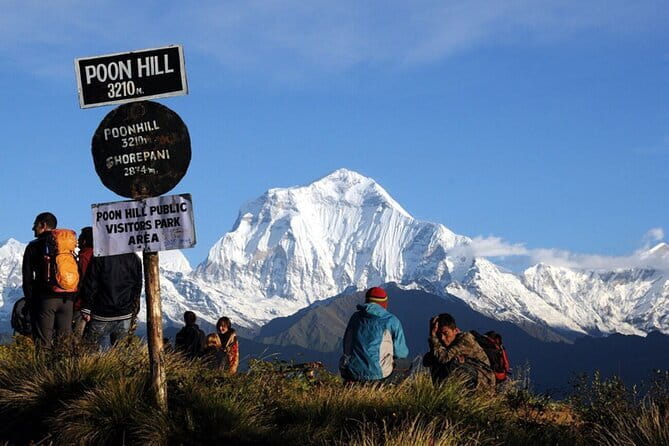
After the high point, you retrace the trail downhill through Deurali, Himalaya, and Dovan to Bamboo. The walking time is about six hours. The route is easier in terms of breathing as you lose height, but downhill walking can be hard on knees and ankles.
The forest returns as you descend below the open sanctuary. You’ll pass through the same broad route in reverse, but it will not feel identical. The light, weather, and direction change the views, and the descent gives you time to notice the river valley and forest details you may have missed while climbing.
The trail includes some ups and downs, so do not assume every step is downhill. Careful foot placement matters, especially if the path is wet. The plan mentions a warm shower at Bamboo, a welcome comfort after the high section. Guesthouse facilities remain basic, but that shower can feel like a luxury after a mountain day.
This is a good night to protect your energy. Eat, drink, and rest rather than treating the lower altitude as permission to push yourself into another long evening. The trip is not finished yet, and day six still includes a steep section.
Day 6: Chomrong and Jhinu Danda
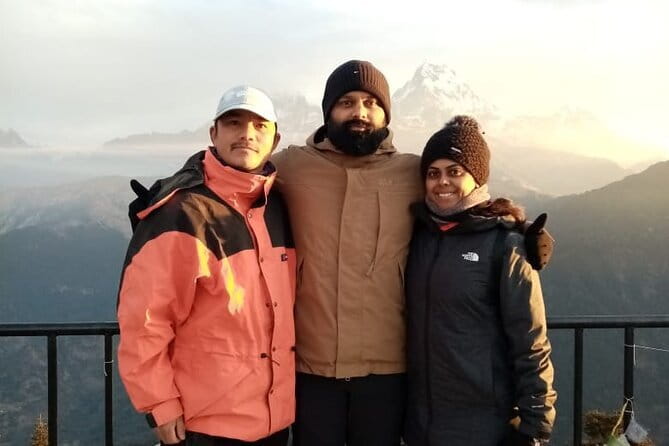
Day six covers about six hours and brings you to Jhinu Danda. From Bamboo, the route climbs briefly toward Khuldighar, then descends through forest to Sinuwa Danda. You continue down to Chhomrong Khola, cross the bridge, and climb back toward Chhomrong village for lunch.
That pattern of down, across, and up is typical of Himalayan trails. The valley crossing does not mean the hard work is over. After Chhomrong, another short climb takes you over the ridge, followed by a downhill finish to Jhinu Danda.
Chhomrong gives you another chance to see village life and take a proper meal break. Jhinu Danda is a fitting final overnight stop because you are back in a warmer, lower setting after the base camp section. The day still has enough climbing to make it a genuine trekking day, not just a gentle walk out.
If you are hoping for a leisurely final afternoon, keep expectations modest. The itinerary focuses on reaching Jhinu Danda, and the route’s repeated stair sections can take longer than the distance suggests. Your guide can help set a pace that preserves your legs for the final road transfer.
Day 7: Suspension bridge, jeep, and Pokhara Lakeside
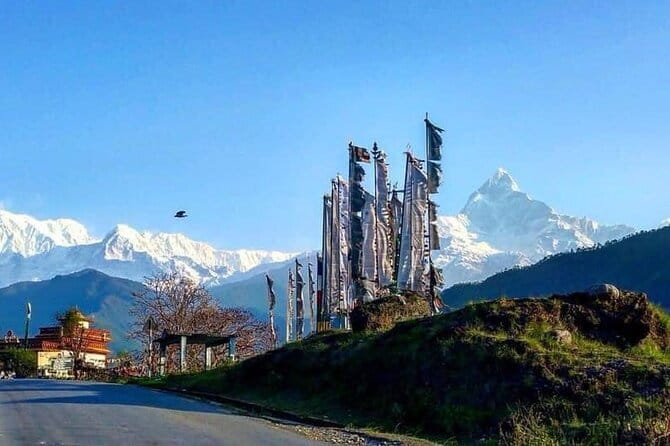
The final day begins with a short downhill walk and a long suspension bridge crossing to Samrung Khola. From there, you catch a local jeep for the drive back to Pokhara, listed at about four hours, with the overall day described as roughly five hours.
The road passes through Kimrung village, Syauli Bazaar, Birethati, Nayapul, Kande, and Naudanda before reaching Pokhara. This is not a quick airport-style transfer. Mountain roads take time, and local jeep conditions may be more functional than comfortable.
Still, the journey gives you a final look at the foothills and settlements you have crossed by foot. Returning to Pokhara Lakeside marks a clear change from guesthouses and forest paths to cafés, hotels, and the city’s lakeside setting.
The shared road transfer is worth clarifying before you book. The activity itself is private, meaning only your group participates in the trek, but the round-trip road transport is described as shared bus or jeep. That combination can offer better value, though it gives you less control than a private vehicle.
What the $435 price really covers
At $435 per person, the package is priced as a practical, guided trek rather than a luxury mountain holiday. The included items are important:
- Hotel pickup and drop-off
- Round-trip transfer by sharing bus or jeep
- Trekking permit
- TIMS card
- English-speaking trekking guide
- Guesthouse accommodation
- A private trekking activity for your group
The permit and TIMS card are not glamorous, but they are essential pieces of a properly arranged trek. Having them handled for you saves time in Pokhara and reduces the chance of arriving at the trailhead without the required paperwork.
The guide is the biggest value item. A guide helps with route direction, daily pace, local communication, and practical decisions when conditions change. Ram and Krishna are both names to ask about, since they are praised for helpful, friendly service and strong support on the trail.
The price does not include personal expenses or gratuities. Bring a separate spending allowance for items not covered by the package. The supplied information does not give a meal plan, so ask exactly what food and drinks are included before you pay.
Who should book this trek
I would recommend this trip to you if you want a focused Himalayan trek from Pokhara and can comfortably handle six or seven hours of walking on several consecutive days. It suits people who value mountain views, village culture, and a guide-led route more than private transport or high-end lodging.
It is also a good fit if you have only a week available. The itinerary reaches Annapurna Base Camp and returns to Pokhara in seven days, making efficient use of your time.
I would be cautious if you need a slow itinerary, have concerns about walking at altitude, or dislike rough road transfers. The trip requires moderate physical fitness, is not suitable for wheelchair users, and includes steep sections, long descents, and basic guesthouse accommodation.
Bring a passport copy and passport-size photo before the trek, since these are required for the trekking permit. Also confirm the guide, meal arrangements, exact overnight sequence, and shared vehicle details before departure.
Final call: a strong route with a demanding schedule
Book this trek if Annapurna Base Camp is your clear goal and you want the main practical pieces arranged for $435. The best features are the changing scenery, Ghandruk’s Gurung culture, the dramatic sanctuary, and a guide-led private group experience.
Choose another plan if you want more rest days or a slower altitude gain. For everyone else, this is a direct and worthwhile route from Pokhara, with enough mountain drama to justify the effort and enough village life to keep the walk from becoming a simple march to a viewpoint.
Free cancellation is available if you cancel at least 24 hours before the local start time. Changes or cancellations inside that window are not accepted for a refund.
FAQ
How long is the Annapurna Base Camp trek from Pokhara?
The experience lasts approximately seven days, including the road journey from Pokhara to the trail and the return to Pokhara Lakeside.
What is the highest point of the trek?
Annapurna Base Camp is at 4,130 meters. Machhapuchare Base Camp is reached earlier at about 3,900 meters.
Is transportation included?
Yes. Hotel pickup and drop-off are included, along with round-trip transport by sharing bus or jeep.
Is the trek private or shared?
The trekking activity is private, so only your group participates. The road transfers are described as shared bus or jeep transport.
What accommodation is provided?
Accommodation is provided in guesthouses during the trek.
Is a guide included?
Yes. An English-speaking trekking guide is included. Ram and Krishna are guide names associated with positive feedback about this trip, but you should ask which guide is assigned.
What documents are needed before the trek?
You need to provide a passport copy and a passport-size photo before the trek so the trekking permit can be arranged.
Is the trek suitable for wheelchair users?
No. The activity involves walking on trekking trails and is not recommended for wheelchair users.
What is the cancellation policy?
You can cancel at least 24 hours before the experience starts for a full refund. Cancellations or changes made less than 24 hours before the local start time are not accepted.
Just added around Annapurna Region
- 4 Day Mardi Himal Base Camp Trek from Pokhara★ 5.0 · 18 reviews
- 7-Day Trek to Annapurna Base Camp from Pokhara★ 5.0 · 12 reviews
- Private 4 Day Poon Hill Trek from Pokhara★ 5.0 · 16 reviews
- Annapurna Base Camp Trek from Pokhara and Kathmandu★ 5.0 · 7 reviews
- 6 days Annapurna Basecamp Trek★ 5.0 · 16 reviews
- “Exclusive Round-Trip Transfer: Pokhara to Jomsom & Muktinath”★ 5.0 · 11 reviews
- Poon Hill Ghandruk Circuit Trek from Pokhara 4 Days★ 5.0 · 10 reviews
- Pokhara: Poon Hill Ghorepani Short Trek★ 5.0 · 6 reviews
Annapurna Base Camp Treks, compared.
Kathmandu to Annapurna Base Camp (ABC) 5-Day Trek
Read our review →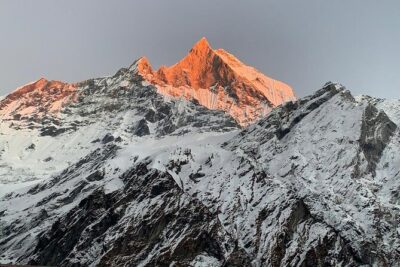
Kathmandu/Pokhara: 5-Day Annapurna Base Camp (ABC) Trek
Read our review →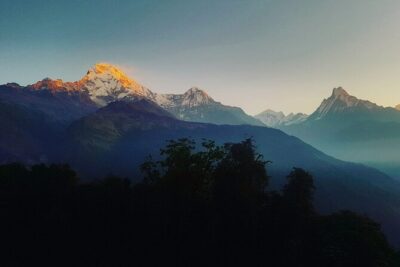
11-Day Hike Tour to Annapurna Base Camp Bliss in Kathmandu
Read our review →Browse the lists this tour appears in