
Reviewed · ANNAPURNA BASE CAMP TREKS
Annapurna Base Camp Trek
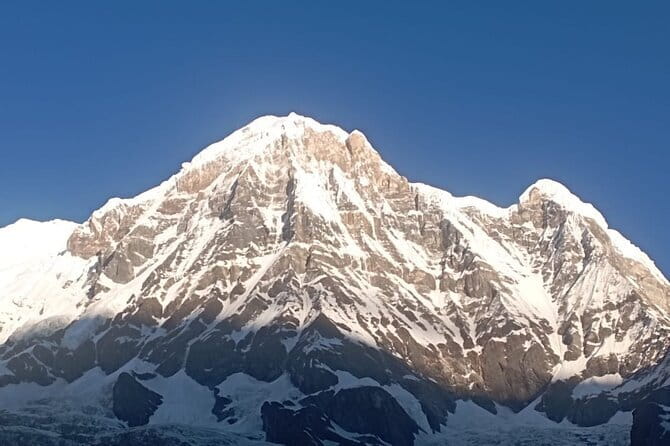
Annapurna Base Camp gives you a rare mountain payoff without asking you to spend weeks on the trail. In seven days, you move from warm farm country near Pokhara through Gurung villages, cool forest, and the narrow Modi River gorge to a bowl of huge peaks at 4,130 meters. The sunrise from base camp is the moment to circle on your calendar.
I like two things right away: meals, permits, lodging, and transport are bundled, and this is a private trip rather than a large fixed group. I also like the human touch reported by the guide team, especially Suraj, Anos, and Laku, who are praised for adjusting plans, helping with rooms and meals, and keeping the pace sensible. The drawback is real: this is a demanding seven-day schedule, and some of the listed daily timing is unclear, so you should confirm walking hours and overnight stops before paying.
Key points to know before you go
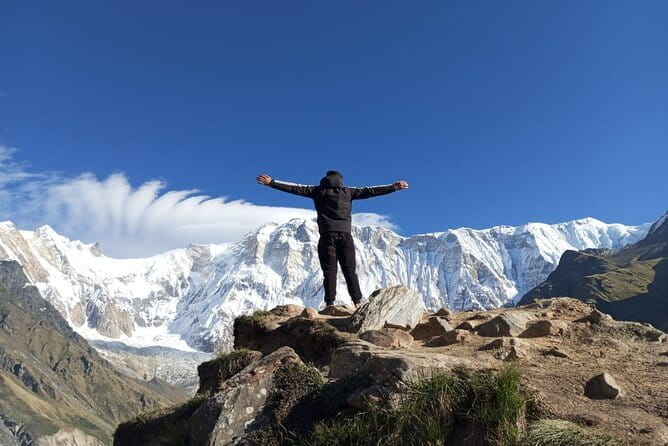
- The route reaches Annapurna Base Camp in seven days: You walk from Ghandruk through Chhomrong, Bamboo, and the Modi River gorge before reaching the mountain amphitheater.
- The scenery changes fast: Expect terraced fields, Gurung villages, rhododendron woods, open mountain views, and glaciers near the sanctuary.
- Suraj, Anos, and Laku are named guide options: If a particular guide matters to you, request that person early, especially during the busy hiking season.
- The package covers the costly basics: Seven nights of accommodation, three meals a day, ACAP and TIMS permits, seasonal fruit, and ground transport are included.
- The trek requires moderate fitness: Stone steps, repeated climbs and descents, and long walking days make this more than a casual scenic walk.
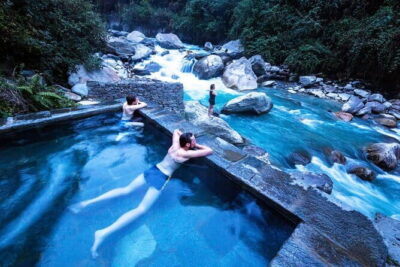
- The return includes Jhinu Danda: A final stop at the hot spring area adds a pleasant change after the high mountain section.
Why this seven-day route works
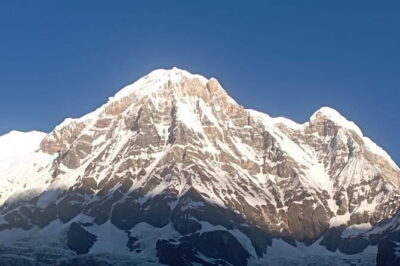
The Annapurna Base Camp route is appealing because it offers variety instead of one long march through the same kind of country. You begin in lower, warmer farming areas and gradually enter a high mountain sanctuary enclosed by Annapurna South, Hiunchuli, and Machhapuchhre, also called Fish Tail.
The route starts after an overnight stay in Pokhara, which gives you a chance to see the Annapurna range before the walking begins. From there, transport takes you toward the trailhead around Nayapul and onward to the Ghandruk area. The exact road details should be confirmed with the operator, since the itinerary names several transfer points.
You get a licensed mountain guide, meals, fruit, accommodation, permits, and transport between Pokhara and the trail. At $699.67 per person, that is a useful amount of coverage for a private trek. You still need to budget for insurance, drinks, hot water, showers, laundry, phone calls, battery charging, bottled water, and tips.
More Annapurna Base Camp treks:
- Annapurna base camp trek 5 Days
★ 5.0 · 252 reviews - Annapurna Base Camp Trek
★ 5.0 · 111 reviews - Kathmandu to Annapurna Base Camp (ABC) 5-Day Trek
★ 5.0 · 102 reviews
Day 1: Pokhara to Ghandruk and the first mountain views
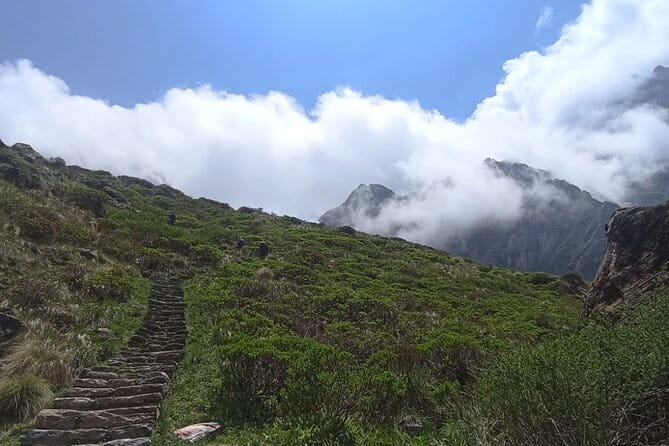
Your first walking day begins after breakfast in Pokhara and a drive beyond the city. The route heads toward Ghandruk, a well-known Gurung village with broad views toward the Annapurna range and Machhapuchhre.
This is a good opening day because you are not thrown straight into the highest part of the route. Terraced farmland and village paths give you a feel for local life, while the mountain views remind you where the trail is headed.
The published schedule gives about four hours and ten minutes for this day, though the exact split between driving and walking is not fully clear. Ask your guide where you will sleep that night and how much time you will spend on the road. Ghandruk is more than a transit point. It is one of the prettiest cultural stops on the route, and a good place to settle into the rhythm of walking, eating, and sleeping simply.
Day 2: Ghandruk to Chhomrong by ridge, river, and forest
From Ghandruk, the path starts gently before climbing to Kimrong Danda. A ridge walk brings a short rest and wide views, then the trail drops into cooler forest toward the Kimrong River.
The combination of ridge and river makes this a memorable day, but it also explains why you need sturdy legs. The trail does not simply rise toward base camp. It repeatedly goes down before climbing again, a pattern that can be harder than a steady uphill path.
Chhomrong is an important stop on the route. From here, the trail enters the upper part of the Annapurna Sanctuary system. The village setting gives you one last strong connection with settled mountain communities before the route grows more wooded and enclosed.
The itinerary lists a very long duration for this day, so do not treat the schedule as a casual stroll. Confirm the expected walking time, departure hour, and meal arrangements with your guide. A guide such as Suraj can be especially useful here because pacing matters more than speed.
Day 3: Chhomrong, Sinuwa, and Bamboo
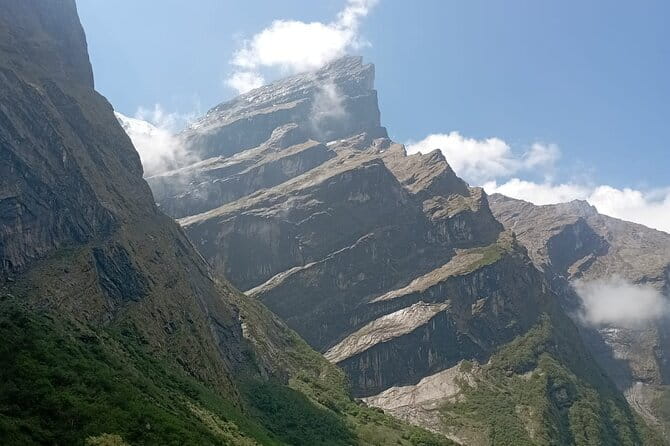
After Chhomrong, the trail descends to a bridge and then climbs toward Sinuwa Danda. From there, you enter thick forest on a winding path with repeated ups and downs.
This part of the route is less about distant views and more about the forest itself. The trees offer shade, and the trail follows the Modi River gorge toward Bamboo. The changing vegetation gives you a clear sense that you are gaining height, even when the path seems to twist without much progress.
The itinerary places Ghandruk Bus Park in the description for this day, but the walking narrative points toward Sinuwa and Bamboo. That is another detail worth clearing up before departure. It may reflect a transport point or an editing error, but you should know exactly where your overnight stop will be.
Accommodation is included for seven nights, though the supplied day-by-day plan does not name each lodge. Ask whether rooms are private or shared, what bedding is provided, and how much hot water costs. Those small details matter more after a long day on stone steps.
More trekking days out of Annapurna Region:
- Annapurna Circuit Trek with Tilicho Lake
★ 5.0 · 368 reviews - Poon hill Trek 3 days
★ 5.0 · 176 reviews - Trekking in Annapurna/Langtang/Everest/Upper Mustang regions
★ 5.0 · 161 reviews - Pokhara: 4-Day Ghorepani, Poonhill & Ghandruk Mountain Trek
★ 5.0 · 132 reviews
Day 4: Into the Annapurna Sanctuary
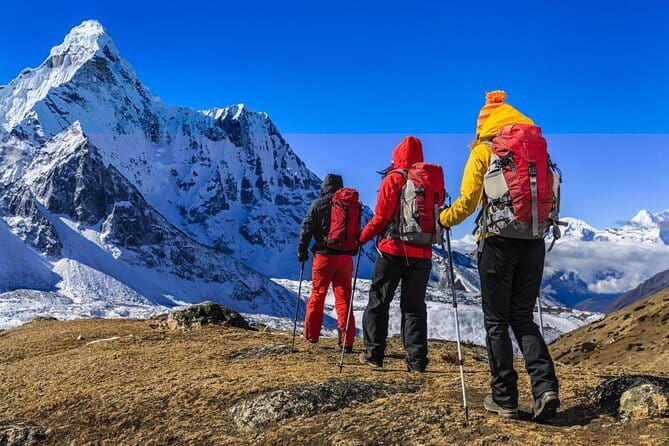
The route now moves closer to the main prize. You pass through forest toward the Himalaya Hotel, near the large Hinko Cave, with Annapurna South and Hiunchuli rising above the trail.
From the hotel area, the path drops toward the Modi River before continuing into the sanctuary. This is one of the route’s strongest changes in mood. Lower villages fade behind you, the gorge tightens, and the mountains begin to feel close rather than distant.
The itinerary gives a long day for this section, and the high setting can make a moderate route feel demanding. Walk steadily, drink as advised by your guide, and do not judge your progress only by distance. The route’s repeated climbs, thinner air, and cold conditions can all slow you down.
Your guide is valuable here for more than navigation. Recent departures led by Anos and Suraj were praised for attention to meals, accommodation, planning, and personal needs. That kind of practical support is what you want when the weather changes or someone in your group needs a slower pace.
Day 5: Annapurna Base Camp and the return to Bamboo
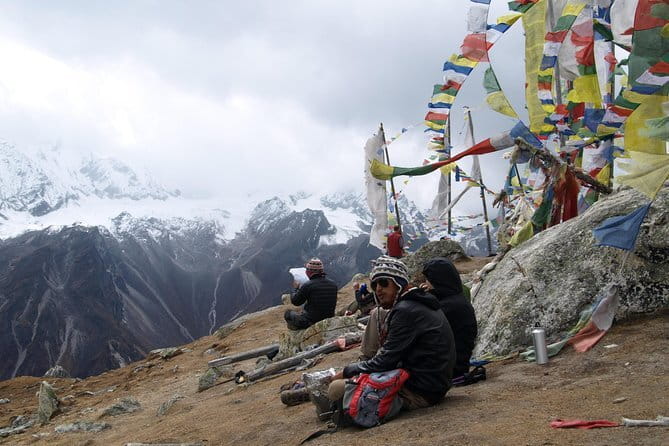
The summit moment of the trek is Annapurna Base Camp. You reach a high natural bowl surrounded by major peaks and glaciers, with Annapurna South, Hiunchuli, and Machhapuchhre among the defining views.
The best part is not only arriving. It is being enclosed by the mountains on every side, with a sunrise that can make the early wake-up worthwhile. Weather controls what you see, so keep expectations flexible. The base camp experience is powerful even when clouds soften the view, but clear conditions bring the full reward.
After time at base camp, the route turns downhill toward Bamboo, with some short climbs along the way. The supplied schedule gives only about two hours for this day, while the description refers to a walk of close to six hours downhill. Treat the shorter figure as unreliable and confirm the real plan with the operator.
This is likely to be one of the most tiring days because you combine the high point with a long descent. Good footwear matters, and trekking poles may help, though poles are not listed as included.
Day 6: Chomrong to Jhinu Danda and its hot spring stop

The return to Chomrong brings more climbing and descending before the route branches toward Jhinu Danda. This village sits on a ridge with mountain views and provides a welcome change after the high sanctuary.
Jhinu is best known here for its hot spring area. After several days of cold mornings and steep trail sections, warm water can be a simple but satisfying way to finish the mountain portion. The itinerary gives two hours for this day, but the route description includes the return to Chomrong and the onward trail to Jhinu, so confirm how much walking is planned and where you will sleep.
This is also a good point to ask your guide about the next day’s road transfer. The final morning includes walking to Siwai and then driving to Pokhara, so an early start may be needed.
Day 7: Siwai to Pokhara
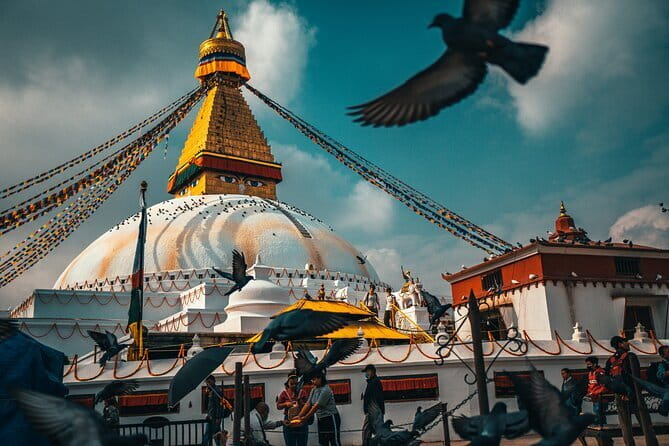
Your last walking section heads downhill through lower, warmer farm areas to Siwai. The trail should feel more settled and familiar after the forest and high mountain paths, though a final descent can still test tired knees.
From Siwai, the itinerary allows roughly two hours for the drive to Pokhara. The day also lists a short stop at Pokhara Museum, though the exact visit details are not explained. Ask if this is a planned entry or simply a reference point in the transfer schedule.
The return to Pokhara marks a sharp change from mountain lodges to city comforts. It is useful to have a little free time after arrival, since the drive may take longer than expected depending on road conditions. The package includes the transport from the trail area back to Pokhara.
What the $699.67 price really covers
The price has good practical value because several expenses that can add up are included:
- Breakfast, lunch, and dinner during the trek
- Seven nights of accommodation
- Seasonal fruit
- A government licensed mountain guide
- Annapurna Conservation Area Permit
- TIMS card
- Transport from Pokhara to Syauli Bazar
- Transport from Samrung Khola to Pokhara
The meal plan is substantial: seven breakfasts, seven lunches, and six dinners are specified. The separate inclusion notes are a little inconsistent with the seven-night, seven-day outline, so confirm the final meal count and lodging plan before departure.
You pay extra for travel and rescue insurance, alcoholic and other bar drinks, phone calls, laundry, battery charging, bottled water, hot water, showers, and guide tips. Rescue insurance is not an optional luxury on a high-altitude trek. Arrange it yourself and check that it covers trekking at the route’s maximum elevation.
Guides, group size, and the value of private travel
This is a private activity, meaning only your group participates. That gives you more control than a large departure, especially if your group has different walking speeds or wants to discuss a route adjustment.
Several guides are named in the trip details. Suraj is described as attentive with planning, meals, and accommodation. Anos is noted for considerate, professional help, while Laku is praised for being friendly and helpful. One departure also used porters named Sonam and Necha. Porter arrangements are not clearly listed as included, so ask directly before booking.
You can also request a preferred guide in advance. That matters during the busy hiking season, when the person you want may already be assigned elsewhere. The route has been adjusted for individual needs in the past, but flexibility should never be assumed. Confirm any changes in writing.
Fitness, timing, and what to pack for the real conditions
The operator classifies the trek for people with moderate physical fitness. That does not mean easy. You should be ready for long days, steep steps, repeated descents, forest paths, and a high overnight stop.
The itinerary contains several timing inconsistencies, including days listed at 13 to 15 hours and other days listed at only two hours. Do not rely on those numbers until the company confirms them. Ask for the actual walking hours, approximate altitude by night, and planned overnight villages.
Pack for changing temperatures and wet trail conditions. You will need suitable walking shoes, warm layers, rain protection, personal water supplies, and a way to manage battery power, since charging is not included. Keep your insurance details accessible, and bring cash for the extras listed above.
The trip is suitable for hikers who want a compact route to Annapurna Base Camp and are comfortable with basic mountain accommodation. It is less suitable if you want leisurely days, guaranteed clear views, or a polished hotel experience each night.
Booking, cancellation, and weather details
Confirmation is provided when you book, and pickup is offered. The meeting time is 4:45 a.m., so plan to be ready early and confirm the exact pickup point.
You can cancel at least 24 hours before the local start time for a full refund. Cancellations or changes made inside 24 hours are not refunded or accepted. Because weather affects this trek, a weather cancellation brings the choice of another date or a full refund. If minimum numbers are not met, you are offered another date or experience, or a full refund.
Service animals are allowed, and the route is near public transportation. Those points are useful, but the main practical question is fitness and altitude readiness.
Should you book the Annapurna Base Camp Trek?
Book it if you want a focused Himalayan trek with strong logistical coverage rather than a do-it-yourself route. The cost includes the guide, meals, accommodation, permits, and key transfers, while the private format allows more personal attention. The route also packs in villages, forest, rivers, hot springs, and a dramatic high-mountain finish.
Before booking, ask for a corrected day-by-day schedule. Confirm the real walking hours, overnight stops, meal count, porter costs, guide availability, and transport points. If you are comfortable with a demanding week and basic lodging, this is a good-value way to reach Annapurna Base Camp. If you need slow pacing or resort-style comfort, choose a longer itinerary instead.
FAQ
How long is the Annapurna Base Camp Trek?
The experience is planned for approximately seven days. It includes seven nights of accommodation on the trek.
Where does the trek begin?
The walking route begins around Ghandruk after transport from Pokhara. The overview also identifies Nayapul as the trek starting area, so confirm the exact trailhead and transfer plan before departure.
What time does the trek start?
The listed meeting time is 4:45 a.m. Confirm the exact pickup point and departure arrangements with the operator.
Are meals included?
Yes. Breakfast, lunch, and dinner are included during the trek. The inclusions specify seven breakfasts, seven lunches, and six dinners.
Is accommodation included?
Yes. Seven nights of accommodation on the trek are included. The specific lodges and room arrangements are not provided.
Are trekking permits included?
Yes. The Annapurna Conservation Area Permit and TIMS card are included.
Is transportation included?
Yes. Ground transport from Pokhara to Syauli Bazar and from Samrung Khola to Pokhara is included. Pickup is also offered.
Do I need travel insurance?
Yes. Travel and rescue insurance are not included, so you must arrange them separately.
Can I cancel for a full refund?
You can cancel at least 24 hours before the experience start time for a full refund. Poor weather or failure to meet the minimum number of participants may also result in a different date or a full refund.
Just added around Annapurna Region
- 4 Day Mardi Himal Base Camp Trek from Pokhara★ 5.0 · 18 reviews
- 7-Day Trek to Annapurna Base Camp from Pokhara★ 5.0 · 12 reviews
- Private 4 Day Poon Hill Trek from Pokhara★ 5.0 · 16 reviews
- Annapurna Base Camp Trek from Pokhara and Kathmandu★ 5.0 · 7 reviews
- 6 days Annapurna Basecamp Trek★ 5.0 · 16 reviews
- “Exclusive Round-Trip Transfer: Pokhara to Jomsom & Muktinath”★ 5.0 · 11 reviews
- Pokhara: Poon Hill Ghorepani Short Trek★ 5.0 · 6 reviews
- Pokhara: 4 Days Poon Hill and Ghandruk Trek★ 5.0 · 23 reviews
Annapurna Base Camp Treks, compared.
Kathmandu to Annapurna Base Camp (ABC) 5-Day Trek
Read our review →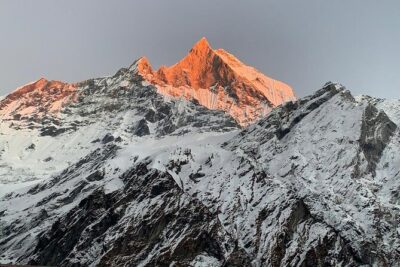
Kathmandu/Pokhara: 5-Day Annapurna Base Camp (ABC) Trek
Read our review →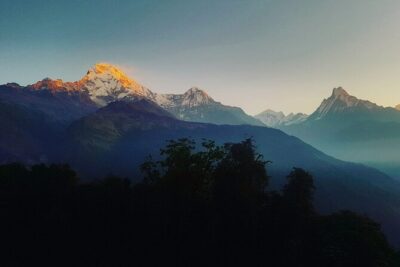
11-Day Hike Tour to Annapurna Base Camp Bliss in Kathmandu
Read our review →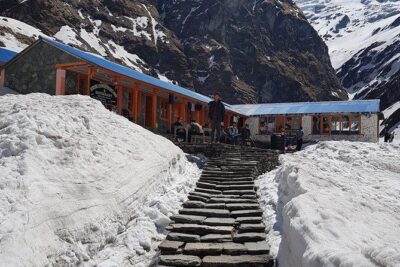
Browse the lists this tour appears in