
Reviewed · ANNAPURNA BASE CAMP TREKS
Annapurna Base Camp Trek
The best part of this trek is the changing scenery. You begin with Kathmandu streets and a long ride to Pokhara, then move through Gurung villages, rhododendron forests, suspension bridges, and high mountain valleys before reaching Annapurna Base Camp. The route gives you both the popular Poon Hill sunrise and the great bowl of peaks around ABC.
I like the small group limit of 10, which gives you more personal attention than a large trekking party. I also like that meals, teahouse nights, hotels, transfers, and a guide are bundled into the $925 price, so you can focus on walking instead of arranging each stop. The main consideration is the physical demand: expect 4 to 7 hours of hiking per day, with steep stone steps and high altitude along the way.
Key points to know before you book
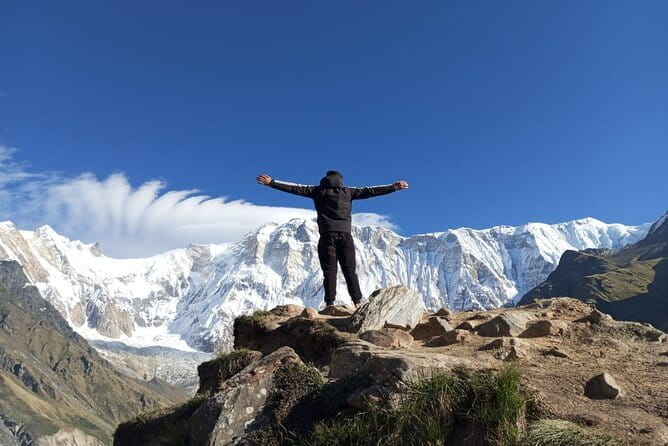
- Poon Hill adds a superb early mountain viewpoint: The 45-minute climb reaches 3,210 meters and gives the route an excellent sunrise stop.
- ABC is a real high-altitude trek: You should have moderate fitness and be ready for repeated climbs, descents, and long walking days.
- The group is capped at 10 people: That is small enough for useful guide attention without making the trip feel private or expensive.
- Meals are covered on the trail: The package includes 10 dinners, 13 breakfasts, and 10 lunches, with Kathmandu and Pokhara meals mostly left to you.
- Teahouse lodging keeps the trip local: You sleep in simple mountain accommodation, while Kathmandu and Pokhara use hotels or guesthouses.
- The route ends with a hot spring stop: Jhinu Danda gives your legs a welcome break beside the Modi River.
Why the Poon Hill and ABC combination works
Many Himalayan treks ask you to choose between a famous viewpoint and a deeper mountain route. This one includes both. Poon Hill gives you a short, dramatic climb to a broad sunrise view, while Annapurna Base Camp puts you inside a ring of high peaks.
That combination also makes the route feel varied. You are not walking through the same kind of terrain for two weeks. Lower sections bring villages, forests, farmland, and small teahouses. Higher sections become quieter and more rugged, with rivers, rocky paths, and mountains filling the horizon.
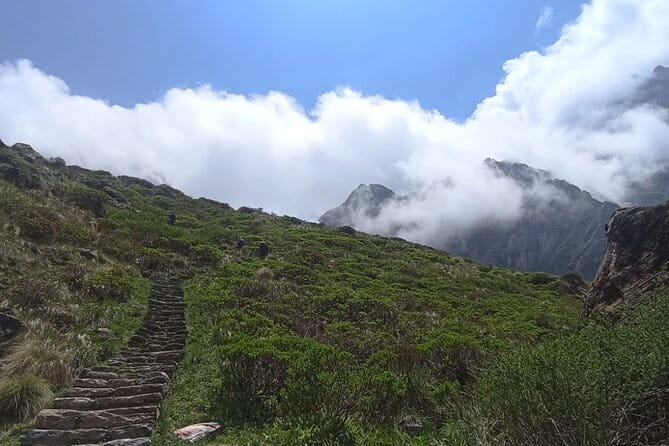
The route is moderate rather than easy. You will walk 4 to 7 hours on many days, and the effort comes from the repeated up-and-down nature of the trail as much as from altitude. Stone stairways near Chhomrong and the climb toward Machhapuchhre Base Camp can test your legs.
Your guide handles route-finding and helps with the daily logistics. That matters in the mountains, where a clear path can split around villages, forests, and river crossings. Guides assigned by this company have included Krishna, Tulsi, Suvi, Anil, and Arjun, though your guide will depend on the departure.
More Annapurna Base Camp treks:
- Annapurna base camp trek 5 Days
★ 5.0 · 252 reviews - Annapurna Base Camp Trek
★ 5.0 · 111 reviews - Kathmandu to Annapurna Base Camp (ABC) 5-Day Trek
★ 5.0 · 102 reviews
Day 1: Airport pickup and a soft landing in Thamel
Your trip begins at Tribhuvan International Airport in Kathmandu. An airport representative meets you and takes you to your hotel in a private tourist vehicle.
The first day is less about sightseeing than getting organized. You can rest after your flight or visit the company office for a detailed briefing. This is useful if you need to check the walking plan, ask questions, or sort out last-minute trekking details.
Thamel is a practical base for the first night. The area is full of places to eat and shops for outdoor supplies, but the schedule does not include lunch or dinner in Kathmandu. Budget separately for those meals.
Day 2: The six-hour road journey to Pokhara
After breakfast, you travel about 200 kilometers from Kathmandu to Pokhara by tourist bus. The drive takes around six hours, with a lunch stop along the way, and you spend the night at a Pokhara guesthouse.
This is a travel day, not a sightseeing day. Road conditions can make the journey feel longer than the distance suggests, so bring water, snacks, and something to occupy you. The advantage is that you avoid arranging a separate transfer and arrive in Pokhara ready to begin the walking section.
Pokhara is the main gateway for the trek. The package includes your accommodation there, but lunch and dinner are not covered in the city.
Day 3: From Nayapool toward the first teahouse
The drive from Pokhara to Nayapool takes about an hour. From there, the trek begins beside the Modi River, with Birethani as an early point on the route.
This opening walk introduces the practical rhythm of the trip. Small teahouses appear along the trail, and the route passes through villages before the higher forest sections begin. You get your first sense of how mountain life and trekking support fit together.
The day may feel gentler than the later climbs, but do not treat it as a free pass. Use it to settle into your boots, walking pace, and daypack. A guide can help you keep the first day comfortable rather than pushing too hard at the start.
More trekking days out of Annapurna Region:
- Annapurna Circuit Trek with Tilicho Lake
★ 5.0 · 368 reviews - Poon hill Trek 3 days
★ 5.0 · 176 reviews - Trekking in Annapurna/Langtang/Everest/Upper Mustang regions
★ 5.0 · 161 reviews - Pokhara: 4-Day Ghorepani, Poonhill & Ghandruk Mountain Trek
★ 5.0 · 132 reviews
Day 4: Ulleri, Banthanti, and Ghorepani
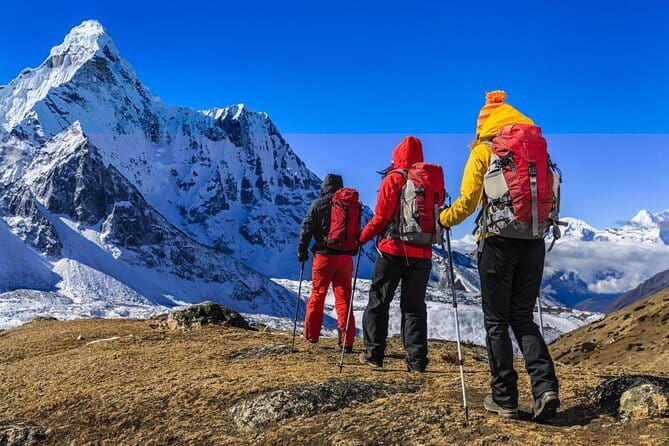
From Ulleri, the trail climbs gently through rhododendron and oak forest toward Banthanti. After a couple of hours, you reach Ghorepani, one of the best-known stops on the route.
Ghorepani is popular because it sits near Poon Hill, the next morning’s highlight. The forest gives the walk a cooler, greener feel, while the village provides a classic teahouse stop before the early start.
This is still a climbing day, and the stone steps can make the distance feel greater than it looks on paper. Keep your evening simple. The early morning climb to Poon Hill is worth saving energy for.
Day 5: Sunrise at 3,210-meter Poon Hill
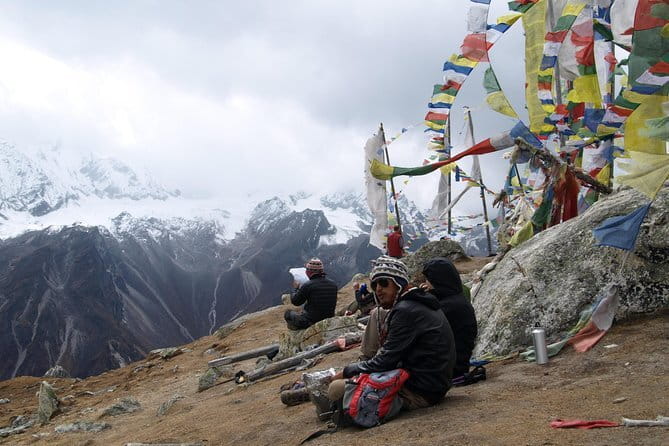
The climb to Poon Hill takes about 45 minutes. At 3,210 meters, the viewpoint is one of the strongest photo stops on the entire route.
The appeal is the wide mountain view at sunrise. The viewpoint is especially known for views toward the Dhaulagiri, Machhapuchhre, and Annapurna peaks. You then return for breakfast before continuing toward the next overnight stop, generally around Tadapani according to the route plan.
This is a short viewpoint walk, but the early hour and altitude make it feel more serious than a casual morning stroll. Carry warm layers and keep your camera ready, but do not let photography distract you from footing on the dark approach.
The day then shifts from viewpoint walking to forest trekking. That change is part of the route’s appeal: a cold, open mountain morning gives way to wooded paths and village life.
Day 6: Tadapani, Gurjung, and the climb to Chhomrong

After breakfast in Tadapani, you descend gradually through rhododendron forest. You cross the Kimsung River, reach the Gurung village of Gurjung, and then climb toward Chhomrong.
The final approach is a straight climb, so this day can feel harder than its description suggests. Chhomrong spreads across a hillside and gives you strong views toward the Annapurna range and Machhapuchhare.
Chhomrong is an important point in the trek. From here, the route becomes more focused on reaching the high valley and ABC. The village is also a good place to notice how the trail links mountain homes, teahouses, and foot traffic.
Day 7: Stone steps, suspension bridges, and Bamboo
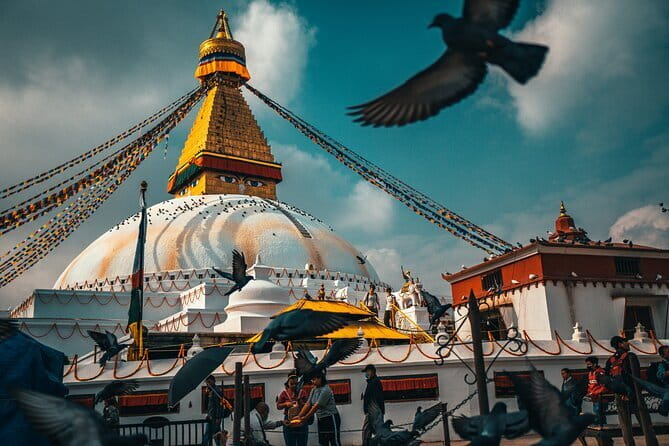
From Chhomrong, stone steps drop to Chhomrong Khola. You cross a suspension bridge, then climb steeply to Sinuwa.
After Sinuwa, the path moves through jungle, with an easier downhill section before you reach Bamboo. This day is a clear reminder that Himalayan trekking is not simply a steady climb. You lose height only to regain it later, and the stairs keep your legs working.
The forest sections provide shade and a change from open mountain views. They also make the route feel more enclosed. Keep your pace steady and let the guide set a rhythm that works for the group.
Day 8: Dovan to Himalaya through quiet forest
The route from Dovan to Himalaya passes through bamboo forest before changing to rhododendron forest. The trail includes several climbs and follows the mountain valley deeper toward the base camp area.
This part of the walk is quieter. The route passes a temple, and the walking plan notes that loud noise is discouraged in this section. That is a small detail, but it gives the day a different tone from the more social village stops.
At this point, the altitude begins to matter more. Stay alert to how you feel, drink regularly, and tell your guide if you are struggling. The schedule provides a gradual approach, but no fixed itinerary can remove the need to pay attention to your body.
Day 9: Deurali to Machhapuchhre Base Camp and ABC
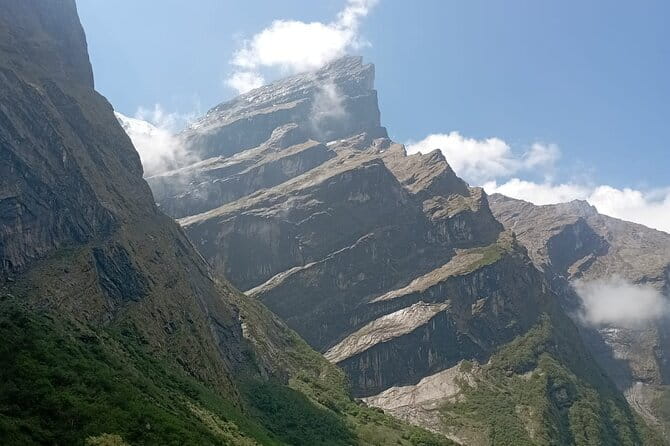
From Deurali, the trail follows a river bed before a demanding climb to Machhapuchhre Base Camp. The setting becomes more dramatic as mountains close in around you.
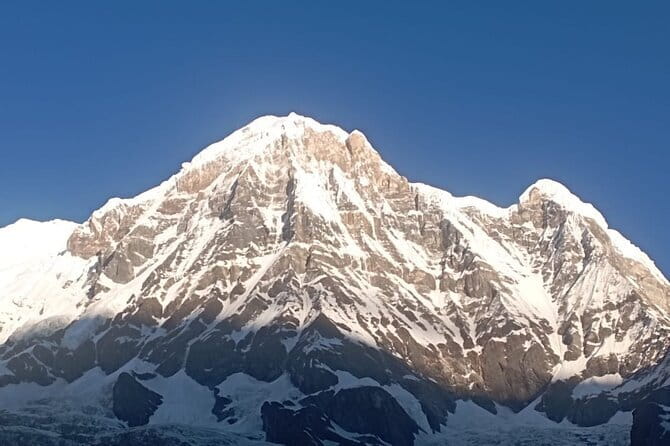
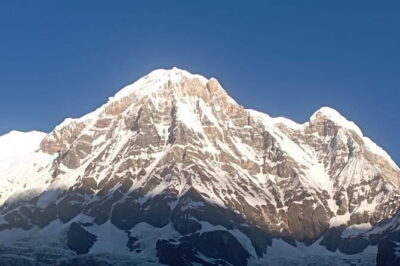
From MBC, you continue toward Annapurna Base Camp. The base camp sits in a natural bowl surrounded by peaks including Annapurna, Machhapuchhre, Gangapurna, and Hiunchuli. This is the visual payoff of the trek, but reaching it requires a full effort after several days on foot.
The high-altitude setting can make even a short climb feel slow. You should not expect a casual walk to a viewpoint. Take the day as a steady progression, follow the guide’s advice, and allow time to enjoy the views once you arrive.
The package includes accommodation in teahouses and meals during the mountain portion. That means you do not need to search for a room or arrange dinner after a tiring high-altitude day.
Day 10: Sunrise at ABC and the long return
The morning begins with sunrise at ABC. Afterward, you retrace the route through MBC, Deurali, Himalaya, and Bamboo, continuing as far as Sinuwa.
The return is mostly downhill, which sounds easy but can be hard on knees and feet after the previous day. The same rocks and steps that slowed you on the way up can demand careful footing on the way down.
Retracing the trail has one benefit: you see familiar places from a new angle. It also makes the route efficient. Instead of taking a separate path, you return through known villages and teahouse areas.
Day 11: Lunch in Chhomrong
The route continues toward Chhomrong, where you stop for lunch. The village’s hillside position gives it excellent views of the Annapurna mountains and Machhapuchhare.
This is a shorter listed stop, but it is an important recovery point after the high-altitude return. You can enjoy the views without the pressure of reaching ABC, and the familiar village setting brings you back toward the lower sections of the trek.
Day 12: Jhinu Danda and the natural hot springs
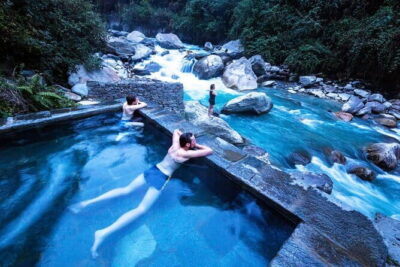
Jhinu Danda is one of the most welcome stops on the route. A natural hot spring sits beside the Modi River, about a 20-minute walk from the hotel.
The hot spring is not just a sightseeing extra. After days of stairs and uneven ground, a warm soak can be a genuine treat for tired legs. Bring a swimsuit and keep your expectations practical: the attraction is the setting and the chance to rest, not a resort-style spa.
This is a good example of why the route works as a complete experience. You get demanding mountain walking, cultural stops, forest paths, and a simple recovery break before the return to Kathmandu.
Day 13: The road back, with lunch at Malekhu
The return journey includes a lunch stop at Malekhu, a place known for fish and fish products. The stop lasts about 30 minutes.
After so much walking, a road day gives you a chance to sit back and watch the scenery change. It also brings a practical warning: the schedule involves long transfers, and the drive may feel tiring after the trek.
Lunch in Malekhu is included as part of the package. You should still keep a little extra spending money for drinks or anything outside the covered meals.
Day 14: Pashupatinath and the end of the trip
On the final day, the transfer passes Pashupatinath Temple, with a brief stop of about five minutes for photographs. Admission is not included.
This is a very quick visit, not a full temple tour. If Pashupatinath is important to you, treat this as a photo stop and plan a separate visit if your schedule allows. The day also completes the shared transfer arrangement connected with the trip.
What the $925 price really covers
At $925 per person, the price has real value if you want a structured trek rather than a collection of separate bookings. It includes accommodation, a professional guide, taxes and handling charges, and round-trip shared transfers.
The food allowance is also substantial:
- 13 breakfasts
- 10 lunches
- 10 dinners
Meals in Kathmandu and Pokhara are not included, so do not read the package as fully all-inclusive. The included food is aimed at the trekking days and selected travel stops.
The price also includes hotels or guesthouses in Kathmandu and Pokhara, plus teahouse accommodation in the mountains. Teahouses are practical and simple. You should choose this trip for access to the route and the mountain setting, not for hotel-style comfort.
A group limit of 10 keeps the cost below a private trek while still allowing the guide to pay attention to individual needs. One useful sign of that flexibility is the reported ability to arrange a porter when a participant was not feeling well. Do not assume every change is automatic, but ask the operator about porter support before departure if you think you may need it.
Who should book this trek
I would recommend this trip if you want a guided Himalayan route with the main logistics arranged. It suits people who enjoy active days, simple lodging, and a clear goal at the end of the trail.
You should have a moderate fitness level. The route includes steep climbs, long descents, suspension bridges, stone steps, and high-altitude walking. It is not a good match if you want short walks followed by comfortable hotels every night.
The small group is useful for first-time high-altitude hikers and for anyone who prefers not to manage directions, teahouse rooms, and daily transfers alone. The guides associated with this operation, including Krishna, Tulsi, Suvi, Anil, and Arjun, have been praised for communication, personal care, and keeping the group encouraged. Your actual guide may be different.
Children must be accompanied by an adult. The experience is near public transportation at its city stops, but the mountain portion is reached on foot and is not designed around easy access.
You can cancel free of charge up to 24 hours before the start time for a full refund. Inside that window, changes and refunds are not accepted. Poor weather may lead to a new date or a full refund.
Should you book the Annapurna Base Camp Trek?
Book it if you want Poon Hill and ABC in one trip, prefer a small guided group, and value having meals, accommodation, and transfers arranged for you. The $925 price is strongest for someone who would otherwise need to coordinate several hotels, a mountain guide, trail meals, and transport.
Think twice if you dislike long bus rides, basic teahouses, or several hours of uphill and downhill walking each day. The route is moderate only in the context of Himalayan trekking. It still asks a lot from your legs.
For an active visitor with two weeks in Nepal, this is a well-rounded choice. You get the sunrise viewpoint, the high mountain bowl at ABC, Gurung villages, forest trails, a hot spring, and guide support without paying for a fully private expedition.
FAQ
How long does the Annapurna Base Camp Trek take?
The experience lasts approximately 14 days, including arrival in Kathmandu, the transfer to Pokhara, the trek, the return journey, and the final transfer.
How large is the trekking group?
The group has a maximum of 10 people.
What meals are included?
The package includes 13 breakfasts, 10 lunches, and 10 dinners. Lunch and dinner in Kathmandu and Pokhara are not included.
Where do you sleep during the trip?
Accommodation in Kathmandu and Pokhara is provided in hotels or guesthouses. During the trek, you stay in teahouses.
How difficult is the trek?
The trek is described as moderate and is best for people with a moderate level of physical fitness. Walking days generally last 4 to 7 hours and include high-altitude sections.
Is Poon Hill included?
Yes. The route includes a climb to Poon Hill, which is about 45 minutes from Ghorepani and reaches 3,210 meters.
What happens if bad weather cancels the trip?
If poor weather causes cancellation, you can be offered a different date or a full refund. You can also cancel up to 24 hours before the start time for a full refund.
Just added around Annapurna Region
- 4 Day Mardi Himal Base Camp Trek from Pokhara★ 5.0 · 18 reviews
- 7-Day Trek to Annapurna Base Camp from Pokhara★ 5.0 · 12 reviews
- Private 4 Day Poon Hill Trek from Pokhara★ 5.0 · 16 reviews
- Annapurna Base Camp Trek from Pokhara and Kathmandu★ 5.0 · 7 reviews
- 6 days Annapurna Basecamp Trek★ 5.0 · 16 reviews
- “Exclusive Round-Trip Transfer: Pokhara to Jomsom & Muktinath”★ 5.0 · 11 reviews
- Poon Hill Ghandruk Circuit Trek from Pokhara 4 Days★ 5.0 · 10 reviews
- Pokhara: Poon Hill Ghorepani Short Trek★ 5.0 · 6 reviews
Annapurna Base Camp Treks, compared.
Kathmandu to Annapurna Base Camp (ABC) 5-Day Trek
Read our review →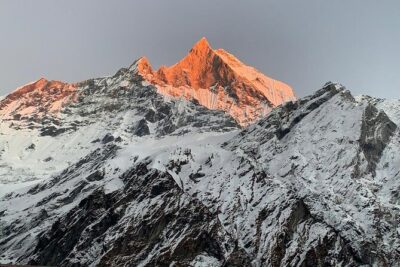
Kathmandu/Pokhara: 5-Day Annapurna Base Camp (ABC) Trek
Read our review →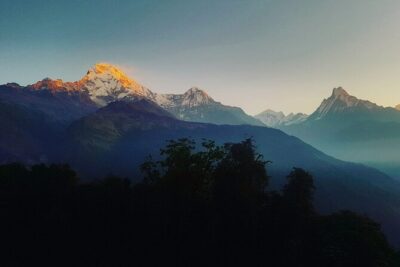
11-Day Hike Tour to Annapurna Base Camp Bliss in Kathmandu
Read our review →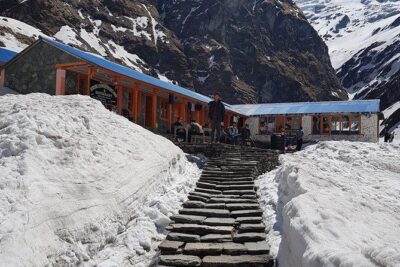
Browse the lists this tour appears in