
Reviewed · ANNAPURNA BASE CAMP TREKS
Pokhara: 7 Day Annapurna Base Camp Trek
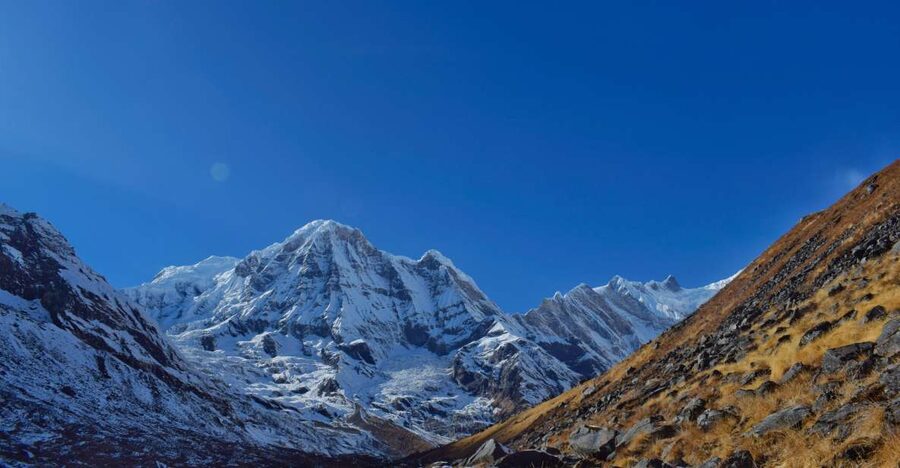
Annapurna Base Camp gives you something rare in the Himalayas: a close-up mountain finish after a trek that begins among farms and villages. In seven days, you move from terraced fields near Ghandruk into rhododendron and bamboo forests, then up into a huge bowl of snow peaks at 4,130 meters.
I like the route’s variety, and I like the private format. Your guide can slow down when the climb bites, answer questions about Gurung life, and adjust the day when your legs or altitude say enough. The hot springs at Jhinu Danda are another smart touch, especially after the steep descent.
The drawback is the pace. Reaching Base Camp in four trekking days means some long, demanding walks and a quick rise in altitude. The final stretch after Jhinu also includes a fair amount of road, so some people may prefer to finish the trek there and arrange transport.
Key points to know before booking
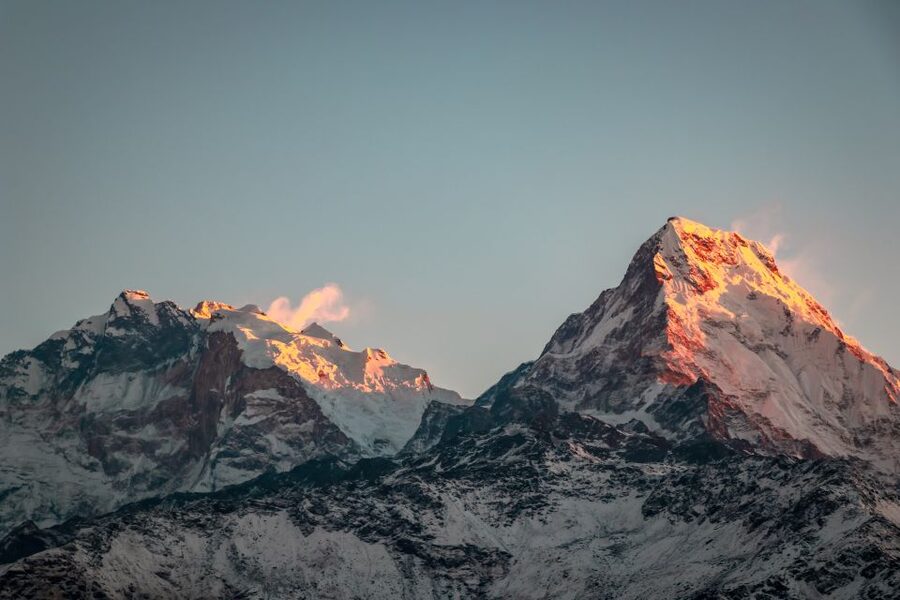
- Base Camp at 4,130 meters: Reach the foot of Annapurna with Machhapuchhre, Hiunchuli, and the Annapurna range surrounding you.
- Seven days from Pokhara: The route includes private transport, six nights in standard tourist lodges, and a return drive.
- A private guide makes a difference: Guides such as Pratiksha, Deepak, Hari, Krishna, and Sandesh have been praised for patience, route knowledge, and flexible pacing.
- Gurung culture on the trail: Ghandruk and other settlements give you a look at village life alongside the mountain scenery.
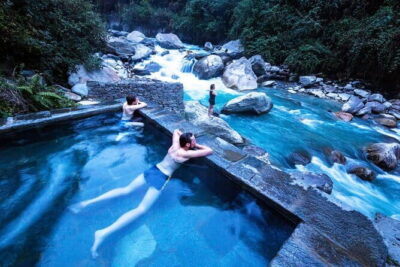
- Jhinu hot springs on day six: Bring swimwear if you want to soak beside the river.
- Budget-friendly headline price: The $215 rate includes permits, guides, transport, lodges, and useful trekking gear, but not meals or a porter.
Why this seven-day route works
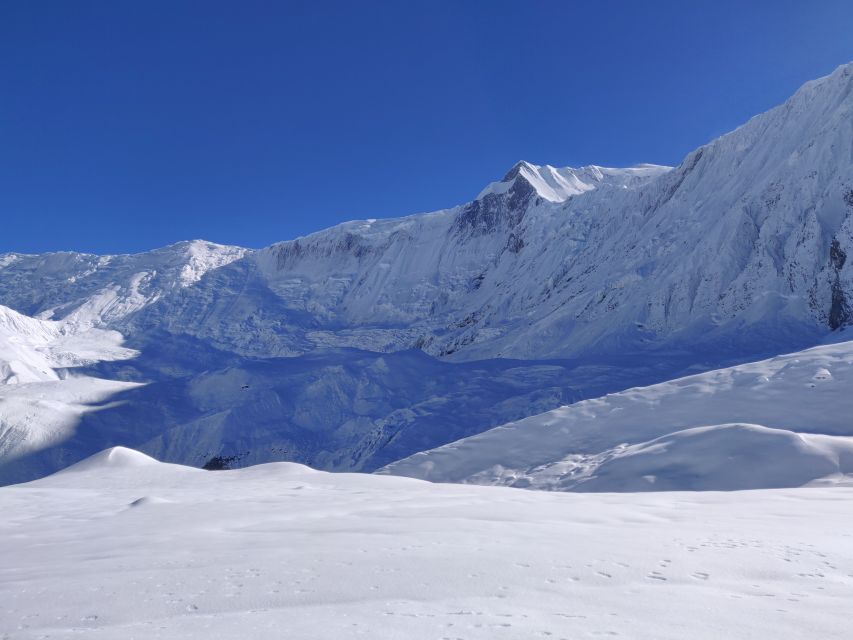
The Annapurna Base Camp trek is a good choice if you want a major Himalayan walk without committing to two or three weeks in the mountains. You start and finish in Pokhara, a relaxed lakeside city, and the route is private rather than a fixed large group.
That private setup matters more than it may first appear. A group of two can move at a very different pace from a group of four or six. Your guide can pause when you need a breath, shorten the day if you feel unwell, or keep going when you are feeling strong. Several guides, including Pratiksha, Deepak, Hari, Bidur, and Sandesh, have been praised for doing exactly that.
You should still take the seven days seriously. The route climbs from around 1,939 meters at Ghandruk to 4,130 meters at Base Camp in only three nights. The daily distances and height gain are manageable for a reasonably active person, but this is not a casual village stroll.
I also like that the trek does not rush straight into high country. You first walk through farmland, settlements, and forest. That gradual change gives you a better sense of the region than a short flight or jeep ride directly to a high trailhead.
More Annapurna Base Camp treks:
- Annapurna base camp trek 5 Days
★ 5.0 · 252 reviews - Annapurna Base Camp Trek
★ 5.0 · 111 reviews - Kathmandu to Annapurna Base Camp (ABC) 5-Day Trek
★ 5.0 · 102 reviews
Day 1: Pokhara to Ghandruk through farms and terraces
Your morning begins with pickup at your hotel in Lakeside, Pokhara. Private transport takes you to Nayapool, where you begin walking toward Ghandruk.
This first day introduces the human side of the route. The trail passes through villages and terraced fields, with the cultivated hillsides showing how much work goes into farming in the mountains. The walk is not simply a march toward the peaks. It is a chance to see daily life, footpaths, homes, and local movement before the forest takes over.
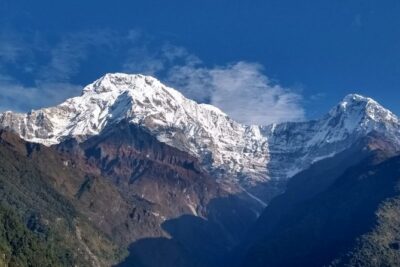
Ghandruk sits at about 1,939 meters and is known as a traditional Gurung village. The village is one of the strongest cultural stops on the trek, and it also gives you early views of Annapurna South and Machhapuchhre, the mountain commonly called Fishtail.
The first day can feel harder than expected because the trek begins with repeated climbs and descents. Your guide should help you keep a steady pace rather than burn all your energy early. If this is your first multi-day trek, ask to start slowly.
Day 2: Ghandruk to Lower Sinuwa over bridges and forest trails
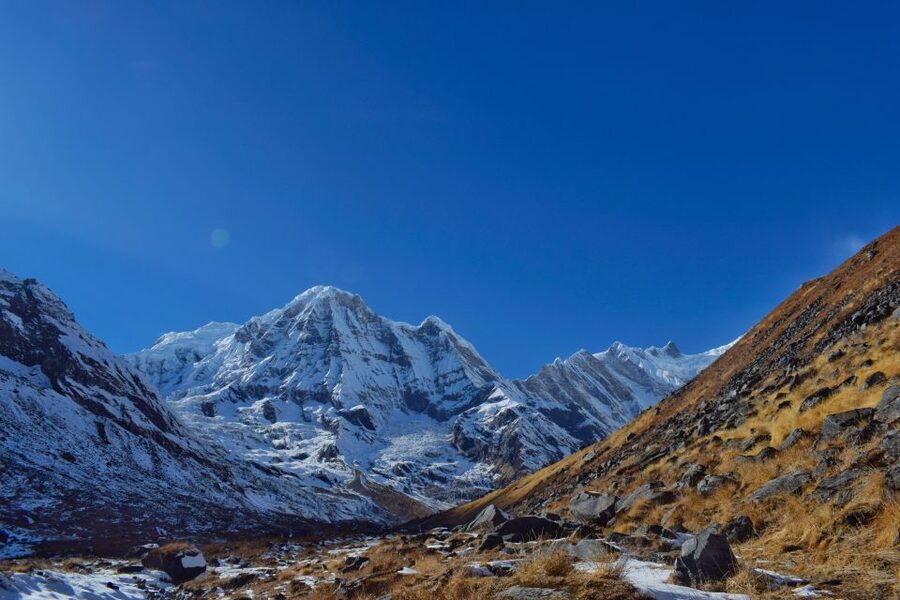
Day two brings a mixture of uphill and downhill walking through rhododendron forests and small settlements. You cross suspension bridges over the Modi Khola, the river that guides much of the route toward Base Camp.
This is a day when sturdy footwear and patience matter. A trail can look easy on a map but feel demanding when it repeatedly changes direction and grade. You may also find the views more enclosed than on day one, since the forest becomes a larger part of the walk.
Lower Sinuwa is at about 2,249 meters. Reaching it means you have made a useful gain in height without yet entering the most exposed mountain section. I would treat this night as a chance to eat well, refill your water, and prepare for the bigger climb ahead.
The private guide format is especially helpful here. Guides can explain the route, point out village details, and help you decide when to rest. The strongest praise for this experience centers on guides who combine care with restraint: they support you without filling every quiet moment with instructions.
Day 3: Sinuwa to Deurali beside the Modi Khola gorge
From Sinuwa, the trail passes through bamboo and oak forests toward Dovan and Himalaya. You follow the Modi Khola gorge, with cliffs and waterfalls adding drama as the valley narrows.
Deurali is about 3,230 meters, so this is an important acclimatization day. You are gaining height quickly, and you should pay attention to headache, nausea, unusual tiredness, or a poor appetite. Tell your guide promptly if you feel unwell. One person on this trek developed altitude sickness at Deurali and could not continue to Base Camp, but the guide helped arrange jeep transport and adjusted the plan.
That example gives you a realistic picture of the trip. A Base Camp finish is a fine goal, but it should never matter more than your health. The guide’s job is not just to point out the trail. It is also to help you make sensible decisions when the mountain does not cooperate.
Deurali itself is more about position than comfort or entertainment. You are there because it puts you close to the high section. Expect a quieter, more rugged setting and a shorter night before the main climb.
A few more Annapurna Region days to weigh up
- Annapurna Base Camp Trek from Pokhara 7 Days
★ 5.0 · 19 reviews - 7-Day Trek to Annapurna Base Camp from Pokhara
★ 5.0 · 12 reviews - Pokhara: 7-Day Annapurna Base Camp Trek & Natural Hot Spring
★ 5.0 · 11 reviews - Annapurna Base Camp 7 Days Trek from Pokhara
★ 5.0 · 8 reviews
Day 4: Deurali to Annapurna Base Camp at 4,130 meters
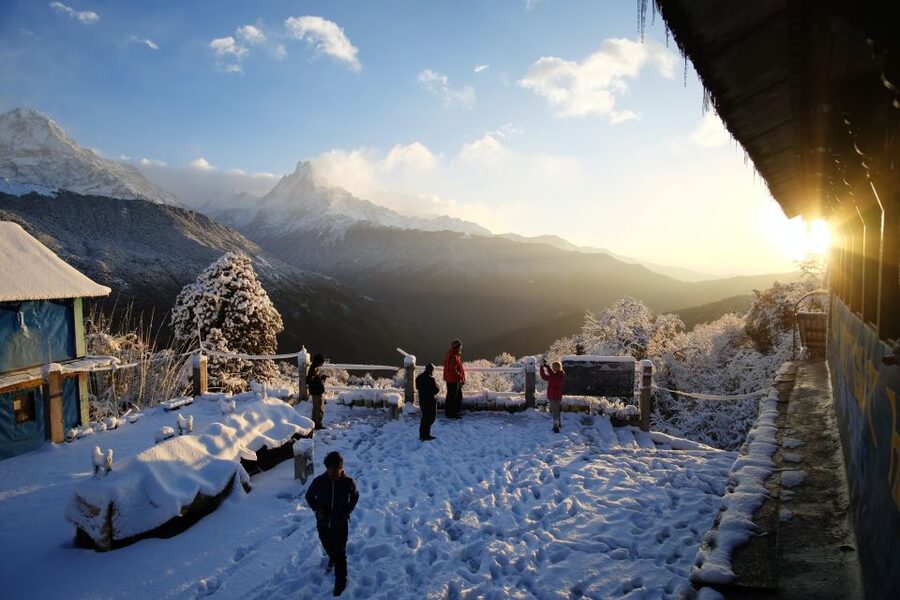
This is the day you came for. The trail leaves the forest behind and rises through alpine meadows toward Machhapuchhre Base Camp. Fishtail becomes a major presence, and the surrounding Annapurna peaks grow larger with every turn.
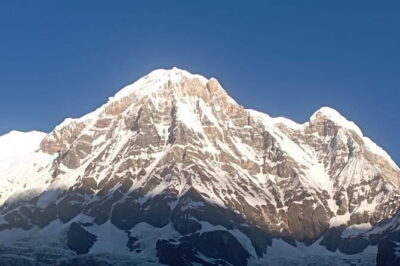
From Machhapuchhre Base Camp, you continue toward Annapurna Base Camp. The setting opens into a natural amphitheater, with towering peaks surrounding the high camp. Annapurna I is the tenth-highest mountain in the world, and reaching its base gives you a powerful sense of scale that is hard to get from a distant viewpoint.
The altitude is the main challenge. At 4,130 meters, the air is noticeably thinner, and the short final sections can take longer than expected. Walk slowly, sip water, and let your guide set a calm rhythm. Do not treat the final climb as a race.
Snow is possible as you approach Base Camp, depending on the season. The route can be wet during the monsoon, while winter conditions may bring snow and cold. The high point is worth the effort, but the conditions can change the character of the day.
At Base Camp, take time to look around rather than immediately focus on photographs. Hiunchuli, Annapurna South, Machhapuchhre, and the larger Annapurna range form the view. The enclosed mountain setting is the reward, but it also reminds you that this is a serious high-altitude walk.
Day 5: Sunrise at Base Camp, then the long descent
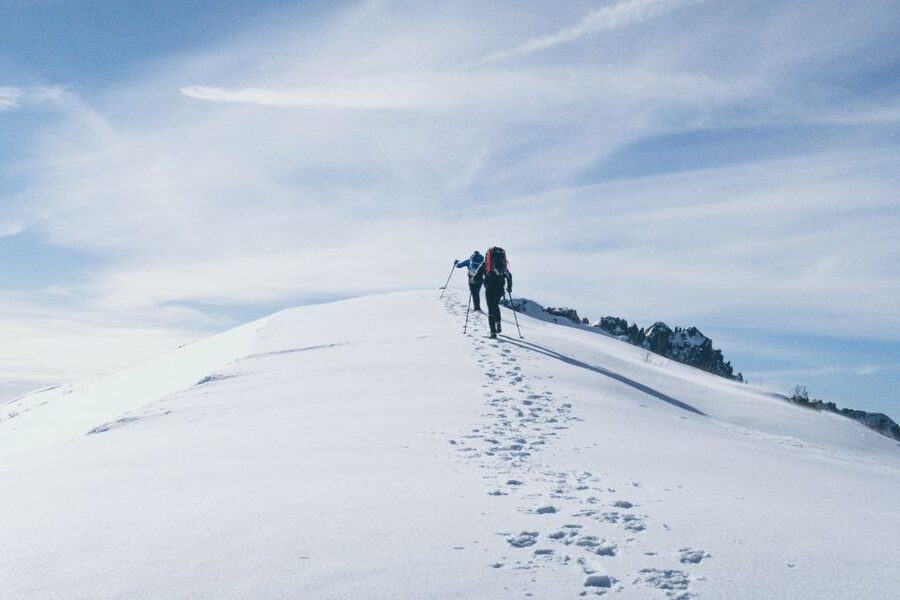
An early start at Base Camp lets you see the sunrise over Annapurna I. This is one of the best reasons to sleep at the high camp rather than hurry away after arriving.
The morning cold can be intense, so keep warm layers close. After breakfast, you retrace the trail downhill through the forests toward Sinuwa. Descending is easier on the lungs, but it can be tough on knees and thighs after several days of walking.
The route now looks different from the ascent. You may notice details missed while concentrating on the climb, including bamboo, rhododendron, waterfalls, and the changing shape of the valley. The descent to around 2,249 meters also gives your body a break from the thin high-altitude air.
This is a long day, and the private arrangement gives you room to stop when needed. Guides such as Paras and Krishna have been praised for adjusting the pace when people were sick or tired. That kind of flexibility is more useful than a guide who simply insists on the printed schedule.
Day 6: Sinuwa to Jhinu Danda and the hot springs
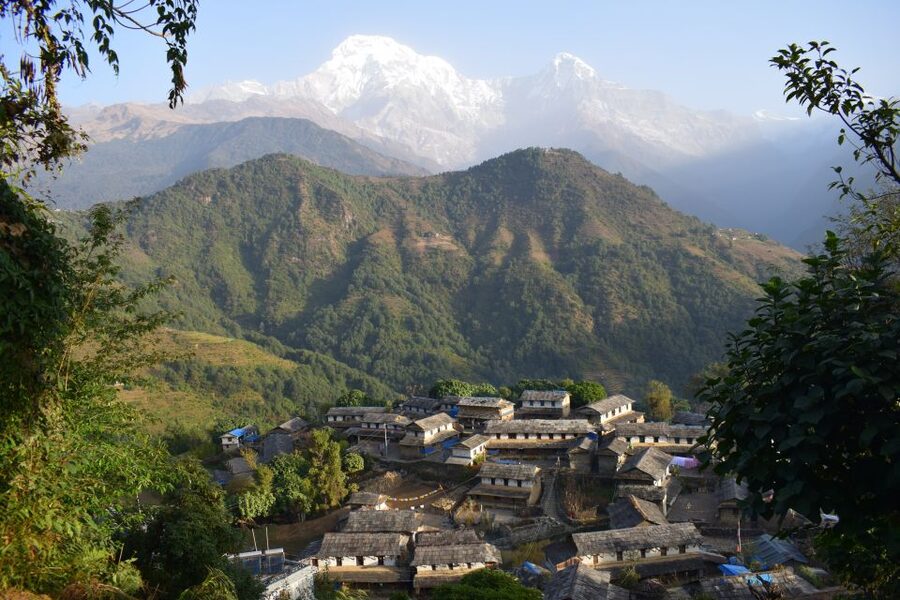
The trail drops from Sinuwa to Jhinu Danda, around 1,760 meters. After several days of climbing and descending, this lower setting feels warmer and more relaxed.
The main attraction is the natural hot springs beside the river. They are a practical pleasure rather than a grand sightseeing stop. Your muscles have worked hard, and soaking in warm water can be a welcome way to end the trekking day.
Pack swimwear where you can reach it easily. You do not want it buried at the bottom of your duffel bag after a full day on the trail.
Jhinu is also worth considering as the true end of the walking part. One useful criticism of the standard plan is that the route from Jhinu to Nayapool includes a good deal of road. If you care most about walking trails and less about completing the schedule exactly as written, ask about ending at Jhinu and arranging transport from there.
Day 7: Jhinu to Nayapool, then back to Pokhara
The last walking section descends gradually through farmland and villages toward Nayapool. Compared with the high-country days, this stretch is a gentle return to settled areas.
From Nayapool, private transport takes you back to Pokhara. The change is striking: after cold mountain mornings and basic lodges, you return to the lakeside city with easier meals, warm showers, and a comfortable place to reflect on the week.
The drive is useful but not the most scenic part of the trek. That is why some people may prefer to finish at Jhinu. Still, including Nayapool and the return ride keeps the full trip organized and brings you back to Pokhara on the planned final day.
Guides, lodges, and what the price covers
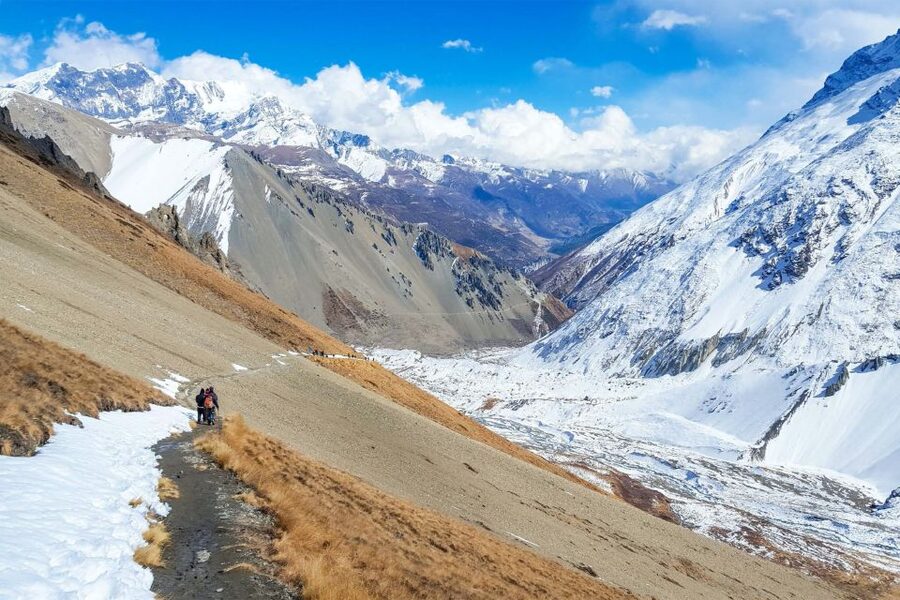
At $215 per person, this is a strong value if you need a guide and transport from Pokhara. The price includes hotel pickup and drop-off, private roundtrip transportation, the Annapurna Conservation Area permit, government permits, standard tourist-lodge accommodation, a government-certified guide, a first aid kit, luggage storage in Pokhara, and a duffel bag and trekking poles if needed.
That is a useful package for someone arriving in Pokhara without trekking equipment or a local setup. You do not need to arrange the permits yourself, and you can leave extra luggage in storage while you walk.
The price does not include food or drinks. Meals are available to buy along the way, but you should budget beyond the advertised rate for breakfast, lunch, dinner, snacks, and drinks.
A porter is available for $15 per day. I consider this worth serious thought. Carrying a light daypack is far more pleasant than hauling a full load through repeated climbs, and hiring a porter also makes the trek more realistic if you are fit enough to walk but not used to carrying weight at altitude.
Accommodation is in standard tourist lodges, not high-end hotels. Expect practical mountain lodging and keep your expectations sensible. The value comes from location, access, and the guide service, not luxury.
When to go and what to pack
The season changes the feel of this trek. A winter approach can bring snow near Base Camp. The monsoon can bring a good deal of rain, but it may also mean fewer people on the trail and a quieter experience. Clearer conditions are valuable for mountain views, though the exact weather is never guaranteed.
The supplied information specifically asks you to bring a passport or ID card. You should also prepare clothing for warm lower valleys, wet forest trails, and cold high altitude. A suggested packing list by season would make planning easier, so ask the operator for one before departure.
Useful items include comfortable hiking shoes, warm layers, rain protection, sun protection, a water bottle, personal medication, and swimwear for Jhinu. The operator can provide a duffel bag and trekking poles if needed, but confirm what you will receive before leaving Pokhara.
Who should choose this trek
This trip suits you if you want a private Himalayan trek with a clear schedule and a major destination. It is especially good for first-time trekkers who want a certified guide nearby, rather than trying to manage permits, accommodation, and route decisions alone.
You should have a reasonable level of fitness and be ready for several hours of walking over uneven ground. The route is described as manageable by people on their first trek, but the fast rise to 4,130 meters means you cannot treat it as an easy holiday walk.
The trek also suits people who value local contact. Ghandruk, the Gurung villages, the farms, and the small settlements offer more than mountain photographs. You get a sense of how people live along a route shaped by the Modi Khola and the high peaks above it.
It may not suit you if you want a slow acclimatization schedule, luxury accommodation, or very short walking days. In that case, ask about adding extra nights or changing the plan. Also be clear about the road section after Jhinu before you book.
Practical booking notes
The experience is a private group activity with guides available in English, Hindi, and Nepali. Pickup is provided from hotels in Lakeside, Pokhara.
You can cancel up to 24 hours before departure for a full refund, and the reserve-now, pay-later option keeps your plans flexible. Starting times depend on availability, so check the date before making other transport arrangements.
The transport rating is strong, with 87 percent of scores marked perfect. The overall rating is 4.9 from 38 ratings, but the more useful detail is what the guide service provides in practice: patient pacing, help when people feel ill, local information, and flexibility when the route needs to change.
Should you book the Annapurna Base Camp trek?
I would recommend this trek if you want a compact, well-supported route from Pokhara to a famous Himalayan viewpoint. The strongest reasons are the private guide service, the variety from rice terraces to alpine peaks, and the added reward of Jhinu’s hot springs.
Book it with realistic expectations. Food is extra, a porter costs more, the altitude is serious, and the final road section may disappoint anyone hoping for seven full days of trail walking. Ask about seasonal packing advice and the possibility of ending at Jhinu.
If you are fit, flexible, and eager to see Annapurna up close without spending weeks in Nepal’s mountains, the $215 base price offers good value. Just let your guide set the pace, and treat reaching Base Camp as a goal, not a contest.
FAQ
How long does the Annapurna Base Camp trek take?
The trek lasts seven days, beginning and ending in Pokhara. The walking route goes through Ghandruk, Lower Sinuwa, Deurali, Annapurna Base Camp, and Jhinu Danda.
What is the highest point of the trek?
Annapurna Base Camp is at 4,130 meters, or 13,550 feet.
Is transportation from Pokhara included?
Yes. Hotel pickup and drop-off in Lakeside, Pokhara, private roundtrip transportation, and the drive between Nayapool and Pokhara are included.
Are permits included in the price?
Yes. The Annapurna Conservation Area permit and government permits are included.
Is a porter included?
No. A porter can be hired for $15 per day.
Are meals and drinks included?
No. Food and drinks are available to purchase during the trek but are not included in the advertised price.
What languages can the guide speak?
Guides are available in English, Hindi, and Nepali.
Just added around Annapurna Region
- 4 Day Mardi Himal Base Camp Trek from Pokhara★ 5.0 · 18 reviews
- 7-Day Trek to Annapurna Base Camp from Pokhara★ 5.0 · 12 reviews
- Private 4 Day Poon Hill Trek from Pokhara★ 5.0 · 16 reviews
- Annapurna Base Camp Trek from Pokhara and Kathmandu★ 5.0 · 7 reviews
- 6 days Annapurna Basecamp Trek★ 5.0 · 16 reviews
- “Exclusive Round-Trip Transfer: Pokhara to Jomsom & Muktinath”★ 5.0 · 11 reviews
- Poon Hill Ghandruk Circuit Trek from Pokhara 4 Days★ 5.0 · 10 reviews
- Pokhara: Poon Hill Ghorepani Short Trek★ 5.0 · 6 reviews
Annapurna Base Camp Treks, compared.
Kathmandu to Annapurna Base Camp (ABC) 5-Day Trek
Read our review →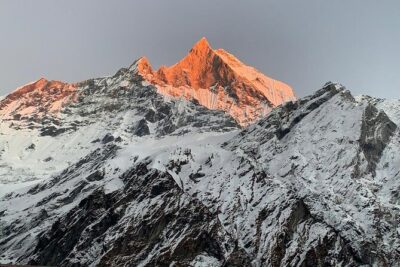
Kathmandu/Pokhara: 5-Day Annapurna Base Camp (ABC) Trek
Read our review →
11-Day Hike Tour to Annapurna Base Camp Bliss in Kathmandu
Read our review →Browse the lists this tour appears in