
Reviewed · MARDI HIMAL TREKS
Experience Mardi Himal Trek
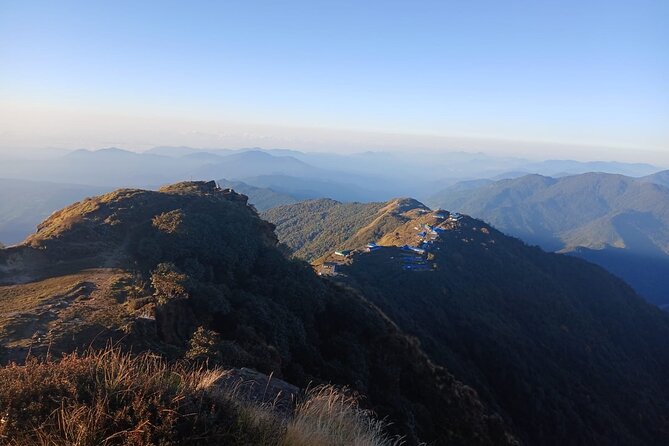
The best thing about the Mardi Himal Trek is how quickly it trades Pokhara’s easygoing lakeside mood for quiet mountain paths, rhododendron woods, high ridges, and close views of Machhapuchhre. In six days, you walk from Kande to a 4,500-meter base camp, then return through Gurung villages and terraced fields.
I like the small-scale feel of this route and the practical package: a licensed guide, tea house lodging, conservation permit, sleeping bag, down jacket, first-aid kit, and transport are covered. I also like that the trek includes both the high mountain views and a village descent, rather than offering only a scenic out-and-back walk.
The main consideration is altitude. Day four reaches 4,500 meters and involves six to seven hours of walking, so this is not a casual hill stroll. Porters, travel insurance, drinks, charging, Wi-Fi, tips, and some meals cost extra, and the basic tea house accommodation may feel simple.
Key points about the Mardi Himal Trek
- Reach 4,500 meters: Walk from High Camp to Mardi Himal Base Camp and back on the trek’s hardest day.
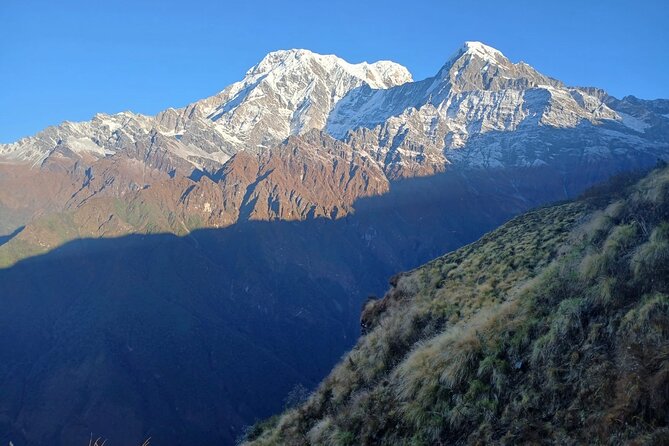
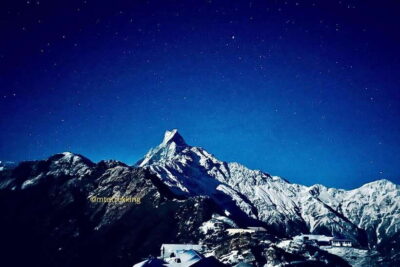
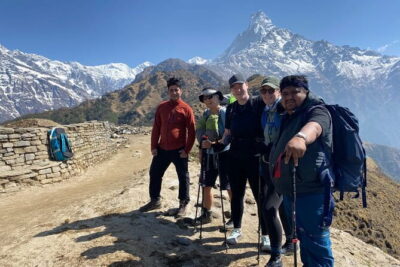
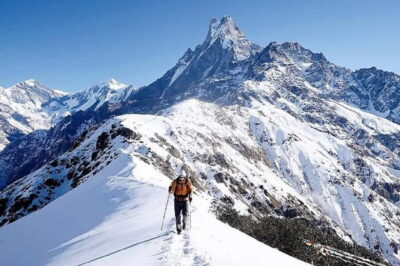
- See Machhapuchhre up close: The route offers views of Fishtail, along with the Annapurna and Dhaulagiri ranges.
- Walk through changing scenery: Move from oak and rhododendron forest to open high ridges, then descend through fields and Gurung villages.
- Stay in tea houses: Accommodation is included during the trek, giving you a practical mountain base each night.
- Useful gear is supplied: A sleeping bag, down jacket, duffle bag, first-aid kit, and oximeter are available when needed.
- Private group format: Only your group participates, with a licensed trekking guide and transport between key points.
Why this six-day route works from Pokhara
Mardi Himal is a good choice if you want serious mountain scenery without committing to a long Himalayan expedition. The route begins with a roughly 1.5-hour drive from Pokhara to Kande, then turns into a walking trip almost at once.
That quick change is part of the appeal. You leave the city by car and soon enter a trail lined with oak and rhododendron. The route does not spend days on a road before reaching the hills. You start walking at Kande, at 1,770 meters, and gain height in clear stages.
The route is also nicely varied. You are not looking at the same type of scenery for six days. Forest dominates the first two days. Open mountain views arrive above the tree line. The final descent brings fields, homes, and village life back into the picture.
The package costs $760 per person, which is a substantial amount, but it covers more than the walking itself. Transport from Pokhara to Kande, a private jeep from Siding to Pokhara, tea house or lodge stays, the conservation permit, a professional guide, selected meals, and support gear are included.
It also lists a flight ticket to Pokhara, one night in a three-star Pokhara hotel, and a tourist bus to Kathmandu. Those inclusions can make the price useful for someone arranging a larger Nepal trip, though you should confirm the exact flight route and schedule before booking. The daily trekking expenses are not fully covered, so keep money aside for drinks, Wi-Fi, charging, personal purchases, tips, and meals in Pokhara.
More Mardi Himal treks:
- Pokhara: 4-Day Mardi Himal Trek
★ 4.9 · 59 reviews - Private Mardi Himal Trek
★ 5.0 · 42 reviews - Mardi Himal Trek
★ 5.0 · 41 reviews
Day one: Kande to Forest Camp through oak and rhododendron
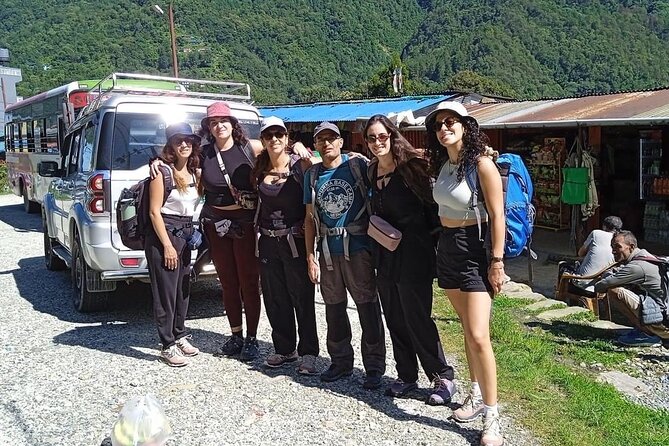
Your first walking day begins after the drive from Pokhara to Kande. The distance is about 8 kilometers, and the listed walking time is roughly five hours. You rise from 1,770 meters at Kande to Forest Camp at 2,600 meters.
The forest is the star here. Oak and rhododendron trees create a cool, shaded setting, and the path feels much quieter than Nepal’s most famous trekking corridors. You get an immediate taste of the route’s appeal: steady uphill walking, simple mountain surroundings, and no need to rush toward a major monument or viewpoint.
The ascent is manageable on paper, but the gain in height matters. You are climbing about 830 meters on the first day, so walk slowly and keep your breathing controlled. You do not need to treat this like a race. The guide can help set a pace that works for your group.
Forest Camp is at 2,600 meters, high enough for the air and effort to feel different from Pokhara. Tea house accommodation is included, but you should expect a practical lodge rather than hotel-style comfort. Bring a headlamp, warm layers, and a power bank, since Wi-Fi and battery charging are listed as personal expenses and may not be available at no cost.
Day two: Forest Camp to Low Camp and the first great views
Day two covers about 6 kilometers in four to five hours, taking you from Forest Camp to Low Camp at 3,150 meters. The route continues through dense forest, with the gradient rising in a fairly gradual way.
This is a useful acclimatization day because the distance is shorter than day one, even though you gain another 550 meters. The forest still provides cover, but the route begins to feel more open as you approach the higher ridges.
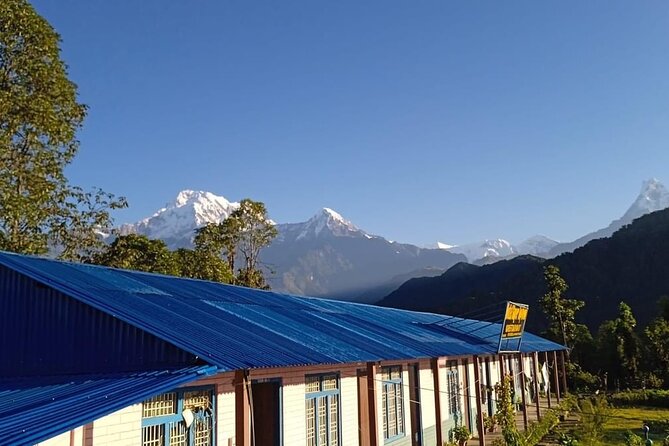
The reward is the first clear mountain drama. You can expect views toward Machhapuchhre, also known as Fishtail, and the peaks around it. The shape of Fishtail is one of the memorable sights in the Pokhara area, and seeing it from a rising trail gives the walk a strong sense of direction.
Low Camp is not the final high point, but it is an important overnight stop. You are now above 3,000 meters. Drink water regularly, eat enough, and tell your guide if you develop a headache, unusual fatigue, or other altitude symptoms. The package includes an oximeter and first-aid kit, which gives the guide useful tools, but no piece of equipment replaces careful pacing and good judgment.
Day three: Low Camp to High Camp above the trees
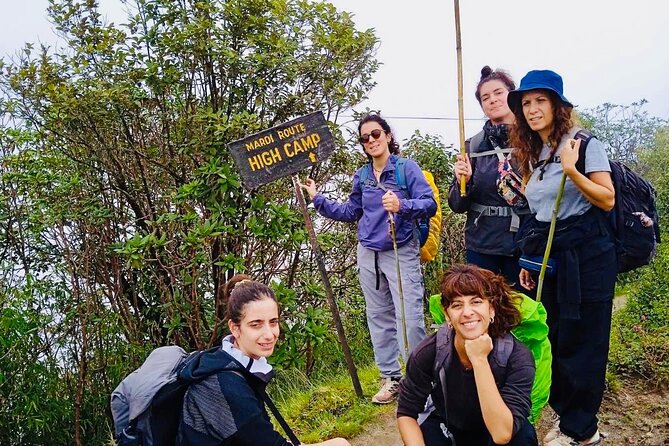
The third day covers about 7 kilometers and takes four to five hours. You climb from Low Camp at 3,150 meters to High Camp at 3,580 meters.
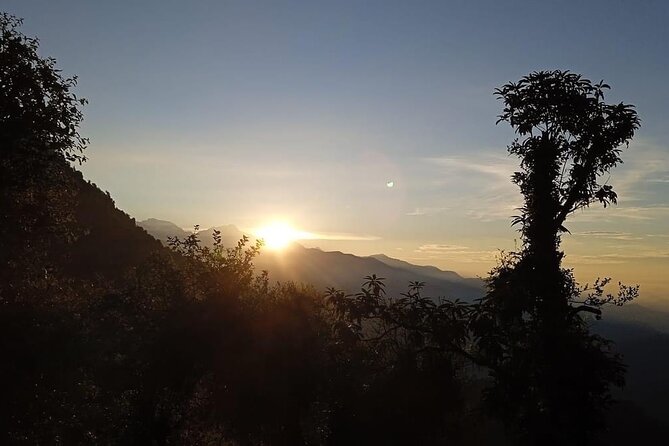
This is where the route changes character. You move above the tree line, leaving much of the forest behind and entering open high-country terrain. The views widen, and the Annapurna and Dhaulagiri ranges begin to take over the horizon.
The walking time is not extreme, but the thinner air makes the day more demanding than the distance suggests. At 3,580 meters, every uphill section can feel slower. You will get more from the day if you pause for photographs, breathe steadily, and avoid arriving at High Camp exhausted.
High Camp is the staging point for the base camp walk. This overnight stop matters because it keeps the final approach within reach of an early start. The accommodation remains tea house or lodge based, and the setting is likely to be more basic than in the lower villages. That simplicity is part of the trade-off for sleeping close to the high ridge.
More trekking days out of Annapurna Region:
- Annapurna Circuit Trek with Tilicho Lake
★ 5.0 · 368 reviews - Annapurna base camp trek 5 Days
★ 5.0 · 252 reviews - Poon hill Trek 3 days
★ 5.0 · 176 reviews - Trekking in Annapurna/Langtang/Everest/Upper Mustang regions
★ 5.0 · 161 reviews
Day four: High Camp to Mardi Himal Base Camp at 4,500 meters
Day four is the central test of the trek. You walk from High Camp to Mardi Himal Base Camp, at about 4,500 meters, then return to High Camp. The total distance is listed as 10 to 12 kilometers, with six to seven hours of walking.
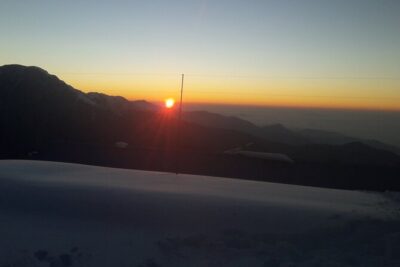
The schedule is designed around sunrise. An early departure gives you the best chance of seeing the Himalayas in the clear morning light, and it puts the main viewpoint at the heart of your day. You should expect cold conditions at this height, so use the supplied down jacket if needed and keep gloves, a hat, and warm layers close at hand.
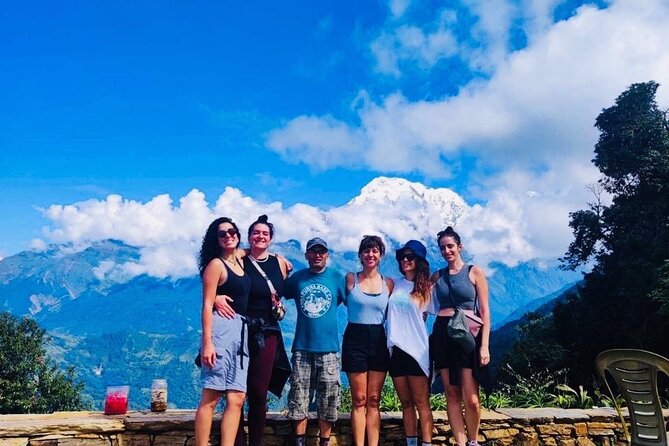
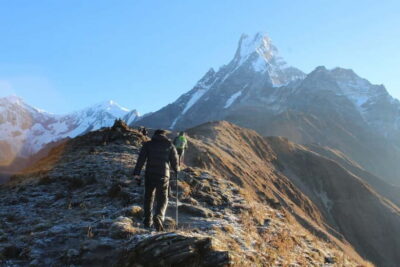
The scenery is the payoff. From the high route, you get close views toward Mardi Himal, along with Annapurna and Machhapuchhre. The open ridges let you see much farther than you could in the forest below. The path itself becomes less about reaching a village and more about the changing views around every rise.
This is also the day when you need to be most realistic about your limits. Reaching 4,500 meters is a meaningful altitude gain, and the return walk adds to the effort. If weather, health, or trail conditions make the summit approach unwise, listen to the guide rather than treating the base camp as a test of will.
The itinerary returns you to High Camp rather than sending you down immediately. That makes for a long day, but it avoids forcing the entire descent into the same schedule. Plan for a simple evening, an early meal, and rest.
Day five: High Camp to Siding Village by trail and jeep
Day five changes the mood again. You descend about 8 kilometers from High Camp at 3,580 meters to Siding Village at 1,700 meters. The walking portion takes four to five hours, followed by about two hours of driving.
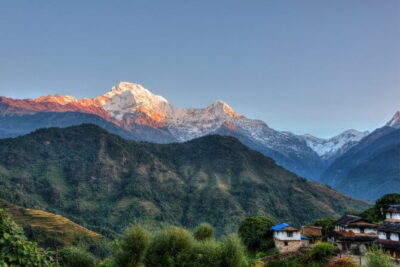
The lower elevation is welcome after the high camp night. You pass through terraced fields and traditional villages, with a closer look at daily life in the hills. The route also offers a chance to meet local Gurung communities, an important cultural element that keeps the trek from being only a mountain-view exercise.
The descent can be harder on your knees than the uphill days were on your lungs. Trekking poles are worth bringing, especially on uneven ground. Shoes with a firm sole are also more useful here than lightweight city trainers.
At Siding, a private jeep takes you back toward Pokhara. After several nights in tea houses, the vehicle transfer gives you a clear finish to the walking portion. The trip does not end at the base camp. It closes with the contrast between remote trails and the road network below.
Day six: Returning to Kathmandu by tourist bus
The final day is listed as a roughly seven-hour tourist bus journey to Kathmandu. This is not another trekking day, so it works as a travel transfer after the mountain section.
The bus option is practical and keeps the package connected to a wider Nepal itinerary. At the same time, seven hours on the road can feel long after a demanding trek. If you are booking this as part of a larger trip, leave some flexibility around your Kathmandu plans rather than arranging an important same-day connection.
The package also includes a flight ticket to Pokhara, so the full arrangement appears to cover the inbound movement to the trekking area and the return by bus. Confirm the flight details, baggage allowance, departure times, and how the Pokhara hotel night fits into your schedule before paying.
What the $760 price really covers
The value here depends on how much of Nepal you want to arrange yourself. For a guided private trek, the price covers several items that are easy to overlook when comparing headline rates.
Included services and costs are:
- Transport from Pokhara to Kande by car
- Private jeep from Siding to Pokhara
- A licensed trekking guide, including the guide’s insurance and food
- Tea house or lodge accommodation during the trek
- Annapurna Conservation Area Permit
- Sleeping bag, down jacket, and duffle bag when necessary
- First-aid kit and oximeter
- Government taxes, VAT, and service charges
- Five breakfasts, five lunches, and four dinners
- One night in a three-star Pokhara hotel
- Flight ticket to Pokhara
- Tourist bus to Kathmandu
The price does not include a porter, travel insurance, Nepal’s entry visa, lunch or dinner in Pokhara, drinking water, hot or cold drinks, bar bills, Wi-Fi, battery charging, personal expenses, or tips.
That list is important. You may not need a porter if you pack lightly, but you will be carrying your own bag unless you arrange one separately. Insurance is compulsory, and it should cover trekking at the planned altitude. Ask the operator to clarify porter rates, the flight details, and which meals are covered on travel days.
The guide and support arrangement
This is a private activity, so only your own group participates. That gives you more room to set the walking pace and discuss stops with the guide than you would have on a large group departure.
The company identifies Surendra as its manager, and Yaka is also connected with the trek support. Their names are useful to note when you communicate before departure, especially if you want to confirm gear, transfers, meal arrangements, or the precise meeting point.
The professional guide is one of the stronger parts of the package. A licensed guide does more than lead the way. On a high route, the guide can watch the pace, help with altitude concerns, manage the day’s timing, and explain village and trail details that you might miss alone.
The included oximeter and first-aid kit are practical additions. They do not make the trek risk-free, but they show that the operator has built basic safety tools into the arrangement.
What to pack and what to budget for
Pack for both warm lower valleys and cold high camps. You may receive a down jacket and sleeping bag if needed, but you still need personal layers, sturdy walking shoes, rain protection, gloves, a hat, sunscreen, and a small daypack.
A duffle bag is included when necessary, but the porter is not. Keep your load manageable. If you plan to carry more than you comfortably can for five hours a day, arrange a porter in advance.
Budget extra for:
- Porter service
- Nepal entry visa
- Travel insurance
- Lunch and dinner in Pokhara
- Drinking water
- Hot and cold drinks
- Bar bills
- Wi-Fi and battery charging
- Personal purchases
- Guide and porter tips
The cancellation terms are friendly if your plans change. You can receive a full refund when cancelling at least 24 hours before the local start time. Cancellations or changes inside that window are not accepted for a refund.
Who should book this trek
I would suggest this route to you if you want a relatively short Himalayan trek with strong scenery, basic mountain lodging, and a private guide. It suits people who enjoy walking for four to seven hours a day and who are comfortable with a high point of 4,500 meters.
It is also a good match for a first Himalayan trek if you prepare properly. One participant joined with anxiety as a beginner and found the planning advice useful, especially when the weather allowed clear mountain views. That does not mean the route is easy, but it does suggest that careful guidance can make the experience manageable for a newcomer.
I would be cautious if you dislike simple lodges, long descents, or early starts. I would also avoid booking it without insurance, a sensible pace, and a plan for carrying your luggage. The high point is demanding, and the itinerary gives you limited spare time if you need to slow down.
Should you book the Mardi Himal Trek?
Book it if you want big Himalayan views in six days, a private arrangement, and a route that combines forest, high ridges, and Gurung villages. The included guide, permits, transport, meals, lodging, and cold-weather gear give the $760 price real value, especially if you also need the Pokhara flight, hotel night, and Kathmandu bus.
Before booking, confirm the flight schedule, porter cost, exact hotel night, and what happens if weather disrupts transport. If you are comfortable with tea houses and a demanding day at 4,500 meters, this is a well-shaped introduction to Nepal’s mountain trails. If you want a soft holiday with little physical strain, choose a lower and shorter walk instead.
FAQ
How long does the Mardi Himal Trek take?
The trek and associated travel take approximately six days. The walking route runs from Kande to Mardi Himal Base Camp and back through Siding, followed by transport to Kathmandu.
What is the highest point of the trek?
The highest listed point is Mardi Himal Base Camp at approximately 4,500 meters.
Is transport included?
Yes. The package includes a car from Pokhara to Kande, a private jeep from Siding to Pokhara, a flight ticket to Pokhara, and a tourist bus to Kathmandu.
Is accommodation included?
Yes. Tea house or lodge accommodation is included during the trek, along with one night in a three-star hotel in Pokhara.
Are meals included?
Five breakfasts, five lunches, and four dinners are included. Lunch and dinner in Pokhara are not included, and drinks, water, bar bills, and personal food purchases cost extra.
Is this a private tour?
Yes. Only your group participates, and the experience includes a professional licensed trekking guide.
Just added around Annapurna Region
- 4 Day Mardi Himal Base Camp Trek from Pokhara★ 5.0 · 18 reviews
- 7-Day Trek to Annapurna Base Camp from Pokhara★ 5.0 · 12 reviews
- Private 4 Day Poon Hill Trek from Pokhara★ 5.0 · 16 reviews
- Annapurna Base Camp Trek from Pokhara and Kathmandu★ 5.0 · 7 reviews
- 6 days Annapurna Basecamp Trek★ 5.0 · 16 reviews
- “Exclusive Round-Trip Transfer: Pokhara to Jomsom & Muktinath”★ 5.0 · 11 reviews
- Poon Hill Ghandruk Circuit Trek from Pokhara 4 Days★ 5.0 · 10 reviews
- Pokhara: Poon Hill Ghorepani Short Trek★ 5.0 · 6 reviews
Mardi Himal Treks, compared.

Browse the lists this tour appears in