Reviewed · KATHMANDU TOURS
Experiential Career Break trip to Nepal for Gap year and Sabbatical travelers
Kathmandu is only the beginning here. This nine-day private journey moves from major sights such as Swayambhunath and Boudhha to small shrines, village lanes, terrace fields, and monastery life at Namo Buddha. You get a useful mix of Nepal’s famous places and quieter corners that many short city tours skip.
I like the focus on local contact, especially the village stay near Nagarkot and the time spent learning about monks’ daily routines. I also like the range: sacred sites, old Newari towns, Himalayan viewpoints, and market streets all make the program feel like a real introduction to Nepal rather than a checklist of temples.
The main caution is pace. Several days include long walks or hikes, and the schedule has many stops. Communication and guiding standards may need confirming in advance, since one unhappy customer reported difficulty with English and coordination. Ask for your guide’s name and language level before paying.
Key points at a glance
- Kathmandu beyond the headline sights: Walk from Swayambhunath through shrines, Ayurvedic shops, markets, and Kathmandu Durbar Square.
- A quieter side of the valley: Visit Bajrayogini, hike around Jarsing Pauwa, and spend time in villages near Nagarkot.
- Monastery time at Namo Buddha: Learn about meditation and monastic routines, with a morning walk involving monks.
- A strong Newari culture section: Explore Panauti, its temples, museum, streets, and stone and wood craftsmanship.
- Private transport and meals included: The $980 price covers private transportation, taxes, seven breakfasts, six lunches, and six dinners.
- Not a passive sightseeing holiday: Expect several hikes, village walks, cultural explanations, and full days on foot.
Why this Nepal itinerary feels different
This trip is aimed at people taking a career break, gap year, or sabbatical, and the design makes sense for that audience. You are not simply driven from one major monument to another. The days connect Kathmandu with nearby hills and old settlements, giving you time to notice how religious life, farming, trade, architecture, and mountain geography fit together.
The route is also private, so your group controls the experience more than it would on a large coach tour. That matters in places such as Asan market, where you may want time to look at pickles, dried vegetables, clothing, or household goods rather than being hurried through.
Still, private does not mean leisurely. The itinerary includes a five-hour visit around Tukucha Nala, a three-hour walk toward Dhulikhel, a four-hour hike to Namo Buddha, and a six-hour monastery and village day. You should be comfortable walking for extended periods and spending time on uneven rural paths.
More days out in Kathmandu:
- Private Kathmandu Sightseeing Tour | UNESCO World Heritage sites
★ 5.0 · 756 reviews - Half day cooking class in Thamel kathmandu
★ 5.0 · 607 reviews - Nagarkot Sunrise View and Day Hiking from Kathmandu
★ 5.0 · 471 reviews
Day 1: Swayambhunath, old Kathmandu, and Asan market
The opening day gives you a broad introduction to Kathmandu. Begin at Swayambhunath, the hilltop stupa commonly called the Monkey Temple. The site dates back to the fifth century and remains one of the valley’s key Buddhist and Hindu pilgrimage places.
The visit is scheduled for about 45 minutes. That is enough for an introduction and a look across Kathmandu Valley, though you may want to ask whether extra time is possible if you enjoy photography or religious art.
From there, the route becomes more local. Shobha Bhagawati is a smaller shrine dedicated to the Hindu goddess Bhagawati, built in the pagoda style. The stop is brief, but it helps show how worship is woven into ordinary city neighborhoods.
Bijayashwari and Nardevi add more texture. At Nardevi, the smell of Ayurvedic medicine shops fills the street. You can look into a shop, ask questions, or buy something if you wish. This is the sort of short urban encounter that gives the walking route character.
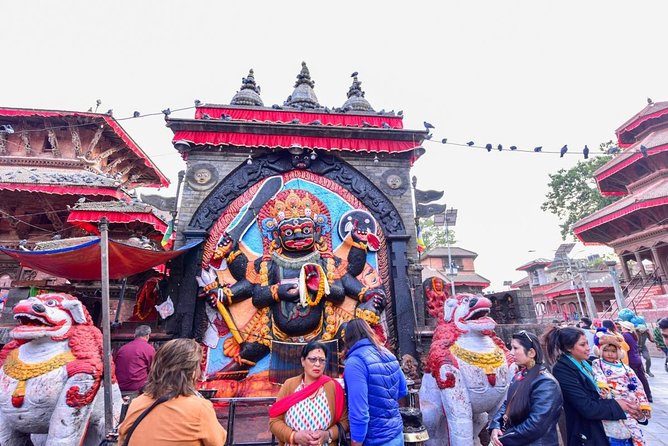
Kathmandu Durbar Square brings you back to the major monuments. The old royal square contains temples, shrines, palace buildings, and Hanuman Dhoka, a former royal complex that now functions as a historical museum. The program allows about 30 minutes at the square and 45 minutes at Hanuman Dhoka.
You will also visit Kumari Chowk, home of the Kumari, Nepal’s living goddess. Meeting her depends on timing, and she does not speak with visitors. Treat this as a glimpse into a living tradition, not a guaranteed personal encounter.
Finish around Asan, one of Kathmandu’s best market streets. You may find produce, meat, fish, pickles, dried foods, fabrics, clothing, and everyday groceries. This is a good place to watch city life at close range. Wear comfortable shoes, keep your belongings secure, and leave room for the crowd to move around you.
The admission information deserves a quick check before departure. Hanuman Dhoka is listed as included, while Kathmandu Durbar Square has a separate admission note. The package also says all fees and taxes are included, so ask the operator to clarify this small inconsistency.
Day 2: Boudhha, Bajrayogini, and Jarsing Pauwa
Boudhha offers a calmer start. The huge Tibetan Buddhist stupa is surrounded by monasteries and a school where you may see traditional silk thangka painting. Walking around the stupa while prayer flags move overhead gives you a clear sense of the area’s religious importance.
The planned visit is about 30 minutes. If you are interested in Tibetan Buddhism, ask your guide whether you can have enough time to observe the monasteries and the ritual movement around the stupa. The schedule may be tight later in the day.
Bajrayogini is the more unusual stop. The name combines ideas of strength and female spiritual practice, and the local guide is expected to explain the shrine’s story and point out evidence connected with local tradition. At about an hour, this is not just a quick photograph from the vehicle.
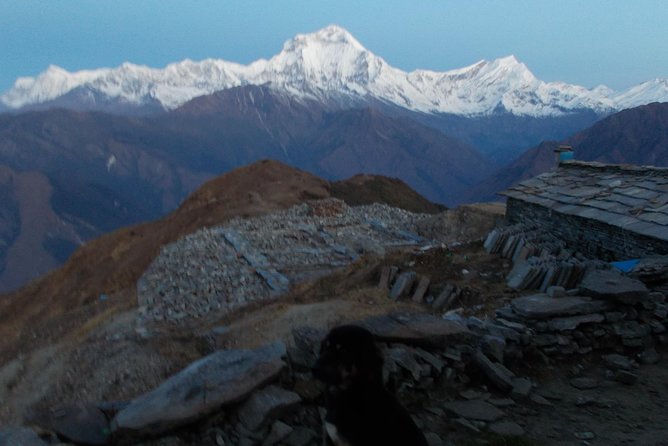
The day then turns toward Jarsing Pauwa, a hill station near Kathmandu. A roughly one-hour hike brings you to a viewpoint with mountain and valley views. Clear weather will make a major difference, so keep expectations flexible. The mountain panorama is a possibility, not a promise.
This day is especially good for you if major monuments alone do not satisfy you. It places a famous religious center beside a less familiar temple and a short hill walk.
Day 3: Nagarkot and a village welcome
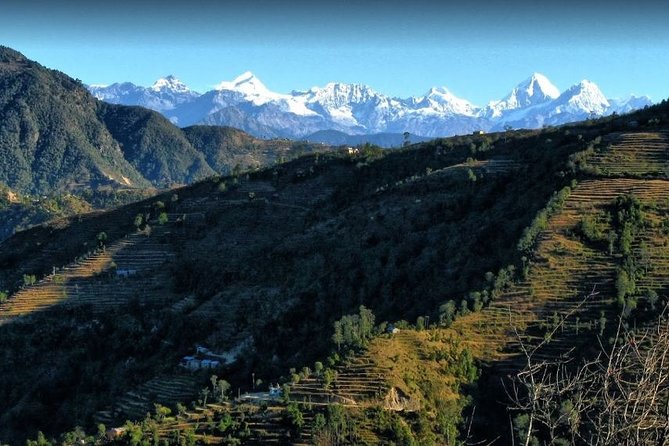
The Nagarkot Panoramic Hiking Trail takes you through villages, wooded sections, hills, and terrace fields. The listed walking time is about one hour, although the full transfer and sightseeing rhythm may make the day feel longer.
Nagarkot is one of the valley’s best-known hill stations, and the appeal is simple: open views, cooler air, and a chance to step away from Kathmandu’s traffic. Mountain visibility depends on weather, particularly haze and cloud.
After sunset, you hike to Ghimire Village for about three hours of local village life. The program describes a friendly welcome and time spent among local residents. This is one of the trip’s most distinctive features because it shifts the focus from monuments to people and daily routines.
You should ask in advance what the overnight arrangement involves. The information confirms village living and a local welcome, but it does not spell out room type, bathroom arrangements, or privacy. That uncertainty is not a dealbreaker, but it matters if you prefer hotel standards.
A completely different kind of day, same corner of Nepal:
- Kathmandu: Full Day 7 UNESCO Tour with Lunch – Private/Group
★ 5.0 · 415 reviews - Kathmandu: Local Women-Led Nepali Cooking & Momo Class
★ 4.9 · 360 reviews - Private Bhaktapur and Nagarkot Day Tour From Kathmandu
★ 5.0 · 305 reviews - Kathmandu: Full Day Top 4 UNESCO Tour with Lunch – Private/Group
★ 5.0 · 269 reviews
Day 4: Tukucha Nala and the route to Dhulikhel
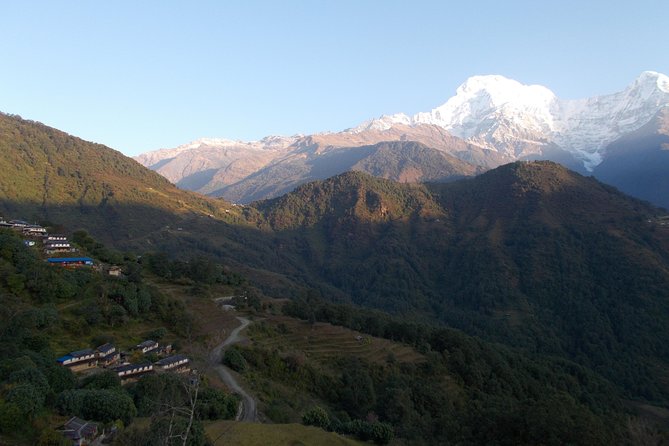
Day four is one of the fuller days. Around Tukucha Nala, local people guide you to a monastery, historical temples, and less visited places near the village. The visit is listed at five hours, so you will have time to look beyond the main shrine and learn how the area’s religious sites connect with village life.
The phrase less visited should not be mistaken for untouched. You are still following a planned route, but this section should feel more personal and less formal than the major heritage squares.
Later, a three-hour hike leads toward Dhulikhel through villages and green hills. On a clear day, mountains may appear in the distance. This is a good route for someone who likes to travel slowly and on foot, but it may be tiring after the morning’s five-hour exploration.
The private vehicle is useful here. It means you are not tied to a large group’s transport schedule, and the operator can manage transfers around the walking sections. Confirm how luggage is handled between the village, Dhulikhel, and Namo Buddha.
Days 5 and 6: Namo Buddha and monastery life
Namo Buddha is the spiritual heart of the trip. From Dhulikhel, you hike for about four hours to the Thrangu Tashi Yangtse Monastery, a major Buddhist center in the area. The point is not just to see the building. You spend time learning about monastic life and are scheduled to dine with monks.
That kind of contact can be meaningful when handled with care. You are entering a working religious setting, so modest clothing, quiet behavior, and attention to local instructions are important. The supplied information does not specify a formal dress code, but respectful clothing is a sensible choice.
The following morning continues the monastery focus. You descend to a nearby village for a morning walk with monks, return to the monastery, and learn about daily routines and meditation. The program allows six hours, making this more than a quick temple visit.
I like the decision to give Namo Buddha two days. Many Nepal itineraries treat monasteries as photo stops. Here, you have enough time to slow down and think about the setting. The tradeoff is that two days centered on one monastery may feel too quiet if you want constant sightseeing.
The hike from Dhulikhel also deserves honest attention. Four hours on foot can be demanding, and the itinerary does not provide a difficulty rating. Ask about elevation changes, trail conditions, and what happens if you decide not to complete the walk.
Day 7: Panauti’s temples and museum
Panauti is a historic Newari town with many temples dating from the fifteenth century. The program gives you about three hours to walk through its streets, houses, and religious sites.
The town is a strong counterpoint to Kathmandu. Instead of one grand square surrounded by heavy traffic, Panauti offers a smaller-scale setting where architecture and daily life sit close together. You may find details in doorways, courtyards, shrines, and carved wood that are easy to miss on a fast visit.
The Panauti Museum is housed inside Indreshwor Temple and receives about two hours. Its displays focus on the community’s stone and wood arts. This is useful context for the buildings you have already seen, since it lets you look at the workmanship rather than only the overall shape of a temple.
Panauti is one of the better portions of the route for anyone interested in architecture and local culture. It is also a place where your guide’s explanations matter greatly. Ask questions about the Newari community, the temple layout, and which buildings are still used for worship.
Day 8: Bhaktapur and its five-story temple
Bhaktapur gives you another view of Newari culture, this time in a larger and more famous setting. The old city is known for its temples, food, traditional buildings, and long connection with craftsmanship.
The general Bhaktapur visit lasts about three hours, followed by two hours at Bhaktapur Durbar Square. Nyatapola, the five-story temple, is the visual centerpiece. The square’s architecture makes it easy to imagine the city as a royal center, though the present-day streets also show ordinary life continuing around the monuments.
This is a satisfying final sightseeing day because it brings together themes from the whole route: Hindu and Buddhist practice, palace squares, wood and stone work, local food, and old urban neighborhoods.
The schedule again lists some admissions separately while the package says all fees and taxes are covered. Get a written answer about which entrance tickets are included, especially at the UNESCO sites.
Day 9: Flexible Kathmandu time
The last day is intentionally open. You have about two hours listed in Kathmandu, with time for places you may have missed or for souvenir shopping.
This is useful after a busy program. You might prefer a final market walk, another museum, or a quiet morning rather than another fixed tour. Since no specific closing activity is promised, ask how the day works with your departure time and airport transfer.
What the $980 price really covers
At $980, the value depends on how many people share the private vehicle and how the accommodation is arranged. The package includes private transportation, taxes and fees, seven breakfasts, six lunches, and six dinners. That is a substantial bundle for nine days, especially with multiple transfers, village sections, and guided cultural visits.
The price does not include travel insurance or personal spending. You should also budget for souvenirs, drinks, extra snacks, and any admission that the operator confirms is outside the package.
Accommodation is important but not described in the supplied details. One positive account connected with the same travel operation praised the hotels as first class, but that does not establish what this particular package provides. Ask for the names and locations of every hotel, plus the village and monastery arrangements, before booking.
The strongest value here is not luxury. It is access to a planned mix of sites that would be awkward to connect independently in nine days. The weaker point is that the itinerary leaves several practical details open.
Who should book this experience?
You should consider it if you want Nepal through several lenses: famous Buddhist sites, Hindu shrines, old royal cities, village contact, short hikes, and time with monks. It suits a person on a sabbatical or gap year who wants structure but does not want a large group schedule.
It is less suitable if you want a slow hotel holiday, a serious high-altitude trek, or a purely luxury trip. The route includes repeated walking days, and the available information does not give clear trail difficulty or accommodation standards.
One serious point deserves attention: communication. A past customer reported that a guide could not communicate well in English despite an English-speaking guide request. The operator responded that the customer had enjoyed much of the trip but that communication broke down. You do not need to assume the same problem will happen, but you should confirm your guide’s English ability, who will accompany you each day, and how to reach the trip manager.
The tour has a 4.2 rating from five submitted ratings, with strong praise for coordination, drivers, guides, village stays, and spiritual sightseeing, alongside one sharp complaint. That is a small sample, so use it as a prompt for specific questions rather than as a final verdict.
Should you book it?
Book this Nepal experience if you value variety, personal guiding, village contact, and religious culture more than a relaxed pace. The combination of Kathmandu markets, Bajrayogini, Nagarkot, Namo Buddha, Panauti, and Bhaktapur gives you a much fuller picture than a standard city package.
Before booking, confirm three things: the English level and name of your guide, the exact accommodation including the village and monastery nights, and which entrance fees are included. If those answers are clear and you are ready for several long walking days, the $980 price can offer strong value.
FAQ
How long is the tour?
The experience is scheduled for approximately nine days, with activities listed from day one through day nine.
What is included in the price?
The package includes private transportation, all listed fees and taxes, seven breakfasts, six lunches, and six dinners.
Is hotel pickup available?
Yes. Pickup is offered.
Is this a private tour?
Yes. Only your group participates in the activity.
Does the tour include hikes?
Yes. The program includes walks and hikes around Jarsing Pauwa, Nagarkot, Ghimire Village, Dhulikhel, Namo Buddha, and nearby villages.
Can I cancel for a full refund?
You can cancel at least 24 hours before the local start time for a full refund. Cancellations or changes made less than 24 hours before the start are not accepted for a refund.
Just added around Kathmandu
- Traditional Momo Making Class★ 5.0 · 10 reviews
- Women Empowerment Project(Nepali cooking class & jewelry workshop★ 5.0 · 15 reviews
- Manthali Airport (Ramechhap) To Kathmandu – Transport Service★ 4.5 · 11 reviews
- Amazing 1 Day Trekking Experience in Kathmandu Nepal★ 5.0 · 24 reviews
- Walking tour of Kathmandu with awesome local guides★ 5.0 · 4 reviews
- Walking tour of real Kathmandu through back streets.★ 5.0 · 3 reviews
- Private Manaslu Circuit Trek at Himalayas★ 5.0 · 3 reviews
- Walking Street Food Tour in Kathmandu★ 5.0 · 111 reviews
Kathmandu Tours, compared.
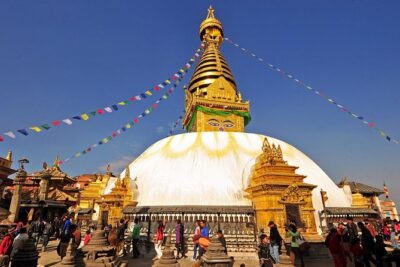
Private Kathmandu Sightseeing Tour | UNESCO World Heritage sites
Read our review →
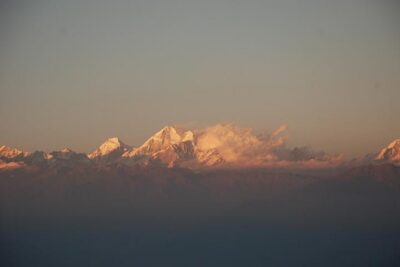
Nagarkot Sunrise View and Day Hiking from Kathmandu
Read our review →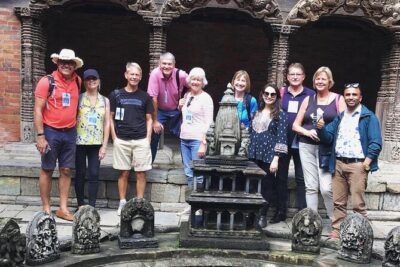
Full Day 7 UNESCO Tour with Lunch – Private/Group
Read our review →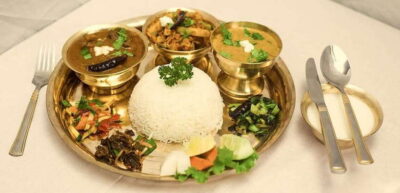
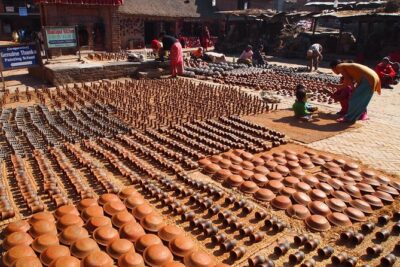
Private Bhaktapur and Nagarkot Day Tour From Kathmandu
Read our review →
Full Day Top 4 UNESCO Tour with Lunch – Private/Group
Read our review →