
Reviewed · DURBAR SQUARE TOURS
From Kathmandu: 3 Major Durbar Square Guided Tour
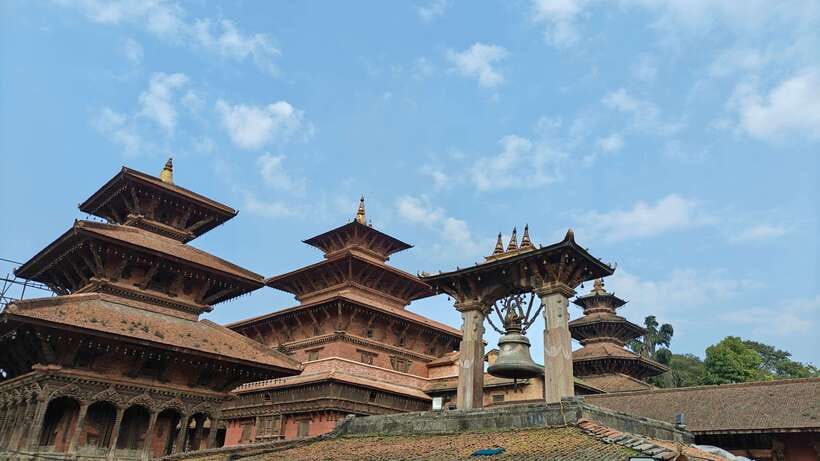
Kathmandu Valley’s three Durbar Squares show you three different faces of old Nepal in one compact tour. You’ll see the royal Hanuman Dhoka complex, Patan’s finely worked temples, and Bhaktapur’s old-world streets, all with a private English-speaking guide to explain what you’re looking at. The Kumari’s residence and Bhaktapur’s soaring Nyatapola Temple are two especially memorable stops.
I like the private transport from Thamel and the chance to compare three royal cities in a single outing. I also like the guide-led format: Pranav is praised for clear explanations, while Aneel, also called Karma, is known for passionate storytelling and an easygoing approach. The main drawback is price clarity, since the $86 fee does not include entrance tickets, meals, or personal expenses.
Key points at a glance
- Three UNESCO-listed squares in one tour: Visit Kathmandu, Patan, and Bhaktapur without arranging separate transport.
- Royal Kathmandu: Explore Hanuman Dhoka Palace and the courtyard connected with the Kumari, Nepal’s living goddess.
- Patan’s stone masterpiece: See Krishna Mandir and the former royal palace complex in Lalitpur.
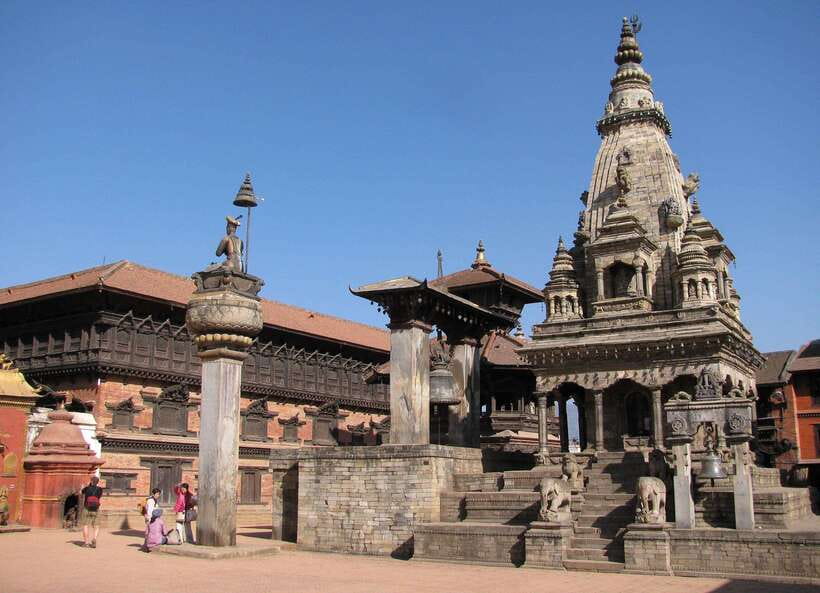
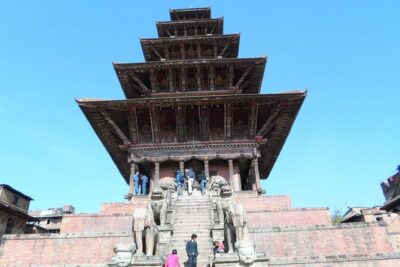
- Bhaktapur’s towering pagoda: Visit Nyatapola Temple, the tallest pagoda in Nepal, along with the Golden Gate and 55-Window Palace.
- Private and practical: Hotel pickup and drop-off within Kathmandu, private transport, and an English-speaking guide are included.
- Allow for extra costs: Entrance fees are not included in the advertised $86 price.
Why these three squares belong together
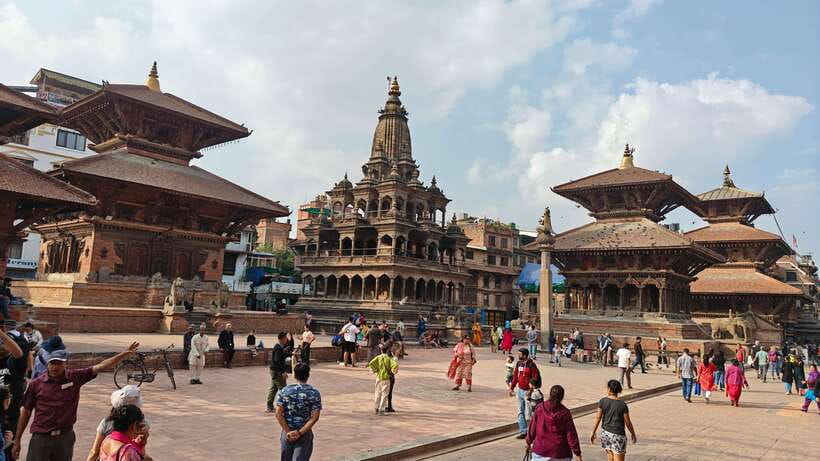
If you visit only one historic square in the Kathmandu Valley, you’ll miss the best part of the comparison. Kathmandu, Patan, and Bhaktapur were once separate royal cities, and each developed its own look and feel.
The tour works because the sites are not duplicates. Kathmandu Durbar Square feels tied to Nepal’s royal and religious center. Patan is the place to pay attention to metalwork, stone carving, and formal temple design. Bhaktapur gives you the strongest sense of an old city built around traditional Newari architecture.
A guide matters here. The squares are packed with courtyards, shrines, statues, palace buildings, and temples that can blur together if you simply walk around with a map. A good explanation helps you see why a roof shape, doorway, or carved figure matters.
The private format also gives you a more personal day than a large coach outing. You are not being moved through a crowd on a fixed group schedule. The tour is listed as a private group, with pickup and drop-off within Kathmandu, so it suits you if you want transport and interpretation handled together.
The advertised duration is five hours, but the listed visits add up to five and a half hours: one and a half hours in Kathmandu, two hours in Bhaktapur, and two hours in Patan. Since driving between the sites is also part of the day, check the exact starting time and expected return when you book. The time may be described as an approximate half-day schedule.
More Durbar Square Tours in Kathmandu:
- Bhaktapur & Patan Durbar Square Day Tours
★ 5.0 · 122 reviews - Kathmandu Sunset Tour by Rickshaw Including Durbar Square Visit
★ 5.0 · 73 reviews - Old Kathmandu Walking Tour, Historic World Heritage Durbar Square
★ 5.0 · 22 reviews
Starting at Hanuman Dhoka in Kathmandu
Your first stop is Kathmandu Durbar Square, the historic center of old Kathmandu. The focus is Hanuman Dhoka Palace, a royal complex named for Hanuman, the Hindu monkey god.
This is a strong opening because it puts royal Nepal, temple worship, and daily city life in the same setting. You’ll walk among courtyards and carved wooden buildings rather than visit a single isolated monument. The square’s palace buildings and temples show how power and religion were closely linked in Nepal’s old capital.
The itinerary gives you about 90 minutes here. That is enough for a guided introduction, but not enough to inspect every structure at a slow pace. Listen closely when your guide points out the Taleju Temple and the palace courtyards. Without context, the details can be easy to overlook.
The Kumari’s residence is another major stop. The Kumari is Nepal’s living goddess, and her home gives the tour a connection to a continuing religious tradition rather than only a look at old stone and timber. The tour description specifically includes the residence, but you should not treat a personal appearance as guaranteed. Your guide can explain the custom and the setting.
Kathmandu Durbar Square is also described as a place that comes alive during festivals. If your visit does not coincide with one, you’ll still see the buildings and religious spaces, but the festival atmosphere will not be part of the regular tour.
This first stop is likely to feel the most crowded and active of the three. That is useful if you want to see the square as part of a living city, though it may be less peaceful than Bhaktapur. Keep your camera ready, but give your guide your attention. The stories behind the places are the reason to pay for a guided visit.
Patan and the art of Lalitpur
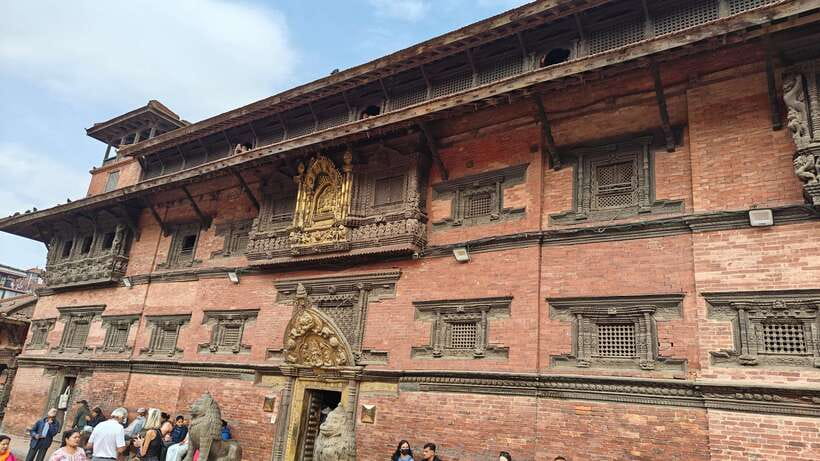
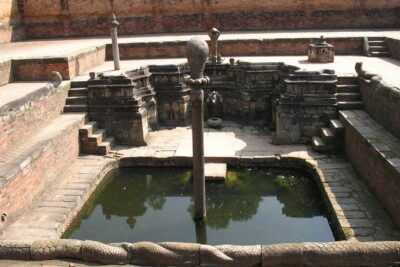
Patan Durbar Square, also called Lalitpur Durbar Square, offers a different mood and a different architectural emphasis. Patan is known for fine arts and careful craftsmanship, and the central palace was once the home of the city’s royal family.
The star here is Krishna Mandir, a stone temple dedicated to Lord Krishna. Its material and form help distinguish Patan from Kathmandu’s more timber-focused palace setting. Your guide can help you read the carvings and understand why this temple commands so much attention within the square.
You have about two hours in Patan, which gives this stop more breathing room than Kathmandu. I like that allocation. Patan rewards slow looking. Pause at the courtyards, examine the statues, and notice how the palace and temple spaces fit together.
The Patan Museum is within the palace complex and offers more background on the valley’s culture, religious art, and history. The supplied schedule does not clearly promise a separate museum visit, and entrance fees are not included, so ask your guide whether the museum fits into your route and what extra ticket is needed.
That point matters for planning. If you are especially interested in sculpture and religious art, you may want to spend more time at the museum and less time elsewhere. If your priority is seeing all three squares in one half-day, the guide may keep you focused on the main palace and temple areas.
Patan is a good middle stop because it rewards curiosity without requiring you to rush through a long list of attractions. You can compare Krishna Mandir with the temples in Kathmandu, then notice how the city’s artistic traditions give the square its own identity.
Bhaktapur’s 55-Window Palace and Nyatapola Temple
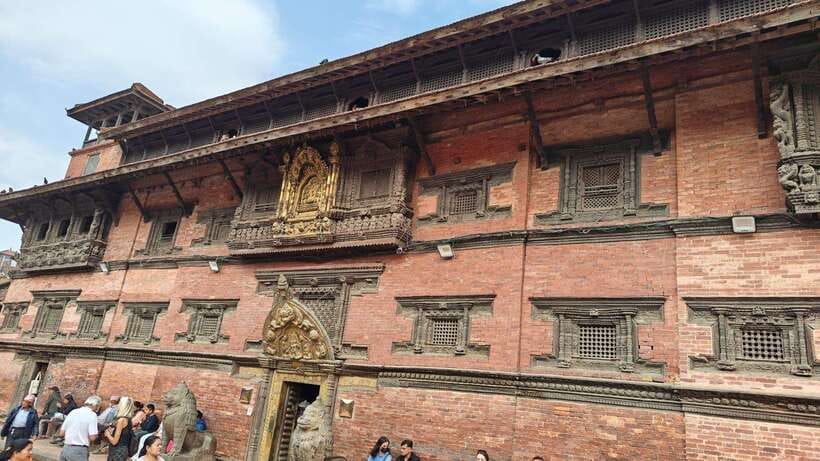
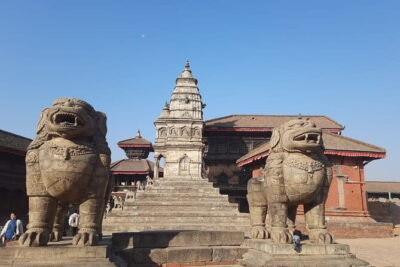
Bhaktapur Durbar Square is the longest scheduled stop, at about two hours, and it is likely to be the most visually unified. The old city is described as less commercialized and better preserved than the other two squares, with traditional Newari architecture shaping the streets and courtyards.
The 55-Window Palace is one of the key sights. Its name points to the palace’s distinctive window design, and it helps you picture Bhaktapur as a royal city rather than simply a collection of temples. The Golden Gate and Vatsala Temple add more detail to the palace area.
Then there is Nyatapola Temple, the tallest pagoda in Nepal. Its height gives the square a clear visual centerpiece. You’ll want to look up from the base and take in the full tiered form, but your guide’s explanation will make the structure more meaningful than a quick photograph.
Bhaktapur is also known for pottery and traditional handicrafts. The tour includes time to walk through its old streets, so you may find this the best place to notice the city beyond its main monuments. The description does not promise a craft demonstration or shopping stop, so treat the pottery tradition as part of the setting rather than a scheduled activity.
Two hours is enough for a solid introduction, though Bhaktapur can easily reward more time. The tradeoff is clear: this tour gives you three major sites in one outing, but it cannot provide the leisurely pace of a full-day visit to one city.
I would save a little energy for Bhaktapur. By this point, you’ll have already seen a palace complex and a major temple square. Bhaktapur’s narrow lanes, traditional buildings, and tall pagoda give the final stop a different rhythm.
More days out in Kathmandu:
- Private Kathmandu Sightseeing Tour | UNESCO World Heritage sites
★ 5.0 · 756 reviews - Half day cooking class in Thamel kathmandu
★ 5.0 · 607 reviews - Nagarkot Sunrise View and Day Hiking from Kathmandu
★ 5.0 · 471 reviews - Kathmandu: Full Day 7 UNESCO Tour with Lunch – Private/Group
★ 5.0 · 415 reviews
What the private vehicle adds
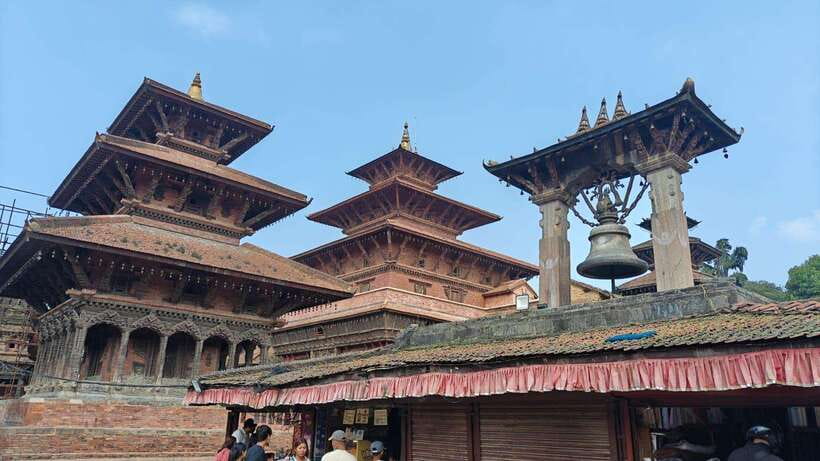
Private transport is one of the strongest practical features. You are picked up in Thamel and returned there after the visits, with transport between Kathmandu, Bhaktapur, and Patan included.
That saves you from arranging separate taxis or negotiating each ride. It also makes the tour useful if you have only one open morning or afternoon in Kathmandu. You can cover the valley’s three main royal squares without spending your limited sightseeing time solving transport problems.
The tradeoff is that road conditions and city traffic can affect the schedule, although no exact transfer times are provided. The three sites are in different parts of the valley, so the five-hour figure should not be read as five full hours inside the monuments.
The private group format is also helpful if you prefer to ask questions. Guides Pranav and Aneel, also known as Karma, are specifically associated with strong history and cultural explanations. Pranav is described as fluent, friendly, and clear in his teaching. Aneel is praised for his enthusiasm, storytelling, and willingness to help.
Those details give you a useful way to think about the guide. This is not just a vehicle-and-ticket transfer. You are paying for someone to connect the sites, explain their religious meaning, and help you understand the differences between the three cities.
Is $86 a fair price?
At $86 per person, the tour is not the cheapest way to see the squares. The important question is what you would otherwise spend on private transport, a full-time English-speaking guide, and the effort of arranging three separate visits.
The price includes guided visits to all three squares, private transportation, and pickup and drop-off at hotels within Kathmandu. For a private half-day experience, that can be reasonable, especially if you are short on time or traveling with companions who value convenience.
But entrance fees are excluded. Meals, personal spending, insurance, hotels, and any extra activities are also excluded. Since the amount of the entry tickets is not provided, calculate the total cost before booking. The headline price is not the final sightseeing budget.
The advertised skip-the-ticket-line feature may save time at the entrances, but it does not mean admission is included. Confirm how that feature works and which tickets you will need. This is the main detail I would clarify before paying.
The value is strongest for first-time visitors who want a well-organized overview. If you are staying in Kathmandu for several days and enjoy arranging local transport yourself, you may prefer to visit one square at a time. If you have a tight schedule, the private vehicle and guide can justify the added cost.
Who should book this experience?
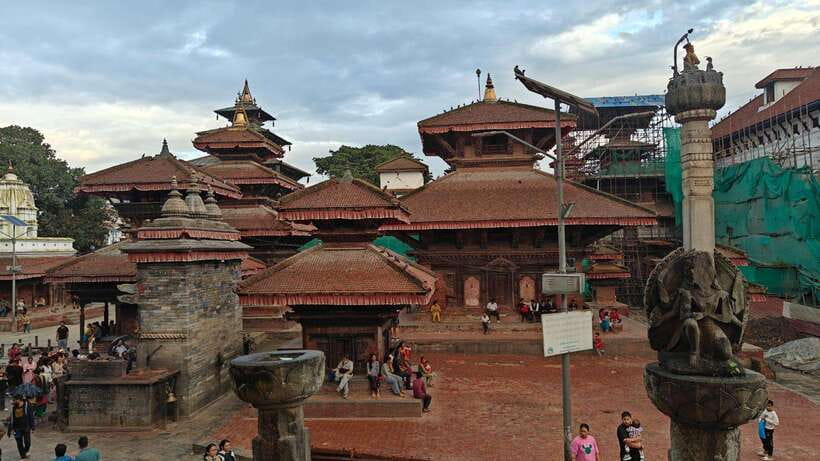
I would recommend this tour to you if you want the valley’s main royal squares explained in one outing. It is especially suitable for first-time visitors, couples, families, and small private groups that do not want to manage transport between three locations.
It also fits you if architectural detail interests you but you prefer interpretation in plain English. Kathmandu offers royal courtyards and the Kumari’s residence. Patan focuses attention on artistic craftsmanship and Krishna Mandir. Bhaktapur gives you palace architecture, traditional streets, and Nepal’s tallest pagoda.
The tour is wheelchair accessible according to the activity information. Because the visit covers historic squares and different sites, ask the provider how the accessible route is handled for each location before booking if you need specific support.
This is not the best choice if you want a slow, unplanned day in one old city. The schedule is full, and the three stops require you to keep moving. It is also less suitable if you want meals, shopping, a pottery workshop, or extra museum time, since none of those are included.
The listed restriction says the activity is not suitable for people over 95. Alcohol and drugs are not allowed. Free cancellation is available up to 24 hours before the tour, and you can reserve now and pay later, which gives you some flexibility while planning.
Should you book the three-square tour?
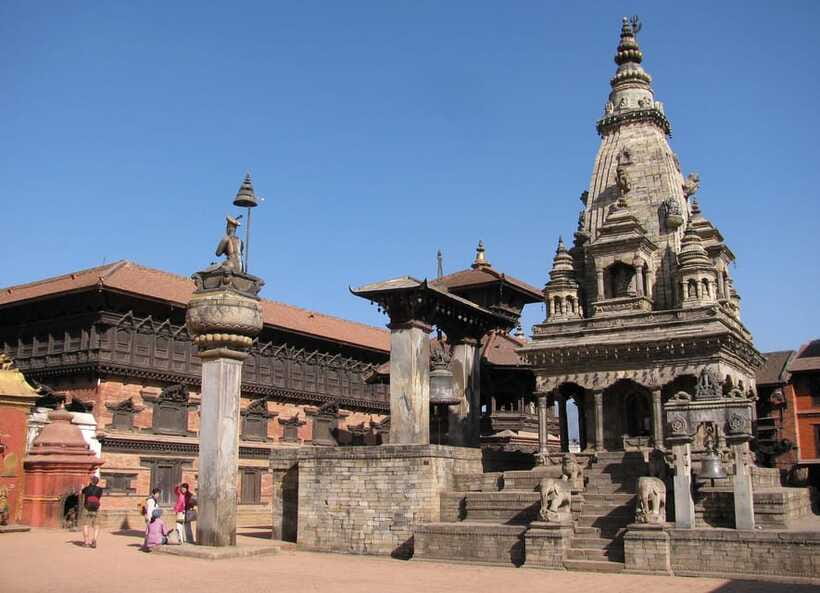
Book it if you want a clear introduction to Kathmandu Valley history, art, and religion without organizing the day yourself. The combination of private transport, an English-speaking guide, and three very different squares makes this a useful first look at Nepal’s old royal cities.
I would book with two checks in mind: confirm the actual timing, since the stop lengths total more than five hours, and ask about the entrance fees that are not included. If possible, request Pranav or Aneel, whose clear explanations and strong storytelling are the best match for a tour built around history and culture.
Skip it if you prefer to spend a full day in one place or want a low-cost independent visit. But for a compact, guided overview, this tour gives you the royal heart of Kathmandu, Patan’s finest temple art, and Bhaktapur’s powerful old-city character in one practical package.
FAQ
How long does the tour last?
The advertised duration is five hours. The listed guided visits total five and a half hours: 1.5 hours in Kathmandu, 2 hours in Bhaktapur, and 2 hours in Patan. Check the exact schedule and return time when booking.
Where does the tour start and finish?
Pickup and drop-off are provided within Kathmandu, with Thamel listed as the pickup and return location.
Are entrance fees included in the $86 price?
No. Entrance fees are not included. Meals, personal expenses, travel insurance, hotel accommodation, and additional activities or entry fees are also excluded.
Is the tour private?
Yes. The activity is organized as a private group tour with private transportation between the sites.
What language does the guide speak?
The live guide speaks English. The tour includes a professional English-speaking guide.
Can I cancel or pay later?
You can cancel up to 24 hours in advance for a full refund. The reserve-now, pay-later option lets you book without paying immediately.
Just added around Kathmandu
- Traditional Momo Making Class★ 5.0 · 10 reviews
- Women Empowerment Project(Nepali cooking class & jewelry workshop★ 5.0 · 15 reviews
- Manthali Airport (Ramechhap) To Kathmandu – Transport Service★ 4.5 · 11 reviews
- Amazing 1 Day Trekking Experience in Kathmandu Nepal★ 5.0 · 24 reviews
- Walking tour of Kathmandu with awesome local guides★ 5.0 · 4 reviews
- Walking tour of real Kathmandu through back streets.★ 5.0 · 3 reviews
- Private Manaslu Circuit Trek at Himalayas★ 5.0 · 3 reviews
- Walking Street Food Tour in Kathmandu★ 5.0 · 111 reviews
Durbar Square Tours, compared.
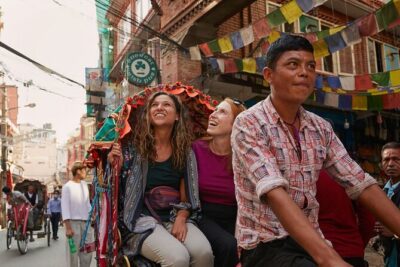
Kathmandu Sunset Tour by Rickshaw Including Durbar Square Visit
Read our review →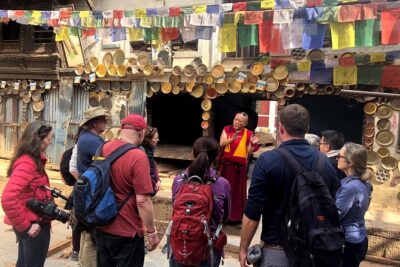
Old Kathmandu Walking Tour, Historic World Heritage Durbar Square
Read our review →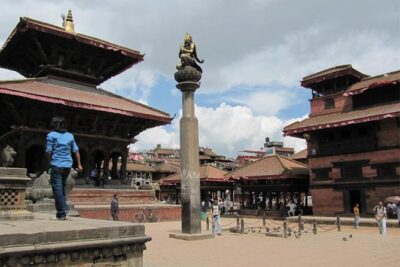
Bhaktapur Old City and Durbar Square Half-Day Tour
Read our review →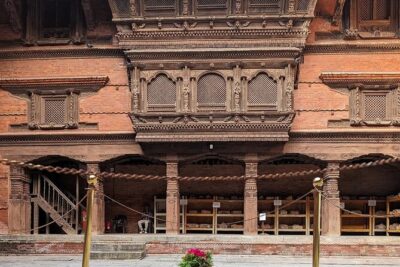
Nagarkot Sunrise & Bhaktapur Durbar Square UNESCO Heritage Tour
Read our review →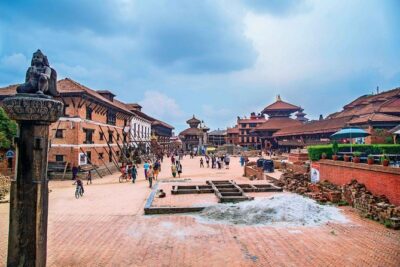
Patan & Bhaktapur Durbar Square Tour with Lunch – Private/Group
Read our review →Browse the lists this tour appears in