Reviewed · TICKETS
Full Day Ticket Access around Kathmandu Valley
Kathmandu Valley’s best-known sacred sites fit into one busy day here, from the hilltop eyes of Swayambhunath to the funeral ghats of Pashupatinath. The route gives you a quick, useful introduction to Buddhist and Hindu life, Newar art, and Nepal’s long cultural story.
I like the private transportation, which saves you from sorting out four separate rides. I also like the cultural focus: guides such as Manish explain religion and daily life rather than simply pointing at old buildings. The main catch is cost clarity. The advertised price is $40, but monument fees add about $20 per person.
Key points to know before booking
- Four major sites in about seven hours: Swayambhunath, Patan Durbar Square, Boudhanath, and Pashupatinath make this a strong first look at Kathmandu Valley.
- Private transport is included: You can move between distant parts of the valley without arranging taxis during the day.
- The guide is central to the experience: English guiding is available, and Manish has been singled out for his understanding of Nepalese religion and culture.
- Plan on a total cost of about $60: The $40 tour price does not include monument entry, listed at about $20 per person.
- The schedule is full: Time is divided into two hours at each of the first three sites and one hour at Pashupatinath.
- Free cancellation is available up to 24 hours before departure: Poor weather can also lead to a new date or a full refund.
Four windows into Kathmandu Valley in one day
This is a sightseeing day built around contrast. You begin with a Buddhist shrine above the city, continue to the former royal center of Patan, then visit the Tibetan Buddhist heart of Boudhanath before ending beside the Bagmati River at Pashupatinath.
That order gives you a broad cultural frame. You are not only looking at monuments. You are seeing how Buddhism, Hinduism, royal power, craft, death, and daily devotion meet in the Kathmandu Valley.
The start time is 9:30 a.m., and the total duration is about seven hours. That leaves little room for a slow lunch or long unscheduled stops, so I would treat this as a focused sightseeing circuit rather than a relaxed day of wandering.
The tour includes private transportation and an English-speaking cultural guide. The guide matters here. Each place has layers of religious meaning that are easy to miss if you only walk around with a camera. A good explanation can connect the prayer rituals, sculptures, courtyards, and ceremonies to the lives of people who still use these sites.
A few more Kathmandu days to weigh up
- Kathmandu: Full Day 7 UNESCO Tour with Lunch – Private/Group
★ 5.0 · 415 reviews - Kathmandu: Full Day Top 4 UNESCO Tour with Lunch – Private/Group
★ 5.0 · 269 reviews - Kathmandu: Full-Day 7 UNESCO Tour with Lunch – Private/Group
★ 4.9 · 247 reviews
Swayambhunath: prayer flags above the city
Your first stop is Swayambhunath, also called Swoyambhu Mahachaitya or the Monkey Temple. It sits on a forested hill and is described as more than 3,000 years old, making it one of Nepal’s oldest and most sacred Buddhist sites.
The setting gives this stop immediate impact. You approach a stupa above the city, with the wooded hill adding a sense of separation from Kathmandu below. The stupa itself is the focus, but the surrounding religious setting is what makes the visit meaningful. This is a place of active Nepali Buddhism, not simply an old structure preserved for sightseeing.
You have about two hours here. That is enough time for your guide to explain the stupa and its role, then give you time to look closely at the religious details. The exact route around the site is not specified, so ask your guide how much walking and stair climbing will be involved on the day.
Swayambhunath is a good opening stop because it introduces the Buddhist side of Nepal before you reach Boudhanath later. The two sites are not interchangeable. Swayambhunath feels tied to a hilltop sanctuary and long local tradition, while Boudhanath is the center of Kathmandu’s Tibetan Buddhist community.
Patan Durbar Square: Newar craft in a royal setting
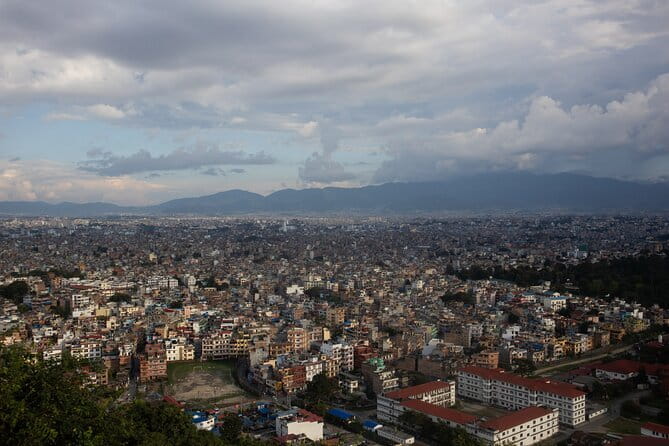
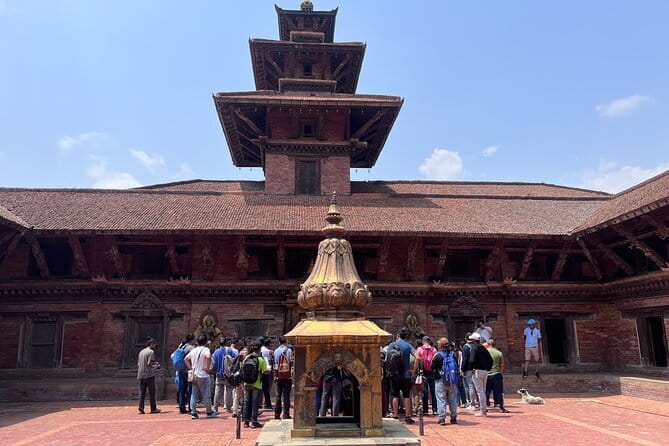
After Swayambhunath, the route crosses the Bagmati River to Patan, an ancient Newar kingdom. Patan Durbar Square is a UNESCO World Heritage Site and is known for metal casting and wood carving.
This is where the tour moves from sacred hilltop worship to urban art and royal architecture. The square gathers centuries of buildings and artistic work in one compact area. Your guide can help you read the details that might otherwise blend together, especially the carved wood and metalwork associated with Newar craftsmanship.
You have two hours here, which is useful because the square is not just a single monument. It is a collection of courtyards, temples, and architectural details. I would use the first part of the visit to follow the guide, then spend the remaining time looking at the workmanship at your own pace.
The supplied details do not specify which buildings or ticket areas you will enter. That matters because the overall monument fee is paid separately. Keep the additional entry cost in mind before booking, and ask the operator what the day’s fee covers if you want a precise breakdown.
Patan is especially worthwhile for visitors interested in craft. Its importance is not only royal or religious. The square shows how skilled local guilds shaped the look of the valley, using materials and techniques that still define Newar art.
Boudhanath: the great Buddhist circle
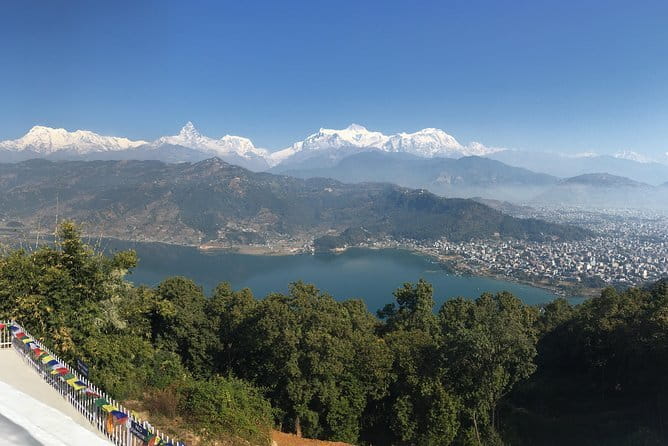
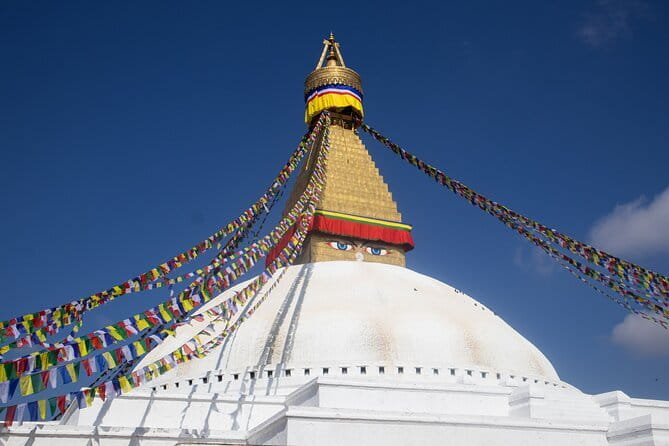
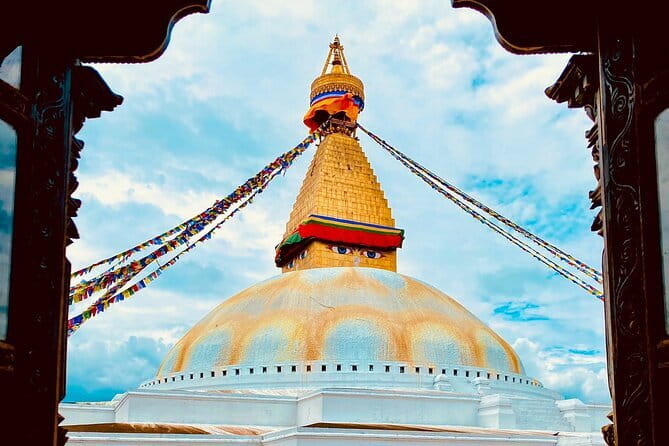
Boudhanath is scheduled for two hours and is described as one of the world’s largest spherical stupas. It is also the spiritual center of Nepal’s Tibetan community.
The shape and scale of the stupa make this stop different from Swayambhunath. Here, the experience centers on the large circular form and the practice of walking around it, known as kora. You may see crimson-robed monks, rooftop monasteries, and juniper incense around the religious center.
Your guide can explain how to behave respectfully as you walk around the stupa. Follow the direction of local worshippers and keep in mind that people may be praying, not posing for photographs. The supplied information specifically highlights circumambulation, so this is a stop where the cultural explanation adds real value.
Two hours gives you time to make a full circuit without rushing. It also lets you take in the surrounding religious atmosphere. The description mentions monasteries and incense, but it does not promise a particular ceremony or meeting with monks, so keep your expectations focused on the site itself.
Boudhanath is one of the strongest stops for understanding living religion in Kathmandu. You are not just looking at a historic monument. You are seeing a place used as a spiritual center by a Tibetan Buddhist community.
More days out in Kathmandu:
- Private Kathmandu Sightseeing Tour | UNESCO World Heritage sites
★ 5.0 · 756 reviews - Half day cooking class in Thamel kathmandu
★ 5.0 · 607 reviews - Nagarkot Sunrise View and Day Hiking from Kathmandu
★ 5.0 · 471 reviews - Kathmandu: Local Women-Led Nepali Cooking & Momo Class
★ 4.9 · 360 reviews
Pashupatinath: the Bagmati River and the cycle of life
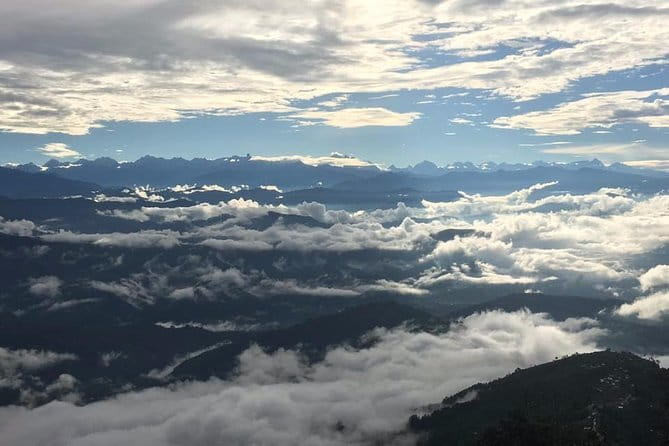
The final stop is Pashupatinath Temple, an ancient sacred site on the bank of the Bagmati River. The visit lasts about one hour, shorter than the first three stops but pointed in subject and mood.
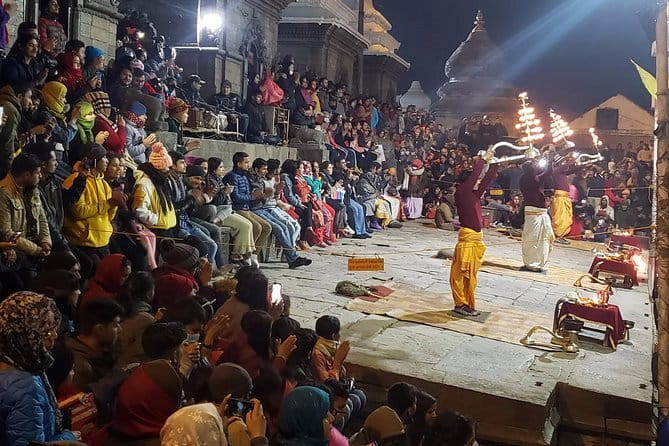
Pashupatinath presents Hindu ideas about life, death, the soul, and the body. The description emphasizes a distinctive Nepali cultural practice connected with the passage between life and what follows. Your guide is particularly important here, since the meaning of the riverfront rituals may not be clear from the buildings alone.
This is not the lightest stop of the day. The subject is serious, and you should approach the area with respect. The itinerary does not promise access to every part of the temple complex, and Hindu temple rules can affect where visitors may go. Ask your guide before taking photographs or approaching religious activity.
The one-hour schedule keeps the visit focused. It may feel short if you want to study every courtyard, but it also prevents the day from becoming too heavy after three earlier sites. Ending here leaves you with a clearer sense of how religion shapes public life in Nepal.
What the $40 price really covers
The advertised price is $40 per person. For a private sightseeing day with transportation and a cultural guide, that can be good value, especially if you want to visit four major sites without arranging separate taxis.
The important adjustment is the separate monument fee. The supplied cost information lists about $20 per person for entry, bringing the practical total to roughly $60 per person. The individual stops are marked with free admission in the itinerary details, but the inclusion notes say monument entry fees are paid by the guest. Because of that mismatch, confirm the current fee arrangement before departure.
The tour price includes:
- Private transportation
- An experienced cultural guide
- In-person English guiding
- English audio support
It does not include monument entry fees. No meal, drinks, or other personal spending is listed, so do not assume they are covered.
The value is strongest if you want structure. You pay for a vehicle, a guide, and a carefully packed route. If you prefer to spend a full afternoon at one square or move at a slower pace, this may feel too tightly scheduled.
Why the guide can make or break the day
The company places strong emphasis on cultural and religious interpretation. The description refers to guides with expertise in Nepalese culture and tradition, along with local experts and university lecture experience.
Manish is the only guide named in the supplied information. He was praised for his grasp of Nepal’s country, religions, and culture, as well as his passion and energy. If Manish is assigned to your visit, you can expect a guide who puts emphasis on explanation, not just transport.
Guide availability is not guaranteed, so do not book solely on the assumption that Manish will lead your day. Still, the detail gives you a useful question to ask when confirming: who will guide the tour, and will the day be led in English in person?
This style of tour suits you if you want context but do not want to spend days researching the valley before arrival. It is also useful early in a Nepal trip, since the four stops introduce several major religious and cultural themes at once.
Timing, transport, and the pace of the route
Pickup is offered, with a listed start time of 9:30 a.m. The meeting point details do not specify a particular hotel zone or pickup window, so confirm the exact location when booking.
Private transport is one of the practical strengths of the day. Kathmandu Valley sightseeing involves moving between separate parts of the city and nearby historic centers. Having transport included reduces the need to negotiate each ride and helps keep the schedule together.
The time allocation is clear:
- Swayambhunath: two hours
- Patan Durbar Square: two hours
- Boudhanath: two hours
- Pashupatinath: one hour
That totals seven hours, matching the approximate duration. The schedule is sensible for a first orientation, but it is still a lot of ground in one day. You will see the main character of each site, not every detail.
Most people can participate, and service animals are allowed. The experience is also near public transportation, though public transport is not the main way the tour operates. Because exact walking conditions are not supplied, ask about stairs and surfaces if mobility is a concern.
Who should book this Kathmandu day tour?
I would choose this experience if you want a broad introduction to Kathmandu Valley and prefer a guide to explain religious customs. It is a good fit for first-time visitors, short stays, and anyone who wants private transport between four important sites.
It also suits people who care about culture more than shopping or food stops. The day is built around temples, a stupa, a historic square, religious practice, and the meaning behind them.
I would hesitate if you want a slow pace, long meal breaks, or a highly flexible itinerary. The four-stop plan is fixed enough that you should expect a full sightseeing day. The extra $20 entry charge also means the real cost is higher than the headline price.
Free cancellation is available up to 24 hours before the 9:30 a.m. start. Changes made inside that period are not accepted, and late cancellations are not refunded. The tour requires good weather, with a new date or full refund offered if poor conditions cancel the experience.
Should you book it?
Book this tour if you want the main cultural sights of Kathmandu Valley explained in one organized day. The combination of private transport, English guiding, and four very different sites gives you a useful introduction for about $60 total, based on the listed entry cost.
Ask about the exact pickup point, current monument fees, and assigned guide before paying. If you are happy with a brisk schedule and serious religious subject matter, this is a practical choice. If you want time to linger, choose a shorter tour focused on one or two places instead.
FAQ
What is included in the Kathmandu Valley day tour?
The tour includes private transportation, an experienced cultural guide, in-person English guiding, and English audio support.
How much does the tour cost?
The advertised tour price is $40 per person. Monument entry fees are not included and are listed at about $20 per person, making the expected total about $60 per person.
How long does the experience last?
The experience lasts about seven hours.
What time does the tour start?
The listed start time is 9:30 a.m.
Is pickup available?
Yes. Pickup is offered, but the specific pickup location is not provided in the tour details.
Which places are visited?
The tour visits Swayambhunath, Patan Durbar Square, Boudhanath Stupa, and Pashupatinath Temple.
Is an English-speaking guide available?
Yes. The experience includes in-person English guiding and English audio support.
Is Manish guaranteed to be the guide?
No. Manish is named as a guide praised for his understanding of Nepalese culture and religions, but the tour details do not guarantee that he will lead every departure.
Are entry fees included?
No. Monument entry fees are paid separately by the guest. The listed amount is about $20 per person.
Can I cancel for a full refund?
Yes, if you cancel at least 24 hours before the start time. Cancellations made less than 24 hours before departure are not refunded. If poor weather cancels the experience, you are offered another date or a full refund.
Just added around Kathmandu
- Traditional Momo Making Class★ 5.0 · 10 reviews
- Women Empowerment Project(Nepali cooking class & jewelry workshop★ 5.0 · 15 reviews
- Manthali Airport (Ramechhap) To Kathmandu – Transport Service★ 4.5 · 11 reviews
- Amazing 1 Day Trekking Experience in Kathmandu Nepal★ 5.0 · 24 reviews
- Walking tour of Kathmandu with awesome local guides★ 5.0 · 4 reviews
- Walking tour of real Kathmandu through back streets.★ 5.0 · 3 reviews
- Private Manaslu Circuit Trek at Himalayas★ 5.0 · 3 reviews
- Walking Street Food Tour in Kathmandu★ 5.0 · 111 reviews
Tickets, compared.
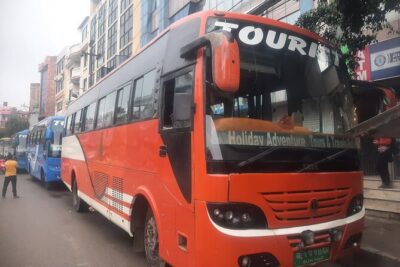
Kathmandu to Pokhara Tourist Bus Tickets reservation
Read our review →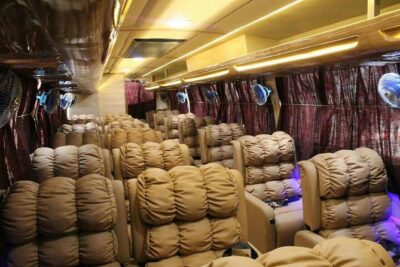
Kathmandu to Pokhara Luxury Bus Ticket – Easy & Reliable Booking
Read our review →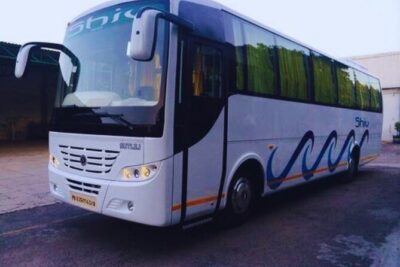
Tourist Bus Tickets: Kathmandu to Chitwan or Chitwan to KTM
Read our review →