
Reviewed · TIBETAN CULTURE TOURS
Half day Tibetan cultural tour
A short drive from Pokhara’s Lakeside takes you into Tashiling Tibetan settlement, where the focus is people and daily life rather than monuments. I like the chance to meet a Tibetan doctor and ask about traditional treatment, and I like seeing carpets made by hand before sitting down to momos and thenthuk.
The tour costs $61 and lasts 4.5 hours, so it offers solid value if you want context, conversation, and food in one outing. The main consideration is pace: you’ll visit several places in half a day, and the experience suits curious adults better than very young children or anyone needing wheelchair access.
Key points at a glance
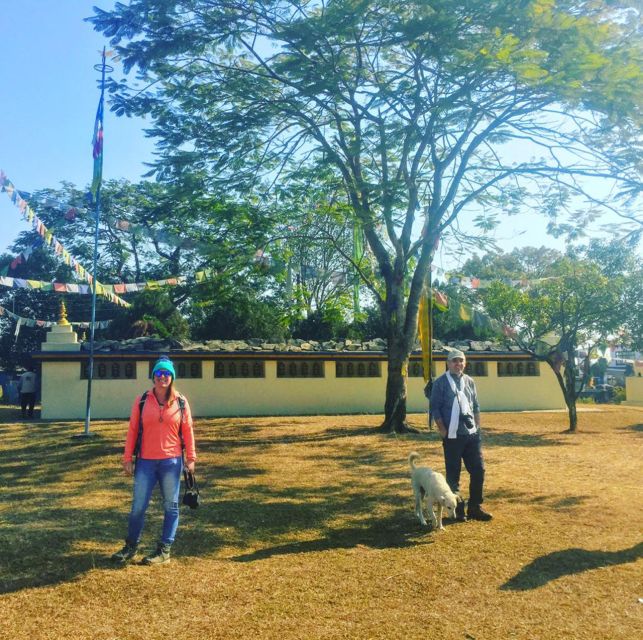
- Meet Mr. Thupten Gyatso: Your English-speaking guide is Tibetan and closely connected to the community.
- Visit Tashiling settlement: Learn how Tibetan people have maintained language, identity, and Buddhist customs in Nepal.
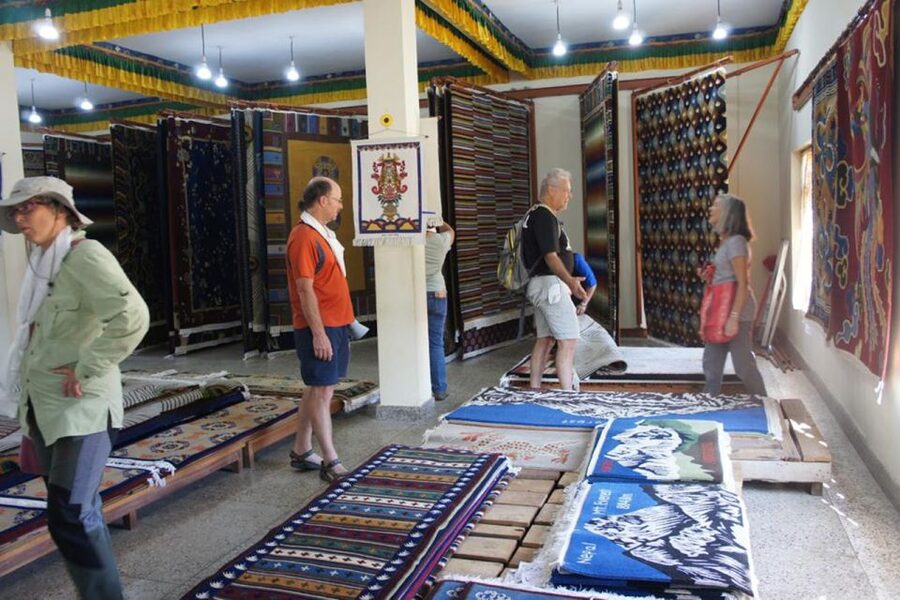
- See carpet-making by hand: Watch the work in a workshop, then browse finished carpets in a showroom.
- Talk with a Tibetan doctor: Learn the basics of Tibetan medicine and receive a consultation.
- Eat local Tibetan food: Try momos and thenthuk, with vegetarian and gluten-free options available.
Why this Pokhara tour feels different
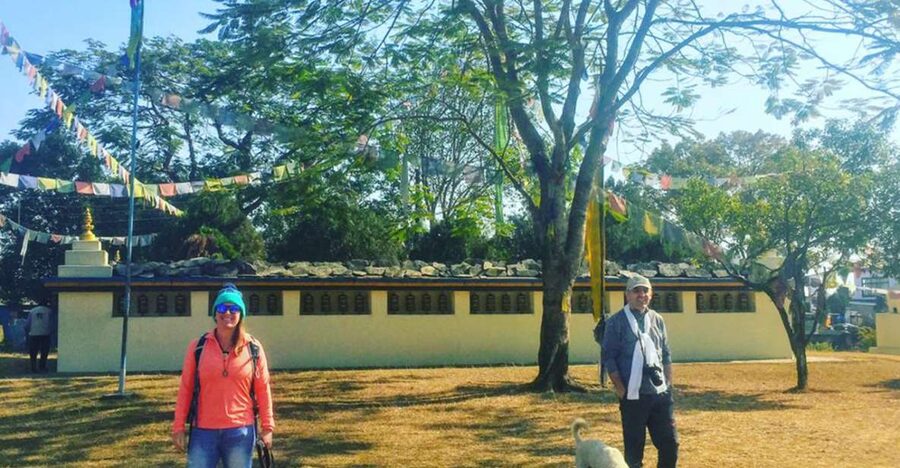
Pokhara offers plenty of mountain views, boating, and trekking services. This half-day outing gives you something quieter and more personal: a chance to understand how Tibetan refugees have built community and protected their culture while living outside Tibet.
I especially like the way the tour connects ordinary objects with larger ideas. Prayer flags are not just colorful fabric, prayer wheels are not simply things to spin, and a stupa is not merely a photo stop. Mr. Thupten explains how Buddhist symbols fit into daily life, which gives the visit more meaning than simply walking through a monastery.
The tour also brings you into contact with several parts of the community. You may meet monks, school representatives, a doctor, and carpet makers during the same morning or afternoon. That variety keeps the outing moving and helps you see Tibetan life from more than one angle.
This is an educational tour first. If you want a fast list of photo stops, it may feel too talk-heavy. If you enjoy asking questions and learning through conversation, the small group limit of eight people is a real advantage.
More Tibetan Culture Tours in Pokhara:
- Full-Day Tibetan Cultural Tour to Tibetan Settlements Pokhara
★ 5.0 · 184 reviews - Afternoon Tibetan Cultural Tour to Tibetan Settlements Pokhara
★ 5.0 · 106 reviews - Morning Tibetan cultural tour to Tibetan settlements Pokhara
★ 5.0 · 66 reviews
Meeting your guide, Mr. Thupten Gyatso
Mr. Thupten Gyatso is a Tibetan native with strong roots in the Pokhara area. His role is more than pointing out buildings. He explains the background of Tibetan people living in Nepal, the work of preserving language and customs, and the place of Buddhism in everyday routines.
That personal connection matters. Questions about exile, schooling, religion, and family life can be sensitive, and a guide with direct cultural ties can give the visit a more grounded feel. You are not left to guess why a symbol or institution matters.
The tour is conducted in English. The group is limited to eight participants, which should make it easier to hear explanations and ask questions. It also means the outing may feel more like a guided conversation than a large coach excursion.
Pickup and drop-off are provided for hotels in the Lakeside area. If you stay elsewhere in Pokhara, an additional transportation charge may apply depending on your hotel. Check this before booking so the final cost is clear.
Tashiling Tibetan settlement and everyday life
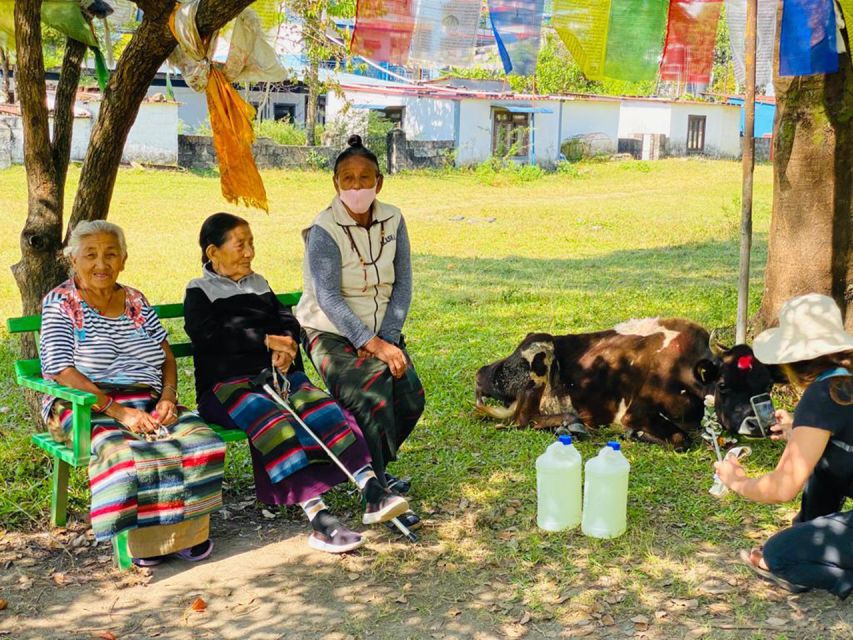
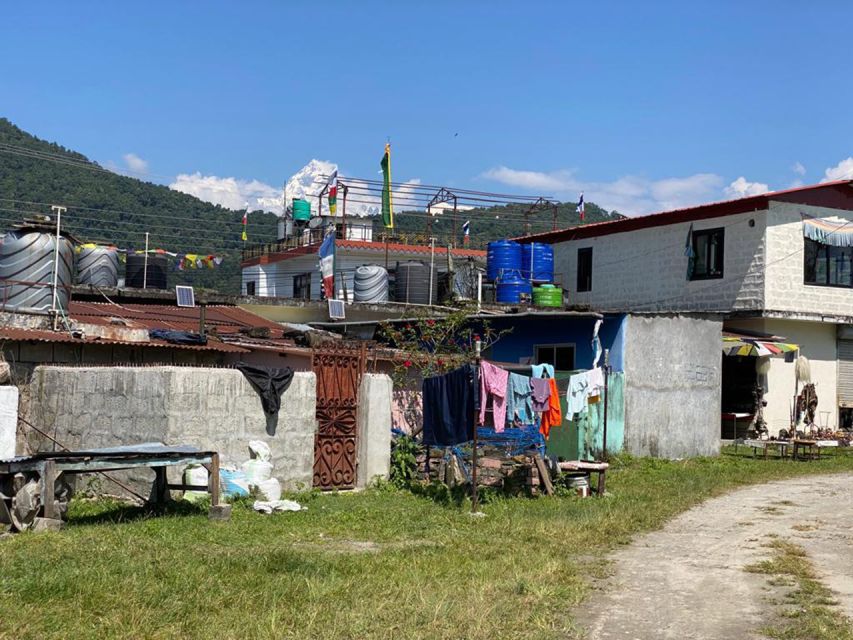
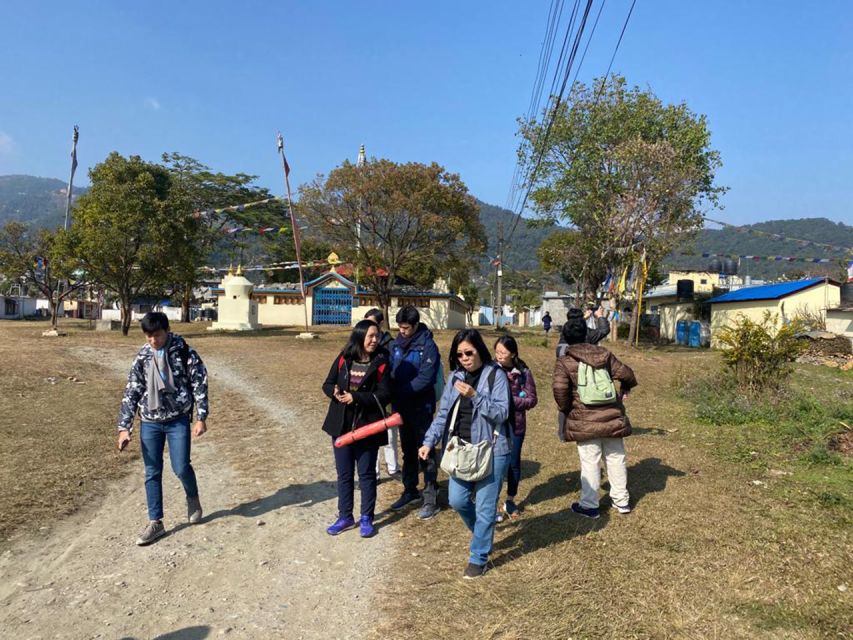
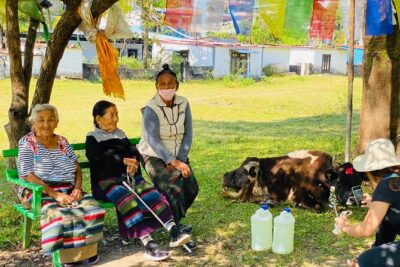
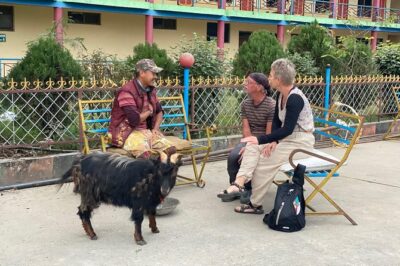
The central stop is Tashiling Tibetan settlement near Pokhara. Here, you learn how Tibetan people have kept their language, identity, and Buddhist practices alive in Nepal.
A visit like this is valuable because it moves the subject away from abstract history. You see a living community, its schools, religious spaces, workshops, and places connected with health care. The emphasis is on how people live now, not only on what happened in the past.
You will have time for walking, sightseeing, and a photo stop. Tea, coffee, mineral water, and fresh juice are included, which is useful during a compact outing with several stops.
Keep your expectations realistic. This is not presented as a dramatic attraction with elaborate displays at every turn. Its interest comes from the people you meet and the explanations you receive. Bring questions, listen carefully, and give the community the respect you would want in your own neighborhood.
Buddhist symbols at the monastery
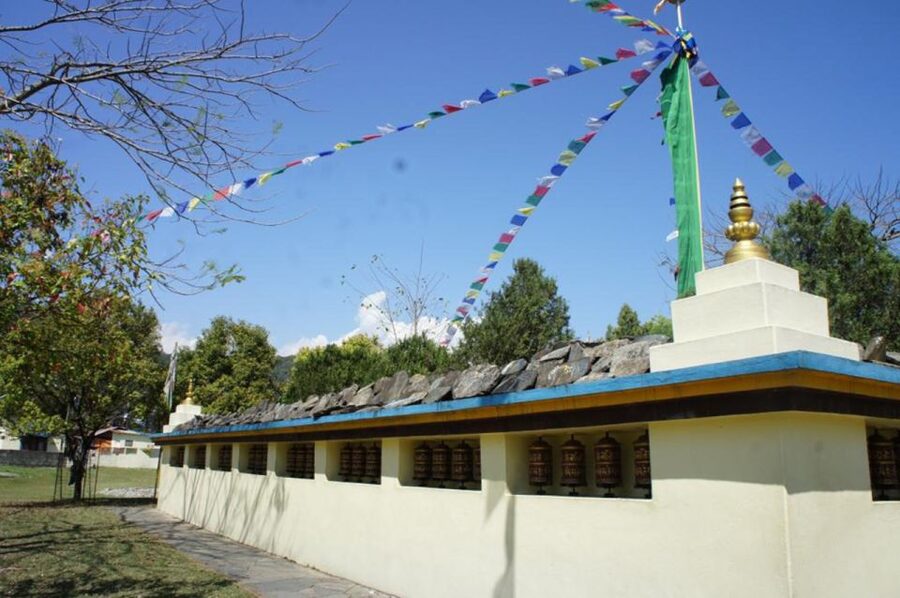
The monastery visit introduces you to monks and to the signs and objects that shape Tibetan Buddhist practice. You learn about prayer wheels, prayer flags, and stupas, with attention to their meaning in daily life.
This is one of the strongest parts of the experience for first-time visitors to Tibetan Buddhism. A prayer wheel can look like a simple piece of religious decoration if nobody explains it. A row of prayer flags can seem like a splash of color. With context, you begin to understand why these objects appear throughout homes, monasteries, roads, and settlement spaces.
The monastery stop also gives you a chance to learn about the lives of monks. The visit is not only about architecture. It connects religious practice with the wider community and helps explain why Buddhist customs remain central for Tibetan people living in Nepal.
Wear practical walking shoes and dress respectfully for the religious setting. The supplied information does not give a specific dress code, but modest clothing is a sensible choice when visiting a monastery.
More heritage days around Pokhara:
- Afternoon Tibetan cultural tour
★ 5.0 · 41 reviews - Half Day Tibetan Cultural tour Pokhara
★ 5.0 · 36 reviews - Morning Half Day Tibetan cultural tour to Tibetan Settlements
★ 5.0 · 26 reviews - Sarangkot Sunrise with a half day Tibetan cultural tour
★ 5.0 · 13 reviews
Tibetan schools and the work of preserving language
The tour includes a look at Tibetan schools and their educational system in the settlement. This part is especially useful because schooling is tied directly to cultural survival.
Children growing up in Nepal need access to regular education, yet Tibetan communities also want to preserve their language, identity, and religious traditions. The visit gives you a chance to understand how those aims fit together.
You should expect an explanation of the school system rather than a long classroom visit. The point is to learn how education functions within the settlement and why language matters so much to a displaced community.
I find this stop more meaningful when you connect it to the other parts of the tour. The school helps preserve language. The monastery supports religious life. The carpet workshop keeps a traditional craft in use. Together, these places show how culture survives through daily institutions, not just festivals or museum displays.
Watching carpets made by hand
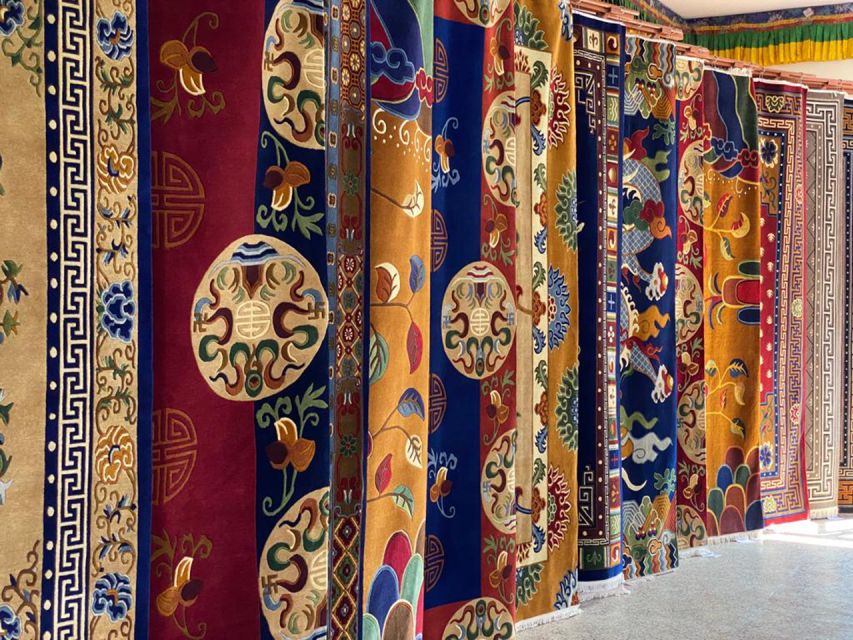
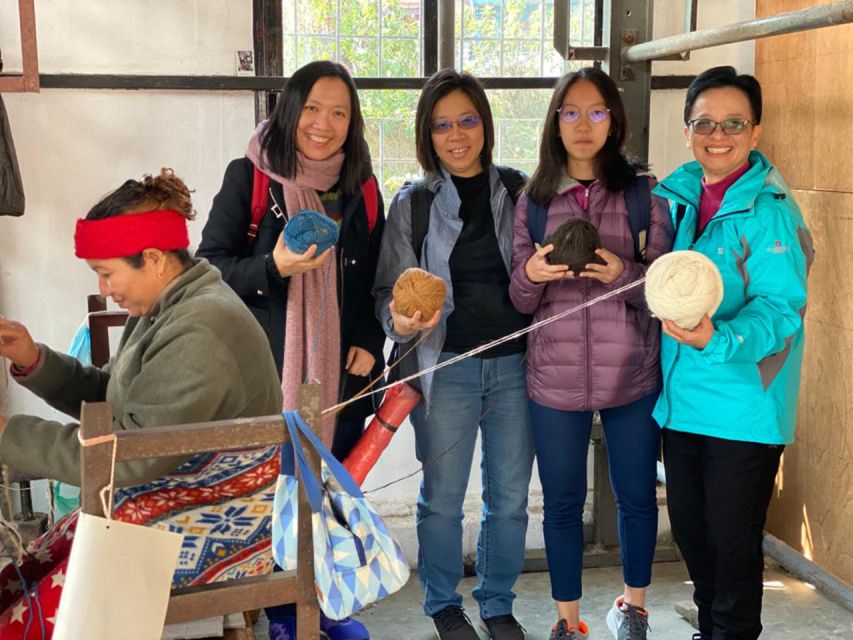
At the carpet workshop, you see how Tibetan carpets are made by hand. Mr. Thupten explains the process as you move through the workshop, then takes you to a showroom with carpets in different designs and colors.
This is a good stop for anyone interested in craft. Handmade work becomes easier to appreciate when you see the labor behind it. You can look closely at the materials, patterns, and stages of production instead of seeing only a finished item in a shop.
The showroom gives you time to browse. Buying is not stated as a requirement, so you can treat it as a cultural visit rather than a sales stop. Still, if you are interested in purchasing a carpet, ask questions about the design, materials, and how the work was made before making a decision.
The practical drawback is that workshop visits can feel commercial if you do not want to shop. For many people, though, the chance to see the craft at its source adds useful context and supports local production.
The photo gallery and Tibetan refugee history
The photo gallery shows images connected with Tibetan refugee settlements in the early 1960s. These photographs help explain the early period of life in exile and the effort required to build stable communities.
This is an important pause in the tour. The monastery, school, medical center, and workshop show present-day life. The photographs help connect those places with the earlier years of settlement.
You can see how Tibetan people have worked to preserve language, culture, and identity over a long period away from their homeland. The gallery gives the visit historical depth without turning the whole outing into a lecture.
The amount of time available at each stop may vary because the full tour lasts only 4.5 hours. If this topic matters to you, ask Mr. Thupten questions while viewing the photographs. A direct conversation can add more than a quick look at the images alone.
Meeting a Tibetan doctor
The medical center offers one of the most unusual parts of the outing. You meet a Tibetan doctor, learn basic ideas behind Tibetan medicine, and receive a consultation or medical check-up.
This should not be treated as a replacement for your regular medical care. Think of it as an introduction to a traditional medical system and an opportunity to ask general questions. The provided information does not specify the exact tests or treatments included, so do not book expecting a full clinical appointment.
The value is in the personal exchange. Health care is a practical window into culture, and this visit shows how traditional knowledge continues to be used within the community.
If you have a medical concern, bring any questions clearly and explain that you are seeking an educational consultation. Keep your expectations modest, and take professional medical advice from your usual doctor for serious issues.
Tibetan lunch: momos and thenthuk
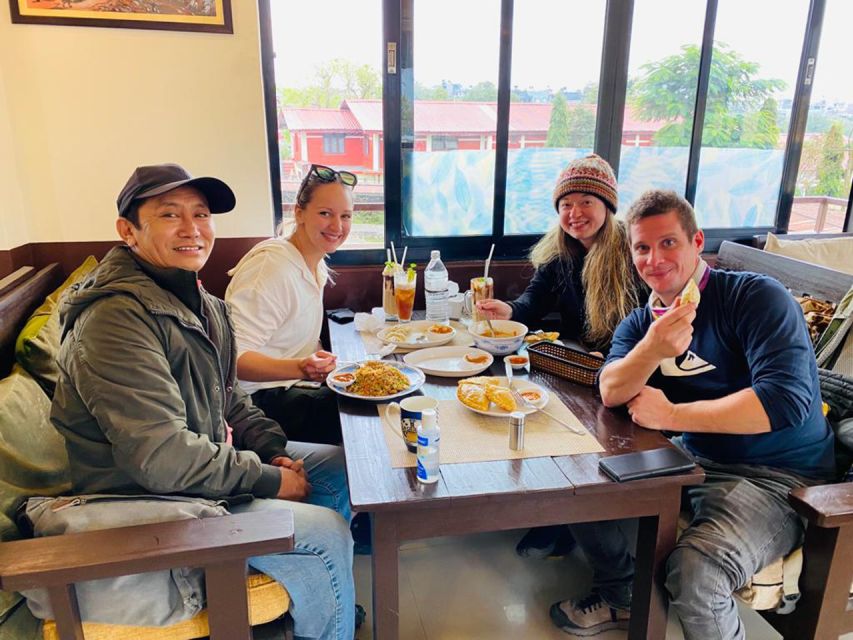
The food stop is at a local Tibetan restaurant. You can try momos, the familiar dumplings, and thenthuk, a nourishing soup made with freshly kneaded dough, meat, and vegetables.
Thenthuk is a particularly useful dish for understanding Tibetan food. It is hearty and warming, with pieces of dough added to the soup. Mr. Thupten explains the cuisine, so the meal becomes part of the cultural lesson rather than a simple lunch break.
Both vegetarian and non-vegetarian choices are available. Gluten-free options include plain rice and vegetable curry, which makes the meal more practical for people with dietary restrictions. Mention your needs before ordering so the available choice is clear.
Food is included in the $61 price, along with drinks such as tea, coffee, mineral water, and fresh juice. The meal adds real value because you are tasting regional food in a Tibetan setting while learning what you are eating.
Time, transport, and group size
The outing runs for 4.5 hours, with pickup and drop-off around Lakeside. Since the settlement is near Pokhara Valley and the tour combines several visits, the half-day format works well for people fitting cultural activities between other plans.
A group of no more than eight is small enough for questions and personal explanations. It also avoids the detached feeling of a large bus tour. The trade-off is that the schedule is fairly full. You will not have unlimited time at every stop.
The tour includes guided sightseeing, walking, food tasting, and transport around Lakeside. Hotels outside the Lakeside area may involve an extra fee. Ask about that cost before confirming if your accommodation is elsewhere.
Free cancellation is available up to 24 hours before the tour for a full refund, and you can reserve now and pay later. Children under five are not suitable for the activity, and wheelchair users cannot be accommodated according to the available information.
Is the $61 price fair?
At $61 per person, this is not the cheapest way to spend half a day in Pokhara. The price becomes easier to justify when you count what is included: a private cultural guide in a small group, transport around Lakeside, several community visits, a doctor consultation, drinks, and a Tibetan meal.
You are also paying for access and explanation. You could visit a monastery or restaurant on your own, but you would miss much of the background linking the settlement, schools, religion, refugee history, medicine, craft, and food.
The strongest value comes if you use the guide well. Ask about schooling, language, Buddhist symbols, carpet production, and daily life in Nepal. If you prefer independent wandering and need only a few viewpoints, spend your money elsewhere.
Who should book this experience?
I would recommend this tour to you if you are interested in Tibetan culture, Buddhism, refugee communities, traditional medicine, or food. It also suits visitors who want a break from Pokhara’s usual sightseeing circuit and prefer meeting people through a guided visit.
It is a good choice for solo visitors and couples because the small group creates room for conversation. It can also work for older children, though children under five are not suitable and the educational pace may not hold every child’s interest.
You should think twice if you dislike structured tours, shopping-related stops, or extended explanations. The carpet workshop and showroom are worthwhile for many people, but they may feel less appealing if you have no interest in handicrafts.
Should you book the Tibetan cultural tour?
Book it if you want to understand Tibetan life in Nepal rather than simply see Tibetan-style objects. The best parts are the direct explanations from Mr. Thupten Gyatso, the monastery and school visits, the chance to meet a Tibetan doctor, and the meal of momos and thenthuk.
Skip it if you want a relaxed morning with only one main attraction or if transport outside Lakeside is a problem. For curious visitors, though, $61 buys a well-packed half-day with food, conversation, and access to a community you would be unlikely to understand fully on your own.
FAQ
How long does the Tibetan cultural tour last?
The tour lasts 4.5 hours, including pickup and drop-off around the Lakeside area.
Where does pickup take place?
Pickup is available from hotels in Pokhara’s Lakeside area. Additional transportation charges may apply for hotels outside Lakeside, depending on the location.
What language is the tour conducted in?
The tour is conducted in English with a live guide.
Who guides the experience?
The guide is Mr. Thupten Gyatso, a Tibetan native with roots in the Pokhara area.
How large is the group?
The activity is limited to eight participants.
What places are visited during the tour?
You visit Tashiling Tibetan settlement, a Buddhist monastery, Tibetan schools, a carpet workshop and showroom, a photo gallery, and a Tibetan medical center.
Is lunch included?
Yes. Lunch at a local Tibetan restaurant is included, with choices such as momos and thenthuk.
Are vegetarian or gluten-free meals available?
Vegetarian and non-vegetarian food are available. Gluten-free options include plain rice and vegetable curry.
Is the tour suitable for children and wheelchair users?
Children under five are not suitable for the activity. Wheelchair users cannot be accommodated according to the available information.
Just added around Pokhara
- Pokhara: Pokhara Highlights Tour by Bus★ 3.6 · 10 reviews
- Discover Pokhara in Style: Private Vehicle Service with Driver★ 5.0 · 5 reviews
- Pokhara in 5 Hours: Lake, Museum, Cave, Falls & Pagoda Hill★ 4.5 · 16 reviews
- Beautiful Sarankot Sunrise with Full Day Sightseeing in Pokhara★ 4.5 · 3 reviews
- Sarangkot Sunrise Tour in Private Car★ 5.0 · 3 reviews
- Pokhara: Group Joining Sarangkot Sunrise Himalayas Tour★ 4.5 · 23 reviews
- Sarangkot Sunrise Tour from Pokhara★ 4.5 · 9 reviews
- Pokhara: Full-Day Sightseeing & Viewpoints Tour – Private/Group★ 5.0 · 4 reviews
Tibetan Culture Tours, compared.
Full-Day Tibetan Cultural Tour to Tibetan Settlements Pokhara
Read our review →
Afternoon Tibetan Cultural Tour to Tibetan Settlements Pokhara
Read our review →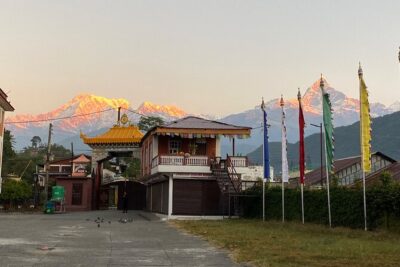
Morning Tibetan cultural tour to Tibetan settlements Pokhara
Read our review →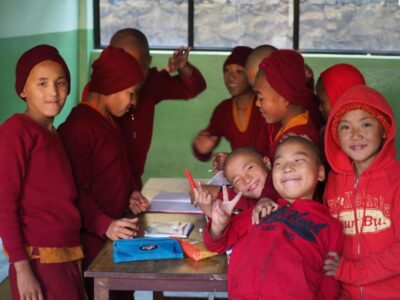
Morning Half Day Tibetan cultural tour to Tibetan Settlements
Read our review →
Sarangkot Sunrise with a half day Tibetan cultural tour
Read our review →Browse the lists this tour appears in