
Reviewed · TEMPLE & MONASTERY TOURS
Kathmandu: Pashupatinath Temple Evening Aarati Tour
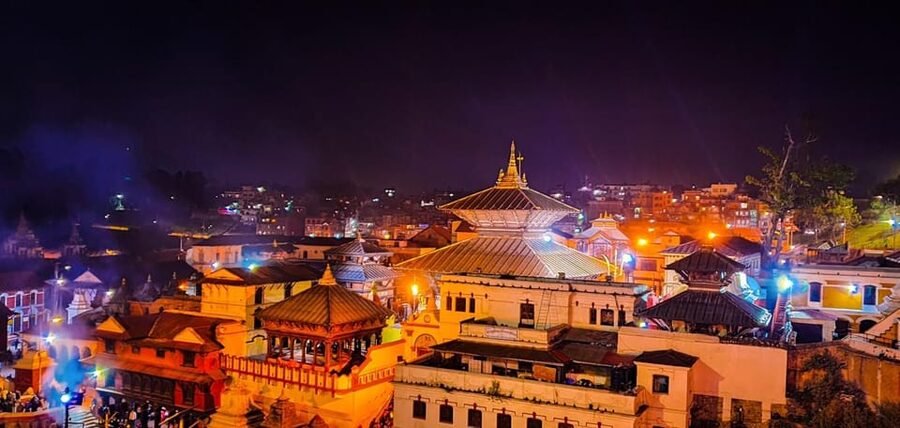
The heart of this three-hour outing is the Bagmati River Aarati, a nightly Hindu worship service of oil lamps, bells, incense, chanting, and hymns. As daylight fades, the eastern side of Pashupatinath Temple fills with people gathered for a ceremony that feels both theatrical and sincerely devotional.
I like the useful timing: you arrive in the late afternoon, see the temple area before the ceremony, and finish with Kathmandu hotel drop-off. I also like the private format, since guides such as Ramesh, Rajat, and Anjan can slow down for questions or help you find a good view. The main consideration is that this is a religious service, not a staged cultural show, so respectful behavior and patience matter.
Key points to know before you go
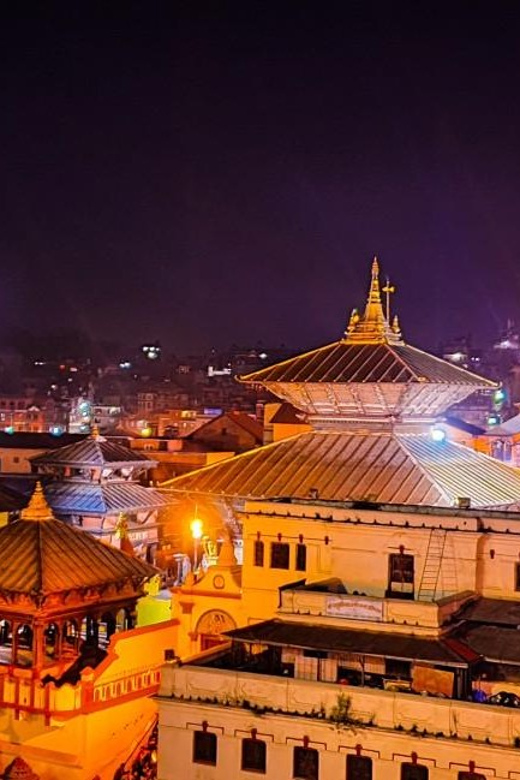
- The ceremony begins around 6 p.m. Plan on an evening visit timed around sunset and the start of the Aarati.
- The ritual uses light, sound, and scent. Expect Vedic mantras, ringing bells, oil lamps, incense, classical instruments, and hymns.
- Your guide adds the meaning. Ramesh is particularly praised for explaining Hindu customs, while Rajat and Anjan have also led well-received visits.
- The private group format helps. You can ask questions, request photography time, and set the pace during the temple visit.
- The $45 price covers the basics. Hotel pickup and drop-off, transport, a licensed English-speaking guide, temple entry, taxes, and service charges are included.
- Photography has limits. You can take photos in permitted areas, but the ceremony calls for attention and courtesy before getting the perfect picture.
Why the evening Aarati matters
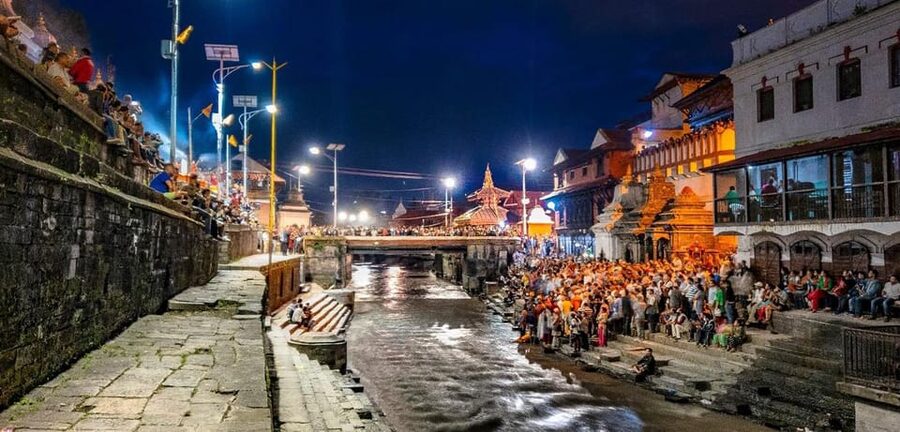
Pashupatinath is one of Nepal’s major Hindu temples, set beside the Bagmati River in Kathmandu. The evening Aarati gives you a way to encounter the site through living worship rather than only through architecture and sightseeing.
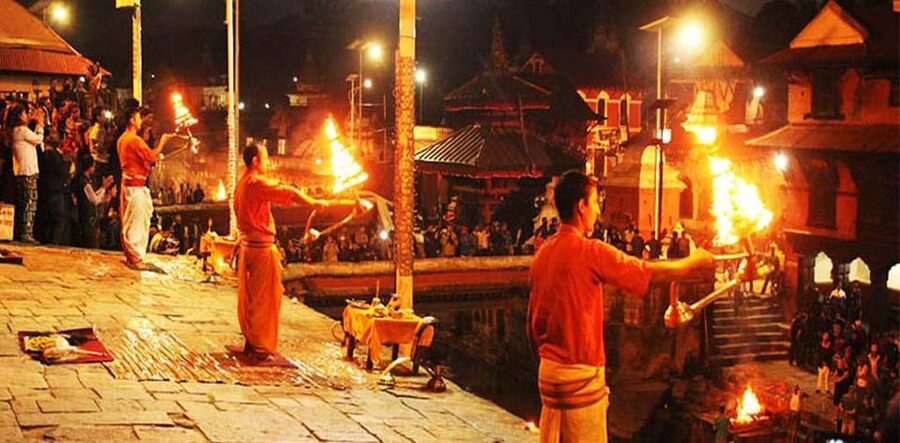
Aarati means a ritual involving light. During this ceremony, priests chant prayers and move oil lamps before an image of Lord Shiva. The lamps rise and circle in careful patterns while bells ring, incense burns, and musicians play classical instruments as hymns are sung.
The effect comes from several senses at once. You hear the mantras and bells, see the lamps glowing against the evening, and catch the smoke of incense in the air. The setting beside the river gives the service a strong sense of place, but the ceremony itself is the focus.
I like that the tour allows you to watch without needing to understand every step in advance. A good guide explains what is happening and why, so you are not left guessing about the gestures, sounds, or objects used by the priests.
More Evening Tours in Kathmandu
- Kathmandu Sunset Tour by Rickshaw Including Durbar Square Visit
★ 5.0 · 73 reviews - Kathmandu: Pashupatinath Temple Aarti Night Tour
★ 4.8 · 29 reviews - Pashupatinath Evening Aarati: Few Divinely Hours in Kathmandu
★ 4.5 · 23 reviews
Arriving from Kathmandu in the late afternoon
The outing begins with hotel pickup in Kathmandu. Your transport takes you to Pashupatinath, and the ride is handled as part of the private tour rather than something you must arrange yourself.
That matters most in the evening. You do not need to work out the route, coordinate a separate driver, or worry about returning after the ceremony. The driver takes you back to your hotel after the Aarati.
The timing is also sensible. Arriving before the ceremony gives you time to see the temple complex with your guide instead of rushing in just as the lamps are lit. You can get your bearings, hear the religious background, and choose where to watch.
The exact starting time can vary, so check availability when booking. The main event is listed as beginning around 6 p.m., with the full activity lasting about three hours.
Seeing Pashupatinath before the lamps are lit
The guide leads you around the temple area before the Aarati. This part is more than a short photo stop. It gives you the setting for what comes next and explains the temple’s importance in Hindu culture.
You will have time for guided sightseeing and some independent exploration. That balance works well. The guide can point out important features and answer questions, then you can pause for your own photographs or simply watch the activity around the complex.
The visit is especially useful if you are new to Hindu traditions. The ceremony contains many details that can pass quickly: the use of lamps, the chants, the bells, the incense, and the role of the priests. An English-speaking guide helps connect those details to the wider religious practice.
Ramesh is frequently named as a strong guide for this experience. He explains Hindu culture and rituals in an accessible way, answers questions patiently, and can spend extra time with photography requests. Rajat is also praised for being friendly and informative, while Anjan has helped visitors make better sense of Hindu religion and the Aarati itself.
That guide quality is important here. You can watch the ceremony without any explanation, but the visit has more value when you understand why the actions matter to people at the river.
Finding the ceremony on the Bagmati River
The Aarati takes place on the Bagmati River bank on the eastern side of the temple. People gather there before the ritual begins, and the atmosphere changes as the crowd settles into the evening service.
You should expect a public religious gathering rather than a quiet museum visit. There may be many people around the viewing area, and your line of sight can depend on where you stand or sit. This is one reason a local guide is useful. Your guide can help you understand the layout and find an appropriate viewing point.
One of the strongest details is the way the ceremony builds through sound. The priests recite Vedic mantras, bells ring, and musicians play classical instruments while hymns are sung. The oil lamps add the visual center, but the experience is not only about the flame. It is the combination of voice, rhythm, smoke, and movement.
The service may feel powerful even if you do not follow Hindu beliefs. At the same time, it is important not to treat it as a performance made for cameras. Keep your attention on the worship and follow your guide’s advice about where photography is permitted.
More Temple & Monastery Tours in Kathmandu:
- Kathmandu Spiritual Sites: Bodhnath & Pashupatinath Tour
★ 5.0 · 185 reviews - Kathmandu: Nagarkot Sunrise and Hike Tour to Changu Narayan
★ 4.7 · 151 reviews - Kathmandu: Chandragiri Cable Car and Monkey Temple Tour
★ 4.8 · 139 reviews - Nagarkot Sunrise & Hike to Changu Narayan Day Tour from Kathmandu
★ 5.0 · 126 reviews
What happens during the 6 p.m. Aarati
Around 6 p.m., priests begin the worship service. They chant prayers and wave oil lamps before the idol of Lord Shiva, using light as the main ritual offering.
The ceremony has a clear visual rhythm. Lamps are raised and moved before the deity, incense burns, bells sound, and the accompanying music and hymns give the service a steady pulse. From the river bank, you can watch the ritual unfold as evening settles over the temple area.
This is the point of the tour, but it is also the point when you need to put the camera away at times. Photography is allowed in permitted areas, and the tour can accommodate people who want memorable images. Still, the best approach is to take a few careful photographs and then watch the service directly.
The ceremony may be moving, but the experience is not designed to entertain every visitor in the same way. If you want a fast-moving tour packed with several attractions, this evening may feel slow. If you want a close look at a living religious custom, the pace is a strength.
How the private format changes the experience
This is a private group tour, which gives it a more personal feel than a large group outing. You can ask direct questions and spend more time on points that interest you.
That flexibility is particularly helpful for photography. Arturo booked mainly to take travel photos and found that the guide accommodated his requests and concerns while allowing time for pictures. You should still expect to follow the rules of the site and avoid disturbing the ceremony, but a private guide can make the practical side easier.
The format also suits first-time visitors who are unsure how to behave at a major Hindu temple. Your guide can explain when to pause, where to stand, and which areas are suitable for photographs. That support helps you show respect without feeling nervous about every move.
The guide’s approach can shape the evening. Ramesh is noted for warm conversation and detailed explanations, Rajat for friendly guidance, and Anjan for clear English and religious context. Guide assignments can vary, so you should not assume one named guide is guaranteed unless the booking specifically confirms it.
Is $45 a fair price?
At $45 per person, the tour is not the cheapest way to reach Pashupatinath. You are paying for convenience, private transport, a licensed English-speaking guide, entry to the temple, and hotel pickup and drop-off.
I think the price makes the most sense if you value explanation and easy transport. The temple entry is included, as are taxes and service charges, so there are fewer added costs once the tour begins. Food and drinks are not included, but the activity lasts only three hours and is scheduled around an evening ceremony.
The value also depends on your confidence in visiting religious sites independently. If you already know the temple, can arrange transport, and only want to watch the Aarati, you may prefer to go on your own. If you want the background, a private ride, and help with the viewing area, the fee is easier to justify.
A perfect rating from 36 listed reviews supports the strong impression of the service, especially the guides and drivers. Still, ratings cannot guarantee the exact guide, traffic conditions, or crowd size on your date. I would book for the interpretation and convenience, not only for a promised perfect view.
Practical advice for a respectful visit
Dress and act with the seriousness you would use at any active place of worship. The supplied information does not specify a formal dress code, but modest behavior is the sensible choice.
Ask before photographing people, priests, or ritual activity. The tour allows photography in permitted areas, but the ceremony should not be interrupted for a picture. Your guide can help you understand where photography is acceptable.
Keep the evening flexible. The listed duration is three hours, but the experience includes hotel transport, a temple visit, waiting for the ceremony, and the ride back. Kathmandu traffic can affect the rhythm of any road-based outing, so avoid scheduling an important dinner or connection too tightly afterward.
There is no meal included. You may want to eat before pickup or plan food after returning to Kathmandu, but the activity information does not specify meal stops.
The language offered is English, and the tour is led by a live English-speaking guide. One guide has also spoken Spanish with a participant, but Spanish guiding is not listed as a standard feature, so English is the language you should expect.
Who will enjoy this evening most?
This tour suits you if you want cultural context rather than a quick photograph outside a famous temple. It is a good choice for first-time visitors to Kathmandu, people interested in Hindu practice, and photographers who want some guided help while still having time to frame their shots.
It also suits anyone who prefers a quiet evening activity after a day of sightseeing. The tour focuses on one site and one ceremony, so you are not racing across the city to check off several places.
Families and mixed-interest groups may appreciate the private format because the guide can answer different questions. The experience is less suitable if you dislike crowds, religious ceremony, incense, or waiting for a fixed evening event.
You should also know that the main reward is understanding and atmosphere. The temple visit is valuable, but the Aarati is what gives the outing its shape and emotional force.
Should you book the Pashupatinath Aarati Tour?
Book it if you want to see Pashupatinath during a living evening ritual and prefer having a guide explain what you are seeing. The combination of late-afternoon sightseeing, a 6 p.m. Aarati, private transport, and hotel return makes good use of a three-hour evening.
I would give extra weight to the guide if you are curious about Hindu customs or nervous about visiting a sacred site respectfully. Ramesh, Rajat, and Anjan have each been associated with clear, friendly explanations, though the assigned guide may vary.
Skip it if you only want a brief exterior visit, dislike organized timing, or would rather arrange your own transport and watch the ceremony without interpretation. For most first-time visitors who want more than a quick stop, the $45 fee is a reasonable trade for context, convenience, and a meaningful look at Kathmandu’s religious life.
FAQ
How long does the Pashupatinath Aarati Tour last?
The tour lasts three hours, including hotel pickup and drop-off, transport to Pashupatinath, the temple visit, the Aarati ceremony, and the return journey.
What time does the Aarati begin?
The ceremony begins around 6 p.m. Starting times can vary, so check availability for your chosen date.
Is transportation included?
Yes. Hotel pickup and drop-off and transportation to and from Pashupatinath Temple are included.
Is a guide included?
Yes. The tour includes a licensed, English-speaking live guide. Guides named in the experience information include Ramesh, Rajat, and Anjan, but a specific guide is not guaranteed unless confirmed at booking.
Is the temple entry ticket included?
Yes. The Pashupatinath entry ticket, taxes, and service charges are included. Food and drinks are not included.
Can I take photographs during the ceremony?
Photography is possible in permitted areas. You should follow the guide’s instructions and respect restrictions during the religious service.
Just added around Kathmandu
- Manthali Airport (Ramechhap) To Kathmandu – Transport Service★ 4.5 · 11 reviews
- Women Empowerment Project(Nepali cooking class & jewelry workshop★ 5.0 · 15 reviews
- Amazing 1 Day Trekking Experience in Kathmandu Nepal★ 5.0 · 24 reviews
- Walking tour of Kathmandu with awesome local guides★ 5.0 · 4 reviews
- Walking tour of real Kathmandu through back streets.★ 5.0 · 3 reviews
- Private Manaslu Circuit Trek at Himalayas★ 5.0 · 3 reviews
- Walking Street Food Tour in Kathmandu★ 5.0 · 111 reviews
- Kathmandu Street Food Walking Tour – Eat Like a Local★ 5.0 · 3 reviews
Temple & Monastery Tours, compared.

Kathmandu Spiritual Sites: Bodhnath & Pashupatinath Tour
Read our review →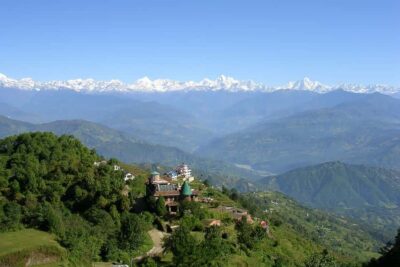
Nagarkot Sunrise and Hike Tour to Changu Narayan
Read our review →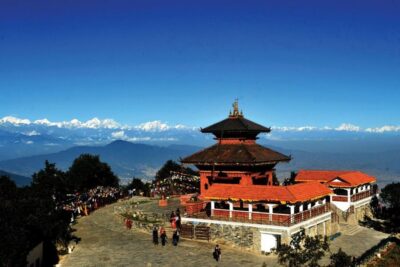
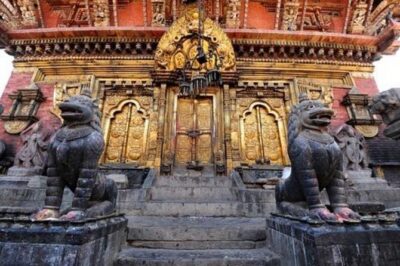
Nagarkot Sunrise & Hike to Changu Narayan Day Tour from Kathmandu
Read our review →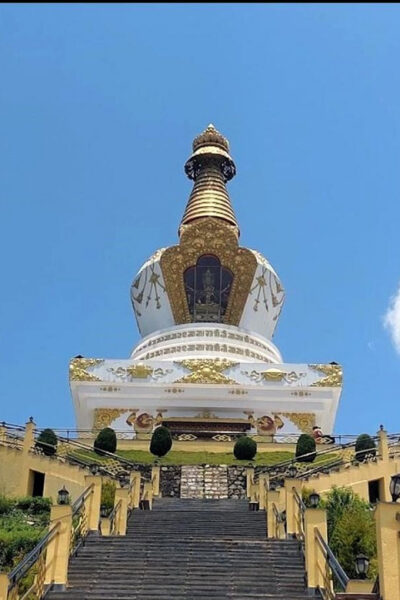

Monkey Temple – Swayambhunath Tour – Private/Small Group
Read our review →Browse the lists this tour appears in