
Reviewed · TEMPLE & MONASTERY TOURS
Kathmandu: Pashupatinath Temple Aarti Night Tour
At Pashupatinath, the evening ceremony is only part of the story. You may watch lamps move before the Bagmati River while pilgrims pray, then hear about the temple’s place in Hindu life and see the cremation ghats nearby. The setting is serious, beautiful, and at times emotionally difficult. This is a cultural visit, not just a sightseeing stop.
I like the private format, which gives you room to ask questions and move at a useful pace. I also like the practical setup: hotel pickup, transport, admission, and an English-speaking guide are handled for you. The main drawback is timing. One guest arrived late because of the driver and missed the beginning of the Aarti, so be ready in the hotel lobby 15 minutes early and confirm the pickup clearly.
Key points to know before booking
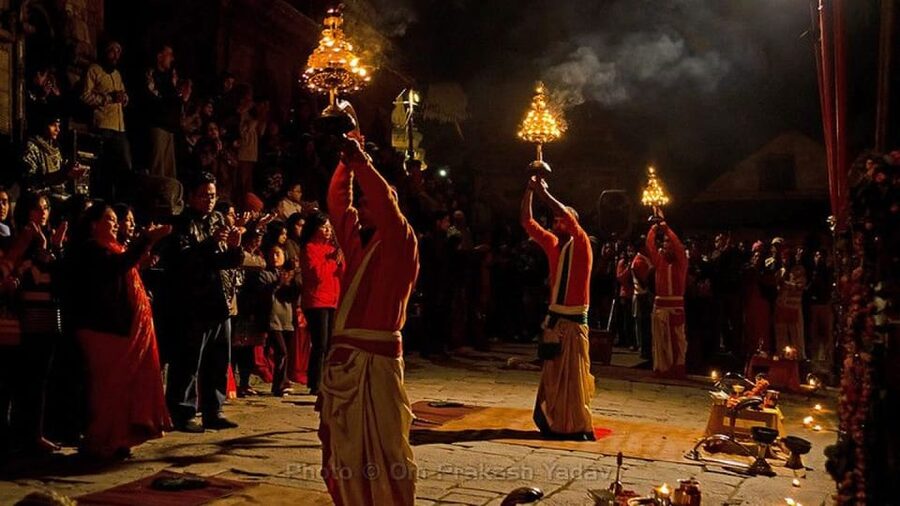
- The Bagmati Aarti is the evening focus: Lamps, prayer, music, and devotion create the most memorable part of the visit.
- The temple is active, not a museum: You’ll see pilgrims, shrines, priests, and a working cremation site beside the river.
- A private English-speaking guide is included: Guides explain customs and stories that are easy to miss on your own.
- Hotel transport saves time in Kathmandu: Pickup and return are included, though traffic can affect the schedule.
- The cremation ghats can be moving: Arya Ghat is a place of real Hindu funerals, so treat the scene with care and respect.
- The tour lasts three hours and costs $71 per person: That is a fair price if you value a guide and door-to-door service, but less so if you only want a quick look at the temple.
Why Pashupatinath feels different after sunset
Pashupatinath is one of the most important Hindu temples in Nepal. It honors Pashupatinath, a form of Lord Shiva, and draws pilgrims from Nepal and nearby countries. The main temple has a pagoda-style design, a golden roof, and carved silver doors.
The complex reaches along both banks of the Bagmati River. It includes smaller temples, ashrams, paths, shrines, and Arya Ghat, a major cremation site. You are not entering a quiet monument sealed off from daily life. You are entering a place of worship where prayer, ritual, death, and family life share the same riverbank.
Night changes the mood. The golden roof and silver doors can look especially striking in the softer light, while the Aarti brings a clear focal point to the visit. The lamps and chants give you a chance to see devotion as something active and public, rather than something represented only in stone.
The temple’s roots are often placed in the fifth century, though the building you see today dates mainly from the seventeenth century after several reconstructions. That distinction matters. You are not looking at one untouched building from antiquity, but at a sacred site that has been repaired and renewed over many centuries.
More Evening Tours in Kathmandu
- Kathmandu Sunset Tour by Rickshaw Including Durbar Square Visit
★ 5.0 · 73 reviews - Kathmandu: Pashupatinath Temple Evening Aarati Tour
★ 5.0 · 36 reviews - Pashupatinath Evening Aarati: Few Divinely Hours in Kathmandu
★ 4.5 · 23 reviews
Hotel pickup and the ride to the river
Your guide and driver pick you up at your hotel, then take you to Pashupatinath. The tour is private, so your party does not have to follow a large group or wait for a long list of unrelated stops. Transportation is included both ways, along with the entry ticket and taxes.
This arrangement is useful in Kathmandu, where finding the correct entrance and planning the return trip can take more effort than expected. It also helps if you are visiting the temple after a full day of sightseeing and would rather not arrange another ride at night.
The main point to manage is time. The Aarti happens at a particular part of the evening, and the visit works best if you arrive before it begins. A late pickup caused one person to miss the start of the ceremony. I would wait in the lobby 15 minutes before the stated pickup time, keep your phone available, and confirm the meeting details with the provider.
Transport received a perfect score from 86 percent of the ratings, which supports the idea that the included car service is a useful part of the package. Still, Kathmandu traffic is outside the guide’s control. If the ceremony is your priority, an early pickup is much better than a last-minute arrival.
Exploring the temple complex with an English-speaking guide
Once you reach the complex, the guide helps you make sense of what you are seeing. Pashupatinath contains more than the famous main temple, and a first visit can feel confusing. Smaller shrines, courtyards, religious buildings, river paths, and worshippers all compete for your attention.
A guide adds context to those details. You can ask why the temple matters to Hindus, how the site relates to Lord Shiva, and what role the Bagmati River plays in the religious life of the complex. You also have someone who can explain the difference between a monument you may look at and a sacred place where people have come to pray.
Guide Madhu received particular praise for being enthusiastic, punctual, and generous with historical stories during one visit. Another person described the guide as informative and kind, while a solo woman said she felt safe and well informed throughout the outing. Those details suggest that the guide is not simply there to lead you from gate to gate.
Because this is a private group, you can use the guide in the way that suits you. Ask for more background if you enjoy history, or ask for a clearer explanation of customs if this is your first time in a Hindu temple. The value is greatest when you speak up rather than just following along silently.
The golden roof, silver doors, and sacred restrictions
The main temple is the visual centerpiece. Its golden roof and silver doors reflect the importance given to Pashupatinath, but the building is also part of an active religious complex. The experience is not designed around an extended interior visit or a museum-style display.
The information provided does not specify all access rules for the main shrine, so you should follow the guide’s instructions about where you may go and what you may photograph. The temple is dedicated to a living religious tradition, not presented for casual inspection. A respectful attitude matters more here than collecting a picture from every angle.
You’ll likely get more from the visit if you pay attention to the surrounding activity as well as the central structure. The smaller shrines and ashrams help show how broad the site is. The complex is a place of pilgrimage, teaching, prayer, and funeral ritual, not merely a single photogenic building.
This is also why a three-hour tour makes sense. A short stop could show you the roof and doors, but it would leave out much of the setting. The length gives you time for the guide’s explanations, the riverbank, the ceremony, and the return trip without turning the evening into an all-day commitment.
More Temple & Monastery Tours in Kathmandu:
- Kathmandu Spiritual Sites: Bodhnath & Pashupatinath Tour
★ 5.0 · 185 reviews - Kathmandu: Nagarkot Sunrise and Hike Tour to Changu Narayan
★ 4.7 · 151 reviews - Kathmandu: Chandragiri Cable Car and Monkey Temple Tour
★ 4.8 · 139 reviews - Nagarkot Sunrise & Hike to Changu Narayan Day Tour from Kathmandu
★ 5.0 · 126 reviews
Watching the Bagmati Aarti ceremony
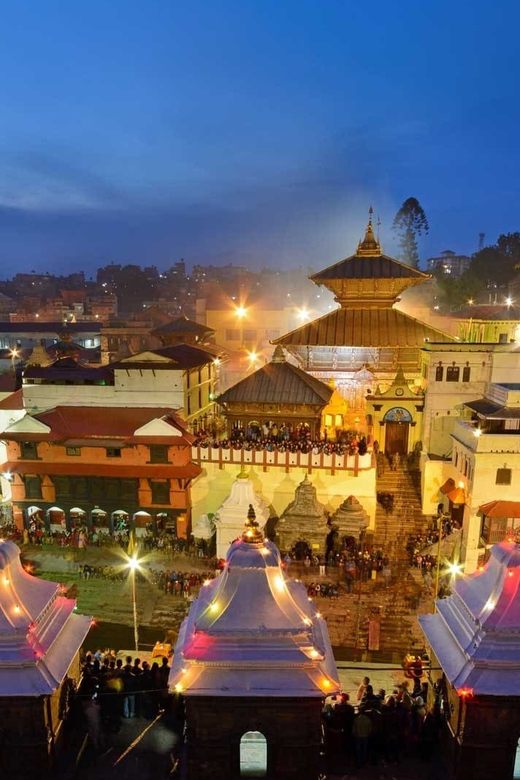
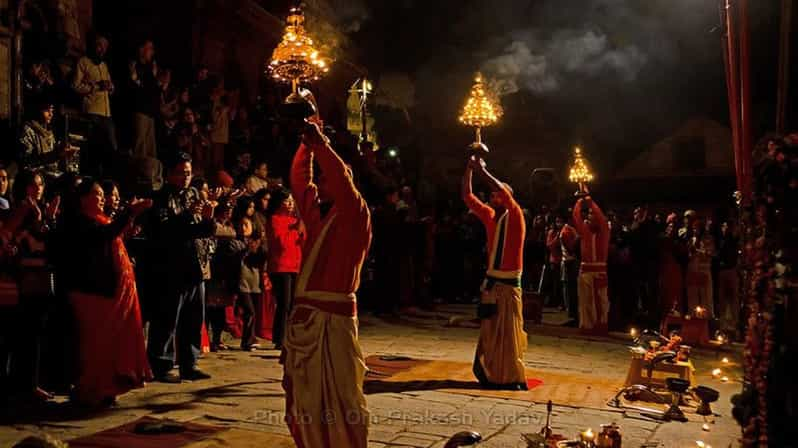
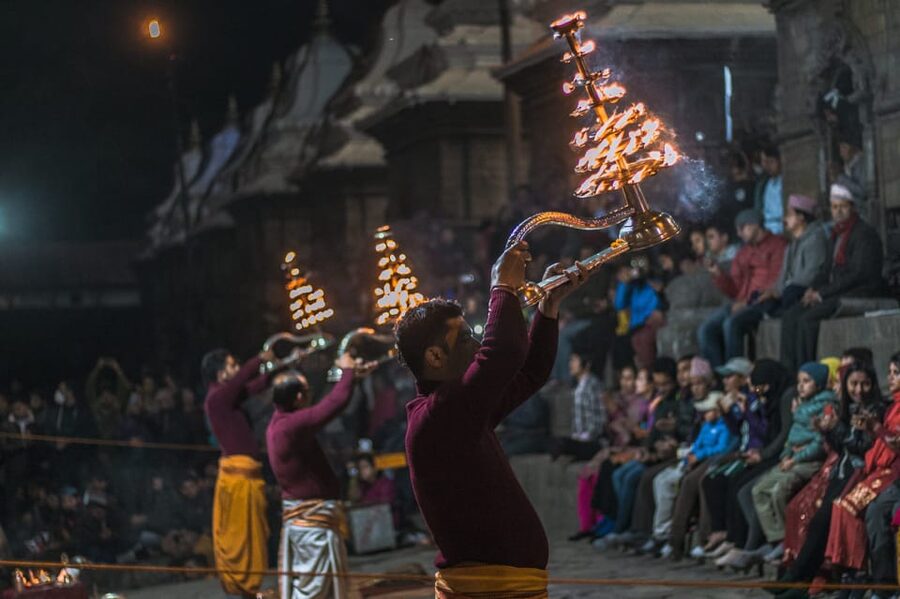
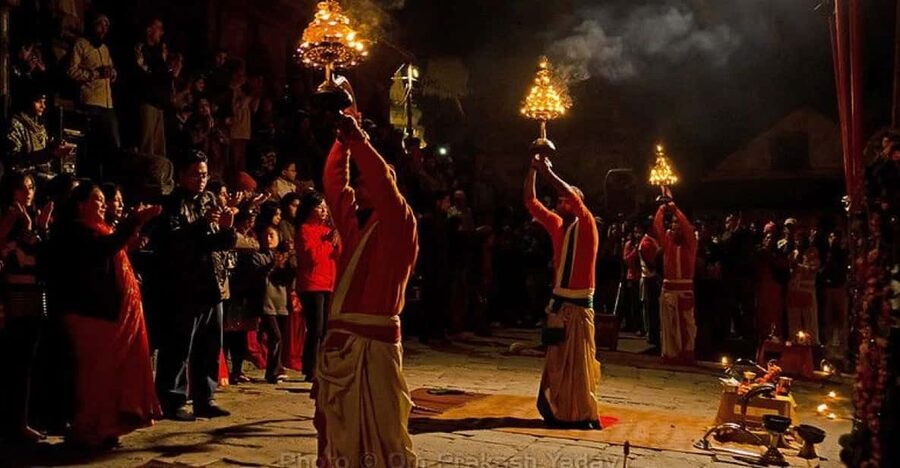
The Aarti is the heart of the evening. During the ceremony, lamps are offered as part of a devotional ritual beside the Bagmati River. The combination of light, prayer, movement, and music gives the visit its strongest sense of occasion.
You do not need to know every chant or ritual step to understand that this is important to the people taking part. Watch first, then ask the guide about what you saw. A good explanation can help you notice the order of the ceremony and the role of the lamps without reducing it to a performance for outsiders.
The timing makes this tour more focused than a standard daytime temple visit. You see Pashupatinath at a moment when worship is happening, rather than only when the buildings are easier to photograph. That is the main reason to choose this evening option.
There is a practical risk: missing the beginning reduces the value of the tour. Make the Aarti your scheduling priority. The tour lasts about three hours, but the exact start time depends on availability, so check the departure time before booking and be ready early.
Arya Ghat and the difficult side of the visit
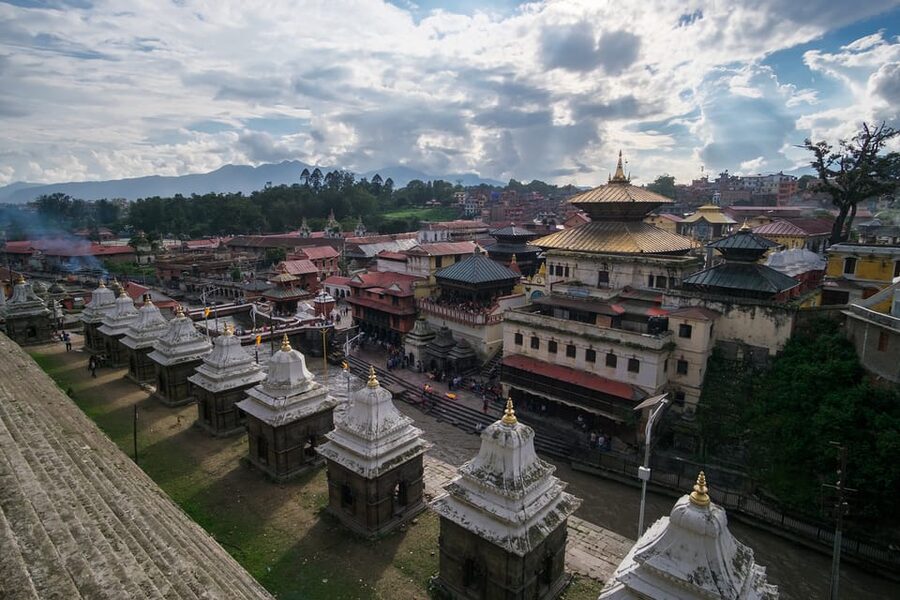
Arya Ghat, on the Bagmati River, is used for Hindu cremations. Hindu belief holds that cremation here can help the soul reach moksha, or liberation from the cycle of rebirth. Seeing a live cremation is possible, and one person described watching one during the same visit as the Aarti.
This can be a powerful part of the experience, but it is not an attraction in the usual sense. Families are dealing with death, and you should keep a quiet distance, follow local guidance, and avoid treating the ceremony as a spectacle. The tour information does not set out specific photography rules, so ask before taking pictures and be guided by the staff.
For some people, the cremation ghats will be the most meaningful part of the evening. For others, it may feel too personal or heavy. I would not book this tour if you want a light, easy night out with only decorative sights. I would book it if you are prepared to see religious life in full, including its connection to death and mourning.
The contrast between the Aarti and the cremation site is striking. One area is filled with lamps and public prayer, while another deals with final rites. Both belong to the same sacred river setting, and that is what gives the visit its weight.
What $71 includes, and when it feels worthwhile
The price is $71 per person. It includes hotel pickup and drop-off, transportation, a licensed English-speaking guide, temple admission, and taxes. Food and drinks are not included.
For a private three-hour experience, that price can be reasonable if you want the evening arranged from start to finish. You are paying not only for entry but also for transport, guidance, and the ability to ask questions without being part of a large group. The return to your hotel is another useful benefit after a night visit.
The value is weaker if you are already close to Pashupatinath, prefer to make your own way, and only want to watch the ceremony. In that case, the guide and transport make up a large part of what you are buying. I would compare the cost with your hotel location, your comfort using local transport, and how much historical explanation you want.
The strong rating of 4.8 from 29 ratings fits the tour’s main strengths: the guide, the private setup, and the unusual chance to see both the Aarti and the cremation ghats. It does not erase the timing concern. A high rating cannot help if a late vehicle causes you to miss the opening moments, so stay alert about pickup.
Who will get the most from this evening
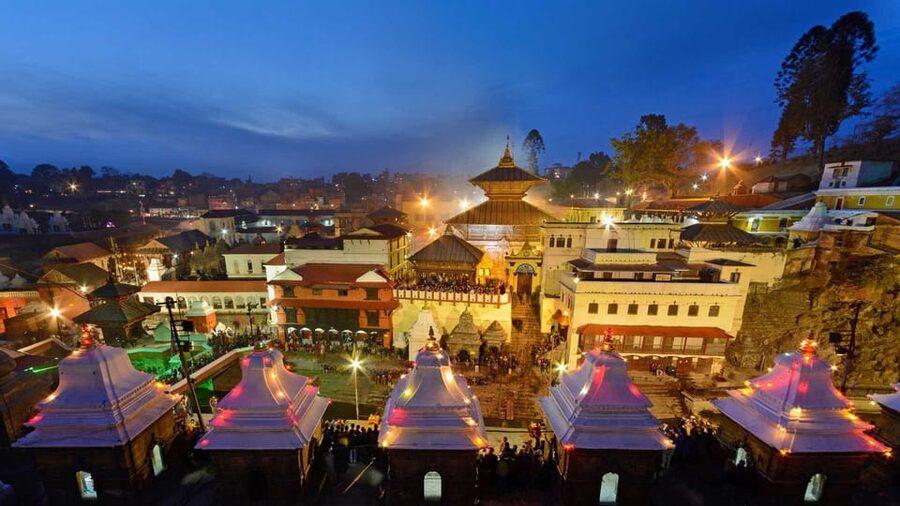
I would recommend this outing to you if you want a clear introduction to Hindu culture in Kathmandu and prefer a guide to explain what you are seeing. It is especially suitable for first-time visitors, solo travelers who value organized transport, and anyone who wants a private rather than crowded group experience.
It also suits people who care more about living tradition than a quick list of monuments. The ceremony, the river, and the funeral site give you a fuller picture of why Pashupatinath matters.
You may want to skip it if you dislike religious ceremonies, feel uncomfortable near cremation grounds, or want a flexible schedule with no fixed evening timing. The experience is also less useful if you only want photographs of the main temple.
The tour is wheelchair accessible, though the supplied details do not explain the exact surfaces or routes within the complex. If access needs are important to you, contact the provider before booking and ask for practical details about the temple grounds.
Simple ways to prepare for the visit
Bring your passport, or a copy of it, because it is listed as a required item. Food and drinks are not included, so plan accordingly before pickup.
Wear something suitable for a religious site and be ready to follow your guide’s instructions. The information provided does not specify a dress code, but modest behavior and respectful clothing are sensible at an active Hindu temple.
Keep the evening unhurried. Arrive in the lobby 15 minutes early, allow for the possibility of traffic, and avoid scheduling another fixed activity immediately afterward. The return time can be affected by the drive and the pace of the visit.
Most of all, bring patience. The best parts of Pashupatinath are not all designed for quick viewing. Listen to the guide, watch the ceremony carefully, and remember that the riverbank is a place of prayer and cremation as well as a historic site.
Should you book the Pashupatinath Aarti Night Tour?
Book it if you want a private, guided look at one of Kathmandu’s most important religious sites, with transport and admission taken care of. The combination of the golden-roofed temple, the Bagmati Aarti, and Arya Ghat gives you a serious and memorable evening that a quick daytime visit may not provide.
The strongest reason to choose it is the guide. A guide such as Madhu can turn unfamiliar rituals and buildings into something you understand. The main caution is punctuality: confirm pickup, wait in the lobby early, and protect the ceremony time.
At $71, it is best value for you if convenience, context, and a private group matter. If you want only a short look at the temple or prefer to arrange every detail yourself, the price may feel high. For a respectful visitor who wants to see Kathmandu’s faith in practice, it is a well-focused three-hour outing.
FAQ
How long does the Pashupatinath Aarti Night Tour last?
The tour lasts three hours, including transportation to Pashupatinath and return transportation to your hotel.
What is included in the price?
The price includes hotel pickup and drop-off, transportation, a licensed English-speaking guide, entry to Pashupatinath Temple, and all taxes.
Are food and drinks included?
No. Food and drinks are not included in the tour price.
Is hotel pickup available?
Yes. Pickup from your hotel is included. You should wait in the hotel lobby 15 minutes before the tour.
What language does the guide speak?
The live guide speaks English.
Is this a private tour?
Yes. The activity is operated as a private group experience.
Can I cancel for a full refund?
Yes. You can cancel up to 24 hours in advance for a full refund.
Can I reserve now and pay later?
Yes. The booking option allows you to reserve your place and pay later, so you do not have to pay at the time of booking.
What should I bring?
Bring your passport. A copy of your passport is accepted.
Just added around Kathmandu
- Traditional Momo Making Class★ 5.0 · 10 reviews
- Women Empowerment Project(Nepali cooking class & jewelry workshop★ 5.0 · 15 reviews
- Manthali Airport (Ramechhap) To Kathmandu – Transport Service★ 4.5 · 11 reviews
- Amazing 1 Day Trekking Experience in Kathmandu Nepal★ 5.0 · 24 reviews
- Walking tour of Kathmandu with awesome local guides★ 5.0 · 4 reviews
- Walking tour of real Kathmandu through back streets.★ 5.0 · 3 reviews
- Private Manaslu Circuit Trek at Himalayas★ 5.0 · 3 reviews
- Walking Street Food Tour in Kathmandu★ 5.0 · 111 reviews
Temple & Monastery Tours, compared.

Kathmandu Spiritual Sites: Bodhnath & Pashupatinath Tour
Read our review →
Nagarkot Sunrise and Hike Tour to Changu Narayan
Read our review →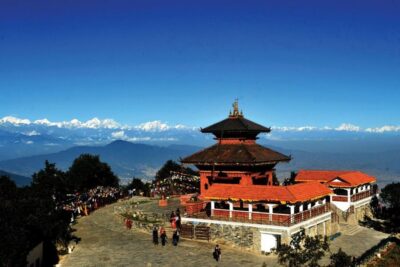
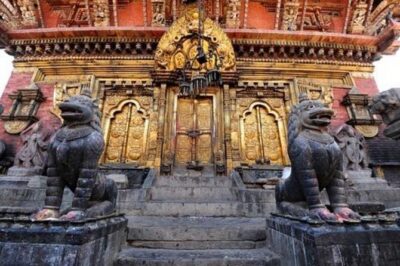
Nagarkot Sunrise & Hike to Changu Narayan Day Tour from Kathmandu
Read our review →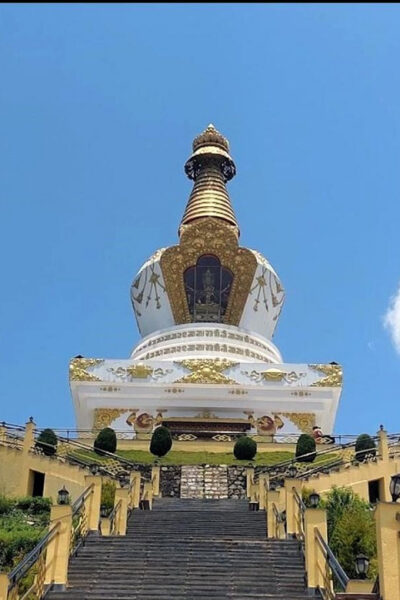

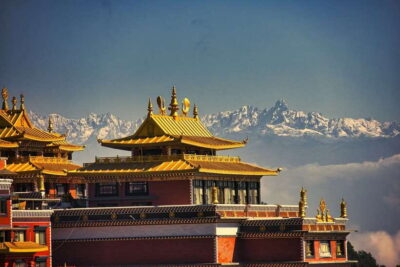
Monkey Temple – Swayambhunath Tour – Private/Small Group
Read our review →Browse the lists this tour appears in