
Reviewed · SIGHTSEEING TOURS
Kathmandu: Private Patan and Bhaktapur Sightseeing Tour
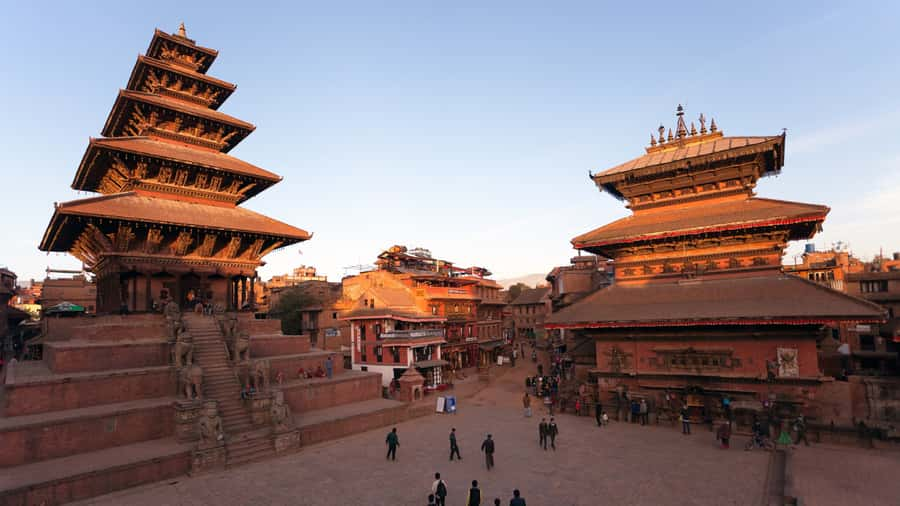
Kathmandu’s two finest old cities are packed into this six-hour private outing. In Patan, you’ll find fine metalwork, carved courtyards, Krishna Temple, and the Golden Temple. In Bhaktapur, brick lanes lead to palace squares, Pottery Square, and the famous 55-Window Palace.
I like the private vehicle and flexible format, especially if you want to stop for photos or ask more questions. I also like the chance to see artisans at work rather than only looking at monuments. The catch is that entrance fees and lunch are extra, and six hours leaves little room for a slow, unplanned wander.
Key Points
- Two UNESCO-listed old cities in one half-day: Compare Patan’s metalwork and palace courtyards with Bhaktapur’s medieval squares and pottery tradition.
- A private guide and vehicle: Hotel pickup, hotel drop-off, and an English-speaking guide keep the day simple and personal.
- Strong mix of sights: Patan Museum, Krishna Temple, the Golden Temple, Nyatapola Temple area, Pottery Square, and Dattatraya Temple all bring something different.
- Good for culture-minded first-time visitors: The route gives you a clear introduction to Newari art, worship, royal power, and daily craft traditions.
- Bring Nepalese currency: Monument entrance fees are not included, so you will need cash for the sites.
- Comfortable shoes matter: Both old cities are explored on foot, with uneven lanes and plenty of standing around temples and courtyards.
Why Patan and Bhaktapur Make a Strong Pair
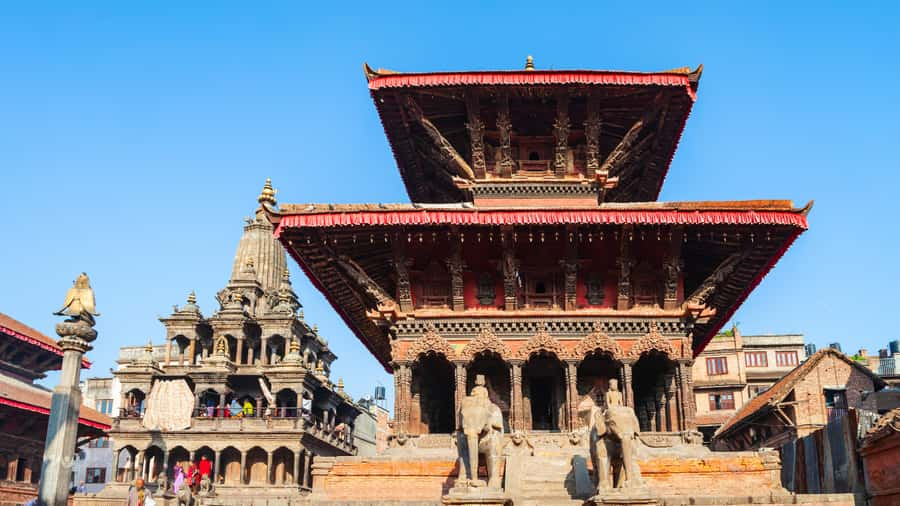
Patan and Bhaktapur are close in the broad sweep of Kathmandu Valley culture, but they do not feel like copies of one another. Patan, also called Lalitpur, is known for polished Newari design, metal statues, woodcarving, and a Durbar Square lined with temples and former royal buildings.
Bhaktapur has a more medieval feel. Its brick lanes, temple platforms, palace frontage, and craft squares create a town where the old city is the main attraction, not a small monument surrounded by modern streets. Seeing both in one day gives you a useful comparison.
I like this pairing because the stops are not all religious or all royal. You see palace architecture, working craft traditions, Buddhist and Hindu shrines, museum displays, and ordinary lanes between the major sights. That range helps you understand how Newari culture shaped both worship and daily work.
The tour costs $39 per person. That is a reasonable price for a six-hour private outing with transport, pickup, drop-off, and a guide, particularly if you are traveling with another person and value a dedicated vehicle. You still need to budget for site entrance fees, food, and drinks, so the advertised price is not the full day’s cost.
More Sightseeing Tours in Kathmandu
- Private Kathmandu Sightseeing Tour | UNESCO World Heritage sites
★ 5.0 · 756 reviews - Kathmandu Private Sightseeing Tour | UNESCO World Heritage Sites
★ 5.0 · 109 reviews - Kathmandu: Private Patan and Bhaktapur Sightseeing Tour
★ 4.7 · 64 reviews
Patan Durbar Square: A Compact Lesson in Newari Design
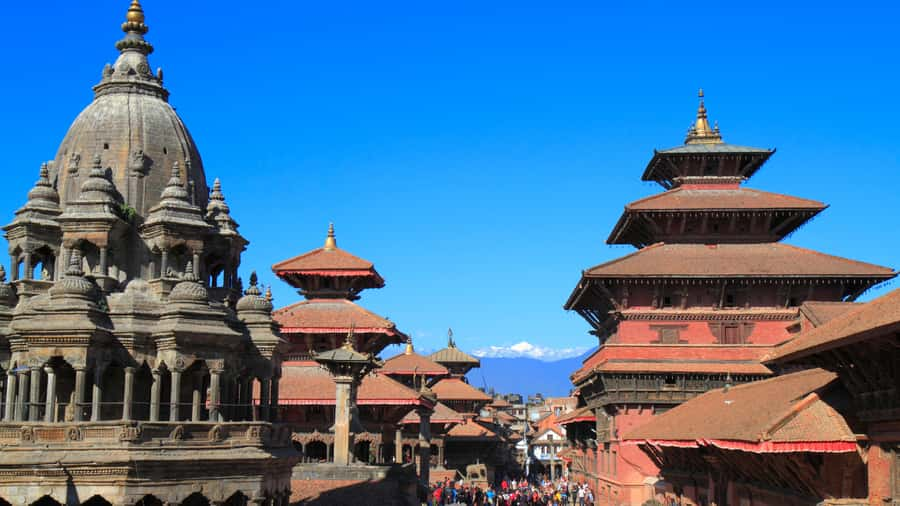
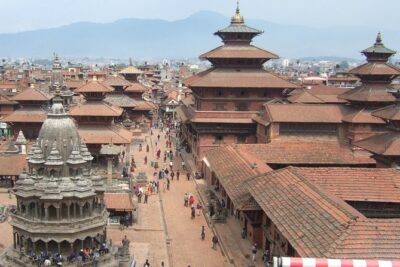
The first main stop is Patan Durbar Square. This is the place to get your bearings before the day moves into smaller temples and side streets. The square brings together palace buildings, shrines, courtyards, carved windows, and layered details that are easy to miss without an explanation.
Your guide can help separate the major buildings from the smaller religious spaces. Look closely at the woodcarving, rooflines, metal images, and stonework. Patan is especially strong in traditional metalwork, pottery, and weaving, so this is also a useful place to begin noticing the craft skills that appear again later.
The scheduled visit is about 30 minutes, including walking, sightseeing, and possible shopping. That is enough for an introduction, but it is not a leisurely study of every building. If you enjoy photography or want time to browse craft shops, tell your guide early so you can use the private format well.
Patan’s appeal is detail rather than sheer size. You might find yourself looking at a small carved doorway as carefully as a large temple. I recommend slowing down for a few minutes and asking what the symbols mean, since the visual density can otherwise become a blur of roofs, statues, and brick.
Patan Museum and Krishna Temple
Patan Museum follows with about 45 minutes. This is one of the most useful stops for putting the valley’s religious art into context. After seeing carvings and statues outdoors, you can look at objects in a museum setting and better understand their shapes, materials, and religious purpose.
The museum stop also gives your feet a short break from the stone and brick surfaces outside. Your guide can connect what you see indoors with the shrines around the square, which is one reason a guide adds value here rather than simply driving you between monuments.
Next comes Krishna Temple, with about 10 minutes for a guided visit. The temple is dedicated to Lord Krishna and is noted for its stone construction. The short time suggests a focused stop, not a long pause for independent exploration.
If you are interested in architecture, pay attention to the difference between Krishna Temple’s stone form and the more common brick and timber work around Patan. The contrast makes the stop worthwhile even though it is brief. Keep your passport or another ID with you, as the tour information advises carrying one.
Kumbheshwor Temple and the Golden Temple
Kumbheshwor Temple receives about 15 minutes. This is another short guided stop, so expect a concise explanation and time to look around rather than a long visit. Together with Krishna Temple, it gives the Patan portion a wider religious range.
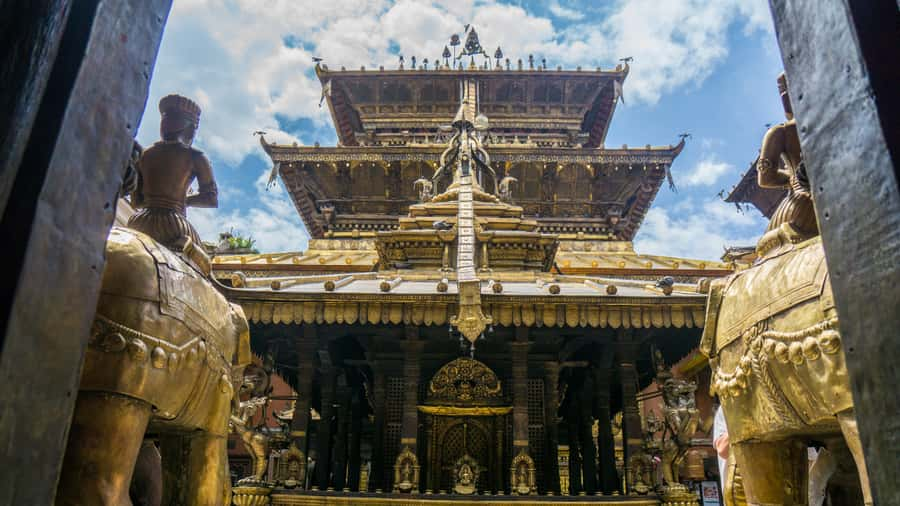
The most distinctive Patan stop for many people is Hiranya Varna Mahavihar, usually called the Golden Temple. The planned visit lasts about 30 minutes. Its metalwork and Buddhist character add a different mood from the palace square and Hindu temples.
This is a place where having a guide is particularly useful. The name, decoration, and layout can be difficult to interpret if you only walk in, take a few photos, and leave. Ask your guide to explain what you are seeing, and take a moment to notice the fine metal details.
The Patan route moves quickly, but it has a sensible rhythm: large square, museum, short temple visits, then a smaller religious complex. I like that progression because it prevents the morning from becoming one long sequence of similar courtyards.
More days out in Bhaktapur:
- Private Bhaktapur and Nagarkot Day Tour From Kathmandu
★ 5.0 · 305 reviews - Day Trip to Bhaktapur and Panauti from Kathmandu
★ 5.0 · 184 reviews - Bhaktapur & Patan Durbar Square Day Tours
★ 5.0 · 122 reviews - Nagarkot Sunrise & Bhaktapur UNESCO Heritage Private Tour
★ 5.0 · 66 reviews
The Drive to Bhaktapur and the Value of Private Transport
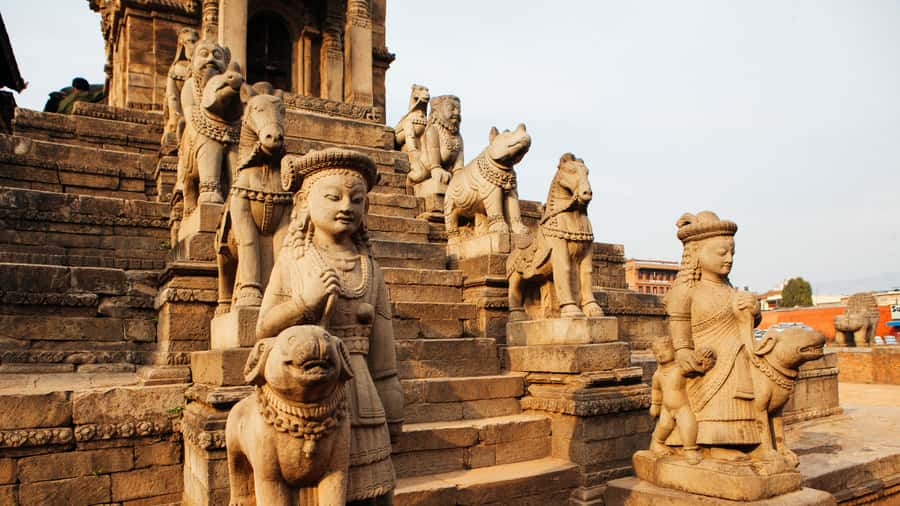
After Patan, you drive to Bhaktapur. The private vehicle is a practical part of the package, not just a comfort feature. It avoids the need to arrange separate transport between the two cities and lets you return to your hotel at the end of the afternoon.
The exact pace can be affected by local traffic, and the stop times are fairly tight. A private tour helps because you can ask questions, adjust the amount of shopping, or spend a little longer at a place that interests you, within the six-hour limit.
There is a lunch break between the two city visits, but food and drinks are not included. Since no restaurant or meal is specified, treat lunch as your own choice and cost. Ask the guide about timing so you do not lose too much of the Bhaktapur visit.
Bhaktapur Durbar Square and the 55-Window Palace
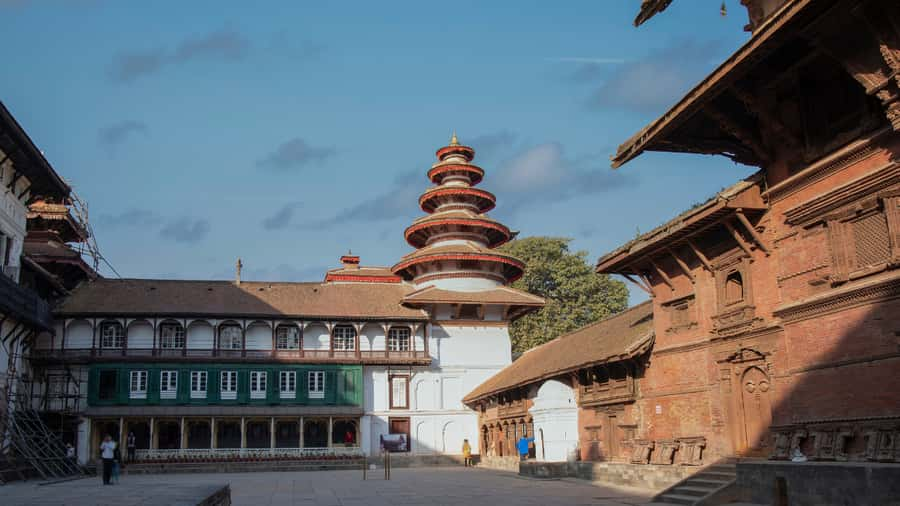
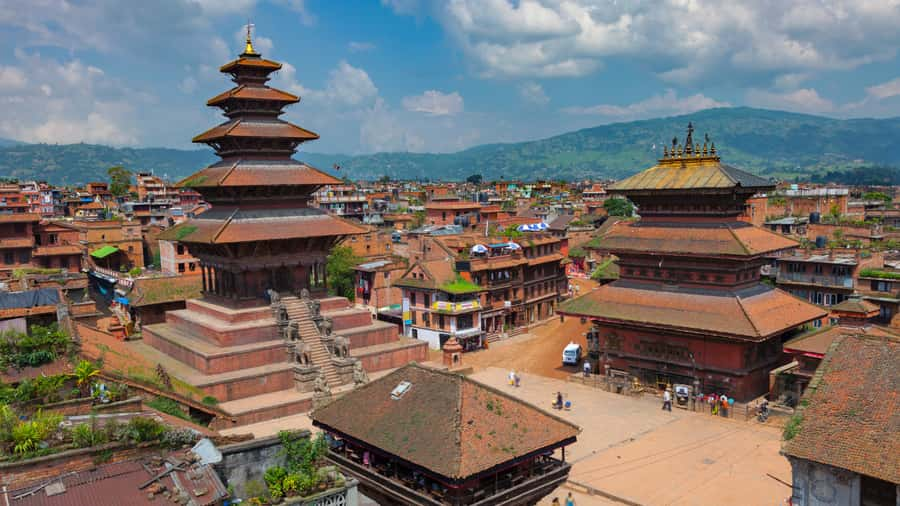
Bhaktapur Durbar Square is the main event of the second half. The planned visit lasts about 45 minutes and includes walking, sightseeing, a photo stop, and possible shopping. The square is known for its medieval buildings and the 55-Window Palace, whose carved windows are among the city’s best-known details.
The palace is listed as a 10-minute pass-by and sightseeing stop. That wording matters: you may view the building from outside rather than spend a long period inside. Listen to the guide’s explanation, then take time to study the window carving and the relationship between the palace frontage and the square.
Bhaktapur is often more rewarding when you look beyond the headline monument. The old city’s brick lanes and courtyards show how worship, royal life, trade, and household craft fit together. The route does not promise unlimited free time, but the private format gives you a better chance to pause when a lane or building catches your eye.
Wear comfortable shoes. You will walk inside heritage areas, and the tour specifically advises comfortable clothing, sunglasses, and a sunhat. The practical point is simple: this is a walking tour with vehicle transfers, not a drive-by city tour.
Taumadhi Square and Nyatapola Temple Area
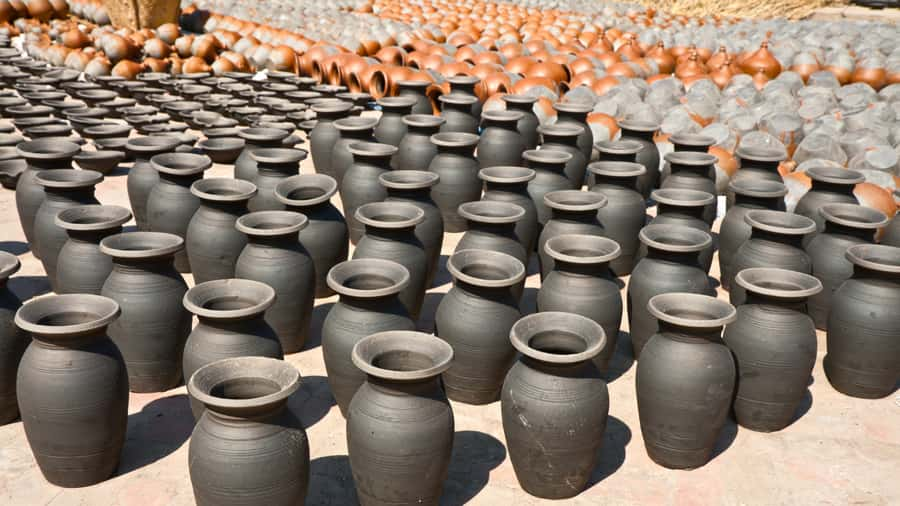
Taumadhi Square is scheduled for about 30 minutes. It is one of Bhaktapur’s important public spaces, with temples and tall traditional buildings surrounding the square. This is where you begin to feel the vertical drama of Bhaktapur, with tiered roofs rising above the brick-paved area.
Nyatapola Temple is one of the major landmarks associated with the square, and the area gives you a strong look at the city’s temple design. Your guide can explain how the buildings relate to Newari religious and civic life.
The half-hour allocation should cover the main explanation and photographs, but not every corner. If temple architecture is your main interest, this is a good place to ask for a little more detail. If you are more interested in local life, look at the edges of the square, where shops and everyday movement meet the old buildings.
Pottery Square: See Craft as Work, Not Just Souvenirs
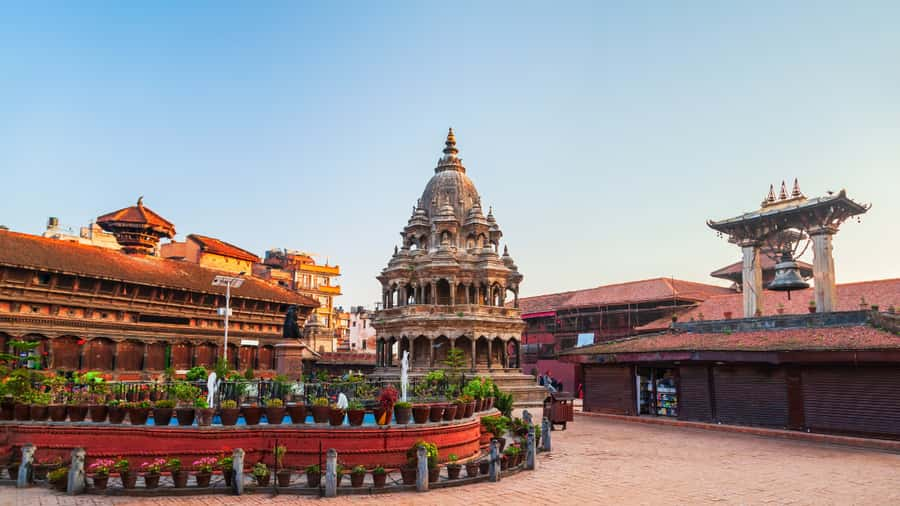
Pottery Square is scheduled for about 30 minutes and offers a welcome change from royal buildings. Here you can see the craft tradition that gives the area its character, with artisans working in a setting tied to local production rather than a museum display.
The tour highlights the chance to witness artisans at work. That is one of its strongest features because it connects the grand monuments to the people and skills that keep Newari culture visible today. You might find pottery for sale, but the point is not only shopping. Watch how the work is arranged, ask your guide about the craft, and notice the difference between seeing an object finished and seeing its working setting.
This stop also gives you a better sense of Bhaktapur as a living town. The palace square tells you about rulers and religious ceremonies. Pottery Square shows you a practical tradition that continues in daily life.
Dattatraya Temple and the Last Walk
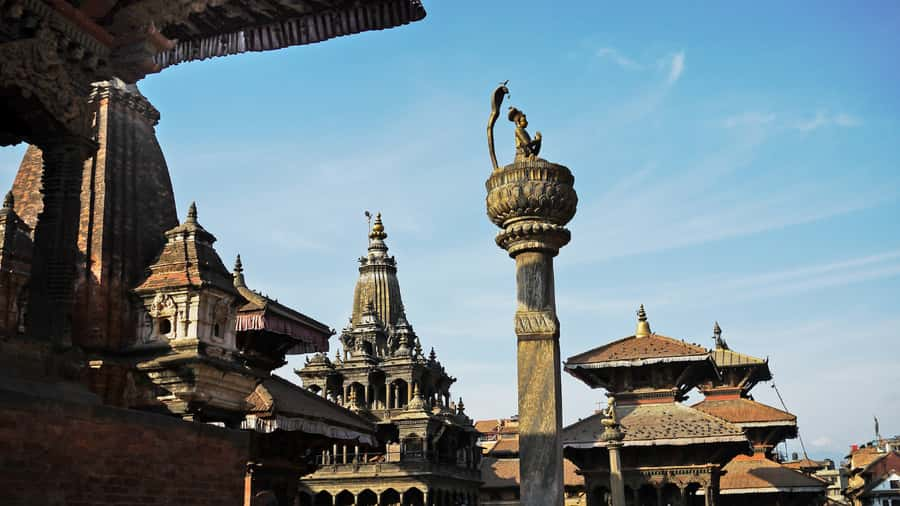
The final listed sight is Dattatraya Temple, with about 30 minutes for a guided visit and sightseeing. The temple adds another religious landmark to the Bhaktapur section and gives the tour a quieter final chapter after the larger squares.
At this point, you will have seen a wide range of design: Patan’s carved and metal details, museum objects, stone temple work, Bhaktapur’s palace architecture, tiered temples, and pottery. The route is busy, but the variety keeps it from feeling like a repeat of the same stop.
The tour then returns you to your hotel in the late afternoon. The stated drop-off locations include Himalayan Social Journey in Kathmandu. Confirm your exact pickup and drop-off point when booking, since the starting location depends on the option you choose.
What the Guide Adds
The guide is an English-speaking professional, and the tour is designed around explanation rather than transport alone. That matters in Patan and Bhaktapur because many buildings have religious meanings, local names, and layers of use that are not obvious from the outside.
One particularly praised guide was Rameshwar ji, whose storytelling about dynasties and royal intrigue helped connect the buildings with the people who once used them. Another account praised the guide’s clear English and the flexibility made possible by a private tour. Guide assignments can change, so you should not assume Rameshwar ji will lead every departure, but these details show what to look for: clear speech, good stories, and willingness to adjust the pace.
The private setting is also useful if you want to ask basic questions without holding up a group. You can ask about Hindu and Buddhist symbols, Newari craft, temple rules, or the difference between palace and shrine architecture.
Who Will Get the Most From This Tour
I would choose this tour if you have one day for the Kathmandu Valley’s major cultural sites and want someone else to handle the driving. It suits first-time visitors who want a structured introduction without committing to a full-day group excursion.
It is also a good match for couples, families, and small private groups who value flexibility. The itinerary includes shopping, but shopping is not the main purpose, so you can keep it brief if monuments matter more.
You should think twice if you prefer long, unhurried visits at each site. The route includes many stops, and some are allotted only 10 to 15 minutes. A self-guided visit to one city could give you more time in fewer places, while this tour gives you wider coverage.
The $39 price works best when you value convenience and interpretation. Remember to add entrance fees and lunch, and carry Nepalese currency for the site charges. Free cancellation up to 24 hours before the activity and the reserve-now, pay-later option also make it easier to fit into a changing Nepal itinerary.
Should You Book the Patan and Bhaktapur Tour?
Book it if you want two major heritage cities, private transport, and a guide in one well-organized six-hour outing. The strongest parts are the range of stops, the chance to see working craft traditions, and the personal pace of a private vehicle.
Do not book it expecting a slow, empty-palace experience. These are active old cities, and the schedule is full. If you accept the walking, extra entrance fees, and brisk timing, this is a useful and fairly priced way to see Patan and Bhaktapur without managing the logistics yourself.
FAQ
How long does the Patan and Bhaktapur tour last?
The tour lasts six hours, including hotel pickup, sightseeing, a lunch break, travel between the cities, and hotel drop-off.
Is hotel pickup included?
Yes. Hotel pickup and drop-off are included, with the exact starting location depending on the selected option.
Is transportation private?
Yes. Transportation is provided in a private vehicle.
Is an English-speaking guide included?
Yes. A professional live guide who speaks English is included.
Are entrance fees included in the price?
No. Entrance fees are not included. You should carry Nepalese currency to pay the site charges.
Is lunch included?
No. Food and drinks are not included. There is a lunch break between the Patan and Bhaktapur visits.
Which places are visited in Patan?
The route includes Patan Durbar Square, Patan Museum, Krishna Temple, Kumbheshwor Temple, and Hiranya Varna Mahavihar, also known as the Golden Temple.
Which places are visited in Bhaktapur?
The route includes Bhaktapur Durbar Square, the 55-Window Palace, Taumadhi Square, Pottery Square, and Dattatraya Temple.
What should I bring?
Bring a passport or ID card, Nepalese currency for entrance fees, comfortable shoes and clothing, sunglasses, and a sunhat.
Can I cancel for a full refund?
Yes. You can cancel up to 24 hours in advance for a full refund. You can also reserve now and pay later.
More Days Out in Patan
- Patan and Bhaktapur City Full Day Tour
★ 5.0 · 24 reviews - City tour of Bhaktapur and Patan Durbar Square
★ 4.5 · 20 reviews - Patan Heritage Tour – Private/Small Group
★ 5.0 · 14 reviews - Kathmandu and Patan Heritage and Living Goddess Experience Tour
★ 5.0 · 12 reviews
Just added around Kathmandu
- Traditional Momo Making Class★ 5.0 · 10 reviews
- Women Empowerment Project(Nepali cooking class & jewelry workshop★ 5.0 · 15 reviews
- Manthali Airport (Ramechhap) To Kathmandu – Transport Service★ 4.5 · 11 reviews
- Amazing 1 Day Trekking Experience in Kathmandu Nepal★ 5.0 · 24 reviews
- Walking tour of Kathmandu with awesome local guides★ 5.0 · 4 reviews
- Walking tour of real Kathmandu through back streets.★ 5.0 · 3 reviews
- Private Manaslu Circuit Trek at Himalayas★ 5.0 · 3 reviews
- Walking Street Food Tour in Kathmandu★ 5.0 · 111 reviews
Sightseeing Tours, compared.
Private Kathmandu Sightseeing Tour | UNESCO World Heritage sites
Read our review →
Kathmandu Private Sightseeing Tour | UNESCO World Heritage Sites
Read our review →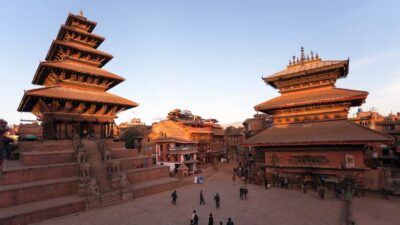
Full Day Kathmandu City Sightseeing Tour of UNESCO Heritage Sites
Read our review →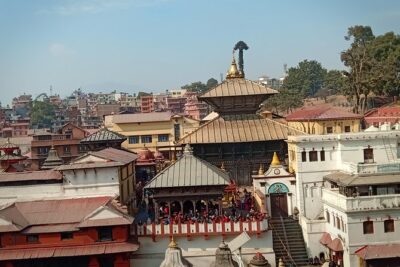
Browse the lists this tour appears in